

Material cost and sourcing logistics are where most Arizona patio projects go sideways — not during installation, but weeks before a shovel hits the ground. Understanding the true 16×16 stone paver cost Arizona homeowners face means looking beyond the per-unit sticker price and accounting for freight origin, regional supply availability, and the labor market conditions that shift dramatically between Phoenix’s urban core and more suburban corridors. The projects that stay on budget are the ones where the buyer treats material cost as a system, not a line item.
What Actually Drives 16×16 Stone Paver Cost in Arizona
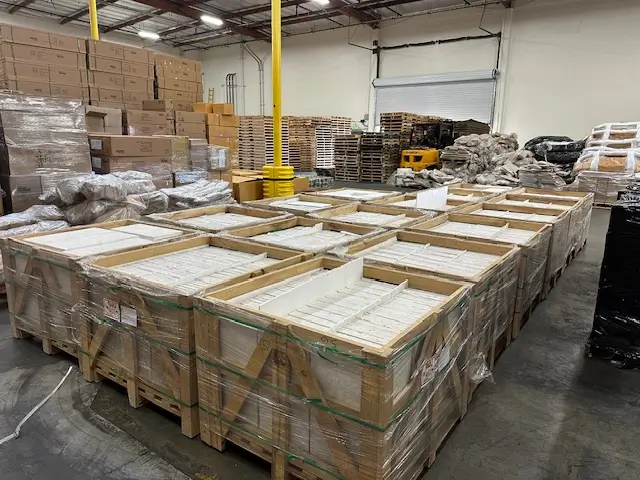
Arizona’s geography creates a freight dynamic that doesn’t exist in coastal states. Most natural stone — limestone, travertine, basalt, sandstone — ships from quarries in Mexico, Europe, or the American Southeast. By the time a pallet of 16×16 patio stones in Arizona reaches a Phoenix warehouse, it’s traveled through multiple freight legs, and each leg adds margin. You’re not just paying for stone; you’re paying for distance. Projects in Scottsdale or the East Valley typically have better access to regional stone distributors with consolidated warehouse inventory, which compresses delivery costs compared to spec projects in more remote parts of the state.
Material-to-labor ratios in Arizona also differ from national averages in ways that affect your budgeting strategy. In high-demand metro areas, skilled stone installation labor commands a premium — which means the smarter your material specification, the more labor savings you can capture. Choosing a 16×16 format with consistent calibration and tight dimensional tolerances directly reduces layout time, cut waste, and setting adjustments on the job. That’s not a minor detail when labor runs at prevailing rates across Maricopa County.
- Freight origin — domestic versus imported stone carries significantly different landed cost per square foot
- Pallet density — 16×16 pavers at 1.25-inch thickness weigh approximately 8–9 lbs per unit, which affects truck load efficiency and delivery cost per piece
- Regional availability — materials with Arizona warehouse stock ship in 1–2 weeks; specialty imports can run 6–10 weeks
- Calibration consistency — tighter tolerances reduce labor adjustment time, lowering your installed cost even when material unit price is higher
- Order volume — most distributors offer tiered pricing above 500 square feet, which matters for patio and pool deck projects
Stone Paver Pricing Per Square Foot in Arizona: What the Numbers Actually Mean
Stone paver pricing per square foot in Arizona ranges more widely than most homeowners expect — typically from $4.50 on the low end for basic tumbled limestone up to $18 or more for premium travertine with filled and honed finish. The middle of that range, roughly $7 to $12 per square foot for material only, covers the lion’s share of 16×16 format pavers that perform well in Arizona conditions. What you’re buying within that range is a combination of density, finish consistency, and sourcing reliability — not just aesthetics.
Here’s what often gets overlooked when comparing price points: a $6 per square foot paver with 10% dimensional variance creates a very different installed cost than a $9 per square foot paver calibrated to within 1.5mm. The cheaper unit forces the installer to spend time shimming, grinding high spots, and managing lippage — all of which shows up in your labor invoice. On a 400-square-foot patio, that calibration difference can add $800 to $1,200 in labor alone, effectively erasing the material savings and then some.
- Tumbled limestone (16×16): $4.50–$7.00 per sq ft, excellent thermal performance, lower upfront cost
- Travertine (16×16 filled and honed): $9.00–$14.00 per sq ft, premium aesthetic, moderate porosity management required
- Basalt (16×16 flamed): $10.00–$16.00 per sq ft, exceptional slip resistance, superior density for high-traffic areas
- Sandstone (16×16 natural cleft): $6.00–$10.00 per sq ft, good aesthetic range, requires careful sealing in Arizona UV exposure
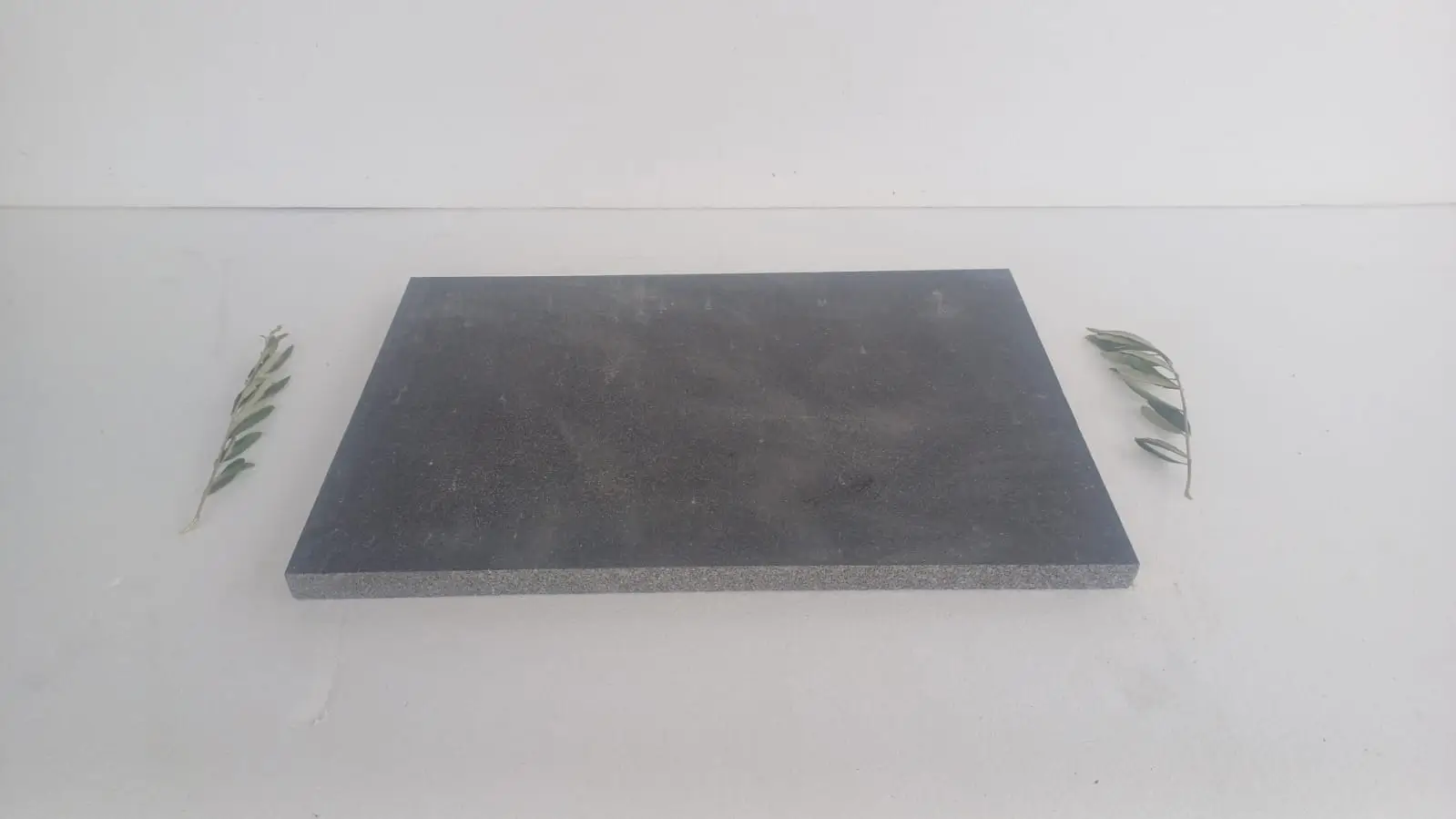
- Granite (16×16 polished or bush-hammered): $11.00–$18.00 per sq ft, extremely low absorption, longest performance cycle
Budgeting for Natural Stone Pavers AZ Homeowners Trust: Full Project Cost Breakdown
Budgeting for natural stone pavers AZ homeowners trust starts with a realistic total project number, not just a material quote. For a standard 400-square-foot backyard patio in the Phoenix metro, a realistic installed budget using mid-range 16×16 natural stone runs between $6,500 and $11,000 depending on material selection, base complexity, and edge detailing. Breaking that down: material typically represents 35–45% of total installed cost in Arizona’s current labor market. If your material quote is $4,000, expect your installed number to be $9,000 to $11,000 when base prep, labor, sealing, and waste factor are included.
Waste factor is a budget line that frequently gets underestimated. For a 16×16 format with straight-field layout, plan 8–10% overage for cuts and breakage. Complex patterns — herringbone, diagonal, bordered fields — can push waste to 15% or more. You’re ordering that overage upfront because mid-project material matching is a real risk, especially with natural stone where dye lot and quarry vein variation can shift even within the same SKU across shipments.
- Material (stone only): 35–45% of total installed budget
- Base preparation (6-inch compacted aggregate + bedding layer): 15–20% of budget
- Labor (setting, jointing, cutting, edge work): 30–40% of budget
- Sealing (initial coat, professional application): 5–8% of budget
- Delivery and logistics: 3–6% of budget depending on site access and distance from warehouse
For projects in Tucson, freight from Phoenix-area distributors adds a modest but real cost that’s worth factoring into your material sourcing decision — sometimes locally stocked inventory in Tucson’s regional supply network closes that gap, especially for projects under 600 square feet where trucking a full pallet from Phoenix isn’t cost-efficient.
Value Engineering Your Material Selection Without Sacrificing Performance
Value engineering in natural stone specification doesn’t mean buying cheap — it means identifying where quality investment yields long-term returns and where it doesn’t. For 16×16 patio stones in Arizona, the high-return investments are density, thickness, and calibration consistency. The lower-return areas are premium surface finishes in zones that get heavy foot traffic, where that honed or polished face will show wear within 3–5 years regardless of material quality.
Thickness is a particularly effective value engineering lever. Stepping down from a 1.5-inch to a 1.25-inch nominal thickness on a residential patio application typically saves $1.50 to $2.50 per square foot on material cost without meaningfully affecting performance — provided your base is properly prepared. That decision alone on a 500-square-foot project is $750 to $1,250 in savings. The critical caveat: don’t apply that logic to driveways or areas with vehicular access, where 1.5-inch minimum is the defensible specification. Your base depth compensates for a lot, but thickness protects against point load failure at vehicle tire contact zones.
At Citadel Stone, we recommend clients evaluate the full 10-year ownership cost rather than the initial purchase price — a higher-density stone with lower absorption requires fewer resealing cycles, which reduces maintenance expense by $200 to $400 over a decade on a typical Arizona patio. That math often closes the gap between a mid-tier and premium material selection entirely.
You can review our Arizona 16×16 patio stone pricing to see how material grades compare across thickness and finish options before committing to a specification direction.
Sourcing Decisions That Affect Your Total Project Cost
The sourcing decision you make for 16×16 patio stones in Arizona directly affects not just material cost but project schedule, and schedule has real financial weight. A material delivery that slips 3 weeks doesn’t just delay the project — it reschedules your installer, who may not be available when the stone finally arrives, adding another 1–2 week window before work resumes. That cascading delay is a hidden project cost most budgets don’t account for.
Warehouse availability in Arizona for natural stone varies significantly by material type. Limestone and travertine in the 16×16 format are typically well-stocked through regional distributors, with lead times of 7–14 days from order to delivery. Specialty materials — certain basalt finishes, premium Turkish travertine, or larger format stone cut down to 16×16 — may require 6–8 week lead times if they’re not locally warehoused. Citadel Stone maintains regional stock on the highest-velocity 16×16 formats specifically to eliminate that scheduling risk for Arizona contractors and homeowners.
- Verify warehouse stock confirmation before finalizing your installation start date
- Request a dye lot hold when ordering — this locks your specific material lot so mid-project additions match
- Confirm truck access at your delivery site, especially for properties with narrow gates or limited staging area
- Order 100% of your material including overage in a single purchase when possible — split orders risk material mismatch
- Get written lead time commitments, not estimated ranges, before scheduling your installer
Projects in Phoenix‘s infill neighborhoods often face staging challenges that add a truck delivery surcharge — narrow alleys, overhead lines, and limited curb access mean standard flatbed delivery isn’t always feasible, and smaller split deliveries increase your per-unit freight cost.
Affordable 16×16 Patio Stone Options Across Arizona: Where to Find Real Value
Affordable 16×16 patio stone options across Arizona aren’t hard to find — but locating options that also hold up to Arizona’s UV intensity, thermal cycling, and the occasional monsoon moisture surge takes more discernment. The materials that consistently deliver value at lower price points are tumbled limestone and sandstone in 16×16 format. Both are domestically available through regional distributors, which keeps freight cost manageable, and both perform reliably on residential patios with proper base preparation and biennial sealing.
Tumbled limestone deserves particular attention as a value play. The tumbled finish softens edges naturally, which means you don’t pay a fabrication premium for eased edges, and the surface texture provides adequate slip resistance without requiring a specialized flamed or bush-hammered treatment. For a pool deck or backyard patio in Scottsdale, tumbled limestone at 1.25-inch thickness on a properly compacted base gives you 15–20 years of realistic service life — and your material cost stays in the $5.50 to $7.00 per square foot range, well below the travertine premium.
- Tumbled limestone (16×16): Best overall value for residential patios, low freight cost from domestic sources
- Sandstone (16×16 natural cleft): Excellent aesthetic range at mid-tier pricing, requires penetrating sealer annually in high UV zones
- Reclaimed or seconds-grade stone: Can cut material cost 20–30% but requires thorough calibration check before accepting delivery
- Standard travertine (16×16 unfilled): Lower cost entry to travertine category — confirm fill requirement with installer before finalizing
Arizona Outdoor Stone Paver Material Cost Guide: Base, Sealing, and Lifetime Considerations
The Arizona outdoor stone paver material cost guide conversation isn’t complete without addressing what happens after installation. A 16×16 stone paver project in Arizona requires periodic sealing to maintain performance — typically a penetrating silane-siloxane sealer applied every 24–36 months in low desert climates, and annually in areas with sustained monsoon moisture exposure. The sealer itself runs $0.75 to $1.50 per square foot for professional application, which adds $300 to $600 to your 5-year maintenance budget on a 400-square-foot patio.
Base preparation is the other lifetime cost variable that doesn’t show up in the material quote but determines whether you’re repairing sunken or heaved units at year 5 or year 20. Arizona’s expansive clay soils in portions of the Valley require a minimum 6-inch compacted aggregate base — some specifications go to 8 inches where soil reports show plasticity index above 15. The base material and compaction labor add $2.00 to $3.50 per square foot to your project cost, but it’s the investment that separates a 20-year installation from a 10-year replacement cycle.
- Base depth: 6-inch minimum compacted Class II aggregate for patios, 8-inch for areas near pool equipment or outdoor kitchens
- Bedding layer: 1-inch compacted coarse sand or decomposed granite, screeded to 1/8-inch tolerance
- Joint sand: Polymeric joint sand performs better than standard in Arizona’s thermal cycling — resists washout during monsoon events
- Initial sealing: Apply penetrating sealer within 30 days of installation completion, never on freshly wetted stone
- Resealing cycle: Every 24 months in Phoenix metro, annually in areas with more than 20 frost events per year
- Inspection cycle: Check joint sand levels each spring — monsoon season typically displaces 15–20% of joint fill in unsealed installations
Before You Specify: Getting Your 16×16 Stone Paver Cost Arizona Decision Right
The specification decisions you lock in before ordering are the ones that determine your true 16×16 stone paver cost Arizona experience — not just the invoice total, but the 10-year ownership cost that follows. Get a material sample in hand before approving the order, confirm warehouse stock availability and lead time in writing, and verify that your installer has direct experience with the specific stone type you’re specifying. Material familiarity on the part of the installer reduces setting errors, minimizes lippage callbacks, and keeps your project on schedule. These aren’t abstract precautions — they’re the decisions that separate a smooth project from a drawn-out one.
Clarify the full scope of delivery logistics before your material ships — truck access dimensions, site staging area, and whether you need a tailgate delivery or a forklift capable of placing pallets. A miscommunication on delivery format adds cost and delay that no one budgets for. Beyond the 16×16 stone paver specification itself, your overall Arizona hardscape plan may involve multiple material comparisons worth working through before finalizing your approach. Stone Pavers vs Concrete Pavers: Which Is Better for Arizona Homeowners? covers the broader material decision that often frames what type of stone specification makes the most sense for your specific project conditions.
Specifications that account for freight origin, material calibration, base depth, and maintenance cycle from the start give you the clearest picture of real project cost — and the most durable result when installation wraps. For homeowners in Flagstaff, Yuma, and Gilbert, Citadel Stone provides detailed per-square-foot pricing on 16×16 patio stones so that labor estimates and surface area calculations can be planned with accuracy from the start.