
Why Storm Loads Define Your Retaining Wall Before You Break Ground
Installing retaining wall blocks in Arizona demands a structural mindset that goes well beyond stacking block on compacted base — the mechanical stress from monsoon-driven wind loads, hail impact, and storm surge drainage is what separates walls that last from walls that lean by year three. Haboobs carrying particulate at 60-plus miles per hour create lateral pressure that compounds against any retained soil mass, and if your batter angle, block interlock, and drainage geometry aren’t calibrated for that load scenario, you’ll see movement in the first major storm season. The good news is that Arizona’s block wall failures are almost always traceable to a handful of installation decisions, and every one of them is correctable before the first course goes down.
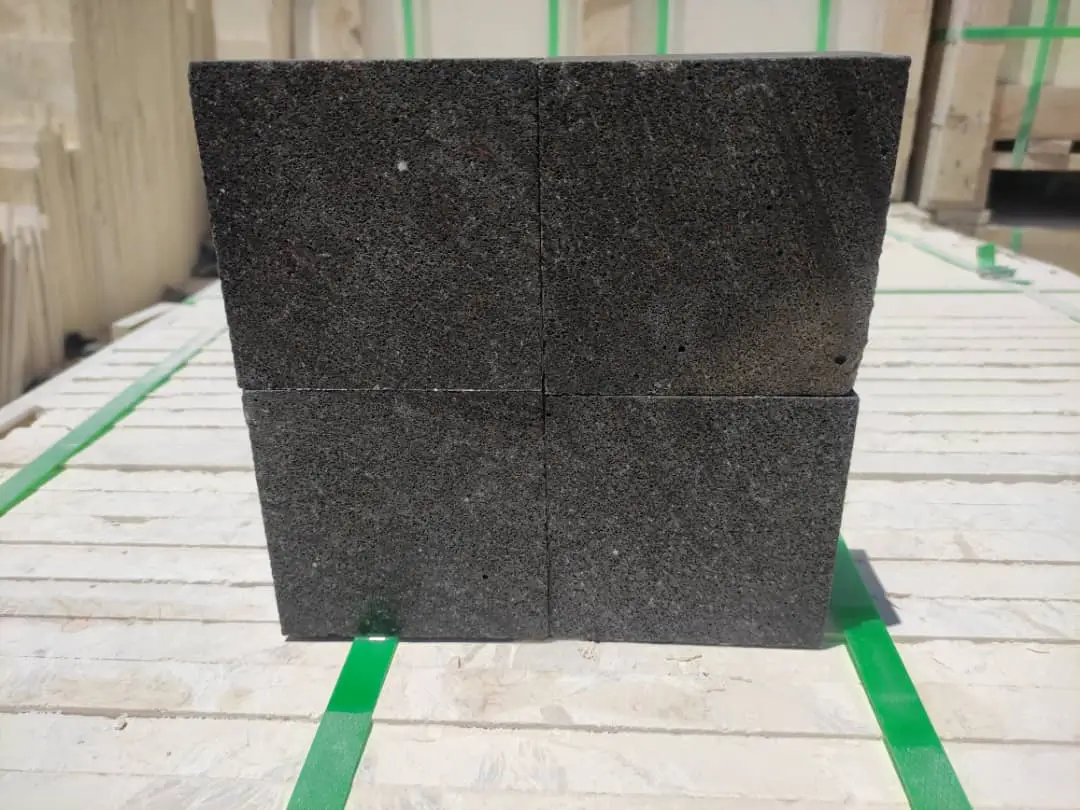
Understanding Arizona Wind and Storm Mechanics on Retaining Structures
Arizona’s storm profile is genuinely unusual compared to most of the continental US. You’re dealing with three distinct mechanical threats: monsoon haboob events that arrive fast with sustained lateral wind loads, late-summer thunderstorm cells that drop high-intensity rainfall in short windows, and periodic hail events that test surface integrity and joint stability simultaneously. Retaining wall blocks in Arizona don’t just retain soil — they’re active structural members absorbing these combined forces every season.
Wind-driven rain deserves specific attention because it pressurizes your wall’s drainage infrastructure. Under normal rain events, water infiltrates the retained soil mass and exits through your drainage aggregate and weep holes at a manageable rate. During a storm event with 40-mph sustained winds, that same water is being driven horizontally into any joint gap, accelerating saturation of retained material and increasing hydrostatic pressure against the wall face in a fraction of the normal time window.
- Design drainage aggregate columns to handle at least a 100-year storm event flow rate for your specific county
- Specify geogrid reinforcement layers at every 18–24 inches of wall height for walls exceeding 4 feet
- Account for wind load coefficients per ASCE 7 in any engineered wall drawing — especially for walls facing prevailing southwest monsoon approach vectors
- Use a minimum 2% batter (setback per course) to keep the resultant force vector well within the middle third of the base
Selecting Retaining Wall Blocks for Mechanical Performance in Desert Conditions
Block selection for desert slope wall block installation in AZ comes down to two structural variables most homeowners and even some contractors undervalue: compressive strength and interlock geometry. You need blocks that meet or exceed 3,500 PSI compressive strength — that’s the ASTM C1372 minimum for segmental retaining wall units — but in storm-exposed Arizona installations you should push that specification to 4,000 PSI or better for any wall above 36 inches.
Interlock geometry is the feature that resists the racking force of wind loading. Blocks with a positive shear interlock — meaning the geometry of the unit itself resists horizontal sliding without relying solely on friction — outperform flat-faced units substantially when lateral loads arrive. In Mesa, where residential retaining walls often face open-lot wind exposure with little buffering from adjacent structures, that interlock spec frequently makes the difference between a wall that holds its batter through five monsoon seasons and one that begins to toe out after two.
- Specify blocks with a defined shear key or interlocking lip — not just friction-dependent stacking
- Minimum 6-inch unit depth for walls over 3 feet; 8-inch or greater for walls over 5 feet
- Avoid units with nominal face thickness under 3.5 inches — hail impact and wind-driven aggregate abrade thin faces over time
- Check block absorption rates — lower absorption limits joint saturation during wind-driven rain events
Base Preparation That Handles Storm Drainage Without Failure
Your base course is doing two jobs simultaneously: transferring vertical load from the wall mass to stable subgrade, and serving as the terminus of your drainage column. Getting the base trench depth right is critical — and in Arizona that means excavating a minimum of 6 inches below grade for the base aggregate course, plus an additional inch for every foot of exposed wall height. That formula accounts for the soil saturation profile during intense storm events, where the active failure wedge behind the wall expands as moisture content increases.
Desert slope wall block installation in AZ behaves differently than specifications written for Pacific Northwest or Midwest climates, because your base compaction conditions fluctuate with seasonal soil moisture swings. Compact your crushed aggregate base to 95% Proctor density using a plate compactor — do not skip lifts to save time. Each lift should be no more than 4 inches of loose material before compaction. In Gilbert, native soil frequently contains expansive caliche and clay fractions that need full removal from the base trench before your aggregate placement begins; leaving even a 2-inch clay lens under a base course creates a differential settlement point that opens up after the first heavy storm saturates it.
- Remove all organic material and soft spots from the trench bottom — probe with a steel rod to check bearing
- Use clean 3/4-inch crushed aggregate, not decomposed granite, for the base course and drainage column
- Extend base aggregate a minimum of 12 inches behind the block to form the drainage column foundation
- Level your base course to within 3/8 inch across the full wall run before setting the first block
Drainage Systems That Survive Arizona Storm Events
Here’s where most how to build a retaining wall in Arizona guides fall short — they treat drainage as an afterthought rather than a primary structural system. Your drainage column is not optional and it is not decorative. During a haboob-associated storm event, you can receive 2–3 inches of rain in under 30 minutes. That volume hitting your retained soil mass creates hydrostatic pressure that can exceed the lateral resistance of undersized drainage systems within the duration of a single storm.
The drainage column should run the full height of the wall, filled with clean 3/4-inch or 1-inch washed angular aggregate — not pea gravel, which migrates and clogs. Line the retained-soil face of the drainage column with a non-woven geotextile fabric with an AOS (apparent opening size) of 50–100 microns to prevent fine migration into the aggregate. Place perforated pipe (4-inch minimum diameter, slotted facing down) at the base of the column, and ensure it daylights to either end of the wall at a minimum 1% grade. Weep holes through the block face every 4 feet of linear run provide secondary pressure relief — don’t rely on them as your primary drainage path. You can explore Arizona retaining blocks from Citadel Stone that are spec’d with drainage column spacing guidelines already matched to Arizona storm intensity zones.
Retaining Wall Block Height Guide Across Arizona’s Terrain
The retaining wall block height guide across Arizona isn’t one-size-fits-all because elevation and terrain profile change your load conditions significantly. Low desert installations in the Phoenix metro — where most walls are 2–5 feet managing yard grade transitions — face very different engineering demands than foothills installations at 2,000–3,500 feet where slope angles are steeper and storm runoff velocity is higher.
For walls up to 4 feet of exposed height, a well-built gravity wall with proper batter, drainage, and base preparation is typically adequate in low-desert conditions. From 4–6 feet, geogrid reinforcement becomes necessary in most Arizona jurisdictions — check with your local municipality because Maricopa County and Pima County have adopted specific segmental retaining wall design standards that reference the NCMA (National Concrete Masonry Association) design manual. Above 6 feet, you’re in engineered wall territory, meaning a licensed engineer needs to stamp your drawings. That’s not bureaucratic caution — it’s recognition that wind loading on tall walls in exposed Arizona sites creates overturning moments that empirical rules of thumb can’t reliably address.
- Walls 0–4 feet: gravity design, minimum 2% batter, 6-inch aggregate base, drainage column required
- Walls 4–6 feet: add geogrid reinforcement at 18-inch vertical intervals, minimum, extending 60% of wall height back into retained soil
- Walls 6 feet and above: engineered design required; consult local permit requirements before procurement
- All heights: drainage column, geotextile separation, and perforated pipe are non-negotiable in Arizona storm conditions
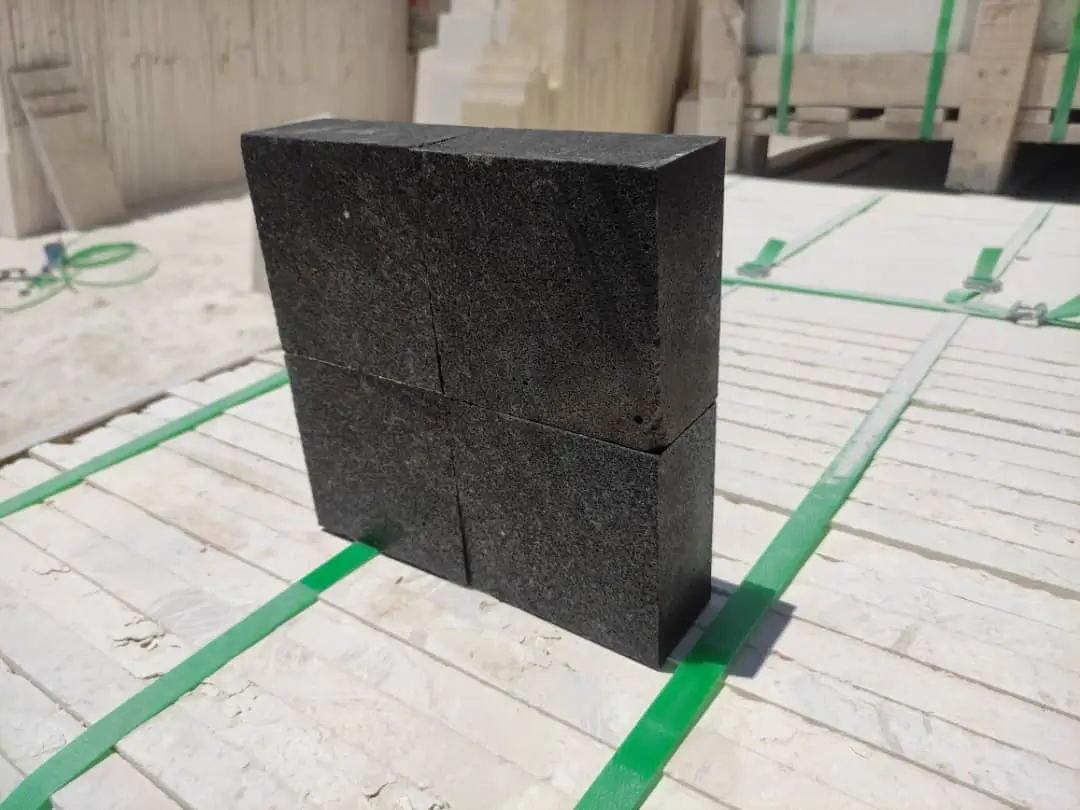
Course-by-Course Installation Sequence for Wind-Exposed Sites
Your installation sequence matters more than most guides acknowledge, particularly when installing retaining wall blocks in Arizona where storm exposure is part of the design brief from day one. Start by verifying your base course is set at or below finish grade — the first course should never be fully exposed. Embedding the base course keeps the critical toe of the wall from being undermined by storm runoff scouring at the face.
Set each course with the specified batter, and check it every 6–8 feet with a batter gauge or a standard level and ruler. Batter accumulates — a 1/4-inch error per course adds up to over an inch of deviation in a 5-course wall, which reduces your lateral stability margin against wind loading. Backfill in 6–8-inch lifts as you build, compacting each lift before placing the next course. Do not build the full wall height and then backfill — the wall needs the passive soil resistance during installation, especially on sites that receive afternoon thunderstorm activity during construction windows. In Chandler, afternoon storm cells during July and August can arrive with minimal warning, and an unbackfilled wall under construction has no passive resistance to lateral wind load on the exposed face.
- Embed base course minimum 6 inches below finish grade
- Check batter with a gauge every 6–8 feet of linear run per course
- Backfill and compact in 6–8-inch lifts concurrent with wall construction — never as a single end-of-project operation
- Install geogrid layers perpendicular to the wall face at specified vertical intervals, extending the full geogrid length before placing the next block course
- Complete weep holes or drainage outlets before backfilling covers them
Joint Integrity and Edge Restraint Under Wind-Driven Conditions
Joint integrity in retaining wall blocks in Arizona is a performance issue that goes beyond aesthetics — it’s a structural seam that experiences cumulative stress from wind-driven particulate abrasion, thermal cycling, and intermittent moisture. The running bond pattern (each course offset by half a block length) is the baseline standard, but on wind-exposed sites you should also verify that your end conditions — meaning the termination points at each end of the wall — are anchored against lateral displacement. End block movement is the most common initiation point for progressive joint failure under cyclic storm loading.
At Citadel Stone, we recommend that contractors on Arizona storm-exposure sites verify warehouse stock of cap units before beginning installation — a wall without a properly installed cap course has open joints at the top that allow wind-driven rain to infiltrate directly into the drainage column at a rate it wasn’t designed to handle in short-duration storm events. Cap units should be adhered with a construction adhesive rated for exterior masonry, applied in a continuous bead on the final course block before cap placement, with full contact across the top surface. Our technical team can advise on adhesive selection for specific block profiles and storm exposure classifications.
- Use running bond minimum — avoid stack bond, which has no shear resistance between courses
- Adhere cap units with continuous bead exterior masonry adhesive — do not leave cap course dry-stacked
- At wall terminations, install a buried anchor course or use a corner/return section to prevent lateral end displacement
- Inspect all joints after the first monsoon season — minor repointing on exposed mortar joints is far less costly than structural repairs
Specifying Your Arizona Retaining Wall: The Complete Action Plan
The variables that determine long-term performance for installing retaining wall blocks in Arizona aren’t complex — they’re sequential. You need the right block specification for your wall height and wind exposure class, a base trench depth and compaction standard matched to your soil profile, a drainage system sized for Arizona’s high-intensity storm events rather than average rainfall, and a course-by-course installation discipline that doesn’t cut corners on batter or backfill timing. Miss any one of those and you’re building a wall for average conditions in a state that delivers well above-average storm loads.
Procurement timing is worth planning carefully. Confirm truck delivery access to your site before finalizing your block order — narrow residential lots in older sections of the metro often have site access constraints that affect whether a full truck delivery works or whether you need split loads staged from a distribution point. Warehouse lead times for standard segmental retaining wall block in Arizona typically run 1–2 weeks for in-stock profiles, but specialty colors or large-format units may extend that window. Plan your delivery schedule so materials arrive after your trench excavation and base aggregate are ready — block sitting in staging for extended periods in open-site conditions gets subjected to wind-driven particulate that can affect interlock surface quality. As you think through your full Arizona hardscape project, complementary surfaces around and beyond your wall deserve equal specification attention — How to Maintain Black Outdoor Paving in Arizona’s Climate covers another dimension of Arizona stone performance worth reviewing before you finalize material selections for your broader site. Citadel Stone supplies retaining wall blocks to projects across Tucson, Mesa, and Chandler, with each block selected from established quarry partners across multiple continents for consistent dimensional stability in desert slope installations.