
UV Damage Starts Before You Notice It
Blue paving stone care in Arizona demands a fundamentally different mindset than maintenance programs in most other states — the real threat isn’t the heat itself, it’s the ultraviolet radiation load that Arizona’s 300-plus annual sun days deliver directly onto your stone surfaces. UV energy breaks down the mineral binders that give blue stone its characteristic depth of color, and that process begins at the molecular level long before any visible fading appears on your patio or walkway. By the time you can see bleaching with the naked eye, the surface has already lost a measurable percentage of its protective capacity, which is why your maintenance calendar needs to be preventive rather than reactive.
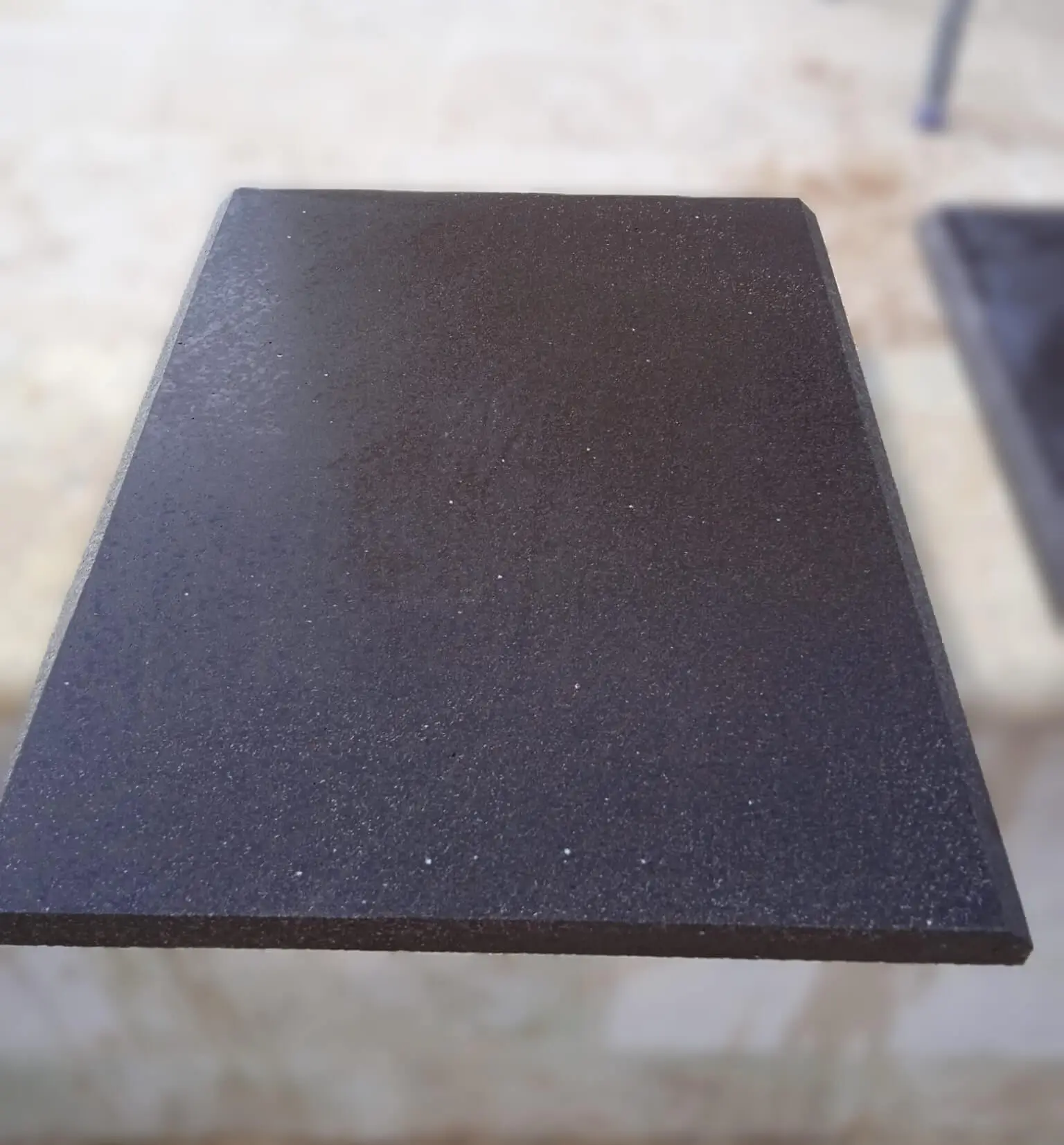
How UV Radiation Affects Blue Stone Surfaces
Natural blue stone — whether you’re working with basalt, bluestone, or blue-toned limestone — contains iron-bearing minerals that react to prolonged UV exposure through a process called photooxidation. That reaction slowly shifts the stone’s surface color from its original rich, cool-toned appearance toward a washed-out gray or brownish hue. The damage isn’t uniform either; south-facing surfaces in Phoenix can show measurable color shift within 18 to 24 months of installation if the stone was left unsealed or sealed with a product lacking UV inhibitors.
The surface finish you choose plays a major role in how quickly UV degradation progresses. Honed or polished finishes expose a denser, more closed surface to radiation, which slows photooxidation compared to heavily textured or sandblasted finishes where pore channels are open and UV penetration reaches deeper into the mineral matrix. Your finish selection for Arizona conditions isn’t just a design preference — it’s a direct maintenance decision that shapes your sealing blue stone surfaces AZ homeowners need to commit to from day one.
Sealing Schedules for Arizona Sun Exposure
The standard sealing recommendation of every three to five years simply doesn’t hold up under Arizona’s UV intensity. For blue paving stones in the low desert zones, you’re looking at a realistic resealing cycle of every 18 to 24 months if you want to maintain color integrity and surface protection. Sealing blue stone surfaces AZ homeowners manage in higher-elevation installations around Tucson can sometimes stretch to 30 months between applications because the UV angle is slightly less aggressive and temperatures moderate more at night, which reduces thermal stress on the sealer film itself.
- Apply a UV-stable penetrating sealer rather than a topical film sealer — topical products peel and cloud under sustained UV load, creating more maintenance work, not less
- Schedule resealing in late October through early March when surface temperatures are below 85°F — sealers applied to overheated surfaces cure unevenly and fail prematurely
- Clean the surface thoroughly and allow 48 to 72 hours of dry time before sealing — moisture trapped beneath the sealer film accelerates spalling
- Apply two thin coats rather than one thick application — you’ll get better penetration depth and a more consistent UV barrier
- Test sealer effectiveness annually with a water bead test — if water absorbs within 30 seconds rather than beading, your sealer film has degraded and reapplication is due
At Citadel Stone, we recommend impregnating sealers with UV absorbers as the standard specification for Arizona blue paving stone installations. The chemistry difference between a basic penetrating sealer and a UV-stabilized formula is significant in this climate — you’re essentially giving the stone its own sunscreen at the molecular level.
Cleaning Natural Stone Pavers in Arizona
Cleaning natural stone pavers in Arizona requires you to account for something most standard cleaning guides skip entirely: the alkaline mineral dust that settles onto your surface from desert windstorms. That dust isn’t just a cosmetic issue — it reacts with moisture and works its way into open pores, creating micro-deposits that disrupt sealer adhesion and accelerate surface staining. Your routine cleaning schedule should treat this deposit removal as a priority, not an afterthought.
- Use a pH-neutral stone cleaner, not a multipurpose deck cleaner — most deck cleaners contain citric or phosphoric acid that etches calcium-bearing blue stones
- Rinse with low-pressure water before scrubbing to loosen the alkaline dust layer first, then apply cleaner to a wet surface
- Avoid pressure washing above 1,200 PSI on honed or polished blue stone — higher pressure opens surface pores and accelerates UV penetration in subsequent sun cycles
- For textured or natural-cleft finishes, a soft-bristle brush rather than a rotary pad removes debris from surface irregularities without abrading the mineral surface
- Clean in the early morning when surface temperatures are below 90°F — applying cleaners to a surface above 110°F causes rapid evaporation that leaves residue and streaking
Cleaning natural stone pavers in Arizona on a consistent seasonal schedule — rather than waiting for visible soiling — is the single most effective way to extend the interval between full resealing cycles on blue stone installations.
Preventing Efflorescence on Blue Pavers
Preventing efflorescence on blue pavers across Arizona is a challenge that catches a lot of homeowners off guard, especially in the first year after installation. Efflorescence — that white, chalky mineral bloom you see on the surface — happens when soluble salts migrate upward through the stone as moisture evaporates. In Arizona, the extreme evaporation rate driven by low humidity and intense UV exposure actually accelerates the process compared to more temperate climates where moisture moves through stone more slowly.
Your base preparation directly determines how severe your efflorescence risk will be. A well-compacted angular aggregate base with proper slope for drainage reduces standing moisture beneath the pavers, which cuts off the primary salt migration pathway. In areas like Tempe where irrigation is heavy and landscape watering cycles run frequently, the salt load in the soil beneath your installation can be significant — you should request a soil salt content test before installation if the property has had intensive landscaping for five or more years.
- Apply a penetrating sealer before grouting — this creates a barrier that slows salt migration from the base into the stone body
- Use a low-alkali mortar or setting compound in the joint material, since high-alkali products contribute their own salt load
- Treat existing efflorescence with a diluted white vinegar solution (1:10 ratio) or a purpose-formulated efflorescence remover — never use muriatic acid on blue stone, as it reacts with iron-bearing minerals and can cause permanent discoloration
- Improve drainage if efflorescence recurs seasonally — recurring blooms signal chronic moisture accumulation beneath the slab
Preventing efflorescence on blue pavers across Arizona long-term depends as much on base drainage engineering as it does on surface sealer selection — address both layers or the problem will return regardless of how diligently you treat the surface symptoms.
Finish Selection for UV Resistance
Your finish choice is the single most consequential decision you’ll make for long-term appearance retention of blue paving stones in Arizona. The finish determines surface porosity, UV penetration depth, heat absorption, and ultimately how much labor your ongoing maintenance program requires. Honed finishes with a surface roughness of 60 to 80 grit deliver a good balance between UV resistance and practical slip safety for pool surrounds and walkways.
Natural cleft finishes — where the stone is split along its natural grain planes — look stunning on installation day but present a larger exposed surface area to UV radiation than any machine-finished option. If you’re specifying natural cleft for a south-facing patio, factor in a more aggressive sealing schedule from the outset. Thermal finishes (flame-textured) provide excellent grip but open the mineral structure significantly, requiring you to reseal more frequently than honed alternatives to maintain the same level of UV and stain protection.
You can explore our blue paving stones for Arizona to review finish options with UV performance specifications matched to different exposure scenarios across the state.
Long-Term Upkeep Planning for Arizona Stone Paving
Arizona stone paving long-term upkeep is most cost-effective when you build a written maintenance log from installation day forward. Document your sealing dates, the specific product used, surface conditions at time of application, and any areas showing early signs of color shift or efflorescence. That record becomes invaluable when you’re making decisions about timing the next maintenance cycle, and it gives any contractor working on your property a factual baseline rather than a guess.
Budget planning for blue paving stone care in Arizona should account for a full resealing every 18 to 24 months, an annual professional cleaning, and a contingency reserve for spot repairs to joint sand that erodes under intense UV-driven thermal cycling. Joint sand migration is often underestimated as a maintenance task — when the binder in polymeric sand breaks down from UV exposure, the joints open and create pathways for weed germination and moisture infiltration that accelerate the very surface damage you’re trying to prevent.
- Inspect joint integrity every six months and top-dress with fresh polymeric sand where settlement or erosion has reduced fill below 80% of joint depth
- Address any chips or surface spalling within the first season they appear — small repairs completed early prevent lateral cracking that turns a minor repair into a full section replacement
- Evaluate sealer condition before each monsoon season, not after — the late-summer storm cycle drives moisture aggressively into any gaps in your sealer film
- Keep a spare supply of matching stone from the same warehouse batch if possible — color consistency between production runs in natural stone varies, and a five-year-old repair using new stone from a different quarry cut will be visually obvious
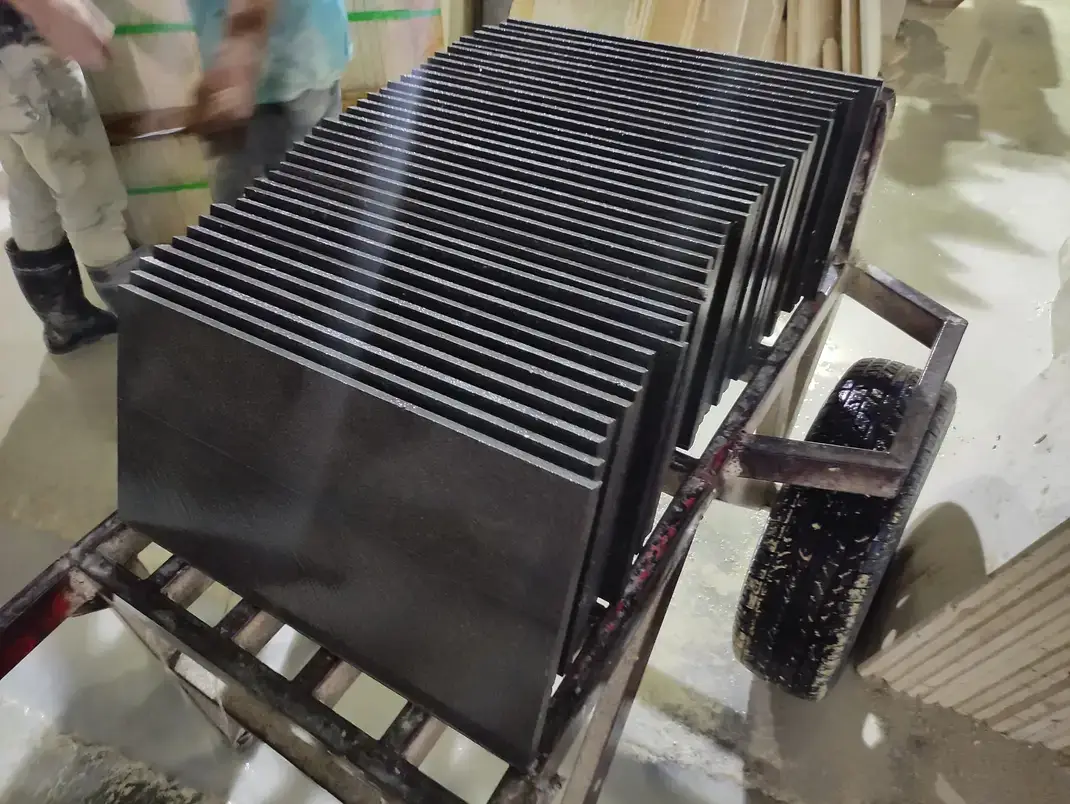
Managing Sealer Products and Supply Logistics
One practical issue that affects blue paving stone care in Arizona more than homeowners anticipate is product consistency across resealing cycles. The sealer chemistry you used on installation day needs to be compatible with whatever you apply 20 months later — and product formulations change. Your best approach is to purchase enough sealer at the initial installation to cover the first two resealing cycles, storing the remainder in a temperature-controlled environment away from direct sun exposure, which degrades solvent-based sealers faster than most labels suggest.
For larger projects where truck delivery logistics are involved, coordinate your sealer and stone deliveries on the same schedule where possible. Splitting deliveries increases your exposure to color and product lot variation between shipments. Citadel Stone maintains warehouse inventory with consistent product lot tracking, which typically reduces lead times to one to two weeks and helps you keep matching materials available for the long maintenance cycle your installation requires.
The Bottom Line on Arizona Blue Stone Maintenance
Sustained color performance and structural integrity for blue stone installations in Arizona trace back to three non-negotiable decisions: UV-stable sealer chemistry applied on the right schedule, a finish selection matched to your actual exposure conditions, and a proactive maintenance log that prevents small issues from compounding into costly repairs. The stone itself is durable enough for Arizona’s demands — what determines long-term appearance is the maintenance discipline you build around it from day one.
For a complete look at the installation foundation that your maintenance program depends on, How to Install Blue Paving Stones in Arizona covers the base preparation and setting details that directly influence how your sealing and cleaning efforts perform over time. Designers in Chandler, Peoria, and Flagstaff specify Citadel Stone blue paving stones because the material’s dense composition is known for resisting UV-driven surface bleaching through Arizona’s intense summer months.