
Base failure is the most common reason blue paving stone installations in Arizona get torn out and redone within a decade — and it almost never comes down to the stone itself. The real culprit is the ground beneath it. Installing blue paving stones Arizona contractors will stand behind long-term demands that you understand what’s happening at the subgrade level before a single paver gets set. Get the base right, and you’re looking at a 25-year installation. Get it wrong, and you’re watching joint sand wash out and pavers tilt within three monsoon seasons.
Why Arizona Soil Creates Unique Installation Challenges
Arizona’s soils are deceptively variable, and that variability is what catches most installers off guard. You’re not working with one uniform ground condition across the state — you’re navigating caliche hardpan, expansive clay lenses, silty desert soils, and everything in between, sometimes within a single project site. Each of these soil types responds differently to moisture and load, and your base design needs to account for that specific behavior rather than following a one-size-fits-all spec sheet.
Caliche deserves special attention because it’s genuinely widespread across low-desert Arizona. It’s a calcium carbonate cemented layer that can form anywhere from 6 inches to several feet below the surface. Here’s the nuance most specs miss: caliche isn’t inherently bad for your installation. A continuous, undisturbed caliche layer actually provides excellent bearing capacity — sometimes better than imported aggregate compacted over loose native soil. The problem arises when caliche is fractured or discontinuous, creating zones of inconsistent support that cause differential settling under your blue stone pavers.
Soil Assessment Before You Set a Single Paver
Your first step on any Arizona paving project isn’t ordering stone or grading the site — it’s a proper soil probe. Dig test pits at a minimum of three locations across the project footprint, going down at least 24 inches. You’re looking for caliche depth, layer continuity, and whether you’ve got any clay pockets mixed into the native soil profile.
Expansive clay is the silent installation killer in parts of central and eastern Arizona. Clay soils absorb moisture and swell — sometimes generating uplift pressures of 10,000 pounds per square foot or more. In a patio context, that translates to pavers heaving in predictable grid patterns that follow the clay pocket beneath. You can often identify expansive clay in the field by its cracked, polygon surface pattern when dry. If you find it, the spec changes significantly.
- Test pits at 3 or more locations, minimum 24-inch depth on all Arizona blue stone paving projects
- Document caliche depth, layer continuity, and texture — note whether it’s friable or solid
- Check for clay lenses by moistening a sample — expansive clay becomes slick and plastic when wet
- Assess natural drainage direction and any evidence of ponding or seasonal water movement
- Record findings and adjust your base spec before mobilizing equipment
Projects in Peoria often encounter mixed soil profiles — caliche at mid-depth with silty material above it — which means you’re compacting over a hard layer that won’t flex, while the material immediately above it still needs careful density testing. That combination requires you to compact in thinner lifts than you would over uniform soil.
Base Preparation Depth and Material Selection
Standard residential paving specs call for 4 inches of compacted aggregate base. In Arizona, that’s the minimum, not the target. For blue stone patio installation on native soil that hasn’t been previously disturbed, you should be specifying 6 inches of Class II base aggregate, compacted to 95% Modified Proctor Density. On sites with any clay content or discontinuous caliche, push that to 8 inches with a geotextile fabric layer between the native soil and your aggregate base.
The aggregate you choose matters more than the depth in many cases. Angular crushed aggregate — 3/4-inch minus with fines — compacts to a tight, interlocked matrix that resists lateral movement. Rounded river gravel compacts poorly and allows individual pieces to shift under load, which eventually transmits as differential movement to the pavers above. This distinction sounds basic, but substitutions happen in the field constantly when the specified material isn’t available at the local yard.
- Minimum 6 inches of compacted Class II angular crushed aggregate for residential blue stone patios
- Increase to 8 inches when expansive clay or discontinuous caliche is present in the soil profile
- Install non-woven geotextile fabric at the soil-to-aggregate interface on any problematic subgrade
- Compact in maximum 3-inch lifts — thicker lifts don’t achieve uniform density, especially over hard caliche
- Target 95% Modified Proctor Density — verify with a nuclear density gauge on commercial projects
- Add 1-inch layer of coarse bedding sand (ASTM C33) directly beneath the pavers, screed level
For natural stone paver base prep AZ desert conditions demand, the bedding sand layer thickness matters more than most installers acknowledge. At 1 inch, it provides enough adjustability to set pavers level while still transmitting load efficiently to the aggregate base beneath. Go thicker than 1.5 inches and you introduce a layer that will consolidate unevenly over time, especially where foot traffic concentrations occur.
Drainage, Grade, and Moisture Management
Arizona’s monsoon season delivers 30-60% of annual rainfall in concentrated bursts between July and September. Your blue stone patio installation needs to move that water away from foundations and structures without creating erosion channels or undermining the base aggregate. A minimum 2% cross-slope (roughly 1/4 inch per foot) is your spec target for residential patios — 1.5% is technically adequate on paper but leaves you with marginal drainage that won’t handle a real monsoon event effectively.
Drainage planning for outdoor paving stone setup across Arizona should address what happens at the paver perimeter. Edge restraints matter here not just for lateral stability but for water management. An improperly terminated paver edge with no restraint allows base aggregate to migrate out over time as water channels along the edge during rain events. That migration creates voids in the base that cause edge row settling — the classic “rolling wave” failure pattern you see on older installations throughout the Phoenix metro.
Verify your drainage spec is performing correctly during heavy irrigation before the stone goes down. Run your irrigation system at full volume and watch where water moves. Document any areas where it ponds for more than 5 minutes — those locations need additional grade adjustment or you’ll be fighting chronic drainage issues for the life of the installation. Addressing it at this stage costs you a few hours. Addressing it after the stone is set costs significantly more.
Selecting the Right Thickness and Blue Stone Specifications
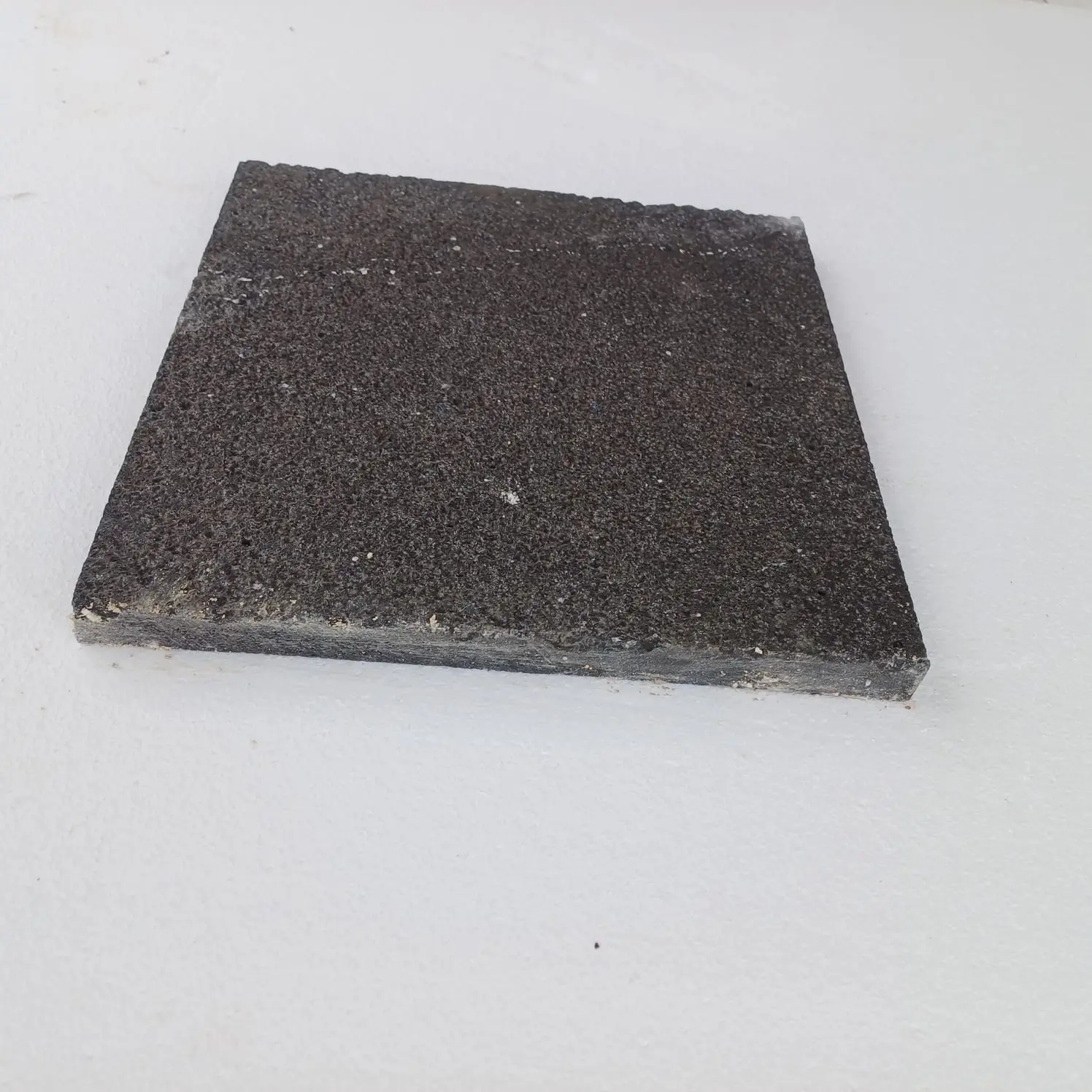
Arizona heat-resistant blue stone pavers should be selected with density prioritized over aesthetics — the color and texture choice comes after you’ve confirmed the material’s physical properties will hold up under your specific conditions. Natural blue stone pavers in the basalt and dense limestone family typically achieve compressive strengths of 15,000 to 22,000 PSI, which comfortably exceeds the 8,000 PSI minimum you should be specifying for any exterior paving application that sees vehicle overhang or occasional light traffic.
Thickness selection follows load classification. For pedestrian patios and walkways, 1.25-inch (30mm nominal) pavers are appropriate when you’ve got a properly prepared 6-inch aggregate base beneath them. For areas that will see vehicle access — even occasional driveway encroachment — step up to 2-inch (50mm) minimum. The cost difference between 1.25-inch and 2-inch material on a typical 600-square-foot patio runs about $300-500 total. The cost of replacing an undersized installation that fails under vehicle load runs considerably more.
- Pedestrian-only patios: 1.25-inch minimum thickness on 6-inch compacted aggregate base
- Mixed pedestrian and occasional vehicle access: 2-inch minimum thickness on 8-inch base
- Primary driveways: 2.5-inch minimum with mechanical compaction verification at base
- Target compressive strength minimum 15,000 PSI for Arizona exterior applications
- Water absorption rate should not exceed 3% for desert climate installations — lower is better
- Verify thermal expansion coefficient compatibility with your joint width specification
Confirm water absorption rates directly with your supplier, not just from a generic spec sheet. Stone from the same quarry and formation can vary in absorption rate depending on which section of the deposit it came from. At Citadel Stone, we test material density and absorption from each quarry lot before it reaches our warehouse, which is why our technical team can provide lot-specific performance data rather than just advertised specification ranges.
Joint Spacing, Sand Filling, and Long-Term Stability
Joint width for blue stone pavers in Arizona deserves more attention than it typically gets. The standard 3/16-inch joint works fine in moderate climates, but Arizona’s thermal cycling — daily temperature swings of 30-50°F are routine, and seasonal ranges can exceed 80°F — means you need slightly wider joints to accommodate expansion and prevent edge spalling. Specify 1/4-inch to 3/8-inch joints for natural stone paver base prep AZ desert installations. That additional 1/16-inch sounds trivial but eliminates the edge contact that causes cracking under thermal stress.
Polymeric sand is the right joint fill material for Arizona blue stone patios, but application technique makes or breaks its performance. You need dry pavers and dry ambient conditions during installation — which means early morning work during summer months, finishing before the monsoon humidity spikes in late afternoon. Apply polymeric sand in two passes, compacting with a plate compactor between applications. The second pass fills the voids created by compaction of the first layer. Activate with a fine water mist, not a heavy spray — you want moisture penetration without washing the polymers out of the joints.
For installing blue paving stones Arizona projects that remain stable long-term, resealing joint sand every 2-3 years adds significant longevity. Joint sand that degrades below 85% capacity starts allowing lateral paver movement, which in turn stresses the edges of adjacent pavers. That edge stress is cumulative — you won’t notice it until you’ve got visible chipping on 20% of your pavers, at which point the damage is done.
Heat Performance and Surface Temperature in Arizona Conditions
Blue stone’s thermal performance is worth specifying carefully for Arizona outdoor living projects. Arizona heat-resistant blue stone pavers in the basalt family absorb heat more readily than lighter limestone or travertine — the tradeoff is denser material with better structural performance but higher surface temperatures during peak exposure. Surface temperature readings on blue stone pavers in direct afternoon sun in the Phoenix metro typically run 140-160°F in July, compared to 110-125°F for light-colored limestone under identical exposure.
That thermal mass has a useful side: blue stone retains heat longer into the evening, which in cooler months extends comfortable outdoor use time. In Gilbert, where afternoon temperatures moderate earlier in fall than in the urban core, this characteristic makes blue stone patios genuinely more comfortable from September through November than lighter material alternatives. The performance calculus shifts by season, and your clients should understand that trade-off when they’re selecting material color.
Many specifications overlook the thermal cycling effect on the bond between bedding sand and pavers. Material that heats and cools through large daily temperature ranges undergoes micro-movement at the paver-to-sand interface. Over time, this creates the slight rocking you notice on older installations. Properly compacted angular aggregate base minimizes this by limiting how much the sand layer can consolidate further — which is another argument for getting the base preparation right before worrying about surface finish or color selection.
You can review our Arizona blue paving stone supply for specific density and absorption data across the blue stone options available for your project.
Sealing Protocols That Hold Up in Desert Conditions
Sealing blue paving stones in Arizona requires a different approach than temperate climate specs. UV intensity in the Sonoran Desert degrades sealer chemistry faster than most product warranties account for — a sealer rated for 3-year reapplication in the Northeast typically needs reapplication every 18-24 months in low desert Arizona. Factor that into your maintenance specification from day one so your clients have realistic expectations.
Penetrating impregnating sealers outperform topical film-forming sealers for Arizona natural stone paver applications. Film-forming sealers trap moisture beneath the surface when Arizona’s monsoon humidity spikes rapidly, causing whitening and bond failure between sealer and stone. Penetrating sealers become part of the stone’s pore structure and don’t create a surface film that can delaminate. Specify a solvent-based penetrating sealer with a fluoropolymer chemistry for maximum UV resistance.
- Apply first sealer coat within 30 days of installation, after pavers and joints have fully cured
- Use penetrating impregnating sealer, not film-forming topical sealer
- Specify fluoropolymer or fluorocarbon chemistry for maximum UV stability in desert conditions
- Apply in early morning when stone surface temperature is below 90°F — hot stone causes flash curing that prevents proper penetration
- Plan for 18-24 month reapplication cycle, not the 36-month interval listed on most product labels
- Test water beading annually — when droplets soak in rather than bead, it’s time to reseal
In Chandler, where residential projects often include pool deck connections to adjacent patios, sealer selection needs to account for pool chemical exposure in addition to UV degradation. Chlorine off-gassing and splash-zone chemical contact will break down standard penetrating sealers within 12 months on the pool-adjacent paver section. Use a chemically resistant penetrating sealer rated for pool environments within 8 feet of the water line.
Logistics, Scheduling, and Material Planning for Arizona Projects
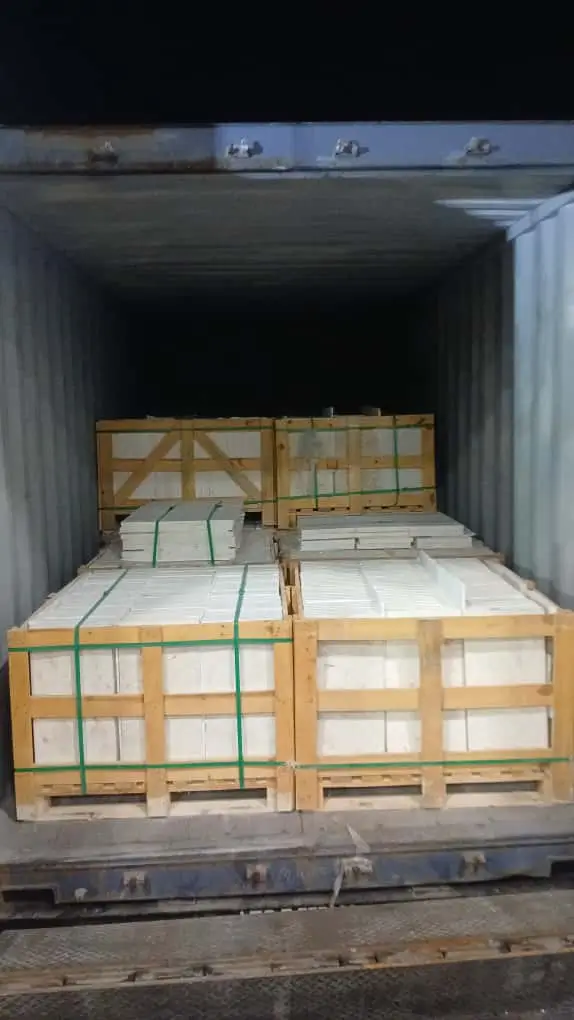
Material planning for outdoor paving stone setup across Arizona requires lead time awareness that many project managers underestimate. Natural blue stone — particularly basalt and dense blue limestone — isn’t stocked in the same volume as commodity travertine or concrete pavers at most Arizona supply yards. Confirming warehouse availability before you finalize your project timeline is genuinely critical, not just advisable. A 4-6 week import cycle on specialty blue stone can push a project start date past the October-April comfortable installation window into summer heat conditions that complicate bedding sand work.
Truck delivery logistics deserve attention on residential projects, particularly in established neighborhoods where street access is constrained. A loaded stone delivery truck typically runs 40,000 to 60,000 pounds gross vehicle weight. Before scheduling delivery, verify turning radius into the project site, overhead clearance for any tree canopy, and whether the HOA or municipality has weight restrictions on residential streets. Coordinating truck delivery timing to avoid early morning street restrictions or school zone traffic patterns saves real scheduling headaches.
- Confirm material availability at the warehouse 6-8 weeks before your target installation date
- Order 8-10% overage on natural stone pavers to account for cuts, breakage, and pattern matching
- Schedule truck delivery during cooler morning hours — afternoon heat makes manual unloading significantly more taxing
- Verify site access route for truck dimensions before scheduling the delivery
- Store delivered stone on a level surface with adequate drainage — pallets sitting in standing water can cause surface staining before installation
- Coordinate material delivery to arrive after base aggregate compaction is complete, not before
Our technical team at Citadel Stone can provide warehouse stock confirmation and typical truck lead times for specific blue stone selections, which allows you to build realistic project schedules rather than working backward from an availability assumption that doesn’t hold.
Getting Blue Paving Stone Specifications Right in Arizona
Installing blue paving stones in Arizona isn’t complicated when you treat soil assessment and base preparation as the primary technical discipline — not an afterthought before the interesting work begins. The soil profile determines your base depth, your geotextile requirement, your drainage design, and your compaction spec. Every other decision in the installation sequence builds on what you found in those initial test pits. Skip that step or treat it casually, and you’re pricing a rework into your project before the first paver goes down.
The material specification side is more forgiving — natural blue stone in the appropriate density and thickness range performs reliably in Arizona conditions when the subgrade is properly prepared. Your joint width, sealing protocol, and drainage grade all matter, but none of them can compensate for a poorly prepared base. Get that right first, and the rest of the spec falls into place logically. For ongoing care after installation, How to Maintain Driveway Paving Stones in Arizona’s Climate covers the maintenance cadence that keeps Arizona stone installations performing across the full temperature and weather range the desert delivers. Homeowners in Tucson, Mesa, and Gilbert rely on Citadel Stone for blue paving stones selected for their density and suitability across Arizona’s wide daily temperature swings.