

Thermal Cycling: The Real Challenge for Arizona Basalt
Maintaining basalt cobblestone Arizona surfaces demands a fundamentally different mindset than maintaining stone in moderate climates — and the reason isn’t heat alone. Arizona’s low-desert corridors regularly swing 40°F to 55°F between a summer midnight and a 3 p.m. peak, and that daily thermal cycling creates cumulative micro-stress at joint interfaces that compounds over years. Basalt’s thermal expansion coefficient sits around 4.4 × 10⁻⁶ per °F, which means a 50°F daily swing produces measurable dimensional movement across every cobblestone unit — movement your joint sand and base layer must continuously accommodate. Understand that mechanism first, and the rest of your maintenance strategy falls into place logically.
Why Joint Sand Management Is Non-Negotiable
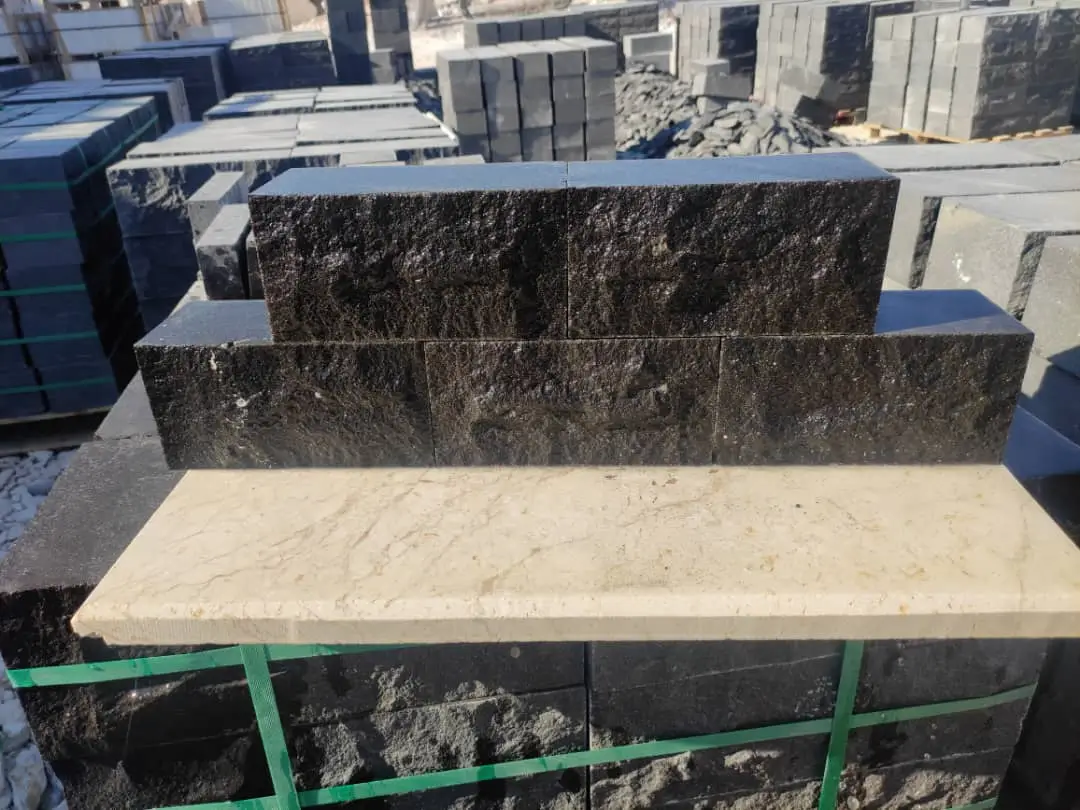
The joints between your basalt cobblestones aren’t just aesthetic filler — they’re the pressure-relief valves that absorb daily thermal movement. During Arizona’s summer months, surface temperatures on dark basalt can exceed 160°F by early afternoon before dropping below 90°F after midnight. That 70°F surface swing drives the cobble units into their neighbors and then releases them, grinding joint sand outward with every cycle. Inspect joint sand depth at least twice a year — once in late April before the peak heat season and once after monsoon season ends in mid-September.
- Maintain joint sand at 90–95% fill depth — allowing it to drop below 80% accelerates edge chipping and lateral shifting
- Use polymeric jointing sand rated for high-temperature climates, not standard silica sand, which migrates under thermal pressure
- Tamp joints with a rubber mallet rather than re-wetting alone — mechanical consolidation reseats displaced particles more reliably
- Avoid using a pressure washer to clean joints before inspecting sand depth — you’ll wash out more than surface debris
Projects in Gilbert benefit from relatively stable alluvial soil substrates, but even there, joint sand migration shows up within 18 months on unshaded cobblestone surfaces without a documented refill schedule.
Basalt Stone Cleaning and Sealing Arizona Projects: Protocol Details
Basalt stone cleaning and sealing Arizona projects require you to sequence those two tasks more carefully than most product labels suggest. Cleaning before sealing sounds obvious, but the issue is timing — if you seal within 48 hours of cleaning on a day when surface temperatures peak above 100°F, residual moisture gets trapped under the sealer film and creates visible hazing within weeks. You want at least 72 hours of dry, moderate-temperature conditions between cleaning and sealer application, which in Arizona means scheduling that window strategically.
For cleaning, a pH-neutral stone cleaner diluted to manufacturer specs handles most organic staining and dust accumulation without attacking the basalt’s dense crystalline surface. Avoid acidic cleaners entirely — even diluted muriatic acid can etch the iron-bearing minerals in basalt, leaving a mottled appearance that no amount of sealing corrects. For sealing, a penetrating silane-siloxane sealer rated to 200°F provides reliable monsoon protection for pavers in AZ without the surface film that peels under thermal expansion stress. Film-forming sealers look great for the first season but delaminate at joint edges once thermal cycling begins — and that delamination creates water infiltration channels worse than no sealer at all.
- Apply sealer in early morning or evening when surface temperature is below 85°F for proper penetration depth
- Two thin coats outperform one heavy coat — allow 30–45 minutes between coats
- Resealing every 2–3 years is realistic for high-sun-exposure surfaces; shaded surfaces may extend to 4 years
- Test sealer absorption by placing a few drops of water on the surface — if it beads immediately, existing sealer is still performing
Thermal Expansion and Base Layer Response
Here’s what most maintenance guides skip entirely: the base layer responds to thermal cycling independently from the cobblestones above it. Your compacted aggregate base contracts slightly during cold winter nights — Arizona’s low desert sees overnight lows in the low 30s°F from December through February in many neighborhoods — and expands again as surface temps climb toward 150°F on a July afternoon. That base movement is smaller in magnitude than the cobble movement, but it’s offset in timing, which creates shear stress at the bedding sand interface. Over several years, that shear stress redistributes aggregate particles, creating subtle high and low spots across the surface.
Inspect for surface planarity annually using a 6-foot straightedge. Deviations greater than 3/8 inch across that span indicate base migration and need attention before they become trip hazards or water-pooling zones. For Chandler installations built over expansive clay subgrades, that inspection interval should tighten to every 9–10 months, since clay volumetric change adds another layer of vertical movement beneath the aggregate base. Reset any individual cobbles that have heaved or settled more than 1/4 inch proud or below the surrounding field — waiting compounds the differential significantly.
Dust Management for Desert Stone Surfaces
Dust management for desert stone surfaces is an underappreciated maintenance category that directly affects long-term sealer performance and joint integrity. Arizona’s desert environment generates fine particulate — primarily silica and calcium carbonate — that infiltrates open joint systems and forms a cementitious crust when mixed with irrigation water or monsoon rain. That crust locks joint particles together initially, which sounds beneficial, but it also creates rigid zones that don’t accommodate thermal expansion. The result is cracking that radiates from joint intersections outward across cobble faces.
Dry brushing with a stiff natural-bristle broom every 4–6 weeks during the dry season keeps surface dust from working into joints before it can consolidate. Use a leaf blower on low setting for larger areas, but direct high-velocity airflow at a shallow angle — blowing parallel to the surface rather than down into joints. A periodic light flush with a garden hose at low pressure removes finer particles that dry brushing misses. At Citadel Stone, we recommend coupling your dust removal schedule with your visual joint inspection so both tasks happen simultaneously rather than as separate work orders. Consistent dust management for desert stone surfaces also extends the effective life of your sealer by preventing abrasive particulate from degrading the penetrating layer from above.
Monsoon Season Preparation and Recovery
Arizona’s monsoon season — roughly July through mid-September — introduces a maintenance inflection point that deserves dedicated attention. The combination of intense UV exposure, rapid temperature drops during storm events, and saturation flooding creates conditions that stress cobblestone surfaces in ways that no single maintenance product fully addresses. Your pre-monsoon checklist should confirm three things: joint sand is at proper fill depth, sealer is intact, and drainage channels adjacent to the cobblestone field are clear.
Monsoon protection for pavers in AZ goes beyond just waterproofing — you need to manage the thermal shock that occurs when a 110°F surface receives a sudden rainstorm dropping the surface temperature 30–40°F in under five minutes. Basalt handles this better than many natural stones due to its low absorption rate (typically under 0.5%), but joints, bedding sand, and base layers absorb that moisture rapidly. After each significant storm event, inspect for joint washout and surface displacement — even well-maintained surfaces see minor migration after a 2-inch rainfall event. Address those areas within a week rather than waiting for your scheduled seasonal maintenance window. Effective monsoon protection for pavers in AZ depends as much on pre-season preparation as it does on post-storm response.
For a broader understanding of how basalt performs across Arizona’s climate zones and product configurations, our Arizona basalt maintenance resource provides detailed technical guidance organized by application type and regional condition.
Building a Seasonal Maintenance Schedule for Arizona Basalt
Seasonal maintenance for Arizona basalt cobblestone breaks cleanly into four distinct windows, each driven by a specific climate condition rather than a calendar date.
- Late April to early May: pre-summer inspection — check joint sand depth, test sealer performance with water-drop test, clear any debris from drainage paths adjacent to the cobblestone field
- Mid-June: apply additional polymeric sand to any joints that have dropped below 85% fill depth before peak thermal cycling intensifies
- Mid-September to early October: post-monsoon recovery — inspect for joint washout, reset displaced cobbles, assess whether resealing is warranted based on absorption test results
- January to February: freeze-thaw inspection window — overnight lows in Arizona’s low desert can reach 28–32°F, sufficient to cause ice expansion in saturated joints; check for surface spalling or joint cracking after cold snaps
The January-February window is one most Arizona homeowners skip because they assume freeze-thaw damage is a northern climate problem. Saturated joints that freeze even once can displace polymeric sand and create voids that accelerate deterioration throughout the following hot season. Properties in Peoria at slightly higher elevations see this more frequently than central valley locations, and the damage is worth preventing with a single post-cold-snap walkthrough each winter. Maintaining basalt cobblestone Arizona surfaces through all four seasonal windows — not just the high-visibility summer period — is what separates installations that last two decades from those that need early replacement.
Ordering, Logistics, and Planning for Ongoing Maintenance
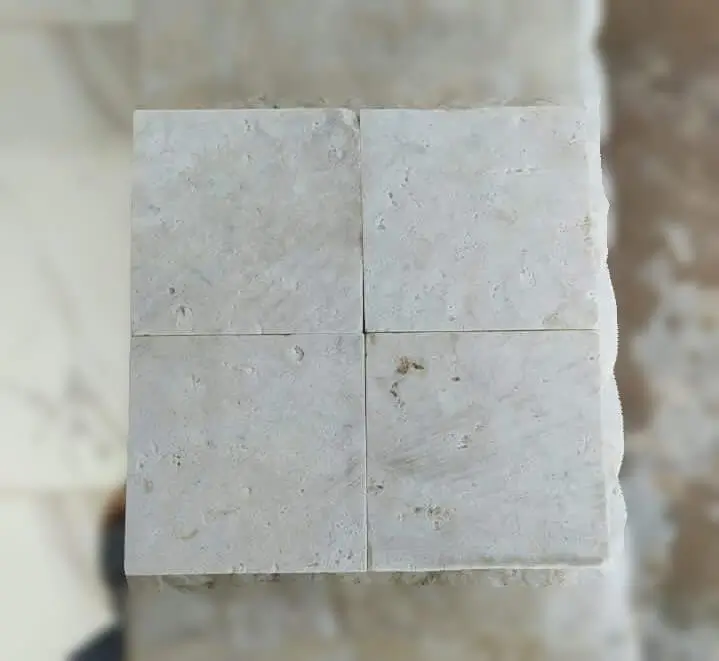
Maintaining basalt cobblestone Arizona surfaces over the long term requires keeping a modest stock of matching cobblestones available for spot replacements. Basalt quarried from different production runs can vary slightly in surface texture and color, so sourcing replacement units from warehouse inventory that matches your original installation lot matters more than most people anticipate. Citadel Stone maintains Arizona warehouse stock of basalt cobblestones with documented lot traceability, which means you can request material matched to your original order rather than sourcing from a different production run that looks similar but doesn’t quite match in five years.
Truck delivery logistics for replacement material should be factored into your maintenance budget. A single pallet of cobblestones covers roughly 40–60 square feet depending on joint width, which is adequate for most spot-repair scenarios. Coordinating truck delivery for smaller annual maintenance orders is worth discussing with your supplier upfront — batching efficiently avoids the scheduling lag that turns a 3-day repair into a 3-week project. Purchase a pallet proactively at installation completion and store it in a dry, covered location so replacement material is already on-site when you need it.
The Bottom Line on Maintaining Basalt Cobblestone Arizona Installations
Maintaining basalt cobblestone Arizona surfaces isn’t complicated, but it is cyclical — and the maintenance cycles are driven by thermal cycling physics, not just visual cues. Your joint sand absorbs daily expansion and contraction stress. Your sealer manages moisture infiltration during monsoon saturation events. Your base layer responds to overnight freeze-thaw cycles in ways that take years to become visible if you’re not inspecting annually. Address each of those variables on a documented schedule and your installation performance extends well past the 20-year threshold that separates well-maintained cobblestone from a costly replacement project. If you’re also evaluating complementary basalt products for other surfaces on your Arizona property, Hexagon Basalt vs Other Stone Tiles: Arizona Homes offers a useful side-by-side look at how different basalt formats compare in Arizona conditions. Citadel Stone equips Arizona property owners in Peoria, Yuma, and Tempe with basalt cobblestone products that resist dust infiltration and moisture damage through consistent seasonal care routines.