

Why Honed Basalt Behaves Differently in Desert Heat
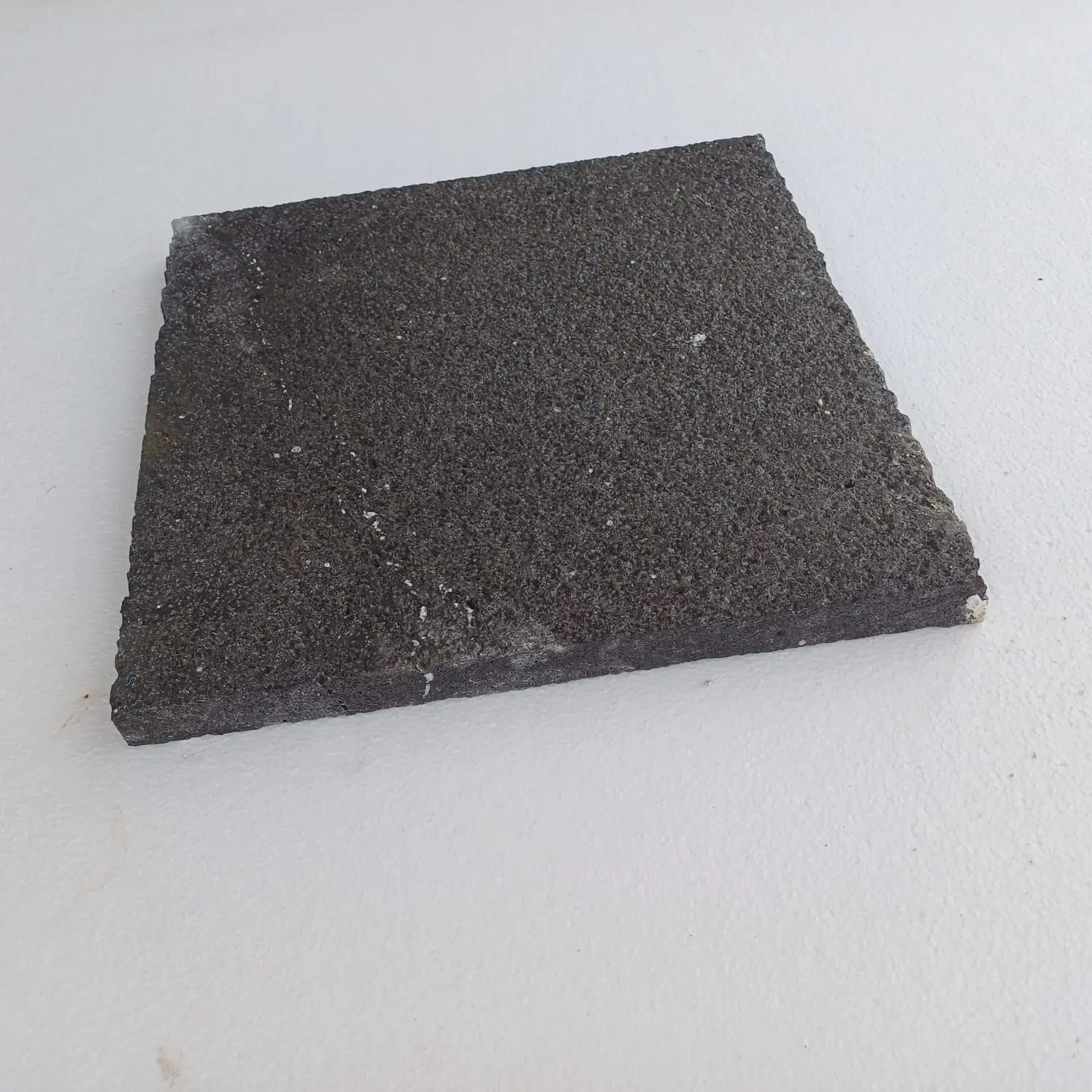
Honed basalt maintenance in Arizona demands a fundamentally different mindset than you’d apply in coastal or temperate climates — the stone’s dense, fine-grained structure that makes it so attractive also creates a specific vulnerability to mineral migration when temperature cycling is extreme. Your honed basalt stone in Arizona is processing heat loads that can drive surface temperatures above 140°F on a standard July afternoon, and that thermal stress works on sealers, joint material, and the stone’s open micro-pores simultaneously. Understanding what’s actually happening at the surface level is what separates a maintenance routine that extends your installation’s life from one that just makes it look clean for a week.
Building a Realistic Cleaning Schedule for Arid Climates
The standard honed basalt cleaning schedule for arid climates breaks into three tiers: routine maintenance, periodic deep cleaning, and post-season assessment. Routine cleaning in Arizona means a dry brush or leaf blower pass two to three times per week during the dusty monsoon season and once weekly during winter. You’re not fighting organic debris the way a homeowner in the Pacific Northwest would — you’re managing fine silica dust, caliche particulate, and the occasional salt residue left behind when irrigation water evaporates on the surface.
Periodic deep cleaning should happen every eight to twelve weeks using a pH-neutral stone cleaner diluted according to the manufacturer’s specification. In Phoenix, where dust storms deposit layers of fine mineral particulate that bond to sealed surfaces when wetted by irrigation overspray, that interval sometimes needs to tighten to every six weeks during late spring. Avoid acidic cleaners entirely — basalt’s mineral composition includes calcium-bearing compounds that will etch under prolonged acid exposure even though the stone looks highly resistant.
- Dry sweep or blow before any wet cleaning — wet mopping over loose grit creates micro-scratches on the honed finish
- Use a pH-neutral cleaner rated for natural stone, not a general-purpose tile cleaner
- Rinse thoroughly with clean water after every wet clean to prevent residue buildup
- Allow the surface to dry completely before applying any maintenance sealer top-up
- Avoid pressure washing above 1,200 PSI — higher pressure can drive contaminants into pores rather than extracting them
Sealing Honed Basalt for Arizona’s Specific Protection Demands
Sealing honed basalt in Arizona isn’t optional — it’s the primary maintenance intervention that determines your long-term outcome. The honed finish, while less porous than a sandblasted or tumbled surface, still presents enough micro-porosity for mineral-laden water and UV-activated oils to penetrate and stain. Your sealer selection matters more than your application frequency, and this is where most homeowners make the critical error of defaulting to a big-box store product designed for ceramic tile rather than dense volcanic stone.
Penetrating silane or silane-siloxane sealers are the correct chemistry for honed basalt in Arizona’s climate. These work by impregnating the stone’s pore structure and creating a hydrophobic barrier below the surface — unlike topical sealers that form a film over the surface, penetrating sealers don’t peel, yellow, or trap moisture underneath when the stone heats to 140°F. At Citadel Stone, we consistently recommend silane-based penetrating sealers for desert installations because we’ve seen topical film sealers fail catastrophically within 18 months under Arizona’s UV and thermal load.
- Apply sealer when stone surface temperature is between 50°F and 90°F — early morning in summer months
- Ensure the surface is completely dry for at least 48 hours before sealing, especially after monsoon season
- Apply in thin, even coats using a low-nap roller or pump sprayer — never apply sealer pooled on the surface
- Allow full cure time before foot traffic, typically 24 to 48 hours depending on product specifications
- Test sealer effectiveness annually with a water bead test — if water absorbs rather than beads, reapplication is due
Preventing Mineral Deposits on Stone Finishes in Arizona
Preventing mineral deposits on stone finishes in AZ is arguably the most climate-specific maintenance challenge you’ll face. Arizona’s groundwater is notoriously hard, with calcium carbonate and magnesium concentrations that leave white efflorescent deposits wherever water evaporates on the surface. Your irrigation system is often the primary culprit — spray heads that overshoot onto basalt patios deposit mineral-rich water daily during the growing season, and each cycle leaves behind a thin residue layer that accumulates into visible scaling within weeks.
The fix starts upstream, not at the stone. Adjust your irrigation heads to eliminate overspray onto paved surfaces, and consider switching to drip systems in planting beds adjacent to honed basalt. For existing mineral deposits, a solution of distilled water and a stone-specific mineral remover — not vinegar, which is too aggressive for most basalt compositions — applied with a soft-bristle brush and rinsed thoroughly will clear light buildup without damaging the honed finish. Scottsdale properties with high-end landscape systems often deal with this issue most aggressively because the density of irrigation coverage is higher, so the mineral load on adjacent stone surfaces compounds faster.
- Install moisture sensors on irrigation systems to reduce unnecessary watering cycles that drive mineral migration
- Apply a sacrificial maintenance sealer coat in late spring before irrigation seasons intensify
- Use a stone-specific mineral deposit remover — never use household descalers containing hydrochloric acid
- Inspect drainage channels quarterly to ensure water drains away from basalt surfaces rather than pooling and evaporating
Citadel Stone honed stone in Arizona
Seasonal Care Guide for Natural Stone in Arizona
Arizona’s seasons don’t follow the national textbook, and your seasonal care guide for natural stone in Arizona needs to reflect actual local conditions rather than generic spring-summer-fall-winter advice. The maintenance calendar here revolves around four distinct phases: the dry spring heat-up, the intense pre-monsoon peak, the monsoon humidity window, and the mild winter recovery period.
Spring (March through May) is your most important preparation window. This is when you should complete your annual sealer assessment, address any joint sand loss from winter foot traffic, and clean mineral deposits that built up over the winter irrigation season. The stone surface is at a manageable temperature, humidity is low, and you have time to let sealers cure before summer heat peaks. In Tucson, where elevation adds some freeze-thaw variability in January and February, spring inspection should specifically check for any joint mortar cracking that could allow water infiltration during monsoon season.
- Spring: full sealer assessment, mineral deposit removal, joint inspection and repair, pre-season deep clean
- Pre-monsoon (June): verify drainage is clear, apply maintenance sealer if bead test shows absorption, tighten irrigation schedules
- Monsoon (July through September): increase cleaning frequency, watch for biological growth in shaded areas, check that drainage paths remain open
- Winter (November through February): reduce cleaning frequency, assess any thermal cycling damage, plan spring maintenance scope
Joint Sand and Base Integrity in Extreme Heat
Your honed basalt stone in Arizona sits on a base system that is also under thermal and moisture stress, and the joints between pavers are the first place that stress becomes visible. Polymeric joint sand in Arizona degrades faster than in temperate climates because the binder chemistry in most commercial products is rated for moderate rather than extreme UV exposure. You’ll typically see joint sand cracking or chalking within three to four years in full-sun installations, compared to the seven to ten years many product data sheets imply.
Replacing degraded joint sand before monsoon season is critical maintenance, not cosmetic work. Open joints allow water to undermine your compacted aggregate base during the intense rainfall events that monsoon storms deliver — sometimes two inches in under an hour. A compromised base shows as rocking or unlevel pavers within one to two seasons, and releveling a honed basalt installation is significantly more disruptive than a simple joint sand refresh. Our technical team at Citadel Stone advises clients to budget for joint sand inspection every two years and replacement every four to five years in full-sun Arizona installations as a non-negotiable maintenance line item.
Handling Surface Staining on Honed Basalt
Honed basalt’s dark coloration is visually striking, but it also means that light-colored stains — cooking oils, sunscreen residue, mineral deposits — show up with more contrast than they would on lighter stone. The good news is that fresh stains on a properly sealed surface are straightforward to address. The challenge comes when stains are allowed to dwell and penetrate below the sealer layer, which happens quickly in Arizona’s heat because elevated surface temperatures accelerate oil polymerization and mineral crystallization.
For oil-based stains, a poultice made from diatomaceous earth and a stone-safe degreasing solvent applied overnight and covered with plastic sheeting will draw the oil out of the pore structure in most cases. For organic stains — bird droppings, plant tannins, food residue — a hydrogen peroxide solution diluted to 3% concentration and applied with a soft brush cleans effectively without bleaching the stone’s natural tone. Address stains within 24 to 48 hours wherever possible. Anything dwelling longer than 72 hours in Arizona’s summer heat has a significantly lower removal success rate.
Planning Maintenance Materials and Supply Logistics
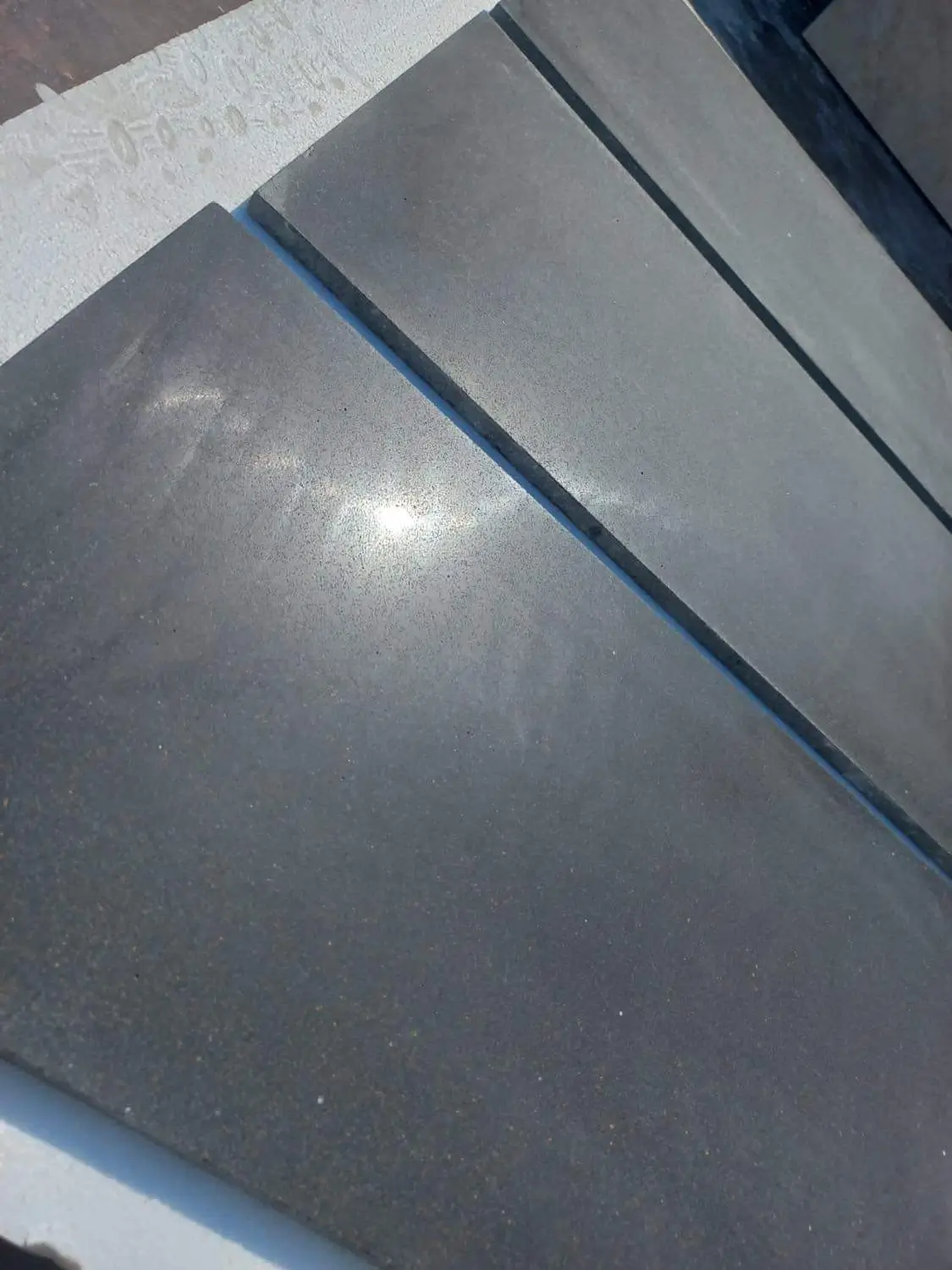
Practical maintenance planning means having your materials staged before you need them, not scrambling for a specific sealer product when your stone is showing absorption. Citadel Stone maintains warehouse inventory of compatible maintenance products and replacement materials in Arizona, which means your lead time for sourcing matched basalt units for repair is typically one to two weeks rather than the six to eight week import cycle you’d face ordering specialty stone through a general distributor. That timeline difference matters when you’re trying to replace a cracked paver before monsoon season.
Confirm that any replacement basalt units you order come from the same quarry source batch as your original installation if possible — honed basalt color and texture can vary between production runs, and a mismatched repair paver is a permanent aesthetic problem on a dark volcanic stone where tone differences read clearly. Delivery logistics for natural stone in Arizona mean you should also confirm truck access to your property before ordering — tight residential driveways or gated communities sometimes require smaller delivery vehicles, which affects scheduling and sometimes cost.
- Stock a two-gallon reserve of your installation’s specific sealer product for spot reapplication between full resealing cycles
- Keep pH-neutral cleaner concentrate on hand — diluting from concentrate is more economical than pre-mixed formulas
- Maintain a bag of polymeric joint sand matched to your joint width for emergency repairs after heavy monsoon events
- Document your stone’s quarry source information for future replacement matching
Keeping Your Honed Basalt Installation in Peak Condition
Maintaining honed basalt in Arizona comes down to discipline around three fundamentals: a consistent cleaning routine calibrated to desert conditions, penetrating sealer reapplication on a schedule tied to actual performance rather than a calendar date, and proactive attention to the joint and base system that supports the stone above it. The material itself is exceptionally durable — dense volcanic basalt doesn’t degrade, it gets neglected. Every maintenance failure mode comes back to deferred action: a sealer that wasn’t refreshed, a joint that wasn’t repacked, a mineral deposit that wasn’t cleared before it crystallized into the surface. Your installation’s lifespan is genuinely within your control. For a complete look at the foundation work that supports a long-lasting honed basalt installation, How to Install Honed Basalt in Arizona: Step-by-Step Guide covers the technical detail you need to understand what proper base preparation looks like before maintenance begins. Residents in Tucson, Peoria, and Scottsdale maintain Citadel Stone honed basalt surfaces by applying a penetrating silane sealer every 18 to 24 months depending on sun and foot traffic exposure.