
Filled Travertine Paving Slabs Arizona: What the Desert Climate Actually Demands
Filled travertine paving slabs in Arizona perform differently than virtually any other natural stone product on the market — because the desert environment imposes thermal cycling, UV intensity, and moisture-flash conditions that expose every weakness in an unsealed or poorly processed slab. Travertine is a sedimentary limestone formed by mineral-rich spring deposits, and its characteristic voids are either left open (unfilled) or grouted with matching material before finishing. That single processing decision shapes everything from slip resistance to long-term maintenance cost across Arizona’s outdoor living spaces.
Understanding which fill-and-finish combination suits your project requires more than a preference for looks. It requires matching the stone’s structural preparation to the specific demands of Phoenix heat, Tucson monsoon splash, or Scottsdale pool-deck chemistry. The sections below break down every relevant variable so your specification decisions rest on technical reality rather than showroom appeal.
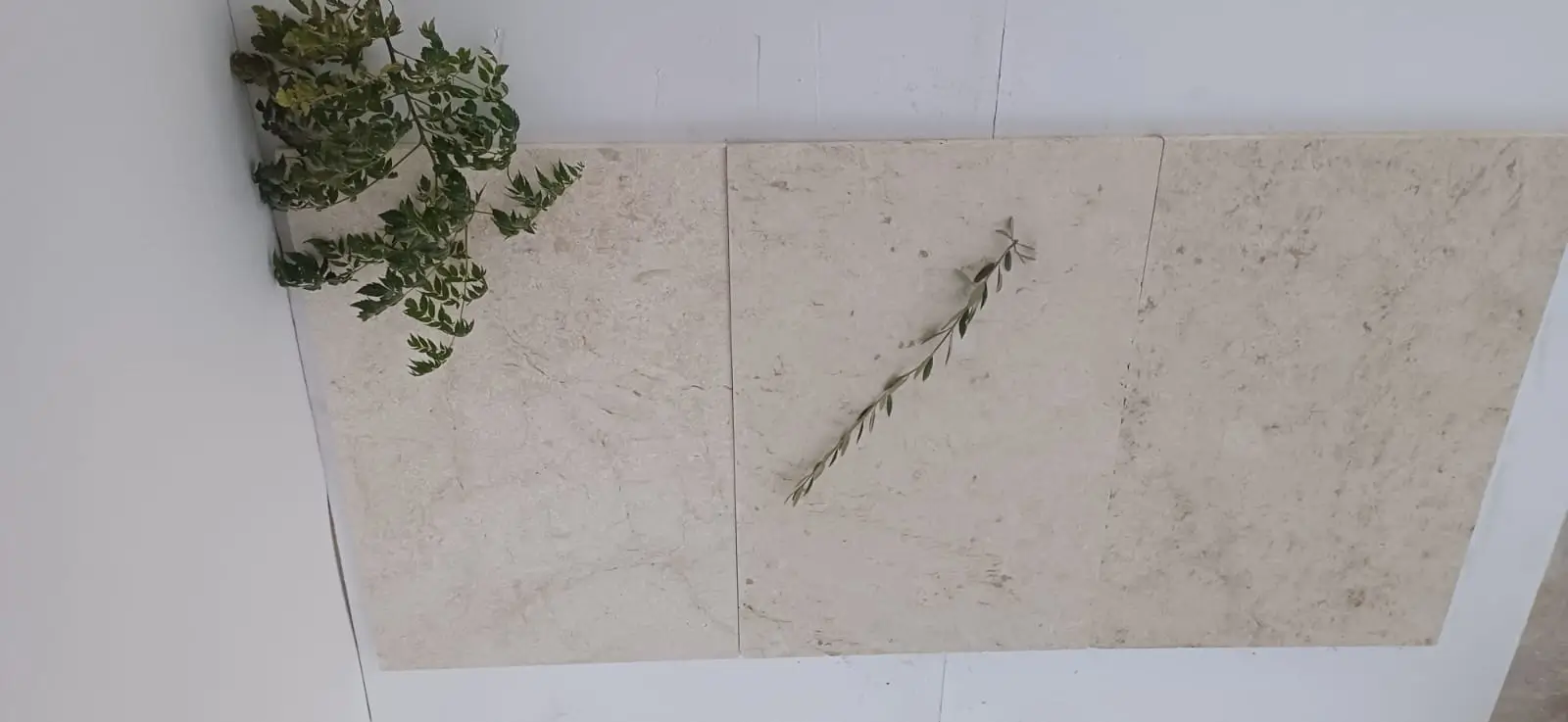
Unfilled vs Filled Travertine Pavers in Arizona: The Core Distinction
The debate around unfilled vs filled travertine pavers in Arizona comes down to one practical question: how do open voids behave under desert conditions? Unfilled travertine retains its natural pitting and channel voids across the surface. Those voids provide texture and a rustic character many designers value, but in an outdoor Arizona setting they accumulate fine caliche dust, organic debris from desert plants, and pool chemicals if the installation is near water. Over a Phoenix summer, that accumulation accelerates staining and creates micro-environments where moisture can flash-expand during monsoon season.
Filled travertine addresses these vulnerabilities by packing each void with a Portland cement or epoxy-resin grout matched to the stone’s coloration. The result is a denser, more uniform surface that resists debris infiltration and simplifies maintenance. For residential pool decks, outdoor kitchens, and high-traffic patio areas across Arizona, filled slabs consistently outperform their unfilled counterparts in long-term appearance retention.
- Unfilled travertine: higher texture, more natural character, requires more intensive cleaning in dusty environments
- Filled travertine: smoother surface plane, lower maintenance burden, better resistance to chemical pooling near water features
- Both formats require sealing in Arizona — UV and thermal exposure accelerate surface oxidation regardless of fill status
- Fill material quality varies between suppliers — cement-filled and epoxy-filled products have meaningfully different durability profiles
Travertine Finish Options for Outdoor Patios AZ: Honed, Brushed, and Tumbled
Travertine finish options for outdoor patios in AZ interact directly with safety and maintenance requirements. The finish applied to a slab’s surface determines its coefficient of friction when wet, its heat absorption under direct sun, and its susceptibility to surface scratching from outdoor furniture or foot traffic. Selecting a finish without accounting for those variables produces a technically poor specification regardless of how the stone looks on a sample board.
Honed travertine presents a smooth, matte surface achieved by cutting and grinding to a consistent flatness without polishing to a gloss. It remains the most popular finish for Arizona pool decks because it resists heat absorption better than polished stone while maintaining a clean, contemporary look. Brushed travertine uses wire or nylon brushes to create a slightly textured surface that improves grip and gives the stone a more weathered, aged appearance. Tumbled travertine goes further — edges are rounded and the surface is deliberately distressed to replicate centuries of wear, making it a natural fit for Mediterranean or Southwestern architectural styles common across the state.
- Honed: best balance of slip resistance and cleanability for pool surrounds
- Brushed: enhanced grip, suits walkways and garden paths with moderate foot traffic
- Tumbled: highly textured, maximum grip, requires more grout joint maintenance over time
- Polished: not recommended for outdoor Arizona use — surface becomes dangerously slick when wet and heat-polished finishes fade rapidly under UV exposure
Thermal Performance Under Arizona Sun
Surface temperature is a non-negotiable consideration for any Arizona outdoor paving project. Natural travertine — particularly light-toned varieties like Classic Ivory or Noce — reflects a meaningful proportion of incident solar radiation compared to concrete pavers or dark porcelain tiles. In peak summer conditions, a light-honed travertine surface will remain considerably cooler underfoot than a dark-toned alternative, a property that directly affects barefoot comfort around pool areas and on outdoor dining terraces.
Filled travertine performs similarly to unfilled travertine in terms of thermal mass — the fill material occupies a small percentage of total surface area and does not significantly alter heat absorption. Slab thickness does matter: 3 cm slabs provide greater thermal buffering than 2 cm slabs, retaining less daytime heat and releasing it more slowly into the evening, which is relevant for entertainment areas used after sundown in summer months.
Arizona-Rated Natural Stone Paving Slab Comparison: Where Travertine Sits
Running an Arizona-rated natural stone paving slab comparison across travertine, limestone, granite, and sandstone reveals why travertine has maintained its dominance in desert landscape architecture. Granite offers superior hardness and scratch resistance but its thermal mass causes surface temperatures to spike well beyond comfortable barefoot levels during Arizona summers. Sandstone provides excellent texture but its relatively high porosity — often exceeding travertine’s — demands more aggressive sealing schedules in alkaline desert soils. Limestone, travertine’s closest relative, performs comparably but generally lacks the veining and tonal variation that give travertine its design versatility.
Within an Arizona-rated natural stone paving slab comparison framework, filled travertine occupies a strong middle position: denser than unfilled travertine, warmer in appearance than granite, more manageable in maintenance than sandstone, and available in a wider color range than most domestic limestone sources. For Arizona homeowners balancing aesthetics, performance, and lifecycle cost, that combination is difficult to match.
- Granite: hardest, hottest, most expensive — better for vertical cladding than horizontal paving in AZ
- Sandstone: textured, high porosity, requires frequent resealing in desert conditions
- Limestone: similar to travertine in performance, limited color variety
- Travertine (filled): optimal balance of thermal comfort, durability, and aesthetic range for Arizona outdoor use
Sealing Requirements in Desert Climate Conditions
Every travertine installation in Arizona requires sealing — the question is which sealer type and at what reapplication frequency. Penetrating silane-siloxane sealers are the preferred choice for outdoor travertine in desert environments. They bond below the surface rather than forming a topcoat, which means UV degradation does not cause the sealer to yellow, peel, or cloud as it ages. Topcoat acrylic sealers should be avoided on outdoor Arizona travertine because the combination of UV intensity and thermal cycling causes rapid delamination, creating a maintenance problem worse than an unsealed surface.
Reapplication intervals for penetrating sealers on Arizona travertine typically fall between 18 months and 3 years depending on traffic load, sun exposure, and proximity to pool water. A simple water-bead test — where water droplets bead on the surface rather than absorbing within 30 seconds — is a reliable field check for sealer effectiveness. When absorption resumes, resealing is due.
Installation Substrate Requirements for Arizona Conditions
Substrate preparation directly determines whether filled travertine performs as specified or begins exhibiting cracks, hollow spots, and efflorescence within the first monsoon season. Arizona’s caliche-heavy soils shift with moisture fluctuation in ways that stress rigidly bonded stone installations. A properly designed substrate includes compacted aggregate base material, a sand-set or mortar-bed layer appropriate to the application, and adequate expansion joints at perimeter edges and across large field areas.
- Minimum 4-inch compacted aggregate base for residential patio applications
- Expansion joints every 8–10 feet in both directions for mortar-set installations
- Polymer-modified thinset adhesive for travertine on concrete substrates — standard thinset has insufficient flexibility for Arizona thermal cycling
- Sand-set installation acceptable for low-traffic garden paths; mortar-set required for pool decks and driveways
Filled Travertine Outdoor Surface Choices Across Arizona: Regional Specification Considerations
Filled travertine outdoor surface choices across Arizona vary by region in ways that go beyond aesthetics. Elevation, proximity to water features, and local soil chemistry all affect which fill type and finish performs best over time. Projects in higher-elevation areas like Flagstaff experience freeze-thaw cycling that demands travertine rated to appropriate ASTM freeze-thaw standards — an important distinction that low-elevation Phoenix projects do not face. Coastal-influence humidity in areas like Yuma affects sealer longevity differently than the dry heat of the Sonoran Desert core.
For the majority of Arizona’s major population centers — Phoenix, Scottsdale, Mesa, Chandler, Tempe, Gilbert — the primary specification concerns are UV resistance, thermal comfort, and resistance to pool chemical infiltration. In those markets, a honed or brushed filled travertine slab in a light color palette (Classic Ivory, Silver, Walnut) consistently delivers the performance profile that outdoor living projects require.
Real-World Project Applications: Filled Travertine Across Arizona Communities
Phoenix, AZ
Phoenix projects present the most demanding thermal conditions in the state. Surface temperatures on paving materials can exceed 150°F during July and August, making material selection directly relevant to user safety and comfort. In Phoenix, filled travertine paving slabs in Classic Ivory honed finish consistently record lower surface temperatures than comparable concrete pavers or dark porcelain tile — a meaningful advantage for pool decks and barefoot-accessible outdoor areas. Substrate specifications in Phoenix must account for caliche layers that can be shallow and unpredictable; soil investigation before installation helps avoid post-installation cracking caused by differential settlement.
A representative Phoenix pool deck project using 18×18-inch honed filled travertine slabs with 3 cm thickness over a mortar-set substrate demonstrates the specification approach that produces durable results. Expansion joints placed at 8-foot intervals accommodate the thermal movement that Phoenix’s diurnal temperature swings — sometimes 40°F between overnight lows and afternoon highs — impose on the installation. The filled surface prevents fine Phoenix dust and caliche particulate from embedding in open voids, reducing cleaning frequency to a quarterly hose-down and light scrub rather than the more intensive cleaning unfilled travertine demands in this dusty environment.
Mesa, AZ
Mesa’s residential landscape projects frequently combine pool surrounds, outdoor kitchen areas, and extended patio zones into unified entertainment spaces. These multi-zone projects require consistent material specification across surfaces with different functional demands — pool coping, step treads, flat field areas, and transition zones to interior flooring all appear within a single project scope. Filled travertine outdoor surface choices across Arizona’s Mesa market reflect this complexity: brushed finish is preferred for step nosings and pool coping edges where grip is critical, while honed finish suits the broader field areas where cleanability and visual uniformity matter more.
Color consistency across large Mesa projects is a frequent specification concern. Travertine is a natural material with inherent batch variation, and larger projects sourced from multiple production runs can exhibit tonal shifts that become visible after installation. Working with a supplier who maintains sufficient stock from consistent quarry batches — and who can provide sample panels from the actual material to be supplied — significantly reduces this risk. For a 2,400-square-foot Mesa outdoor entertainment complex, coordinating fill color to match the dominant vein tone rather than the base body color of the stone tends to produce the most harmonious result across mixed lighting conditions.
Tempe, AZ
Tempe’s proximity to Tempe Town Lake and its higher-density residential and commercial development pattern creates specification contexts that differ from sprawling Phoenix or Mesa suburban installations. Moisture exposure near riparian environments, combined with Tempe’s urban heat island effect, means that sealer selection and reapplication scheduling deserve more attention than in drier inland locations. Epoxy-filled travertine — where the void fill is a two-part epoxy compound rather than Portland cement grout — offers enhanced resistance to moisture infiltration and is worth specifying for Tempe projects within a quarter-mile of water features or in shaded courtyard environments where moisture retention is elevated.
Commercial and mixed-use Tempe projects also raise slip-resistance requirements that residential specifications do not always address. ADA compliance for commercial pedestrian surfaces requires a minimum dynamic coefficient of friction, and brushed or tumbled filled travertine finishes reliably meet those thresholds where smooth honed finishes may not in wet conditions. Specifying travertine finish options for outdoor patios in AZ commercial contexts requires reviewing DCOF test data for the specific product batch rather than relying on finish category alone — data that reputable suppliers should be able to provide on request.
Color Selection for Arizona Landscape Integration
Travertine’s natural color palette — ranging from warm ivory and gold tones through silver-grey and walnut-brown — aligns naturally with Arizona’s desert landscape palette. Light-toned slabs reflect more solar radiation and remain cooler underfoot, making them the functional default for sun-exposed areas. Darker tones like Noce or Walnut travertine absorb more heat but provide stronger visual contrast against desert plantings, light-colored stucco walls, and pool water.
Fill color selection is a detail that receives insufficient attention in many specifications. When fill grout is matched poorly to the stone body color, the filled voids become visually prominent and the surface reads as patchy rather than unified. A well-executed fill specification matches the grout to the secondary vein tone of the stone rather than the dominant base color, creating a surface where the fill recedes visually and the stone’s natural character reads cleanly.
Maintenance Schedule for Arizona Travertine Installations
Establishing a realistic maintenance schedule before installation sets accurate expectations and prevents the premature deterioration that comes from deferred care. Arizona travertine — filled or unfilled — benefits from a structured approach that accounts for seasonal demands.
- Post-monsoon inspection (September): check grout joints, sealer integrity, and any efflorescence caused by summer moisture events
- Spring cleaning (March–April): pressure wash at low PSI to remove winter dust accumulation before peak UV season begins
- Sealer assessment (every 18 months): water-bead test across multiple zones; reseal any areas showing absorption
- Annual joint inspection: check filled voids and grout joints for cracking or separation caused by thermal cycling; repoint as needed
- Chemical management for pool areas: neutralize pool water splash zones after heavy use to prevent long-term acid etching of travertine surface
Decision Points
Selecting filled travertine paving slabs for an Arizona project involves a sequence of interdependent decisions rather than a single product choice. Fill type, finish, color, thickness, substrate design, sealer selection, and ongoing maintenance commitment all interact to determine whether the installation performs as expected over a ten- to twenty-year service life. Skipping or underspecifying any one of those variables creates the conditions for premature failure — not because travertine is a fragile material, but because desert conditions impose stresses that reward thorough preparation and penalize shortcuts.
Working with a supplier who understands Arizona’s climate-specific demands — and who stocks material prepared to meet those demands — simplifies the specification process considerably. The difference between a travertine installation that ages gracefully and one that requires costly remediation within five years almost always traces back to decisions made before a single slab was set.
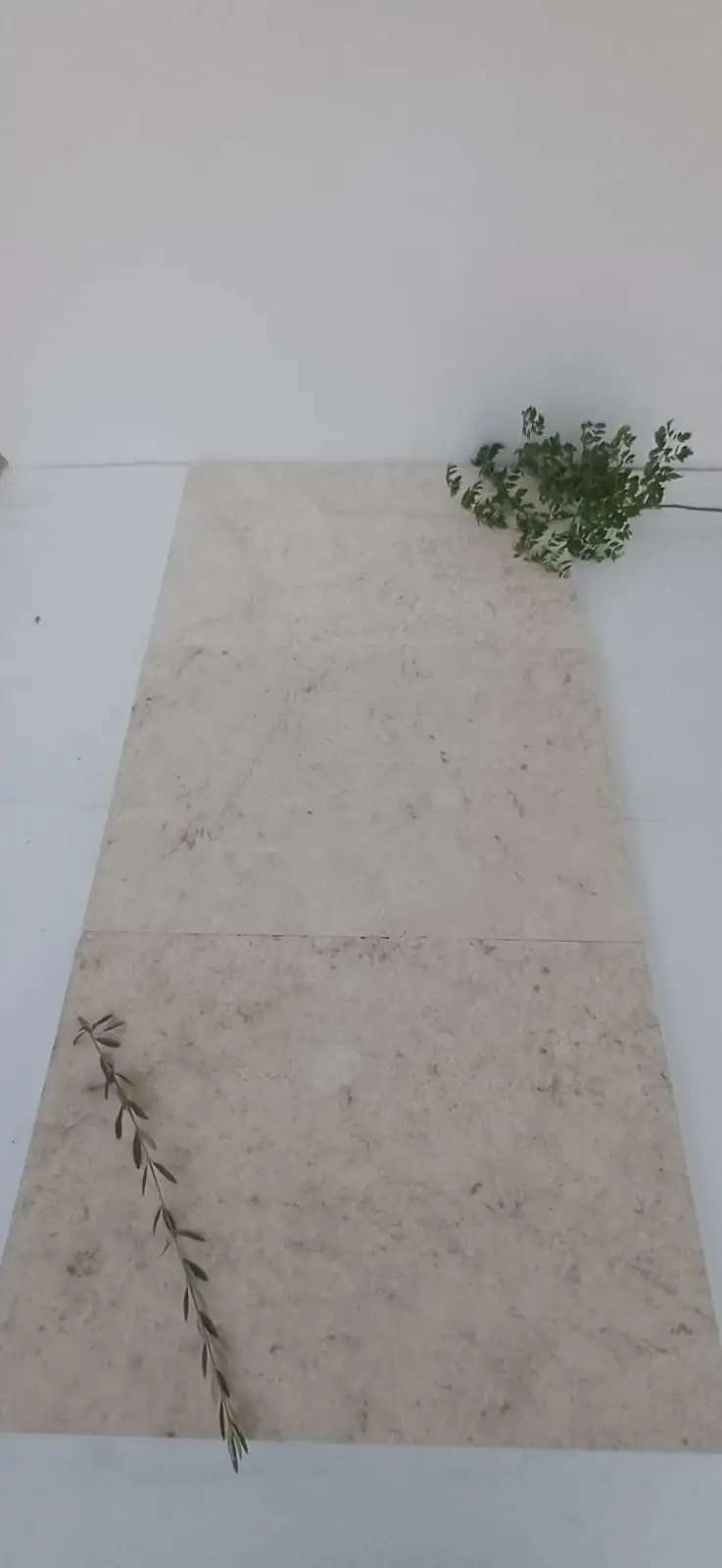
For projects where material consistency and regional performance knowledge matter, sourcing from a supplier with demonstrated Arizona-specific inventory depth makes a tangible difference. Explore Citadel Stone’s full travertine paver range to review fill types, finishes, and thickness options suited to desert outdoor living projects. Those planning broader outdoor renovations that extend beyond paving — including coping, wall cladding, or step applications — will also find relevant guidance in Citadel Stone’s coverage of complementary natural stone products. Browse Citadel Stone’s pool coping options for specifications that coordinate with travertine paving installations across Arizona outdoor environments.
Citadel Stone stocks a complete range of filled and unfilled travertine paving slabs suited to Arizona’s desert conditions, with options trusted by homeowners in Phoenix, Mesa, and Tempe for long-lasting outdoor performance.