
Retaining wall stone geogrid reinforcement becomes the decisive factor separating a structurally sound tall wall from a catastrophic failure in Arizona’s expansive soil conditions — and if you’re specifying walls over four feet in Litchfield Park, you need to understand the soil-geogrid-stone interaction before you pour a single yard of concrete. The combination of caliche layers, montmorillonite clay pockets, and extreme thermal cycling creates lateral pressures that will overwhelm unreinforced masonry at heights most installers consider routine. This article walks you through the complete specification framework for geogrid-reinforced stone retaining systems, with practical guidance on stone selection, geogrid spacing, and drainage integration that actually holds up in Arizona’s demanding climate.
Why Geogrid Systems Are Non-Negotiable for Arizona Tall Walls
The lateral earth pressure acting on a Litchfield Park tall structure doesn’t behave like textbook Rankine equations suggest — Arizona’s expansive soils can generate active pressures 40 to 60 percent higher than non-expansive equivalents at the same bulk density. Your wall design needs to account for that variance, not the conservative textbook baseline. Stone wall reinforcement Arizona projects require geogrid as a tensile inclusion element that redistributes that lateral pressure through a reinforced soil mass rather than concentrating it at the wall face.
Geogrid systems function by mobilizing passive resistance in the retained soil behind the wall face. The grid’s aperture geometry — typically 25mm to 40mm for biaxial grids used in segmental wall applications — interlocks with aggregate backfill, creating a coherent reinforced zone. You’re essentially building a composite structure where the stone face provides erosion protection and aesthetic finish while the embedded geogrid carries the structural load. That load-sharing principle is what allows walls in the 6-to-12-foot range to perform reliably without requiring the massive base widths that would otherwise be necessary.
- Biaxial geogrid mobilizes tensile resistance in both machine and cross-machine directions — critical for irregular load distributions in sloped backfill scenarios
- Geogrid embedment length must extend a minimum of 60 percent of wall height into retained soil, with 8-foot minimum for walls over 10 feet
- Arizona structural support requirements under IBC Chapter 18 trigger engineered design review for walls exceeding 4 feet of exposed height or retaining more than 2 feet of differential grade
- Vertical spacing between geogrid layers should not exceed 24 inches in standard conditions — reduce to 16 inches in expansive soil classifications
Stone Selection for Litchfield Park Tall Structures
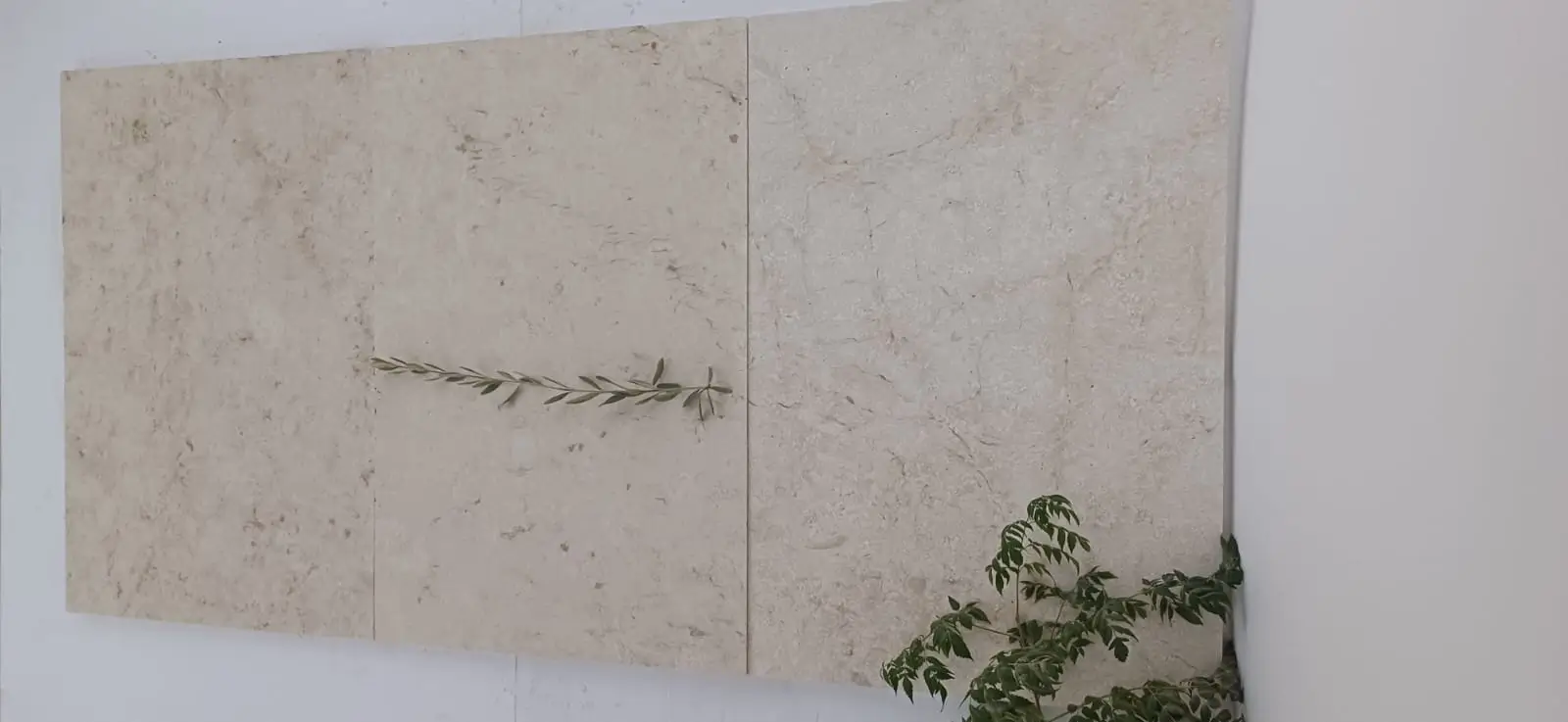
Your stone face material in a geogrid-reinforced system carries a different performance requirement than a decorative garden wall — it needs sufficient mass, consistent unit dimensions, and adequate batter capacity to work with the geogrid at connection layers. For Litchfield Park tall structures, the most reliable performers have been segmental retaining wall units in the 60-to-80-pound range with a nominal face dimension of 8 inches high by 18 inches wide. That mass keeps the face stable between geogrid connection layers while the setback geometry creates the necessary batter angle.
Stone wall reinforcement Arizona applications benefit from units with compressive strengths above 3,500 PSI per ASTM C1372 — this isn’t about the structural load, it’s about durability under the wet-dry and thermal cycling that Arizona imposes. Units that absorb more than 5 percent water by weight will spall at the face within three to five seasons in west Valley conditions. You’ll want absorption data from your supplier before committing to a product, not just the manufacturer’s specification sheet which often reflects cured lab specimens rather than field-representative samples.
Geogrid Spacing and Connection Specifications
The vertical spacing of your geogrid layers directly determines the internal stability of the reinforced mass — this is where most field failures originate when contractors follow generic installation guides rather than site-specific designs. For walls in the 6-to-10-foot range with Arizona expansive soil classifications, specify the first geogrid layer at the second course of stone from the base, then continue at 16-inch maximum vertical intervals. That interval sounds conservative compared to some manufacturer literature showing 24 inches, but Arizona structural support demands tighter tolerances than those charts assume.
Geogrid connection to the wall face in segmental systems happens through pinning or through friction between courses depending on the unit system you’ve specified. Friction-based systems require that the geogrid tail extend a minimum of 24 inches beyond the rear face of the wall unit — many crews cut this short when they’re moving fast, and the connection strength drops dramatically. Physically inspect connection lengths during installation rather than trusting post-placement measurement, because correcting a mis-laid geogrid layer after three courses of stone have been set above it is an expensive and time-consuming problem.
- Geogrid tensile strength requirements: minimum 1,600 lb/ft ultimate wide-width tensile strength per ASTM D6637 for walls 6 to 8 feet high
- Increase to 2,400 lb/ft minimum for walls 8 to 12 feet in expansive soil zones
- Overlap adjacent geogrid panels a minimum of 6 inches at seams perpendicular to the wall face
- Do not overlap panels parallel to the wall face — butt edges and maintain continuous embedment length
- Specify separation geotextile between native soil and aggregate backfill to prevent fines migration into the reinforced zone
Drainage Integration for Long-Term Performance
Drainage failure is the single most common cause of geogrid-reinforced wall distress in Arizona — not geogrid strength, not stone quality, not base preparation. Your drainage system behind a Litchfield Park tall structure needs to handle both the rare intense monsoon event and the chronic moisture that accumulates in caliche-bound soil profiles. Specifying a 12-inch-wide drainage aggregate column along the full height of the retained face is the minimum — many engineers in this region call for 18 inches when the retained soil has a clay content above 20 percent.
The drainage aggregate column connects to a perforated collector pipe at the base, which daylight-drains through the wall at 50-foot maximum intervals or outlets through the base at each end. Check your outlet elevations carefully — in Litchfield Park’s flat terrain, gravity drainage paths sometimes require creative routing to get adequate fall. A geocomposite drainage panel bonded to the back face of your wall units can supplement the aggregate column and reduce the overall width of backfill zone needed, which matters when your geotechnical report calls for full native soil removal and replacement in the reinforced zone.
Base Preparation and Foundation Requirements
Your base course sits on a leveling pad of lean concrete — typically 6 inches of 2,000 PSI concrete — placed on compacted native soil at a minimum bearing capacity of 1,500 PSF. In Litchfield Park’s alluvial fan soils, you’ll often hit adequate bearing quickly, but probe for caliche discontinuities that create differential settlement zones. A caliche layer that’s 18 inches thick in one spot and 6 inches thick two feet away creates the kind of non-uniform bearing that generates cracking in the lower wall courses before the backfill is even in place.
Compaction of backfill within the reinforced zone requires careful equipment selection. Heavy vibratory rollers within 3 feet of the wall face will displace your stone courses and damage geogrid connections — restrict compaction equipment to plate compactors in that zone and achieve 95 percent of standard Proctor density in 6-inch lifts. This is slower than using a jumping jack or roller across the full width, but it’s the only way to maintain wall face alignment and protect your geogrid connection integrity during construction.
- Leveling pad width should extend 6 inches beyond each side of the base course unit
- Base course embedment below finish grade: minimum 10 percent of exposed wall height, never less than 6 inches
- Verify bearing capacity with proof-roll before placing leveling pad — soft spots require over-excavation and structural fill replacement
- Allow 24-hour cure on leveling pad before placing base course units in summer conditions when concrete sets faster than specification assumes
Material Sourcing, Warehouse Stock, and Delivery Logistics
Sourcing geogrid and stone retaining units for a tall wall project in one coordinated delivery requires advance planning — your geogrid and stone need to arrive in sequence that matches your installation schedule, not front-loaded at the site where it creates access problems. Verifying warehouse inventory before you commit to a start date is essential, particularly for high-strength geogrid products that carry longer lead times from manufacturers. Standard biaxial grid for walls under 8 feet typically ships from warehouse within 5 to 7 business days; high-strength uniaxial products for taller applications can run 3 to 4 weeks from order.
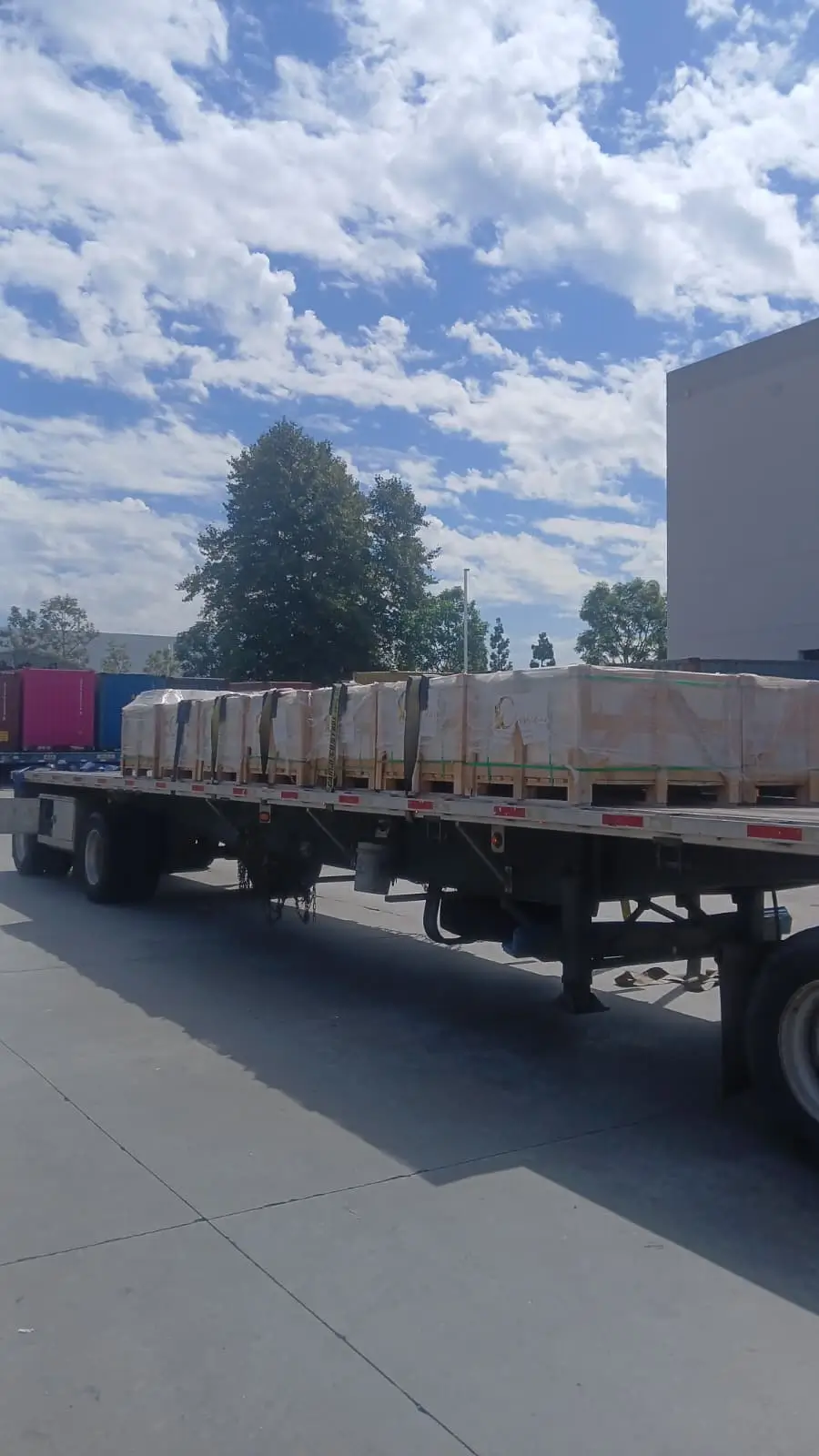
Your truck access constraints at the Litchfield Park site may affect which delivery sequence you can accommodate. A flatbed truck carrying 20 pallets of retaining wall stone needs 50 to 55 feet of straight-line approach to the unload zone — if your site has a narrow access gate or tight turn radius from the street, coordinate with your supplier to split deliveries across two trucks or arrange a smaller-capacity truck for the final delivery when you’re working in a confined area. Truck delivery scheduling also needs to account for the time your crew needs between deliveries to install and backfill each tier, so you’re not paying for material sitting on pallets blocking your staging area.
You can review available stone retaining wall units and coordinate project quantities through our retaining wall stone supplier facility to confirm lead times and delivery availability for your project schedule.
Common Field Errors That Cause Long-Term Failures
The most expensive callback on a geogrid wall project comes from crews who compact backfill before the geogrid layer is fully extended and pinned — the grid folds under compaction pressure and loses most of its tensile contribution. You’ll never see it from the surface during construction, but the wall will start showing outward face displacement within two to three monsoon seasons as the unreinforced soil mass mobilizes lateral pressure against the stone face. Require a hold point inspection at each geogrid layer during construction and document it with photos.
Batter angle shortcuts are the second most common problem. Litchfield Park tall structures specified with a 1-inch-per-foot batter ratio need to hit that number consistently — crews who eyeball the setback and come in at 0.5 inches per foot are effectively building a near-vertical wall that transfers much more moment to the geogrid connection layers than the design assumes. Use a simple story pole with marked setback increments at each course; it adds 5 minutes per course and eliminates the most common geometry error in segmental wall construction.
- Never place geogrid over uncompacted backfill — the grid pulls the uncompacted material rather than developing tensile resistance in a stable mass
- Avoid cutting geogrid around obstructions without designing around the cut — any penetration reduces the effective embedment width and must be compensated with added layers
- Do not allow standing water in the reinforced zone during construction — saturated backfill requires full re-compaction before wall construction continues
- Inspect stone unit alignment every 5 courses — small deviations accumulate and can require full-course removal to correct at height
Best Driveway Stone Supplier in Arizona — How Citadel Stone Would Specify for Arizona Retaining Projects
As a trusted driveway stone supplier in Arizona, Citadel Stone sources and supplies segmental retaining wall units, drainage aggregates, and geogrid products suited to the demanding conditions across the state. The guidance below represents hypothetical specification frameworks that Citadel Stone would apply for projects in three Arizona communities — these are advisory scenarios intended to illustrate how regional soil conditions and project parameters affect stone selection and geogrid system design, not accounts of completed installations.
San Tan Valley Wall Specification
San Tan Valley’s mixed alluvial and expansive clay soils would require geogrid layers at 16-inch vertical intervals for walls exceeding 6 feet — tighter than the 24-inch standard used in non-expansive conditions. Stone wall reinforcement Arizona specifications in this area would call for units with absorption below 4 percent given the area’s annual moisture variation. Truck delivery scheduling to San Tan Valley projects would account for haul distances and confirm warehouse availability at least two weeks ahead of the installation start date to prevent schedule gaps between geogrid and stone deliveries.
Yuma High-Heat Considerations
Yuma’s extreme summer temperatures — regularly exceeding 115°F — create thermal expansion conditions in stone wall reinforcement Arizona projects that demand attention to mortar joint specifications if you’re using mortared cap units. Citadel Stone would specify dry-stack segmental units through the reinforced zone with mortared cap stones only, avoiding mortar in the structural body of the wall where differential thermal movement creates cracking. The Arizona structural support framework for Yuma walls also requires that geogrid systems account for the consistently low soil moisture content, which affects passive resistance values used in the design calculations.
Avondale Urban Infill Projects
Avondale’s urban infill context brings site access constraints that directly affect how geogrid systems are installed — narrow lots with limited truck staging areas require split deliveries and careful sequencing of geogrid rolls and stone pallets. At Citadel Stone, we recommend confirming truck access dimensions with the site supervisor before finalizing delivery logistics for Avondale projects. The geogrid systems specified for Litchfield Park tall structures in adjacent west Valley communities translate well to Avondale, with the added consideration of monitoring neighboring structure surcharge loads that can increase lateral pressure requirements by 15 to 20 percent.
Cost Planning and Realistic Budget Ranges
Geogrid-reinforced stone retaining walls in the 6-to-10-foot range carry installed costs in the $45 to $75 per square foot of face area range in Arizona’s current market — that spread reflects site access, soil conditions, drainage complexity, and the specific stone units you’ve specified. Plan for the higher end of that range whenever expansive soil classifications require tighter geogrid spacing or when the wall design requires engineered fill replacement in the reinforced zone. The geogrid material itself represents roughly 8 to 12 percent of total project cost, so specifying the correct product for the design rather than substituting a lower-strength grid rarely produces meaningful savings compared to the liability exposure it creates.
Delivery and logistics costs deserve a separate line item in your project budget. Depending on your site location relative to the warehouse, truck delivery costs can run $200 to $500 per load for standard flatbed delivery — and you’ll typically need two to three loads for a complete wall project including stone units, geogrid, drainage aggregate, and geotextile. Building those costs into your budget upfront rather than treating them as absorbed overhead keeps your project margin predictable.
Maintenance and Long-Term Performance Expectations
A properly specified and installed geogrid-reinforced stone retaining wall in Arizona should deliver 30 to 50 years of structural performance with minimal maintenance — but that range assumes your drainage system remains functional. The most important annual maintenance task is clearing outlet pipes and verifying that surface drainage still directs water away from the wall rather than pooling against it. In Litchfield Park’s desert landscape settings, irrigation system modifications over time frequently redirect water toward walls that were originally designed for minimal soil moisture — this is a slow failure mode that typically takes 8 to 10 years to manifest as visible distress.
Inspect the wall face annually for signs of differential settlement in the base course, bulging between geogrid layers, or separation at cap course mortar joints. Catching a developing problem at the monitoring stage costs a small fraction of what corrective stabilization requires once movement has progressed. Your geotechnical engineer can interpret crack patterns and face displacement measurements to distinguish between normal settlement and active instability requiring intervention.
Expert Summary
Retaining wall stone geogrid reinforcement for Litchfield Park tall walls comes down to getting four things right: correct geogrid spacing for your soil classification, adequate stone unit mass and quality, a drainage system designed for Arizona’s monsoon intensity, and base preparation that accounts for the site’s specific bearing conditions. The Litchfield Park tall structures that fail in this region consistently share one or more of these elements being shortcut — often by experienced crews who’ve built lower walls without problems and assume the same approach scales up. It doesn’t.
Arizona structural support requirements and geogrid systems specifications aren’t overly conservative for a reason — the soil behavior in this region is genuinely more demanding than the national standard baselines reflect. Stone wall reinforcement Arizona projects benefit from treating these specifications as minimums informed by regional performance data, not maximums to value-engineer away. Stone color selection enhances Carefree driveway curb appeal significantly and the same attention to material selection that drives aesthetic decisions should inform your structural stone choices as well. We are driveway stone suppliers in Arizona that offer bulk discounts for large subdivisions.