50 years quarry-direct·USA & worldwide·🛡️ Escrow payment for new clients·Contact me personally for the best wholesale prices: kareem@citadelstone.us
Quarry-Direct · Middle East Natural Stone
$2.30
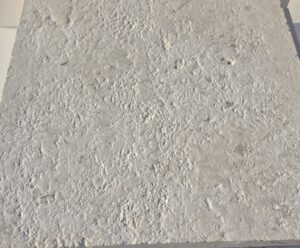
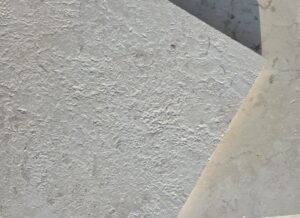
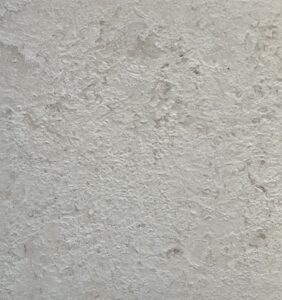
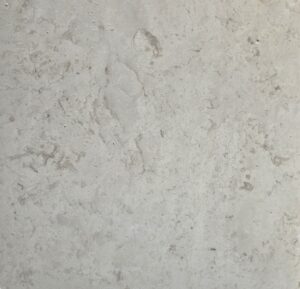
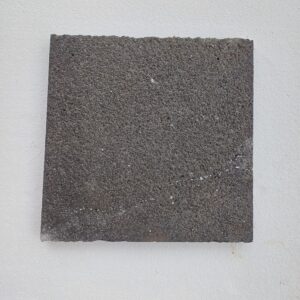
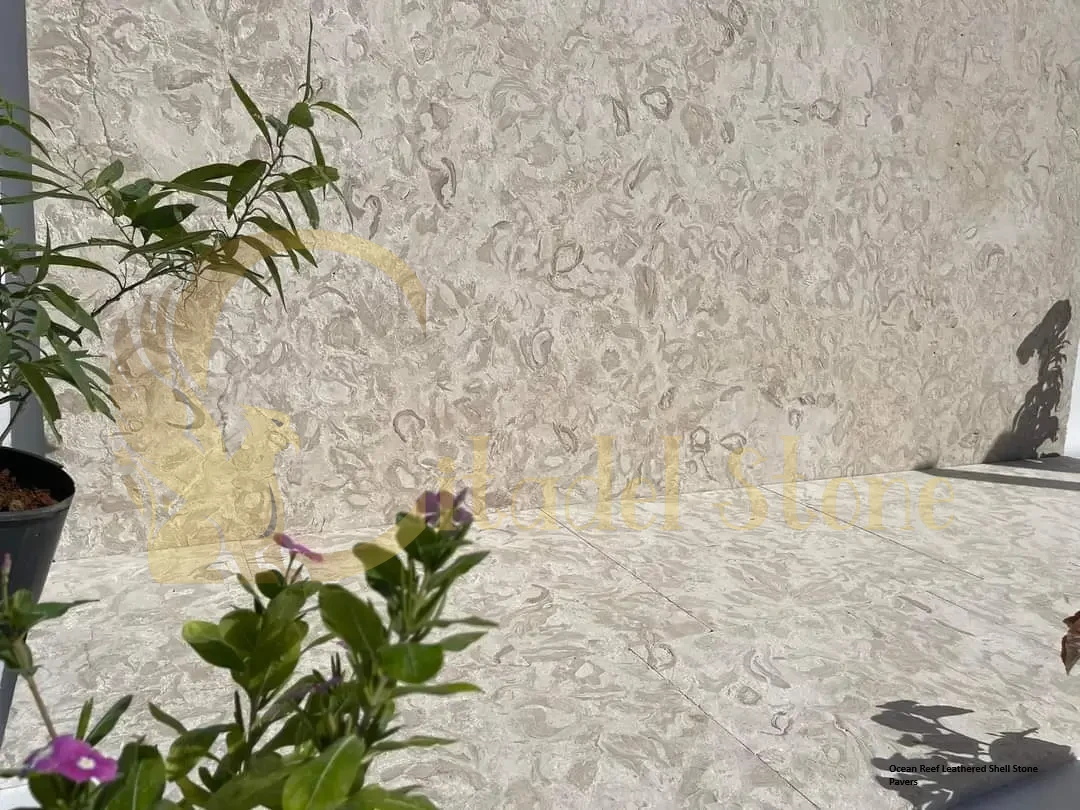
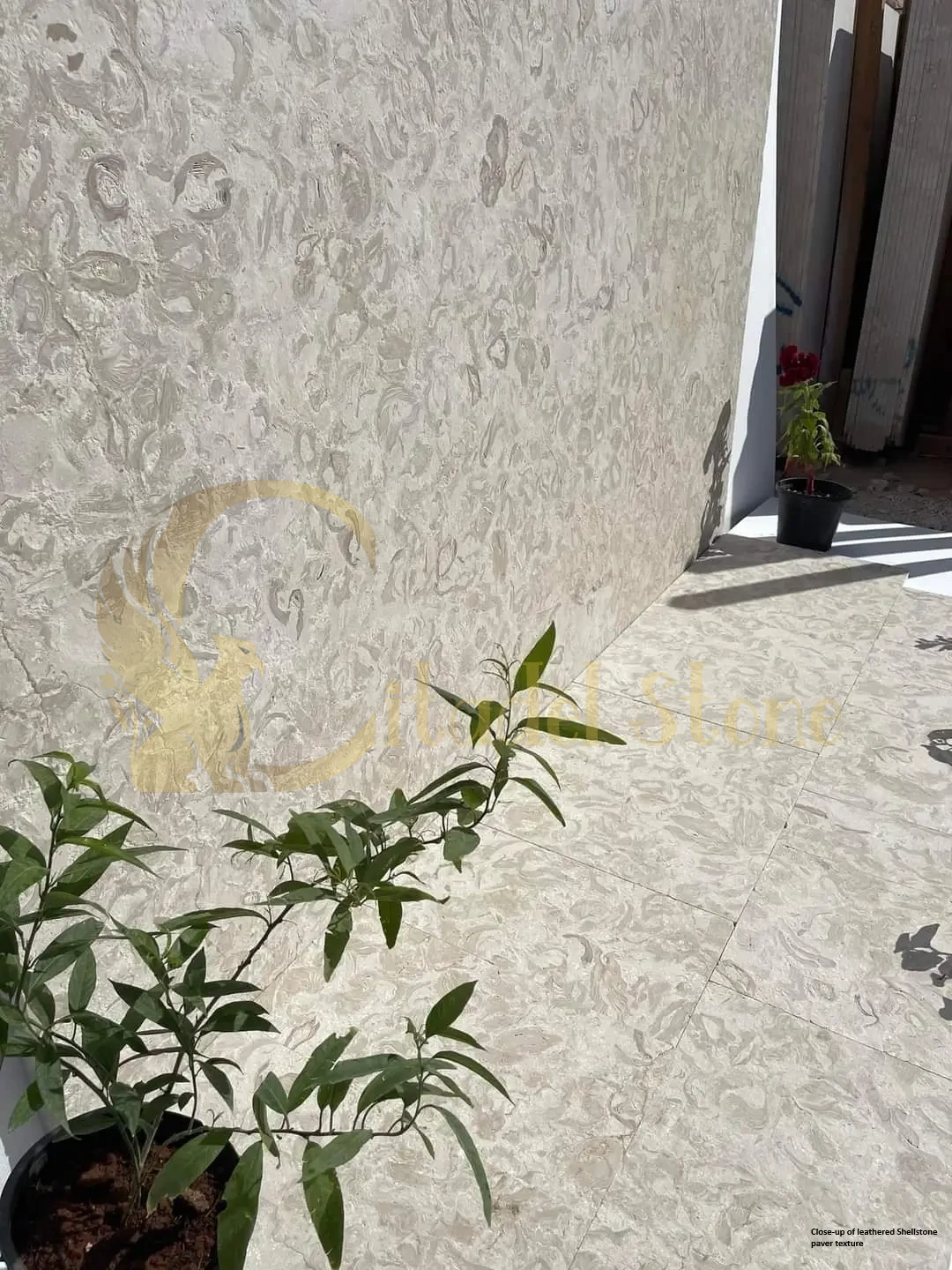
Citadel Stone’s Ocean Reef Leathered Shell Stone Pavers bring the leathered surface specification of our signature coral-born fossiliferous limestone into the natural-stone hardscape and interior surface market. The leathered finish is a refined textured surface treatment that combines the tactile softness and forgiving surface of textured stone with the visual refinement of a controlled, even surface character — appropriate for both indoor and outdoor installations across the warm-climate USA market and equivalent international destinations. The finish preserves the warm pale-cream tone, visible shell and coral fossil content, and natural surface variation that define Ocean Reef Shellstone. Specified for interior floors and feature walls, exterior patios and outdoor entertaining areas, pool decks and pool surrounds in warm-climate residential and hospitality settings, garden walkways and landscape paving, sheltered exterior architecture and indoor-outdoor transitions, and hospitality and commercial projects where the leathered terminology is the preferred trade convention. Sealing is essential and annual for exterior and wet-area installations. This material is optimized for warm, tropical, and subtropical climates. In colder states it is a beautiful choice for interiors and for covered terraces, loggias and porticos with annual sealing; Citadel basalt is recommended as the more weather-resilient alternative for the most demanding cold-climate exposed exterior work.
Price: $2.30 per sq. ft.
Total: $2.30
Your size. Your thickness. Your finish, confirmed for this stone.
We cut this stone to the dimensions and thickness your project calls for. Brushed is our signature finish, from a coarse 16 grit to a fine 80, or finer to order. Most of our limestone and basalt can also be supplied sawn, honed or bush-hammered; polished, tumbled and split-face are made on selected stones. Tell us the size, thickness, finish and use, and we’ll confirm what this stone can be made in. Looking for another color? See the full collection.
Planning a laying pattern? See which of our formats suit herringbone, French pattern, running bond, stack bond, basketweave and fan layouts in our paver laying patterns guide.
Ships by pallet or container to any US state · Lead time quoted per order
Suitability varies with size, thickness, finish, and substrate. Tell us your application when you request a quote and we will confirm the right specification for it.
Bedding: full-bed sand and cement mix or a flexible adhesive appropriate to the substrate.
Joints: from 3 mm for sawn tiles; wider for split-face setts and cobbles.
Sealing: a quality impregnating sealer is recommended for limestone and shellstone; basalt and granite typically need none.
Cutting: wet saw with a diamond blade.
Installation requirements differ by stone and format — a product-specific method note is included with every quote, and our team is available for your installer’s technical questions.
Pricing improves materially with quantity: pallet rates beat per-piece pricing, and full-container rates beat both. Every quote is calculated quarry-direct, with no distributor margin in between.
Distributors, stone yards, and retailers: our Trade & Wholesale Program covers container-load pricing, recurring supply schedules, and private-label production.
Orders ship by pallet or full container to any US state, with kerbside delivery to the nearest safe access point. Lead times depend on stone, finish, and quantity, and are confirmed with your quote. Samples reach any US address within five working days.
Every crate is inspected and photographed before dispatch — if anything is wrong on arrival, contact us and we will make it right.
Citadel Ocean Reef Leathered Shell Stone Pavers represent the leathered-finish specification of Citadel Stone’s signature fossiliferous coral-born limestone — the natural-stone choice for projects across the United States that prefer the leathered terminology and the specific market positioning that comes with it. The leathered finish is a refined textured surface treatment that delivers the practical performance characteristics of textured stone (surface texture, forgiveness of everyday wear, tactile comfort) with the visual refinement of a controlled, even surface character. Across both interior and exterior applications — patios and interior floors, pool decks and bathroom walls, walkways and atrium surfaces — this specification serves the projects where authentic natural material is the priority and where the leathered designation is the recognised trade convention.
For Ocean Reef Shellstone specifically, the leathered finish brings out the authentic geological character of the stone in a way that aligns naturally with contemporary design vocabularies. The visible shell and coral fossil content reads at clear visual definition across the leathered surface, the warm pale-cream tone is preserved without the artificial intensification of polished alternatives, and the soft textured character gives a tactile, non-polished surface. From contemporary patios in coastal Florida residential design to pool surrounds in Caribbean and Hawaii hospitality, from interior floors in luxury warm-climate residential to indoor-outdoor transition spaces in contemporary architecture, this specification serves the projects where leathered terminology is the standard trade language.
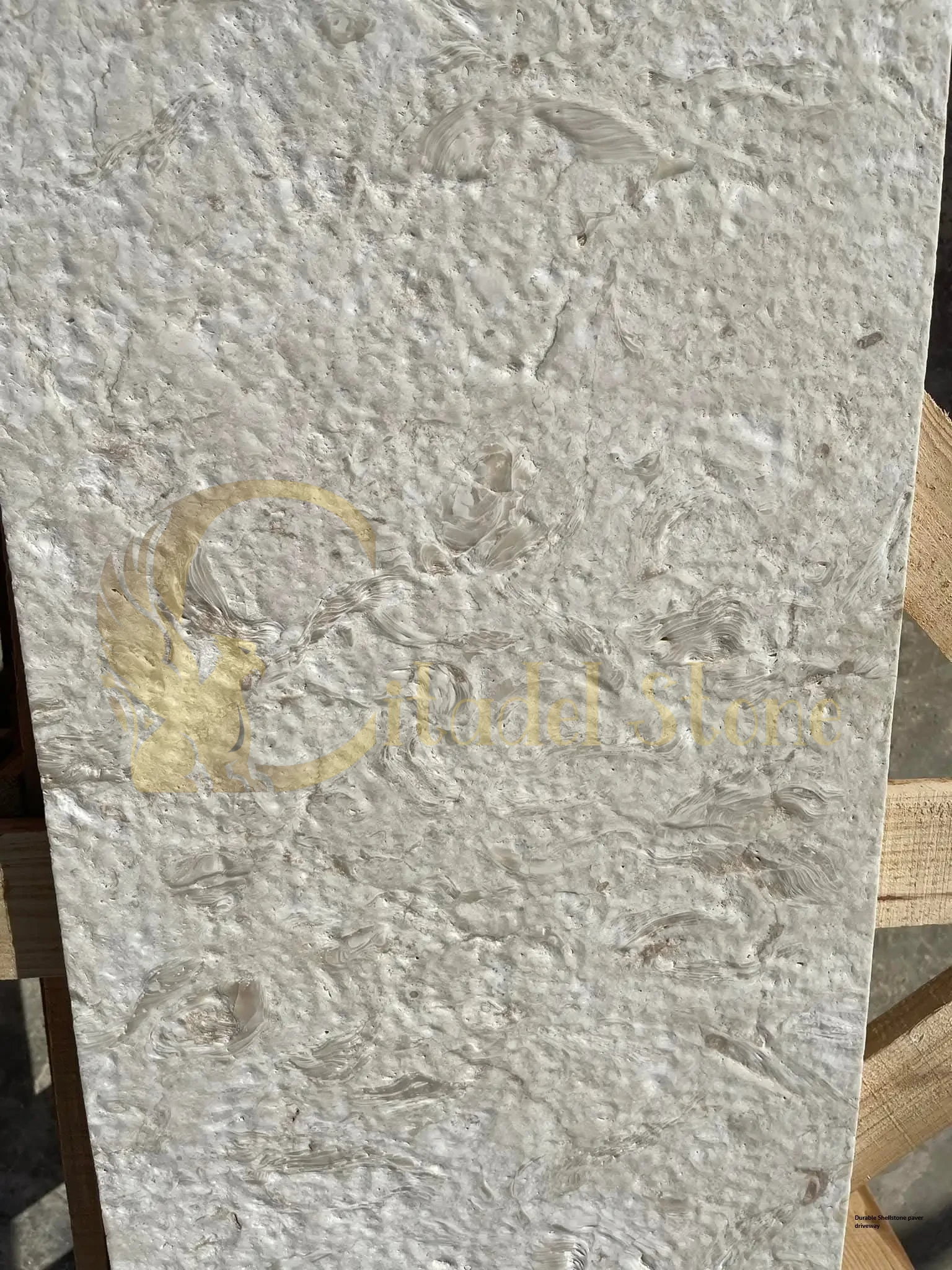
Ocean Reef Shellstone is a fossiliferous limestone — geologically a coquina — formed from the calcified remains of marine organisms compressed and lithified over geological time in ancient reef and shallow-water sediment environments. Citadel Stone sources the material from Mediterranean and Middle Eastern reef-formation deposits selected for fossil richness, colour consistency, and structural integrity. The colour reads as a warm pale cream with subtle natural variation between pieces, and the fossil content — visible shell cross-sections, coral fragments, and reef sediment — gives every installation the authentic geological character that distinguishes Ocean Reef Shellstone from any non-fossiliferous alternative.
The leathered finish is produced through a controlled brushing process using diamond-tipped or specialised abrasive tooling that creates a softly textured surface treatment. On Ocean Reef Shellstone specifically, the leathered process produces a finish that reads as refined and contemporary — softer in tactile character than aggressively textured surfaces, more textured than smooth honed alternatives, and visually consistent across the installation. The leathered surface preserves the visible fossil content while providing the practical surface characteristics that hard-use applications require: more surface texture than polished or honed, surface forgiveness for minor wear and routine contact, and the tactile refinement appropriate to both indoor and outdoor specification.
In trade vocabulary, the leathered finish is sometimes referenced as brushed in certain regional markets and certain product catalogues. The two terms refer to substantially similar surface treatments produced by mechanically similar processes, and the choice between them is largely market and regional convention rather than meaningful surface difference. The leathered terminology has become the preferred convention in luxury residential design, contemporary architectural specification, and the design-led commercial market segments — particularly in the United States luxury market — where the term carries specific positioning value. Citadel Stone supplies the specification under the leathered designation to serve these market segments and the buyers who search for leathered specifically.
Sealing is essential for every Ocean Reef Shellstone installation without exception, and the leathered-finish specification is no different. The stone is a porous limestone (water absorption 1.34%, certified mill test), and the leathered surface, while refined in tactile character, preserves the full natural pore structure of the underlying limestone. A quality penetrating natural stone sealer applied at installation and reapplied at scheduled intervals throughout the service life of the surface is the critical specification element.
For exterior installations — patios, pool surrounds, walkways, sheltered exterior architecture — sealing follows the standard exterior protocol of annual reapplication, with attention to the wettest seasons in the project climate. Pool-adjacent installations follow the annual schedule indefinitely, with particular attention to splash-out from chlorinated or salt-system pool water that would damage the underlying limestone if it makes prolonged contact with unsealed or under-sealed surfaces.
For interior floor installations in dry conditioned environments, initial sealer application is performed within thirty days of installation completion, after grout has fully cured. Reapplication every three to five years under normal residential use is typically sufficient. For commercial interior installations with higher-frequency cleaning protocols, the reseal interval moves to every two to three years.
For bathroom and wet-area installations — interior floors and walls in regular contact with water — sealing follows the exterior schedule with annual reapplication for the first three years after installation. For shower floors and continuously wet vertical surfaces, the annual schedule is maintained indefinitely.
Citadel Stone supplies specific sealer recommendations and application guidance with every order. The sealer must be a penetrating natural stone sealer formulated for porous limestone; topical or film-forming sealers are inappropriate. Citadel Stone will not supply this material to customers who have not understood and accepted the sealing protocol.
Ocean Reef Shellstone in any finish is unambiguously warm-climate material and specified accordingly. The optimal United States markets for this leathered specification are Florida, the Gulf Coast states (Texas, Louisiana, Alabama, Mississippi), the Carolinas south of the Outer Banks, Southern California, Arizona, Hawaii, and equivalent international destinations across the warm-climate spectrum. In these markets the material performs reliably with the sealing protocol described above, and the leathered surface character aligns with the contemporary design vocabularies of coastal, tropical, and subtropical architecture.
Interior installations perform identically across the USA, whatever the building’s external climate. Many cold-climate USA projects specify Ocean Reef Shellstone for interior floor and wall installations without concern, taking advantage of the visible fossil character and warm tone in interior settings that the exterior climate does not affect.
Exterior installations in cold-climate states simply need the right setting. Ocean Reef Shellstone is at its best in warm and coastal climates, in every finish. In colder states, it is a beautiful choice for covered terraces, loggias and porticos, sealed once a year. For the most demanding cold-climate exposed exterior work, Citadel basalt is the more weather-resilient choice.
The six application sections below address the settings where Ocean Reef Leathered Shell Stone Pavers perform at their best — across both interior and exterior installations in warm-climate USA markets and equivalent international settings.
Pool decks and pool surrounds are one of the strongest applications for the leathered specification. The combination of properties is purpose-suited to the pool environment: the leathered surface is textured rather than polished, the warm pale-cream tone stays cooler underfoot in direct sunlight than darker stones, the visible shell and coral fossil content reads as visually appropriate to the pool environment in a way that no manufactured alternative can match, and the surface forgiveness of the leathered finish handles minor wear and the cumulative effect of seasonal pool use better than smoother alternatives. The practical caveats are real: annual sealing without exception, prompt rinsing of splash-out from chlorinated or salt-system pool water, immediate cleanup of pool chemical spills, and routine inspection of the surface for signs of sealer failure. With these practices followed, leathered Ocean Reef Shellstone pool decks deliver decades of beautiful and characterful service in warm-climate USA pool environments.
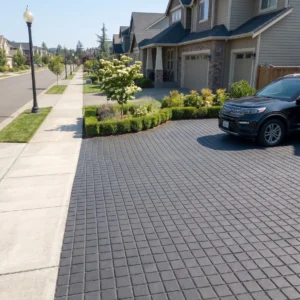
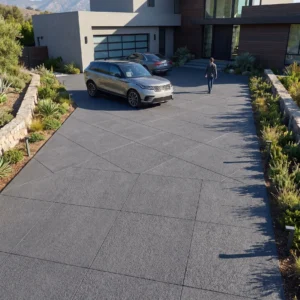
Warm-climate patios and outdoor entertaining spaces use the leathered specification as primary hardscape surface across residential and hospitality projects. The leathered finish provides the foot comfort and surface texture appropriate to daily-use outdoor surfaces, while the fossiliferous character of the stone reads as authentically connected to its warm-climate landscape setting. Covered terraces, partially shaded patios, and fully exposed warm-climate patios all use this material successfully. The performance of the leathered surface improves with use as the stone develops a natural patina, deepening slightly in tone and showing gentle wear patterns that distinguish a lived-in patio from a freshly installed one. Annual sealing in the first three years is non-optional, after which the schedule can extend slightly under normal use. Outdoor furniture should sit on felt pads or rubber feet to protect both the stone surface and the furniture from contact damage.
Garden walkways and exterior paths through residential and commercial landscapes use the leathered specification as primary path surface. The leathered surface is textured rather than polished, the warm pale tone reads beautifully against green planting, and the visible fossil content gives each section of path its own subtle visual interest at close-distance viewing. Paths through formal gardens, courtyard walkways, swimming pool perimeter paths, and routes between garden zones all use this specification. Installation on a properly prepared bed — typically a compacted aggregate base with a thin sand or mortar setting layer — is essential for long-term stability. Joint width and material matter: tight mortar joints minimise water penetration between pieces, while wider sand or polymeric joints accommodate slight ground movement and allow for surface drainage. Sealing of pathway installations follows the annual exterior protocol.
Interior floor installations use the leathered specification where the textured surface character is preferred over smooth honed or polished alternatives. Residential applications include kitchen and dining floors where the leathered surface offers more texture than honed for spill-prone areas, family rooms and entry halls where the textured natural-stone character provides architectural grounding for the room’s design vocabulary, and bathroom and powder-room floors where a textured surface is the practical priority. Hospitality applications include hotel guest-room floors in warm-climate resort properties, restaurant interiors in contemporary design-led architecture, and spa-area floors where the leathered surface complements the wellness environment. Interior installations follow the residential interior sealing schedule of every three to five years for dry environments, with the wet-area annual schedule applying to bathroom installations. The fossil character of the stone reads beautifully at close conversational distance, making leathered shellstone floors distinctive interior surfaces rather than neutral backgrounds.
Sheltered exterior installations — covered terraces, loggias, atriums with overhead weather protection, porticos, and the indoor-outdoor transition spaces typical of contemporary warm-climate architecture — extend this specification into the protected exterior settings where leathered shellstone continues the interior material vocabulary outward across the threshold. The same leathered material that serves as the interior floor flows seamlessly to the sheltered exterior, producing the single-material continuity that defines luxury warm-climate residential and hospitality design. The 12-by-24-inch and 24-by-24-inch formats are particularly effective in transition spaces because the consistent format scale carries the architectural rhythm across the interior-exterior boundary. Sealing in sheltered exterior installations follows the annual protocol, with attention to drainage planning that moves water off the surface rather than allowing it to pool.
Interior wall cladding installations use the leathered specification for projects where the textured stone surface is intended as architectural feature rather than neutral background. Living room feature walls, hotel reception walls, fireplace surrounds where the leathered surface catches firelight in evening hours, atrium walls at architectural scale, and the lower walls of grand interior staircases all use this specification. The visible fossil content reads particularly well on wall installations because the close viewing distance typical of interior wall environments brings the shell and coral fragments into clear visual focus. Wall installations follow the same sealing protocol as floors, with the standard interior schedule (every three to five years) applying to dry-area walls and the wet-area annual schedule applying to bathroom and spa-area walls.
| Property | Value | Notes |
|---|---|---|
| Stone Classification | Fossiliferous Limestone (Coquina) | Reef-formed sedimentary stone with visible shell and coral fossil content. |
| Origin | Mediterranean & Middle East | Hand-quarried from Citadel Stone’s exclusive source deposits. |
| Surface Treatment | Leathered | Refined textured finish produced by diamond-tipped abrasive process; substantially similar to brushed. |
| Density | 2.49 g/cm³ (certified mill test) | Use it for weight and freight calculations. |
| Water Absorption | 1.34% (certified mill test) | Water taken up by weight. Lower means less moisture uptake and staining. Sealing is essential for every installation. |
| Compressive Strength | 47.60 N/mm² (certified mill test) | Driveways in setts, cobbles or thicker pavers bonded to a concrete slab; patios, paths, pool decks and interiors in standard pavers and tiles. |
| Mohs Hardness | 3 – 4 | Standard limestone hardness; fossil inclusions may show slight variation. |
| Texture and typical use | Textured, matte (leathered) | Rougher than polished or honed; used for pool decks, patios and garden paths. |
| Acid Sensitivity | High | Sensitive to citric acid, vinegar, wine, salt-system pool chemistry concentrates. |
| Cold-Climate Use | See Climate Suitability | At its best in warm and coastal climates; ask us about colder sites. |
| Heat Reflection | Excellent | Pale colour stays cooler underfoot in direct sunlight than darker stones. |
| Sealing Requirement | Mandatory and Annual | Penetrating natural stone sealer; reapplied annually for exterior and wet-area, every 3–5 years for dry interior. |
| Optimum Climate | Warm, Tropical, Subtropical | Florida, Gulf Coast, Caribbean, Southern California, Arizona, Hawaii, Mediterranean equivalents. |
| Cold Climate Performance (Exterior) | Conditional | Sheltered siting and annual sealing; ask us about your site. |
| Restorability | Excellent | Surface can be refinished by stone restoration specialists. |
Ocean Reef Leathered Shell Stone Pavers are supplied in a comprehensive range of formats sized for both interior and exterior applications. Thickness selection follows application requirements — thinner formats for wall cladding, standard formats for interior floors and pedestrian patios, heavier formats for driveways and high-traffic commercial areas.
| Thickness | Imperial | Recommended Application |
|---|---|---|
| 20 mm (2.0 cm) | 3/4 in | Wall cladding, interior light-duty floors, lightweight feature walls. |
| 30 mm (3.0 cm) | 1-3/16 in | Standard residential interior floors, patios, pool decks, walkways. |
| 40 mm (4.0 cm) | 1-9/16 in | High-traffic commercial patios and heavy-use pool environments. |
| 50 mm (5.0 cm) | 2 in | Driveways mortar-bonded to a concrete slab, hospitality plaza paving. |
| Custom | On request | Bespoke specification for commercial and architectural projects. |
| Format | Dimensions | Best Suited For |
|---|---|---|
| Square Small | 12″ × 12″ | Bathroom floors, small courtyard paving, decorative inlay. |
| Square Medium | 16″ × 16″ | Garden walkways, residential interior floors, courtyard paving. |
| Rectangle Standard | 12″ × 24″ | Modern interior installations, walkway runs, contemporary patios. |
| French Pattern | Mixed format set | Traditional French-pattern pool decks and patios — historically popular layout. |
| Square Large | 24″ × 24″ | Open-format interior floors, pool decks, large patios. |
| Rectangle Large | 16″ × 24″ | Premium pool deck and patio installations. |
| Custom | Any dimension | All bespoke architectural projects. |
The comparison below positions Ocean Reef Leathered Shell Stone Pavers against the four materials most often considered as alternatives for warm-climate exterior hardscape and interior natural-stone surfaces: porcelain paving, concrete pavers, granite, and bluestone. Travertine is deliberately excluded from this comparison.
| Property | This Stone | Porcelain | Concrete Paver | Granite | Bluestone |
|---|---|---|---|---|---|
| Natural Material | Yes | No (manufactured) | No | Yes | Yes |
| Fossil Content | Visible | None | None | None | None |
| Surface Cooling (Direct Sun) | Excellent | Poor to Moderate | Moderate | Poor | Moderate |
| Texture and typical use | Textured, matte (leathered) | Variable | Good | Smooth/Variable | Good |
| Acid Sensitivity | High | None | Moderate | Low | Low |
| Sealing Required | Mandatory and Annual | No | Optional | Recommended | Recommended |
| Pool Chemistry Tolerance | Conditional | Excellent | Good | Excellent | Good |
| Warm Climate Performance | Optimal | Excellent | Good | Good | Good |
| Cold Climate Performance | Conditional | Excellent | Good | Excellent | Excellent |
| Interior Suitability | Excellent | Excellent | Good | Excellent | Good |
| Visual Authenticity | True Natural | Engineered Print | Industrial | True Natural | True Natural |
| Aging Character | Develops Patina | No Change | Degrades | Slow Patina | Develops Patina |
Ocean Reef Leathered Shell Stone Pavers occupy a specific market position: the only mainstream natural-stone specification combining authentic fossil content with the leathered surface character that has become the preferred trade convention in luxury residential design and contemporary architectural specification. The sealing protocol is the genuine trade-off; clients who accept the annual sealing protocol receive a surface specification with multi-decade lifespan and character that improves with age across both indoor and outdoor installations.
Ocean Reef Leathered Shell Stone Pavers are installed using standard natural-stone hardscape and tile-installation techniques. For exterior installations, substrate preparation depends on the application: pedestrian-only patios and walkways use compacted aggregate bases (4 to 6 inches of crushed stone) with sand or stone-dust setting layers; pool decks use deeper aggregate bases (6 to 8 inches) with consideration for drainage; sheltered exterior installations on elevated structures use mortar-bed installations on concrete substrates.
For interior installations, substrate preparation includes cementitious backerboard for thin-set installations on framed floors, or properly prepared concrete substrates for mortar-bed work. Wet-area installations (bathrooms, shower walls) require fully waterproofed substrate systems with appropriate membrane and sealed transitions.
Adhesive selection is a high-quality flexible thinset mortar specifically formulated for natural stone, ideally a non-staining white formulation to prevent any colour bleed through the joints into the warm pale stone. For large-format pieces (24-inch and larger), a medium-bed or large-format-and-heavy-tile mortar is the appropriate specification.
Pre-installation sealing is essential. A penetrating sealer should be applied to each piece before grouting, particularly to the edges and underside, to protect against moisture absorption from below and to prevent grout haze and grout colour absorption into the porous limestone surface. This step is non-optional for shellstone installations of any finish — skipping it can produce permanent grout shadowing along every joint.
After installation and final cleaning, a second sealer application protects the installed surface and the joints. The annual exterior sealing schedule begins from this second application.
Routine care of leathered shellstone is straightforward but disciplined. Daily care consists of dust-mopping interior installations and periodic sweeping of exterior installations to remove abrasive grit, leaves, and organic debris. Weekly cleaning uses a pH-neutral natural stone cleaner with a soft brush or microfibre mop. Acidic cleaners must be avoided absolutely — vinegar, citrus-based products, bleach, and standard household tile cleaners will etch the surface and damage the sealer.
For exterior installations, pool deck installations require particular attention. Splash-out pool water, whether chlorinated or salt-system, should be rinsed off promptly with fresh water rather than left to evaporate on the stone surface. Sunscreen residue, suntan oils, and pool chemicals that accumulate on the deck should be cleaned weekly during peak use season. Annual deep cleaning before resealing — typically performed by a stone-care professional or with appropriate DIY products — removes embedded contamination that routine cleaning cannot reach.
For interior installations, spills should be addressed immediately, particularly wine, fruit juice, coffee, oils, and any acidic substances. Felt pads under furniture legs are essential, heavy furniture must not be dragged across the surface, and entrance mats at all exterior doorways extend the life of interior installations significantly by preventing abrasive grit from being tracked across the floor.
Sealer testing is the foundation of long-term maintenance. The test is the standard limestone bead test: a water droplet placed on the surface should bead and remain on the surface for several minutes rather than darkening the stone as it absorbs. When the bead test fails, resealing is required promptly. The labour of resealing a typical residential installation is modest — generally a single day’s work — and is the difference between an installation that ages beautifully over decades and one that progressively degrades.
Damage to individual pieces — chips, cracks, deep staining beyond sealer protection — can be addressed by professional replacement of the affected piece. The natural variation of shellstone means a replacement piece will not match the original exactly, but the inherent variability of the material accommodates this, and the replacement typically reads as part of the natural character of the installation rather than as a visible repair.
The honest answer: substantially similar surface treatments produced by mechanically similar processes, with the choice between the terms largely a matter of market and regional convention rather than meaningful surface difference. Both finishes are produced by passing abrasive tooling over the stone surface to create a softly textured surface character with the warm pale tone and visible fossil content of the underlying stone preserved. The leathered terminology has become the preferred convention in luxury residential design, contemporary architectural specification, and the design-led commercial market segments — particularly in the US luxury market — where it carries specific positioning value. The brushed terminology remains more common in general hardscape and traditional residential specification. Citadel Stone supplies both designations to serve the different buyer search patterns and trade conventions; the underlying product is materially the same Ocean Reef Shellstone with substantially similar surface treatment.
Yes — this is one of the practical advantages of the leathered specification. The same leathered Ocean Reef Shellstone serves both interior floor and wall installations and exterior hardscape applications, allowing whole-project specification with material consistency across indoor and outdoor zones. This is particularly valuable in warm-climate USA residential and hospitality design where the indoor-outdoor transition is part of the architectural vocabulary, and where the same material flowing from interior across the threshold to sheltered exterior creates the design continuity that defines contemporary warm-climate architecture. The sealing protocols differ by application type (annual for exterior and wet-area; every 3-5 years for dry interior), but the underlying product is the same supplied specification.
Any paving can be slippery when wet. Finish, slope, drainage, sealer and footwear all play a part, so ask your designer to confirm local pool-deck and code requirements. The leathered surface is textured rather than polished, while polished finishes are made for dry indoor floors. For pool decks, where wet feet and standing water are the everyday environment, a textured finish is the natural choice. The leathered finish also conceals minor wear and the cumulative effects of pool chemical exposure better than polished alternatives, maintaining its visual character through years of pool-deck use. The leathered finish is also better suited than polished to the chemical exposure of pool environments — chlorinated and salt-system pool water damages limestone over time, and the textured surface holds up to that exposure better than smoother alternatives. For pool decks in warm-climate USA markets, leathered shellstone is the appropriate Ocean Reef Shellstone specification.
The choice between leathered shellstone and porcelain is fundamentally a choice between authentic natural material and engineered alternative. Porcelain pavers offer excellent weather performance, no sealing requirement, and competitive pricing. Leathered Ocean Reef Shellstone offers true natural-stone identity that no print reproduction can replicate, authentic visible fossil content, warm pale-cream tone that stays cooler underfoot than darker porcelain alternatives, multi-decade lifespan with full restorability, and the genuine material value that natural stone adds to a property. For projects where authentic natural material is part of the design intent — luxury residential, hospitality, resort architecture, design-led commercial work — leathered shellstone is the appropriate choice and the sealing requirement is an acceptable trade-off for the material identity. For projects where maintenance simplicity and the lowest acquisition cost are the priorities, porcelain may be the practical alternative.
Interior installations in cold-climate states perform identically to installations anywhere else — interior environments are climate-controlled and the building’s external climate has no bearing on the material’s performance. Exterior installations simply need the right setting. Building where winters freeze and roads are salted? Ask us about our black basalt. In colder states, it is a beautiful choice for covered terraces, loggias and porticos, sealed once a year. For projects where these conditions cannot be met, or for the most demanding cold-climate exposures, Citadel basalt hardscape is the more weather-resilient alternative.
Standard formats are normally available from stock for delivery to most United States destinations within three to four weeks of order confirmation. Custom dimensions, custom thicknesses, and large commercial orders typically require six to twelve weeks. Minimum order quantities are modest — typically a single pallet (120 to 160 square feet of coverage depending on format and thickness) is the practical minimum for cost-effective shipping. For trade accounts, commercial projects, and orders above three pallets, dedicated production runs and bespoke specifications are coordinated through the Citadel Stone trade support team with structured pricing reflecting volume. Sample pieces are dispatched ahead of full orders on request to confirm material character before commitment.
Citadel Stone provides a free consultation service for every Ocean Reef Leathered Shell Stone Pavers project regardless of scale. The consultation includes review of the project scope and design intent, application-suitability assessment for the specific project setting (indoor or outdoor), climate-suitability assessment for the project location, format and thickness recommendation based on the application, sealer specification and reapplication protocol, coverage and quantity take-off with appropriate waste allowance, and discussion of any project-specific specification considerations. Consultation is available by email, telephone, and video call, and is staffed by experienced natural stone specialists who understand the technical and aesthetic dimensions of leathered fossiliferous limestone specification.
For architects, interior designers, landscape designers, hospitality groups, and contractors working on luxury residential and commercial projects across the warm-climate United States, Citadel Stone provides dedicated trade support. This includes priority technical advice during specification development, lead-time guarantees on committed orders, custom format and thickness development for project-specific requirements, presentation sample boards for client meetings, and structured pricing for sustained trade volumes. Trade accounts are opened on request and require a single project reference to activate.
Physical samples of Ocean Reef Leathered Shell Stone Pavers are dispatched to specifiers and homeowners alike on request. The leathered surface character, the warm pale-cream tone, the visible fossil content, and the tactile quality of the finish are most accurately understood in physical form rather than from photography. The sample allows the surface character to be assessed in the actual lighting and use context of the project setting before commitment. To request a sample, a quote, or a project consultation, contact Citadel Stone directly using the form on this page or the email address provided.
Product specifications and pricing are subject to change. Contact Citadel Stone for current stock availability and project-specific recommendations.
Choose Your Finish with Confidence
The finish decides how your stone looks, feels and grips underfoot. Compare every finish we produce — brushed 16, 36 and 80 grit, honed and bush-hammered — photographed up close on the actual stone we supply, so you can judge the texture before you order. Samples of any finish are at your door within 3 working days.
Explore the Stone Finishes GalleryA sample of the exact stone ships before any full order — judge tone, veining, and texture in your own light.