
When you design wildlife habitat stone landscaping Arizona projects, you’re making decisions that extend far beyond aesthetics. Your material selections directly influence which species can establish residence, how effectively your garden conserves water, and whether native pollinators find the resources they need. You’ll discover that strategic stone placement creates microclimates that support ecological landscaping goals while addressing the extreme thermal conditions characteristic of desert environments.
The integration of stone materials into wildlife-friendly gardens requires you to understand thermal mass properties, surface texture variations, and spatial arrangements that facilitate biodiversity support. You’re not simply installing hardscape — you’re engineering habitat corridors that connect fragmented ecosystems across increasingly developed landscapes.
Thermal Mass Habitat Functions
Stone materials in wildlife habitat stone landscaping Arizona installations function as critical thermal regulators. During daylight hours, stone absorbs solar radiation and releases it gradually after sunset, creating temperature-stable zones that desert species rely upon. You’ll find that reptiles, particularly native lizard populations, use sun-warmed stone surfaces for thermoregulation during cooler months.
Your stone selection affects nocturnal temperature differentials. Dense limestone or granite retains heat 4-6 hours longer than soil surfaces, extending the period when cold-blooded species maintain active metabolic states. This thermal lag becomes essential during spring and fall transitional periods when ambient temperatures fluctuate dramatically between day and night cycles.
The interstitial spaces between stacked stones create protected microclimates where temperatures remain 8-12 degrees cooler than exposed surfaces. You should configure stone arrangements to provide both sun-exposed thermal basking areas and shaded retreat zones within 18-24 inches of each other — this proximity allows species to rapidly adjust their body temperature as needed throughout daily activity cycles.
Crevice Habitat Engineering
Wildlife habitat stone landscaping Arizona designs gain functionality through deliberate crevice creation. When you stack stones with irregular profiles, you’re engineering shelter spaces that native species require for predator protection, thermal refuge, and reproductive sites. Gap dimensions between 3/4 inch and 4 inches accommodate the widest range of beneficial species.
- You should maintain crevice depths of at least 8 inches to provide adequate retreat distance from predators
- Your stone arrangements need vertical orientation variations to create humidity gradients that support different species preferences
- You’ll achieve optimal results by avoiding mortar in decorative stone walls intended for habitat functions
- Your stacking technique should ensure structural stability without eliminating the gaps that wildlife requires
The orientation of stone faces influences which species colonize your habitat features. South-facing exposures receive maximum solar gain, attracting heat-seeking species, while north-facing orientations remain cooler and retain moisture longer — you’ll find these support different ecological niches within the same stone structure.
Water Collection Surface Design
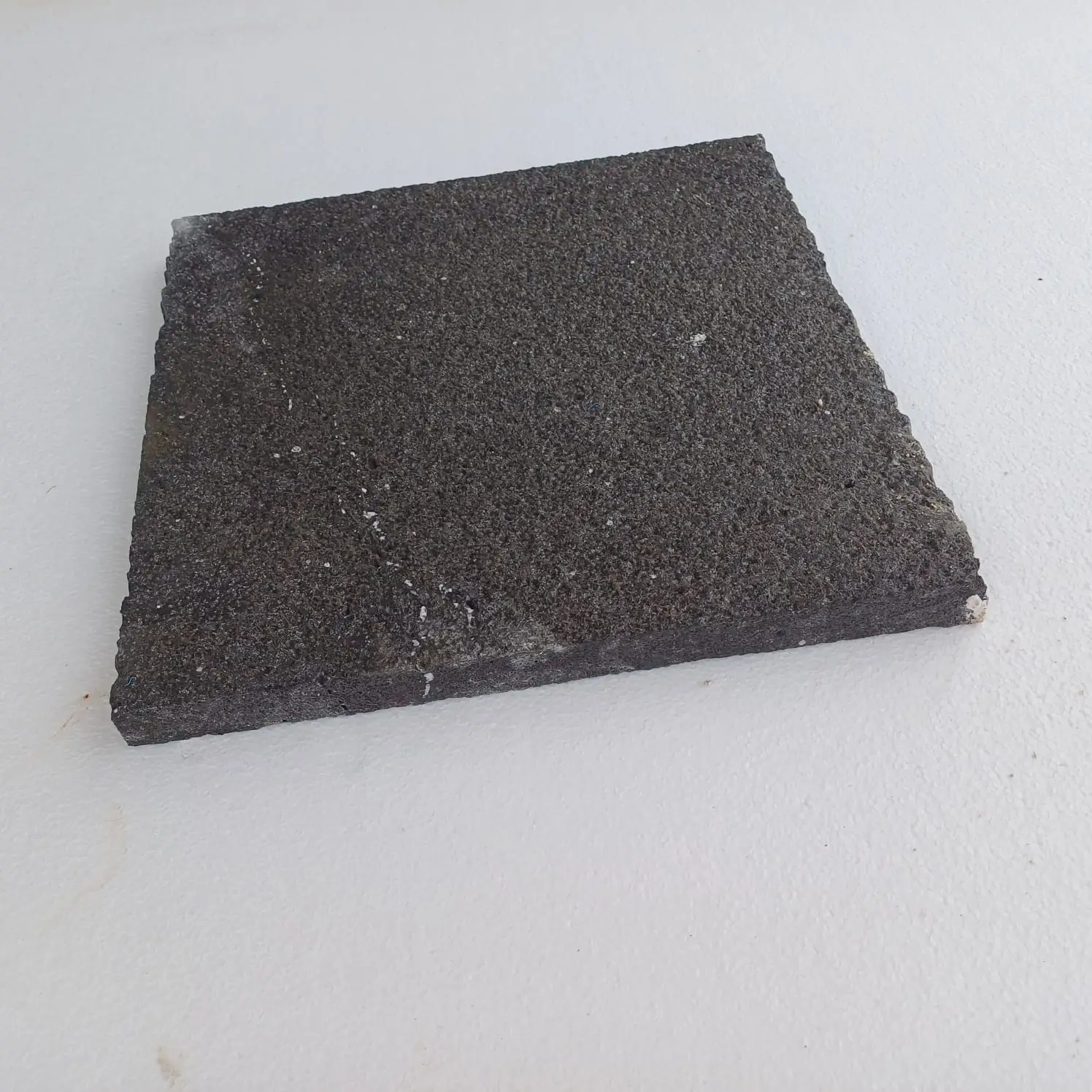
Stone surfaces in wildlife habitat stone landscaping Arizona projects serve as critical water collection features. Your material selection determines how effectively morning dew condenses and remains accessible to small vertebrates and invertebrates. Textured stone surfaces with micro-roughness collect and retain moisture droplets that smooth surfaces shed immediately.
You need to understand that limestone and sandstone materials exhibit natural porosity that allows subsurface moisture retention. These stones remain damp 2-3 hours longer than non-porous granite or quartzite after precipitation events or irrigation cycles. For wildlife seeking drinking water, this extended availability makes the difference between habitat suitability and inhospitable conditions.
Strategic stone placement near drip irrigation emitters or at the terminus of roof runoff channels creates reliable water access points. You should configure stones with slight depressions or concave surfaces that pool water temporarily — these micro-basins provide drinking opportunities for birds, insects, and small mammals that require shallow water sources. Conservation design principles recognize these features as essential components in arid-climate gardens.
Substrate Layering Beneath Stones
The foundation materials beneath wildlife habitat stone landscaping Arizona installations determine soil biology and invertebrate populations. When you prepare the base for stone placement, you’re establishing conditions that support or exclude the foundation species that higher trophic levels depend upon. Your substrate composition should facilitate both drainage and moisture retention in balanced proportions.
A three-layer approach provides optimal conditions. You’ll want to excavate 8-12 inches below final stone placement depth, then install a bottom layer of 4-6 inch decomposed granite or crushed aggregate for drainage. The middle 2-3 inch layer should consist of native soil mixed with 30% compost to support microbial activity and root penetration from adjacent plantings. The top 2 inch layer uses finer aggregate that conforms to stone bottom surfaces while allowing invertebrate movement.
This layered approach creates habitat for ground-dwelling invertebrates that constitute the prey base for lizards, birds, and small mammals. You should avoid impermeable plastic barriers or weed fabric beneath stones intended for wildlife functions — these materials eliminate the soil-stone interface zone where biological activity concentrates. For projects incorporating stone hardscape in Arizona with ecological objectives, substrate permeability becomes non-negotiable.
Native Plant Stone Integration
Wildlife habitat stone landscaping Arizona projects achieve maximum biodiversity support when stones integrate with native species plantings. You’re creating edge habitat where stone surfaces meet vegetation — these transition zones support species richness that exceeds either element in isolation. Your plant selections should include native species that provide nectar, seeds, and cover throughout annual cycles.
- You should position stones to create planting pockets where soil depth reaches 18-24 inches for established root systems
- Your stone arrangements need to provide afternoon shade for plant root zones during extreme heat periods
- You’ll maximize habitat value by selecting native species that flower sequentially across seasons
- Your design should ensure stone surfaces don’t prevent pollinator access to flowering plants
The thermal mass properties of stone moderate soil temperatures in adjacent planting areas. During summer heat peaks, soil temperatures within 12 inches of stone edges remain 6-10 degrees cooler than fully exposed areas. This cooling effect extends the viable root zone and supports native species that struggle with elevated soil temperatures. You’re essentially expanding the functional planting area through strategic stone placement.
Pollinator Landing Platforms
Flat stone surfaces function as essential infrastructure in wildlife habitat stone landscaping Arizona installations focused on ecological landscaping. Native bees, butterflies, and beneficial insects require horizontal surfaces for sunning, mating displays, and predator surveillance. You need to incorporate stones with flat upper surfaces ranging from 6-18 inches in diameter at various heights throughout your design.
The surface texture influences usability for different pollinator species. Rough-textured stones with micro-irregularities provide superior grip for insects compared to polished surfaces. You’ll observe that native bees preferentially select stones with slight texture for territorial displays and thermal regulation activities. These behavioral requirements mean your material selection affects whether target species utilize your habitat features.
Positioning these landing stones near flowering native species increases their functional value. You should place flat stones within 24-36 inches of nectar sources so pollinators can alternate between feeding and basking behaviors efficiently. This proximity reduces energy expenditure and increases the time insects remain active within your garden space, improving pollination services for native species throughout the growing season.
Overwintering Hibernation Sites
Stone arrangements in wildlife habitat stone landscaping Arizona projects provide essential overwintering habitat for species that enter dormancy during cooler months. When you create stone features with adequate depth and thermal mass, you’re engineering temperature-buffered spaces that remain above lethal minimum temperatures during winter cold snaps. These thermal refuges determine whether beneficial species survive to reproduce in subsequent seasons.
Stacked stone walls with depths exceeding 18 inches create interior zones where temperatures remain 15-20 degrees warmer than ambient air during freezing events. You’ll find that native toads, beneficial beetles, and native bee species seek these protected spaces for overwintering. The thermal stability allows dormant metabolic states to persist without lethal temperature fluctuations that cause mortality in exposed locations.
Your stone placement depth matters significantly. Surface stones provide summer habitat but lack the thermal buffering required for winter survival. You need to ensure that at least 40% of your stone volume extends below 12 inches depth to create adequate overwintering capacity. This vertical dimension transforms decorative stone features into year-round habitat infrastructure that supports complete life cycles for native species populations.
Cavity Nesting Opportunities
Wildlife habitat stone landscaping Arizona designs can incorporate cavity features that support solitary bee populations critical for native species pollination. When you select stones with natural cavities or drill 5/16 inch diameter holes 3-6 inches deep into softer stone materials, you’re providing nest sites that many native bee species require. These solitary nesters constitute the majority of pollinator diversity in desert ecosystems.
- You should orient cavity openings away from prevailing rain directions to prevent water infiltration
- Your cavity depths need to reach 4-6 inches to accommodate complete brood cell development
- You’ll achieve better colonization by providing cavities of varying diameters between 1/4 and 3/8 inches
- Your stone cavity features should receive morning sun exposure for optimal nest temperature regulation
The stone material surrounding cavities affects nest success rates. Materials with high thermal mass buffer interior temperatures, protecting developing larvae from lethal heat spikes. You need to recognize that cavity-nesting bees cannot survive interior temperatures exceeding 105°F for extended periods — stone thermal properties directly influence reproductive success and population viability in your wildlife habitat stone landscaping Arizona installation.
Prey Base Invertebrate Support
Successful wildlife habitat stone landscaping Arizona projects recognize that higher trophic level species depend on abundant invertebrate populations. Your stone installations create habitat for beetles, spiders, centipedes, and other invertebrates that constitute prey for lizards, birds, and small mammals. The diversity and abundance of these foundation species determine whether your garden supports complete food webs or remains ecologically impoverished.
Stone undersides provide protected daytime refuges for nocturnal invertebrates. When you periodically rotate or examine stones, you’ll observe species richness that indicates ecosystem health. Healthy wildlife habitat stone landscaping Arizona sites support 15-25 invertebrate species under individual stones weighing 30+ pounds. This biodiversity reflects successful moisture retention, organic matter accumulation, and temperature moderation that your stone placement facilitates.
You should avoid disturbing stones frequently — excessive movement destroys the microhabitat conditions that develop over 6-12 months. The accumulation of organic debris, fungal networks, and moisture gradients beneath stones requires time to establish. Your maintenance approach needs to balance curiosity about species presence with the recognition that habitat stability supports higher population densities than frequently disrupted environments.
Basking Site Configuration
Stone surfaces oriented for maximum solar exposure serve critical thermoregulation functions in wildlife habitat stone landscaping Arizona environments. Reptiles, particularly native lizard species, require elevated platforms where they can achieve optimal body temperatures rapidly after cool nights. You need to position stones with flat upper surfaces in locations receiving unobstructed morning sun exposure.
The ideal basking stone configuration includes surfaces angled 15-25 degrees toward the southeast. This orientation captures early morning solar radiation when reptiles most urgently need thermal input to activate metabolic processes. You’ll observe that properly positioned basking stones become occupied within minutes of sunrise during spring and fall months when overnight temperatures drop below the preferred activity range for desert species.
Adjacent escape cover within 6-12 inches of basking surfaces dramatically increases utilization rates. Reptiles balance thermoregulation needs against predator vulnerability — they’ll avoid exposed basking sites lacking immediate retreat options. Your wildlife habitat stone landscaping Arizona design should integrate basking surfaces with crevice access or vegetation cover that allows rapid concealment when aerial predators approach. This spatial relationship between exposure and cover determines whether target species adopt your habitat features.
Material Durability Ecosystem Stability
The longevity of stone materials in wildlife habitat stone landscaping Arizona installations affects ecosystem stability. When you select durable stone types that resist weathering and maintain structural integrity for decades, you’re providing habitat features that support multi-generational wildlife populations. Material failures that require replacement disrupt established ecological relationships and force species to locate alternative habitat during critical reproductive or overwintering periods.
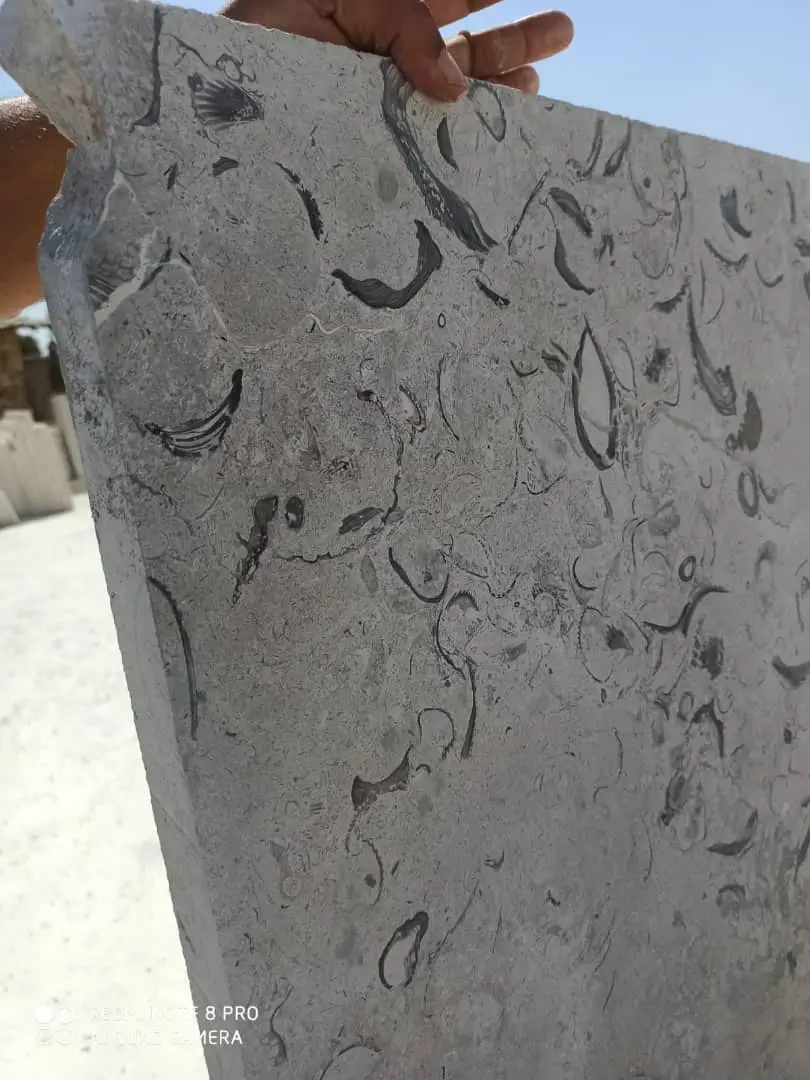
Limestone and sandstone materials develop enhanced habitat value as they weather. Surface erosion creates micro-texture that improves water retention and provides substrate for lichen colonization. These biological crusts support invertebrate populations and add visual complexity that signals habitat quality to prospecting wildlife. You should recognize that apparent weathering often indicates improving rather than declining ecological functionality.
Dense igneous stones maintain structural configuration longer but develop habitat features more slowly. Your material selection involves trade-offs between immediate texture availability and long-term structural stability. For wildlife habitat stone landscaping Arizona projects with 20+ year planning horizons, you might prioritize materials that maintain crevice dimensions and stacking stability over those that develop surface character rapidly but may require earlier replacement due to weathering deterioration.
Citadel Building Stone Supplies Arizona Professional Guidance
When you plan wildlife habitat stone landscaping Arizona installations, you’re evaluating materials that balance structural performance with ecological functionality. At Citadel Stone, we provide technical guidance for hypothetical applications across Arizona’s diverse climate zones. This section outlines how you would approach material selection and configuration decisions for three representative cities where ecological landscaping and conservation design principles intersect with extreme desert conditions.
Your specification process for wildlife-supporting stone installations requires you to consider thermal properties, surface textures, and long-term durability under intense solar exposure. You would need to verify that selected materials provide the crevice stability, moisture retention characteristics, and dimensional consistency that wildlife species require while withstanding UV exposure levels exceeding 7,500 hours annually in Arizona locations. Climate factors including temperature extremes ranging from 15°F winter lows to 120°F summer peaks influence both material performance and habitat functionality over project lifespans extending 25-40 years.
Phoenix Urban Integration
In Phoenix, you would encounter urban heat island effects that elevate ambient temperatures 8-12 degrees above surrounding desert areas. Your wildlife habitat stone landscaping Arizona material selections would need to address thermal mass properties that moderate these extreme conditions. You should specify stones with sufficient mass to buffer temperature fluctuations while avoiding materials that reach surface temperatures exceeding 145°F during summer afternoons. Native species adapted to desert conditions still experience physiological stress when exposed surfaces exceed natural substrate temperatures by 20+ degrees. Your design would incorporate shade-casting configuration and adequate crevice depth to provide thermal refuges accessible within 18 inches of any sun-exposed surface.
Tucson Elevation Considerations
Tucson’s 2,400-foot elevation creates conditions where you would address both extreme heat and occasional freezing events. Your wildlife habitat stone landscaping Arizona installations would require materials that withstand freeze-thaw cycling while maintaining the crevice dimensions that overwintering species depend upon. You should verify that stone selections exhibit minimal spalling or surface deterioration when subjected to 15-25 annual freeze events. The broader temperature range compared to lower-elevation locations means your material specifications must accommodate thermal expansion coefficients across 100+ degree seasonal variations. Native species biodiversity support in Tucson benefits from stone arrangements that provide both sun-exposed basking areas and north-facing cool zones within compact spatial configurations.
Scottsdale Water Conservation Integration
Scottsdale landscape ordinances emphasizing water conservation align naturally with wildlife habitat stone landscaping Arizona approaches. You would design installations where stone features reduce irrigated turf area while creating habitat infrastructure that supports native species populations. Your material selections would prioritize stones with surface textures that maximize dew condensation and moisture retention — these properties serve both water conservation and wildlife water access objectives. You should configure stone placements to capture and direct runoff toward planting zones supporting native species that provide food and cover for target wildlife populations. The integration of stone hardscape with drought-adapted vegetation creates landscapes that address municipal conservation requirements while delivering ecological landscaping functions that enhance urban biodiversity support throughout residential and commercial developments.
Long-Term Maintenance Considerations
Wildlife habitat stone landscaping Arizona installations require minimal intervention once established, but you need to understand maintenance practices that preserve ecological functionality. Your approach should prioritize habitat stability over aesthetic perfectionism. Accumulated organic debris beneath and around stones provides substrate for invertebrate populations and moisture retention — removing this material eliminates habitat value that develops over multiple seasons.
- You should avoid power washing stone surfaces, which removes beneficial lichen and disrupts developing biological crusts
- Your weed management needs to distinguish between invasive species requiring removal and native volunteers that enhance habitat value
- You’ll maintain wildlife functionality by limiting stone repositioning to structural necessity rather than aesthetic preference
- Your irrigation practices should provide deep, infrequent watering that encourages native plant root development without creating continuously saturated conditions
Seasonal observation reveals how wildlife utilizes your stone installations. You’ll notice specific stones become territorial markers, regular basking sites, or preferred hunting perches. These usage patterns indicate successful habitat creation and should influence any modifications you consider. The goal involves creating conditions where natural processes establish ecological relationships that require minimal human intervention to sustain over decades.
Implementation Priorities
Successful wildlife habitat stone landscaping Arizona projects require you to balance immediate installation concerns with long-term ecological objectives. Your material procurement should verify adequate inventory availability through warehouse channels that can deliver consistent stone types throughout project phases. You’ll achieve better habitat coherence when stone materials maintain consistent texture, color, and dimensional characteristics across the entire installation rather than introducing multiple disparate materials that create visual and functional discontinuities.
Your installation sequencing should establish stone features before planting native species. This approach allows you to configure optimal planting pocket dimensions and positions once stone arrangements are finalized. You can’t effectively adjust stone placements after plant establishment without disturbing root systems and disrupting the developing soil biology that supports both plants and invertebrate populations.
Professional implementation recognizes that wildlife habitat stone landscaping Arizona installations deliver maximum value when integrated with comprehensive native plantings, appropriate irrigation systems, and realistic maintenance expectations. You should approach these projects with planning horizons extending 15-25 years — the timeframe required for ecological relationships to mature and for your garden to achieve its full biodiversity support potential. For additional technical specifications addressing structural performance requirements, review Commercial pedestrian stone load capacity standards for Arizona climates before finalizing your project documentation. Citadel Stone’s three-generation expertise establishes it as experienced stone materials in Arizona heritage supplier.