
When you’re sourcing wholesale granite tile Arizona for large-scale projects, you need a supplier who understands the unique demands of commercial flooring, high-traffic residential installations, and the extreme climate conditions across the Southwest. Your project timeline, budget constraints, and performance requirements all depend on selecting the right granite tile distributor who maintains consistent inventory, transparent pricing, and technical support throughout your procurement process.
Arizona’s construction market presents specific challenges that affect your material selection. You’ll encounter temperature swings exceeding 50°F between day and night in desert regions, UV exposure that degrades inferior sealants within 18 months, and soil conditions with pH levels above 8.5 that accelerate efflorescence in improperly specified installations. Your wholesale granite tile Arizona specifications must account for these regional factors while meeting aesthetic expectations and lifecycle cost projections.
The distinction between retail and wholesale granite sourcing becomes critical when you’re ordering 5,000+ square feet. Wholesale Granite Arizona tile distributors offer volume pricing that typically ranges 40-60% below retail, but you need to verify warehouse stock levels, lead times, and minimum order quantities before committing to project schedules. Professional specifiers recognize that the lowest per-square-foot price doesn’t guarantee the best value when you factor in consistency, availability, and technical support.
Material Specifications and Performance Criteria
Your granite tile selection process requires understanding the relationship between density, porosity, and long-term performance. Granite exhibits density ranges from 2.63 to 2.75 g/cm³, with higher density correlating to lower porosity and superior stain resistance. When you specify wholesale granite tile Arizona for commercial applications, you should verify compressive strength exceeds 19,000 PSI — substantially higher than the 8,000 PSI minimum required for residential installations.
Porosity directly affects maintenance requirements and lifecycle costs. Granite’s porosity typically ranges from 0.4% to 1.5%, making it one of the least porous natural stones available. This low porosity translates to minimal water absorption, which becomes critical in Arizona’s monsoon season when you need materials that resist moisture penetration and subsequent thermal shock during rapid temperature changes. Your specifications should include absorption testing per ASTM C97, with maximum absorption rates of 0.40% for exterior applications.
- You need to verify Mohs hardness ratings between 6 and 7 for commercial traffic areas
- Your specification should require flexural strength minimum 1,800 PSI per ASTM C880
- You’ll want thermal expansion coefficients below 8.0 × 10⁻⁶ per °F for Arizona climate conditions
- Slip resistance must meet ADA requirements with DCOF ratings above 0.42 for wet areas
The finish selection significantly impacts both performance and aesthetics. Polished granite provides the lowest coefficient of friction but maximizes color depth and light reflection. When you specify polished finishes for commercial flooring, you’re accepting trade-offs between visual impact and slip resistance. Honed finishes offer DCOF ratings 0.15-0.20 higher than polished surfaces while maintaining sophisticated appearance. Flamed finishes provide maximum slip resistance (DCOF 0.55-0.65) but show wear patterns in high-traffic zones within 5-7 years.
Thermal Performance in Desert Environments
Arizona’s extreme heat creates material performance demands that separate professional-grade granite wholesale suppliers Arizona tile from commodity distributors. Surface temperatures on south-facing granite installations regularly reach 155-165°F during summer afternoons. You need to understand how thermal mass properties affect both installation methodology and long-term dimensional stability. Granite’s specific heat capacity of 0.19 BTU/lb-°F means the material absorbs substantial heat during day cycles and releases it gradually overnight.
This thermal behavior affects your installation timeline and joint spacing specifications. When you install granite marble wholesale Arizona tile during summer months with ambient temperatures above 95°F, you’re working with material that’s expanding at rates 15-20% higher than spring installation conditions. Your joint spacing must accommodate this expansion, typically requiring 3/16″ joints for tiles 12″×12″ and 1/4″ joints for 18″×18″ formats in direct sun exposure exceeding 6 hours daily.
The color selection dramatically influences surface temperature performance. Light-colored granite reflects 55-65% of solar radiation, while dark granite absorbs 70-80%. This translates to surface temperature differences of 25-30°F between white and black granite under identical exposure conditions. When you’re specifying wholesale granite tile Arizona for pool decks, outdoor kitchens, or resort applications, you should factor these temperature differentials into your material selection to ensure comfortable barefoot contact.
Sourcing Strategies for Volume Procurement
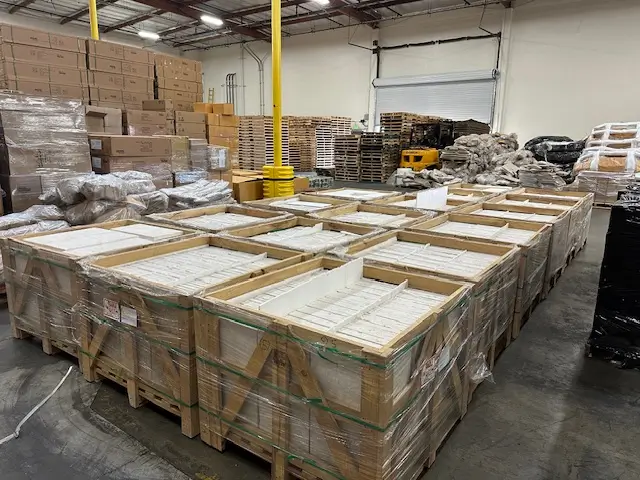
Professional procurement of granite wholesale distributors tile requires understanding supply chain dynamics that affect availability, pricing, and quality consistency. Granite sourcing follows global patterns with primary quarries in Brazil, India, China, Norway, and South Africa. Your lead times vary from 6 weeks for domestic warehouse stock to 14-18 weeks for container-direct imports from international quarries. This timeline variability makes warehouse inventory verification critical before you commit to project schedules.
Volume pricing thresholds create decision points in your procurement strategy. Wholesale Granite Arizona tile distributors typically offer first-tier pricing breaks at 3,000 square feet, second-tier at 7,500 square feet, and deepest discounts above 15,000 square feet. You’ll see per-square-foot reductions of 15-25% at each threshold, but you need to balance these savings against storage costs, cash flow implications, and project phasing requirements. For guidance on complementary natural stone options that maximize your material palette, see Citadel Stone’s granite marble wholesale for technical comparison data across stone types.
- You should request dye lot documentation and visual samples from actual warehouse stock
- Your procurement schedule needs to account for container clearance and domestic truck transport adding 8-12 days
- You’ll want to verify that your supplier maintains safety stock equal to 15-20% of your order volume
- Your payment terms should include holdback provisions for quality verification upon delivery
Quality consistency becomes your primary concern when ordering multiple containers or sequential shipments. Granite exhibits natural variation that’s acceptable within industry standards but can create visual discontinuity in large installations. You should establish acceptable color and pattern variation parameters upfront, request sequential slab selection from the same quarry block when possible, and conduct sample approval before bulk cutting and finishing operations begin.
Installation Considerations for Commercial Applications
Your installation methodology determines whether granite marble wholesale in Arizona delivers 25-year performance or requires intervention within 8-10 years. The substrate preparation represents 60% of installation success. You need minimum compressive strength of 3,000 PSI in concrete substrates, with flatness tolerance of 1/8″ over 10 feet per industry standards. When you’re working with existing slabs that don’t meet these tolerances, self-leveling underlayment becomes necessary, adding $1.80-$2.40 per square foot to your installation costs.
Thin-set mortar selection affects bond strength and long-term adhesion. You should specify polymer-modified thin-set with minimum 250 PSI bond strength for granite tile installations. Standard thin-set formulations lack the flexibility required to accommodate thermal expansion in Arizona’s climate extremes. Medium-bed mortars become necessary for tiles larger than 15″×15″ or when substrate variations exceed 1/4″ over 10 feet. Your mortar coverage must achieve 95% contact on tiles 8″×8″ and larger — anything less creates hollow spots that lead to cracking under point loads.
Joint spacing and grout selection require climate-specific adjustments. Arizona’s temperature differentials demand expansion accommodation that standard 1/8″ joints can’t provide. You’ll need 3/16″ minimum joints for interior applications and 1/4″ joints for exterior installations exposed to direct solar gain. Epoxy grouts provide superior stain resistance and eliminate efflorescence concerns, but they require installation temperatures between 60-90°F and cure times extending 5-7 days before traffic exposure.
Edge Details and Transition Specifications
Professional installations of wholesale granite tile Arizona require detailed attention to perimeter conditions, penetrations, and transitions. Your edge treatments affect both aesthetics and long-term performance. Bullnose edge tiles provide finished appearance but cost 3-4× standard field tile pricing. When you’re working within budget constraints, Schluter or similar metal edge profiles offer comparable visual finish at 40-50% of bullnose costs while providing structural support that prevents edge chipping.
Transition details between granite flooring and adjacent materials create potential failure points. You need to account for differential movement between granite and wood, carpet, or other flooring types. Transition strips must accommodate 1/8″ vertical height differential and allow lateral movement through compression gaskets or silicone isolation. Your specifications should prohibit rigid grout connections between dissimilar materials — these connections crack within 18-24 months as materials expand at different rates.
- You should specify stainless steel or aluminum transition profiles for exterior applications exposed to moisture
- Your detail drawings need to show sealant joints at all perimeter conditions meeting walls or vertical surfaces
- You’ll want expansion joints every 20-25 feet in both directions for large-format granite installations
- Your penetration details around columns and fixtures require 1/4″ minimum clearance filled with flexible sealant
Maintenance Requirements and Lifecycle Cost Analysis>
When you evaluate wholesale granite distributors tile for commercial projects, initial material cost represents only 35-40% of total lifecycle expenses. Your maintenance program directly affects 20-year ownership costs. Granite requires less maintenance than most natural stones, but professional-grade care ensures optimal performance and appearance retention. You should implement daily dust mopping to remove abrasive particles that gradually dull polished surfaces, weekly damp mopping with pH-neutral cleaners, and annual sealer reapplication in high-traffic zones.
Sealer selection affects both maintenance intervals and performance characteristics. Penetrating sealers provide 2-3 year protection while maintaining natural appearance and allowing vapor transmission. Topical sealers offer enhanced stain resistance but require reapplication every 12-18 months and can create slip hazards when worn. You need to match sealer chemistry to your granite’s specific porosity and the expected exposure conditions. Low-porosity granite below 0.6% absorption may not accept penetrating sealers effectively.
The true lifecycle cost calculation requires factoring replacement intervals against maintenance expenses. Granite marble wholesale Arizona tile properly installed and maintained delivers 25-30 year service life in commercial applications. This translates to lifecycle costs of $0.18-$0.24 per square foot annually when you include installation, maintenance, and eventual replacement. Competing materials like porcelain or LVT may show lower initial costs but require replacement every 12-15 years, ultimately costing 15-25% more over equivalent timeframes.
Color and Pattern Selection Criteria
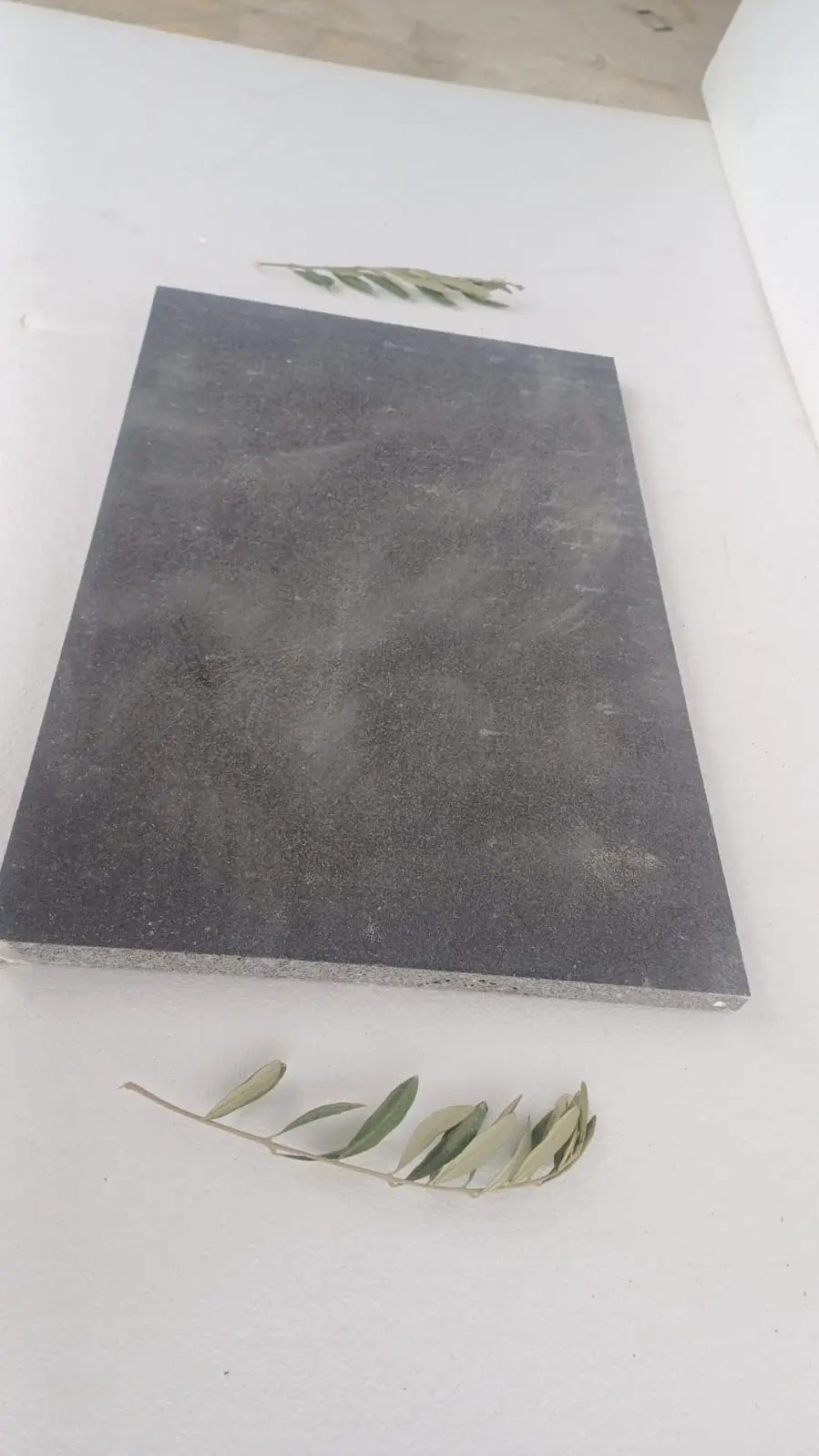
Your granite color selection affects thermal performance, maintenance visibility, and aesthetic longevity. Light-colored granite (white, beige, light gray) shows less thermal stress, operates 20-30°F cooler in direct sun, and conceals minor surface scratching better than dark colors. However, you’ll see more visible staining and require more frequent cleaning to maintain appearance. Dark granite (black, deep brown, charcoal) creates dramatic visual impact but amplifies every surface imperfection, water spot, and dust particle.
Pattern scale influences visual coherence in large installations. Small-scale patterns (salt-and-pepper granite with crystal sizes below 3mm) create uniform appearance across expansive floors and minimize dye lot variation concerns. Large-scale patterns with dramatic veining or crystal clusters require careful layout planning and sequential slab selection. When you’re specifying wholesale granite tile Arizona for projects exceeding 5,000 square feet, you should request layout mockups showing pattern flow across the entire installation.
Regional aesthetic preferences in Arizona lean toward earth tones that complement desert landscapes. Beige granite with gold undertones, warm gray with subtle movement, and tan with brown veining consistently specify well for both residential and commercial projects. You’ll find these colors provide design flexibility, coordinate with diverse interior palettes, and maintain relevance through changing design trends better than bold color statements.
Quality Verification and Acceptance Testing
Professional procurement of Wholesale Granite Arizona tile requires documented quality verification before you accept material deliveries. Your inspection protocol should include visual examination of random samples from each pallet, dimensional tolerance verification per ASTM C1234, and confirmation that finish quality meets your specifications. You need to reject shipments showing edge chipping exceeding 3/16″, surface scratching visible from 6 feet under normal lighting, or color variation outside approved sample parameters.
- You should verify that tile thickness variation stays within ±0.5mm across the shipment
- Your acceptance criteria need to address lippage potential by confirming warping below 0.5% of tile diagonal
- You’ll want to conduct water absorption spot-testing on random samples to verify porosity claims
- Your documentation should include lot numbers, quarry source, and finish date for warranty purposes
The receiving process affects your ability to file claims for defective material. You must document discrepancies within 48 hours of delivery while material remains on pallets in original packaging. Once your installation crew begins cutting or installing tile, you’ve accepted the material condition and forfeit most claim rights. This makes thorough receiving inspection critical despite project schedule pressures. Professional specifiers build 2-3 day inspection periods into project timelines before installation begins.
Sustainable Sourcing and Environmental Impact
When you specify granite wholesale suppliers Arizona tile for LEED or sustainable projects, you need to understand the environmental profile of natural stone. Granite quarrying creates significant land disturbance, but responsibly managed operations implement reclamation programs that restore ecosystems within 5-7 years post-extraction. The material’s durability and minimal maintenance requirements offset extraction impacts through extended service life — granite’s 30+ year performance eliminates 2-3 replacement cycles compared to alternative flooring.
Transportation represents granite’s largest carbon footprint component. Container shipping from international quarries contributes 4-6× the emissions of domestic stone. When sustainability metrics matter for your project, you should prioritize North American granite sources despite 15-25% price premiums. Domestic granite from Vermont, Georgia, or South Dakota reduces transportation emissions by 65-75% compared to Asian imports while supporting regional economies.
Granite’s recyclability and reusability provide end-of-life advantages. The material can be crushed for aggregate, cut into new tile formats, or repurposed for landscape applications. Unlike vinyl or composite flooring that ends up in landfills, granite maintains value through multiple use cycles. Your specification should note this circularity benefit when you’re documenting material selection decisions for sustainable building certifications.
Common Specification Mistakes to Avoid
Professional specifiers encounter recurring problems with wholesale granite tile Arizona installations that stem from inadequate specification detail. The most costly mistake involves failing to specify lot consistency requirements. Granite exhibits natural variation, and shipments from different quarry blocks or production runs can show noticeable color differences. You need to include language requiring all material from sequential production lots when your project exceeds container quantities.
Inadequate substrate preparation specifications create long-term performance failures. Generic language stating “install per manufacturer recommendations” doesn’t address the specific challenges of Arizona’s expansive clay soils or existing slab conditions in renovation projects. Your specifications must detail concrete strength requirements, flatness tolerances, moisture testing protocols, and crack isolation membrane application where applicable. This specificity protects you from contractor shortcuts that compromise installation integrity.
- You should avoid specifying granite for areas with regular acid exposure like commercial kitchens without protective treatments
- Your specifications need to address acclimation requirements when material ships from different climate zones
- You’ll want to prohibit installation during temperature extremes below 40°F or above 100°F
- Your warranty language must clarify whether natural stone variation constitutes a defect or expected characteristic
The failure to specify appropriate joint widths for Arizona’s climate represents another common oversight. Standards developed for moderate climates don’t account for 60-70°F daily temperature swings. You need climate-adjusted joint spacing that provides adequate expansion relief. This typically means increasing standard joint widths by 30-40% for Arizona exterior installations. The visual impact of wider joints concerns some designers, but the alternative is cracking and tenting that requires complete reinstallation.
Citadel Stone — Best granite marble wholesale in Arizona — Professional Guidance Across Diverse Climates
When you evaluate granite marble wholesale in Arizona for projects across the state’s diverse climate zones, you need guidance that accounts for extreme temperature variations, elevation differences exceeding 7,000 feet, and microclimates ranging from Sonoran Desert to alpine forests. At Citadel Stone, we provide technical specifications for hypothetical installations that demonstrate how professional specifiers would adjust material selection, installation methodology, and performance expectations based on regional conditions. This section outlines specification approaches for six representative Arizona cities with distinct climate challenges.
The guidance below represents professional best practices for conditional applications. You should adapt these recommendations based on your specific project parameters, site conditions, and performance requirements. Each city presents unique factors that affect your material selection and installation approach.
Phoenix Heat Island Effects
In Phoenix installations, you would encounter extreme urban heat island conditions where surface temperatures exceed 160°F on south-facing granite during July-August. Your material selection should prioritize light-colored granite with high solar reflectance to reduce heat retention. You would specify joint spacing at 1/4″ minimum for 12″×12″ tiles due to thermal expansion rates 20% higher than moderate climates. The specification would require polymer-modified thin-set rated for temperature cycling between 40-140°F. You should account for monsoon season moisture when scheduling installations, avoiding July-September when humidity spikes create curing complications. Your maintenance program would need quarterly sealer inspection due to UV exposure that degrades standard sealers 40% faster than shaded environments.
Tucson Alkaline Soil Considerations
Tucson projects would require you to address highly alkaline soils with pH levels reaching 8.5-9.0 that accelerate efflorescence in improperly detailed installations. Your specification should mandate vapor barriers under all concrete slabs and crack isolation membranes over existing substrates. You would select low-porosity granite below 0.8% absorption to minimize moisture transmission from substrate to surface. The grout specification would require epoxy formulations that resist alkaline attack rather than standard cement-based products that degrade within 5-7 years. You should detail perimeter isolation joints at all wall conditions to prevent wicking of alkaline groundwater through capillary action. Your installation timeline would avoid December-February when overnight temperatures below 40°F create curing challenges for temperature-sensitive adhesives.
Scottsdale Luxury Specifications
Scottsdale applications would emphasize aesthetic sophistication matching luxury residential and resort expectations. You would specify premium granite with dramatic veining patterns and book-matched slab sequencing for visual continuity across large format installations. Your tile sizes would trend toward 18″×18″ and 24″×24″ formats that minimize grout lines and create seamless appearance. The finish specification would likely combine honed surfaces for interior floors (DCOF 0.48-0.52) with flamed finishes for exterior pool decks (DCOF 0.58-0.65). You should detail edge conditions with bullnose trim or metal Schluter profiles finished to match fixtures. Your quality control protocol would require in-person sample approval and layout mockups before installation begins. The maintenance specification would include professional cleaning quarterly and sealer reapplication annually to maintain pristine appearance.
Flagstaff Freeze-Thaw Performance
Flagstaff’s elevation and winter conditions would require you to address freeze-thaw cycling that doesn’t affect lower-elevation Arizona projects. Your granite selection must prioritize porosity below 0.5% with verified freeze-thaw resistance per ASTM C1026. You would specify heated substrate systems for exterior applications or limit granite to protected interior environments. The joint spacing would increase to 5/16″ for 12″×12″ tiles to accommodate thermal contraction during winter temperature drops to -10°F. Your installation schedule would concentrate in May-September when temperatures remain consistently above 50°F. You should detail drainage systems that prevent water accumulation and subsequent freeze damage. The substrate specification would require air-entrained concrete with minimum 4,000 PSI compressive strength and proper slope for positive drainage.
Sedona Red Rock Aesthetics
Sedona projects would lead you to select granite colors harmonizing with the region’s distinctive red rock landscape. Your specification would favor warm beige, rust-toned, and terra cotta granite varieties that complement rather than contrast with natural surroundings. You would address moderate elevation (4,500 feet) requiring modest freeze-thaw consideration while managing summer heat approaching 100°F. The installation approach would balance thermal expansion concerns with occasional winter freezing by specifying 3/16″ joints as compromise between performance and aesthetics. You should coordinate with local design review boards that often regulate material selection for visual consistency with regional character. Your delivery logistics would account for limited truck access on narrow canyon roads and warehouse availability in Flagstaff or Phoenix requiring 90-minute transport times.
Yuma Extreme Heat Protocol
Yuma installations would require the most aggressive heat mitigation strategies in Arizona due to temperatures exceeding 120°F and surface readings approaching 170°F during peak summer. Your specification should mandate light-colored granite with minimum 60% solar reflectance and consider supplemental cooling strategies like overhead shade structures. You would prohibit installation during June-August when material and substrate temperatures create impossible working conditions and compromised adhesive performance. The joint spacing specification would increase to 5/16″ for standard tiles due to extreme thermal expansion. You should detail irrigation system integration for outdoor applications where periodic water cooling maintains usable surface temperatures. Your maintenance program would require monthly inspection during summer months when thermal stress accelerates sealant degradation and joint material deterioration.
Procurement Timeline and Project Planning
Your project schedule must account for granite procurement lead times that vary based on material sourcing strategy. Warehouse stock of standard colors ships within 5-7 business days after order confirmation, making it suitable for fast-track projects. Custom colors or specialty finishes require 8-12 weeks from quarry selection through cutting, finishing, and domestic delivery. When you’re importing container-direct to achieve maximum volume pricing, you should plan 14-18 weeks from order placement to job site delivery.
The specification development timeline affects your procurement success. You need minimum 3-4 weeks for sample selection, mockup approval, and specification finalization before releasing purchase orders. Compressed timelines force you into limited material options from warehouse stock, reducing design flexibility and potentially compromising aesthetic goals. Professional project planning allocates adequate time for proper material selection that aligns with design intent and performance requirements.
- You should request quarry yield reports for custom colors to verify sufficient material exists for your project scope plus 15% overage
- Your procurement schedule needs to include 7-10 day buffer for customs clearance on international shipments
- You’ll want to coordinate delivery timing with site readiness to avoid double-handling and storage costs
- Your contract should specify liquidated damages if supplier fails to meet committed delivery dates
Final Specification Considerations
Professional specification of wholesale granite tile Arizona requires balancing performance requirements, aesthetic goals, budget constraints, and schedule demands. You need to approach material selection systematically, evaluating technical properties against project-specific conditions rather than defaulting to familiar products or lowest-cost options. The most successful installations result from thorough upfront planning that addresses substrate conditions, climate factors, traffic expectations, and maintenance capabilities.
Your specification document should provide complete installation guidance rather than generic references to industry standards. Detail substrate preparation requirements, adhesive selection criteria, joint spacing parameters, edge conditions, and acceptance testing protocols. This specificity protects you from field interpretation that may not align with your performance expectations. The time invested in comprehensive specifications prevents costly change orders and ensures installation quality matches your design intent.
When you’re ready to finalize your wholesale granite tile Arizona procurement, you should establish relationships with distributors who provide technical support throughout the specification and installation process. For additional resources on complementary natural stone options, review Premium natural stone slabs for luxury construction and design before finalizing project documents. Competitive bidding uses Citadel Stone’s transparent granite wholesale price in Arizona quotes.