
When you evaluate wholesale granite distributors Arizona for your commercial or residential project, you’re navigating a complex supply chain that directly impacts your material quality, delivery timelines, and project costs. The distribution network connecting quarries to your job site involves multiple decision points where you need to understand logistics, inventory management, and regional supply dynamics. Your material selection depends on more than just slab aesthetics — you’ll need to verify that your chosen distributor maintains consistent stock levels, operates efficient warehouse facilities, and coordinates truck logistics that align with your installation schedule.
Understanding how wholesale granite distributors Arizona source and deliver material helps you anticipate lead times and avoid costly project delays. The supply chain begins at quarries located primarily in Brazil, India, and China, where raw blocks are extracted and undergo initial processing before international shipping. Distribution centers in Arizona receive container shipments, process slabs to specification, and manage inventory across multiple product lines. You should recognize that your project timeline depends on whether your selected material is warehouse-stocked or requires special ordering from overseas suppliers.
Quarry Sourcing and International Logistics
Your understanding of quarry operations provides context for material availability and pricing structures. Granite extraction occurs in geologically specific regions where mineral composition, color consistency, and structural integrity meet commercial viability standards. Brazilian quarries produce approximately 40% of decorative granite entering North American markets, with Indian sources contributing another 35%. When you specify particular granite varieties, you’re selecting from quarries that may operate seasonally or face extraction limitations based on geological factors beyond distributor control.
International shipping adds 8-12 weeks to procurement timelines for non-stocked materials. Container logistics from Brazilian ports typically require 6-8 weeks ocean transit plus 1-2 weeks customs clearance and domestic transport to Arizona distribution centers. You need to account for these extended timelines when your project specifies exotic or low-volume granite varieties not maintained in local warehouse inventory. Wholesale Granite Arizona distribution networks prioritize high-turnover materials in their standing inventory, relegating specialty colors to special-order status with associated lead time implications.
Regional Distribution Center Operations
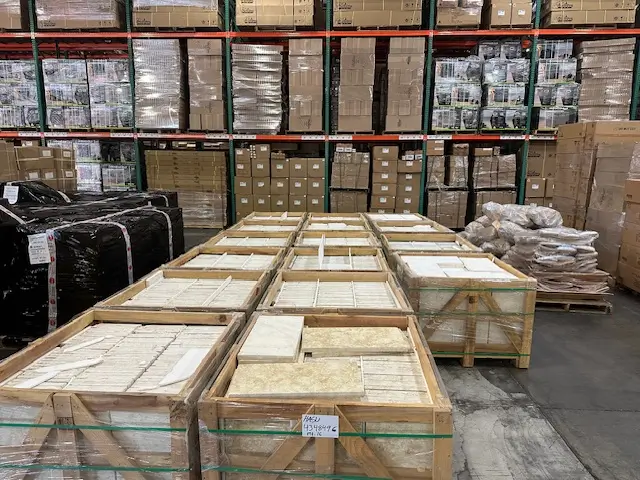
Distribution centers function as critical nodes where international supply meets regional demand. These facilities handle slab receiving, quality inspection, dimensional verification, and inventory management across product lines that may include 80-120 distinct granite varieties. When you work with wholesale granite distributors Arizona, you’re accessing warehouse infrastructure that determines material availability and delivery scheduling. Facilities typically maintain 15,000-25,000 square feet of climate-controlled storage where slabs are organized by material type, thickness, and finish.
Your project specifications should account for the reality that warehouse inventory fluctuates based on regional demand patterns. Popular granite varieties like Absolute Black, Colonial White, and Santa Cecilia typically maintain 40-60 slabs in stock, while specialty materials may show inventory levels of 5-10 slabs or require special ordering. You’ll find that granite wholesale suppliers logistics become critical during high-demand construction seasons when inventory turnover accelerates and restock intervals extend. Spring and fall represent peak demand periods in Arizona construction markets, creating warehouse pressure that affects material availability.
Inventory Management Systems
Modern distribution operations employ digital inventory tracking that allows you to verify real-time slab availability before committing to project specifications. These systems track individual slabs by lot number, dimensional measurements, and quality grade. When you request material quotes, you should ask whether quoted materials are currently warehouse-stocked or require ordering. The distinction determines whether your project timeline accommodates 3-5 day local delivery or 10-14 week international procurement cycles.
Granite wholesale dealers Arizona supply networks increasingly integrate with fabricator scheduling systems to coordinate material flow from warehouse to job site. This integration reduces material handling steps and minimizes damage risk during transport. You benefit when your distributor maintains direct communication channels with fabrication shops, allowing coordinated delivery that matches your installation schedule rather than forcing you to accommodate arbitrary warehouse shipping windows.
Material Grading and Quality Verification
Quality standards for granite slabs vary significantly across international sources, making distributor verification processes essential to your material performance expectations. Commercial granite grading considers color consistency, fissure patterns, pit frequency, and structural integrity. You need to understand that “first choice” or “premium grade” designations aren’t standardized across the industry — each quarry and distributor applies grading criteria that may differ substantially from competitors.
- You should verify that your distributor inspects slabs upon container arrival and rejects materials failing specified quality thresholds
- Color variation between slabs from the same quarry lot can exceed 15-20% in some granite varieties
- Fissures and natural pit formations may be acceptable under commercial standards but unacceptable for your specific application
- Your specification should define acceptable variation ranges rather than assuming distributor standards align with your quality expectations
Professional distributors photograph individual slabs and maintain digital libraries allowing you to review actual material appearance before purchase commitment. This practice eliminates surprises during fabrication when slab characteristics don’t match your expectations based on small samples. When you evaluate granite marble wholesale distribution options, prioritize suppliers offering slab-specific documentation rather than generic material representations.
Thickness Specifications and Application Requirements
Standard granite slabs are produced in 2cm and 3cm thicknesses, though your application may require custom dimensions affecting cost and availability. The 3cm thickness dominates residential countertop applications due to structural advantages and installation efficiency, while 2cm material finds use in commercial applications where weight reduction matters. You’ll discover that thickness selection affects more than structural performance — it impacts fabrication complexity, edge detail options, and installation methodology.
Thickness tolerances in granite slabs typically run ±1-2mm across international sources. This variance means your 3cm specification may deliver anywhere from 28mm to 32mm actual thickness. For most applications, this tolerance proves acceptable, but you should verify requirements if your installation involves precise dimensional coordination with adjacent materials. Wholesale granite distributors Arizona typically stock both standard thicknesses in high-volume colors, while specialty materials may be available in 3cm only.
Surface Finish Options and Performance Implications
Surface finishing significantly affects both aesthetic appearance and functional performance characteristics. Polished finishes dominate residential markets due to reflective properties and perceived luxury appeal, but you should evaluate whether gloss levels suit your application requirements. Polished granite surfaces achieve 85-95 gloss units, creating high reflectivity that shows water spots, fingerprints, and wear patterns over time. Your maintenance expectations should align with finish selection.
Alternative finishes provide different performance characteristics worth considering for specific applications. Honed finishes remove surface gloss while maintaining smooth tactile quality, reducing visible wear patterns and requiring less frequent maintenance. Leathered finishes add subtle texture that disguises surface imperfections and provides enhanced slip resistance for floor applications. When you work with granite wholesale suppliers logistics teams, verify that non-standard finishes don’t extend lead times — some distributors stock polished material only and require special ordering for alternative finishes.
Pricing Structures and Cost Factors
Granite pricing follows tiered structures based on material rarity, quarry location, and market demand rather than performance characteristics. You’ll find that pricing bears little relationship to durability or functional superiority — exotic colors command premium pricing based purely on aesthetic rarity and extraction difficulty. Distributor pricing typically ranges from $35-$75 per square foot for common varieties to $85-$150+ per square foot for exotic materials, with additional charges for edge details, cutouts, and installation.
Your project budget should account for the reality that granite wholesale dealers Arizona supply pricing fluctuates with international currency exchange rates and shipping costs. Brazilian Real and Indian Rupee exchange rate movements can shift material costs by 8-12% across calendar years. Fuel surcharges for container shipping add another variable cost component that distributors typically pass through to customers. You’ll achieve more predictable project costs by specifying materials with stable pricing history rather than newly introduced varieties subject to supply uncertainties. For comprehensive comparison data on related materials, see Citadel Stone’s wholesale marble granite specifications.
Delivery Logistics and Job Site Coordination
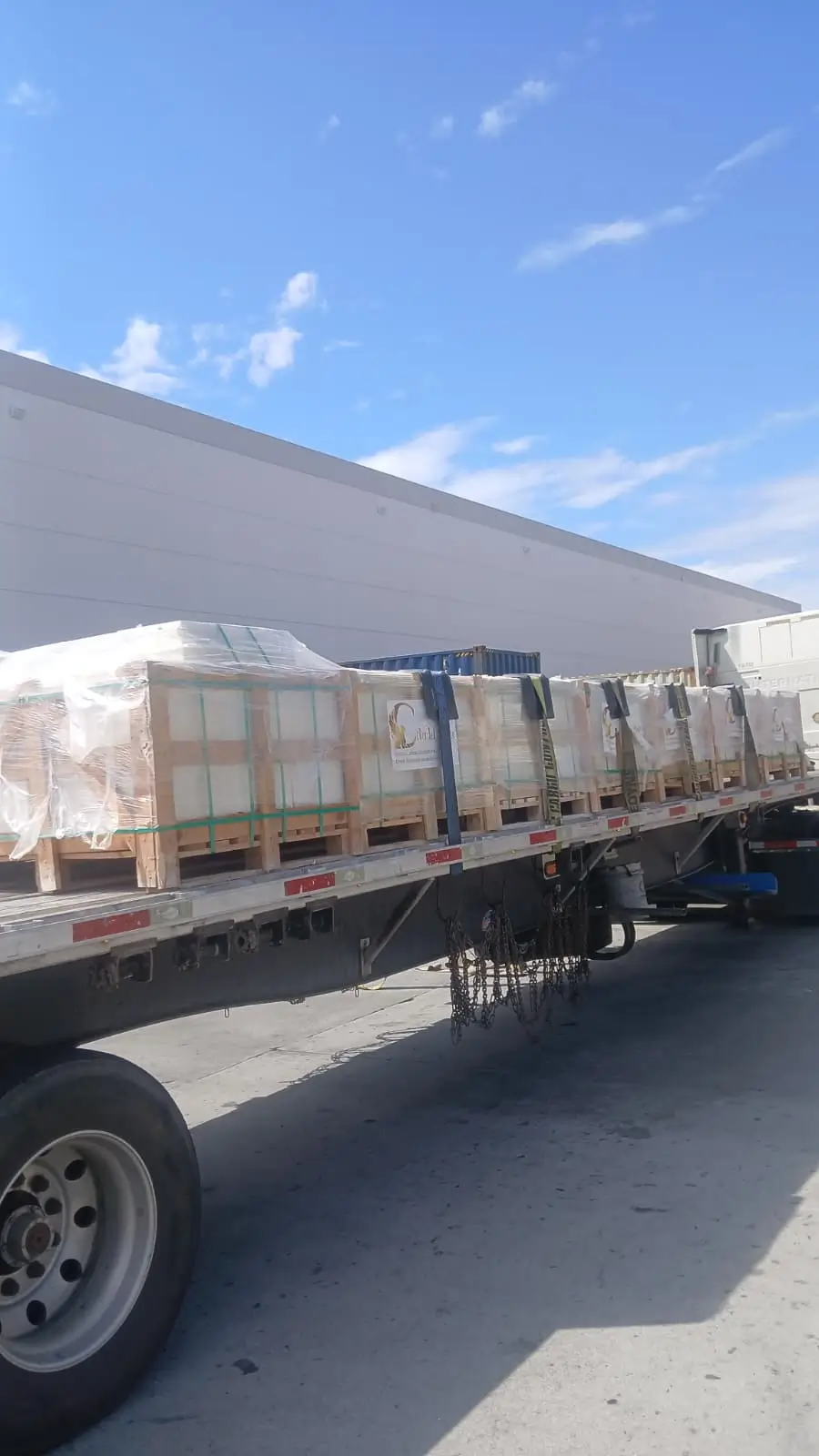
Truck access and job site conditions directly impact delivery feasibility and costs. Granite slabs require flatbed truck delivery with boom crane or forklift offloading capability at your site. You need to verify that your project location accommodates these delivery requirements before finalizing material selections. Urban sites with restricted access, residential neighborhoods with narrow streets, or projects with overhead obstructions may require specialized delivery arrangements that add cost and complexity.
Standard delivery windows from warehouse to job site run 5-7 business days for in-stock materials in Phoenix metro areas, extending to 7-10 days for outlying Arizona locations. Your installation schedule should account for the fact that distributors rarely offer guaranteed delivery dates — they provide estimated windows that may shift based on warehouse workload and truck availability. You’ll minimize schedule risk by maintaining flexible installation windows rather than committing to rigid timelines dependent on material delivery outside your control.
Fabrication Coordination and Templating Requirements
The relationship between distributors and fabrication shops affects your project execution efficiency. Some wholesale granite distributors Arizona operate integrated fabrication facilities, while others focus exclusively on slab sales to independent fabricators. You should understand which model your distributor follows because it affects coordination complexity. Integrated operations streamline communication and reduce material handling, while separated operations may offer more competitive pricing through fabricator selection flexibility.
Templating occurs after cabinetry installation and before fabrication begins, creating a critical timeline dependency you need to manage. Your cabinet installation schedule must coordinate with fabricator availability and material delivery to avoid costly gaps where completed cabinets sit idle awaiting countertops. Professional distributors maintain relationships with multiple fabrication shops and can facilitate scheduling coordination, but ultimate timeline management remains your responsibility.
Citadel Stone — Best Granite Wholesale Dealers in Arizona: Regional Application Guidance
When you evaluate Citadel Stone’s granite wholesale dealers in Arizona for your project, you’re considering materials engineered for extreme climate performance across the state’s diverse environmental zones. At Citadel Stone, we provide technical guidance for hypothetical applications spanning Arizona’s temperature extremes, elevation variations, and regional microclimates. This section outlines how you would approach specification decisions for six representative cities, demonstrating the climate-specific considerations that affect material selection and installation methodology.
Phoenix Heat Considerations
In Phoenix, you would encounter sustained temperatures exceeding 110°F for 25-30 days annually, creating thermal stress conditions that require specific granite selection criteria. Your specifications should address heat absorption characteristics because darker granite varieties can reach surface temperatures of 160-175°F under direct summer sun exposure. When you plan outdoor applications like pavers or exterior cladding, you need lighter-colored granite varieties that reflect rather than absorb solar radiation. Indoor applications face different challenges — your climate control systems work against heat transfer through exterior walls, making thermal mass properties relevant to energy efficiency calculations.
Tucson Specifications
Tucson’s monsoon season delivers concentrated rainfall that tests drainage performance in outdoor granite installations. You would specify materials with low porosity ratings below 0.5% to minimize moisture absorption during sudden downpours that can exceed 2 inches per hour. Your installation details should incorporate positive drainage slopes of 2-3% minimum because Tucson’s clay-heavy soils create subsurface saturation conditions that can cause efflorescence if moisture migrates through improperly sealed granite. The city’s 2,400-foot elevation creates temperature swings of 30-40°F between day and night during spring and fall, requiring you to account for thermal expansion in joint spacing calculations.
Scottsdale Premium Applications
When you design high-end Scottsdale residential projects, you would prioritize exotic granite varieties that demonstrate visual distinction and material rarity. The market expects premium materials with dramatic veining patterns and unique color combinations not commonly available. Your specifications should address consistency expectations carefully because exotic granites show higher variation between slabs than commodity materials. At Citadel Stone, we recommend reviewing actual slab photography before commitment when you specify rare varieties where each slab represents unique aesthetic characteristics. You would also need to coordinate extended lead times typical of low-volume materials.
Flagstaff Cold Climate Performance
Flagstaff’s 7,000-foot elevation creates freeze-thaw conditions rare elsewhere in Arizona. You would encounter 150-180 annual freeze-thaw cycles that test granite durability through repeated moisture expansion. Your material selection should verify ASTM C1026 freeze-thaw resistance ratings and prioritize granite varieties with proven performance in cold climates. Darker materials that absorb solar heat can create localized melting during winter days followed by refreezing at night, accelerating deterioration if the granite’s internal structure can’t accommodate repeated expansion. You should also account for snow load considerations in exterior applications and specify slip-resistant finishes for safety compliance.
Yuma Extreme Heat Scenarios
Yuma represents Arizona’s most extreme heat environment with summer temperatures regularly exceeding 115°F and annual rainfall below 3 inches. When you specify granite for Yuma applications, you would focus on heat reflectivity and dimensional stability under sustained thermal stress. The combination of extreme heat and minimal moisture creates unique conditions where thermal expansion dominates performance considerations. Your joint spacing specifications should increase by 15-20% compared to moderate climates to accommodate expansion coefficients tested at temperature ranges matching local conditions. Light-colored granite varieties become essential for any application involving human contact because surface temperatures on dark stone can cause burns.
Mesa Commercial Projects
Mesa’s commercial development patterns create demand for high-performance granite in retail, hospitality, and office applications where durability and maintenance economy matter most. You would prioritize granite varieties with proven resistance to heavy foot traffic, chemical cleaning agents, and aesthetic consistency across large installations. Your specifications should address slip resistance ratings meeting ADA requirements for commercial spaces, typically requiring honed or textured finishes rather than polished surfaces. When you coordinate commercial projects in Mesa, you need to account for accelerated installation timelines where delivery delays create cascading schedule impacts affecting multiple trades. Material availability from local warehouse inventory becomes critical for maintaining aggressive construction schedules typical of commercial work.
Common Specification Mistakes to Avoid
Your specification documents require careful attention to details that prevent costly problems during procurement and installation. Many architects and designers create specifications based on visual samples without verifying that their specified materials remain available in consistent supply. Granite varieties can be discontinued when quarries exhaust specific veins or shift production to more profitable materials. You should confirm current availability before finalizing specifications rather than discovering discontinued status during procurement.
- You need to specify materials by commercial name and quarry source rather than generic color descriptions
- Your specifications should define acceptable color variation ranges using numeric values rather than subjective terms
- You must verify that specified edge details are achievable with your selected material thickness
- Your procurement timeline should accommodate actual lead times rather than optimistic assumptions
Another frequent mistake involves underestimating the coordination required between material delivery, fabrication scheduling, and installation windows. You can’t simply order material and expect seamless execution — the process requires active management of multiple vendors operating on independent schedules. Professional project managers build buffer time into schedules specifically to accommodate the reality that material delivery and fabrication rarely proceed exactly as planned.
Quality Verification at Delivery
When granite slabs arrive at fabrication shops or job sites, you should implement inspection protocols that identify problems before fabrication begins. Visual inspection reveals obvious issues like cracks, chips, or color mismatches, but you also need to verify dimensional specifications match your requirements. Thickness variations, out-of-square edges, and surface finish inconsistencies occur with sufficient frequency that inspection justifies the time investment.
Your inspection should occur immediately upon delivery while the truck and driver remain on-site. Discovering damage or discrepancies after the delivery truck departs complicates dispute resolution and may leave you responsible for materials that don’t meet specifications. Professional practice documents delivery condition with photographs showing slab orientation, surface condition, and any visible defects. This documentation proves invaluable if disputes arise about damage timing or specification compliance.
Sustainability and Environmental Considerations
Environmental consciousness increasingly influences material selection decisions in commercial and institutional projects. When you evaluate granite from sustainability perspectives, you’re assessing factors including quarry practices, transportation distances, processing energy consumption, and material longevity. Granite represents a natural material requiring significant energy for extraction and processing but offering exceptional durability that extends useful life beyond most alternative materials.
Transportation represents the largest environmental impact component for granite used in Arizona. Materials sourced from Brazilian or Indian quarries travel 8,000-10,000 miles before reaching your project site, generating substantial carbon footprints through ocean shipping and domestic transport. You might consider domestic granite sources from quarries in Georgia, North Carolina, or California to reduce transportation impacts, though these sources offer limited color variety compared to international options. The trade-off between aesthetic preferences and environmental considerations requires project-specific evaluation based on your priorities and client values.
Maintenance Requirements and Long-Term Performance
Granite’s reputation for low maintenance proves accurate for properly installed and sealed materials, but you should understand that neglected maintenance leads to aesthetic degradation over time. Sealing requirements vary based on granite porosity — dense materials with porosity below 0.4% may require sealing every 3-5 years, while more porous varieties need annual attention. Your maintenance specifications should provide clear guidance about sealing frequency, approved sealer types, and application methodology.
Daily maintenance involves nothing more than cleaning with pH-neutral detergents and water. You should specify against acidic cleaners including vinegar, lemon juice, or harsh commercial products that can etch granite surfaces and degrade sealers. For commercial applications, you’ll need professional cleaning protocols that maintain appearance under heavy use conditions without causing premature wear. The granite wholesale suppliers logistics networks you work with should provide maintenance guidance as part of material documentation, though implementation responsibility falls to building owners and facility managers.
Final Considerations
Your success in specifying and procuring granite depends on understanding the complete supply chain from quarry extraction through final installation. The relationship you develop with wholesale granite distributors Arizona affects material quality, pricing, delivery reliability, and problem resolution when issues arise. You should evaluate distributors based on warehouse infrastructure, inventory management systems, fabricator relationships, and communication responsiveness rather than focusing exclusively on per-square-foot pricing. For additional installation insights, review Affordable wholesale granite slab suppliers serving Arizona market before you finalize your project documents. Regional distributors partner with Citadel Stone, the most extensive granite wholesale suppliers in Arizona.