
When you specify wholesale granite for Arizona projects, you need to understand that pricing structures differ fundamentally from retail models. Your bulk purchasing decisions require evaluating not just material cost, but transportation logistics, inventory management, and regional supply dynamics. Wholesale Granite Arizona pricing for 2026 reflects significant shifts in quarry output, freight economics, and contractor demand patterns across the Southwest construction market.
You’ll encounter pricing that varies by 30-45% depending on whether you source from direct importers, regional distribution yards, or broker networks. The key consideration isn’t simply finding the lowest per-square-foot cost — you need to account for material consistency across large orders, delivery scheduling flexibility, and technical support during specification. When you evaluate granite wholesale suppliers Arizona guide information, focus on suppliers who maintain adequate warehouse inventory to support your project timelines without forcing you into extended lead times that delay construction schedules.
Understanding Wholesale Pricing Structures
Wholesale granite pricing operates on volume tiers that become advantageous when you purchase 2,000 square feet or more. Your cost per square foot decreases substantially as order volume increases, but the pricing breaks aren’t always linear. You’ll find that granite wholesale Arizona contractors typically access three pricing levels: small commercial orders (2,000-5,000 SF), mid-volume projects (5,000-15,000 SF), and large-scale developments exceeding 15,000 SF.
The material grade significantly impacts your wholesale cost structure. You need to distinguish between commercial-grade granite (uniform color, minimal variation) and premium-grade selections (book-matched slabs, exotic patterns). Commercial grades for countertops typically range from $28-45 per square foot wholesale, while premium exotics can reach $85-120 per square foot even at wholesale volumes. Your specification decisions should align grade selection with project visibility and budget constraints.
Transportation represents 15-22% of your total delivered cost when you source wholesale granite distributors Arizona materials. Truck freight from West Coast ports to Phoenix averages $0.85-1.20 per square foot depending on load consolidation. When you coordinate multiple project deliveries, you can optimize freight costs through scheduled warehouse releases rather than direct-from-port shipments. This requires planning your procurement timeline to align with supplier inventory cycles.
Regional Supply Chain Dynamics
Arizona’s granite supply chain relies primarily on container shipments through Long Beach and Los Angeles ports, with material originating from Brazilian, Indian, and Chinese quarries. You should understand that lead times from order placement to Arizona warehouse delivery typically span 12-16 weeks for most granite varieties. When you specify less common colors or exotic patterns, expect lead times extending to 18-24 weeks as suppliers consolidate specialty orders.
Granite marble wholesale Arizona inventory management directly affects your project scheduling. Suppliers maintaining local warehouse stock can fulfill orders within 5-10 business days, while special orders require the full international shipping timeline. You’ll want to verify actual warehouse inventory rather than relying on “available” designations that may indicate material requiring special order. For projects with firm completion deadlines, your specification should prioritize in-stock materials or secure advance commitments with appropriate lead time buffers.
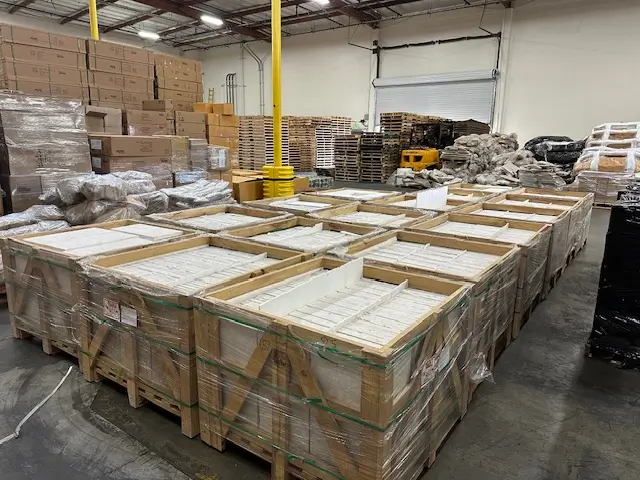
The Southwest construction market experiences seasonal demand fluctuations that impact Wholesale Granite Arizona pricing availability. Your procurement timing matters — spring and early summer represent peak demand periods when warehouse inventory depletes rapidly and pricing firms up. Conversely, late fall and winter months often present favorable pricing opportunities as suppliers seek to maintain cash flow during slower periods. When you have scheduling flexibility, winter procurement can yield 8-12% cost savings compared to peak season pricing.
Regional competition among wholesale distributors creates pricing variation across metro areas. Phoenix benefits from the highest concentration of importers and distributors, typically offering the most competitive wholesale pricing. Tucson pricing runs 5-8% higher due to secondary delivery costs, while northern Arizona markets like Flagstaff may see 12-18% premiums reflecting limited local supply and extended transportation. Your project location should inform your sourcing strategy — consolidating purchases through Phoenix warehouses often justifies the coordination effort even for projects in outlying areas.
Material Specifications and Quality Verification
When you evaluate wholesale granite for commercial applications, you need to verify that material meets ASTM C615 standards for dimensional stone. This specification addresses density, absorption, compressive strength, flexural strength, and abrasion resistance. Your quality assurance process should include reviewing mill certificates confirming compliance with these standards, particularly for high-traffic applications like commercial flooring or exterior cladding.
Granite density typically ranges from 160-185 pounds per cubic foot, directly correlating with durability and performance characteristics. You should specify minimum density requirements based on application — countertops perform adequately at 165 PCF, while flooring in high-traffic commercial environments should meet or exceed 175 PCF. Water absorption rates below 0.4% indicate dense, durable material suitable for exterior applications, while rates approaching 1.0% may indicate porosity concerns for freeze-thaw environments.
- You need compressive strength exceeding 19,000 PSI for structural applications
- Your flexural strength specification should require minimum 1,500 PSI for unsupported spans
- You should verify abrasion resistance meets Ha rating of 25 or lower for commercial flooring
- Your absorption testing must confirm rates below 0.40% for exterior installations
Color variation represents a critical specification consideration when you purchase wholesale volumes. Granite exhibits natural variation in pattern, veining, and color intensity across different blocks from the same quarry. You need to establish acceptable variation parameters in your specification and review actual slabs before fabrication begins. For projects requiring visual consistency across large installations, specify that all material originates from the same quarry block or production lot.
Surface finish selection affects both aesthetic outcomes and functional performance. Your options include polished (reflective, shows maximum color depth), honed (matte, provides slip resistance), flamed (textured, ideal for exterior traction), and brushed (subtle texture, contemporary appearance). Polished finishes work well for interior countertops and low-traffic flooring, while honed or textured finishes become necessary for slip resistance in wet areas or exterior applications. The finish you specify impacts fabrication costs by 15-25% and affects long-term maintenance requirements.
Thickness Considerations and Structural Implications
Standard granite thickness options include 2cm (3/4 inch) and 3cm (1-1/4 inch) slabs, each appropriate for different applications. When you specify countertops, 3cm material provides structural integrity for overhangs and unsupported edges without requiring lamination or additional support. The 2cm material costs 20-30% less than 3cm but necessitates edge lamination for overhangs exceeding 10 inches and substrate support for large unsupported spans.
Your structural calculations for granite cladding or flooring must account for dead load implications. Three-centimeter granite weighs approximately 18-20 pounds per square foot, while 2cm material weighs 12-13 PSF. When you design granite installations for upper-level applications, these weight differences significantly impact structural requirements and installation methodology. Verify that your structural engineer accounts for actual material thickness in load calculations rather than assuming nominal dimensions.
Edge detail specifications affect both aesthetics and costs when you order wholesale volumes. Standard eased edges (slightly rounded) typically include no upcharge in wholesale pricing, while decorative profiles like ogee, bullnose, or waterfall edges add $8-15 per linear foot to fabrication costs. Your edge specification should balance design intent with budget realities — decorative edges visible in high-profile areas, standard edges for concealed or low-visibility applications. For detailed technical guidance on related stone applications, see Citadel Stone granite wholesale yard in Tucson for comprehensive material selection resources.
Color Selection and Regional Considerations
Granite color selection for Arizona projects should account for regional aesthetic preferences and heat gain characteristics. Lighter granite colors reflect 45-60% of solar radiation, reducing surface temperatures in exterior applications by 15-25°F compared to darker materials. When you specify exterior countertops, outdoor kitchens, or cladding, lighter colors like Colonial White, Kashmir White, or Bianco Romano provide superior thermal comfort. Darker granites like Absolute Black or Steel Grey absorb significant heat, reaching surface temperatures exceeding 150°F during Arizona summer afternoons.
Regional design trends in Arizona favor warm, earth-tone granites that complement desert landscaping and Southwestern architecture. Popular wholesale selections include Santa Cecilia (golden browns with burgundy accents), Giallo Ornamental (beige base with darker flecking), and Tan Brown (rich brown with black and grey patterns). These colors coordinate well with regional material palettes while maintaining good availability through granite wholesale suppliers Arizona guide networks.
Your color selection impacts long-term maintenance visibility when you specify granite for commercial applications. Darker colors show water spots, fingerprints, and dust more readily than lighter or multi-toned materials. Medium-toned granites with varied patterns like Ubatuba, Baltic Brown, or Tropical Brown effectively mask minor surface imperfections and daily soiling between maintenance cycles. This becomes particularly relevant in high-touch commercial environments where your maintenance budgets constrain cleaning frequency.
Fabrication and Installation Coordination
When you purchase wholesale granite, you typically receive raw slabs requiring fabrication into finished pieces. Your project timeline must account for template creation, CNC cutting, edge profiling, and finishing — processes consuming 7-14 business days after template approval. Coordinate your fabrication scheduling with project construction sequencing to ensure finished granite arrives when you’re ready for installation, avoiding job site storage issues and potential damage.
Template accuracy determines installation success when you work with granite. Digital templating using laser measurement systems provides precision within 1/16 inch, essential for achieving tight seam joints and proper fit at walls, appliances, and fixtures. You should specify digital templating for projects involving complex layouts, numerous seams, or exacting fit requirements. Physical templates using cardboard or thin plywood remain acceptable for simple rectangular layouts but introduce greater potential for measurement error.
- You need to coordinate utility rough-in completion before templating to ensure accurate cutout locations
- Your installation sequence should address granite after tile, flooring, and cabinet installation completes
- You should verify that substrate surfaces achieve level tolerance within 1/8 inch over 10 feet
- Your project schedule must allow 24-48 hours for adhesive curing before placing load on surfaces
Seam placement strategy affects visual outcomes when you install granite wholesale Arizona materials across large countertop runs. You want to minimize seam quantity while positioning unavoidable seams in low-visibility locations — adjacent to cooktops, sinks, or along natural break lines in L-shaped layouts. Professional fabricators orient seams perpendicular to primary sight lines and match pattern direction across seam joints. Your specification should address acceptable seam width (typically 1/16 inch maximum) and color-matched epoxy requirements for seam filling.
Pricing Variables and Cost Optimization
Wholesale Granite Arizona pricing responds to multiple variables beyond base material cost. Your total project cost includes slab material, fabrication labor, edge details, cutouts, installation, and finishing. Understanding how each component contributes to final pricing helps you optimize specifications for budget compliance. Material typically represents 40-50% of total installed cost, fabrication contributes 30-35%, and installation accounts for 15-20%.
Edge detail complexity significantly impacts fabrication costs when you specify decorative profiles. Standard eased or pencil edges add minimal cost, while complex profiles like dupont, cove dupont, or stacked edges can increase fabrication expenses by $12-20 per linear foot. Your specification should deploy decorative edges selectively at visible countertop fronts while using simple profiles at backsplash tops, inside corners, and other low-visibility locations. This strategic approach maintains design intent while controlling costs.
Cutout quantity and complexity affect fabrication pricing when you specify sinks, cooktops, and fixtures. Standard undermount sink cutouts typically include minimal upcharge in base fabrication pricing, while specialty shapes, cooktop cutouts, and outlet notches add $75-150 per cutout. When you design kitchen layouts, minimizing cutout quantity through thoughtful fixture placement reduces fabrication costs. Coordinate your plumbing and electrical rough-in locations with countertop layout to avoid unnecessary cutouts.
Your order timing relative to market conditions influences pricing leverage with granite wholesale Arizona contractors and suppliers. Placing orders during slower winter months or securing multi-project commitments with single suppliers strengthens your negotiating position. Volume commitments across multiple projects enable you to negotiate 8-15% discounts compared to single-project pricing. When you manage multiple concurrent projects, consolidating granite procurement through a single supplier relationship yields both pricing benefits and simplified coordination.
Quality Control and Acceptance Criteria
Establishing clear acceptance criteria before you order wholesale granite prevents disputes during installation. Your specification should address acceptable color variation range, maximum fissure dimensions, pit or spot limitations, and seam quality standards. Industry standards permit natural characteristics including small pits (under 3/32 inch), minor fissures (hairline cracks that don’t compromise structural integrity), and color variation within quarry-lot norms.
You need to conduct slab inspection before fabrication begins, particularly when ordering exotic or highly-figured materials. Visit the fabrication shop to review actual slabs allocated to your project, verifying color acceptability and identifying any natural characteristics requiring accommodation in your layout. This inspection opportunity allows you to direct placement of visible features in prominent locations while positioning minor imperfections in low-visibility areas.
- You should verify that polished surfaces achieve 85+ gloss rating using standardized measurement
- Your seam inspection must confirm color matching within acceptable variation for the material
- You need to check that edge profiles match approved samples and maintain consistent dimensions
- Your installation inspection should verify level surfaces within 1/8 inch over 10-foot spans
Post-installation inspection should occur before you authorize final payment to contractors. Verify that installed granite meets specified edge details, seam quality, cutout dimensions, and finish consistency. Check for proper adhesion at undermount sinks, appropriate reveals at backsplashes, and correct sealant application at wall intersections. Document any deficiencies requiring correction before final acceptance.
Maintenance and Sealing Requirements
Granite requires periodic sealing to maintain stain resistance, though sealing frequency depends on material porosity and application intensity. When you specify granite for commercial kitchens or high-use areas, you should plan for semi-annual sealing. Residential applications typically require annual resealing, while low-use decorative applications may extend sealing intervals to 18-24 months. Testing water absorption (water droplets beading versus soaking in) indicates when resealing becomes necessary.
Your maintenance program should address daily cleaning protocols appropriate for granite. Standard cleaning with pH-neutral stone cleaners maintains surface appearance without degrading sealers or etching the stone. You need to avoid acidic cleaners (vinegar, citrus-based products), alkaline degreasers, and abrasive powders that damage surface finish and compromise sealer protection. Commercial facilities benefit from professional stone maintenance programs providing scheduled cleaning and resealing services.
Different granite colors exhibit varying maintenance requirements based on porosity and composition. Black granites often contain higher iron content, making them susceptible to rust staining if exposed to metal objects in wet conditions. Light-colored granites readily show staining from oils, wines, and acidic substances if sealer protection lapses. When you select granite wholesale distributors Arizona materials for specific applications, match color choice to anticipated exposure conditions and maintenance capabilities.
Citadel Stone Wholesale Granite in Arizona Specifications
When you consider Citadel Stone’s Wholesale Granite in Arizona for your projects, you’re evaluating materials specifically selected for Southwest climate performance and construction market demands. At Citadel Stone, we provide technical guidance for commercial specification across Arizona’s diverse climate zones. This section outlines how you would approach material selection and specification decisions for six representative Arizona cities, addressing region-specific considerations that affect granite performance and installation success.
Your specification approach should account for significant climate variation across Arizona’s geography. Low desert regions demand attention to thermal expansion and heat gain characteristics, while high-elevation communities require consideration of freeze-thaw cycling. You need to evaluate these factors when you select granite wholesale suppliers Arizona guide resources and develop project-specific specifications. The following city-specific recommendations demonstrate how regional conditions influence professional specification decisions.
Phoenix Specifications
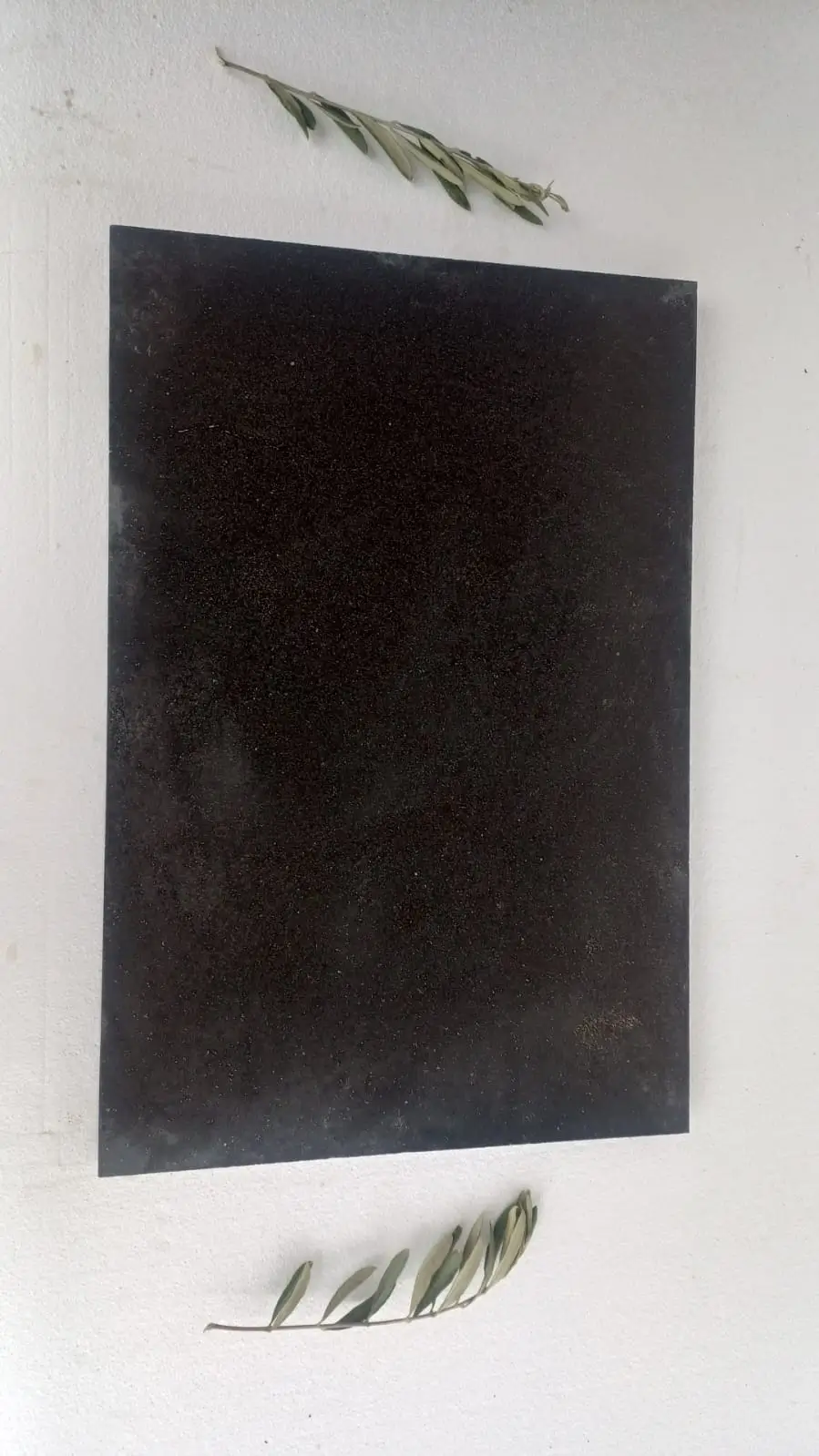
In Phoenix applications, you would specify granite accounting for extreme heat exposure where summer surface temperatures on darker materials can exceed 155°F. Your color selection should favor lighter granites like Colonial White or Kashmir White that reflect 50-65% of solar radiation, reducing touch-surface temperatures by 20-30°F compared to dark materials. When you design exterior applications including outdoor kitchens, pool decking accents, or building cladding, thermal comfort becomes a primary specification driver. You would also address thermal expansion in your joint details, allowing for 0.0044 inches of movement per 10 feet of material per 100°F temperature swing. Phoenix’s minimal freeze-thaw cycling (averaging under 5 events annually) permits you to focus specification attention on heat performance rather than cold-weather durability.
Tucson Considerations
Your Tucson specifications would address similar heat considerations as Phoenix while accounting for slightly higher elevation and marginally cooler temperatures. You would select granite wholesale Arizona contractors familiar with regional installation practices, as Tucson’s clay-heavy soils require particular attention to substrate preparation preventing differential settlement. When you specify exterior granite applications, account for Tucson’s higher monsoon precipitation intensity compared to Phoenix, ensuring proper drainage away from granite surfaces. You should coordinate with suppliers maintaining Tucson-area warehouse inventory to optimize delivery logistics and reduce transportation costs. Material selection would emphasize warm earth tones like Santa Cecilia or Giallo Ornamental that complement Tucson’s prevalent desert contemporary and Southwestern architectural styles.
Scottsdale Applications
Scottsdale projects typically demand premium granite selections with distinctive aesthetics matching the city’s upscale residential and commercial market positioning. You would specify exotic granites like Blue Bahia, Fusion, or Van Gogh that provide dramatic visual impact appropriate for luxury applications. Your specification should address book-matching requirements for feature walls or prominent countertop installations where pattern continuity creates maximum visual effect. When you work with granite marble wholesale Arizona suppliers for Scottsdale projects, verify that adequate material from matching quarry blocks exists to complete your installation without visible color or pattern shifts. You should also specify premium edge details and finishing appropriate for high-end applications where craftsmanship quality receives close scrutiny. Scottsdale’s design-focused market justifies the premium investment in distinctive materials and superior fabrication quality.
Flagstaff Requirements
When you specify granite for Flagstaff applications at 7,000 feet elevation, freeze-thaw durability becomes your primary technical concern. You would require granite meeting minimum density standards of 175 PCF with water absorption below 0.30% to ensure material withstands 60-80 annual freeze-thaw cycles without degradation. Your specification must address proper sealing protocols and maintenance programs since freeze-thaw damage often initiates at saturated, unsealed areas. You should verify that installation details include adequate drainage preventing water accumulation on horizontal surfaces where freeze-thaw cycling causes greatest damage. Color selection would accommodate Flagstaff’s mountain contemporary and craftsman architectural styles, with materials like Copper Canyon, Autumn Brown, or Steel Grey providing appropriate regional character. Your coordination with suppliers would need to account for winter weather impacts on delivery scheduling and potential road closures affecting truck access during snow events.
Mesa Projects
Mesa specifications would mirror Phoenix requirements given similar climate conditions and elevation, though you might optimize procurement logistics differently. You would coordinate with Wholesale Granite Arizona pricing suppliers operating warehouse facilities in Mesa’s industrial corridors to minimize delivery distances for projects in East Valley communities. Your material selection would address Mesa’s diverse project types ranging from residential tract developments requiring cost-effective granite solutions to commercial hospitality projects demanding distinctive materials. You should specify materials maintaining good availability in standard colors while preserving flexibility for premium selections when projects justify additional investment. Mesa’s expanding commercial market creates opportunities for volume commitments across multiple projects, enabling you to negotiate favorable pricing through consolidated procurement relationships with granite wholesale Arizona contractors maintaining regional inventory.
Sedona Installations
Your Sedona specifications would emphasize granite colors harmonizing with the region’s distinctive red rock landscape and natural environment. You would select materials like Juparana Bordeaux, Tropical Brown, or Copper Canyon providing warm tones that complement rather than compete with Sedona’s dramatic geology. When you specify for Sedona’s design-conscious market, recognize that architectural review processes often include material approval requirements favoring earth-tone palettes and natural materials. Your logistics coordination must account for limited local supplier presence, typically requiring coordination with Flagstaff or Phoenix-area granite wholesale distributors Arizona sources. You should verify truck access to project sites, as Sedona’s terrain and narrow roads sometimes constrain delivery vehicle size and require creative logistics solutions. Material selection would favor timeless, natural-looking granites appropriate for Sedona’s emphasis on environmental integration and enduring design quality.
Commercial Versus Residential Specifications
Your specification approach differs substantially between commercial and residential applications due to varying performance demands, budget constraints, and aesthetic priorities. Commercial projects require granite meeting higher durability standards for intensive use patterns, while residential applications permit broader material selection focusing on aesthetic preferences. When you specify granite wholesale Arizona materials for commercial kitchens, public restrooms, or high-traffic lobbies, you need granite with proven abrasion resistance, minimal maintenance requirements, and consistent availability for future repairs or expansions.
Commercial specifications should establish standardized material selections enabling you to maintain visual consistency across multiple project phases or franchise locations. You benefit from specifying widely-available granite colors with reliable supply chains, avoiding exotic materials subject to quarry depletion or extended lead times. This standardization simplifies future renovations and repairs by ensuring material availability for matching existing installations. Your specification should include complete material data including commercial name, quarry origin, and color reference numbers preventing substitution confusion.
Residential specifications permit greater aesthetic flexibility since you’re typically addressing single installations rather than maintaining system-wide consistency. Your residential clients often prioritize distinctive appearance and uniqueness over long-term replacement logistics. You can specify exotic granites, dramatic colors, or highly-figured materials that might prove impractical for commercial applications requiring future material matching. However, you should still counsel residential clients regarding maintenance implications and long-term performance expectations for their selected materials.
Procurement Logistics and Lead Times
Understanding granite procurement timelines enables you to coordinate material delivery with project construction schedules effectively. When you order in-stock materials from local warehouse inventory, expect 5-10 business day turnaround from order to delivery. This timeline includes template creation, fabrication, quality control, and delivery coordination. You should verify actual stock availability rather than relying on supplier databases that may not reflect real-time inventory status. A phone call confirming physical warehouse stock prevents delays when suppliers need to order material they listed as “available.”
Special-order granite requiring overseas shipment operates on much longer timelines when you specify colors outside standard warehouse inventory. Container shipments from Brazilian quarries typically require 14-16 weeks from order placement to U.S. warehouse delivery, while Indian material often ships within 10-12 weeks due to more frequent container consolidations. Chinese granite generally offers the shortest lead times at 8-10 weeks given higher shipping frequency and West Coast routing. Your specification should account for these timelines when project schedules require firm material delivery dates.
- You need to add 2-3 weeks to base shipping timelines for specialty finishes beyond standard polished or honed
- Your procurement planning should include buffer time for customs clearance delays or port congestion
- You should coordinate material ordering before finalizing all design details when lead times threaten project schedules
- Your contract documents need to address responsibility for delays resulting from material unavailability or shipping disruptions
Seasonal shipping patterns affect material availability when you specify granite wholesale suppliers Arizona guide materials during different times of year. Winter months (November through February) experience reduced container shipping frequency as overseas suppliers slow production during lower-demand periods. You may encounter extended lead times for special orders placed during these months as suppliers wait to consolidate sufficient orders justifying container shipment. Conversely, spring and summer months see peak shipping activity with shortest lead times but also highest demand and firmest pricing.
Budget Planning and Cost Predictability
Accurate budget development requires you to account for all cost components beyond base material pricing when you specify Wholesale Granite Arizona materials. Your preliminary budgets should include slab material costs, fabrication labor, edge details, cutouts, backsplash material, installation labor, sealing, and contingency for unforeseen conditions. Typical commercial-grade granite countertop installations range from $65-95 per square foot installed, while premium exotic materials can reach $140-180 per square foot for complex installations with decorative edge details.
Material waste factors into your cost calculations when you estimate granite requirements. Granite arrives in slabs typically measuring 110-120 inches long by 60-70 inches wide, requiring careful layout optimization to minimize waste. You should calculate material quantities based on actual slab yields rather than simple square footage calculations. Complex layouts with numerous cutouts, angles, or small pieces generate 15-25% waste, while simple rectangular layouts may achieve 90-95% yield efficiency. Your quantity estimates should include this waste factor to prevent budget overruns or material shortages during fabrication.
Price escalation clauses become important when you specify granite for projects with extended timelines between procurement and installation. Granite wholesale Arizona contractors often include escalation provisions protecting against price increases for materials ordered more than 90 days before delivery. You should negotiate fixed pricing for the full project duration or establish escalation terms tied to published indices rather than open-ended supplier discretion. This protects your project budget from unexpected cost increases during construction.
Contract Specifications and Performance Standards
Your contract documents should establish clear performance standards that granite installations must meet for acceptance. Reference ASTM C615 (Standard Specification for Granite Dimension Stone) and specify acceptable ranges for density, absorption, compressive strength, and flexural strength based on application requirements. Include requirements for fabrication tolerances, seam quality, edge details, and finish standards that define acceptable workmanship. These performance specifications create objective acceptance criteria preventing disputes over subjective quality assessments.
Warranty provisions in your specifications should address both material defects and installation workmanship. Standard material warranties typically cover defects in the stone itself (structural failures, unexpected deterioration) for one year, while fabrication warranties address seam failures, edge chipping, or adhesion problems for similar periods. You should require extended warranties of 2-5 years for commercial installations where premature failure creates significant disruption and expense. Clarify warranty coverage regarding natural stone characteristics like fissures, pits, or color variation that don’t constitute defects.
Your specifications need to address material testing requirements when project risk profiles justify verification testing. Large commercial installations, exterior cladding applications, or critical-use areas may warrant laboratory testing confirming ASTM compliance before you accept material deliveries. Testing costs range from $800-1,500 per sample set but provide assurance that material meets specified performance standards. Balance testing costs against project risk — high-value, high-visibility installations justify testing investment that may prove excessive for routine residential applications.
Final Considerations
When you develop wholesale granite specifications for Arizona projects, your success depends on understanding the complete procurement and installation ecosystem. You need to balance material performance requirements, aesthetic objectives, budget constraints, and schedule realities while navigating supply chain complexities. Your specifications should establish clear acceptance criteria, reference appropriate industry standards, and address region-specific environmental factors affecting granite performance. Successful projects result from thorough planning, careful material selection, competent fabrication, and professional installation executed by experienced teams. For comprehensive insights on supply chain coordination and inventory management affecting project timelines, review Granite supply chain logistics and inventory management practices before you finalize procurement strategies. Citadel Stone operates as primary wholesale granite distributors in Arizona for the Southwest.