
Travertine surface temperatures in direct Arizona sun tell a story that raw material specs rarely capture — white travertine pool design Arizona aesthetics consistently outperform darker stone options by 18–25°F at the surface, which translates directly into barefoot comfort around a pool deck at 2 p.m. in July. That thermal advantage isn’t accidental; it’s a function of the stone’s high reflectance index combined with its open-pore matrix, which dissipates absorbed heat rather than storing it. The seven design approaches below work precisely because they account for both the visual and thermal physics of white travertine in extreme desert conditions.
Design 1: Classic Ivory Pool Surround with Flush Coping
The flush coping detail is where this design earns its longevity in Arizona’s climate. You’re eliminating the raised edge profile that accumulates debris and retains moisture — two things that accelerate joint failure when daily temperatures swing 40°F between night and afternoon. Classic ivory travertine, running in a 16×24-inch format with a honed finish, creates a clean horizontal plane that reads beautifully against blue pool water without competing with desert landscaping.
For Scottsdale properties where pool surrounds frequently extend to 1,500 square feet or more, the ivory color family holds visual cohesion across large expanses better than any veined or banded stone. The material’s natural micro-variation prevents the monotony you’d get from a solid manufactured surface. Specify a minimum 1.25-inch thickness for the coping pieces — the thinner 3/4-inch material reads as insufficient at this scale and can chip at the pool edge under seasonal thermal cycling.
- Honed finish on horizontal surfaces for barefoot comfort and slip resistance meeting ANSI A137.1 standards
- Flush coping height eliminates trip hazard and reduces debris accumulation in expansion joints
- 16×24-inch format minimizes grout lines across large pool deck footprints
- Ivory color family reflects 62–68% of incoming solar radiation — a meaningful surface temperature advantage
Design 2: Geometric Banding with Contrasting Travertine Tones
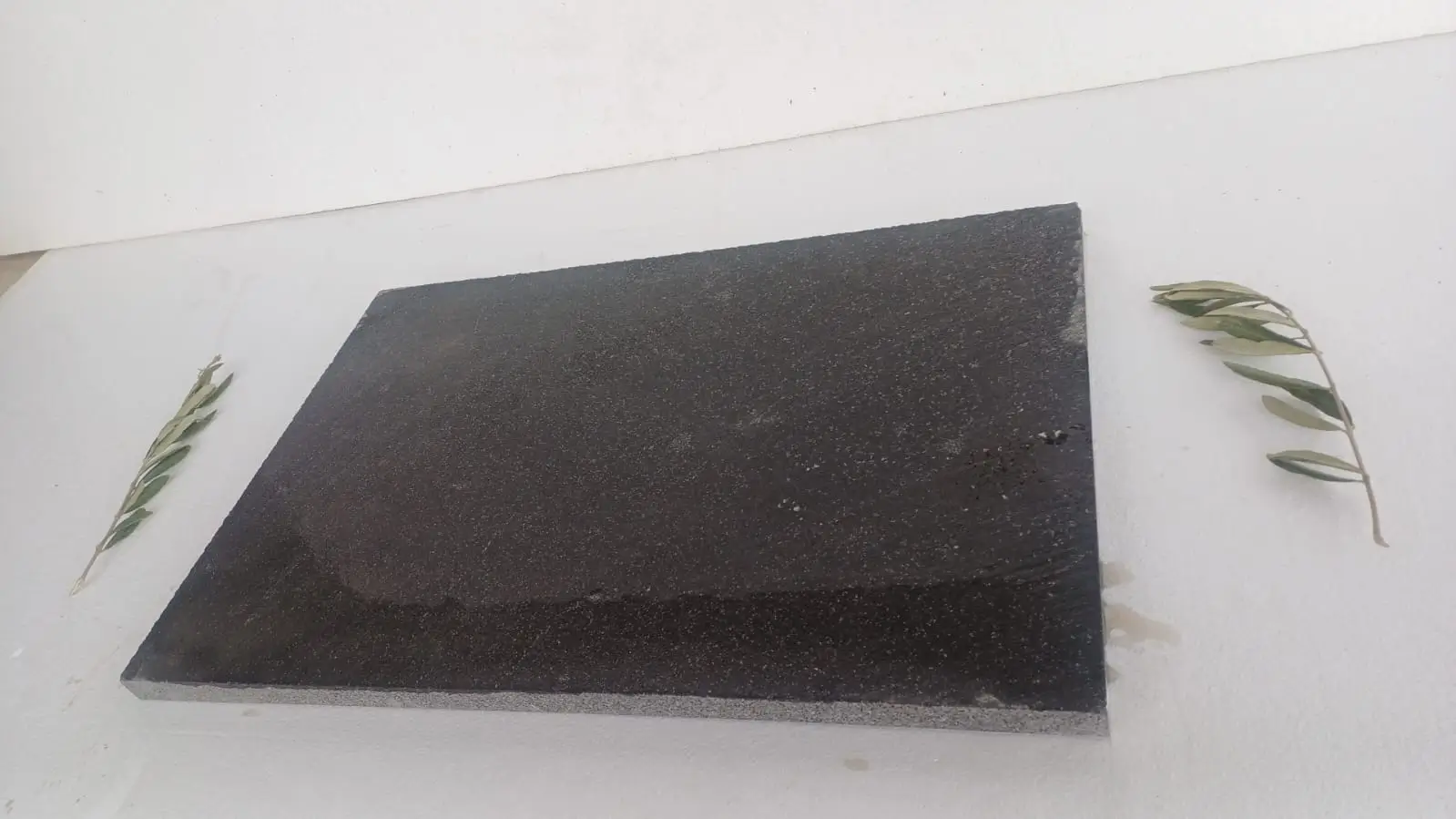
Banding patterns give you a way to articulate the pool zone visually without introducing a different material that behaves differently under thermal load — and that second point matters more than most designers realize. Mixing travertine with a contrasting stone species around a pool creates differential expansion at every transition joint, which telegraphs as visible cracking within three to five Arizona summers. Staying within the travertine family and varying tone — ivory field tile banded with a walnut or silver travertine border — delivers visual contrast while keeping thermal expansion coefficients matched.
The banding detail works especially well in rectangular pools where you can run the border parallel to the pool edge, reinforcing the geometry. You’ll want to account for the pattern layout during your rough-in phase — trying to adapt a banding design to an existing slab that wasn’t poured with the pattern in mind creates awkward cuts at transitions and undermines the whole visual effect. Plan the field dimensions so your border tiles land at full units wherever possible, particularly at the pool’s focal entry point. For travertine pool surrounds across Arizona where banding is specified at scale, the layout discipline applied during planning is what separates clean results from expensive remediation.
- Keep all travertine tones within the same geological formation for matching expansion behavior
- Border tile width of 6–8 inches reads proportionally at pool surround scale — narrower reads as a grout line from a distance
- Specify the same finish on border and field tiles; varying finish textures at borders creates uneven wear patterns over time
- Natural white travertine pool Arizona banding installs most cleanly when borders are set first, then field tiles cut to fit
Design 3: Unified Pool and Spa Surround
Here’s what separates a cohesive pool-spa design from one that looks like two separate afterthoughts: the elevation transition between pool deck and spa surround needs to be executed in the same travertine format with a continuous joint pattern, even when the surfaces sit at different grades. Your eye reads the material before it reads the level change, so consistency in format and color across the grade break is what creates visual unity. The travertine pool surrounds across Arizona that hold up best aesthetically over time are the ones where the stone selection was made for the full hardscape zone, not just the flat pool deck.
At Citadel Stone, we recommend extending the same ivory travertine from the pool surround up the spa face if it’s a raised design — even just a 4-inch veneer course at the water line maintains continuity. This detail is easy to overlook in plan view, but it’s immediately apparent in three-dimensional use of the space. The spa water line also benefits from a pencil liner or cap detail in the same stone that protects the setting mortar from direct water contact and thermal cycling at the waterline zone.
- Match grout joint width and direction across pool and spa surfaces for visual flow
- Spa face veneering requires a back-buttered thin-set rated for submerged or splash-zone applications — standard exterior thin-set isn’t sufficient
- Water line cap travertine should be a minimum 3/4-inch thick tumbled piece for durability against pool chemical contact
- Unified designs reduce the material count on your project, which simplifies warehouse ordering and truck delivery scheduling
Design 4: Resort-Style Linear Layout with Travertine Runners
The linear runner pattern — alternating wide field tiles with narrow travertine strips oriented parallel to the pool edge — is the design approach that consistently photographs well and performs well in desert climates because it creates natural linear expansion relief. The narrow runner joints give the stone room to move along the axis of greatest thermal stress without transferring that movement into the field tiles. You’re essentially building a thermal management detail into the aesthetic pattern.
Luxury outdoor stone finishes AZ designers specify most frequently at the resort and high-end residential tier almost always include a version of this linear approach, and for good reason. The pattern creates strong directional geometry that guides the eye toward the pool, makes the deck feel longer and more expansive, and pairs exceptionally well with contemporary architecture. Specify the runner strips at 4-inch width minimum — narrower than that and you lose the visual anchor the runner is supposed to provide. When sourcing luxury outdoor stone finishes AZ projects demand at this tier, warehouse stock depth matters: confirm your supplier holds the full runner-format inventory before finalizing your layout module.
You can explore our Arizona white travertine pool options to find the specific format combinations that work with this linear runner approach across different pool scales.
- Runner orientation should run perpendicular to the sun’s primary daily arc across the pool zone — this minimizes differential heating between runner and field segments
- Use a matching grout in the runner joints rather than contrasting — let the stone geometry do the visual work, not the joint color
- 16-inch field tiles with 4-inch runners create a 20-inch module that scales well for both compact and large pool surrounds
Design 5: Irregular Flagstone-Pattern White Travertine
The irregular flagstone cut pattern in white travertine is legitimately the most technically demanding of the seven designs to install well — and the most rewarding when it lands correctly. You’re working with pieces that have no consistent edge geometry, which means your setter needs to be experienced enough to dry-lay the entire pool surround before committing to mortar. That dry-lay phase adds a full day to the installation timeline, but skipping it is how you end up with awkward slivers and forced cuts at the pool edge that undermine the natural aesthetic the pattern is trying to achieve.
Desert-friendly pool coping materials in the irregular flagstone format perform well in Arizona specifically because the random joint pattern distributes thermal stress in multiple directions simultaneously rather than concentrating it along parallel lines. Field performance across multiple installations shows fewer stress fractures in irregular-joint travertine compared to straight-set patterns in climates with 60°F+ daily temperature swings. The trade-off is that repairs are more complex — matching an irregular piece requires cutting from a larger slab rather than ordering a standard format replacement. Natural stone pool decking in Arizona irregular applications rewards the extra planning investment with a finish that reads genuinely organic rather than manufactured.
- Specify a minimum 1.5-inch thickness for irregular flagstone pieces — thinner irregular cuts have inconsistent thickness that creates high-low lippage
- Joint width in flagstone pattern should range 3/4 to 1.5 inches — tighter joints in irregular cuts trap sand and debris that works into the stone surface
- Dry-lay full pool surround before any setting — photograph the layout before disturbing it for mortar phase reference
- Use a sanded grout in flagstone applications; unsanded grout shrinks in joints wider than 1/8 inch and cracks under thermal movement
Design 6: Elevated Deck Design with Built-In Drainage Channels
Drainage channel integration is where white travertine pool design Arizona aesthetics collide with genuine engineering requirements — and handling it well separates a functional installation from one that develops efflorescence staining within the first rainy season. Travertine’s open pore structure means water that gets under the stone doesn’t stay there; it moves through the matrix and carries calcium carbonate to the surface, creating the white mineral deposits that homeowners frequently mistake for surface damage. The solution isn’t aggressive sealing (that traps moisture below the stone) — it’s designing drainage geometry that removes standing water before it infiltrates.
For elevated deck designs, spec linear drain channels at 10-foot intervals across the pool surround, oriented so the travertine surface pitches 1/8 inch per foot toward the channel. That pitch is enough to move water without creating a perceptible slope underfoot. In Flagstaff, where monsoon rainfall intensity combined with freeze-thaw cycles creates compounded drainage stress, this channel spacing should tighten to 8-foot intervals to prevent ponding during high-intensity storm events. Natural stone pool decking in Arizona elevated applications benefits from this tighter interval standard whenever freeze-thaw exposure is part of the climate profile.
- Linear drain channels should be sized for the pool surround’s contributing drainage area — undersized channels cause backwater that defeats the drainage design
- Channel grates in travertine tone or brushed bronze read more naturally than stainless steel against cream-colored stone
- Pitch direction should flow away from the house structure and toward permeable landscape zones where possible
- Desert-friendly pool coping materials in elevated applications require a structural slab that accounts for both stone dead load and water drainage volume simultaneously
Design 7: Desert Landscape Integration with Decomposed Granite Transition
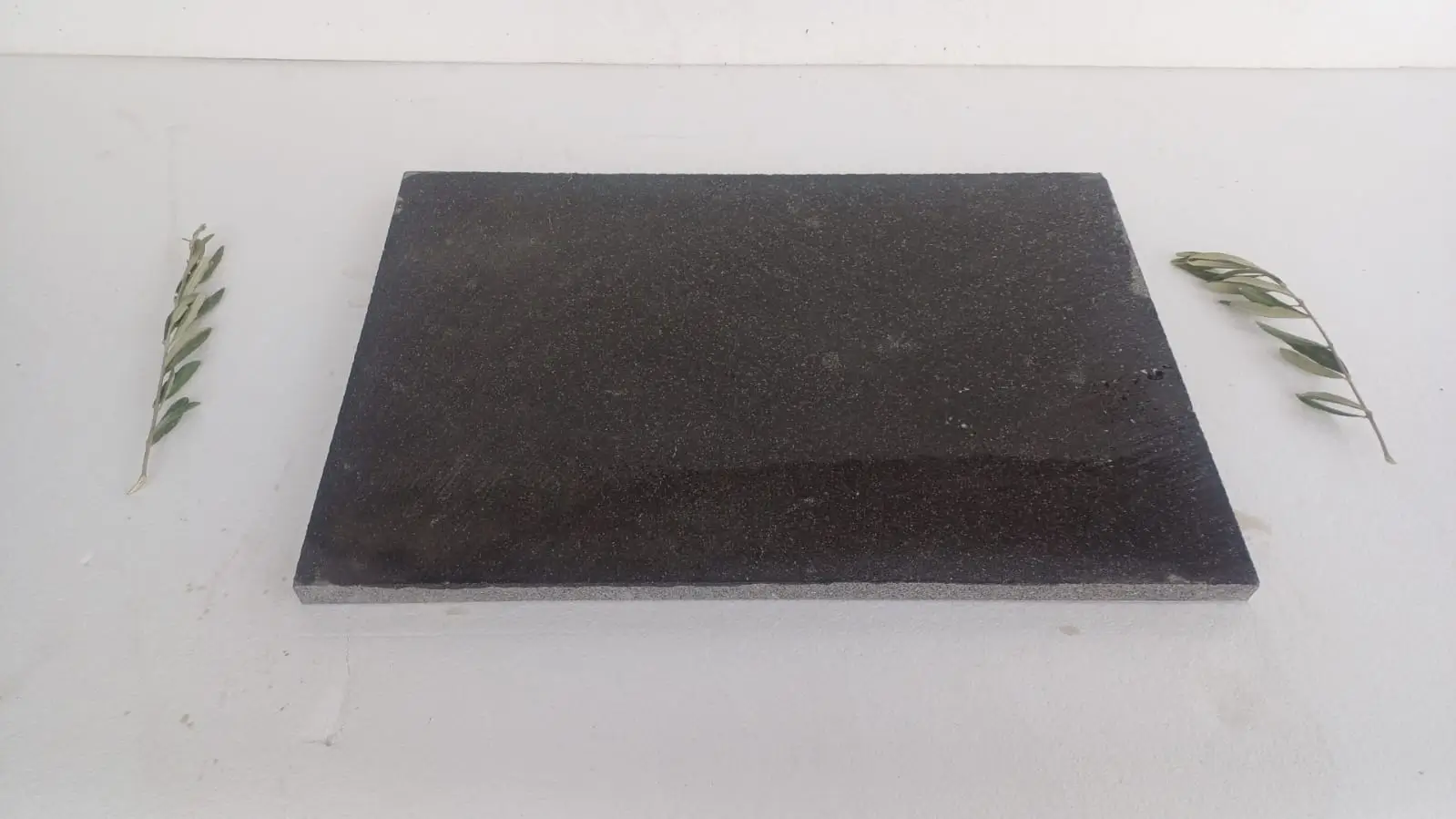
The travertine-to-DG transition zone is the detail that either makes or breaks the pool’s relationship with its desert landscape setting. You’re connecting two materials with completely different drainage rates, expansion behaviors, and surface temperatures — and if you treat the transition as an afterthought, you’ll see the DG migrating onto the travertine surface within one monsoon season. The fix is a hidden steel edging strip set 1/2 inch below the finished travertine surface, creating a physical barrier that keeps decomposed granite on its own side while allowing water to drain across the transition without impedance.
Design 7 works particularly well for properties in Sedona, where the red rock landscape creates an extraordinary backdrop for white travertine — the color contrast between warm ochre desert tones and the cool ivory stone is genuinely striking and doesn’t require any additional hardscape color to achieve visual impact. The white travertine pool design Arizona aesthetic reaches its most powerful expression in that red-rock desert context, where the stone reads almost luminous against the landscape rather than blending into it. Desert-friendly pool coping materials selected for this transition zone should prioritize a bullnose or eased profile that resists chipping where stone meets compacted gravel.
- Steel edging at travertine-to-DG boundary should be 3/16-inch thick minimum to resist deflection under foot traffic and DG compaction pressure
- DG should be stabilized with a polymer binder in the 18-inch zone adjacent to the travertine — unstabilized DG migrates aggressively under foot traffic
- Plant material within 4 feet of the travertine pool edge should be selected for low irrigation requirements — drip emitters aimed at travertine surfaces accelerate efflorescence and joint erosion
- Travertine pool coping at the landscape edge should be a bullnose profile rather than a square edge — reduces chipping at the material transition zone
Your Action Plan for White Travertine Pool Design Arizona Projects
The design you select from these seven approaches should be anchored in two site-specific realities before anything else: your pool’s orientation relative to the afternoon sun and the drainage geometry of your lot. Both factors affect which design details perform best on your specific property, and both are easier to address in the planning phase than after your truck delivery of stone has arrived on site. Citadel Stone maintains Arizona warehouse inventory that lets you request physical samples of any travertine format before committing to a full project order — a step that’s worth the extra lead time when you’re making a 20-year material decision.
Each of the seven designs above works within Arizona’s climate envelope precisely because white travertine’s thermal and structural properties are well-matched to desert pool conditions. Your specification decisions around thickness, finish, joint width, and drainage geometry determine whether that material performs at the top of its capability or struggles against the climate. For the technical side of how these stones respond to Arizona’s heat extremes across different installation configurations, Travertine Pool Deck Thermal Data: Arizona provides the performance data that informs smarter design and specification decisions across travertine pool surrounds across Arizona at every project scale. Citadel Stone offers white travertine pool finishes that withstand Arizona’s intense UV exposure, serving residential projects throughout Mesa, Chandler, and Peoria.