
The Ground Beneath Your White Pavers Matters More Than the Heat
White paver maintenance Arizona heat performance starts underground — Arizona’s caliche hardpan is the variable that determines whether your maintenance schedule stays manageable or turns into a recurring repair cycle. Caliche — that calcium carbonate-cemented layer sitting anywhere from 6 to 36 inches below grade — doesn’t compress, drain, or behave predictably when moisture from monsoon rains hits it at an angle. Your maintenance strategy has to account for what’s happening underground, not just what the Arizona sun is doing to the surface.
The relationship between subgrade stability and surface performance is tighter than most homeowners expect. Pavers that shift, rock, or develop uneven joints aren’t failing because of UV exposure — they’re failing because the base preparation didn’t address Arizona’s specific soil profile. Understanding that connection is the starting point for any honest white paver upkeep program in this state.
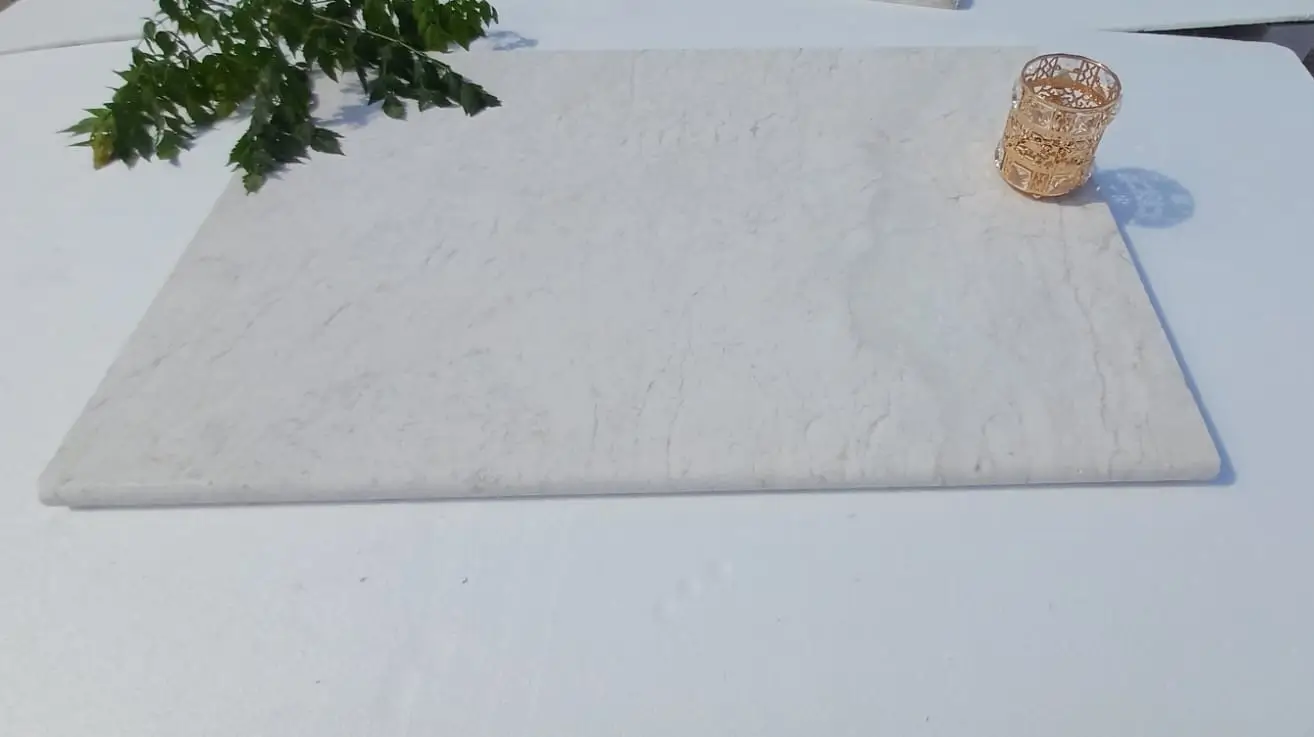
Arizona Soil Challenges That Drive Long-Term Paver Performance
The desert Southwest isn’t one uniform soil type — and the distinction matters enormously for white paver maintenance in Arizona. Broadly, you’re dealing with three conditions depending on your location: caliche-dominant profiles in the low desert corridors, expansive clay pockets in transitional zones, and decomposed granite mixed with sandy alluvium closer to wash areas. Each one creates a different failure mode at the paver surface.
- Caliche layers resist water infiltration, causing lateral hydrostatic pressure that lifts paver edges during monsoon season
- Expansive clay soils in parts of the East Valley swell when wet and shrink when dry, creating cyclical differential movement across your patio or driveway
- Sandy alluvial soils drain well but compact unevenly under point loads, leading to localized settlement in high-traffic zones
- Mixed profiles — caliche over sand or clay — are the most unpredictable because moisture behaves differently at each layer boundary
Projects in Mesa frequently encounter caliche hardpan at 18 to 24 inches, which can actually function as a stable sub-base when you excavate to it and verify its density — but only after proper scarification and base aggregate placement above it. Skipping that verification step is where long-term paver stability gets compromised before the first stone is set.
Base Preparation Decisions That Affect Your Maintenance Load
Here’s what most people don’t connect: your maintenance frequency is largely determined at installation, not after. A properly prepared base — compacted Class II road base at 4 to 6 inches above a scarified caliche layer, with adequate slope for drainage — reduces how often you’ll need to reset pavers, refill joint sand, or address efflorescence. Cutting corners on base depth because the surface looks flat is the single most common reason white pavers in Arizona need premature attention.
The slope specification is non-negotiable in the desert Southwest. A minimum 1.5% grade away from structures is required — and 2% is more appropriate given monsoon rainfall intensity. Caliche’s near-zero permeability means water that doesn’t drain away from the surface will find the path of least resistance, which is usually along the underside of your paver bed. That trapped moisture leads to joint sand displacement, biological growth in the joints, and efflorescence blooming on white stone surfaces within the first wet season.
- Compact base aggregate in lifts no thicker than 3 inches, verifying density with a plate compactor before adding the next lift
- Install a geotextile fabric between native soil and base aggregate in clay-heavy zones to prevent fines migration upward
- Maintain positive drainage slope throughout — check it with a level before setting your bedding sand layer
- In wash-adjacent properties, consider a perimeter drain channel to intercept sheet flow before it reaches the paver field
Sealing White Stone Pavers in Arizona: Timing and Product Selection
Sealing white stone pavers in Arizona follows a different logic than sealing in moderate climates. The combination of intense UV, low humidity, and alkaline soil chemistry means your sealer has to manage three threats simultaneously: UV degradation of the stone’s crystalline binders, capillary moisture wicking from below during monsoon season, and salt migration from the soil that creates efflorescence on the surface. No single sealer excels at all three equally, which is why product selection matters.
For white limestone and travertine pavers in Arizona’s low desert, a penetrating silane-siloxane sealer outperforms surface-coat acrylics in most applications. Surface coatings trap migrating salts beneath them, which eventually causes spalling and delamination — a problem that’s visually obvious on white stone because the surface turns chalky or flakes unevenly. Penetrating sealers allow vapor transmission while repelling liquid water, which aligns with Arizona’s thermal dynamics. Sealing white stone pavers in Arizona at the correct surface temperature is equally critical to achieving proper penetration depth.
- Apply sealer when surface temperatures are below 90°F — early morning application in summer avoids flash evaporation that prevents proper penetration
- Allow a minimum 28-day cure period after installation before first sealer application, longer if monsoon moisture has entered the base
- Re-seal every 2 to 3 years in full-sun exposures, and every 3 to 4 years for covered patios or north-facing installations
- Test sealer effectiveness annually with the water droplet test — if water absorbs rather than beads within 60 seconds, reapplication is due
At Citadel Stone, we recommend clients in the Phoenix metro confirm their sealer’s VOC compliance with Maricopa County air quality standards before purchasing — not all penetrating sealers sold nationally meet local regulations, and this affects what you can legally apply during high-ozone season.
Cleaning Outdoor White Pavers in Arizona’s Conditions
Cleaning outdoor white pavers in Arizona requires thinking about what you’re removing, not just how to remove it. The three primary contaminants you’ll encounter are iron oxide staining from the native red soil tracked onto the surface, organic matter deposited by desert vegetation, and efflorescence — the white crystalline salt deposits that look like they belong on the stone but are actually migrating from below or from the mortar bed.
Pressure washing is appropriate for organic debris and surface dust, but keep your pressure below 1,500 PSI on white limestone and below 1,200 PSI on travertine. Those materials have interconnected pore structures that high-pressure water can enlarge over time, increasing absorption rates and making the surface more susceptible to future staining. A fan tip at 25 to 40 degrees works better than a zero-degree jet for field stone pavers.
- For iron oxide staining, use a diluted oxalic acid solution (10% maximum) rather than muriatic acid, which can etch white stone surfaces permanently
- Address efflorescence with a dedicated efflorescence remover rather than general cleaners — the chemistry targets calcium carbonate deposits specifically
- Rinse thoroughly after any chemical application, particularly before monsoon season when residual chemistry can concentrate as soil moisture rises
- Avoid bleach-based products on natural white stone — they can temporarily brighten the surface but accelerate binder degradation in porous limestone
Cleaning outdoor white pavers in Arizona after monsoon events is a distinct task from routine maintenance — fine red clay fills joints quickly and hardens if left more than a few days, making early intervention significantly easier than delayed treatment.
Arizona Monsoon-Season Paver Care Guide: What to Do Before and After
The Arizona monsoon-season paver care guide every homeowner needs isn’t complicated — but the timing is everything. The window between late June and mid-July, before the monsoon pattern establishes, is your most valuable maintenance interval of the year. This is when you inspect joint sand levels, verify your drainage slopes haven’t shifted from winter-spring thermal cycles, and confirm your sealer is intact before months of wet-dry cycling begin.
Joint sand replenishment before monsoon is particularly important for white pavers in Arizona because saturated joint sand that washes partially away creates voids that allow debris and weed seed to establish. Polymeric sand with a high UV-stable binder performs measurably better than standard silica sand in this climate — it resists washout at rainfall intensities above 2 inches per hour, which is routinely exceeded in Phoenix-area thunderstorms.
- Inspect all paver edges and perimeter restraints before the first monsoon event — edge restraints that have lifted allow lateral spread that disrupts the entire field
- Clear drainage channels and catch basins of debris accumulated from spring windstorms before heavy rainfall overwhelms them
- After monsoon events, check for surface sediment deposits in joint gaps — fine red clay particles from Arizona’s native soil fill joints quickly and require removal before they harden
- Allow the surface to dry completely between monsoon events before any sealer touch-up — applying sealer to damp stone traps moisture and causes clouding on white surfaces
Following this Arizona monsoon-season paver care guide consistently year over year is what separates installations that stay tight and clean from those that require progressive structural repairs within five seasons.
Citadel Stone white paver maintenance Arizona
Joint Sand Stability and Soil Movement in Arizona
The interaction between soil movement and joint sand integrity is something that rarely gets addressed in generic maintenance guides, but it’s a real operational issue in areas like Gilbert, where expansive clay pockets in the native soil create seasonal heave that displaces paver positions by fractions of an inch over multiple years. Refilling joint sand annually addresses the symptom, but without correcting the underlying soil movement, you’re working against a force the sand can’t resist.
The practical fix for high-movement zones is a wider geotextile separation layer — extending it at least 12 inches beyond the paver field perimeter — combined with a thicker compacted base that distributes the load over a larger soil area. This reduces unit pressure on the native soil and dampens the differential movement that disrupts joint geometry. It’s a base design decision, but its effects show up in how often your maintenance schedule requires joint repairs.
- Monitor joint width consistency across the paver field annually — joints that have widened by more than 3mm from their original dimension indicate subgrade movement
- Polymeric sand applied over moving subgrades will crack and crumble faster than in stable conditions — address the soil issue before investing in premium joint fill products
- A perimeter inspection after the first heavy monsoon event reveals whether subgrade stability is adequate or whether corrective work is needed
How Arizona Heat Affects White Paver Maintenance — and What to Adjust
Arizona’s heat is a supporting factor in white paver maintenance Arizona heat management, not the primary driver — but it does require specific adjustments to your schedule. Thermal mass in white natural stone means surface temperatures on a fully exposed patio can reach 140 to 155°F in peak summer afternoons, even though the reflectivity of white stone keeps it 25 to 40°F cooler than dark concrete or brick under the same conditions.
Those surface temperatures affect sealer performance in ways worth knowing. Silane-siloxane penetrating sealers have service temperature limits — most are rated to 200°F, which provides adequate margin, but the repeated thermal cycling between 70°F night temperatures and 155°F afternoon readings creates micro-expansion and contraction in the stone’s pore structure. Over time, this cycling can gradually enlarge pore openings, which is why your sealer absorption test (the water droplet test) should be performed annually in full-sun white paver installations rather than every other year.
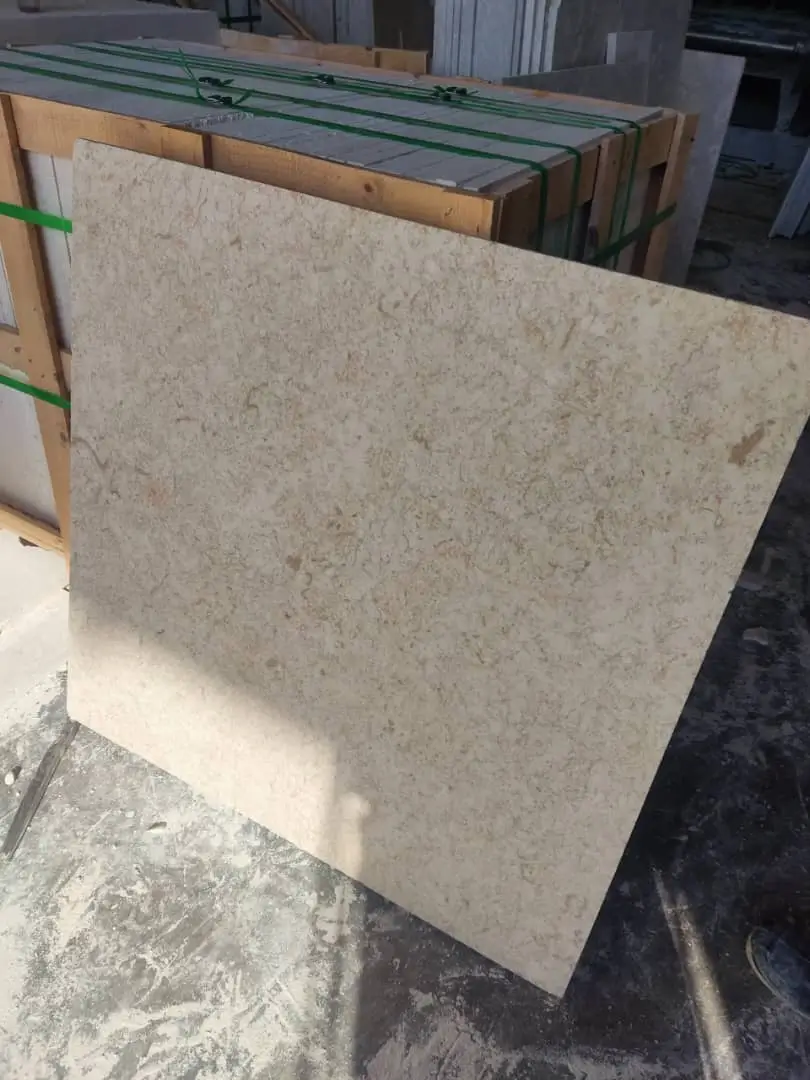
White Paver Upkeep Tips Across Arizona: Regional Adjustments by Zone
White paver upkeep tips across Arizona must account for the fact that the state isn’t climatically uniform. The Phoenix metro operates under one maintenance paradigm — low elevation, extreme summer heat, alkaline soil, monsoon moisture — while communities at higher elevations deal with freeze-thaw cycles that don’t exist in the low desert. Both contexts use white pavers, but the maintenance priorities differ substantially.
In the greater Chandler area, Chandler‘s combination of alkaline clay-loam soils and summer irrigation runoff creates above-average efflorescence pressure on white limestone pavers. Irrigation scheduling — specifically, avoiding late-evening watering cycles that keep the soil surface wet overnight — reduces the capillary moisture wicking that drives efflorescence to the surface. It’s a maintenance detail that costs nothing to implement but measurably reduces how often you need to treat white stone surfaces for salt deposits.
- In low desert zones, prioritize pre-monsoon joint sand inspection and post-monsoon sediment removal as your two highest-impact annual maintenance tasks
- In transitional elevation zones above 3,500 feet, add a freeze-thaw-rated sealer to your specification list — standard low-desert formulations may not provide adequate protection
- Adjust your sealing reapplication interval based on actual water droplet absorption tests rather than fixed calendar schedules — exposure conditions vary too much across Arizona for a single interval to apply universally
- In areas with caliche subgrade, schedule a joint sand level check in early spring after the thermal expansion cycle from winter-to-spring temperature shifts has settled
Planning Your White Paver Order: Warehouse Stock, Delivery, and Project Timing
The logistics side of white paver maintenance often gets overlooked until you’re mid-project and realize replacement pieces or additional joint sand aren’t available locally. Citadel Stone maintains warehouse inventory of white pavers across Arizona, which typically reduces material lead times to 1 to 2 weeks — significantly shorter than the 6 to 8 week cycle involved in importing specialty stone that isn’t stocked domestically.
Truck access constraints matter more than most homeowners consider when planning a paver maintenance or repair project. Delivery trucks for stone pallets require adequate driveway width and turning radius — typically a minimum 10-foot clear width and 35-foot turning radius for standard flatbed delivery. If your property access is constrained, flagging this early allows for smaller load splits that fit your site’s truck access limitations without delaying your project schedule.
- Order a minimum 10% overage in matching material to account for cuts, future repairs, and batch color matching — white stone sourced from the same quarry lot matches consistently, but subsequent orders may show subtle tone variation
- Confirm warehouse stock of your specific white paver profile before scheduling your maintenance window — running out mid-project in Arizona’s summer heat creates complications that aren’t easily resolved
- Request material samples alongside your order to verify color consistency before full delivery — particularly important for white stone, where even minor quarry variation is visually apparent
Decision Points for Long-Term White Paver Maintenance in Arizona
Maintaining white pavers in Arizona comes down to decisions made before the pavers go in and the consistent habits developed afterward. The soil beneath the installation — whether it’s caliche hardpan, expansive clay, or sandy alluvium — determines how much work the surface will ask of you over time. Getting the base preparation right, specifying proper drainage slope, and understanding your specific soil profile aren’t optional technical details — they’re the foundation of a genuinely low-maintenance installation.
Sealer selection, joint sand quality, and monsoon-season preparation are the operational levers you control year over year. The specifiers and homeowners who see white pavers age gracefully in Arizona aren’t lucky — they’re consistent on those three variables. For a closer look at how the installation process itself shapes long-term performance, How to Install White Pavers in Arizona: Step-by-Step Guide covers the foundational decisions that your maintenance program will either benefit from or work against. Citadel Stone white pavers selected for Arizona’s climate are cut at a thickness that generally supports multi-season durability without resealing every year, as observed in projects across Scottsdale, Sedona, and Yuma.