
When you specify white marble chips for yards in Arizona, you’re selecting materials that need to perform under extreme thermal stress while maintaining aesthetic appeal for decades. Arizona’s desert climate presents unique challenges that directly affect material selection, installation protocols, and long-term performance. You’ll encounter surface temperatures exceeding 160°F during summer months, UV radiation levels that degrade lesser materials within five years, and thermal cycling that ranges 60-80°F daily during transitional seasons.
Your decision to use white marble chips for landscaping AZ requires understanding how crystalline calcium carbonate responds to desert conditions. The material’s reflective properties provide genuine thermal benefits, but you need to account for expansion coefficients, porosity interactions with monsoon moisture, and surface erosion patterns specific to alkaline soils. What separates successful installations from problematic ones isn’t the material itself — it’s how you address the interaction between material properties and regional environmental stressors.
Here’s what most specifiers miss: white marble chips for yards in Arizona don’t just sit on the surface looking decorative. They create a dynamic thermal management system that affects everything from plant root zone temperatures to foundation heat transfer. You should approach specification with the same rigor you’d apply to structural materials, because these landscape elements directly impact building performance and long-term maintenance costs.
Thermal Performance in Desert Climates
White marble chips for yards in Arizona reflect 65-75% of incident solar radiation, compared to 15-25% for darker basalt or lava rock. This isn’t just about comfort — you’re looking at measurable differences in substrate temperatures that affect irrigation requirements, plant selection, and even HVAC loads for adjacent structures. When you measure surface temperatures at 2 PM in July, white marble chips typically read 145-165°F while dark aggregates exceed 185°F.
The thermal mass behavior of white decorative cobble Arizona deserves closer attention than it typically receives. Marble has specific heat capacity around 0.21 BTU/lb·°F, which means it heats quickly but also releases that heat rapidly after sunset. You’ll see this play out in practical terms — installations cool 15-20°F faster than concrete or asphalt surfaces during evening hours, creating more comfortable outdoor spaces during prime use times.
- You need to account for thermal expansion coefficients of 5.5 × 10⁻⁶ per °F in bed depth calculations
- Your installation should include edge restraint systems that accommodate 3/16″ movement per 20 linear feet
- You should specify bed depths between 2-4 inches depending on pedestrian traffic expectations
- Temperature differentials between sunlit and shaded areas create material migration patterns you’ll need to address
What catches designers off-guard is how reflectivity interacts with building facades and glazing systems. When you position bright white crushed rock Arizona within 6-8 feet of south-facing windows, you’re introducing secondary heat gain that can increase cooling loads by 8-12% during peak months. Your landscape positioning needs to balance ground-level cooling benefits against reflected radiation impacts.
Material Composition and Durability Factors
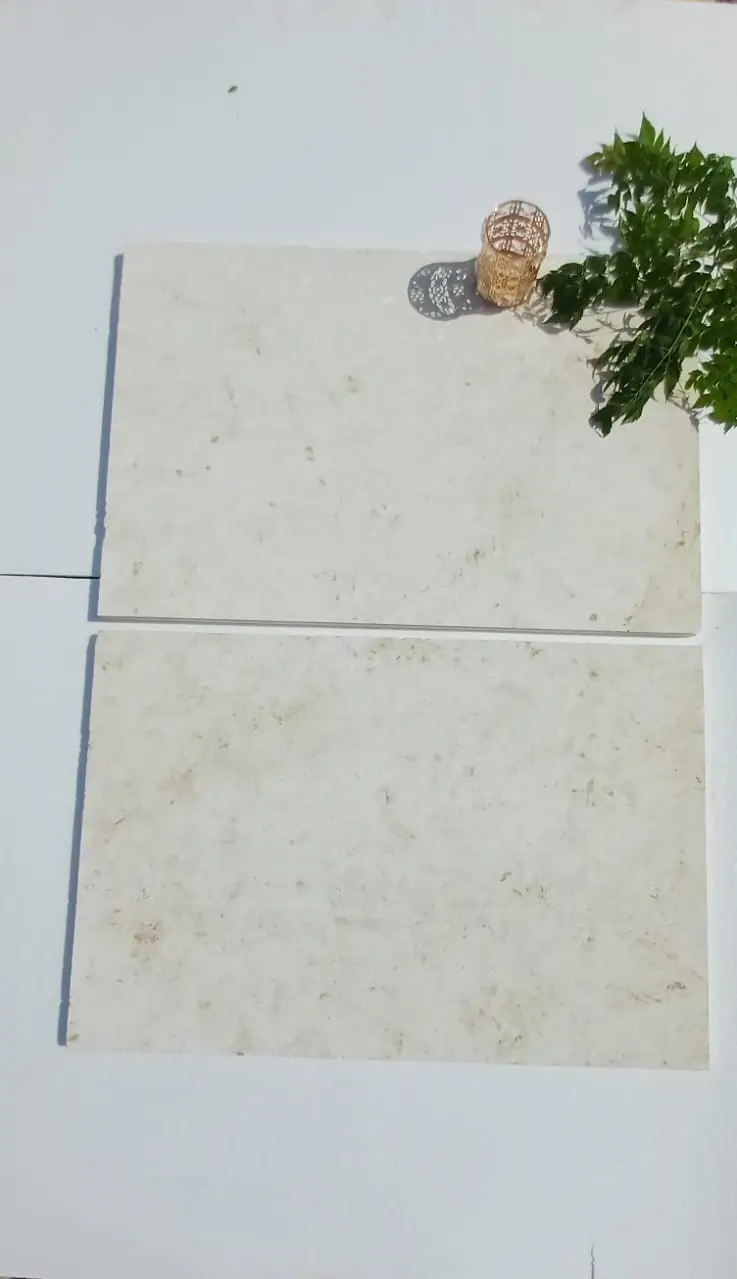
White marble chips for yards in Arizona consist of recrystallized calcium carbonate with varying degrees of metamorphic transformation. You’re working with material that formed under specific geological conditions, and those formation characteristics directly predict field performance. Coarse-grained marbles with visible calcite crystals typically offer better durability than fine-grained varieties in desert applications.
The porosity range you’ll encounter spans 0.4-2.5% for quality marble aggregates. This matters because Arizona’s alkaline soils (pH 7.8-8.4) interact with calcium carbonate in ways that affect long-term stability. You should verify that your selected material has porosity below 1.8% if you’re working in areas with caliche layers or high soil sodium content. Above that threshold, you’ll see accelerated surface degradation through salt crystallization cycles.
Hardness measurements on the Mohs scale range from 3-4 for marble, which positions it as moderately soft compared to granite (6-7) or quartzite (7). Here’s what this means in practical terms: you’ll observe surface wear in high-traffic areas after 12-15 years, compared to 25-30 years for harder materials. However, the wear pattern on white marble chips for landscaping AZ creates a naturally tumbled appearance that many clients prefer over the pristine angular look of fresh material.
- Compressive strength should exceed 8,000 PSI for applications with occasional vehicular traffic
- Absorption rates below 0.5% indicate denser material with better freeze-thaw resistance for high-elevation installations
- Crystalline structure affects how the material fractures under impact — you want interlocking grain patterns
- Source quarry geology determines trace mineral content that influences long-term color stability
Sizing and Gradation Specifications
When you specify white marble chips for yards in Arizona, sizing directly affects installation performance and maintenance requirements. Standard gradations range from 1/4″ to 3″ nominal diameter, but your selection needs to consider pedestrian comfort, material migration rates, and visual scale relationships. What works for commercial plaza applications creates problems in residential courtyard settings.
The 3/8″ to 3/4″ range represents the sweet spot for most Arizona residential applications. You get adequate coverage at 2.5-3 inch depths, comfortable walking surfaces, and resistance to wind displacement during monsoon storm events. Smaller white pea gravel Arizona (1/4″ to 3/8″) works well for decorative borders and planting bed top-dressing, but you’ll need 30-40% more material to achieve equivalent visual density.
Larger white decorative cobble Arizona in the 1.5-3″ range serves specific design intentions — you’re creating visual texture and deliberate pedestrian control. These installations require 4-6 inch bed depths to prevent substrate exposure and need more aggressive edge restraint. You should calculate coverage at 100-120 square feet per ton for 3″ depth, compared to 160-180 square feet per ton for 3/4″ chips at 2.5″ depth.
- Your gradation specification should allow maximum 15% variation from nominal size to prevent stratification
- You need to verify wash quality — excess fines below #200 sieve create bonding and drainage problems
- Material migration increases exponentially as size decreases below 1/2″ diameter in sloped applications
- You should specify closed gradations rather than open gradations for uniform coverage appearance
Installation Base Preparation Requirements
Your installation success with white marble chips for yards in Arizona starts 6-8 inches below finish grade. Base preparation determines drainage performance, material stability, and long-term maintenance intensity. What you do in the first three days of installation affects how the project performs for the next 20 years.
Native Arizona soils present specific challenges you need to address systematically. Caliche layers appear 12-36 inches below grade in 60% of desert basin locations — you’ll need to remove or fracture these impervious strata to establish drainage paths. Clay-heavy soils with expansion coefficients above 0.05 require stabilization with compacted aggregate base 4-6 inches thick before you install landscape fabric.
The fabric specification itself deserves more attention than it typically receives. You should use nonwoven geotextiles rated at 3-5 ounce weight for standard applications, increasing to 6-8 ounce for areas with tree root intrusion potential. Woven fabrics create filtration problems with fine particles — you’ll see substrate migration through the fabric interstices within 18-24 months. When you source materials through Citadel Stone landscape stone wholesale for regional projects, you’re accessing technical support for fabric compatibility verification.
- You need to establish positive drainage with minimum 2% slope away from structures
- Your base should be compacted to 92-95% modified Proctor density for pedestrian applications
- You’ll want to install header boards or metal edging anchored 8-10 inches deep for permanent edge restraint
- Subsurface moisture barriers become critical within 5 feet of building foundations to prevent capillary rise
Monsoon Moisture Management
Arizona’s monsoon season delivers 30-50% of annual precipitation in concentrated storm events that dump 1-3 inches in under two hours. When you design installations with white marble chips for yards in Arizona, you’re planning for these intense hydrological events that test drainage capacity and material stability. The difference between functional and problematic installations comes down to how you manage this seasonal water loading.
Surface runoff velocities during monsoon storms reach 3-5 feet per second on sloped terrain. At these flow rates, marble chips below 3/4″ diameter begin migrating unless you’ve installed adequate flow interruption features. You should incorporate step transitions, French drains, or linear channel systems at 15-20 foot intervals on slopes exceeding 4%. Without these controls, you’ll see material accumulation in low areas and substrate exposure on high points within one season.
The porosity characteristics of white decorative cobble Arizona affect how installations respond to rapid moisture cycling. When you’re working with material in the 1-2% porosity range, absorption during storm events reaches 0.3-0.5% by weight. This sounds minimal, but across a 2,000 square foot installation at 3 inch depth (roughly 12 tons), you’re looking at 60-120 pounds of water retention. That moisture needs to dissipate through the base layer to prevent efflorescence development and biological growth.
- Your drainage design must handle peak flow rates of 0.4-0.6 cubic feet per second per 1,000 square feet
- You need base layer permeability at least 4x greater than surface layer to prevent subsurface saturation
- Installation areas should incorporate overflow relief paths for flows exceeding design storm capacity
- You should avoid installations in natural drainage channels unless you engineer specific flow management structures
UV Stability and Color Retention
Arizona delivers UV radiation levels 20-30% higher than temperate zones, with annual exposure exceeding 6,500 MJ/m². When you specify white marble chips for yards in Arizona, you’re selecting material that needs to maintain color stability under this extreme photon bombardment. Unlike manufactured products with polymer binders or pigmented coatings, natural marble’s color comes from its crystalline structure and trace mineral content.
Pure white marbles derive color from calcium carbonate crystal structure with minimal mineral impurities. You’ll see exceptional UV stability from these sources — color shift measurements after 10 years of exposure show less than 2% variation in reflectance values. Marbles with warm tones (cream, ivory, light gray veining) contain trace iron, manganese, or organic compounds that can oxidize under sustained UV exposure, shifting color 5-8% over the same period.
What you need to understand is that color “stability” differs from color “consistency.” New white marble chips for landscaping AZ installations show bright, angular surfaces with high reflectance. After 24-36 months of weathering, you’ll observe natural dulling as surface microabrasion from wind-blown dust creates microscopic texture. This reduces specular reflection while maintaining overall color value — it’s not degradation, it’s natural weathering that most clients prefer for the softer appearance.
- You should request color stability testing documentation showing ASTM D4303 compliance for critical applications
- Source quarry consistency matters — verify the supplier maintains access to the specific geological strata over project lifespan
- Your specification can include periodic washing protocols to remove dust accumulation and restore reflectance
- You’ll achieve best long-term appearance by selecting tumbled or naturally rounded chips rather than sharp angular crushed stone
Comparative Material Analysis
When you evaluate white marble chips for yards in Arizona against alternative materials, you’re comparing performance across thermal management, maintenance requirements, cost factors, and aesthetic longevity. Each material category presents specific trade-offs that affect project success metrics differently.
White granite chips offer superior hardness (Mohs 6-7) compared to marble, which translates to longer service life in high-traffic applications. You’ll see 20-25 year performance before noticeable wear patterns emerge, versus 12-15 years for marble. However, granite’s lower reflectance (55-65% versus 65-75%) means you sacrifice 8-10°F of thermal performance benefit. The cost differential runs 40-60% higher for comparable gradations, which affects project budgets significantly.
Bright white crushed rock Arizona sourced from limestone deposits presents interesting performance characteristics. The material costs 25-35% less than marble, and reflectance values match or exceed marble at 70-80%. Where you run into limitations is durability — limestone’s Mohs hardness of 3 means you’ll see surface degradation in 8-10 years under pedestrian traffic. For low-traffic decorative applications, limestone delivers excellent value. For plaza or courtyard installations, the shorter service life creates long-term cost disadvantages.
- White quartz aggregates provide maximum hardness but cost 80-120% more than marble for equivalent coverage
- Recycled white concrete aggregate offers budget advantages but shows color inconsistency and lower reflectance
- White pea gravel Arizona delivers smooth surfaces ideal for barefoot areas but migrates more readily than angular chips
- Synthetic white stone products maintain perfect color consistency but lack the natural weathering characteristics clients prefer in high-end installations
Maintenance Protocols and Longevity
Your maintenance program for white marble chips for yards in Arizona directly determines whether installations maintain specification appearance for 15-20 years or degrade noticeably within 5-7 years. The difference isn’t material quality — it’s systematic attention to specific degradation mechanisms unique to desert environments.
Dust accumulation represents the primary maintenance challenge. Arizona’s desert winds deposit fine silica particles that embed in surface texture, reducing reflectance by 15-25% annually without intervention. You should establish biannual washing protocols using low-pressure water (under 800 PSI) to remove this accumulation without displacing material. High-pressure washing above 1,200 PSI fractures marble surface crystals and accelerates long-term degradation.
Material migration occurs through three mechanisms: wind displacement, water flow, and pedestrian traffic. You’ll lose 2-5% of surface material annually in exposed installations without edge restraint maintenance. Your protocol should include quarterly inspection of header boards and edging systems, with immediate repair of separations exceeding 1/4 inch. Annual material replenishment at 3-5% of original volume maintains consistent appearance and prevents substrate exposure.
- You need to remove organic debris monthly during growing season to prevent decomposition staining
- Your maintenance specification should address tree root intrusion monitoring in installations near desert species
- You’ll want to schedule fabric inspection every 3-5 years to verify continued weed suppression performance
- Monsoon season requires post-storm assessment within 48 hours to address flow-related material displacement
Cost Analysis and Project Budgeting
When you budget for white marble chips for yards in Arizona, you’re looking at material costs ranging from $85-140 per ton depending on size gradation, source quarry, and order volume. For standard residential applications, you’ll calculate requirements at 1.4-1.6 tons per 100 square feet at 3 inch depth, putting material costs at $120-225 per 100 square feet installed area.
Installation labor represents 40-55% of total project cost in competitive markets. You should budget $2.50-3.75 per square foot for complete installation including excavation, base preparation, fabric installation, edging, and material placement. This assumes accessible sites with reasonable truck access — difficult access conditions or extensive grading requirements can increase labor costs by 30-50%.
What many project budgets fail to capture is the long-term value proposition compared to alternative solutions. White marble chips for landscaping AZ installations require 60-70% less maintenance labor over 15 years compared to planted groundcover or turf alternatives. When you calculate irrigation costs (eliminated), mowing and trimming labor (eliminated), and fertilization programs (eliminated), the aggregate material installation recovers cost premium within 4-6 years for typical residential applications.
- You should verify warehouse stock availability before finalizing project timelines to avoid premium rush order charges
- Bulk order discounts typically begin at 15-20 ton quantities, reducing per-ton cost by 15-25%
- Your budget needs to include 8-12% material overage for cuts, waste, and future repair stock
- Edge restraint systems add $4-8 per linear foot depending on material selection and installation complexity
Design Integration Strategies
White marble chips for yards in Arizona function as both thermal management tools and design elements when you integrate them strategically within overall landscape composition. The high contrast between bright white surfaces and desert vegetation creates visual emphasis that you can use to direct circulation, define spaces, and establish hierarchy.
Pairing white decorative cobble Arizona with dark accent materials generates maximum visual impact. You’ll create striking patterns using 12-18 inch bands of black lava rock or dark basalt as borders or geometric inserts within white fields. This contrast strategy works particularly well in contemporary designs where you’re establishing clean lines and bold spatial definition. The thermal performance trade-off — dark materials absorb heat white materials reflect — can be managed by limiting dark material to 15-25% of total coverage area.
Textural variation through sizing creates depth without color introduction. You can establish primary circulation paths using larger 1.5-2 inch cobbles while surrounding planting areas receive finer 3/8-3/4 inch chips. This size differentiation provides subtle wayfinding and creates maintenance boundaries — larger materials in traffic areas resist displacement while finer materials around plants facilitate seasonal mulching and amendment incorporation.
- You should maintain minimum 30% plant coverage to prevent stark, over-hardscaped appearance
- Your design can incorporate vertical elements like boulders or sculptural features to break horizontal monotony
- Transition zones between white marble and native desert require careful plant selection to avoid excessive visual contrast
- You’ll achieve best results by limiting white marble installations to formal or semi-formal design zones rather than naturalistic areas
Common Specification Mistakes
The most frequent error specifiers make with white marble chips for yards in Arizona involves inadequate edge restraint specification. You’ll see installations where landscape fabric and aggregate extend to grade without physical containment — within 6-12 months, material migrates laterally 4-8 inches, creating irregular edges and substrate exposure. Your specification must include permanent edging anchored minimum 8 inches deep with top edge at or slightly above finish grade.
Fabric selection represents another critical failure point. Woven geotextiles look appropriate in product literature but create long-term problems in practice. The tight weave pattern allows fine particles to accumulate on the fabric surface rather than filtering through — you’ll see pooling during irrigation or storm events, biological growth within 18-24 months, and eventual fabric degradation from UV exposure through gaps in material coverage. You should specify nonwoven fabrics exclusively for marble chip installations.
Depth specification errors create both performance and economic problems. Specifying 2 inch depths saves 33% on material cost initially, but you’ll see substrate showing through within one season as natural settling and migration occur. Your specification should establish minimum 2.5 inch depth for low-traffic decorative areas, increasing to 3-4 inches for pedestrian zones. This provides adequate coverage after settling and migration while maintaining visual consistency.
- Failing to address subsurface drainage creates moisture retention problems that aren’t apparent until monsoon season
- Specifying multiple disparate size ranges in the same area creates stratification and inconsistent appearance
- Omitting maintenance protocols from project closeout documentation leads to premature degradation
- Not accounting for thermal expansion in adjacent hardscape creates joint failure and material displacement
Citadel Stone Landscape Stone Arizona — Specification Guidance Across Regions
When you consider landscape stone Arizona options for your project, you’re evaluating materials designed for extreme climate performance across diverse elevation and temperature zones. At Citadel Stone, we provide technical guidance for applications throughout Arizona’s varied landscapes. This section outlines how you would approach material selection and installation planning for six representative cities, demonstrating the regional factors you should address in professional specifications.
Arizona’s climate zones range from low desert basins with minimal precipitation to high-elevation areas experiencing significant freeze-thaw cycling. You need to match material properties to these regional conditions while maintaining design intent. The following city-specific discussions illustrate how you would adapt white marble chips for yards in Arizona specifications to local environmental stressors and performance requirements.
Phoenix Heat Management
In Phoenix applications, you would prioritize thermal reflectance as the critical performance factor. Summer surface temperatures on dark materials regularly exceed 185°F, creating unusable outdoor spaces during peak hours. When you specify white marble chips for yards in Arizona in Phoenix projects, you’re delivering 35-45°F surface temperature reduction compared to asphalt or dark stone alternatives. Your installation would benefit from increased depth specifications — 3.5-4 inches rather than standard 3 inches — to provide thermal mass buffering that extends evening comfort hours. You should recommend pairing with shade structures oriented to minimize reflected radiation impact on south and west-facing glazing systems between May and September.
Tucson Soil Compatibility
Tucson’s caliche-heavy soils and alkaline pH levels (7.9-8.3) would require you to emphasize drainage and base preparation in specifications. You’d recommend minimum 6 inch base preparation with mechanical caliche fracturing where impervious layers appear within 18 inches of grade. The calcium carbonate composition of white marble chips for landscaping AZ creates chemical compatibility with local soils, reducing efflorescence risk compared to granite or quartzite alternatives. Your specification would address monsoon flow management with linear drains or French drain systems at 20-foot intervals in sloped installations. You should verify that fabric selection uses nonwoven geotextiles rated for high-pH soil contact to ensure 15-20 year service life.
Scottsdale Luxury Residential
For Scottsdale’s high-end residential market, you would focus specifications on aesthetic consistency and premium gradation control. Your material selection would emphasize tumbled or naturally rounded profiles rather than angular crushed stone to create the refined appearance luxury clients expect. You’d specify closed gradations with maximum 10% size variation to ensure uniform coverage and minimize visible substrate exposure. When you plan installations around resort-style pool decks and outdoor living areas, you should recommend 3/4-1 inch sizing for comfortable barefoot traffic while maintaining visual scale appropriate to expansive hardscape areas. Color consistency verification from source quarry documentation would be essential for projects where you’re matching existing installations or coordinating multiple material deliveries over extended construction timelines.
Flagstaff Freeze-Thaw Performance
Flagstaff’s elevation at 6,900 feet introduces freeze-thaw cycling that doesn’t affect lower desert installations. You would need to verify material porosity below 1.5% and absorption rates under 0.4% to ensure adequate durability through 40-60 annual freeze-thaw events. Your specification would address base preparation with deeper aggregate layers — minimum 6-8 inches of compacted Class 2 road base — to prevent frost heaving that displaces surface materials. When you select white marble chips for yards in Arizona for Flagstaff applications, you should recommend larger sizing (1-1.5 inch) to resist displacement from snow removal operations and spring meltwater flows. Edge restraint systems would require frost-depth anchoring at 18-24 inches to maintain stability through seasonal ground movement cycles.
Sedona Red Rock Integration
In Sedona’s distinctive red rock landscape, you would approach white marble specifications carefully to avoid excessive visual contrast with natural surroundings. Your material selection might lean toward warm-toned whites with subtle cream or ivory characteristics rather than bright pure white that creates harsh juxtaposition against iron-rich sandstone formations. You’d recommend limiting white marble installations to formal entry courts, patios, and architectural zones while transitioning to native decomposed granite or red/tan aggregates in areas interfacing with natural landscape. Installation depth specifications would address the area’s well-draining sandy soils — 2.5-3 inches provides adequate coverage without the deeper beds required in clay-heavy regions. You should plan for dust management protocols given the fine red dust that pervades the region and requires quarterly washing to maintain material reflectance properties.
Yuma Extreme Heat
Yuma’s position as one of the hottest and sunniest cities in North America would make thermal performance your primary specification driver. You’d encounter summer conditions where ambient temperatures exceed 115°F for extended periods and solar radiation reaches maximum intensity. When you specify white marble chips for yards in Arizona for Yuma projects, you’re delivering critical thermal management that makes outdoor spaces functional during morning and evening hours. Your installation recommendations would include maximum depth specifications — 4-5 inches in primary outdoor living areas — to provide thermal mass that moderates afternoon heat retention. You should address wind erosion given the area’s exposure to sustained desert winds, specifying larger aggregate sizing (1-2 inch) in unprotected areas and robust edge restraint systems anchored 10-12 inches deep to resist material displacement during spring wind events.
Professional Sourcing Considerations
When you source white marble chips for yards in Arizona, you’re evaluating suppliers based on material consistency, delivery reliability, technical support, and long-term availability. The relationship between material source and project success extends beyond initial delivery — you need assurance that replacement or expansion materials will match existing installations 5-10 years after original purchase.
Quarry source documentation provides critical information for professional specifications. You should request geological survey data showing the specific strata being mined, mineral composition analysis, and physical property testing results. This documentation allows you to verify that material meets your performance requirements and provides basis for future matching if your project requires phased installation or long-term maintenance stock.
Lead time planning becomes essential for projects with fixed deadlines. Standard delivery windows range from 5-10 business days for stock gradations, extending to 3-4 weeks for custom sizing or large-volume orders requiring special production runs. You’ll avoid schedule conflicts by verifying warehouse availability before committing to installation timelines — this single step prevents the premium freight charges and expedited processing fees that emerge when you discover material unavailability during mobilization.
- Your supplier evaluation should include site visit capabilities for large or complex projects requiring technical consultation
- You need to establish whether the supplier maintains consistent access to source quarry or works through multiple vendors
- Delivery logistics matter — confirm truck access requirements and unloading capabilities match your site conditions
- You should request sample materials for mock-up installations before finalizing large orders to verify appearance expectations
Environmental Considerations
White marble chips for yards in Arizona deliver measurable environmental benefits compared to turf or high-water landscaping alternatives. When you eliminate irrigation requirements across 2,000 square feet of residential landscape, you’re conserving 40,000-60,000 gallons of water annually in Phoenix metro conditions. This reduction directly addresses Arizona’s groundwater depletion challenges while eliminating fertilizer and pesticide applications associated with planted groundcover.
The urban heat island effect receives substantial mitigation through strategic white marble installation. Research across southwestern metropolitan areas shows that replacing dark hardscape with high-reflectance materials reduces ambient air temperatures 2-4°F in immediate vicinity and contributes to 0.5-1°F reduction across neighborhood scales. When you specify white decorative cobble Arizona for commercial plaza or multifamily projects, you’re participating in broader urban cooling strategies that reduce regional cooling loads and improve outdoor air quality.
Material sourcing sustainability deserves consideration in environmental impact assessment. Natural stone extraction creates quarry disturbance and processing energy consumption, but the material’s 20-30 year service life and complete recyclability offset initial impacts. You’re working with inert material that doesn’t leach chemicals, doesn’t require replacement on 2-3 year cycles like organic mulches, and can be repurposed at end of service life for aggregate base or fill applications.
Next Steps Forward
Your successful specification of white marble chips for yards in Arizona requires systematic attention to material properties, environmental factors, installation protocols, and long-term maintenance planning. The performance differences between professional installations and problematic projects trace directly to how thoroughly you address the interaction between material characteristics and regional climate stressors. You’ll achieve 15-20 year service life when you match material gradation to application requirements, specify adequate base preparation for local soil conditions, and establish edge restraint systems that accommodate thermal movement and material migration forces.
The economic analysis supports material investment when you calculate total cost of ownership rather than initial installation expense alone. Compared to turf alternatives requiring irrigation, mowing, and seasonal renovation, or planted groundcover demanding regular maintenance and periodic replacement, white marble installations deliver superior long-term value through minimal maintenance requirements and extended service life. Your project budgets should capture these lifecycle advantages to justify the material premium over lower-cost alternatives with shorter performance windows.
Professional practice demands that you approach landscape aggregate specification with the same rigor applied to structural materials and building envelope components. The environmental conditions in Arizona — extreme temperatures, intense UV radiation, alkaline soils, and concentrated storm events — create performance demands that separate specification-grade materials from commodity products. For additional insights into complementary materials and contrast design strategies, review Black lava rock landscaping applications in Arizona desert climates before you finalize your project specifications. Bold designs feature Citadel Stone’s striking landscape stone black in Arizona volcanic materials.