

Key Takeaways – Benefits of White Limestone Tiles
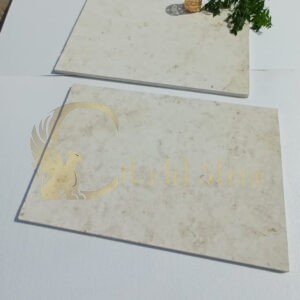
- White limestone tiles feature unique color variations and a distinct silver vein, creating a visually appealing and sophisticated aesthetic that complements various design styles.
- These tiles are versatile for both indoor and outdoor applications, making them suitable for high-traffic areas, patios, wall cladding, and more, while offering durability and elegance.
- Available in multiple sizes and finishes, white limestone tiles cater to diverse design preferences and ensure the maintenance of their beauty with proper care and regular sealing.
Unique Features of White Limestone Tiles
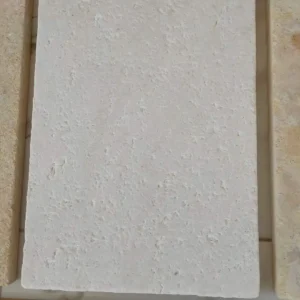
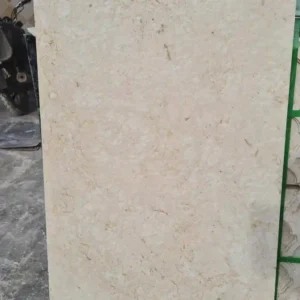
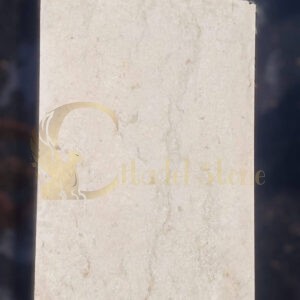
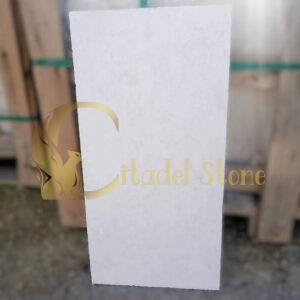
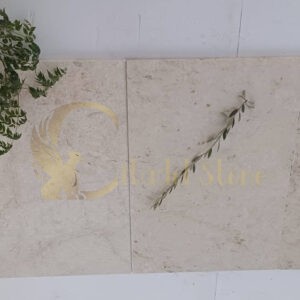
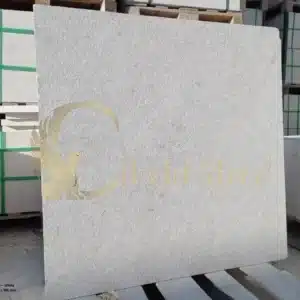
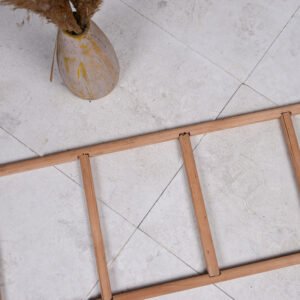
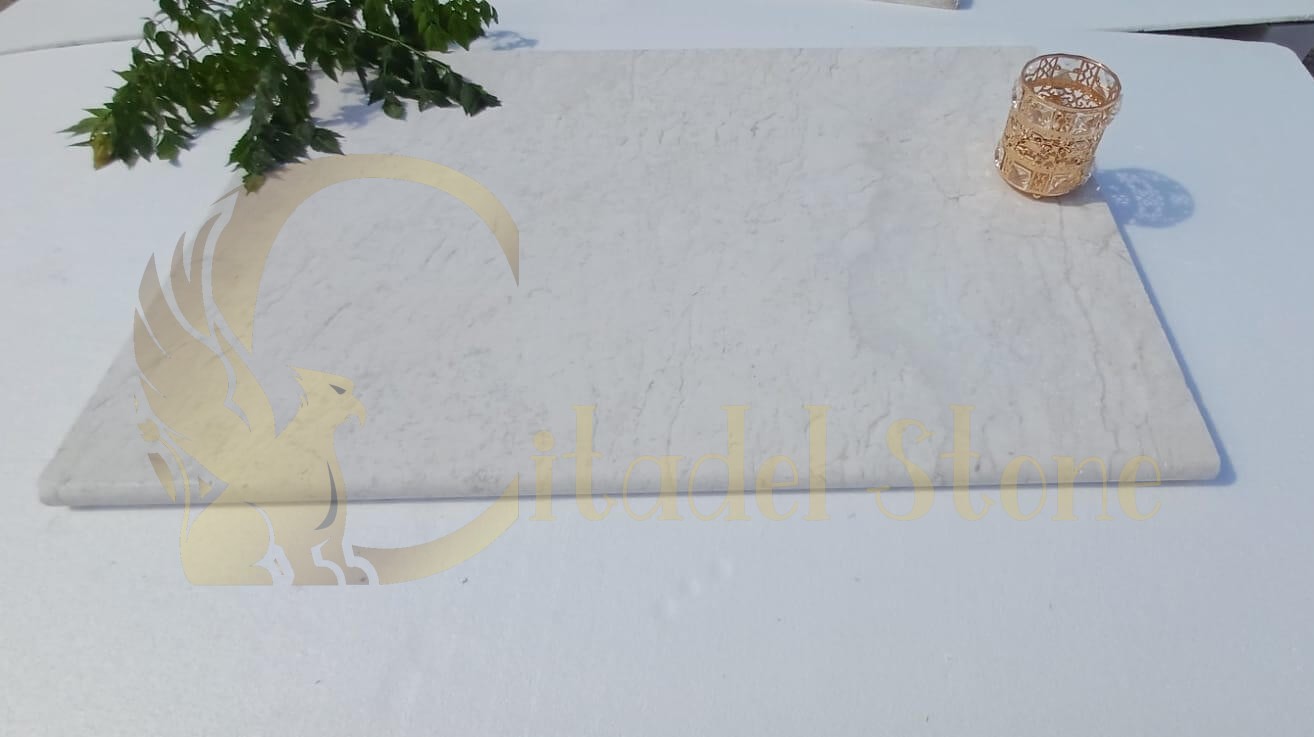
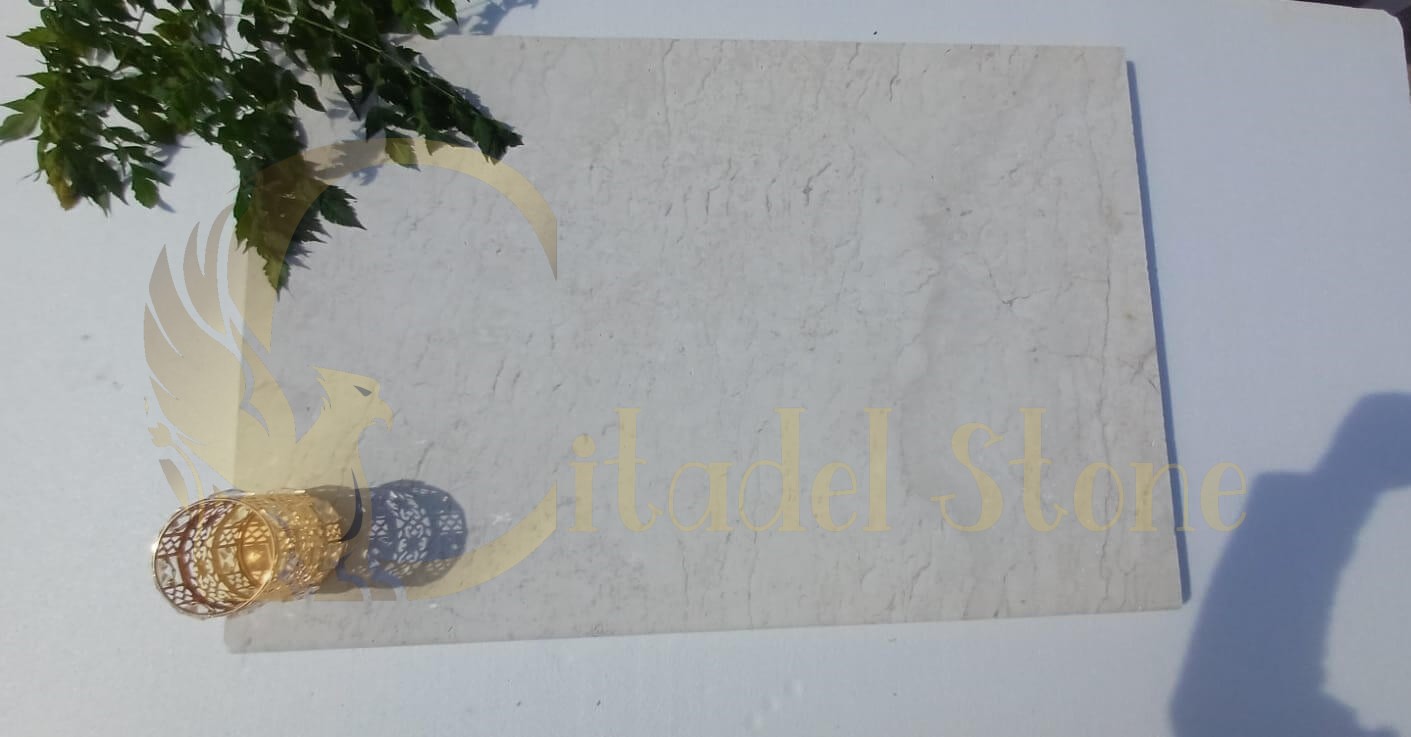
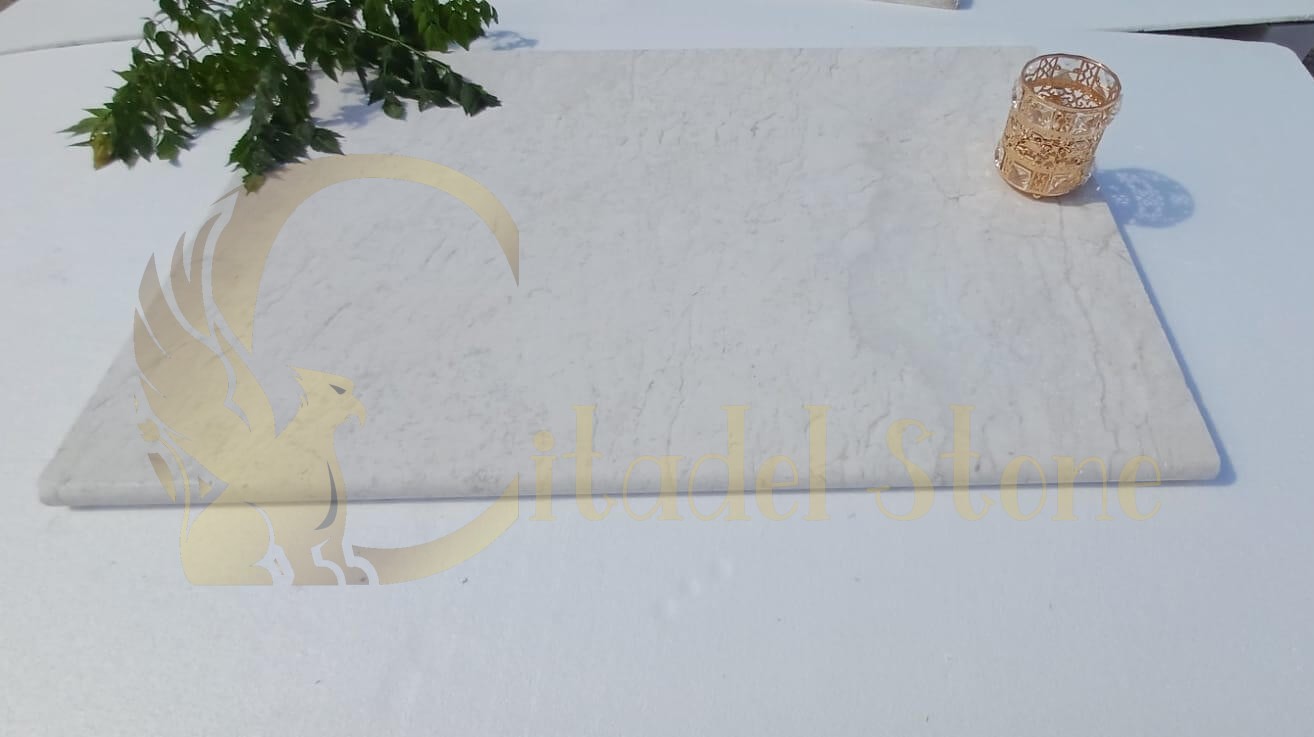
White limestone tiles stand out in the realm of natural stone tile due to their distinct and captivating features. The color variations, ranging from soft creams to deeper shades, add a layer of sophistication to any setting. Citadel Stone’s textured white limestone tiles for natural outdoor spaces are particularly renowned for their unique white and cream color variations, often highlighted by a soft vein sporadically appearing throughout the tile. This subtle interplay of colors creates a visually appealing surface that exudes elegance.
Moreover, each white limestone tile showcases a distinct silver vein that weaves through its surface, enhancing its aesthetic appeal and making each piece a one-of-a-kind masterpiece. These features enhance the tiles’ visual allure and their ability to blend seamlessly with various design styles.
Their minimal color variation and inviting appearance make them a preferred choice for infusing spaces with timeless beauty.
Versatile Applications for White Limestone Tiles
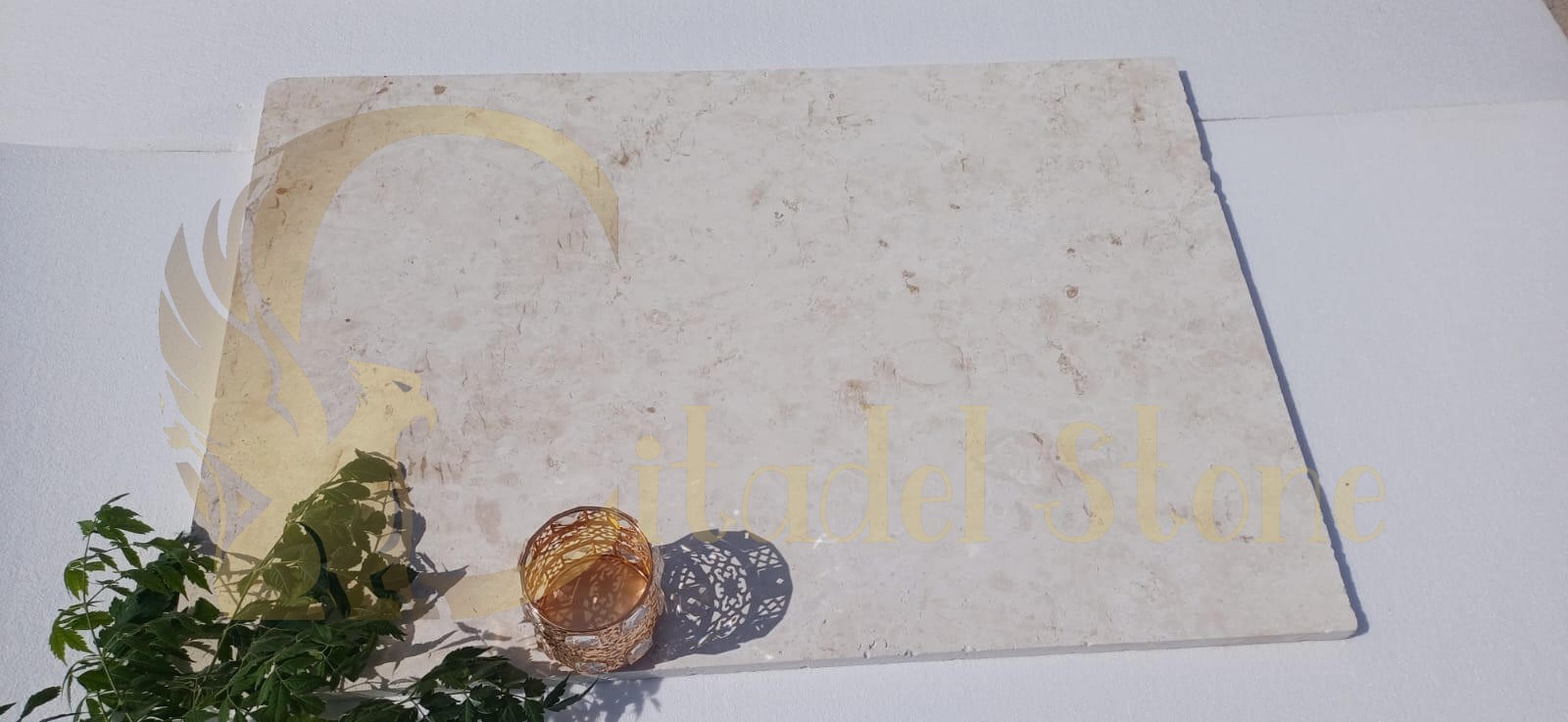
Seamless white limestone tiles for clean, modern aesthetics are celebrated for their elegant beauty and adaptability, making them suitable for a broad range of design styles and applications. Their versatility makes them suitable for both indoor and outdoor settings, ensuring a seamless transition between areas of a home. Whether you’re looking to create a sophisticated indoor environment or enhance your outdoor spaces, white limestone tiles offer endless possibilities.
The variety of finishes and textures available further enhances their versatility, enabling unique design statements in any setting. Whether for flooring, wall applications, patios, or walkways, these tiles can be tailored to meet the specific needs and aesthetic preferences of any project.
The diverse indoor and outdoor applications of rustic white limestone tiles for vintage-inspired designs will be explored in greater detail.
Indoor Uses
Interior designers favor premium limestone tiles for exclusive designs for their warmth underfoot, making them ideal for living spaces. The combination of elegance and practicality in Citadel Stone’s white limestone tiles, particularly their anti-slip features, makes them suitable for various residential and commercial projects. These tiles are perfect for high-traffic areas like kitchens and public buildings, where durability is a must.
In addition to flooring, durable white limestone tiles for everlasting charm can be used for wall cladding, significantly enhancing the aesthetic of interiors. Whether applied to full walls or as accent features, limestone wall cladding adds a sophisticated touch to any space. The minimal color variation and inviting appearance of these tiles make them a versatile choice for different interior styles, from modern minimalist to classic elegance.
The timeless beauty of stylish white limestone tiles for upscale entertainment spaces complements traditional furnishings, providing a neutral palette that enhances a room’s overall aesthetic. Whether aiming for a contemporary look or a classic design, white limestone tiles blend elegance and functionality perfectly.
Outdoor Uses
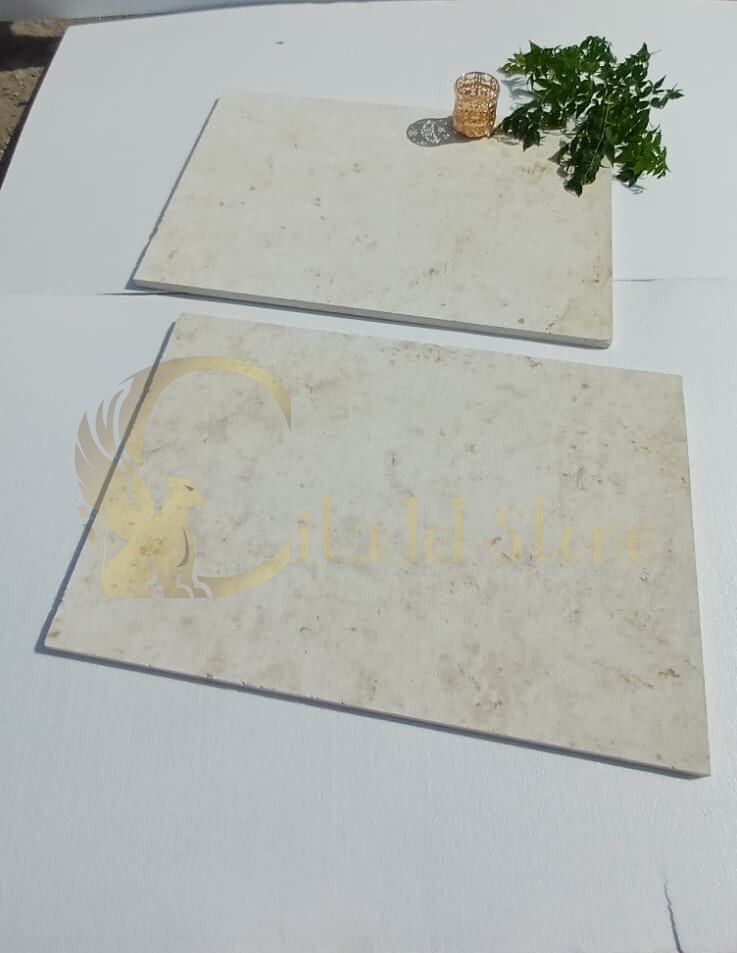
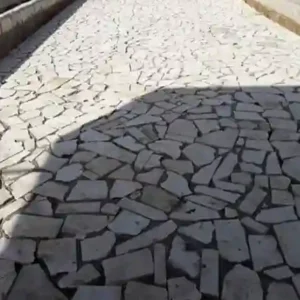
White limestone tiles are equally impressive in outdoor settings, thanks to their weather resistance and aesthetic appeal. These tiles are perfect for patios and walkways, where they blend seamlessly with natural surroundings while providing a durable and attractive surface. The non-slip properties of white limestone make them safe for areas around pools and outdoor paving, ensuring both beauty and practicality.
Citadel Stone’s white limestone tiles, known for their resistance to weather and frost, are commonly chosen for outdoor paving projects. The combination of aesthetic appeal and practical safety features makes these tiles an excellent choice for enhancing outdoor areas, offering both functionality and a touch of elegance.
Available Sizes and Thicknesses
Citadel Stone’s white limestone tiles are available in a comprehensive range of sizes and thicknesses to suit various applications and design preferences. Whether you’re looking for small tiles for intricate patterns or larger slabs for expansive areas, there is a size to meet your needs. Common sizes include 6”x6”, 12”x12”, 18”x18”, 12”x24”, and 24”x24” inches.
Thickness options range from 1/2” to 2-1/2”, allowing for flexibility in both indoor and outdoor applications. Tiles sized up to 18” x 24” typically range from 1/2” to 1” in thickness, while larger sizes are available in thicknesses from 1-1/4” to 2-1/2”.
This variety ensures that you can find the perfect fit for any project, whether it’s a delicate interior design or a robust outdoor installation.
Technical Specifications
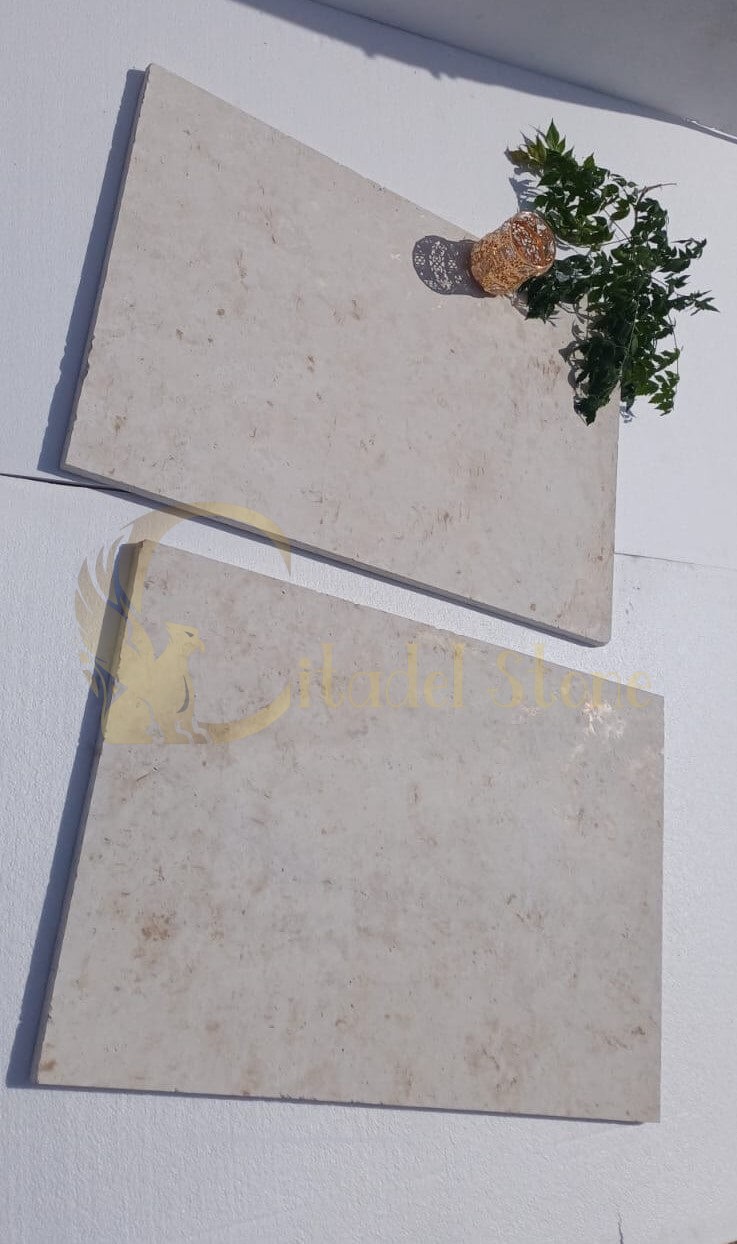
The technical specifications of Citadel Stone’s white limestone tiles highlight their superior quality and durability. With a density ranging around 2.3 to 2.7 g/cm³, these tiles boast a robust structure that can withstand substantial wear and tear. The low absorption rate, often below 1%, makes them suitable for various environmental conditions, preventing water damage and ensuring longevity.
Additionally, the compressive strength of these tiles is generally around 70 to 120 MPa, showcasing their ability to handle significant loads without cracking or breaking. The flexural strength measurements, ranging between 10 to 15 MPa, further emphasize their resistance to bending forces.
With good abrasion resistance and a modulus of rupture typically falling within the range of 9 to 12 MPa, Citadel Stone’s white limestone tiles are designed to maintain their appearance and integrity even in high-traffic areas.
Finishes and Textures
Each limestone tile features unique textures and patterns due to its natural formation process, making every tile a distinctive piece of art. The available finishes, such as honed and polished, allow for customization to suit individual preferences and design needs. A honed finish provides a smooth and matte surface, enhancing the natural beauty of the stone.
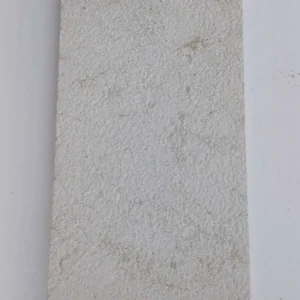
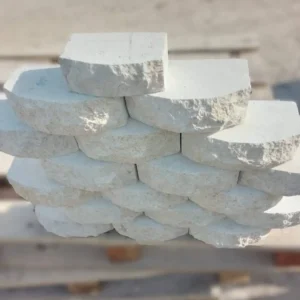
For those seeking a more textured feel, brushed finishes add visual interest and improve grip, making them suitable for wet areas. Textured finishes can create a rustic look, adding dimension and character to floors and other surfaces. The choice of finish can greatly impact the overall aesthetic and functionality of white limestone tiles, making them a versatile option for various design projects.
Design Inspiration with White Limestone Tiles
The inherent beauty and adaptability of white limestone tiles make them a favorite among designers and homeowners alike. These tiles can be seamlessly integrated into various architectural and decorative applications, enhancing both the aesthetic appeal and functionality of a space. From modern minimalist to classic elegance and rustic charm, white limestone tiles offer endless design possibilities.
Coordinating wall, floor, and mosaic tiles in white limestone further enhance design flexibility, allowing for cohesive and visually stunning interiors. The choice of finish can also play a crucial role in achieving the desired look and feel for both residential and commercial environments.
In the following subsections, we will explore how white limestone tiles can be used to create different design styles.
Modern Minimalist
In modern minimalist designs, white limestone tiles create a clean and spacious atmosphere, emphasizing simplicity and uncluttered aesthetics. The use of these tiles contributes to a sleek and streamlined look, perfect for contemporary interiors that prioritize functionality and minimalism. Their clean lines and understated elegance make them perfect for creating a serene, harmonious environment.
Additionally, the heat-retaining properties of white limestone make them a popular choice for wellness areas, enhancing comfort and relaxation. White limestone tiles allow modern minimalist spaces to balance beauty and practicality, resulting in a calming and inviting ambiance.
Classic Elegance
White limestone tiles evoke a sense of timeless beauty, making them ideal for classic home designs with rich textures and patterns. The luxurious look of these tiles complements traditional decor, adding warmth and sophistication to any room. In bathrooms, white limestone creates a spa-like atmosphere with its natural and elegant appearance.
Whether for flooring, wall tiles, or vanity tops, white limestone tiles offer a durable and visually appealing option that complements both traditional and contemporary styles effortlessly. Their compatibility with various design themes makes them versatile for creating classic elegance in home interiors.
Rustic Charm
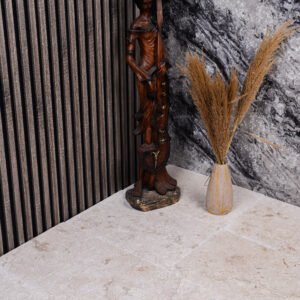
In rustic settings, white limestone tiles add warmth and texture, enhancing a cozy, cottage-like feel. The natural, earthy look of these tiles contributes to a rustic atmosphere, especially when paired with natural wood elements and earthy colors. The tumbled finish of white limestone tiles further enhances their rustic appeal, making them suitable for cottage-style interiors.
White limestone tiles offer a perfect balance of beauty and practicality, making them an excellent choice for creating a rustic charm in home interiors. Their ability to evoke coziness and warmth ensures their popularity among those seeking a natural and earthy aesthetic.
Maintenance and Care Tips
Maintaining the beauty and longevity of white limestone tiles requires regular care and attention. Regular sweeping with a soft-bristle broom or dust mop helps protect the tiles from scratches caused by dirt and sand. Using a damp mop instead of a wet mop is more effective for cleaning limestone, as it prevents dirt from moving into the grout lines.
Acidic cleaners should be avoided, as they can etch and dull the surface of limestone tiles. Resealing limestone tiles approximately every two years helps maintain their protection against stains. A simple water test can indicate if the tiles need resealing: if water darkens the surface upon contact, it’s time to reapply the sealer.
For stain removal, use a poultice made from dry powder and a liquid that dissolves the stain-causing material. Professional restoration services can revive worn limestone floors without replacement, ensuring your tiles remain beautiful and functional for years.
Customer Testimonials
Builders and clients alike consistently praise the exceptional durability and aesthetic appeal of Citadel Stone’s white limestone tiles. The luxurious look of these tiles has impressed many, making them a preferred choice for elegant home interiors. Customer testimonials provide valuable insights from builders regarding the quality and desirability of Citadel Stone’s white limestone tiles.
The consistent positive feedback underscores the satisfaction and confidence that homeowners and builders have in these tiles. Their ability to transform spaces with unique beauty and practicality makes them highly recommended for enhancing home interiors.
Citadel Stone White Limestone Tiles Collection
White limestone tiles offer a perfect blend of elegance, versatility, and durability, making them an ideal choice for both indoor and outdoor applications. Their unique features, such as color variations and elegant veins, enhance the aesthetic appeal of any space. Available in various sizes, thicknesses, and finishes, these tiles can be tailored to meet the specific needs of any project.
From modern minimalist to classic elegance and rustic charm, white limestone tiles provide endless design possibilities. With proper maintenance and care, they can retain their beauty and functionality for years to come. The consistent positive feedback from builders and clients further reinforces their value and desirability. Consider white limestone tiles for your next home interior project and experience the timeless beauty they bring.