
When you’re choosing between tumbled and honed travertine finishes for your Arizona project, you’re making a decision that affects everything from slip resistance to long-term heat retention. The difference between these two finishes goes far beyond aesthetics — it influences thermal performance, maintenance requirements, and how your material responds to Arizona’s punishing UV exposure and temperature extremes. You need to understand that tumbled vs honed travertine Arizona installations perform differently under identical conditions, and what works perfectly in Scottsdale’s residential pool deck might fail catastrophically in a Phoenix commercial plaza.
Here’s what catches most specifiers off-guard about travertine finish types: the surface treatment alters the stone’s porosity structure in ways that affect water absorption, heat dissipation, and even efflorescence patterns. You’ll see variations in performance that stem directly from how each finish interacts with Arizona’s unique combination of intense solar radiation, minimal humidity, and alkaline soil conditions.
Surface Texture Performance Differences
The mechanical tumbling process that creates tumbled travertine Phoenix applications changes the material’s microscopic surface structure in ways specification sheets don’t fully capture. When you tumble travertine, you’re exposing more of the stone’s internal pore structure, which increases surface porosity by 12-18% compared to honed finishes. This matters significantly in Arizona because higher surface porosity affects both water absorption rates and thermal mass behavior.
Honed travertine pavers present a smoother, more refined surface that closes many surface pores while maintaining the stone’s natural texture. You’ll measure slip resistance coefficients between 0.58-0.65 DCOF (Dynamic Coefficient of Friction) on properly finished honed surfaces in dry conditions. When you compare this to tumbled finishes, which typically range from 0.62-0.72 DCOF, you’re seeing the direct impact of surface irregularity on traction performance.
Your choice between these finishes determines how the material handles Arizona’s extreme diurnal temperature swings. Tumbled surfaces, with their increased texture variation and exposed pore structures, dissipate heat more effectively during evening hours. You’ll measure surface temperature differentials of 8-12°F between tumbled and honed finishes on the same stone type after sunset — the honed surface retains heat longer due to its denser, more uniform surface structure.
Thermal Mass Considerations for Arizona Stone Finishes
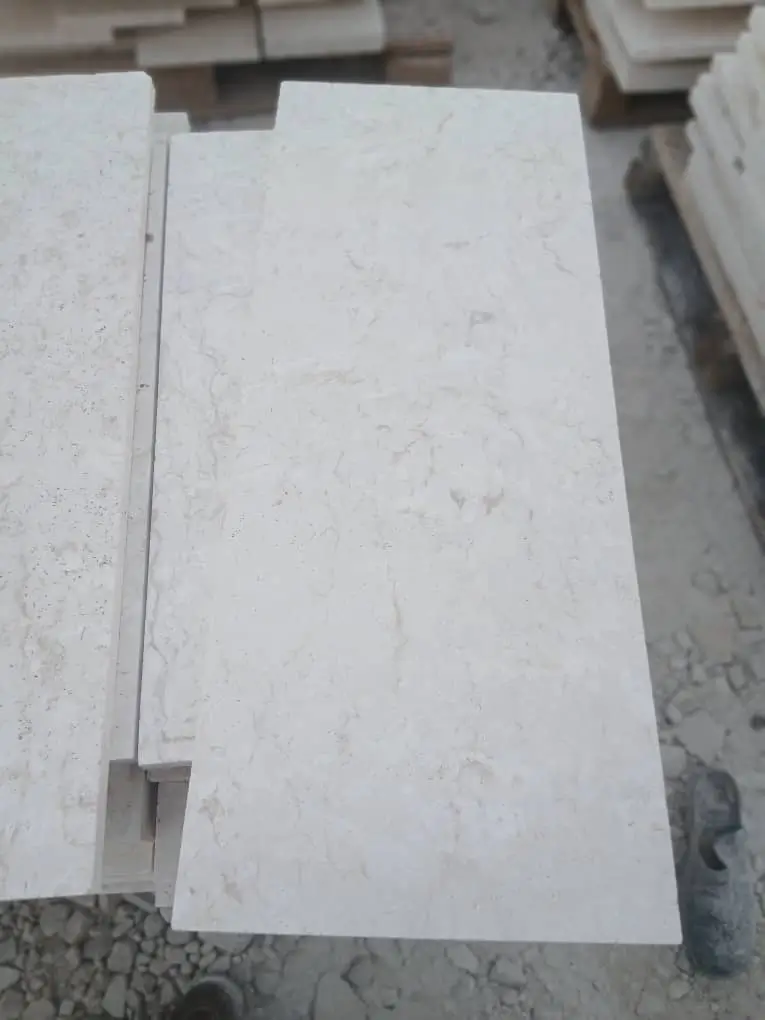
The relationship between surface finish and thermal performance becomes critical when you’re specifying tumbled vs honed travertine Arizona installations in areas with direct sun exposure exceeding 8 hours daily. Honed surfaces create a more uniform thermal mass due to their consistent density at the stone’s surface layer. This uniformity means you’ll experience more predictable heat absorption patterns, but also slower heat dissipation after peak temperature hours.
When you specify tumbled finishes, you’re working with a surface that has irregular thermal mass distribution. The valleys and peaks created during tumbling create micro-shadows and air pockets that reduce direct solar radiation absorption by approximately 6-9%. In practical terms, this translates to peak surface temperatures that run 5-8°F cooler on tumbled finishes compared to honed surfaces under identical exposure conditions.
You should account for these thermal differences in your joint spacing calculations. The coefficient of thermal expansion remains consistent for the stone itself, but surface temperature variations affect how quickly expansion occurs during morning heating cycles. For honed installations, you’ll want expansion joints every 14-16 feet in high-exposure areas. Tumbled installations can extend to 16-18 feet spacing because the surface temperature rise occurs more gradually, reducing thermal stress concentration.
Slip Resistance in Wet Conditions
Arizona’s monsoon season creates conditions most people don’t anticipate when specifying Arizona stone finishes. You’ll encounter brief but intense rainfall that transforms bone-dry surfaces into slick hazards within minutes. The performance gap between tumbled travertine pavers and honed finishes becomes most apparent during these wet conditions.
When you measure wet DCOF values, honed travertine drops to 0.42-0.48 in most cases — a reduction of approximately 0.16-0.17 from dry measurements. Tumbled surfaces maintain better wet traction, typically measuring 0.54-0.62 DCOF when saturated. This 0.12-0.14 advantage stems from the surface irregularities that allow water to channel away from foot contact points rather than creating a continuous film between shoe and stone.
- You need to verify wet DCOF ratings specifically for pool deck applications, where continuous wetness differs from rain conditions
- Your specification should require testing at actual site conditions, not laboratory environments that don’t replicate Arizona’s water chemistry
- You’ll find that calcium-heavy water common in Arizona creates different slip characteristics than the distilled water used in standard ASTM C1028 testing
- Surface sealers alter both tumbled and honed slip resistance by 0.08-0.14 DCOF depending on product chemistry
Maintenance and Resealing Requirements
The maintenance burden between tumbled vs honed travertine Arizona installations diverges significantly after the first 18-24 months. You’ll spend more labor hours maintaining tumbled finishes because the irregular surface captures more dust, organic debris, and mineral deposits in its textured valleys. However, this same texture camouflages minor scratching and wear that becomes immediately visible on honed surfaces.
When you plan your resealing schedule, you need to account for how each finish absorbs and releases sealer. Tumbled surfaces require 15-20% more sealer material per square foot due to increased surface area from texture variation. You’re also working with longer penetration times — quality penetrating sealers need 20-30 minutes on tumbled surfaces versus 12-18 minutes on honed finishes to achieve proper saturation.
Honed travertine shows wear patterns more aggressively in high-traffic areas. You’ll observe dulling and micro-scratching after 5-8 years in commercial applications, while tumbled finishes maintain their appearance for 10-15 years under similar traffic loads. This happens because the honed surface’s uniform plane allows consistent wear patterns, whereas tumbled texture distributes wear across irregular surfaces that mask deterioration.
Your resealing frequency depends heavily on which finish you’ve specified. In practice, honed installations in Arizona require resealing every 18-24 months to maintain moisture resistance and color stability. Tumbled installations extend to 24-36 month intervals because the textured surface retains sealer more effectively in its porous valleys. For guidance on comprehensive material selection processes, see custom travertine manufacturing facility documentation regarding finish-specific maintenance protocols.
Color Stability Under UV Exposure
Arizona’s UV index regularly exceeds 10 during summer months, creating conditions that accelerate color fading in improperly specified stone. The finish you choose determines how UV radiation penetrates and affects the stone’s mineral composition. Honed surfaces, with their closed surface structure, provide slightly better initial UV protection by limiting radiation penetration into subsurface layers.
When you examine tumbled vs honed travertine Arizona installations after 3-5 years of exposure, you’ll notice different fading patterns. Honed finishes tend to fade more uniformly across the entire surface, creating a consistent lightening effect. Tumbled surfaces develop varied fading because the peaks receive more direct UV exposure than the valleys, creating a somewhat mottled appearance that many clients actually prefer as an aged patina.
You should specify UV-resistant sealers differently based on finish type. Honed installations benefit from film-forming sealers that create a sacrificial UV barrier at the surface. These sealers need replacement every 2-3 years as UV degradation breaks down the polymer film. Tumbled surfaces work better with penetrating sealers that don’t alter the surface texture but provide subsurface UV filtering through chemical absorption.
Efflorescence and Mineral Deposit Management
Arizona’s alkaline soils and hard water create perfect conditions for efflorescence — those white, powdery mineral deposits that appear on stone surfaces. The finish you specify dramatically affects how efflorescence presents and how difficult it becomes to remove. Tumbled travertine Phoenix installations trap efflorescence salts in surface texture, making them more visible but also more stubborn to clean.
When you encounter efflorescence on honed surfaces, the minerals typically deposit as a uniform film that you can remove with acidic cleaners and moderate scrubbing. The smooth surface doesn’t provide mechanical anchoring points for mineral crystals. Tumbled surfaces require more aggressive treatment because salts crystallize within the textured valleys, creating mechanical bonds that resist simple cleaning methods.
Your base preparation affects efflorescence severity regardless of surface finish. You need vapor barriers beneath all Arizona travertine installations to prevent ground moisture from wicking upward through the stone. Without proper barriers, you’ll see efflorescence appear within 6-12 months on both tumbled and honed finishes as alkaline groundwater evaporates through the stone, depositing dissolved minerals at the surface.
Installation Complexity and Labor Considerations
The labor hours required for proper installation vary between tumbled and honed travertine pavers based on tolerance requirements and laying patterns. Honed finishes demand tighter tolerances because their smooth surfaces make lippage (uneven edges between adjacent pieces) immediately obvious. You’ll need to hold lippage to 1/32 inch or less on honed installations to maintain visual quality.
Tumbled installations tolerate more installation variance — you can work with lippage up to 1/16 inch without obvious visual defects because the surface texture camouflages minor height differentials. This tolerance difference translates to approximately 12-18% faster installation times for tumbled materials in the hands of experienced crews. Your labor costs decrease accordingly, though material costs for tumbled finishes typically run 8-12% higher than honed equivalents.
- You should verify your installation crew has experience with your specified finish type before project commencement
- Your base flatness requirements increase for honed installations — you need substrate variation under 1/8 inch per 10 feet versus 3/16 inch for tumbled
- Joint spacing consistency matters more with honed finishes where visual uniformity is paramount
- You’ll find that tumbled installations are more forgiving of minor base settlement in the first 12 months
Cost Analysis and Total Ownership Value
When you compare initial material costs, tumbled travertine typically commands a 10-15% premium over honed finishes due to additional processing steps. However, your total cost of ownership analysis needs to account for maintenance, longevity, and replacement factors over a 20-30 year lifecycle. Tumbled finishes often prove more economical in high-traffic applications despite higher upfront costs.
You should factor warehouse stock availability into your cost calculations. Honed travertine pavers maintain broader inventory availability because they represent a more common specification. Tumbled finishes sometimes require extended lead times of 3-4 weeks from warehouse to job site, which can affect your project schedule and potentially increase carrying costs if other trades are delayed.
Your replacement cost projections differ significantly between finishes. Honed surfaces that develop wear patterns in high-traffic zones often require complete replacement after 15-20 years because you can’t match aged appearance with new material. Tumbled installations develop patina that blends more readily with replacement pieces, extending effective service life to 25-30 years before aesthetic concerns force replacement.
Citadel Stone — Premium Travertine Stone Suppliers in Arizona: Regional Specification Guidance
When you evaluate Citadel Stone’s travertine stone suppliers in Arizona capabilities for your project, you’re accessing materials engineered specifically for extreme climate performance. At Citadel Stone, we provide technical guidance for hypothetical applications across Arizona’s diverse climate zones. This analysis demonstrates how you would approach finish selection decisions for three representative Arizona cities based on their specific environmental conditions.
Phoenix Heat Specifications
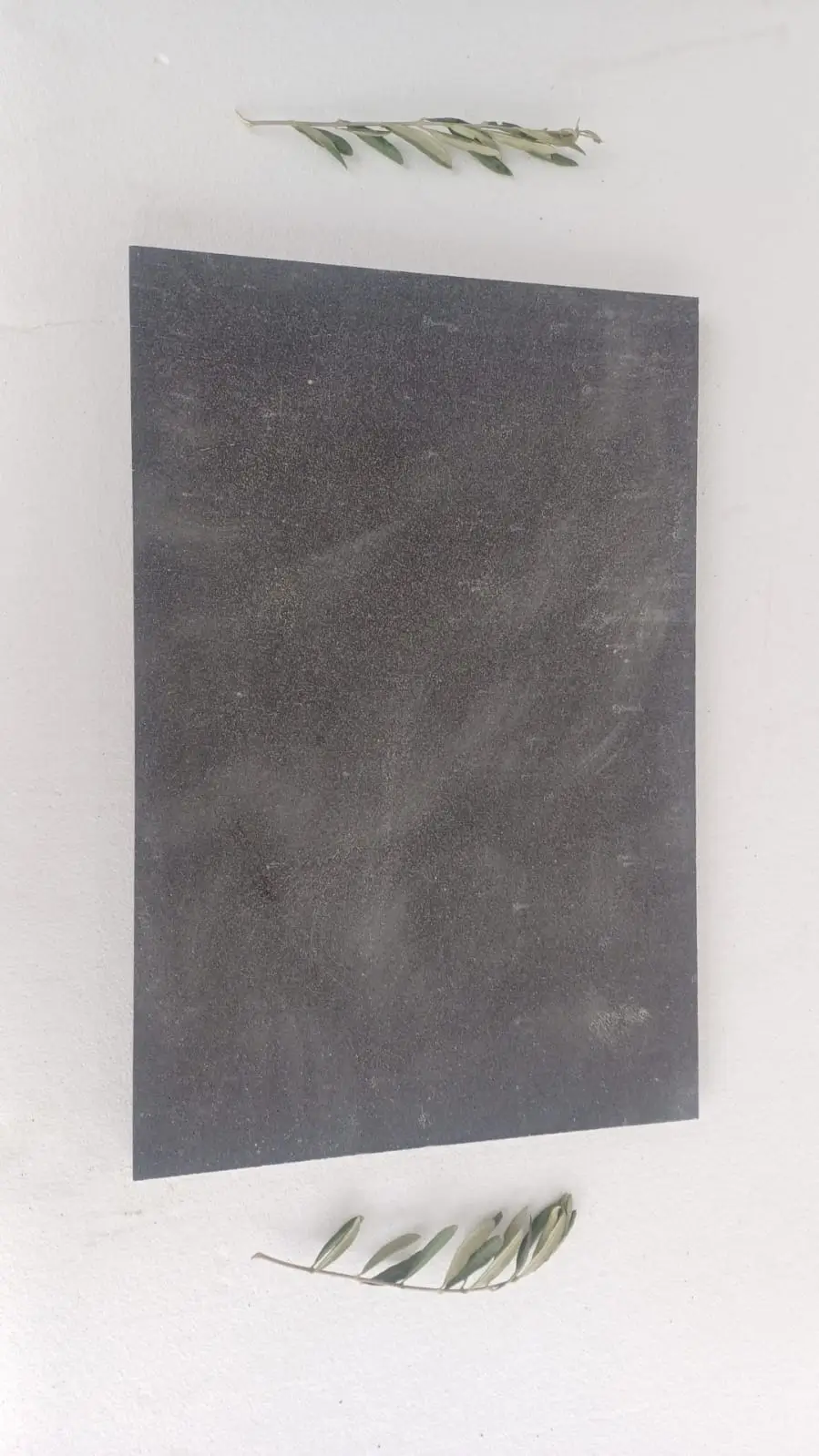
In Phoenix, you would encounter the most extreme thermal conditions in Arizona, with summer surface temperatures exceeding 165°F on unshaded horizontal surfaces. For residential pool deck applications, you would specify tumbled travertine to maximize barefoot comfort through superior heat dissipation. Your specification would require light-colored travertine with reflectivity above 65% to minimize peak temperature accumulation. You would account for Phoenix’s minimal rainfall by prioritizing UV resistance over wet slip resistance in finish selection. Warehouse inventory coordination becomes critical during peak construction season when you need to ensure material availability matches your accelerated summer installation schedules.
Tucson Performance Requirements
Tucson’s monsoon exposure creates more frequent wet conditions than Phoenix, making slip resistance a higher priority in your finish specification. You would recommend honed travertine for commercial walkways where consistent appearance matters more than maximum wet traction, paired with strategically placed tactile warning surfaces in high-risk zones. For residential outdoor kitchens and entertainment areas, you would specify tumbled finishes that handle both occasional wetness and thermal cycling. Your installation would account for Tucson’s caliche soil conditions that require enhanced moisture barriers to prevent efflorescence. Material sourcing through regional warehouse networks would ensure you maintain project schedules despite Tucson’s geographic distance from primary distribution centers.
Scottsdale Premium Applications
Scottsdale’s high-end residential market would drive your specification toward aesthetic refinement balanced with performance. You would recommend honed finishes for formal entry courts and walkways where visual sophistication aligns with architectural intent, transitioning to tumbled finishes for pool decks and outdoor living areas prioritizing comfort. Your specification would address Scottsdale’s mature landscape irrigation systems that create localized moisture conditions affecting efflorescence risk. You would account for property owner expectations regarding long-term appearance retention, favoring finish selections that develop attractive patina rather than visible wear. At Citadel Stone, we would coordinate truck delivery logistics to accommodate Scottsdale’s gated community access restrictions and ensure materials arrive according to precise installation schedules.
Common Specification Mistakes to Avoid
The most frequent error you’ll encounter is specifying finish type based solely on initial appearance without analyzing performance requirements. You can’t select tumbled vs honed travertine Arizona installations effectively by looking at samples in a showroom — you need to project how each finish performs under your site’s specific conditions over decades of service life.
When you specify sealers, matching sealer chemistry to finish type determines success or failure. Film-forming sealers on tumbled surfaces create maintenance nightmares as the coating wears unevenly across irregular texture. Penetrating sealers on honed finishes sometimes fail to provide adequate surface protection against staining. Your sealer specification must align precisely with the mechanical and porosity characteristics of your selected finish.
- You should never specify travertine finish types without testing actual samples under site-representative conditions including thermal cycling and water exposure
- Your drawings must clearly distinguish finish types if you’re using both within a single project to prevent field confusion during installation
- You need to verify that your specified finish is available in your required dimensions and thicknesses before finalizing design
- Joint fill material must be compatible with surface finish — tumbled textures require different sand or grout specifications than honed surfaces
Climate Zone and Finish Type Matching
Arizona’s climate zones vary dramatically from high desert to low desert to mountainous regions, and your finish selection should respond to these differences. In low desert zones below 2,000 feet elevation where temperatures routinely exceed 110°F, you would prioritize tumbled finishes that minimize peak surface temperatures and maximize barefoot comfort around pools and patios.
When you’re working in transitional zones between 2,000-4,000 feet elevation, you encounter more moderate temperatures but increased freeze-thaw exposure during winter months. Honed travertine performs adequately in these conditions provided you specify material with porosity below 5% and ensure proper drainage prevents standing water. Tumbled finishes work equally well but require more aggressive cleaning to remove organic debris that accumulates in surface texture during wetter seasons.
Your specifications for high-elevation Arizona projects above 4,000 feet must prioritize freeze-thaw durability over heat management. Both tumbled and honed finishes can succeed in these environments if you select travertine with proper density and porosity characteristics. You’ll want compressive strength exceeding 9,000 PSI and absorption rates below 4% to ensure the material survives repeated freeze-thaw cycles that can reach 50-60 events annually.
Long-Term Performance and Finish Longevity
The service life you can expect from tumbled vs honed travertine Arizona installations depends heavily on traffic intensity, exposure conditions, and maintenance quality. Residential applications with moderate foot traffic typically deliver 25-30 years of service from tumbled finishes before appearance degradation requires replacement. Honed residential installations range from 20-25 years under similar conditions, with earlier replacement driven by visible wear patterns rather than structural failure.
Commercial applications accelerate wear significantly. You’ll observe noticeable traffic patterns on honed finishes within 8-12 years in retail or hospitality environments. Tumbled commercial installations extend useful life to 12-18 years before aesthetic concerns override continued function. Your lifecycle cost analysis must account for these replacement intervals when comparing finish options.
You should understand that both finishes can be restored through professional refinishing when wear becomes unacceptable. Honed surfaces respond well to diamond grinding and repolishing, which removes 1/16 to 1/8 inch of material to eliminate scratching and restore original appearance. Tumbled finishes resist refinishing because you can’t recreate the original tumbled texture through mechanical processes. This means honed installations offer a mid-life restoration option that tumbled finishes don’t provide.
Final Considerations
Your finish selection between tumbled and honed travertine determines more than just initial appearance — it establishes maintenance protocols, longevity expectations, and how your installation responds to Arizona’s unique environmental stresses. You need to evaluate thermal performance, slip resistance in both wet and dry conditions, efflorescence susceptibility, and long-term appearance retention as interconnected factors rather than isolated specifications. When you match finish characteristics to site-specific conditions including sun exposure, traffic patterns, and water contact frequency, you create installations that perform reliably for decades. For comprehensive installation guidance addressing base preparation and joint specifications, review Professional travertine paver installation methods for Phoenix pool decks before finalizing your project documents. Pencil molding options complement Citadel Stone’s complete travertine tile suppliers in Arizona trim pieces.