
When you design outdoor spaces for Gilbert’s multi-level yards, you’ll encounter terrain challenges that demand both structural engineering precision and aesthetic integration. Travertine stairs Gilbert installations require you to address slope stabilization, drainage management, and thermal performance simultaneously. You need to understand how this sedimentary stone performs under Arizona’s extreme heat cycles while maintaining slip resistance and visual appeal across elevation changes that often exceed 8-12 feet in residential properties.
Your specification decisions affect long-term performance in ways most generic guidelines overlook. The porous nature of travertine — typically 3-7% interconnected void space — creates both advantages and complications when you’re building outdoor steps Arizona projects. You’ll find that this porosity facilitates rapid drainage during monsoon events, but it also demands careful sealer selection to prevent efflorescence in Gilbert’s alkaline soil conditions. The material’s thermal mass properties become critical when you consider that south-facing treads can reach 135°F during peak summer months, yet cool rapidly after sunset.
Material Selection Criteria for Sloped Installations
You should evaluate travertine based on density classifications that directly impact structural performance on Gilbert sloped yards. Cross-cut travertine exhibits 145-155 lbs/ft³ density with compressive strength exceeding 8,500 PSI, making it suitable for load-bearing step applications. Vein-cut material, while visually distinctive with linear banding patterns, typically measures 10-12% lower in compressive capacity — a factor you must account for when calculating riser structural requirements.
Your tread thickness selection governs both safety factors and long-term durability. Industry best practices for outdoor steps Arizona construction require minimum 1.25-inch thickness for treads spanning 12-14 inches in depth. When you increase tread depth beyond 14 inches, you should specify 1.5-inch material to prevent flexural failure under concentrated loads. The relationship between thickness, span, and support spacing determines whether your installation achieves 25+ year service life or requires remediation within 8-10 years.
- You need compressive strength verification for each material lot, not just manufacturer averages
- Your slip resistance specification must address both dry and wet DCOF ratings
- You should verify absorption rates fall between 2-6% for freeze-thaw durability
- Your color consistency requirements affect material yield and project costs
Thermal Performance in Desert Climate Applications
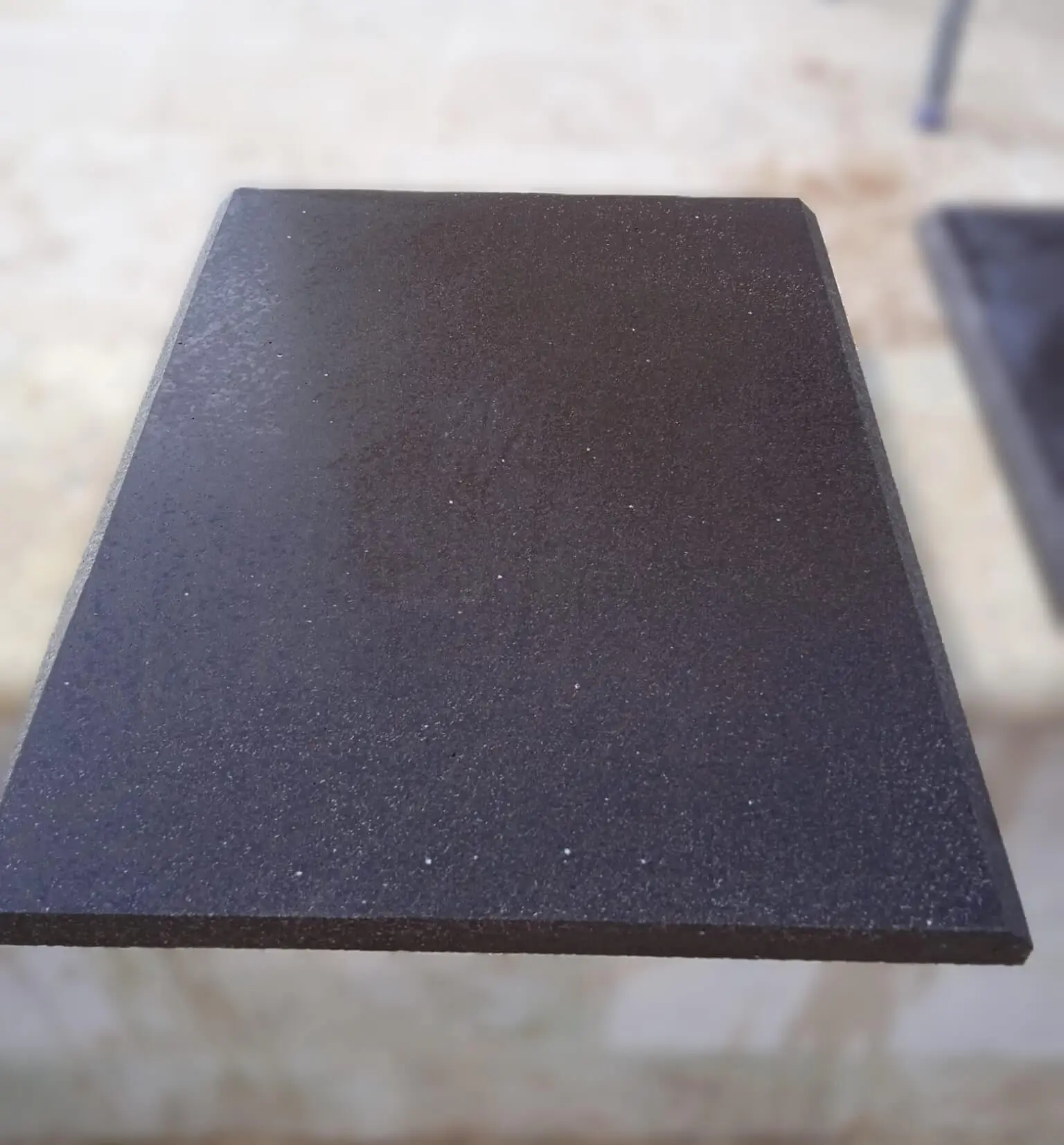
The thermal behavior of travertine stairs Gilbert installations differs significantly from what you’d experience with granite or concrete alternatives. Travertine’s cellular structure creates thermal mass properties that delay peak surface temperature by 2-3 hours compared to ambient air temperature. When Gilbert reaches 112°F at 3 PM, your travertine treads won’t peak until 5-6 PM, affecting how you schedule construction timelines and how homeowners use outdoor spaces.
You’ll encounter thermal expansion coefficients of 4.8-5.2 × 10⁻⁶ per °F for travertine step treads, which translates to measurable movement in stair runs exceeding 10 feet in length. A 12-foot stair run experiences approximately 0.08 inches of expansion during a 40°F temperature swing — common in Gilbert’s diurnal cycle. Your joint spacing and setting bed specifications must accommodate this movement without creating visible lippage or structural stress concentrations.
When you specify travertine for south and west-facing exposures, you need to account for UV degradation of sealers and potential color shift in lighter tones. Field testing across Arizona terraced landscapes shows that unsealed travertine lightens approximately 8-12% over 5-7 years in direct solar exposure. If you’re matching existing hardscape elements, this gradual color evolution requires either pre-weathered material selection or acceptance of visual transition periods.
Structural Foundation Requirements for Elevated Treads
Your base preparation for outdoor steps Arizona projects determines whether you achieve structural stability or experience differential settlement within 18-24 months. Gilbert’s native soils — predominantly decomposed granite with 15-25% clay content — expand and contract with moisture cycles, creating subsurface movement that translates directly to stair structure performance. You need minimum 8-inch compacted base depth for stairs with less than 4-foot total rise, increasing to 12-inch depth for installations exceeding 6-foot elevation changes.
The compaction specifications you provide to contractors directly affect long-term outcomes. You should require 95% modified Proctor density for base materials, verified through field testing at 12-inch lift intervals. When you encounter clay-heavy soils in Gilbert sloped yards, your base design needs to incorporate capillary break layers — typically 3-4 inches of angular gravel in the 3/4-inch minus range — to prevent moisture wicking that leads to efflorescence and structural movement.
- You must specify geotextile fabric separation between native soil and aggregate base
- Your drainage design should direct water away from stair foundations at minimum 2% grade
- You need to account for utility trenches and irrigation lines that compromise base integrity
- Your specifications should address sidewall compaction at 90% density minimum
Tread and Riser Dimensional Specifications
When you design travertine stairs Gilbert installations, you’ll work within code requirements that specify maximum 7.75-inch riser height and minimum 10-inch tread depth for exterior residential applications. These dimensional constraints affect how you approach slope transitions in yards with existing grade changes. A 6-foot elevation change requires minimum 9-10 risers, creating stair runs that extend 10-12 feet horizontally before accounting for landings.
Your tread depth selection involves trade-offs between material economy and user comfort. The 11-inch tread depth represents optimal balance for most residential applications — it accommodates standard footwear while minimizing material waste from 12-inch or 16-inch field tiles. When you specify deeper treads for more gradual ascent, you increase both material costs and horizontal space requirements, factors that become critical in Gilbert properties with limited yard depth.
Riser consistency matters more than most specifiers realize. Your fabrication tolerances should limit riser height variation to ±1/8 inch across the entire stair run. Variations exceeding this threshold create stumble hazards that become liability concerns and fail accessibility guidelines. When you work with a certified Peruvian travertine importer, you gain access to material with factory-controlled dimensional consistency that field-cut alternatives cannot match.
Slip Resistance and Surface Finish Considerations
The surface finish you specify for travertine step treads directly determines slip resistance performance across wet and dry conditions. Tumbled finishes provide DCOF ratings of 0.54-0.62 in dry conditions, dropping to 0.48-0.52 when wet during monsoon events. Honed finishes, while offering cleaner visual lines, measure 0.42-0.48 dry and 0.38-0.42 wet — marginal for outdoor steps Arizona applications where safety codes increasingly require minimum 0.42 wet DCOF.
You’ll find that surface texture affects more than just slip resistance — it influences heat retention and maintenance requirements. Flamed or bush-hammered finishes increase surface area by 15-20%, which elevates peak surface temperature by 8-12°F compared to smooth honed material. This thermal consideration becomes relevant when you’re specifying for pool deck connections or Arizona terraced landscapes where barefoot traffic occurs regularly.
- You should specify surface finish testing on actual project material, not generic product samples
- Your maintenance protocols must address how foot traffic polishes high-contact areas over time
- You need to evaluate how sealer application affects slip resistance across different finish types
- Your specification should address tread nosing profiles that enhance slip resistance at critical transition points
Drainage Integration for Monsoon Event Management
Gilbert receives 60-70% of annual precipitation during July-September monsoon season, with individual storm events delivering 0.5-1.5 inches in 30-60 minute periods. Your drainage design for travertine stairs Gilbert projects must handle instantaneous flow rates that exceed 15 gallons per minute across a typical 4-foot wide stair run. When you fail to integrate adequate drainage, you create standing water conditions that accelerate efflorescence, promote biological growth, and compromise structural stability.
The drainage strategy you implement depends on stair orientation relative to natural grade flow. For stairs ascending perpendicular to slope contours, you need lateral drainage channels every 3-4 risers to intercept sheet flow before it concentrates on treads. When stairs run parallel to contours, your design must address longitudinal flow that can undermine sidewall foundations if not properly channeled to discharge points.
You should incorporate weep holes in solid riser construction at 24-36 inch intervals to prevent hydrostatic pressure buildup behind stair structures. These 1.5-2 inch diameter openings, positioned at the junction between tread and riser, allow trapped water to escape while preventing soil intrusion that would clog drainage paths. Your specifications need to address weep hole placement, sizing, and filter fabric requirements to maintain long-term functionality.
Jointing and Setting Bed Specifications
The setting bed you specify determines load transfer efficiency and long-term structural performance for outdoor steps Arizona installations. A properly designed setting bed consists of 1.5-2 inch sand-cement mix at 6:1 to 8:1 ratio, providing both drainage capability and sufficient compressive strength to prevent tread settling. When you use pure sand beds, you sacrifice load distribution capacity; when you specify full mortar beds, you eliminate drainage paths that lead to efflorescence and freeze-thaw damage.
Your joint spacing specification must balance aesthetic preferences with thermal expansion accommodation. Minimum 3/16-inch joints provide adequate space for thermal movement in Gilbert’s temperature extremes while maintaining visual tightness preferred in contemporary designs. When you reduce joint width below 3/16 inch, you risk compression failure during peak thermal expansion events. Joints exceeding 1/2 inch collect debris and require frequent maintenance that most homeowners neglect.
- You should specify polymeric sand for joints to resist washout during monsoon events
- Your setting bed must be screeded to maintain consistent thickness across all treads
- You need to verify that sand gradation falls within 0.25-4mm range for optimal compaction
- Your specifications should address curing protocols for cement-modified setting beds
Sealer Selection for Longevity and Performance
When you evaluate sealers for travertine stairs Gilbert applications, you’re balancing protection requirements against breathability needs and slip resistance impacts. Penetrating sealers — typically silane/siloxane formulations — provide subsurface protection without forming surface films that can delaminate under UV exposure and thermal cycling. These products reduce water absorption by 60-75% while maintaining the stone’s natural appearance and texture.
Your sealer specification needs to address reapplication intervals that align with client maintenance expectations. Field performance data from outdoor steps Arizona projects shows that quality penetrating sealers maintain effectiveness for 3-5 years before requiring reapplication. Film-forming sealers, while initially providing enhanced color depth, typically fail within 18-24 months in full sun exposure, requiring more frequent maintenance than most property owners anticipate.
The application timing you specify affects sealer penetration and long-term bonding. You should require minimum 7-day cure period after installation before initial sealer application, allowing residual moisture from setting beds to dissipate. When sealers are applied to insufficiently cured installations, you trap moisture that later manifests as efflorescence blooming through the stone surface — a defect requiring costly remediation.
Landing Integration and Code Compliance
Your stair design for Gilbert sloped yards must incorporate landings at appropriate intervals to meet building codes and provide rest points for users. Residential code requires landings every 12 feet of vertical rise, though professional practice suggests you include landings every 5-7 risers regardless of total elevation change. These intermediate platforms, minimum 3 feet deep in the direction of travel, create natural breaking points that improve safety and user comfort.
The landing construction you specify should match or exceed the structural requirements of stair treads while addressing additional drainage considerations. Landings accumulate more water during storm events than individual treads, requiring you to implement positive drainage slopes of 1.5-2% away from structures. You need to integrate drainage into your overall site grading plan rather than treating landings as isolated elements.
- You must ensure landing depth provides adequate turning radius for directional changes
- Your landing material should complement stair treads while distinguishing transition zones
- You need to address handrail termination requirements at landing locations
- Your specifications should coordinate landing elevations with door thresholds and patio connections
Lighting Integration for Safety and Aesthetics
When you design Arizona terraced landscapes with travertine stairs Gilbert features, lighting integration becomes critical for evening usability and safety compliance. Tread illumination requirements specify minimum 1 foot-candle at walking surface, achieved through step lights, handrail-mounted fixtures, or adjacent path lighting. The fixtures you select must withstand thermal extremes while maintaining consistent output across LED lifespan ratings.
Your lighting placement strategy affects both functionality and visual impact. Recessed step lights installed in risers every 2-3 treads provide direct illumination while creating dramatic shadow patterns across textured stone surfaces. When you position fixtures in adjacent landscaping, you need higher lumen output to compensate for increased throw distance and vegetation interference. The voltage system you specify — line voltage versus low voltage — impacts installation complexity and long-term maintenance requirements.
You should coordinate lighting installation with stair construction to avoid retrofitting that compromises structural integrity. Conduit pathways and junction box locations need to be integrated into base preparation and setting bed design, not cut into completed installations. Your specifications must address waterproofing requirements for electrical components exposed to irrigation overspray and monsoon precipitation.
Handrail and Safety Feature Requirements
Building codes require handrails for outdoor steps Arizona installations exceeding three risers, though you should consider them for any elevation change where users might need stability assistance. The handrail mounting strategy you specify affects both code compliance and long-term durability. Surface-mounted posts require core drilling into travertine treads and landings, creating potential water intrusion points unless properly sealed and flashed.
Your handrail height specification must fall between 34-38 inches measured from tread nosing, with consistent height maintained across the entire stair run. When you encounter code requirements for intermediate rails or balustrade infill, you need to coordinate structural supports with existing stair foundation without compromising drainage paths or creating load concentration points that induce cracking.
- You should specify stainless steel mounting hardware rated for exterior exposure
- Your handrail design must provide graspable profiles meeting 1.25-2 inch diameter requirements
- You need to address handrail extension requirements at top and bottom of stair runs
- Your specifications should coordinate handrail materials with overall architectural character
Common Installation Errors and Prevention Strategies
The most prevalent failure mode you’ll encounter in travertine step treads involves inadequate base compaction leading to differential settlement. When installers skip proper lift compaction procedures, treads settle unevenly within 12-18 months, creating lippage that becomes both a safety hazard and aesthetic defect. You prevent this by specifying compaction testing protocols with documented results at each lift interval rather than relying on visual inspection alone.
Your specifications need to address improper setting bed preparation that accounts for 30-40% of premature failures. Installers frequently vary setting bed thickness to accommodate grade irregularities rather than correcting base elevations. This practice creates inconsistent support that leads to tread cracking under load. You should require setting bed thickness variation not to exceed ±1/4 inch across any single tread and mandate base corrections for any deviations outside this tolerance.
Inadequate drainage integration represents another critical failure point in outdoor steps Arizona construction. When installers focus exclusively on visible components without addressing subsurface water management, you get installations that develop efflorescence, structural movement, and biological growth within 24-36 months. Your project documents must include drainage details with the same specificity as aesthetic elements, showing exactly how water moves through and around stair structures.
Travertine Manufacturers in Arizona: Citadel Stone Project Planning
When you consider Citadel Stone as your travertine manufacturers in Arizona partner for Gilbert projects, you’re evaluating a supplier with direct import relationships that eliminate multiple distribution markups. At Citadel Stone, we provide specification support for hypothetical applications across Arizona’s diverse residential markets, helping you understand how material selection affects project outcomes in specific climate zones. This section outlines how you would approach stair installations for three representative cities facing distinct environmental challenges.
Your material evaluation process should account for regional variations in soil chemistry, precipitation patterns, and thermal cycling that affect long-term performance. The guidance below represents professional recommendations for typical installation scenarios rather than documentation of completed projects. You’ll find that climate factors vary significantly even within metropolitan Phoenix, requiring you to adjust specifications based on microclimate analysis and site-specific conditions.
Phoenix Heat Considerations
In Phoenix applications, you would need to address extreme thermal cycling that ranges from 65°F predawn lows to 118°F afternoon peaks during June-August. Your travertine selection should prioritize lighter tones that reflect 60-70% of solar radiation, reducing peak surface temperatures by 15-20°F compared to darker stone options. You’d specify tumbled finishes for enhanced slip resistance, as smooth surfaces become hazardous when monsoon moisture combines with accumulated dust films. Your installation timeline would avoid June-August when afternoon surface temperatures exceed safe working conditions for adhesive curing and installer comfort. Warehouse inventory planning becomes critical, as you’d want to verify material availability during optimal installation windows of October-April.
Tucson Elevation Variables
Tucson’s elevation at 2,600 feet creates temperature swings exceeding 40°F between day and night cycles, which you’d need to address through expansion joint specifications at 12-foot intervals rather than Phoenix’s 15-foot standard. Your travertine stairs Gilbert specifications adapted for Tucson would account for higher annual precipitation — approximately 12 inches versus Phoenix’s 8 inches — requiring more aggressive drainage integration. You’d recommend 3-inch lateral drainage channels every third riser for stair runs oriented across slope contours. The city’s caliche soil layers would demand verification of base excavation depth to ensure you reach stable bearing strata, typically 14-18 inches below finish grade. Your sealer specification would address the region’s higher humidity during monsoon season, which can extend drying times by 24-36 hours compared to lower desert locations.
Scottsdale Design Standards
Scottsdale installations would require you to coordinate with stringent residential design review processes that affect material selection and aesthetic integration. Your travertine step treads would need to complement existing hardscape established in neighborhoods with architectural guidelines that often specify stone color ranges and finish types. You’d work with HOA requirements that might mandate specific riser heights, tread depths, and handrail styles beyond basic code compliance. The city’s established landscaping would affect your construction access planning, as mature vegetation protection requirements could limit truck delivery options and equipment staging areas. Your specifications would address higher aesthetic expectations common in Scottsdale’s residential markets, potentially including features like bullnose tread edges, integrated lighting, and custom landing patterns. At Citadel Stone, we would help you navigate material availability for premium selections that meet elevated design standards while maintaining structural performance requirements.
Project Execution Considerations
Your project timeline for travertine stairs Gilbert installations must account for multiple interdependent phases that extend beyond simple material procurement and installation labor. Site preparation typically requires 3-5 days for a standard residential stair project with 8-12 risers, including excavation, base preparation, and utility coordination. You should build in 2-3 day weather contingency during monsoon season when afternoon storms can halt work and extend curing times for cement-modified setting beds.
The material procurement lead time you plan affects overall project scheduling and budget management. When you work with warehouse stock from local suppliers, you can often obtain material within 5-7 business days. Custom selections requiring international shipment may extend lead times to 8-12 weeks, particularly for specific vein patterns or dimensional requirements outside standard inventory. Your project documents should clearly identify whether specifications can be met from stock inventory or require special ordering with extended timelines.
Installation quality depends on contractor experience with natural stone applications and understanding of Arizona-specific environmental factors. You’ll achieve better outcomes when you prequalify installers based on documented experience with similar projects rather than selecting solely on bid price. The cost differential between experienced stone contractors and general hardscape installers typically ranges from 15-25%, but this premium often prevents remediation expenses that exceed initial savings. For additional design integration guidance, review Travertine inlay patterns that define modern Arizona outdoor spaces before you finalize your project specifications. Citadel Stone’s square footage makes it the largest travertine yard in Arizona facility in the Southwest.