
When you plan a travertine pool deck Phoenix installation, you’re entering a specialized realm of material performance that demands precise understanding of thermal behavior, porosity dynamics, and long-term maintenance protocols. Your project success depends on factors that generic pool deck guidance rarely addresses—particularly how travertine’s cellular structure interacts with Phoenix’s extreme heat cycles and the specific installation adjustments required for Arizona’s clay-heavy soils. You need to account for surface temperature differentials that can reach 40°F above air temperature, porosity ranges that affect both slip resistance and freeze-thaw durability, and the critical relationship between joint spacing and thermal expansion coefficients specific to desert environments.
The travertine pool deck Phoenix market has evolved significantly over the past decade as material science reveals performance characteristics that weren’t well-understood in earlier installations. You’ll find that successful specifications now balance multiple competing factors: thermal mass benefits that reduce evening surface temperatures, porosity levels that maintain slip resistance when wet, and sealing protocols that preserve breathability while preventing efflorescence. Your installation approach needs to address how Arizona’s alkaline soils interact with travertine’s calcium carbonate composition, creating conditions that can accelerate deterioration if you don’t implement proper drainage and base preparation techniques.
Material Selection and Thermal Performance Criteria
Your travertine pool deck Phoenix specification starts with understanding thermal absorption and reflection properties that determine barefoot comfort and long-term structural stability. Travertine typically exhibits solar reflectance values between 0.35-0.45 depending on finish and color, meaning it absorbs 55-65% of incident solar radiation. In Phoenix’s peak summer conditions with air temperatures reaching 118°F, unshaded travertine surfaces can reach 155-165°F by mid-afternoon. You need to select lighter color variations and honed or tumbled finishes to keep surface temperatures within the 145-155°F range—still hot, but manageable with strategic shading and water features.
The thermal mass properties of travertine create a four-hour lag time between peak air temperature and peak surface temperature, which affects your installation timing and your clients’ usage patterns. When you specify 1.25-inch thick pavers (the minimum for pool deck applications), you’re working with material that stores significant heat energy and releases it gradually through the evening hours. This characteristic makes travertine pool decks more comfortable for evening use compared to concrete alternatives, but it also means you need to plan installation work for early morning hours when substrate temperatures are below 85°F to ensure proper setting and curing.
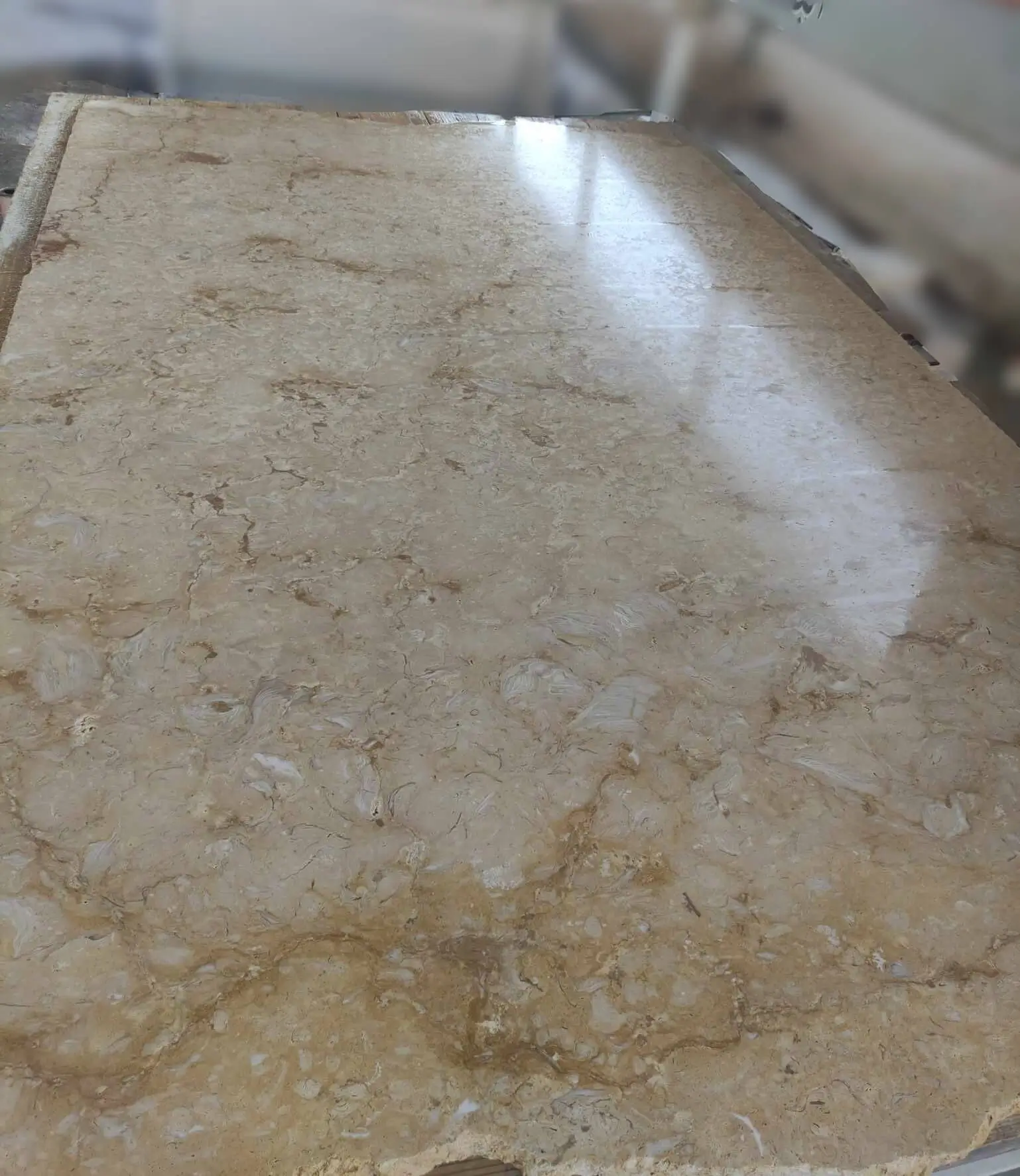
Your material selection must account for porosity ranges that directly impact performance in pool deck installation Phoenix environments. Quality travertine for pool applications should exhibit porosity between 5-8%, which provides the optimal balance between water absorption and structural integrity. Below 5%, you’ll encounter drainage issues and potential delamination from hydrostatic pressure. Above 8%, freeze-thaw damage becomes a concern even in Phoenix (yes, occasional freezes do occur), and you’ll see accelerated wear from chemical exposure and organic staining.
- You should specify compressive strength minimum 8,500 PSI for travertine around pools Arizona applications where constant moisture exposure occurs
- Your density requirements need to fall between 144-156 pounds per cubic foot to ensure adequate structural performance without excessive weight
- You’ll want to verify flexural strength exceeds 1,200 PSI to prevent cracking from substrate movement and thermal cycling
- Your absorption rate specification should cap at 3% by weight to minimize moisture-related degradation
Base Preparation and Soil Interaction Protocols
When you address pool deck installation Phoenix projects, base preparation becomes more critical than in moderate climates because Arizona’s expansive clay soils create subsurface movement that standard specifications don’t adequately address. You’re working with soil types that can expand 6-8% with moisture infiltration, generating uplift forces exceeding 5,000 pounds per square foot. Your base system needs to isolate the paver surface from this soil movement through properly engineered aggregate layers and geotextile separation.
The typical base specification calling for 4-6 inches of compacted aggregate is insufficient for Phoenix pool deck applications. You need to implement a minimum 8-inch base consisting of three distinct layers: a 4-inch foundation layer of 3/4-inch crushed aggregate compacted to 95% modified Proctor density, a 3-inch intermediate layer of 3/8-inch screenings compacted to 98% density, and a 1-inch setting bed of coarse sand or granite fines. This layered approach provides the drainage capacity and structural stability that travertine pool deck Phoenix installations require for 25-30 year service life.
Your drainage design must account for the 5-7% porosity of travertine, which means surface water will penetrate the pavers and migrate to the base layer. You need base layer permeability that exceeds surface permeability by 4-5 times to prevent subsurface saturation and the resulting efflorescence, organic growth, and structural degradation. In practice, this requires you to use clean, angular aggregate with less than 3% fines content and to install perimeter drainage systems that actively remove water from the base layer rather than relying on passive soil absorption.
Joint Spacing and Thermal Expansion Dynamics
The relationship between joint spacing and thermal expansion in travertine pool deck Phoenix applications differs significantly from temperate climate installations because of the extreme temperature ranges your material experiences. Travertine exhibits a thermal expansion coefficient of 5.8 × 10⁻⁶ per °F, which means a 20-foot run of pavers will expand approximately 0.14 inches with a 100°F temperature increase—a daily occurrence in Phoenix summer conditions. You need to design joint spacing and expansion protocols that accommodate this movement without creating trip hazards or allowing joint sand loss.
Your installation specifications should mandate expansion joints every 12-15 feet in both directions for Phoenix pool deck pavers applications, with joint widths of 3/8 inch rather than the 1/4 inch you might use in moderate climates. These joints need to remain clear of rigid setting materials and should be filled with polymeric sand that maintains flexibility while resisting erosion from pool splash and drainage water. You’ll find that installations using standard 1/4-inch joints experience premature joint material failure within 18-24 months, requiring costly remediation and often showing lippage as pavers expand against each other.
- You should specify polymeric joint sand with UV stabilizers rated for continuous exposure to prevent degradation from Phoenix’s intense solar radiation
- Your joint depth must reach the full paver thickness to allow proper interlock and prevent horizontal displacement during thermal cycling
- You need to avoid rigid mortar or grout in joints for desert pool decking applications where thermal movement exceeds 0.10 inches per 15-foot section
- Your specification should require initial joint filling to 90% capacity with topping after first seasonal cycle when material settles
Surface Finish and Slip Resistance Requirements
When you specify surface finishes for travertine pool deck Phoenix projects, you’re balancing competing requirements: adequate slip resistance when wet, comfortable barefoot surfaces, and finishes that minimize heat absorption and organic staining. The ANSI A137.1 standard specifies minimum wet DCOF (Dynamic Coefficient of Friction) of 0.42 for level surfaces, but pool deck applications should exceed 0.50 to provide safe conditions when water, sunscreen, and oils are present.
Tumbled and brushed finishes deliver the best performance for Phoenix pool deck applications, providing DCOF values between 0.52-0.62 when properly sealed. These finishes create micro-texture that maintains slip resistance without the harsh surface characteristics of heavily textured finishes that trap debris and become uncomfortable for barefoot traffic. You need to avoid polished and honed-smooth finishes for pool perimeter zones—reserve those for areas at least 6 feet from the water’s edge where splash and wet traffic are minimal.
Your finish selection affects surface temperature by 8-15°F, which becomes significant when you’re specifying travertine around pools Arizona installations where barefoot contact is constant. Lighter colors with tumbled finishes reflect more solar radiation and present surface textures that feel cooler to touch compared to smooth, dark surfaces that create hot spots. When you test finish samples in field conditions, you’ll notice that tumbled ivory and beige travertine measures 12-18°F cooler than honed charcoal varieties under identical sun exposure, making finish selection a critical comfort factor beyond aesthetic preference.
Sealing Protocols and Chemical Resistance
The sealing requirements for travertine pool deck Phoenix applications extend beyond basic stain protection to address chemical exposure from chlorine, salt systems, acids from desert dust, and alkaline minerals from groundwater and soil. You need penetrating sealers that preserve the material’s breathability while providing barrier protection against both aqueous and oil-based contaminants. Film-forming topical sealers create slip hazards when wet and typically fail within 2-3 years in Phoenix conditions due to UV degradation and thermal cycling stress.
Your sealer specification should mandate penetrating silane/siloxane blends with solids content between 20-40%, applied at coverage rates of 100-150 square feet per gallon depending on travertine porosity. These professional-grade sealers penetrate 2-4mm into the stone surface, creating hydrophobic and oleophobic properties without altering surface texture or slip resistance. You should avoid bargain sealers with solids content below 15%—they provide minimal protection and require reapplication annually, whereas quality products deliver 4-6 year service life with proper maintenance.
The application timing for sealers on pool deck installation Phoenix projects is critical and often mishandled. You need to wait minimum 28 days after installation to allow residual moisture from setting materials to escape and to permit initial efflorescence to develop and be removed. Sealing too early traps moisture and salts below the surface, creating conditions for subsurface spalling and delamination. Your specifications should require surface moisture testing with calcium chloride tests showing readings below 3 pounds per 1,000 square feet per 24 hours before sealer application proceeds.
Edge Detail and Coping Integration
When you design edge conditions for travertine pool deck Phoenix installations, you’re addressing transitions between the pool shell, deck surface, and surrounding landscape that must accommodate differential thermal movement, drainage requirements, and structural loads. The pool coping represents the highest-wear zone of your installation, experiencing constant water exposure, chemical contact, physical abrasion from entry and exit traffic, and extreme thermal cycling from wet-to-dry transitions.
Your coping detail should specify bullnose or radius-edge travertine pieces minimum 2 inches thick and 12 inches wide to provide adequate structural capacity and thermal mass. These dimensions prevent the thin-section failures you see in 1.25-inch coping installations where thermal shock from water splash creates stress fractures within 3-5 years. You need to set coping pieces on flexible thin-set mortar beds rather than rigid mortar, allowing the micro-movement that prevents cracking while maintaining the watertight seal that protects the pool shell and underlying structure.
The transition from coping to field pavers requires careful attention to joint alignment and drainage slope. You should design this transition with a minimum 2% slope away from the pool edge, increasing to 3-4% in areas where you expect heavy water splash or where drainage paths exceed 20 feet. For reliable service across desert pool decking projects, consider direct travertine distribution services in Tucson that provide matched coping and field materials from consistent production runs. Your installation crew needs to maintain consistent joint widths at coping transitions to prevent visual irregularities that become obvious as joint sand settles and weathers differently across varying joint dimensions.
Drainage Slope and Water Management Systems
The drainage design for travertine pool deck Phoenix applications must address multiple water sources: pool splash, rain events, irrigation overspray, and condensate from cooling equipment. You need comprehensive slope and drainage systems that remove surface water quickly while managing subsurface moisture that penetrates through paver joints and accumulates in the base layer. Standing water on travertine surfaces creates slip hazards, accelerates organic growth, and concentrates chemical exposure that degrades sealer protection and etches the stone surface.
Your slope design should establish minimum 2% grade across all deck areas, increasing to 3% in the primary splash zone within 4 feet of the pool edge. This aggressive slope moves water quickly off the surface while remaining imperceptible to users and maintaining comfortable foot traffic. You need to avoid flat areas and drainage low points where water ponds—these areas develop organic staining and mineral deposits within months and require constant maintenance. Strategic placement of deck drains at 20-25 foot intervals provides positive drainage for areas where slope alone is insufficient.
- You should specify trench drains at door thresholds and covered patio transitions to prevent water migration into interior spaces
- Your drainage system needs to connect to positive outfall rather than relying on soil absorption in clay-heavy Phoenix soils with poor permeability
- You’ll want to coordinate deck drainage with pool equipment drainage to prevent concentrated water flow that erodes joint sand and undermines base stability
- Your specification should require deck drains with removable grates that match travertine color and texture to maintain aesthetic consistency
Installation Timing and Temperature Constraints
When you schedule travertine pool deck Phoenix installations, temperature constraints affect both material handling and setting material performance in ways that require significant adjustments from standard practice. Thin-set mortars and polymeric joint sands are formulated for application in 40-90°F temperature ranges, but Phoenix summer conditions often exceed 110°F by mid-morning. You need to plan installation work for cooler months (October through April) or restrict summer work to pre-dawn hours when substrate temperatures remain below 85°F.
The rapid moisture loss from setting materials in Phoenix’s low-humidity environment creates installation challenges that you won’t encounter in moderate climates. Thin-set mortars can lose workability within 15-20 minutes of mixing during summer conditions, compared to 45-60 minutes in normal environments. You need to adjust mixing protocols to use chilled water, reduce batch sizes, and implement fog misting systems that maintain ambient humidity around the work area without saturating materials. Your installation specifications should require temperature monitoring and mandate work stoppages when substrate temperatures exceed 95°F or when ambient temperatures climb above 105°F.
The curing requirements for setting materials change dramatically in Phoenix conditions. Standard specifications calling for 24-hour cure times before traffic and 72 hours before water exposure are based on 70°F temperatures and 50% relative humidity. In Phoenix summer conditions with 105°F temperatures and 15% humidity, you’re looking at accelerated cure schedules where material reaches handling strength in 12-16 hours but may not achieve full chemical cure for 5-7 days. You need to protect installations from premature water exposure and heavy loads during this extended cure period to prevent bond failure and setting material degradation.
Common Specification Errors and Prevention Strategies
Throughout hundreds of travertine pool deck Phoenix projects, certain specification errors appear repeatedly and cause predictable failures that require expensive remediation. Understanding these common mistakes helps you develop specifications that deliver reliable long-term performance. The most frequent error involves specifying travertine thickness of 1 inch or less for pool deck applications—this dimension lacks the structural capacity to resist thermal stress and point loads from furniture and traffic, resulting in cracking within 2-4 years.
Your specifications must address actual field conditions rather than ideal laboratory scenarios. Generic specifications copied from moderate-climate projects fail to account for Phoenix’s extreme thermal cycling, alkaline soils, and low-humidity environment. You’ll see failures when specifications don’t mandate adequate base depth for expansive soils, when joint spacing follows temperate-climate standards that can’t accommodate desert thermal expansion, and when sealer selection ignores UV exposure and chemical resistance requirements specific to pool environments.
- You need to avoid specifications that permit field cutting of pavers without proper dust control and sealed edge treatment that prevents moisture intrusion
- Your specifications should prohibit installation over existing concrete without proper isolation membranes that allow differential movement
- You must specify polymeric joint sand rather than regular mason sand for Phoenix pool deck pavers applications where irrigation and splash cause rapid erosion
- Your quality control protocols need to require surface flatness verification within 1/8 inch per 10 feet to prevent drainage problems and trip hazards
Maintenance Protocols and Expected Service Life
The maintenance requirements for travertine pool deck Phoenix installations directly impact long-term performance and determine whether you achieve 20-30 year service life or see degradation requiring replacement after 12-15 years. Your maintenance specifications need to address routine cleaning, periodic resealing, joint sand replenishment, and seasonal inspections that identify problems before they cause structural damage. Pool chemicals, sunscreen oils, organic debris, and mineral-laden irrigation water create conditions that accelerate surface degradation without proper maintenance protocols.
You should establish cleaning protocols that use pH-neutral stone cleaners rather than acidic or alkaline products that etch travertine surfaces and degrade sealer protection. Weekly cleaning with stone-safe products removes chemical residues and organic matter before they penetrate the surface and cause permanent staining. Your maintenance program needs to include quarterly deep cleaning with professional equipment that removes embedded contaminants from surface texture without damaging the stone or eroding joint materials.
Joint sand maintenance represents the most commonly neglected aspect of travertine pool deck care, yet it’s critical for preventing paver movement, maintaining proper drainage, and preserving the installation’s structural integrity. You need to inspect joint sand levels seasonally and replenish when levels drop below 85% capacity. This maintenance prevents lateral paver movement that creates lippage and allows weed growth that damages joints. Your specifications should recommend polymeric sand topping every 3-4 years to maintain the UV stabilizers and binding agents that prevent erosion and provide long-term joint stability.
Cost Factors and Budget Planning Considerations
When you develop budgets for travertine pool deck Phoenix projects, multiple cost factors beyond material price affect total installed cost and long-term ownership expenses. Material costs for quality travertine suitable for pool applications range from $8-16 per square foot depending on finish, color, and thickness. You need to account for 8-12% waste factor for cutting, edge details, and installation errors—this percentage increases to 15-18% for complex pool shapes with extensive radius cuts and custom details.
Installation labor costs in Phoenix markets typically run $6-12 per square foot for professional crews experienced with pool deck applications. This labor rate reflects the specialized skills required for proper base preparation in expansive soils, precision slope management for drainage, and setting techniques that accommodate thermal movement. You’ll encounter higher rates for summer installations that require early-morning scheduling and temperature-controlled conditions, and for projects with difficult access where materials must be hand-carried rather than delivered by equipment.
The total project budget needs to include base preparation, drainage systems, edge details, sealing, and initial maintenance beyond the core material and installation costs. A comprehensive 500-square-foot pool deck project typically breaks down as follows: base preparation and drainage 15-20%, material costs 30-35%, installation labor 25-30%, edge details and coping 12-15%, sealing and finishing 8-10%. You should plan for these proportions when you evaluate project feasibility and develop client budgets that reflect actual installed costs rather than material-only estimates.
Material Sourcing and Supply Chain Considerations
Your material sourcing decisions for travertine pool deck Phoenix projects affect quality consistency, project scheduling, and long-term performance reliability. Travertine quality varies significantly based on quarry location, extraction methods, and processing standards. Turkish, Persian, and Mexican sources each exhibit distinct characteristics in porosity, density, color consistency, and dimensional tolerances. You need to specify source requirements that ensure material meets performance standards rather than accepting generic “travertine” designations that might deliver substandard product.
When you source materials, verify warehouse inventory levels and lead times before committing to project schedules. Quality travertine in specific colors and finishes may require 4-8 week lead times from overseas quarries, while domestic warehouse stock provides 1-2 week availability. Your project planning needs to account for these logistics—rush orders typically carry 20-30% price premiums and may force you to accept alternative materials that don’t match your original specifications. Strategic relationships with suppliers who maintain regional warehouse inventory help you avoid these scheduling conflicts and cost overruns.
The importance of consistent production lots cannot be overstated for pool deck applications where color and texture variations become obvious in large continuous installations. You should specify that all material for a single project ships from the same production lot to ensure consistent porosity, density, and color characteristics. Split shipments from different lots create visible variations that appear as distinct zones in the finished installation. Your specifications should require suppliers to warehouse sufficient material from single lots to complete projects rather than accepting partial deliveries that force lot mixing.
Citadel Stone: Premium travertine pavers supplier in Arizona — Specification Guidance Across Diverse Climates
When you evaluate Citadel Stone’s travertine pavers supplier in Arizona services for your pool deck project, you’re considering materials engineered specifically for extreme desert performance. At Citadel Stone, we provide technical specification guidance for hypothetical applications across Arizona’s varied climate zones, from low-desert heat to high-desert temperature extremes. This section outlines how you would approach material selection and installation planning for three representative Arizona cities, each presenting distinct environmental challenges that affect travertine pool deck performance.
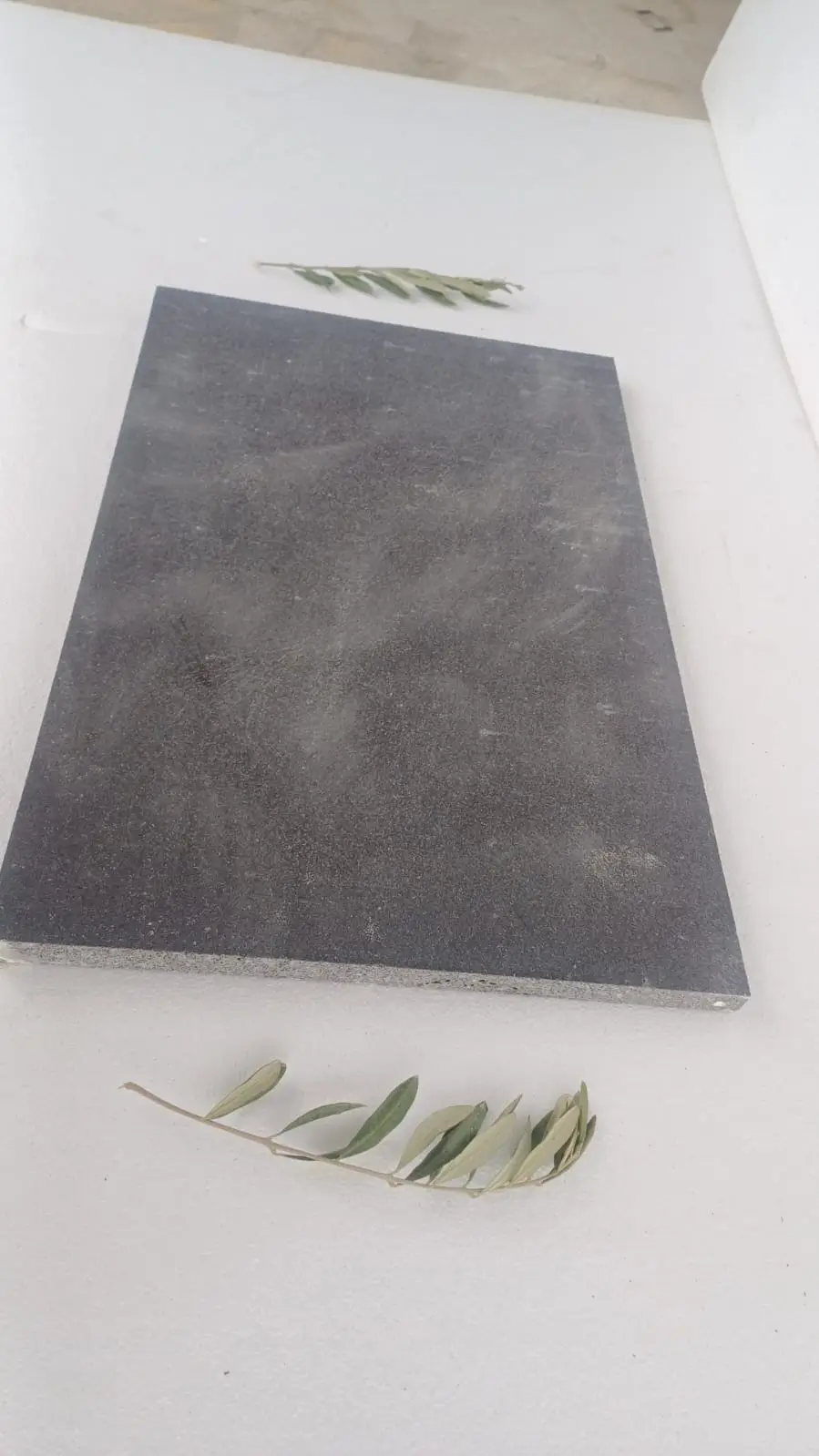
Your specification process would benefit from understanding how regional climate variations affect travertine performance across different Arizona markets. Temperature extremes, soil composition, water chemistry, and UV intensity create location-specific requirements that generic specifications fail to address. You need to account for these variables when you develop project specifications that deliver reliable performance rather than assuming one-size-fits-all approaches work across diverse environments.
San Tan Valley Applications
In San Tan Valley conditions, you would need to address extreme summer temperatures that regularly exceed 115°F combined with highly expansive clay soils that create significant subsurface movement. Your base preparation would require minimum 10-inch depth with engineered drainage to manage the substantial soil expansion that occurs during monsoon season moisture infiltration. The thermal performance specifications would emphasize lighter color selections and tumbled finishes to keep surface temperatures within acceptable ranges for barefoot traffic. You should account for the area’s hard water conditions that accelerate mineral deposits and efflorescence, requiring more aggressive sealing protocols and maintenance schedules than standard Phoenix applications would demand.
Yuma Considerations
For Yuma projects, you would confront the most extreme heat conditions in Arizona with summer temperatures frequently reaching 118-122°F and intense UV exposure that degrades sealers and polymeric joint materials faster than other locations. Your material selection would emphasize maximum solar reflectance through ivory and light beige color specifications with tumbled finishes that provide both thermal performance and slip resistance. The region’s sandy soils would allow you to reduce base depth requirements compared to clay-heavy areas, but you would need to address wind-blown sand infiltration into joints that accelerates polymeric sand degradation. Your sealing specifications would require UV-stabilized products with reapplication intervals of 3-4 years rather than the 5-6 years typical in less extreme environments.
Avondale Specifications
Avondale installations would need to address the urban heat island effect that elevates ambient temperatures 5-8°F above surrounding areas, directly impacting travertine surface temperatures and thermal expansion behavior. Your joint spacing would require adjustment to 12-foot intervals rather than 15-foot standards to accommodate the increased thermal movement in this environment. The area’s alkaline soils and groundwater would necessitate enhanced base drainage systems and waterproofing protocols to prevent efflorescence and mineral staining. You would specify travertine with lower porosity ranges of 5-6% to minimize moisture absorption from the high water table conditions common in developed areas, balancing this against slip resistance requirements through surface finish selection rather than relying on porosity for texture.
Final Planning Considerations
Your comprehensive approach to travertine pool deck Phoenix specifications requires integrating thermal performance, structural engineering, material science, and long-term maintenance planning into cohesive project documents. The extreme environmental conditions in Arizona demand specification precision that goes beyond standard pool deck guidelines developed for moderate climates. You need to account for thermal expansion coefficients, porosity interactions with water chemistry, base preparation for expansive soils, and sealing protocols that address UV exposure and chemical resistance simultaneously.
Professional specification development recognizes that successful installations balance competing requirements: adequate slip resistance without uncomfortable texture, thermal mass benefits without excessive heat retention, porosity for breathability without structural weakness, and joint flexibility without sand erosion. Your specifications should address each of these factors with quantifiable performance standards rather than relying on generic best practices that may not apply to desert environments. The investment in detailed specifications pays dividends through reduced callbacks, extended service life, and client satisfaction with performance that meets expectations established during the design phase.
When you finalize project documents, verify that specifications address material sourcing from consistent production lots, installation timing to avoid temperature extremes, base preparation appropriate for local soil conditions, and maintenance protocols that preserve long-term performance. For comprehensive guidance on antimicrobial surface treatments that complement pool deck sanitation requirements, reference Antimicrobial stone surface treatments for Arizona healthcare infection control before you complete your specifications. Volume discounts reward builders through Citadel Stone’s scalable travertine pavers wholesale in Arizona pricing.