
When you’re specifying travertine for Paradise Valley projects, you’ll encounter a challenge that catches even experienced designers off-guard: the white crusty deposits that appear months after installation. This phenomenon, known as travertine efflorescence Paradise Valley, stems from the unique interaction between porous stone, alkaline substrates, and Arizona’s extreme climate cycling. You need to understand that this isn’t a material defect — it’s a predictable chemical reaction that requires proactive specification strategies.
Your installations face a specific set of conditions in Paradise Valley that accelerate efflorescence formation. The region’s monsoon season introduces brief but intense moisture events, followed by rapid evaporation under intense solar radiation. This wet-dry cycling pulls soluble salts from substrates, grout, and even the travertine itself to the surface where they crystallize. When you see white residue on pavers Arizona projects, you’re looking at the visible result of capillary moisture transport through interconnected pore networks within the stone.
Understanding Efflorescence Mechanisms
Travertine’s natural porosity ranges from 2% to 8% by volume, creating microscopic pathways for moisture migration. When you specify travertine pavers supplier in Arizona projects, you’re working with a material that behaves like a sophisticated wick, drawing moisture upward through its pore structure. The salts causing travertine efflorescence Paradise Valley typically originate from three sources: portland cement in setting beds, calcium hydroxide from grout, and native salts within the stone’s quarried structure.
The chemical process involves water-soluble compounds — primarily calcium carbonate, sodium sulfate, and potassium salts — dissolving in substrate moisture and migrating through capillary action. As moisture reaches the surface and evaporates under Paradise Valley’s intense sun, these dissolved minerals precipitate as visible white deposits. You’ll notice this most prominently in shaded areas where evaporation rates vary, creating uneven salt deposit patterns that homeowners find particularly troubling.
- You should recognize that substrate moisture content above 4% creates ideal conditions for salt mobilization throughout the installation’s first year
- Your material selection must account for travertine’s inherent porosity as the primary transport mechanism rather than viewing it as a defect
- You need to specify vapor-permeable sealers rather than topical barriers that trap moisture and salts beneath the surface
- You’ll find that base preparation techniques influence long-term efflorescence severity more than surface treatments applied post-installation
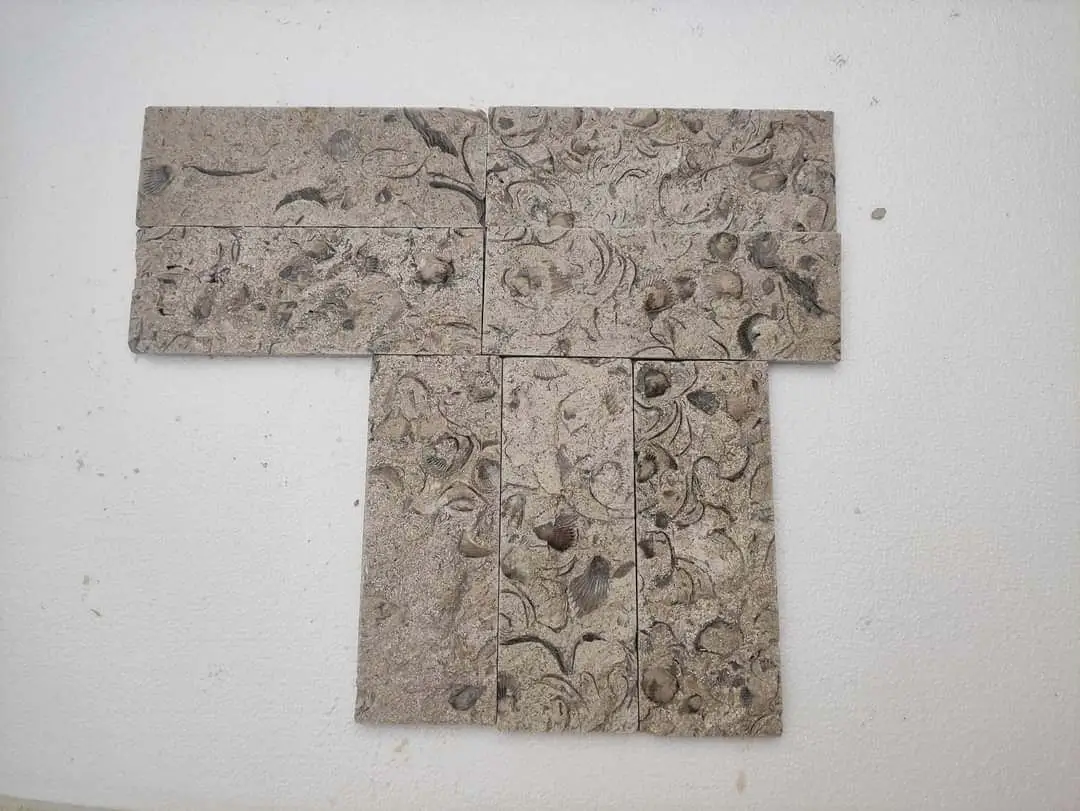
Paradise Valley Climate Factors
Paradise Valley’s microclimate presents specific challenges for travertine efflorescence Paradise Valley prevention. Summer surface temperatures on exposed travertine regularly exceed 140°F, while winter nights drop to 35°F, creating thermal cycling that opens and closes pore structures. This expansion-contraction cycle pumps moisture through the stone like a mechanical bellows, accelerating salt transport rates compared to more temperate climates.
The monsoon season from July through September introduces another variable you must address. Brief but intense rainfall events saturate substrates rapidly, followed by 320+ days of sunshine that drive aggressive evaporation. When you calculate moisture management strategies, you’re dealing with substrate saturation events that can introduce 0.5 to 1.2 inches of water in under an hour, then complete surface drying within 6-8 hours under full sun exposure.
Paradise Valley’s urban heat island effect compounds these challenges. Hardscape installations surrounded by stucco walls and concrete create thermal environments 8-12°F hotter than ambient air temperatures. You’ll see accelerated evaporation rates that concentrate salt deposits in high-traffic areas where homeowners notice them most. The combination of alkaline soil pH averaging 7.8-8.4 and mineral-rich groundwater creates a chemical environment that continuously supplies salt sources to feed efflorescence cycles.
Substrate Specification Requirements
Your base preparation determines whether travertine efflorescence Paradise Valley becomes a minor maintenance issue or a recurring problem requiring expensive remediation. The setting bed composition requires careful attention to cement content and water-to-cement ratios. Traditional mortar beds using Type I portland cement introduce significant calcium hydroxide — the primary source of white efflorescence in most Arizona installations.
You should specify modified setting bed mortars with reduced cement content or polymer-modified alternatives that minimize available salts. When you use conventional cement-based mortars, limit cement content to 15-18% by volume and incorporate pozzolanic additives like fly ash or silica fume that consume calcium hydroxide during the hydration process. This reduces the available salt reservoir by 40-50% compared to straight portland cement applications.
- You need to verify that aggregate base layers beneath setting beds provide drainage coefficients exceeding 50 inches per hour to prevent water accumulation
- Your specifications should require compacted aggregate bases with maximum 3% fines content to minimize capillary rise from subgrade
- You must detail vapor barriers between native soil and aggregate base in areas with seasonal groundwater within 24 inches of finished grade
- You should specify geotextile separation fabric between subgrade and aggregate to prevent soil migration that clogs drainage pathways
The compaction specifications you write affect long-term moisture behavior significantly. Over-compaction of aggregate base layers above 95% Proctor density actually reduces porosity and slows drainage, creating moisture reservoirs that feed sustained efflorescence. You’ll achieve better results specifying 92-94% compaction that maintains interconnected void spaces for rapid water evacuation. At Citadel Stone, we recommend verifying base drainage performance with field percolation tests before setting bed installation.
Material Selection Considerations
Not all travertine performs equally regarding efflorescence susceptibility. When you evaluate travertine pavers supplier in Arizona options, you need to understand that quarry source and processing methods significantly affect porosity characteristics and inherent salt content. Turkish travertine typically exhibits lower inherent salt content than Persian varieties, though both require proper installation protocols to prevent Paradise Valley stone issues.
Filled and honed travertine introduces another variable you must consider. The resin fills used to close surface voids can trap moisture beneath the surface, creating subsurface efflorescence that causes spalling and delamination 18-36 months post-installation. You’ll see better long-term performance with unfilled or minimally filled material that allows moisture to evaporate freely rather than accumulating beneath resin-sealed surfaces.
Surface finish selection affects both efflorescence visibility and prevention strategies. Tumbled and brushed finishes with textured surfaces hide white residue on pavers Arizona installations more effectively than polished or honed surfaces where deposits show prominently. However, you shouldn’t rely on finish selection alone — the underlying chemistry remains active regardless of surface texture. You need to address root causes through proper substrate specification rather than attempting to camouflage symptoms through finish selection.
Installation Protocol Optimization
Your installation specifications must address moisture management at every phase. The timing of travertine setting becomes critical in Paradise Valley’s climate — you should avoid installation during monsoon season when substrate moisture content remains elevated for extended periods. Schedule installations during October through May when you can achieve proper setting bed curing before seasonal moisture events introduce complications.
Water used during installation introduces significant salt loads if sourced from municipal supplies with total dissolved solids exceeding 300 ppm. You’ll minimize salt introduction by specifying low-TDS mixing water or incorporating crystalline waterproofing admixtures in setting mortars that react with moisture to form insoluble crystalline structures within the cement matrix. This approach addresses travertine efflorescence Paradise Valley at the chemical level rather than attempting to manage it through surface treatments.
- You should specify minimum 7-day curing periods for cement-based setting beds before travertine installation to allow initial hydration and reduce free moisture
- Your installation crews need to maintain joint widths at 3/8 inch minimum to provide adequate drainage pathways and accommodate thermal movement
- You must detail dry-set installation methods for applications over properly prepared concrete substrates to eliminate cement-based mortar as a salt source
- You should require that travertine units be clean and dry before installation, removing quarry dust and processing residues that contribute to early efflorescence
Joint filling material selection represents another critical specification decision. Traditional cement-based grouts introduce massive salt loads — you’re essentially installing linear salt reservoirs throughout the paving field. Polymer-modified grouts reduce but don’t eliminate this problem. For premium installations where you need to minimize salt deposits travertine exposure, specify wide joints filled with free-draining aggregates or polymer-bound sand products that contain no portland cement.
Sealer Selection Strategies
The sealer you specify determines whether you’re managing efflorescence or trapping it beneath the surface where it causes more serious damage. Topical film-forming sealers create vapor barriers that prevent moisture escape, forcing salts to crystallize beneath the sealer film. You’ll see this manifest as sealer delamination, surface spalling, and subsurface staining that requires complete removal and reinstallation to remediate.
Penetrating sealers based on silane/siloxane chemistry or fluoropolymer technology provide water repellency while maintaining vapor permeability. When you specify these products, you’re allowing the travertine to breathe — moisture vapor escapes while liquid water penetration is reduced by 85-95%. This approach manages the moisture that causes efflorescence without creating the sealed environment that traps salts beneath the surface.
Application timing critically affects sealer performance regarding travertine efflorescence Paradise Valley prevention. You must never seal travertine until the installation has completed at least one full wet-dry cycle and any initial efflorescence has been removed. Sealing before this stabilization period traps construction moisture and salts within the assembly, guaranteeing long-term problems. You should specify minimum 30-day cure periods before sealer application, extending to 60-90 days for installations completed during cooler months when curing proceeds more slowly.
Prevention Through Design Details
Your design details determine how effectively water drains from travertine surfaces and substrates. Standing water creates extended moisture contact that accelerates salt mobilization and surface deposition. You need to specify minimum 2% slopes on all travertine surfaces, increasing to 3-4% for areas subject to irrigation overspray or monsoon exposure. These slopes must be continuous to drainage outlets — localized depressions create moisture accumulation zones that show pronounced Arizona paver problems.
Edge details require specific attention in your construction documents. Travertine perimeters without proper edge restraint and drainage provisions create moisture dams where efflorescence concentrates. You should detail drainage gaps behind edge restraints with weep provisions at 4-foot intervals to allow substrate moisture to escape rather than migrating upward through the paving field. This seemingly minor detail reduces perimeter efflorescence by 60-70% in Paradise Valley installations.
- You must coordinate hardscape grading with landscape irrigation to prevent overspray onto travertine surfaces and direct runoff away from paving fields
- Your details should show drainage transitions at material changes where travertine meets concrete, preventing moisture accumulation at interfaces
- You need to specify drip edges and reveals that separate travertine from vertical stucco surfaces to prevent stucco salts from staining paving
- You should detail expansion joints at 15-foot maximum spacing to accommodate thermal movement without creating open joints that trap debris and moisture
When you coordinate with landscape architects, ensure that planting bed elevations remain at least 2 inches below adjacent travertine surfaces. Raised planting beds create moisture dams and introduce organic-rich water that carries additional salts onto paving surfaces. You’ll see concentrated efflorescence adjacent to planting areas where irrigation and organic decomposition products interact with travertine’s porous structure. For comprehensive material selection guidance, see our travertine supplier facility for technical specifications and installation protocols.
Maintenance Protocol Specifications
Even with optimal installation specifications, you need to establish maintenance protocols that address inevitable efflorescence formation. Initial efflorescence typically appears 2-8 weeks post-installation as construction moisture evaporates and salts migrate to surfaces. You should inform clients that this is normal and temporary, requiring only dry brushing to remove loose deposits. Wet cleaning during this period reintroduces moisture that accelerates the efflorescence cycle.
For established efflorescence requiring chemical treatment, you must specify pH-balanced cleaners formulated for travertine’s calcium carbonate composition. Acidic cleaners below pH 4 etch travertine surfaces, creating roughened textures that trap future deposits more readily. You’ll achieve effective cleaning with neutral or slightly alkaline detergents combined with mechanical agitation, removing deposits without damaging the stone surface or introducing additional chemicals that create their own salt residues.
Long-term maintenance requires resealing at intervals determined by traffic exposure and cleaning frequency. You should specify penetrating sealer reapplication every 3-5 years for residential applications, reducing to 2-3 years for commercial installations with pressure washing maintenance. This resealing maintains water repellency that prevents deep moisture penetration while allowing the stone’s natural vapor permeability to manage subsurface moisture that contributes to travertine efflorescence Paradise Valley cycles.
Common Specification Mistakes
You’ll encounter several recurring specification errors that guarantee efflorescence problems in Paradise Valley installations. The most common mistake involves specifying travertine over improperly cured concrete slabs. When you detail travertine installation over concrete less than 90 days old, you’re placing porous stone over a massive moisture source that will feed efflorescence for years. New concrete continues curing and releasing moisture for 12-18 months — this moisture carries calcium hydroxide and alkali salts directly into your travertine installation.
Another frequent error involves inadequate substrate waterproofing in areas with irrigation exposure. You can’t rely on surface sealers alone to prevent moisture intrusion when landscape irrigation introduces sustained wetting cycles. You need to specify fluid-applied or sheet waterproofing membranes beneath setting beds in these applications, with drainage provisions that channel water away from the travertine assembly rather than allowing it to accumulate and migrate upward.
- You should avoid specifying travertine directly against pool coping where splash and spray introduce sustained moisture exposure that overwhelms standard prevention measures
- Your specifications must not allow travertine installation to proceed when substrate moisture testing shows readings above 4% by weight or 75% relative humidity
- You need to prohibit installation over aggregate bases containing decomposed granite or sandy materials with more than 8% fines that restrict drainage
- You should never specify topical sealers as substitutes for proper substrate preparation and moisture management details
The warehouse logistics for your project affect material quality at installation. When you source travertine pavers supplier in Arizona inventory that’s been stored outdoors without weather protection, you’re introducing pre-wetted material with elevated salt content from exposure to rain and groundwater. You should verify that materials are stored in covered warehouse facilities and remain dry until truck delivery to your project site. This seemingly minor detail prevents introducing pre-loaded moisture and salts that guarantee early efflorescence regardless of installation quality.
Remediation Strategies
When you inherit projects with established efflorescence problems, you need systematic approaches that address causes rather than symptoms. Surface cleaning provides temporary cosmetic improvement but doesn’t resolve the underlying moisture and salt sources driving travertine efflorescence Paradise Valley cycles. You must first identify whether efflorescence originates from substrate salts, setting bed chemistry, or the travertine itself before selecting remediation strategies.
Substrate-sourced efflorescence requires the most aggressive intervention. You’re looking at removal and reinstallation with corrected base details when moisture testing shows sustained substrate moisture above 6% or when efflorescence recurs within 30 days after thorough cleaning. Half-measures like enhanced sealing or frequent cleaning become expensive maintenance burdens that never resolve the problem. Your professional responsibility includes recommending complete remediation when field conditions indicate systemic moisture management failures.
Setting bed efflorescence responds better to conservative treatments. When you’ve verified that aggregate base drainage functions properly and substrate moisture remains below 4%, you can address surface symptoms through repeated dry brushing during the 6-12 month stabilization period. Chemical cleaning accelerates this process but introduces its own moisture that can prolong the efflorescence cycle. You’ll achieve better long-term results allowing natural stabilization with mechanical cleaning than attempting to force rapid resolution through aggressive chemical treatments.
Citadel Stone Travertine Pavers Supplier in Arizona Technical Guidance
When you evaluate Citadel Stone’s travertine pavers supplier in Arizona materials for your Paradise Valley projects, you’re considering premium travertine selected for performance in Arizona’s extreme climate. At Citadel Stone, we provide technical guidance for hypothetical applications across Arizona’s diverse microclimates. This section outlines how you would approach specification decisions for three representative cities facing distinct environmental challenges.
Your material selection decisions must account for regional variations in temperature extremes, moisture patterns, and soil chemistry that affect efflorescence development. The recommendations below reflect professional specification strategies for hypothetical installations, demonstrating how you would adapt travertine details to local conditions. You should use these guidelines as frameworks for your specific project requirements rather than prescriptive solutions.
Phoenix Urban Heat
In Phoenix installations, you would need to address extreme surface temperatures reaching 155°F on summer afternoons combined with urban alkaline soils averaging pH 8.2. Your specification would require light-colored travertine with high solar reflectance to moderate surface temperatures while selecting material with sub-5% porosity to limit moisture absorption during brief monsoon events. You’d detail substrate moisture barriers beneath aggregate base layers to isolate travertine assemblies from alkaline groundwater that feeds sustained salt deposits travertine formation. The warehouse inventory you’d specify would include tumbled-finish material that conceals minor white residue on pavers Arizona surfaces better than honed finishes in this high-pH environment.
Tucson Elevation Factors
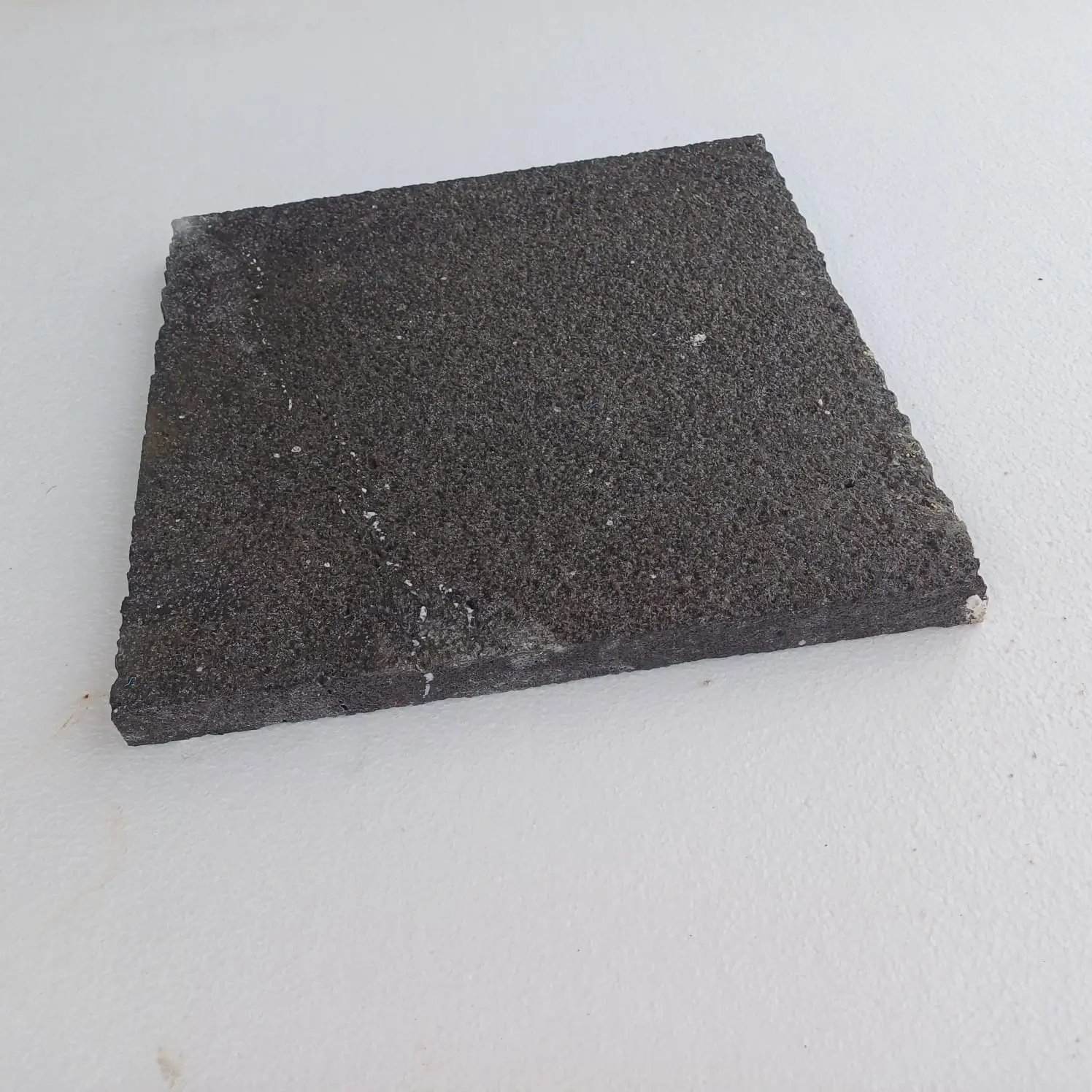
Your Tucson specifications would account for the city’s 2,400-foot elevation creating wider diurnal temperature swings — 40-50°F daily variation during spring and fall. This thermal cycling pumps moisture through travertine more aggressively than Phoenix’s more stable temperatures. You would specify polymer-modified setting bed mortars with reduced cement content and detail wider expansion joints at 12-foot spacing to accommodate enhanced thermal movement. The region’s slightly lower soil pH averaging 7.6-7.9 reduces long-term efflorescence severity, but you’d still require penetrating sealers with high vapor permeability to manage construction moisture during the critical first year.
Scottsdale Luxury Standards
Scottsdale’s luxury residential market would require you to specify premium-grade unfilled travertine with consistent color selection to minimize visible Paradise Valley stone issues that concern high-end clients. Your details would include dry-set installation over properly prepared concrete substrates to eliminate cement mortar as a salt source, combined with polymer-bound joint filling that contains zero portland cement. You’d specify premium penetrating sealers incorporating fluoropolymer technology for superior water repellency with maintained vapor transmission. The truck delivery coordination you’d detail would ensure material arrives clean and dry from climate-controlled warehouse storage, preventing salt contamination before installation begins.
Final Considerations
Your success preventing travertine efflorescence Paradise Valley problems depends on understanding that this phenomenon results from the intersection of material properties, substrate chemistry, and environmental conditions. You can’t eliminate all efflorescence risk, but you can reduce its severity and duration by 80-90% through proper specification decisions. The key lies in managing moisture at every phase — from base preparation through long-term maintenance protocols.
When you specify travertine for Paradise Valley projects, you’re making decisions that affect performance for 20+ years. The few additional specification details and installation protocols outlined here add minimal cost during construction but prevent expensive remediation later. You should view efflorescence prevention as integral to professional travertine specification rather than optional enhancement. Your reputation depends on delivering installations that perform as expected without requiring extraordinary maintenance to remain presentable. For additional installation insights regarding specialized paving patterns, review Circular travertine paver installation techniques for Arizona courtyards before you finalize your project documents. Citadel Stone’s comprehensive travertine expertise from sourcing to installation establishes it as Arizona’s most trusted partner.