
Travertine backyard patio projects in Arizona succeed or fail based on decisions made long before the first paver is set — specifically, whether you’ve matched stone thickness and finish to your actual solar exposure and substrate conditions. Most homeowners walking into a showroom focus on color and texture, but the professionals who’ve supervised dozens of these installations in the Sonoran Desert will tell you that a 1.25-inch tumbled travertine on a poorly graded caliche base will look identical to a well-specified 2-inch honed slab for about eighteen months. After that, the difference becomes impossible to ignore.
Why Travertine Performs So Well in Arizona’s Heat
The thermal behavior of travertine is genuinely different from concrete or ceramic tile, and that difference matters enormously in a state where surface temperatures routinely exceed 150°F on dark hardscaping. Travertine’s natural pore structure and relatively low thermal conductivity — roughly 0.64 to 0.82 W/m·K depending on density — mean the surface stays meaningfully cooler than comparable materials. You can walk barefoot on a properly specified travertine patio at 2 PM in July without discomfort that would be unavoidable on concrete.
The stone’s light reflectance also contributes to the urban heat island effect in your own backyard. Completed travertine patio designs across Arizona consistently show surface temperature differentials of 25–35°F between travertine and standard gray concrete under identical peak sun exposure. That’s not a marginal improvement — it changes how you actually use the outdoor space during the hottest months.
- Travertine’s thermal mass absorbs heat slowly and releases it gradually, preventing the sharp temperature spikes concrete experiences
- Light-toned travertine (ivory, walnut, classic cream) reflects considerably more solar radiation than darker stone or pavers
- The interconnected void structure in the stone also provides micro-drainage, reducing puddle accumulation after monsoon storms
- Coefficient of thermal expansion runs approximately 8 × 10⁻⁶ per °F — significantly lower than concrete at 5.5–6.5 × 10⁻⁶ per °C, making joint movement more predictable
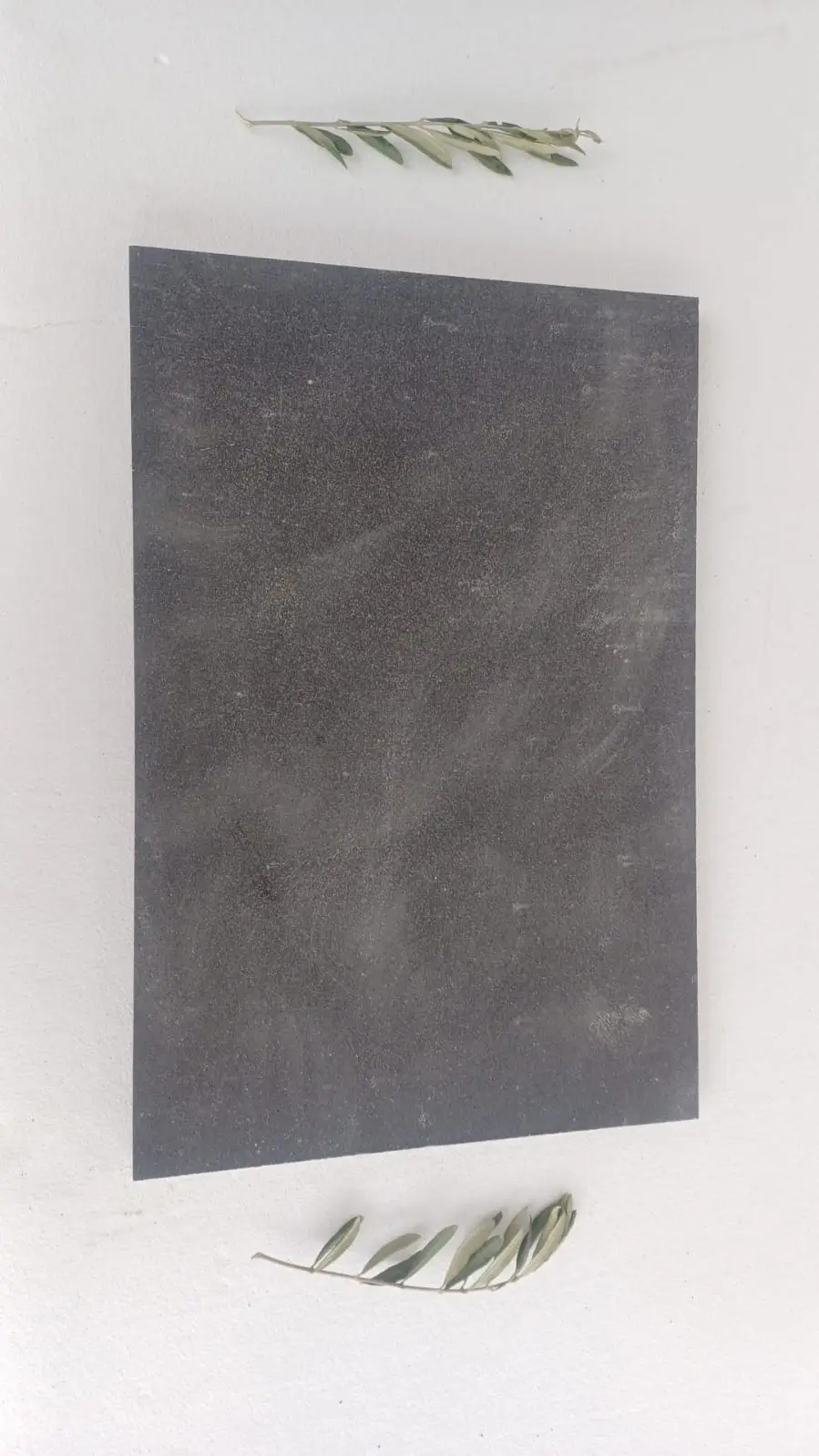
What Real Arizona Backyard Travertine Installation Projects Reveal
Looking at completed travertine outdoor paving case studies across AZ, a clear pattern emerges: the most successful results come from projects that treated base preparation as seriously as material selection. The travertine itself rarely fails. The base beneath it is almost always the origin of problems — lippage, cracking, rocking pavers — in the installations that don’t hold up.
In Sedona, the red clay soils with high expansion coefficients demand a minimum 6-inch compacted gravel base with a geotextile separation fabric between native soil and aggregate. Skipping that fabric, even with good gravel depth, results in clay migration into the base layer over two to three wet seasons, causing progressive settlement. Projects that followed this specification have held their level and joint integrity for well over a decade without significant intervention.
Reviewing an Arizona backyard travertine installation project showcase from the past several years, you’ll notice that the pattern and layout choices also significantly affect longevity. Running bond patterns distribute load more evenly across the base than stack bond, particularly under point loads from furniture and foot traffic at entry thresholds. Any travertine outdoor paving case study AZ worth referencing will confirm that layout decisions made at the planning stage have long-term consequences that no amount of post-installation repair can fully correct.
Choosing the Right Thickness and Finish for Arizona Projects
The travertine paver suppliers in Arizona you work with should be pushing you toward 2-inch nominal thickness for any unrestricted outdoor patio application. The 1.25-inch option has its place — covered pergola areas with controlled drainage and low point-load risk — but it’s been overspecified in open patio applications because it’s lighter to handle and costs less per square foot. That short-term savings rarely survives a decade of monsoon expansion cycles in Maricopa County soils.
Finish selection is equally consequential. Tumbled travertine delivers a naturally slip-resistant surface because the edges and face texture create micro-friction, and its ASTM C1028 wet static coefficient of friction typically measures above 0.60 — the threshold most jurisdictions require for exterior applications. Honed travertine looks stunning in photography and in covered applications but requires a penetrating sealer with a slip-resistant additive before you’d want it anywhere that gets wet without overhead cover.
- Tumbled finish: best for open patios, pool surrounds, high-traffic areas — requires no friction additive in the sealer
- Honed finish: excellent for covered outdoor rooms, low-traffic decorative areas, interior-to-exterior transitions
- Brushed finish: intermediate option that retains more texture than honed while offering a more refined look than tumbled
- Filled vs. unfilled: for Arizona monsoon conditions, filled travertine prevents debris and water infiltration into natural voids — strongly preferred for outdoor use
Base Preparation Standards That Arizona Conditions Demand
Projects in Yuma operate in some of the most extreme conditions in the continental United States — summer highs that regularly exceed 115°F combined with virtually no annual precipitation outside a brief monsoon window. The silver lining is that caliche, the calcium carbonate hardpan common throughout western Arizona, provides exceptional structural support when properly incorporated into your base system. You don’t need to excavate through caliche — you need to ensure the surface is scarified and that drainage is positively directed away from the structure.
The standard specification for open travertine outdoor paving across Arizona’s low desert runs: 6 inches of 3/4-inch compacted aggregate base at 95% Proctor density, 1 inch of coarse bedding sand (concrete sand, not masonry sand — the distinction matters for stability), then your paver. This sequence has a proven track record across completed travertine patio designs across Arizona from Tucson to the East Valley.
- Slope the entire base system at minimum 1/8 inch per foot away from any structure — this doesn’t change regardless of drainage conditions
- Verify aggregate compaction with a plate compactor before sand placement, not after — correcting after sand is placed disturbs the bedding layer
- Allow 72 hours after heavy grading before sand placement in summer — soil temperature affects compaction efficiency significantly
- In areas with organic-rich topsoil, excavate an additional 3–4 inches to eliminate future settlement from decomposition
Natural Stone Patio Renovation Results in Arizona: What to Expect
Homeowners approaching natural stone patio renovation results in Arizona need realistic benchmarks, not sales-pitch promises. A properly installed travertine backyard patio project in Arizona — correct base, appropriate thickness, quality sealer applied within 30 days of installation — should deliver 20 to 25 years of low-maintenance performance. You’re not getting that from concrete pavers or poured concrete in the same conditions, where thermal cycling and caliche heave typically surface visible problems within 8 to 12 years.
Browse any completed travertine outdoor paving case study AZ and you’ll see that the transformation extends beyond surface appearance. Homeowners consistently report that the patio becomes genuinely usable from earlier in the morning to later in the afternoon, because the stone doesn’t hold heat the way concrete does. That’s a functional improvement, not just an aesthetic one.
For projects referencing our work directly, our Arizona travertine patio renovation showcase documents completed installations with material specifications and performance notes worth reviewing before finalizing your selections.
Ordering, Logistics, and Project Timeline Planning
Your project timeline needs to account for material lead times honestly. Travertine pavers in Arizona sourced domestically from a warehouse with established regional inventory typically ship within 5–10 business days of order confirmation. Imported stone ordered without verified warehouse stock can push lead times to 6–8 weeks, which compresses your installation window and forces scheduling compromises you’ll regret when monsoon season arrives.
At Citadel Stone, we maintain active warehouse inventory of the most specified Arizona travertine formats — 16×24, 12×24, and 12×12 in standard thicknesses — specifically to prevent the lead time gaps that derail project schedules. We source material with documented density and absorption testing, which matters for warranty compliance if you’re working under an architect’s specification.
Truck access to your site is a detail that often surfaces at the worst possible moment. Delivery of a typical 500-square-foot patio project requires one to two full pallets, and truck clearance under residential overhead utilities or through gates narrower than 10 feet needs to be confirmed before scheduling. A truck delivering 4,000 pounds of natural stone to a site with 8-foot gate clearance is a problem that costs time and money — confirm access dimensions when you place the order, not the morning of delivery.
Sealing and Maintenance in Arizona’s Climate
Sealing protocols for travertine paver suppliers in Arizona differ meaningfully from what you’d read in generic stone care literature, because the UV intensity and temperature swings here accelerate sealer degradation faster than most mainland climates. A penetrating silane-siloxane sealer applied correctly extends its effective service life roughly 3–4 years in Phoenix-area conditions versus the 5–7 years the manufacturer rates it for in moderate climates. Plan for resealing on that Arizona-adjusted schedule.
Projects in Mesa have shown that fall application — October through November — delivers the most consistent sealer penetration because substrate temperatures sit in the optimal 55–75°F range that silane-siloxane chemistry requires for proper curing. Summer sealing on a patio that’s been baking at 140°F all day creates adhesion and penetration problems that show up six months later as premature sealer failure.
- Clean the surface thoroughly with a pH-neutral stone cleaner before sealing — no acidic cleaners on travertine, ever
- Allow 48 hours of dry weather before and after sealer application
- Apply sealer in two thin coats rather than one heavy coat for better penetration and more even coverage
- For pool surrounds, use a sealer rated for chlorine and saltwater exposure — standard penetrating sealers degrade rapidly in that environment
- Test sealer performance annually with a water drop test — if water absorbs into the stone rather than beading, it’s time to reseal
Mistakes That Undermine Arizona Travertine Backyard Projects
The pattern of errors across travertine backyard patio project outcomes in Arizona is remarkably consistent. Understanding these pitfalls before your project starts is worth more than any post-installation fix.
Specifying unfilled travertine for an outdoor patio in an area with heavy leaf litter or monsoon debris is the most avoidable mistake. The natural voids fill with organic material, which retains moisture and eventually stains the surrounding stone. Filling those voids with grout during installation takes a few hours and eliminates the problem entirely.
- Skipping the geotextile fabric between native soil and aggregate base — causes clay migration and progressive settlement within 3 to 5 years
- Using masonry sand for bedding instead of concrete sand — masonry sand compresses unevenly under load, leading to lippage and rocking pavers
- Installing without adequate expansion joints — travertine needs joints every 8 to 10 feet in full sun Arizona exposure, not the 15 to 20 feet standard in cooler climates
- Applying sealer to stone that hasn’t fully cured — wait at least 28 days after installation before first sealer application
- Choosing honed finish for pool surrounds without a slip-resistant sealer additive — a liability issue and a genuine safety concern
Final Perspective
The Arizona backyard travertine installation project showcase results that hold up over years share a common thread: they were specified with the actual desert environment in mind, not with generic stone installation guidelines drafted for mid-Atlantic or Pacific Northwest conditions. Your material, base, finish, and sealing choices all interact with Arizona’s specific climate in ways that compound over time — in the right direction when you get them right, and in the wrong direction when you don’t. Natural stone patio renovation results in Arizona that exceed homeowner expectations aren’t accidents; they’re the product of decisions made before a single paver was unloaded from the truck. As your project moves toward execution, consider reviewing How to Choose Thin Travertine Pavers in Arizona — it covers a complementary specification dimension that’s increasingly relevant for covered patio and interior-to-exterior transition applications. Citadel Stone has supplied natural stone travertine pavers for completed Arizona backyard projects in Peoria, Scottsdale, and Tucson, demonstrating measurable improvements in outdoor living space aesthetics.