
When you evaluate wholesale patio slabs in Arizona’s competitive construction market, your procurement decisions directly impact project margins and client satisfaction. You’ll encounter trade price paving stones Arizona options that promise contractor discounts, but understanding the distinction between genuine factory-direct pricing and intermediary markups requires professional insight that goes beyond surface-level comparisons. Your specification process needs to account for material performance in extreme desert conditions while securing pricing that supports profitable project execution.
The Arizona hardscape market presents unique challenges that affect how you approach material sourcing. You’re working in an environment where summer surface temperatures regularly exceed 160°F, monsoon moisture creates rapid wet-dry cycling, and UV exposure degrades inferior materials within 5-7 years. Your material selection can’t rely on generic product literature—you need to understand how specific stone types perform under these conditions and which suppliers maintain inventory depth that prevents project delays.
Factory Direct Procurement Structures
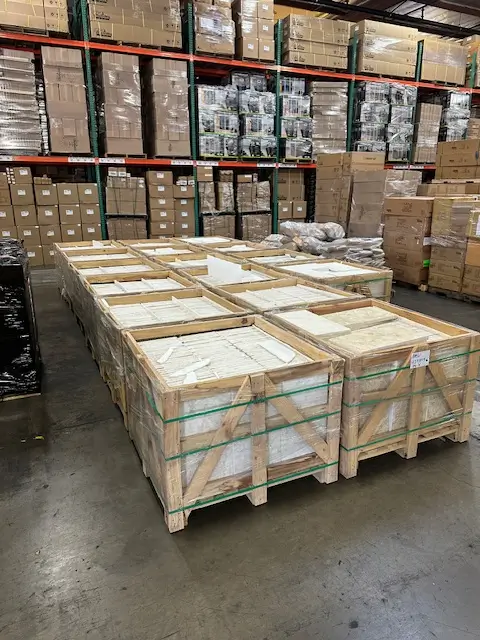
You should understand that genuine factory-direct pricing eliminates 2-3 distribution layers that typically add 35-50% to final material costs. When you work with direct import slabs, you’re accessing quarry pricing plus container logistics, not paying for regional distributor warehouses, sales networks, and retail showroom overhead. The difference appears most dramatically in bulk orders—projects requiring 5,000+ square feet show cost advantages of $1.80-$3.20 per square foot compared to traditional distribution channels.
Your procurement timeline needs to accommodate the realities of container shipping and customs clearance. Direct factory orders typically require 8-12 week lead times from deposit to warehouse availability, though suppliers maintaining domestic inventory can reduce this to 2-4 weeks. You’ll want to verify actual stock levels rather than relying on quoted availability—the difference between warehouse-confirmed inventory and “available to order” creates the project delays that damage contractor reputations.
The material verification process becomes your responsibility when you bypass traditional distribution. You need to specify ASTM testing requirements in purchase agreements and confirm that factory certifications address relevant standards—C1528 for slip resistance, C99 for dimensional tolerances, C880 for flexural strength. Trade price paving stones Arizona suppliers offering legitimate factory-direct access provide third-party testing documentation, not just manufacturer spec sheets.
Contractor Bulk Order Economics
Your volume thresholds determine available pricing tiers in ways that don’t scale linearly. The critical breakpoints typically occur at 3,000 square feet, 7,500 square feet, and 15,000+ square feet, where you’ll see 12-18% price reductions at each threshold. Professional buyers understand that combining multiple smaller projects into consolidated orders captures these economies even when installation schedules span 4-6 months.
You’ll encounter minimum order quantities that vary significantly between material types and suppliers. Travertine and limestone typically require 2,500-3,500 square foot minimums for premium pricing, while granite and quartzite MOQs often start at 5,000 square feet. Contractor stone discounts become meaningful when your annual volume across all projects justifies these commitments—the math works differently for residential specialists versus commercial contractors running concurrent projects.
- You need to calculate total landed cost including freight differentials between full container loads and partial shipments
- Your storage capacity determines whether bulk purchasing creates savings or generates handling costs that erase margin gains
- You should evaluate payment term options since 30-day net terms versus deposit requirements affect project cash flow
- Your quality control protocols must catch material defects before installation begins since return logistics on bulk orders involve significant friction
The seasonal timing of bulk orders affects both pricing and availability. You’ll find the best negotiating position during November through February when quarry production continues but construction activity slows in northern markets. Summer orders during peak Arizona building season often carry 8-12% price premiums and extended lead times as suppliers prioritize existing contracts.
Material Performance Verification
Your specification process must address performance characteristics that laboratory testing doesn’t fully capture. Porosity ratings tell you water absorption rates under controlled conditions, but you need to understand how that translates to staining resistance when pool chemicals, landscape fertilizers, and monsoon dust interact with the stone surface. Materials testing at 3-5% porosity perform very differently in practice—limestone at 4% porosity shows staining within 18-24 months without proper sealing, while granite at the same porosity remains stable for 8-10 years.
Thermal expansion coefficients require climate-specific interpretation for Arizona applications. You’re looking at materials with coefficients ranging from 4.8 to 6.2 × 10⁻⁶ per °F, and the difference matters when daily temperature swings reach 45-50°F during spring and fall. Your expansion joint spacing needs to account for these specific thermal characteristics—generic 20-foot spacing recommendations lead to lippage and cracking in materials at the higher end of the expansion range.
The relationship between surface finish and slip resistance changes dramatically as materials age under UV exposure and abrasive dust. You might specify flamed granite with initial DCOF ratings of 0.58, but understand that surface degradation over 3-5 years can reduce that to 0.48-0.52 in high-traffic areas. Your long-term performance expectations should factor this predictable decline, particularly for pool decks and commercial applications where slip resistance carries liability implications.
Supply Chain Transparency
You need to distinguish between suppliers who maintain physical inventory and those operating as brokers coordinating shipments from third-party warehouses. The verification process requires direct confirmation—ask for warehouse locations, request facility tours, and confirm that quoted inventory exists in accessible storage rather than in-transit containers or overseas quarries. The distinction becomes critical when project schedules compress or material defects require replacement.
Your due diligence should include verification of quarry relationships and import documentation. Legitimate direct importers provide commercial invoices, bills of lading, and customs clearance records that trace materials to specific quarries. When you evaluate discounted paving materials from landscape liquidators AZ sources, you’re often looking at surplus inventory, project overruns, or discontinued product lines—legitimate sources for cost savings if you understand the trade-offs in selection consistency and reorder availability.
The container logistics affect material condition in ways that impact installation success. You should verify that suppliers use appropriate dunnage, moisture barriers, and load distribution to prevent transit damage. Edge chipping, corner damage, and moisture staining from container condensation create 4-8% waste factors that erode the savings from aggressive pricing. Professional contractors inspect deliveries before signing bills of lading and document damage immediately rather than discovering problems during installation.
Regional Climate Considerations
Arizona’s diverse climate zones require material selection strategies that account for elevation, precipitation, and temperature extremes that vary dramatically across 300 miles. You’re specifying differently for Yuma’s 3-inch annual rainfall and 120°F summers than for Flagstaff’s 22-inch precipitation and sub-freezing winter conditions. The material performance characteristics that ensure 20-year service life in one location create maintenance problems or premature failure in another.
Desert heat affects material selection in ways that extend beyond surface temperature tolerance. You need to consider thermal mass properties and how they influence pedestrian comfort during peak use hours. Lighter-colored limestone and travertine with lower thermal absorption keep surface temperatures 25-35°F cooler than darker granite or basalt, but you’re trading that comfort advantage for higher porosity and increased maintenance requirements. Your client education process should address these performance trade-offs before material selection finalizes.
- You should account for UV degradation rates that accelerate in high-altitude locations where atmospheric filtering decreases
- Your sealer specifications need to address both water repellency and UV inhibitors for Arizona applications
- You’ll want to verify freeze-thaw ratings for elevations above 4,500 feet where winter cycling occurs 30-50 times annually
- Your installation scheduling must work around monsoon season when base preparation and setting materials face moisture complications
The interaction between stone selection and surrounding landscape affects long-term appearance and maintenance requirements. You’re working in environments where wind-blown dust, irrigation overspray, and landscape runoff create conditions that accelerate staining and biological growth on porous materials. For comprehensive approaches to material integration, you should review Citadel Stone’s patio block inventory which addresses these regional performance factors. Your specification process benefits from understanding how material porosity, surface texture, and color selection interact with these environmental factors.
Pricing Structure Analysis
You’ll encounter pricing that varies by 40-60% for materially similar products based on distribution channel, order volume, and supplier business model. The analysis requires you to compare total installed cost rather than material price per square foot—a product priced at $8.50 per square foot with minimal waste and easy installation may deliver better project economics than material at $6.20 per square foot that generates 12% waste and requires specialized cutting equipment.
Your cost modeling should account for the complete procurement cycle including payment terms, delivery logistics, and inventory carrying costs. Trade price paving stones Arizona suppliers offering net-30 terms provide cash flow advantages worth 2-3% in effective cost reduction compared to deposit-required purchases. When you maintain relationships with suppliers offering flexible terms, you’re improving project financial performance beyond simple material cost reduction.
The hidden costs in wholesale procurement often appear in specification limitations and selection constraints. You might access exceptional pricing on 18×18-inch pavers but find that project design requires 24×24-inch formats where volume pricing doesn’t apply. Professional buyers develop facility with working within available inventory profiles rather than designing custom specifications that eliminate volume pricing advantages.
Quality Verification Protocols
Your inspection process needs to address both material quality and specification compliance before installation begins. The verification starts with dimensional tolerances—you’re checking that thickness variation remains within ±2mm for calibrated materials and ±4mm for non-calibrated products. Variations beyond these ranges create lippage issues that require grinding or shimming during installation, adding labor costs that eliminate pricing advantages.
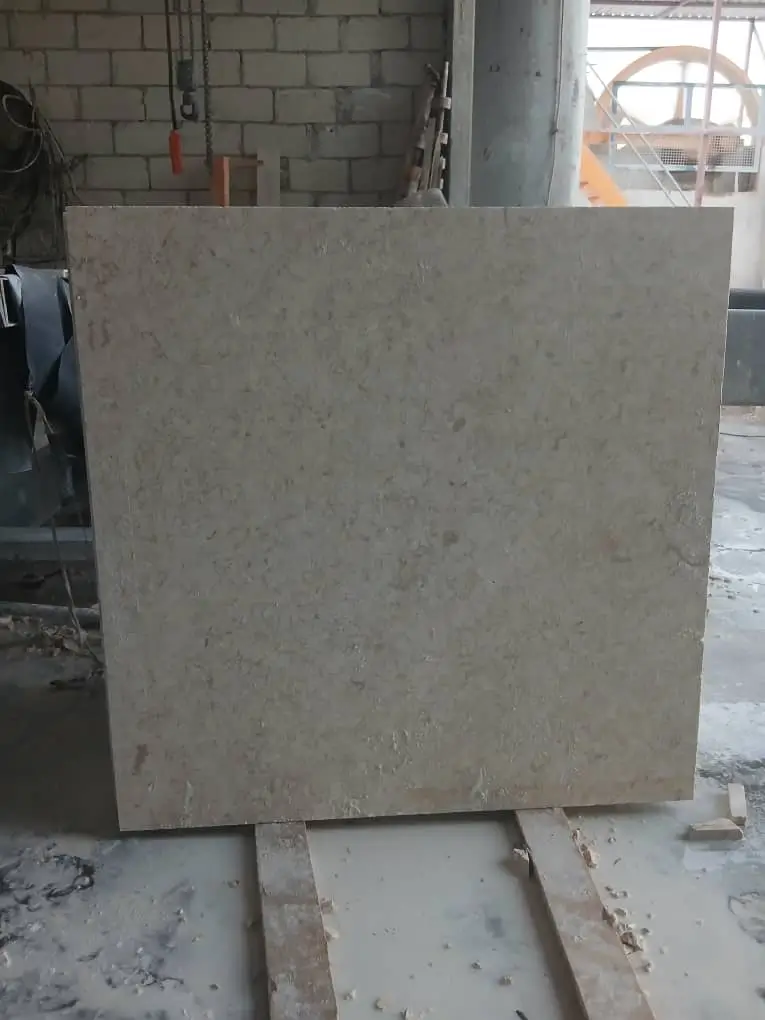
Color and vein consistency requires evaluation across multiple pallets and production lots. You should pull samples from at least 6-8 different pallets in large orders to verify that color range matches approved samples. Natural stone exhibits inherent variation, but you need to confirm that variation falls within acceptable parameters rather than discovering dramatic shade differences after installation reaches 60% completion. Your sample approval process should document acceptable variation ranges using photographs under consistent lighting conditions.
Surface finish quality affects both aesthetics and performance. You’re verifying that flamed finishes show consistent texture depth, that honed surfaces meet specified gloss levels (typically 20-35 gloss units), and that saw-cut or natural-cleft surfaces don’t exhibit characteristics that compromise slip resistance or create pedestrian hazards. The rejection criteria should be established in purchase agreements rather than negotiated after delivery—professional contracts specify ANSI A137.1 or equivalent standards that provide objective acceptance criteria.
Installation Planning Integration
Your material procurement timeline must synchronize with site preparation and installation scheduling to avoid double-handling and storage complications. The ideal sequence delivers materials 3-5 days before installation begins—early enough to accommodate delivery complications but late enough to minimize on-site storage duration. When you’re working on projects where site storage isn’t secure or weather-protected, you need warehouse relationships that support just-in-time delivery coordinated with installation progress.
The base preparation requirements vary with material selection in ways that affect total installation cost and timeline. You’re specifying differently for 30mm pavers than for 50mm slabs—the thinner materials require more precise base leveling and compaction to prevent differential settlement. Your installation crews need to understand these material-specific requirements before materials arrive on-site, not during field problem-solving that generates delays and cost overruns.
- You should verify that cutting equipment matches material hardness and abrasiveness to prevent blade damage and slowdowns
- Your joint spacing specifications need to account for actual dimensional variation in delivered materials rather than theoretical product dimensions
- You’ll want to plan setting material quantities based on porosity and temperature conditions during installation windows
- Your sealing timeline should account for material curing requirements and weather forecasts to prevent moisture entrapment
Citadel Stone’s Wholesale Paver Stones in Arizona: Regional Specification Guidance
When you consider Citadel Stone’s wholesale paver stones in Arizona for your hardscape projects, you’re evaluating premium materials engineered for extreme desert climate performance and direct factory pricing structures. At Citadel Stone, we provide technical guidance for hypothetical applications across Arizona’s diverse climate zones, from low desert valleys to high-elevation pine forests. This section outlines how you would approach material selection and specification decisions for six representative cities, each presenting distinct environmental challenges that affect stone performance and installation protocols.
Phoenix Heat Management
In Phoenix applications, you would specify materials with high solar reflectance to manage surface temperatures that regularly exceed 165°F on dark stone during June through August. Your selection would prioritize lighter travertine or limestone with reflectance values of 55-65% to keep surfaces within usable temperature ranges during peak afternoon hours. You’d need to account for the urban heat island effect that adds 8-12°F to ambient temperatures compared to surrounding desert, affecting thermal expansion calculations and joint spacing requirements. Your installation timeline would avoid mid-summer months when setting materials cure too rapidly and base preparation faces complications from extreme soil temperatures.
Tucson Desert Durability
Your Tucson specifications would address the combination of intense UV exposure at 2,400-foot elevation and monsoon precipitation that creates aggressive wet-dry cycling from July through September. You would select materials with porosity below 5% to minimize moisture absorption that, combined with rapid evaporation, accelerates salt migration and efflorescence formation. The calcium carbonate content in local soils requires you to specify materials and sealers that resist alkaline interaction—travertine and limestone perform well despite their composition because proper sealing prevents subsurface moisture wicking. You’d plan expansion joints every 12-14 feet to accommodate daily temperature swings reaching 45°F during spring and fall shoulder seasons.
Scottsdale Luxury Standards
In Scottsdale’s high-end residential market, you would specify premium materials that deliver both performance and aesthetic distinction. Your selection would focus on exotic granites, quartzites, and premium travertines with distinctive veining patterns and consistent color selection. You’d need to account for client expectations around color consistency—sample approval protocols would document acceptable variation ranges since natural stone exhibits inherent differences. Your installation details would address zero-tolerance lippage requirements common in luxury applications, requiring you to specify calibrated materials with thickness variation limited to ±1.5mm. Pool deck applications would require slip resistance verification through DCOF testing rather than relying on finish descriptions.
Flagstaff Freeze Protection
Your Flagstaff specifications would prioritize freeze-thaw durability for conditions at 7,000-foot elevation where winter temperatures drop below freezing 120-140 nights annually. You’d select materials with water absorption below 0.5% and verified resistance to 300+ freeze-thaw cycles per ASTM C1026 testing protocols. The extended winter season requires you to plan installation during June through September windows when ground conditions support proper base preparation and curing. Your material selection would favor dense granite and quartzite rather than limestone or sandstone, trading the latter’s thermal comfort advantages for freeze-thaw reliability. Joint specifications would address snowmelt runoff and ice formation patterns that create different drainage requirements than low-desert applications.
Sedona Aesthetic Integration
In Sedona applications, you would specify materials that complement the distinctive red rock landscape while meeting performance requirements at 4,500-foot elevation. Your color selection would incorporate warm earth tones—buff limestone, gold travertine, or reddish sandstone—that harmonize with surrounding geology. You’d need to balance aesthetic goals with durability requirements since sandstone’s visual appeal comes with higher porosity requiring aggressive sealing protocols and maintenance commitments. The tourism-driven commercial market requires you to specify slip-resistant finishes for pedestrian plaza applications while managing expectations around material weathering that affects appearance over 5-7 year cycles. Your specifications would address moderate freeze-thaw exposure with 40-60 annual cycles requiring materials tested to appropriate standards.
Yuma Extreme Conditions
Your Yuma specifications would address the most extreme heat exposure in Arizona, with summer temperatures consistently reaching 115-120°F and surface temperatures on dark materials exceeding 180°F. You would prioritize maximum solar reflectance through light-colored materials and avoid dark granites or basalts that become unusable during daylight hours from May through September. The minimal precipitation—averaging less than 3 inches annually—allows you to consider materials with slightly higher porosity than other regions since freeze-thaw and moisture cycling present minimal concerns. Your installation planning would account for extreme dust exposure from agricultural operations and wind events that require frequent cleaning protocols. You’d specify sealers with both water repellency and dust-resistance properties to minimize maintenance demands in harsh environmental conditions.
Supplier Relationship Development
Your long-term procurement success depends on relationships with suppliers who understand professional contractor requirements beyond transactional material sales. You need partners who provide technical support during specification development, accommodate scheduling complexities across multiple concurrent projects, and maintain communication throughout procurement and delivery cycles. The value of these relationships becomes apparent when projects encounter complications requiring expedited deliveries, material substitutions, or warranty support.
You should evaluate suppliers based on their capability to support your business growth rather than simply current project needs. Professional stone suppliers maintain diverse inventory that allows you to expand service offerings, provide design flexibility to clients, and respond to market trends without rebuilding supply relationships. When you develop partnerships with suppliers offering contractor stone discounts tied to annual volume rather than individual orders, you’re creating procurement advantages that compound across project cycles.
The communication protocols and technical support capabilities separate professional suppliers from commodity material vendors. You need access to specification guidance, installation troubleshooting, and performance documentation that supports client education and project risk management. Suppliers who provide these professional services justify slight price premiums over absolute lowest-cost alternatives through the value they contribute to successful project execution and reduced field complications.
Project Risk Management
Your procurement decisions carry financial and schedule risks that require systematic management approaches. The primary risk areas involve material availability, specification compliance, delivery timing, and payment obligations. You need contracts that clearly define acceptance criteria, delivery schedules, payment terms, and remedies for non-performance. Professional buyers include contingency planning for material shortages or delivery delays—identifying alternative suppliers and acceptable substitute materials before problems emerge rather than scrambling for solutions under project deadline pressure.
The quality verification process distributes risk between you and your supplier through clear inspection protocols and timely defect notification. You should inspect deliveries within 48 hours and document any issues with photographs and written communication. Your contracts need to specify the timeframe for defect notification and the process for returns or replacements. Understanding that some level of natural stone variation and minor defects falls within industry norms prevents disputes while ensuring that material quality matches project requirements.
- You need insurance verification and contractual protections against delivery damage or loss during transit
- Your payment structures should align disbursements with delivery milestones and quality verification
- You should maintain documentation of all communications, sample approvals, and specification changes
- Your contingency planning must identify backup suppliers and substitute materials before critical path activities
Performance Expectations
You need to establish realistic performance expectations with clients based on material characteristics, environmental exposure, and maintenance commitment. Natural stone installations in Arizona’s extreme climate typically deliver 15-25 year service life before requiring significant intervention—resurfacing, replacement, or major restoration. The variation depends on material selection, installation quality, sealing protocols, and ongoing maintenance. Your client education process should address these factors before material selection finalizes to prevent dissatisfaction when natural aging occurs.
The maintenance requirements vary dramatically between material types and affect total cost of ownership calculations. You’re comparing limestone requiring biennial sealing and regular cleaning against granite needing minimal maintenance beyond occasional power washing. When you present these options to clients, the material cost difference of $2-3 per square foot becomes less significant than the 10-year maintenance cost differential of $0.80-1.20 per square foot annually. Professional contractors provide this total cost analysis rather than focusing exclusively on installation pricing.
Your warranty provisions need to reflect realistic performance expectations and clearly delineate responsibilities between material defects, installation workmanship, and maintenance-related issues. Natural stone color variation, minor chipping, and surface patina development represent normal aging rather than defects. Your contracts should define these distinctions and establish protocols for addressing legitimate performance problems while managing expectations around natural material behavior over extended timelines.
Sustainable Procurement
Your material sourcing decisions carry environmental implications that increasingly matter to clients and regulatory frameworks. You should understand the carbon footprint differences between imported materials shipped 8,000+ miles and domestic stone transported 500-1,000 miles. The environmental cost analysis extends beyond transportation to include quarrying practices, water consumption, and waste generation. Professional contractors prepared to discuss these factors differentiate themselves in markets where sustainability drives procurement decisions.
The lifecycle assessment of stone installations demonstrates environmental advantages compared to manufactured alternatives when properly maintained. You’re working with materials that don’t require manufacturing energy, don’t off-gas volatile compounds, and remain fully recyclable at end of service life. When you educate clients about these inherent sustainability characteristics, you’re building value justification for natural stone despite higher initial costs compared to concrete pavers or porcelain tiles.
Your procurement from suppliers demonstrating responsible business practices—fair labor conditions, environmental management, community engagement—aligns with corporate social responsibility commitments that matter in commercial and institutional markets. The verification process requires you to ask questions about quarry certifications, labor practices, and environmental management systems. Suppliers willing to provide transparency around these issues demonstrate professionalism that extends beyond transactional relationships.
Strategic Considerations
Your material procurement strategy should align with your business positioning and target market requirements. Professional contractors serving luxury residential markets require different supplier relationships and inventory access than those focused on commercial or production homebuilding. You need to evaluate whether your business model supports the inventory investment, specialized equipment, and installation expertise required to maximize trade price paving stones Arizona opportunities or whether project-specific procurement better serves your operational model.
The market analysis should identify underserved niches where specialized material knowledge creates competitive advantages. You might develop expertise in specific stone types, installation techniques, or application categories that differentiate your services and justify premium pricing. When you become the recognized specialist for pool decks, outdoor kitchens, or commercial plazas, your procurement relationships and material knowledge become business assets that competitors can’t easily replicate.
Your professional development in material science, installation techniques, and specification protocols requires ongoing investment that pays returns through improved project outcomes and reduced field problems. When you understand how to evaluate direct import slabs for quality and performance, how to specify contractor stone discounts appropriately, and how to work effectively with discounted paving materials from landscape liquidators AZ sources, you’re building capabilities that enhance profitability across all projects. For advanced installation systems and climate-specific technical guidance, review Interlocking paver systems designed for Arizona desert climate conditions to expand your technical knowledge base. Citadel Stone’s flagstone selection serves natural patio paving stones for sale in Arizona authenticity.