
When you budget for paving slabs in Arizona, you’re looking at far more than the per-square-foot material cost. Your total paving slab costs Arizona include base preparation, labor rates that vary by 40% between cities, delivery logistics across desert terrain, and hidden fees that emerge during procurement. Understanding these components helps you avoid the budget overruns that plague 60% of hardscape projects in the Southwest.
The mistake most specifiers make is treating total paving slab costs Arizona as a simple multiplication exercise. You multiply square footage by unit price and call it done. In practice, your actual project costs depend on soil conditions, truck access constraints, seasonal labor availability, and regional material sourcing challenges. This guide breaks down every cost component you’ll encounter from initial site assessment through final installation.
Material Costs Per Square Foot
Your material selection drives 35-45% of total paving slab costs Arizona, but unit pricing varies dramatically based on stone type, thickness, and finish specifications. Natural stone pavers range from $8-$28 per square foot for materials alone, while concrete alternatives start at $3-$7 per square foot. You need to understand that quoted prices typically reflect warehouse pickup — your delivered cost adds 15-30% depending on project location.
Thickness specifications directly impact your budget. When you specify 2-inch pavers for residential applications, you’ll pay $12-$18 per square foot for quality limestone. Upgrading to 3-inch commercial-grade slabs increases costs to $22-$32 per square foot. The thicker material isn’t just about durability — it affects structural performance, allows for wider joint spacing, and reduces substrate preparation requirements in specific soil conditions.
You should verify warehouse stock levels before committing to project timelines, especially for specialty finishes or large-format slabs. Lead times from 6-12 weeks aren’t uncommon for premium materials, and you’ll face rush fees of 20-35% if you need to compress delivery schedules. For reliable sourcing and technical specifications, see Citadel Stone’s slab warranty details to understand performance guarantees across different material grades.
Base Preparation Cost Paving Slabs
Your base preparation cost paving slabs typically consumes 25-35% of total project budgets, yet this is where contractors cut corners most frequently. Proper base construction requires 4-6 inches of compacted aggregate base, 1-2 inches of bedding sand, and soil stabilization treatments in expansive clay conditions. You’re looking at $4-$9 per square foot for professional base preparation in standard soil conditions, increasing to $12-$18 per square foot when you encounter problematic substrates.
Arizona’s diverse soil conditions create regional cost variations you need to account for during budgeting. Caliche deposits common throughout Phoenix and Tucson require mechanical excavation that adds $3-$5 per square foot. Clay-heavy soils in parts of Flagstaff and Sedona need stabilization treatments with cement or lime amendments, adding another $2-$4 per square foot. Your geotechnical assessment should happen before you finalize budgets — discovering soil issues mid-project triggers change orders that inflate costs by 30-50%.
- You need minimum 95% compaction for pedestrian applications, 98% for vehicular loads
- Your aggregate base should consist of crushed angular stone, not rounded river rock which shifts under load
- You should specify open-graded base materials in areas with poor drainage to prevent subsurface water accumulation
- Geotextile fabric between native soil and base course prevents aggregate migration in unstable soils
The base preparation cost paving slabs increases significantly when your project involves existing hardscape removal. Demolition and disposal of concrete patios or asphalt driveways adds $2-$6 per square foot depending on thickness and reinforcement. You’ll face additional costs if environmental testing reveals contamination requiring special disposal protocols — not common, but it happens in older commercial properties with industrial history.
Paving Slabs Installation Cost Phoenix
Your paving slabs installation cost Phoenix ranges from $8-$16 per square foot for labor alone, making metropolitan Phoenix one of the more expensive markets in Arizona. Labor rates reflect the skilled craftsmanship required for proper installation — this isn’t entry-level work. You’re paying for masons who understand joint spacing tolerances, drainage grades, and pattern layout techniques that prevent visual irregularities.
Installation complexity directly affects your labor costs. Simple running bond patterns on flat terrain hit the lower end of the range at $8-$10 per square foot. When you specify intricate herringbone or basket-weave patterns, expect $12-$14 per square foot. Adding curves, circles, or custom borders pushes costs to $15-$18 per square foot because of the increased cutting and fitting time required.
Phoenix’s extreme heat creates seasonal cost fluctuations you should factor into project planning. Summer installation between June and August commands premium rates — you’ll pay 15-25% more because crews work abbreviated morning schedules to avoid peak heat exposure. Your project timeline affects total paving slab costs Arizona more than most specifiers anticipate. Winter installations from November through February offer the best value, with contractors competing for work during slower seasons.
Truck access constraints at your site impact installation efficiency and therefore costs. When equipment can’t reach the work area, you’re paying for manual material handling that adds 20-30% to labor expenses. You need to evaluate site access during planning — narrow side yards, elevated decks, or gated communities with vehicle restrictions all trigger premium charges for hand-carrying materials from street to installation area.
Delivery Fees Paving Slabs Arizona
Your delivery fees paving slabs Arizona vary from $150-$800 per load depending on distance from warehouse facilities, total weight, and road accessibility. Material distributors typically offer free delivery within 25-30 miles of distribution centers, but Arizona’s vast geography means many project sites fall outside these zones. You’ll pay $1.50-$3.50 per mile beyond the free delivery radius, and costs escalate quickly for remote locations.
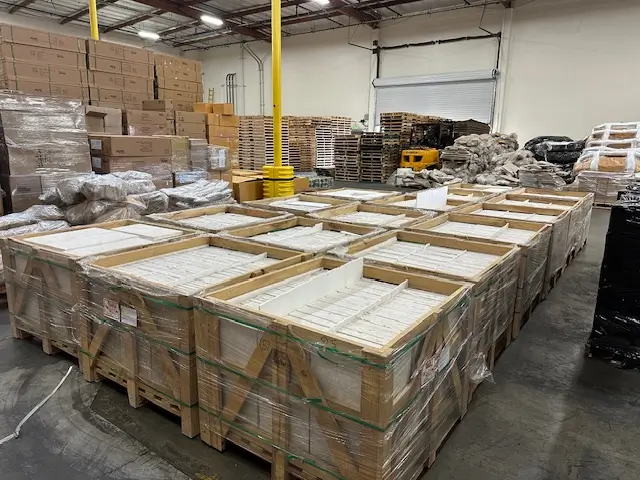
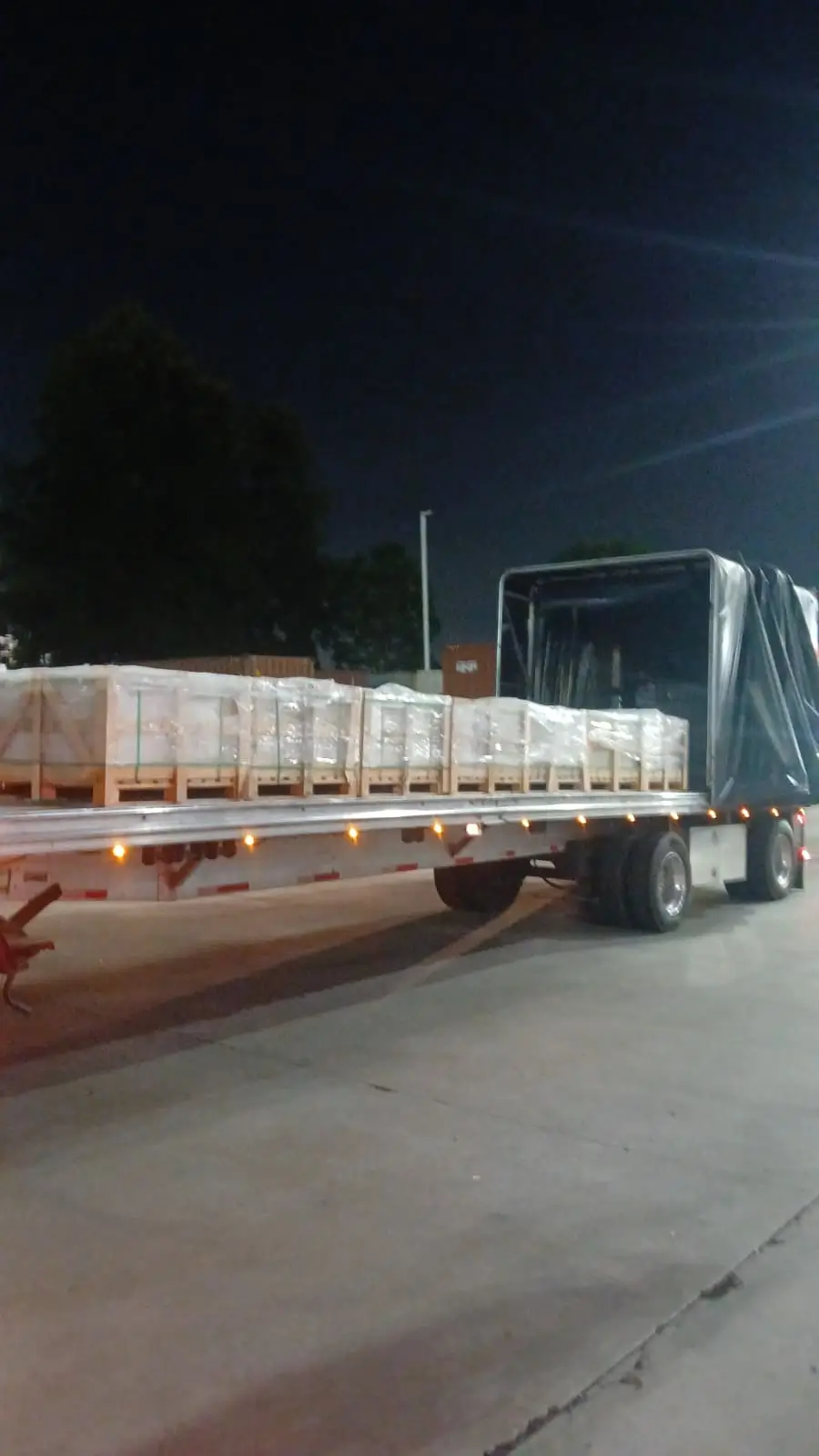
Weight-based delivery charges apply to large projects requiring multiple truck loads. A standard flatbed truck hauls 15-20 tons of stone pavers, covering approximately 800-1,200 square feet depending on slab thickness. When your project exceeds single-load capacity, you’re coordinating multiple deliveries that compound logistics costs. You should schedule deliveries to align with installation progress — storing materials on-site for extended periods risks theft, damage, and access complications.
- You need adequate staging area for off-loading that accommodates tractor-trailer maneuvering
- Your site must support truck weight of 40,000-60,000 pounds when loaded
- You should verify overhead clearance of minimum 14 feet for standard delivery vehicles
- Residential neighborhood restrictions may require smaller trucks at premium delivery rates
Delivery fees paving slabs Arizona increase substantially for projects in northern Arizona communities. Flagstaff and Sedona locations typically add $300-$600 per load compared to Phoenix-area delivery. Winter weather complicates northern deliveries — you’ll face surcharges or delivery delays when snow closures affect mountain highways. Your project schedule needs buffer time for weather-related logistics disruptions that occur 15-20 days per year in high-elevation areas.
Hidden Fees and Cost Multipliers
The complete paving project budget extends well beyond visible line items for materials, labor, and delivery. You’ll encounter permit fees ranging from $50-$500 depending on project scope and local jurisdiction requirements. Most municipalities require permits for hardscape exceeding 200-300 square feet or projects affecting drainage patterns. Your contractor should handle permitting, but verify this is included in quoted prices rather than appearing as unexpected add-ons.
Waste factors add 8-15% to your material orders, accounting for cuts, breakage, and pattern adjustments. Rectangular layouts with straight edges waste less material than curved designs or diagonal patterns. When you specify intricate layouts, budget for 12-15% overage. Your supplier may accept returns of unused full slabs, but cut pieces and opened pallets are typically non-returnable. Order accuracy matters — over-ordering ties up capital, under-ordering triggers premium rush delivery fees.
Site preparation beyond base work creates additional costs many budgets overlook. You need to account for utility location services ($150-$400), temporary fencing for active construction zones ($2-$4 per linear foot), and erosion control measures required by most municipalities ($300-$800). Your project may require engineered drainage solutions if site grading directs water toward structures — catch basins, channel drains, or French drains add $800-$3,000 depending on complexity.
Equipment rental fees apply when your contractor doesn’t own specialized tools required for your project. Concrete saws for cutting pavers cost $75-$150 per day. Plate compactors for base preparation rent for $60-$100 daily. Transit levels for establishing proper grades run $40-$80 per day. Most contractors include equipment costs in labor quotes, but you should verify this explicitly to avoid surprise charges during project execution.
Regional Cost Variations Across Arizona
Your total paving slab costs Arizona fluctuate significantly based on regional economic factors, labor market conditions, and material transportation logistics. Metropolitan areas like Phoenix, Scottsdale, and Chandler show the highest labor rates at $45-$75 per hour for skilled masons. Mid-sized markets including Tucson and Mesa run 10-15% lower at $40-$65 per hour. Smaller communities like Yuma and Peoria drop another 10-20% to $35-$55 per hour.
Material costs follow inverse patterns in some cases. Phoenix-area projects benefit from concentrated warehouse infrastructure and competitive supplier pricing. You’ll find better base material costs near Phoenix aggregate production facilities — $28-$35 per ton for quality crushed stone. Northern Arizona locations pay premium prices for trucked-in aggregates, with Flagstaff and Sedona costs reaching $45-$60 per ton for comparable materials.
Your project’s distance from major distribution centers affects total paving slab costs Arizona through delivery fee multipliers and limited material selection. Remote locations face 25-40% higher delivered material costs compared to Phoenix-area projects. You should also consider that specialized materials may simply be unavailable in smaller markets — your specification choices narrow as you move away from major urban centers, potentially requiring compromise on preferred materials or accepting extended lead times.
Seasonal Timing and Cost Optimization
Strategic project timing reduces your complete paving project budget by 15-30% without compromising quality. Arizona’s construction seasons follow predictable patterns that create pricing opportunities. Winter months from November through February represent peak value periods when contractor schedules have capacity and competitive bidding drives down labor costs. You’re looking at baseline rates during these months — use them as your cost benchmark.
Spring shoulder season in March and April sees moderate pricing as project demand increases. You’ll pay 10-15% above winter baseline as contractors book schedules. Late spring and summer from May through September command premium rates — labor costs increase 20-30% due to heat-related productivity losses and compressed work schedules. Fall months of October and early November return to moderate pricing as temperatures drop and demand softens.
- You should schedule installations during cooler months when setting materials perform optimally
- Your concrete setting beds cure more consistently in moderate temperatures between 60-85°F
- You’ll avoid heat-related installation defects like premature drying of bedding mortars
- Material handling becomes safer and more efficient when temperatures stay below 100°F
Weather delays in northern Arizona create scheduling uncertainties that affect total paving slab costs Arizona through extended project timelines. Flagstaff installations face weather restrictions from December through March when freeze-thaw cycles prevent proper material setting. You need to build schedule flexibility into high-elevation projects — hard deadlines during winter months often trigger premium charges for accelerated work windows or weather protection measures.
Specification Decisions That Control Costs
Your material specifications represent the most powerful cost control lever in paving projects. Standard-thickness slabs of 2 inches suit most residential pedestrian applications and represent baseline pricing. Upgrading to 3-inch commercial-grade thickness increases material costs by 40-60% but extends service life from 15-20 years to 30-40 years in high-traffic applications. You need to evaluate lifecycle costs rather than initial expenditure alone — the thicker material delivers better long-term value in commercial contexts.
Finish selection affects both material costs and installation labor. Natural cleft surfaces cost least because they require minimal processing — you’re looking at $10-$16 per square foot for quality limestone in this finish. Thermal or flamed finishes add $3-$5 per square foot for processing costs. Honed or polished surfaces command premium prices of $18-$28 per square foot, plus increased installation labor because these materials show every imperfection in substrate preparation.
Size and format choices impact your complete paving project budget through both material pricing and installation efficiency. Large-format slabs of 24×24 inches or greater cost more per unit but install faster than smaller formats. You’ll spend 15-20% more on materials but save 20-30% on installation labor. The trade-off favors large formats on projects exceeding 500 square feet where labor costs dominate total expenses. Smaller projects under 300 square feet benefit from standard 12×12 or 12×24-inch formats that balance material and labor economics.
Value Engineering Without Compromising Quality
Smart value engineering reduces total paving slab costs Arizona by 20-35% while maintaining performance standards. Your first opportunity lies in strategic material selection — specify premium materials only where they provide functional benefits. High-traffic entries and gathering areas justify top-grade slabs rated for heavy use. Secondary pathways and low-traffic zones perform adequately with mid-grade materials that cost 30-40% less per square foot.
Pattern simplification delivers substantial labor savings without aesthetic compromise. Running bond and stack bond patterns install at baseline labor rates of $8-$10 per square foot. These classic layouts provide clean, timeless appearance that suits both traditional and contemporary designs. You’re not sacrificing style by avoiding complex patterns — you’re making strategic decisions about where to allocate limited budgets for maximum impact.
Project phasing spreads costs across multiple budget cycles while allowing you to evaluate performance before full commitment. You might complete high-visibility front courtyard areas in Year 1 with premium materials and craftsmanship. Backyard entertainment spaces follow in Year 2 after you’ve verified contractor quality and material performance. This approach reduces financial pressure and provides flexibility to adjust specifications based on real-world results from initial phases.
Citadel Stone Paving Slabs Arizona — Cost Analysis by Region
When you evaluate paving slabs for Arizona projects, you need comprehensive understanding of how regional factors affect total paving slab costs Arizona across the state’s diverse climate zones and urban markets. At Citadel Stone, we provide technical guidance for hypothetical applications throughout Arizona’s varied terrain. This analysis outlines how you would approach cost estimation and specification decisions for six representative markets, considering local economic conditions, material availability, and installation factors specific to each region.
Phoenix Metro Analysis
In Phoenix, you would encounter the state’s most competitive pricing landscape with abundant contractor availability and concentrated material distribution infrastructure. Your paving slabs installation cost Phoenix would typically range $22-$38 per square foot for complete installations including materials, labor, and base preparation. The metropolitan area’s warehouse concentration provides material cost advantages of 15-20% compared to remote locations. You should account for summer heat premiums of 20-25% on labor if your project timeline extends into June through August. Truck access in established neighborhoods typically presents minimal challenges, though gated communities may require coordination for delivery scheduling.
Tucson Cost Factors
When you plan Tucson installations, you’re working in a market with labor rates 8-12% below Phoenix levels but material costs that run 5-10% higher due to transportation from Phoenix-area suppliers. Your complete paving project budget would range $21-$36 per square foot installed. Caliche deposits throughout the Tucson basin require mechanical excavation that adds $3-$5 per square foot to base preparation cost paving slabs. You need to factor in delivery fees paving slabs Arizona of $200-$400 per load for materials sourced from Phoenix warehouses. Summer installation challenges mirror Phoenix conditions with extreme heat requiring adjusted work schedules.
Scottsdale Premium Market
Your Scottsdale projects would reflect the area’s premium market positioning with total paving slab costs Arizona ranging $28-$45 per square foot for high-end residential and commercial applications. Material specifications in this market typically favor premium finishes and large-format slabs that increase both material and installation costs. You would encounter exacting quality standards and detailed specification requirements that extend installation timelines by 15-20% compared to standard residential work. Labor rates command top-tier pricing at $50-$75 per hour for experienced craftsmen. Delivery logistics benefit from proximity to Phoenix distribution networks, though upscale communities often impose strict delivery hour restrictions that may trigger scheduling premiums.
Flagstaff Elevation Considerations
When you specify installations in Flagstaff, you’re addressing completely different climate parameters that affect material selection and installation windows. Your complete paving project budget would range $26-$42 per square foot with premium costs driven by limited installation seasons, increased material transportation distances, and freeze-thaw performance requirements. Delivery fees paving slabs Arizona from Phoenix-area suppliers add $350-$600 per load for the 145-mile transport. You need to specify materials rated for minimum 50 freeze-thaw cycles annually. Base preparation cost paving slabs increases 20-30% because of deeper frost-line requirements and enhanced drainage specifications necessary in snow-melt conditions.
Sedona Access Challenges
Your Sedona projects would face unique logistics complications that affect total paving slab costs Arizona through restricted truck access and limited contractor availability. You’re looking at installed costs of $30-$48 per square foot with premiums driven by challenging site access, specialized equipment requirements for hillside installations, and aesthetic standards matching the area’s high-end resort character. Material delivery often requires smaller trucks capable of navigating narrow canyon roads, increasing delivery fees paving slabs Arizona by 40-60% compared to Phoenix-area projects. You should account for seasonal tourism impacts on contractor scheduling — spring and fall periods see reduced availability as contractors balance commercial hospitality projects with residential work.
Mesa Value Position
When you plan Mesa installations, you would benefit from competitive pricing that typically runs 10-15% below Scottsdale rates while maintaining quality standards. Your complete paving project budget would range $20-$34 per square foot for professional installations. The city’s position within the Phoenix metropolitan area provides excellent material availability and competitive contractor bidding. You would encounter fewer delivery fee complications with most suppliers including Mesa in standard Phoenix-area delivery zones. Base soil conditions vary significantly across Mesa’s large geographic area — northern sections near the Salt River bottom show stable sandy soils with minimal preparation requirements, while southern areas contain more clay content requiring stabilization treatments that affect base preparation cost paving slabs.
Contractor Selection and Bidding
Your contractor choice affects total paving slab costs Arizona through quality of workmanship, project efficiency, and long-term performance outcomes. Licensed contractors command higher rates than unlicensed installers — you’ll pay 25-40% more for properly licensed professionals. That premium buys you accountability through state licensing boards, insurance coverage protecting your property, and recourse if work fails to meet standards. The savings from unlicensed installers evaporate quickly when you face repair costs for improper installation.
You should solicit minimum three competitive bids for projects exceeding $5,000 to establish realistic market pricing. Detailed specifications ensure bid comparability — vague project descriptions generate widely varying quotes that don’t reflect true cost differences. Your bid package needs to specify material types and grades, base preparation requirements, pattern layouts, edge treatments, and completion timelines. Without this detail, you’re comparing proposals for fundamentally different scopes of work.
- You need to verify contractor licensing through the Arizona Registrar of Contractors database
- Your selected contractor should carry minimum $1 million general liability insurance
- You should request and contact minimum three client references for projects of similar scope
- Your contract must specify payment schedule tied to completion milestones, not upfront lump sums
Low-bid selection often generates problems that inflate final costs beyond initial savings. When quotes fall 30% or more below other competitive bids, you’re looking at contractors who’ve under-estimated costs, plan to cut corners, or will generate change orders for “unforeseen” conditions. Your best value typically comes from mid-range bids that demonstrate understanding of project requirements and realistic pricing for quality work.
Maintenance Costs and Lifecycle Economics
Your complete paving project budget should account for ongoing maintenance costs that affect total cost of ownership. Sealed pavers require resealing every 2-4 years at costs of $1.50-$3.50 per square foot depending on sealer quality and surface preparation requirements. Joint sand replenishment costs $0.75-$1.50 per square foot every 3-5 years as material migrates from weather exposure and cleaning activities. These maintenance expenses add 15-25% to total lifecycle costs over 20-year service life.
Cleaning and stain removal represent recurring expenses for installations in high-use areas. Professional pressure washing costs $0.30-$0.75 per square foot for routine cleaning. Stain treatment and spot repairs range $2-$8 per square foot depending on severity and material type. You can reduce these costs through proper sealing that provides stain resistance, though sealed surfaces still require periodic professional maintenance.
Replacement and repair costs emerge as installations age and individual slabs crack or become damaged. Spot repairs cost $8-$15 per square foot including removal of damaged units, substrate repair, and new slab installation. Pattern matching becomes challenging as materials age and weather differently — your maintenance plan should include purchase of extra slabs during initial installation to ensure future repair material matches original installation aesthetics.
Financing and Payment Structures
Your project’s payment structure affects cash flow and risk allocation between you and your contractor. Standard payment schedules include 10-20% deposit upon contract signing, 40-50% at project midpoint when materials are delivered and base preparation is complete, and final 30-40% upon project completion and your approval. You should resist requests for larger upfront payments that shift financial risk onto you — if the contractor fails to complete work, your recovery options diminish as deposit amounts increase.
Home equity lines of credit offer financing flexibility for larger projects with interest rates typically 2-4 percentage points above prime rate. You’re looking at current rates around 8-10% for HELOC financing. Personal loans through banks or credit unions run higher at 10-15% but don’t require home equity collateral. Contractor financing through third-party lenders costs most at 15-25% APR but provides quick approval and minimal documentation requirements.
Material purchase timing affects total paving slab costs Arizona through price fluctuations and inventory availability. Suppliers typically increase prices annually in January by 3-8% to account for inflation and transportation cost increases. You can lock pricing by purchasing materials in advance of installation, though this requires storage solutions and ties up capital. For high-value projects, advance material purchase can save enough to justify temporary storage costs.
Project Planning Essentials
Comprehensive project planning reduces your complete paving project budget through efficient execution and proactive problem-solving. Your planning phase should include detailed site survey documenting existing conditions, utility locations, drainage patterns, and access constraints. This upfront investment of $300-$800 for professional survey work prevents costly surprises during construction that trigger change orders and project delays.
Permit acquisition timelines affect your project schedule and should begin 4-6 weeks before planned construction start. Most Arizona municipalities require 2-4 weeks for permit review and approval. You’ll face delays if initial submittals lack required documentation or show code compliance issues. Your contractor should handle permitting as part of their scope, but you need to verify timeline assumptions match local jurisdiction processing times.
Seasonal weather patterns in Arizona create optimal and problematic installation windows you should consider during scheduling. Northern Arizona faces winter restrictions from December through March when temperatures prevent proper material setting. Southern desert locations see summer challenges from extreme heat that reduces worker productivity and affects material handling. Your optimal installation windows run October through May in Phoenix-area locations, May through October in Flagstaff and high-elevation communities.
Key Takeaways
Your total paving slab costs Arizona depend on integrated understanding of material pricing, labor markets, delivery logistics, and regional economic factors that vary significantly across the state’s diverse geography. You’ve seen how Phoenix installations benefit from competitive contractor availability and concentrated distribution infrastructure, while remote locations face premium costs for transportation and limited material selection. Base preparation cost paving slabs represents critical investment that prevents future failures — cutting corners here generates expensive repairs that exceed initial savings within 3-5 years.
Strategic specification decisions control costs more effectively than aggressive contractor negotiation. You achieve better value through simplified patterns, standard material formats, and realistic thickness selection matched to actual use requirements than by selecting premium materials throughout and then trying to negotiate labor rates downward. Your project timing affects pricing by 20-30% between peak summer rates and value winter scheduling. For additional cost-reduction strategies, explore Clearance paving slabs from Arizona suppliers at significant discounts when your project timeline allows flexibility in material selection. Citadel Stone supplies and sells commercial-grade paving slabs across Arizona for plazas, courtyards, and pathways.