
When you evaluate a synthetic granite supplier in Arizona, you’re making a decision that affects project timelines, installation outcomes, and long-term performance. Engineered stone alternatives to natural granite deliver consistency that quarried materials can’t match. You’ll find dimensional tolerances within ±0.5mm, color uniformity across production runs, and predictable lead times from warehouse to job site. Natural granite’s inherent variability creates specification challenges—vein patterns shift, color batches vary by 15-20%, and thickness tolerance stacks to ±3mm. Your project budget absorbs these inconsistencies through material waste and field adjustments.
Manufactured granite Arizona suppliers provide engineered composites that combine crushed quartz aggregates with polymer resins, creating slabs that outperform natural stone in specific applications. You should understand the material science behind these products. Synthetic granite achieves compressive strengths exceeding 12,000 PSI, compared to natural granite’s 8,000-10,000 PSI range. The polymer matrix eliminates microcracking that develops in natural stone during quarrying and transport. When you specify synthetic alternatives, you’re selecting materials engineered for performance rather than accepting geological variability.
Arizona’s extreme climate creates unique material stress. Summer surface temperatures exceed 165°F on south-facing exposures. Your synthetic granite supplier in Arizona must provide products formulated for thermal cycling that ranges 80-100°F daily during peak season. Standard epoxy resins degrade under sustained UV exposure and temperature extremes. You need polyester or acrylic-modified resins that maintain structural integrity through 180°F surface temperatures. The material’s coefficient of thermal expansion determines joint spacing requirements—synthetic granite expands at 4.8-5.2 × 10⁻⁶ per °F, requiring expansion joints every 18-20 feet in Arizona installations.
Engineered Stone Composition Performance
Synthetic granite combines 90-95% crushed quartz or granite aggregates with 5-10% polymer binding resins. You’ll encounter three primary resin systems: unsaturated polyester, epoxy, and acrylic-modified polymers. Each system delivers distinct performance characteristics that affect your specification decisions. Polyester resins offer superior UV resistance and cost efficiency but limited color stability. Epoxy systems provide exceptional bond strength and chemical resistance while requiring UV stabilizers for outdoor applications. Acrylic-modified resins balance UV stability with impact resistance, making them preferable for high-traffic installations.
The aggregate composition determines surface hardness and abrasion resistance. When you specify granite fabricators Arizona synthetic materials, you should verify aggregate gradation. Optimal performance requires 60-70% coarse aggregate (3-8mm), 20-30% medium aggregate (1-3mm), and 10-15% fine aggregate (under 1mm). This gradation creates mechanical interlocking that supplements resin bonding. Your specification should require Mohs hardness testing—quality synthetic granite scores 6-7, matching natural granite performance. Lower aggregate content reduces material cost but compromises long-term durability.
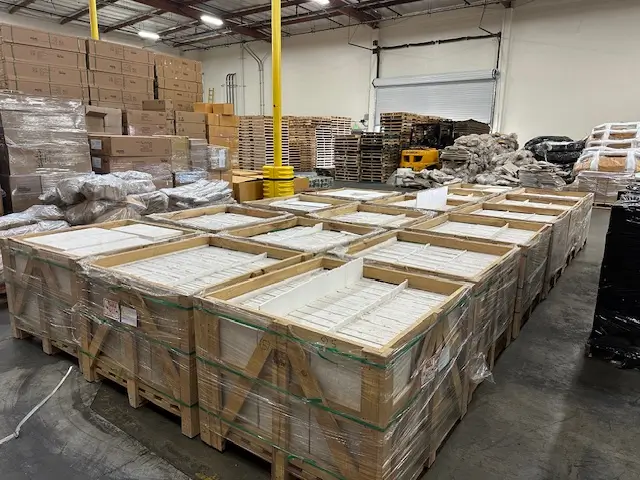
Porosity affects moisture absorption, freeze-thaw resistance, and staining susceptibility. Natural granite exhibits 0.4-1.5% porosity depending on mineral composition and geological formation. Engineered alternatives achieve 0.1-0.3% porosity through vacuum vibration processing that eliminates air entrapment during curing. When you evaluate bulk granite Arizona engineered options, lower porosity translates to reduced maintenance requirements and extended service life. Your installations in areas with irrigation exposure benefit from materials that absorb less than 0.2% moisture by weight.
Thermal Performance Desert Climate
Arizona’s solar intensity creates surface temperature conditions that exceed most material test standards. You’ll measure 160-170°F on dark surfaces during July and August. Synthetic granite’s polymer matrix undergoes glass transition at elevated temperatures, temporarily reducing flexural strength by 20-30%. This doesn’t indicate failure but requires you to account for reduced load capacity during peak heat exposure. Your specification should verify heat deflection temperature (HDT) exceeds 200°F under 264 PSI load conditions per ASTM D648.
Thermal shock resistance determines material survival through Arizona’s daily temperature cycling. Surface temperatures drop 60-80°F within 30 minutes during monsoon thunderstorms. This rapid cooling creates differential stress between surface and substrate layers. Natural granite’s crystalline structure absorbs thermal shock through microcracking—a self-limiting damage mechanism. Synthetic granite lacks this stress relief mechanism, requiring you to specify materials with flexural strength exceeding 2,200 PSI. Lower strength materials develop stress cracks at corners and edges after 3-5 years of thermal cycling exposure.
Color stability under UV exposure separates quality products from inferior alternatives. When you work with a synthetic granite supplier in Arizona, you need materials formulated with UV stabilizers that prevent polymer degradation. Unstabilized resins yellow within 18-24 months, shifting color values by 15-20% on the L*a*b* color space. Quality manufacturers incorporate benzotriazole or hindered amine light stabilizers (HALS) that extend color stability beyond 10 years. Your specification should require accelerated weathering testing per ASTM G155, demonstrating less than 5 Delta E color shift after 2,000 hours xenon arc exposure.
Dimensional Consistency Advantages
You’ll appreciate synthetic granite’s manufacturing precision when coordinating large-scale installations. Natural granite slabs vary 2-4mm in thickness across a single piece, requiring extensive field grinding and shimming. Manufactured granite Arizona production facilities control thickness to ±0.3mm through calibrated pressing systems. This precision reduces your installation labor by 25-30% and eliminates the shimming materials that complicate drainage planning. When you coordinate multi-phase projects, dimensional consistency ensures that material supplied in phase three matches phase one installations completed 18 months earlier.
- You can specify exact slab dimensions rather than adapting designs to available quarry block sizes
- Your fabrication waste decreases from 18-22% with natural stone to 8-12% with engineered alternatives
- Thickness consistency eliminates the substrate leveling compounds that add cost and installation time
- You’ll avoid the color matching challenges that occur when natural stone comes from different quarry benches
Edge profile consistency matters for applications requiring tight visual tolerances. Natural granite’s mineral composition varies across slab surfaces, causing cutting tools to deflect unpredictably. Synthetic materials machine uniformly, allowing you to achieve ±0.1mm edge profile consistency across production runs. For large-scale commercial installations requiring 500+ linear feet of edge detail, this consistency prevents the visual irregularities that occur when natural stone edges vary by 0.5-1.0mm.
Factory Direct Granite Synthetic Sourcing
Your procurement approach affects project costs beyond material unit pricing. When you source through distributors, you’re adding 25-35% markup over factory direct granite synthetic pricing. Direct manufacturer relationships provide access to custom formulations that address project-specific requirements. You can specify aggregate gradation, resin systems, and color matching that warehouse stock can’t accommodate. This customization requires 60-90 day lead times, making it suitable for planned projects rather than quick-turn installations.
Manufacturing capacity constraints affect your ability to secure adequate material volumes. Quality synthetic granite production requires 7-10 day curing cycles before slabs achieve full mechanical properties. You can’t accelerate this timeline without compromising material performance. When you coordinate projects requiring 400+ slabs, you should verify production capacity 120 days before material need dates. Smaller manufacturers often lack the curing space to accommodate large orders, forcing you to accept partial shipments that complicate installation scheduling.
Quality control protocols vary significantly between manufacturers. You need facilities that perform batch testing for compressive strength, flexural strength, and water absorption on every production run. For practical guidance on related material specifications, see Citadel Stone’s fabricator operations for comprehensive testing protocols. Manufacturers without in-house testing labs rely on periodic third-party verification that may not catch batch-to-batch variation affecting your installation performance.
Installation Substrate Requirements
Substrate preparation determines whether your synthetic granite installation achieves its 20-30 year design life or fails within 5-7 years. You need continuous substrate support—synthetic granite’s flexural characteristics differ from natural stone. Natural granite’s 8-12mm thickness provides inherent rigidity that bridges minor substrate irregularities. Engineered alternatives at 6-8mm thickness require substrate flatness within 3mm over 3 meters. Your installation crew must verify substrate conditions with a 3-meter straightedge before beginning material placement.
Base compaction requirements increase with Arizona’s expansive clay soils. You’re working with soil that exhibits 6-9% volume change between wet and dry conditions. When you specify installations over native clay, your base section must include 150mm compacted aggregate base over geotextile separation fabric. Compaction should achieve 95% modified Proctor density to prevent differential settlement that creates point loading on synthetic slabs. Point loads exceeding 300 PSI cause localized crushing that appears as surface divots within 3-5 years.
- You should specify bedding mortar with compressive strength matching or exceeding the slab material
- Your mortar joints must provide continuous support without voids that allow slab flexing
- Setting bed thickness should remain consistent at 25-35mm to prevent differential support conditions
- You need expansion joints every 18-20 feet to accommodate thermal movement without inducing stress
Surface Finish Options Performance
Surface finishing affects slip resistance, maintenance requirements, and aesthetic longevity. Polished finishes achieve 85-95 gloss units but provide DCOF (Dynamic Coefficient of Friction) values of only 0.35-0.42 when wet. This falls below ADA’s 0.42 minimum for accessible routes. When you specify polished synthetic granite for commercial applications, you’re creating liability exposure unless installations remain strictly interior with controlled moisture conditions. Your safer specification uses honed finishes that maintain 0.48-0.55 DCOF while displaying surface scratching more visibly than polished alternatives.
Textured finishes provide slip resistance through mechanical surface profiling. Flamed finishes aren’t available with synthetic granite—the polymer matrix doesn’t respond to thermal shocking. You’ll specify bush-hammered or sandblasted textures instead. Bush-hammering creates consistent surface relief of 0.5-1.5mm, achieving DCOF values of 0.60-0.68 when properly executed. The texture increases surface area by 20-25%, accelerating dirt accumulation that requires pressure washing maintenance every 90-120 days in high-traffic areas. When you balance safety requirements against maintenance realities, medium-aggregate exposure finishes often provide optimal long-term performance.
Color retention varies by finish type. Polished surfaces maintain color consistency better than textured alternatives because smooth surfaces shed dirt and organic staining more effectively. You’ll observe that textured finishes in shaded areas develop algae growth within 18-24 months without preventive treatment. Your maintenance specification should include annual antimicrobial treatments for textured surfaces in areas receiving less than 4 hours direct sunlight daily. These treatments cost $0.80-1.20 per square meter but prevent the discoloration that reduces aesthetic appeal.
Chemical Resistance Characteristics
Synthetic granite’s polymer matrix provides superior chemical resistance compared to natural stone in specific applications. Natural granite’s feldspar content reacts with acidic solutions, etching surfaces when pH drops below 4.5. Pool deck installations where muriatic acid cleaning occurs quarterly will show visible etching within 3-5 years. When you specify a synthetic granite supplier in Arizona for pool surrounds, you’re selecting materials that resist pH 2-3 acid exposure without surface degradation. The polymer matrix shields aggregate particles from chemical attack.
Alkali resistance matters in Arizona’s high-pH soil and water conditions. Groundwater pH often exceeds 8.5, and concrete substrates leach calcium hydroxide at pH 12-13. Natural granite resists alkali exposure effectively, but limestone aggregate in some engineered products reacts with alkaline solutions. You should verify that bulk granite Arizona engineered specifications use granite or quartz aggregates exclusively—avoid limestone-filled products for installations with concrete substrate contact or alkali soil exposure. Chemical testing should demonstrate less than 2% mass loss after 30-day immersion in pH 13 solution per ASTM C1601.
Organic staining resistance requires evaluation beyond porosity measurements. Synthetic granite’s resin matrix repels water-based staining but absorbs petroleum-based contaminants that penetrate natural granite more slowly. When you specify materials for parking areas or service zones, you need to account for oil and grease exposure. Quality products incorporate stain-resistant additives that limit petroleum penetration to surface-level contact. These materials allow you to remove fresh oil stains with alkaline degreasing agents, while untreated synthetic granite absorbs petroleum into subsurface layers that resist remediation efforts.
Cost Analysis Lifecycle Value
Initial material costs for synthetic granite typically run 15-25% below premium natural granite but 10-15% above mid-grade natural stone. You’re paying for consistency and predictable performance rather than raw material savings. When you analyze lifecycle costs, synthetic alternatives deliver value through reduced installation labor, lower waste factors, and decreased maintenance requirements. Your total installed cost calculation should include fabrication efficiency—synthetic granite machines 30-40% faster than natural stone, reducing fabricator labor charges proportionally.
Maintenance cost projections require realistic assessment of cleaning frequency and method. Synthetic granite resists staining better than natural alternatives but shows surface scratching more readily. High-traffic commercial installations develop visible traffic patterns after 8-12 years, requiring professional refinishing that costs $15-25 per square meter. Natural granite develops similar wear patterns but at lower visual contrast. When you calculate 20-year ownership costs, you should include refinishing at years 10 and 18 for synthetic materials, compared to years 15 and 25 for natural granite.
- You’ll spend 20-30% less on initial sealing with synthetic granite due to lower porosity
- Your annual cleaning costs remain comparable between material types when using proper methods
- Replacement costs for damaged sections run higher with synthetic materials due to color matching challenges
- You should budget for expansion joint maintenance every 5-7 years regardless of material selection
Quality Verification Testing
You can’t rely on manufacturer specifications alone—independent testing verifies material performance claims. Your specification should require test reports for compressive strength (ASTM C170), flexural strength (ASTM C880), and water absorption (ASTM C97) from samples representing actual production material. Test samples pulled from warehouse stock reveal quality control effectiveness better than laboratory samples manufacturers submit for certification. When you coordinate large projects, you should specify testing from every fourth pallet to verify batch consistency.
Accelerated aging testing predicts long-term performance under Arizona exposure conditions. Standard freeze-thaw testing (ASTM C666) doesn’t replicate desert thermal cycling. You need custom testing that cycles specimens from 40°F to 180°F over 8-hour periods, simulating Arizona’s daily temperature range. Quality materials survive 500 cycles without developing surface checking or delamination. This testing adds $1,200-1,800 to project costs but prevents specification of materials that fail after 5-7 years of thermal stress exposure.
Slip resistance verification requires wet DCOF testing using the tribometer method (ASTM E303). Manufacturer data typically reports dry static values that don’t represent real-world conditions. You should require wet testing on samples matching your specified finish. Pool deck applications need minimum 0.60 wet DCOF, while pedestrian walkways require 0.42 minimum. Testing costs $350-500 per sample but provides liability protection when slip-related incidents occur. Your professional obligation includes verifying safety performance rather than accepting manufacturer claims.
Warehouse Logistics Coordination
Lead time management separates successful projects from those plagued by schedule delays. When you source manufactured granite Arizona materials, you’re coordinating warehouse inventory against production schedules and freight logistics. Domestic manufacturers maintain 4-8 week lead times for standard colors, while custom formulations require 10-14 weeks. Import products from overseas suppliers add 16-20 weeks for production and ocean freight. Your project timeline must account for these realities or you’ll face costly schedule compressions.
Freight coordination affects delivered pricing more than many specifiers recognize. Truck freight for synthetic granite runs $3.50-4.80 per mile for full truckload quantities (22-26 tons). Partial loads double per-mile costs through LTL (less than truckload) rates. When you coordinate orders, you should consolidate material deliveries to achieve full truckload efficiency. A Phoenix-area warehouse provides 2-3 day delivery windows, while direct factory shipments from East Coast manufacturers require 7-10 day transit times. Your job site must accommodate delivery truck access—53-foot trailers need 75-foot turning radius and 14-foot overhead clearance.
Inventory management requires secure, climate-controlled storage. Synthetic granite tolerates outdoor storage better than natural stone but requires protection from direct sun exposure during summer months. Sustained 140°F+ storage temperatures can cause surface resin migration that creates glossy patches on honed finishes. You should specify covered storage with temperature not exceeding 120°F. Material should remain bundled until installation day to prevent edge damage during handling. Your storage area needs forklift access with 8,000-pound capacity to handle full pallets safely.
Landscape Granite Arizona Citadel Stone Specifications
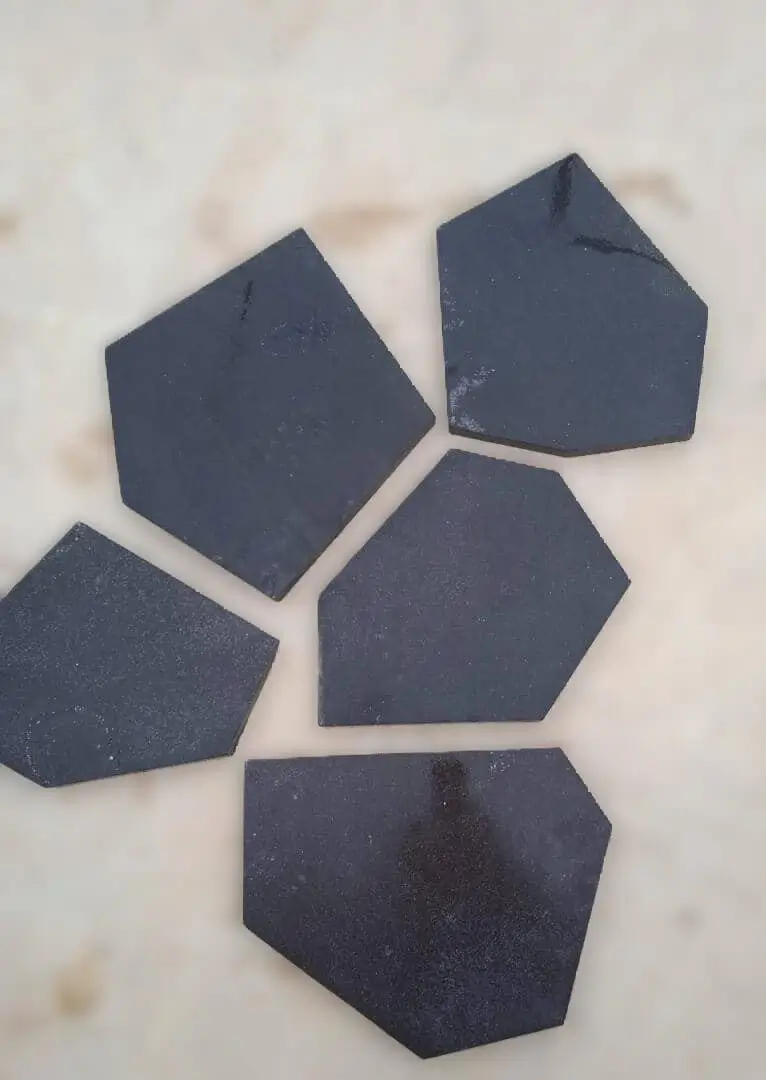
When you consider Citadel Stone’s landscape granite Arizona for your project, you’re evaluating premium engineered materials designed for extreme climate performance. At Citadel Stone, we provide technical guidance for hypothetical applications across Arizona’s diverse regions. This section outlines how you would approach specification decisions for six representative cities that demonstrate the state’s varied environmental conditions.
Phoenix Heat Considerations
In Phoenix, you would encounter extreme summer temperatures exceeding 118°F ambient, creating surface temperatures above 165°F on south and west exposures. Your synthetic granite supplier in Arizona must provide materials with heat deflection temperatures exceeding 210°F and UV stabilizers proven through 3,000-hour accelerated weathering. You should specify expansion joints every 18 feet to accommodate the 0.4-inch thermal expansion occurring across 20-foot sections during daily temperature cycling. The urban heat island effect amplifies material stress in commercial districts, requiring you to verify that your selected products maintain structural integrity through sustained 170°F surface exposure. Phoenix installations would benefit from light-colored materials that reflect 55-65% of solar radiation, reducing surface temperatures by 15-20°F compared to darker alternatives.
Tucson Monsoon Performance
Tucson’s monsoon season creates rapid thermal shock conditions that stress synthetic materials differently than Phoenix’s dry heat. You would need to account for surface temperature drops of 70-80°F within 20 minutes when thunderstorms arrive. Your specification should verify flexural strength exceeding 2,400 PSI to resist stress cracking at corners and edges. The city’s elevation at 2,400 feet creates 8-12°F cooler conditions than Phoenix but increases UV intensity by 6-8% due to reduced atmospheric filtering. When you select materials for Tucson applications, you would prioritize products demonstrating less than 3% strength loss after 500 thermal shock cycles. Higher annual rainfall of 11-12 inches requires you to verify water absorption below 0.25% to prevent subsurface moisture retention that accelerates freeze-thaw damage during occasional winter freezing events.
Scottsdale Aesthetic Requirements
Scottsdale’s high-end residential and resort market would drive aesthetic specifications beyond basic performance requirements. You should evaluate granite fabricators Arizona synthetic products offering premium surface finishes and custom color matching. The city’s design standards often require natural stone appearance with engineered material performance. Your specification would need to address color consistency across multi-phase projects, requiring materials from single production batches or manufacturers demonstrating ±2 Delta E color variation between batches. Scottsdale’s landscape architecture typically incorporates water features, requiring you to verify chemical resistance to pool treatment chemicals and pH 8.2-8.6 municipal water. You would specify slip resistance of 0.60+ wet DCOF for pool decks and water feature surrounds to meet insurance and liability requirements.
Flagstaff Freeze-Thaw Demands
At 6,900 feet elevation, Flagstaff presents Arizona’s only significant freeze-thaw environment. You would encounter 120-140 annual freeze-thaw cycles that demand synthetic granite formulations specifically engineered for cold climate performance. Your specification must verify ASTM C666 freeze-thaw testing demonstrating less than 5% strength loss after 300 cycles. The polymer matrix in standard synthetic granite becomes brittle below 20°F, requiring you to specify materials with impact-modified resins that maintain flexural performance at sub-zero temperatures. Flagstaff receives 80-100 inches annual snowfall, creating prolonged moisture exposure that requires water absorption below 0.20%. When you design for Flagstaff conditions, you need materials proven in cold climates rather than standard desert-formulated products. Factory direct granite synthetic sourcing allows you to specify custom resin systems appropriate for this unique Arizona microclimate.
Sedona Color Integration
Sedona’s distinctive red rock landscape creates aesthetic expectations that influence material selection. You would need synthetic granite colors that complement rather than contrast with the surrounding environment. Custom color formulations incorporating iron oxide pigments and red granite aggregates would align with local design preferences. The city’s 4,500-foot elevation creates moderate climate conditions with 60-80 freeze-thaw cycles annually and summer temperatures 8-12°F cooler than Phoenix. Your specification would balance cold weather performance with aesthetic requirements, potentially requiring you to compromise on optimal engineering for visual integration. Sedona’s tourism-driven economy emphasizes long-term appearance retention, requiring you to specify materials with proven 15+ year color stability under UV exposure and minimal susceptibility to organic staining from the area’s vegetation.
Yuma Extreme Conditions
Yuma represents Arizona’s most extreme desert environment, with summer temperatures regularly exceeding 120°F ambient and surface temperatures reaching 175°F. You would need to specify materials at the upper performance limit of synthetic granite technology. Heat deflection temperatures must exceed 220°F, requiring premium resin systems that increase material costs by 18-25%. The city’s agricultural economy creates exposure to fertilizer runoff and pesticide overspray that affects chemical resistance requirements. Your specification should verify resistance to pH 4-10 chemical exposure without surface degradation. Yuma’s low elevation (141 feet) and proximity to agricultural dust sources require you to consider surface texture carefully—polished finishes show dust accumulation prominently, while textured surfaces trap agricultural particulates that complicate cleaning. You would likely specify medium-aggregate exposure finishes that balance cleanability against slip resistance for this challenging environment.
Specification Writing Best Practices
Your specification document determines whether contractors provide materials meeting project requirements or substitute inferior alternatives. Generic specifications stating “engineered stone” or “synthetic granite” allow contractors to provide minimum-quality products that technically comply while underperforming. You need performance-based specifications that define measurable criteria rather than brand names. This approach provides legal defensibility while preventing contractor value engineering that compromises installation quality.
- You should specify minimum compressive strength of 12,000 PSI per ASTM C170 testing
- Your water absorption requirements must not exceed 0.25% by weight per ASTM C97
- Flexural strength specifications should require minimum 2,200 PSI per ASTM C880
- You need to mandate accelerated weathering testing demonstrating less than 5 Delta E color shift after 2,000 hours
- Your slip resistance requirements must specify minimum wet DCOF values appropriate to application
Testing verification language protects you from contractor substitutions. Your specification should state: “Contractor shall provide independent laboratory test reports for compressive strength, flexural strength, water absorption, and accelerated weathering from samples representing actual production material. Test reports shall be dated within 12 months of material delivery. Owner reserves right to perform verification testing on delivered material at contractor expense if initial test reports prove inadequate.” This language costs nothing but prevents the material substitutions that undermine project quality.
Sample approval processes prevent color and finish misunderstandings. You should require contractors to provide 12×12-inch samples of actual production material showing proposed color and finish. These samples become the approved standard against which you evaluate delivered material. Your specification should state acceptable color variation limits—typically ±3 Delta E for commercial applications or ±2 Delta E for high-end residential projects. Without defined tolerances, you’re negotiating acceptance criteria after material arrives on site, creating adversarial relationships that compromise project outcomes.
Common Specification Mistakes
You’ll encounter recurring specification errors that create installation problems and performance failures. The most common mistake involves specifying natural stone standards for synthetic materials. ASTM C615 (Granite Dimension Stone) doesn’t apply to engineered products—you need ASTM C1548 (Specification for Thin Veneer Stone) as a baseline, modified with performance requirements specific to synthetic granite. Using incorrect standards creates confusion during submittal review and provides contractors with arguments against legitimate rejection of non-conforming materials.
Inadequate substrate specification causes more failures than material defects. You can’t specify synthetic granite performance without defining the substrate conditions required to achieve that performance. Your specifications must include substrate flatness tolerances, compaction requirements, and bedding mortar specifications with equivalent detail to surface material requirements. When substrate specifications remain generic, you’re accepting contractor means and methods that frequently prove inadequate for engineered stone installation requirements.
Maintenance specification omissions create long-term performance problems. Synthetic granite requires different maintenance protocols than natural stone. You should provide owner maintenance specifications defining cleaning methods, frequency, and prohibited treatments. Pressure washing exceeding 1,500 PSI damages polymer matrix surfaces. Acidic cleaners below pH 3 etch resin and aggregate interfaces. Without specific maintenance guidance, property managers apply natural stone protocols that accelerate synthetic material degradation, creating warranty disputes and premature replacement needs.
Material Selection Framework
Your selection process should follow systematic evaluation of project requirements against material capabilities. Begin with climate analysis defining temperature ranges, freeze-thaw cycles, UV exposure duration, and precipitation patterns. These environmental factors establish baseline performance requirements that eliminate unsuitable products. When you work with a synthetic granite supplier in Arizona, you’re specifying materials for conditions that exceed typical product testing protocols. Standard laboratory testing at 140°F doesn’t replicate 170°F field conditions you’ll encounter on Arizona job sites.
Traffic loading and use intensity determine required mechanical properties. Residential driveway applications generating 4-8 vehicle passes daily create different stress conditions than commercial plaza installations with 400+ pedestrians hourly. You need compressive strength specifications matching load conditions—12,000 PSI minimum for commercial applications, 10,000 PSI acceptable for residential use. Your thickness specifications should increase with loading intensity: 20mm residential, 25mm light commercial, 30mm heavy commercial. Undersized materials fail prematurely regardless of quality level.
Budget constraints require honest evaluation of cost versus performance trade-offs. Premium synthetic granite with advanced UV stabilizers and impact-modified resins costs 30-40% more than standard products. You need to determine whether project conditions justify premium pricing. Phoenix commercial installations with 15+ year design life require premium materials. Tucson residential projects with 10-year planning horizons may perform adequately with standard products. Your professional judgment balances first cost against lifecycle value, providing clients with transparent cost-benefit analysis rather than default premium specifications.
Future Considerations
Arizona’s construction market continues evolving toward engineered materials that provide predictable performance in extreme conditions. You should anticipate increasing availability of advanced synthetic granite formulations incorporating recycled content, bio-based resins, and enhanced thermal performance. Current research focuses on phase-change materials embedded in polymer matrices to reduce surface temperatures by 20-25°F through latent heat absorption. These technologies will reach commercial availability within 3-5 years, potentially changing your specification approach for projects with aggressive sustainability requirements.
Regulatory changes affecting material specifications require ongoing monitoring. Arizona municipalities increasingly adopt heat island reduction ordinances requiring minimum solar reflectance values for hardscape materials. Current proposals suggest 0.35-0.40 solar reflectance index (SRI) minimums for commercial projects exceeding 10,000 square feet. When you specify materials today, you should verify compliance with emerging regulations that may affect project approval timelines. Working with knowledgeable suppliers who track regulatory developments helps you avoid specification revisions during permitting phases.
Your professional development should include ongoing material performance evaluation as synthetic granite technology advances. Field observation of existing installations provides performance data that laboratory testing can’t replicate. You should document observed conditions on completed projects—surface wear patterns, color stability, joint performance, and substrate interaction. This field intelligence informs future specifications more effectively than manufacturer marketing materials. For detailed information on custom fabrication capabilities and material testing protocols, review Commercial-grade granite fabrication services for multi-unit construction projects before you finalize your project specifications. Kitchen specialists depend on Citadel Stone, the most precise granite fabricators Arizona countertops.