
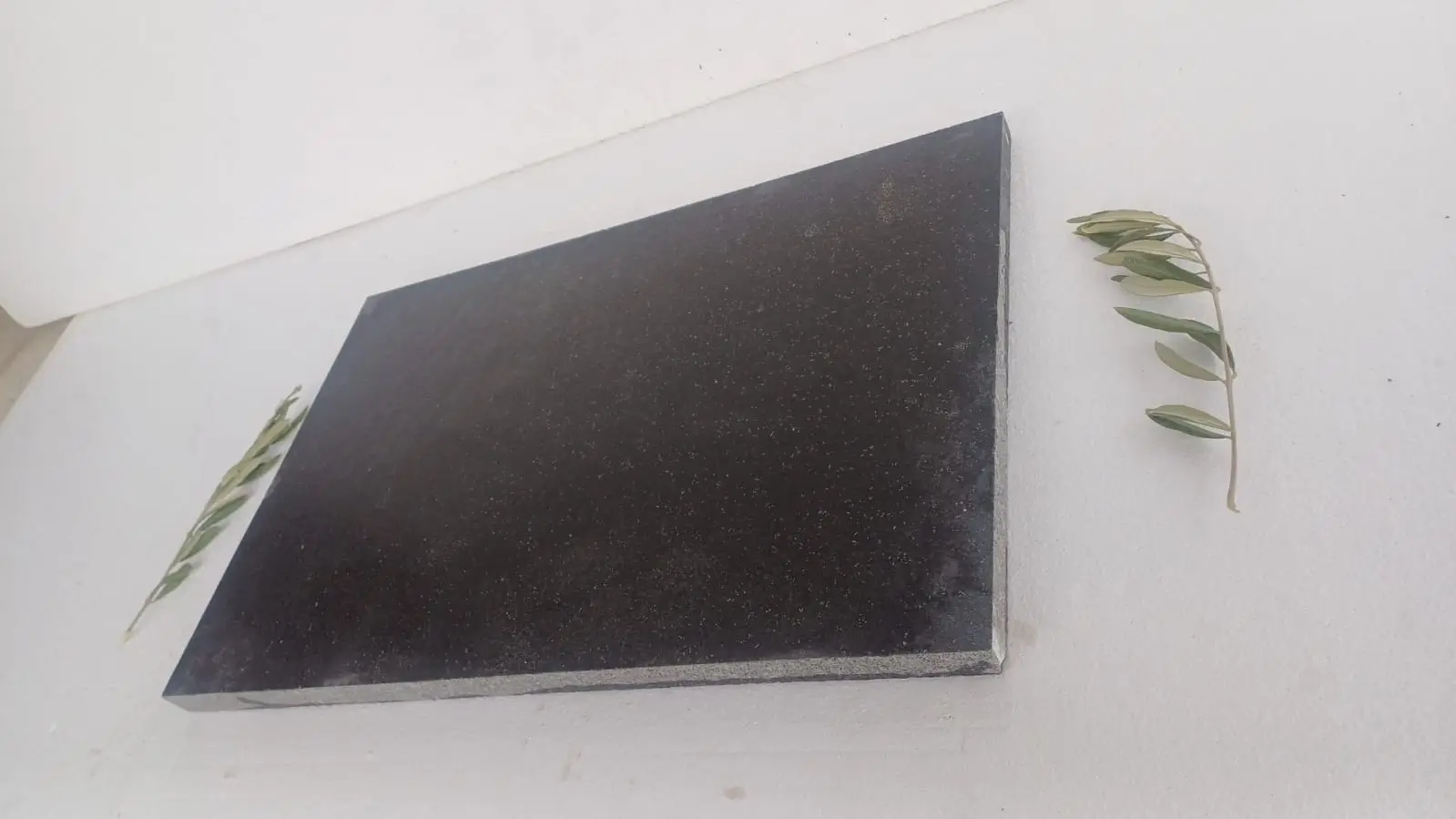
Basalt tiles have emerged as a sustainable alternative in the world of natural stone, offering exceptional durability, low maintenance, and a timeless aesthetic. Beyond their striking dark hues and modern appeal, our timeless basalt tiles for enduring architectural beauty are celebrated for their eco-friendly credentials—from sustainable quarrying practices and impressive recyclability to a low carbon footprint compared to synthetic tile alternatives. In this comprehensive guide, we explore the sustainability of basalt tiles, detailing how eco-friendly quarrying methods reduce environmental impact, how basalt can be recycled at the end of its lifecycle, and why its energy-efficient production stands in stark contrast to synthetic materials.
To illustrate these points, we also include six case studies and recent projects from cities that highlight basalt tiles’ sustainability benefits in real-world applications. Discover how projects in Denver (CO), Salt Lake City (UT), Indianapolis (IN), Boston (MA), Portland (OR), and Milwaukee (WI) have successfully integrated our scratch-proof basalt tiles for pet-friendly spaces into eco-conscious designs.
1. Introduction
Basalt is a volcanic rock formed from the rapid cooling of basaltic lava, resulting in a dense, low-porosity material that is both strong and long-lasting. These characteristics not only make basalt an ideal choice for high-traffic areas and harsh climates but also position it as a sustainable building material. The environmental benefits of basalt tiles extend well beyond aesthetics, touching on every aspect of their lifecycle—from extraction to disposal. In this article, we break down how basalt tiles contribute to sustainability through eco-friendly quarrying practices, recyclability, and a low carbon footprint, especially when compared to synthetic tiles.
2. Eco-Friendly Quarrying Practices
2.1. Sustainable Extraction
Modern basalt quarrying has evolved to minimize its environmental impact significantly. Reputable suppliers now employ eco-friendly practices that include:
- Minimizing Waste:
Advanced extraction techniques ensure that only the necessary amount of rock is removed, reducing quarry waste. - Water Recycling:
Water used during extraction and processing is often treated and recycled, minimizing consumption and preventing water pollution. - Land Reclamation:
After extraction, quarry sites are restored through reclamation projects, converting them into recreational areas or green spaces, thus returning much of the ecosystem back to its natural state. - Reduced Energy Consumption:
Improved quarrying machinery and optimized logistics help lower the energy required per ton of basalt extracted.
These practices ensure that the initial stages of basalt production align with sustainable development goals, reducing the overall ecological footprint of the material.
3. Recyclability and End-of-Life Benefits
3.1. Natural Recyclability
One of basalt’s standout features is its inherent recyclability. At the end of its lifecycle, basalt can be:
- Crushed and Reused:
Basalt scrap or broken pieces can be crushed and repurposed as aggregate for road construction, new concrete, or as a base material in landscaping. - Eco-Friendly Disposal:
Unlike synthetic materials that often end up in landfills and contribute to long-term waste issues, basalt’s natural composition makes it an environmentally friendly option for recycling. - Resource Efficiency:
Recycling basalt tiles reduces the need for new extraction, thereby lowering energy consumption and reducing greenhouse gas emissions over time.
These attributes make our basalt—the architect’s favorite stone a truly circular material, supporting sustainable building practices and resource conservation.
4. Low Carbon Footprint: Basalt vs. Synthetic Tiles
4.1. Energy-Efficient Production
The production process for impact-resistant basalt tiles is generally less energy-intensive than that for synthetic alternatives such as porcelain or engineered stone tiles. Key points include:
- Natural Formation:
Basalt is formed naturally over millions of years and requires minimal processing. When extracted responsibly, its conversion into tiles involves fewer energy-consuming steps. - Lower Emissions:
Compared to synthetic materials, which often require high-temperature kilns and chemical processes, basalt tiles boast a significantly lower carbon footprint. - Sustainable Manufacturing:
Many suppliers are now integrating renewable energy sources and green manufacturing practices into their production lines, further reducing emissions.
4.2. Comparative Environmental Impact
While synthetic tiles are engineered to offer uniformity and specific design features, they typically come with higher environmental costs:
- High Energy Usage:
The production of porcelain and other synthetic tiles involves extensive energy consumption, leading to higher CO₂ emissions. - Non-Recyclable Components:
Many synthetic materials are not easily recyclable, contributing to landfill waste and long-term environmental degradation.
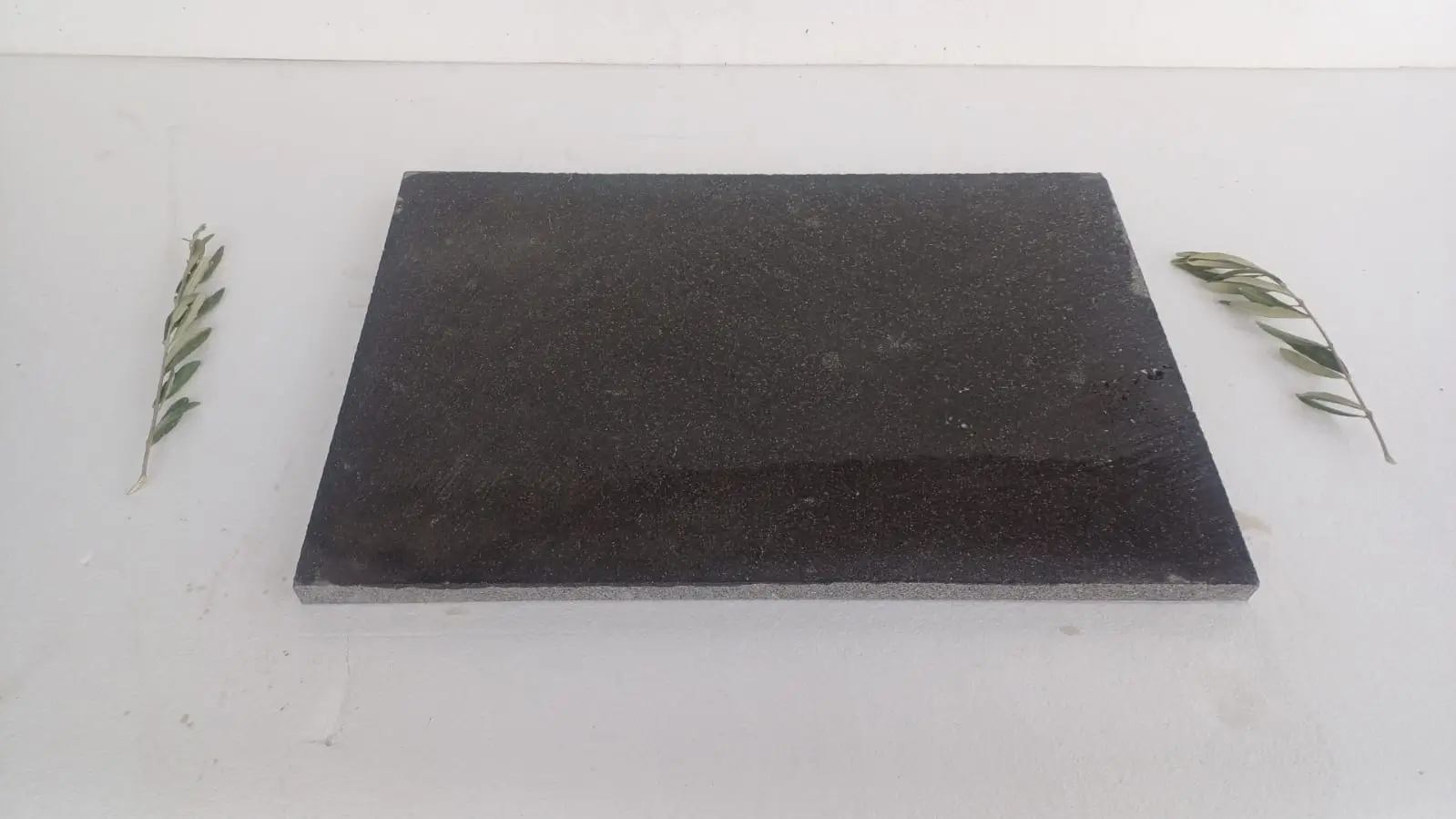
In contrast, our contemporary basalt tiles for minimalist interiors offer a sustainable alternative with a low carbon footprint, making them a smart choice for eco-conscious designers and builders.
5. Case Studies: Sustainable Basalt Tile Projects
To showcase basalt tiles’ sustainability credentials in action, here are six case studies from recent projects in cities known for their commitment to green building practices. These projects demonstrate how low-maintenance basalt tiles for busy households – Citadel Stone perform in various applications while adhering to eco-friendly standards.
5.1. Denver, Colorado – Eco-Friendly Commercial Office
Project Overview:
A commercial office building in Denver integrated our non-slip basalt tiles for family-friendly homes throughout its interior and exterior spaces.
Sustainability Highlights:
- Eco-friendly quarrying practices ensured the basalt used had minimal environmental impact.
- The building’s design emphasized energy efficiency, with basalt’s thermal mass helping regulate indoor temperatures.
- The project achieved LEED certification through the use of sustainable materials and recycled basalt aggregate in landscaping.
5.2. Salt Lake City, Utah – Green Residential Development
Project Overview:
A new residential development in Salt Lake City featured basalt tiles in common areas and high-traffic zones.
Sustainability Highlights:
- Our smooth-finish basalt tiles for high-traffic areas were chosen for their durability and low maintenance, reducing long-term resource use.
- Eco-friendly production and recycling of basalt minimized the development’s overall carbon footprint.
- The design integrated reclaimed water systems and solar panels, complementing the sustainability of basalt.
5.3. Indianapolis, Indiana – Public Library Renovation
Project Overview:
A public library in Indianapolis underwent a renovation that incorporated our durable basalt tiles for luxurious outdoor patios in its entryways and reading areas.
Sustainability Highlights:
- The project emphasized the use of recycled materials and sustainable quarrying practices.
- Basalt’s low energy requirements during production contributed to lower overall greenhouse gas emissions.
- The library’s renovation resulted in significant long-term savings on maintenance and energy costs.
5.4. Boston, Massachusetts – Urban Cultural Center
Project Overview:
A cultural center in Boston used Citadel Stone’s hand-polished basalt tiles for a premium finish for its modern, eco-friendly design.
Sustainability Highlights:
- The basalt tiles provided a durable, low-maintenance flooring solution ideal for high-traffic public spaces.
- Sustainable manufacturing practices and low carbon emissions from basalt production enhanced the center’s green credentials.
- The project received accolades for integrating renewable energy features and sustainable materials throughout the building.
5.5. Portland, Oregon – Sustainable Retail Space
Project Overview:
A boutique retail space in Portland featured basalt tiles as part of its modern, environmentally conscious design.
Sustainability Highlights:
- The use of our ageless beauty of Basalt contributed to a reduced carbon footprint compared to conventional synthetic tiles.
- Eco-friendly quarrying methods ensured the material’s production was in line with Portland’s green initiatives.
- The retailer reported lower long-term maintenance costs and a robust, attractive aesthetic that appealed to eco-conscious customers.
5.6. Milwaukee, Wisconsin – Renovated Community Center
Project Overview:
A community center in Milwaukee was renovated using basalt tiles in common areas, hallways, and outdoor spaces.
Sustainability Highlights:
- The project prioritized sustainable materials, with basalt’s recyclability and low carbon footprint playing a key role.
- Basalt’s durability and energy-efficient production contributed to long-term cost savings and reduced environmental impact.
- The center’s design successfully integrated green building practices, resulting in improved energy efficiency and lower maintenance costs.
6. Conclusion
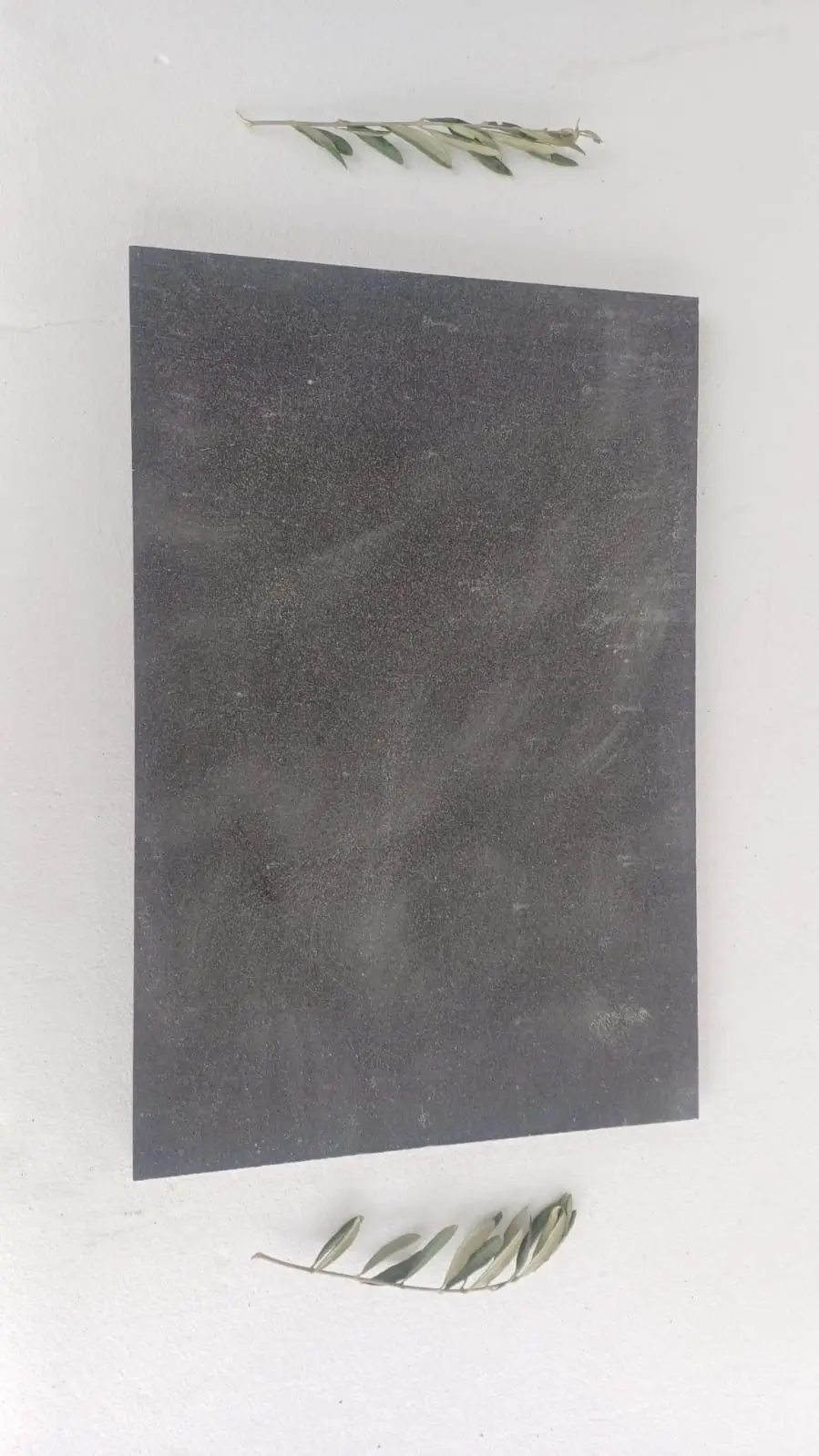
Our resilient basalt tiles for residential and commercial use represent a sustainable, eco-friendly alternative to synthetic building materials. Through eco-friendly quarrying practices, natural recyclability, and a low carbon footprint, minimalist basalt tiles by Citadel Stone not only deliver on aesthetic appeal and durability but also contribute significantly to environmentally responsible construction. These benefits are evident in real-world projects—from Denver’s green commercial office to Milwaukee’s renovated community center—demonstrating basalt’s versatility and superior performance in reducing environmental impact.
Choosing our black basalt tiles for contemporary statement floors means investing in a material that supports sustainable design, reduces maintenance costs, and lowers overall carbon emissions. As the world moves toward greener building practices, basalt tiles offer an effective way to blend style, function, and environmental stewardship.
For architects, designers, and builders committed to sustainable practices, Citadel Stone – lustrous basalt tiles are a smart, future-proof choice. Embrace the natural strength and eco-friendly benefits of basalt tiles, and help pave the way for a more sustainable future in construction.
For more expert advice and premium basalt tile products, visit Citadel Stone: your signature in exceptional stone to explore our environmentally responsible solutions.