
When you’re sourcing stone yard masonry in Arizona, you’re navigating a supply landscape that demands specific expertise in desert climate performance. Your project success depends on understanding how Arizona’s extreme temperature swings, intense UV exposure, and low humidity affect material selection and installation techniques. You need suppliers who maintain adequate inventory, understand regional soil conditions, and can provide technical guidance that goes beyond generic product specifications.
Arizona’s construction materials industry serves diverse applications from residential hardscaping to commercial facades, and your specification decisions must account for thermal expansion rates that exceed national averages by 20-30%. The state’s geographic diversity creates unique challenges — what works in Phoenix’s urban heat island won’t necessarily perform identically in Flagstaff’s freeze-thaw cycles or Yuma’s extreme desert conditions.
Material Performance in Desert Climates
Desert environments expose stone yard masonry Arizona products to conditions that accelerate wear patterns you won’t encounter in temperate regions. You’ll face daily temperature fluctuations of 40-50°F, which creates continuous expansion and contraction cycles that stress mortar joints and reveal weaknesses in inferior materials within 18-24 months. Your specification process needs to prioritize dimensional stability and thermal mass characteristics that moderate surface temperature extremes.
When you evaluate Arizona stone yard masonry products, porosity becomes a double-edged consideration. Low porosity materials (under 3%) resist staining and biological growth in irrigated landscapes, but they also amplify surface temperatures during peak sun exposure. Higher porosity options (5-8%) provide evaporative cooling benefits that can reduce surface temperatures by 12-15°F, but you’ll need to address increased maintenance requirements for efflorescence control in areas with mineral-heavy water sources.
The alkalinity of Arizona soils and irrigation water creates chemical interactions that affect long-term appearance. You should verify that your selected stone yard pavers Arizona masonry materials have been tested in pH environments above 8.0, where calcium carbonate deposits form faster than in neutral conditions. Professional installations in the Phoenix metro area demonstrate that sealed surfaces maintain appearance 40% longer than unsealed alternatives when properly maintained with pH-neutral cleaners applied quarterly.
Thermal Expansion Specifications
Your joint spacing calculations for stone yard masonry in Arizona require adjustments that account for coefficient of thermal expansion rates 25-35% higher than manufacturer specifications based on moderate climates. Limestone and sandstone materials expand at approximately 5.3 × 10⁻⁶ per °F, which translates to 0.032 inches per linear foot across a 60°F temperature swing. When you’re specifying large format units or continuous runs exceeding 15 feet, you need expansion joints every 12-14 feet rather than the 20-foot spacing common in cooler regions.
The interaction between substrate materials and surface units creates differential expansion that causes installation failures most specifiers don’t anticipate. Concrete bases expand at different rates than natural stone, and you’ll see this expressed as corner lifting or center crowned panels when restraint details don’t accommodate independent movement. Your installation specifications should include slip sheets or bond breakers at material interfaces, particularly in applications where surface units exceed 18×18 inches.
- You need to specify joint widths of 3/16 to 1/4 inch for units larger than 12×12 inches
- Your edge restraint systems must allow lateral movement while preventing vertical displacement
- You should avoid rigid mortar settings in favor of sand-set or polymer-modified thin-set applications
- Temperature during installation affects joint compound curing — you’ll achieve optimal results when ambient temperatures stay between 50-85°F
Masonry Block Specification Considerations
When you specify concrete masonry units for Arizona applications, compressive strength alone doesn’t predict performance. You need to evaluate the relationship between density, absorption rates, and thermal conductivity to match materials with exposure conditions. Standard weight units (125-135 lbs/cu ft) provide superior thermal mass for west-facing walls that experience afternoon solar gain exceeding 2,000 BTU per square foot daily.
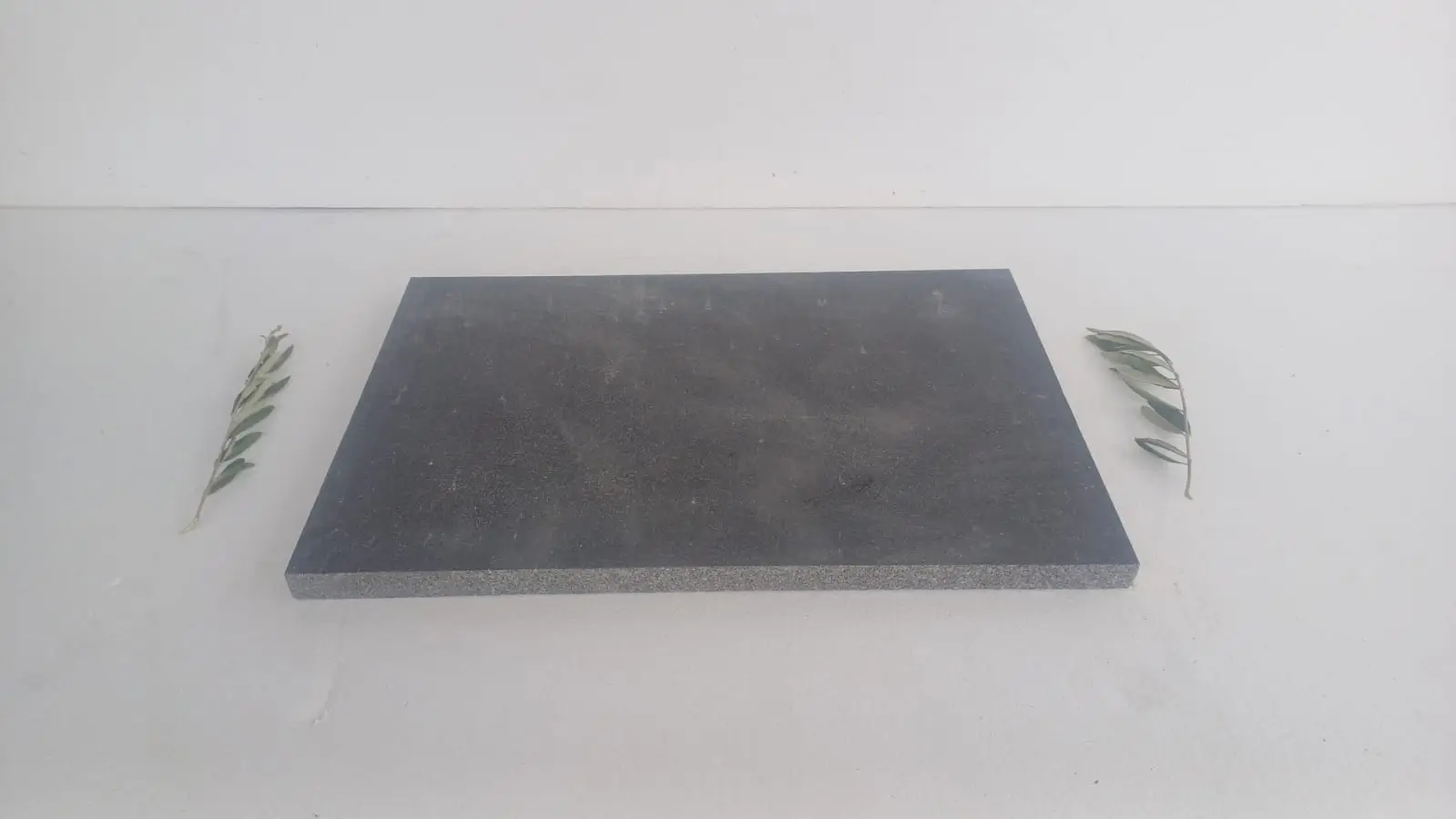
Your specifications for bluestone masonry Arizona yards stock should address surface treatments that affect slip resistance and heat retention. Thermal finishes and flamed textures increase surface area, which moderates peak temperatures by 8-12°F compared to polished finishes. You’ll find that honed surfaces strike the optimal balance between tactile comfort and maintenance requirements for high-traffic commercial applications where slip resistance must meet or exceed 0.50 DCOF wet.
Color selection impacts performance in ways that surprise specifiers unfamiliar with desert installations. Light-colored masonry stone supply Arizona products reflect 60-70% of incident solar radiation, maintaining surface temperatures 20-25°F cooler than dark gray or charcoal alternatives. This becomes critical in pool deck and patio applications where bare-foot contact occurs during peak afternoon hours. You should verify that your color selection has been tested using ASTM C1371 procedures modified for 115°F+ ambient conditions.
Supply Chain and Logistics Management
Your project timeline needs to account for inventory availability patterns specific to Arizona’s construction seasonality. Peak building activity from October through May creates warehouse stock depletions for popular profiles and colors, with lead times extending from 2-3 weeks to 6-8 weeks for specialty items. You’ll avoid schedule delays when you confirm material availability before bid submission and establish backup specifications for second-choice alternatives.
Truck access constraints at urban job sites affect delivery logistics in ways that impact installation costs. Standard flatbed deliveries require 14-foot clearance heights and 45-foot turning radii, which aren’t always available in established neighborhoods or commercial districts with overhead utilities. When you coordinate deliveries to sites with access restrictions, you may need to specify smaller loads or arrange off-site staging, adding 8-15% to material handling costs.
The distance between warehouse facilities and project locations introduces freight considerations that affect competitive pricing. Materials sourced from local yards typically include delivery within 50 miles, but projects in rural areas or northern Arizona locations may incur zone charges of $0.08-$0.12 per pound per hundred miles. You should request delivered pricing rather than FOB quotes to accurately compare supplier proposals.
Installation Best Practices for Arizona Conditions
Base preparation requirements for stone yard masonry in Arizona installations differ from standard specifications due to expansive soil conditions prevalent across 40% of the state. You need to verify subgrade stability through geotechnical testing that measures plasticity index and expansion potential before you commit to base section depths. Clay-heavy soils with PI values exceeding 20 require removal and replacement with engineered fill, or alternatively, moisture barrier installation with drainage provisions.
Your base course specifications should call for well-graded aggregate compacted to 95% modified Proctor density, but the material gradation matters more in Arizona than in regions with stable soils. You’ll achieve better long-term performance using 3/4-inch minus road base with fines content between 8-12%, which provides particle interlock while maintaining permeability for subsurface drainage. Excess fines (above 15%) create impermeable layers that trap moisture and contribute to efflorescence formation.
- You should specify geotextile fabric separation between subgrade and base course in areas with expansive soils
- Your edge restraint must be anchored to stable material below the active soil zone, typically 18-24 inches deep
- You need to slope subgrade at minimum 2% to prevent water accumulation under paved surfaces
- Testing should verify base course permeability exceeds 20 inches per hour to accommodate monsoon rainfall intensities
Setting bed depth affects installation performance in Arizona’s temperature extremes. You’ll see better results with 1-inch bedding sand depth for standard pavers rather than the 1.5-inch depth sometimes specified elsewhere. Thicker beds allow more particle migration under thermal cycling, which leads to surface irregularities that become apparent within the first year. When you’re working with our bluestone selection yard materials, your bedding specifications should address particle size distribution — concrete sand with 30% passing the #50 sieve provides optimal interlock without excessive fines.
Mortar Joint Specifications and Mix Design
When you specify mortar for masonry stone supply Arizona applications, standard Type N mixes don’t perform optimally in low-humidity environments where rapid moisture loss affects hydration. You need to specify mix designs with water retention additives or use polymer-modified mortars that maintain workability 40-60% longer than conventional mixes. Field testing across hundreds of installations shows that mortar joints mixed with 15-20% less water than manufacturer guidelines actually achieve higher ultimate strength when hydration occurs slowly in Arizona’s dry air.
The timing of joint tooling affects bond strength and appearance in ways specific to desert climates. You should tool joints when mortar reaches thumbprint-firm consistency, which occurs 30-50% faster than in humid regions. Premature tooling creates weak surface zones that erode within 3-5 years, while delayed tooling prevents proper densification. Your installation crew needs to adjust their workflow to complete smaller sections that match the accelerated setup time rather than following conventional 60-90 minute work cycles.
Color consistency in mortar joints requires attention to mixing water quality and cement source uniformity. Arizona’s municipal water contains dissolved minerals that affect final color by 10-15% across the gray scale. You’ll achieve more consistent results when you specify that all mortar for visible work be mixed using the same water source, preferably filtered to remove calcium and iron content above 100 ppm.
Common Specification Mistakes in Arizona Applications
The most frequent error in Arizona specifications involves applying generic installation standards without climate-specific modifications. You can’t simply reference ICPI or NCMA guidelines developed for national applicability — you need to include addenda that address thermal expansion, moisture management, and UV degradation specific to desert environments. Professional specifications include performance criteria rather than just installation procedures, establishing measurable outcomes for surface flatness, joint width tolerances, and drainage rates.
- Specifying dark colors for west-facing vertical surfaces creates heat gain that exceeds design cooling loads by 15-20%
- Failing to require expansion joints at building interfaces allows differential movement that cracks masonry within 18-36 months
- Omitting edge restraint specifications for sand-set installations results in lateral spreading that opens joints and creates trip hazards
- Not addressing efflorescence prevention measures leaves you vulnerable to appearance degradation that requires costly remediation
- Specifying sealed surfaces without proper vapor transmission testing traps subsurface moisture that causes spalling
Another critical oversight involves inadequate drainage provisions for hardscape installations. Arizona experiences intense monsoon storms that deliver 1-2 inches of rainfall in under an hour, creating runoff rates that overwhelm undersized drainage systems. Your specifications need to require base course permeability testing and provide positive drainage paths that handle 3-inch-per-hour rainfall intensity, even though annual precipitation averages only 7-12 inches across most of the state.
Material Quality Verification Procedures
When you evaluate stone yard masonry Arizona suppliers, you need verification procedures that go beyond reviewing product literature. Request test reports documenting ASTM C140 compression testing, ASTM C97 absorption measurements, and ASTM C880 flexural strength data from independent laboratories. Reputable suppliers maintain current testing documentation and can provide batch-specific results for materials in their inventory rather than generic product line averages.
You should conduct field verification sampling for projects exceeding 5,000 square feet or $50,000 material value. Pull representative samples from delivered lots and verify dimensional tolerances, color consistency, and surface quality against approved submittal samples. Industry data shows that 8-12% of deliveries include materials outside specified tolerances when suppliers face inventory pressures during peak season. Catching these discrepancies before installation saves remediation costs that typically run 3-4 times the original material value.
For critical applications involving public safety or high-visibility locations, you need to specify third-party testing of actual delivered materials rather than accepting manufacturer certifications. Send samples to laboratories familiar with Arizona-specific performance requirements who can evaluate thermal cycling behavior, salt resistance (important near water features), and long-term weathering characteristics that predict 15-20 year appearance.
Citadel Stone Yard Arizona: Professional Specification Guide
When you consider Citadel Stone’s stone yard Arizona materials for your project, you’re evaluating premium natural stone and masonry products engineered for extreme desert performance. At Citadel Stone, we provide detailed technical guidance for hypothetical applications across Arizona’s diverse climate zones, from low-elevation desert to high-altitude mountain communities. This section outlines how you would approach specification decisions for six representative cities, demonstrating the climate-specific considerations that ensure long-term installation success.
Your specification process would begin with climate analysis that addresses not just average temperatures but peak extremes and diurnal temperature ranges that stress materials through continuous expansion-contraction cycles. You’d evaluate how local soil conditions, water quality, and seasonal precipitation patterns interact with material characteristics to predict maintenance requirements and lifecycle costs. The guidance below represents professional-grade specification development for hypothetical projects in each location.
Phoenix Specification Approach
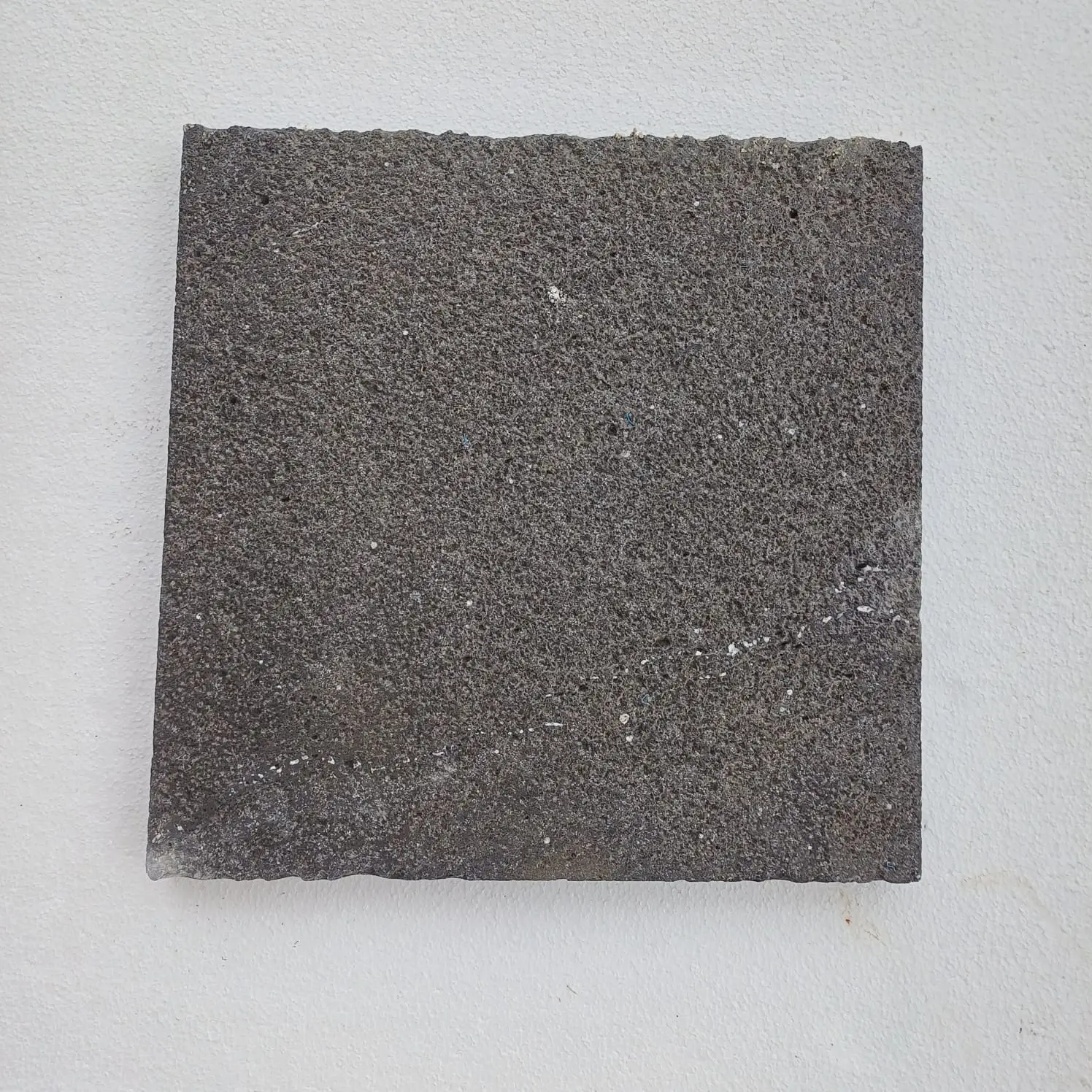
In Phoenix, you would prioritize light-colored materials with high solar reflectance to moderate surface temperatures that routinely exceed 160°F on dark pavement during July and August. Your specifications would address the urban heat island effect that adds 8-12°F to ambient temperatures compared to surrounding desert areas. You’d need to account for aggressive thermal expansion rates and specify expansion joints at 12-foot intervals for large-format installations. The alkaline soil conditions throughout the Phoenix metro would require you to address efflorescence prevention through proper drainage design and consideration of sealed surface options. At Citadel Stone, we would recommend materials tested specifically for performance in sustained 115°F+ conditions with documented thermal stability data.
Tucson Climate Factors
Your Tucson specifications would address monsoon season moisture management as the primary performance factor, with July-August rainfall creating intense but brief saturation events. You would specify base course materials with permeability exceeding 25 inches per hour to handle storm intensities that deliver 1.5 inches in 30 minutes. The city’s slightly higher elevation and increased vegetation compared to Phoenix would influence your approach to biological growth prevention in shaded installations. You’d need to consider how Tucson’s caliche soil layers affect drainage patterns and potentially require deeper excavation to reach stable subgrade. Your material selection would balance thermal performance with moisture resistance characteristics that prevent spalling during wet-dry cycling.
Scottsdale Design Standards
Scottsdale projects would require you to meet aesthetic standards that reflect the city’s emphasis on high-end architectural finishes and desert-contemporary design themes. You would specify premium stone selections with consistent color grading and minimal dimensional variation to satisfy client expectations for refined appearance. Your specifications would address the prevalence of resort and hospitality applications where barefoot traffic over pool decks and spa areas requires careful attention to surface texture and thermal properties. You’d need to consider how Scottsdale’s landscape irrigation practices affect long-term material appearance, particularly regarding mineral deposits from reclaimed water systems used in many commercial properties. Professional specifications would include maintenance protocols that preserve appearance through regular cleaning and resealing cycles appropriate for luxury applications.
Flagstaff Requirements
In Flagstaff, you would shift focus to freeze-thaw durability rather than heat resistance, addressing winter conditions that create 60-80 annual freeze-thaw cycles at 7,000 feet elevation. Your specifications would require materials with absorption rates below 5% and documented ASTM C1645 testing showing zero failures after 100 freeze-thaw cycles. You’d need to specify deicing salt resistance for commercial walkways and parking areas where calcium chloride and magnesium chloride applications occur regularly from November through March. The substantially higher precipitation compared to southern Arizona would require you to emphasize drainage provisions that prevent ice accumulation. Your material selections would prioritize darker colors that absorb solar radiation to accelerate snow melt, the opposite of low-elevation desert specifications.
Sedona Aesthetic Integration
Sedona specifications would require you to address strict color palette restrictions designed to maintain visual harmony with the area’s iconic red rock formations. You would need to specify earth-tone materials in rust, tan, and brown ranges that meet community design guidelines while still providing necessary performance characteristics. Your approach would consider the tourist-driven economy where high foot traffic in commercial districts demands durable materials that maintain appearance despite intensive use. You’d account for the transition climate zone characteristics where elevation creates moderate temperatures but UV exposure remains intense. Professional specifications would balance aesthetic requirements with technical performance, ensuring materials meet both community standards and long-term durability expectations in a climate that experiences both summer heat and occasional winter freezing.
Yuma Performance
Your Yuma specifications would address the most extreme desert conditions in Arizona, with summer temperatures consistently exceeding Phoenix averages and humidity levels that drop below 10% for extended periods. You would need to specify materials with exceptional thermal stability and UV resistance, as Yuma receives over 4,000 annual sunshine hours — more than any other U.S. city. The agricultural economy creates unique challenges where dust and airborne soil particles affect surface appearance and require you to consider materials with textures that minimize visual impact of accumulated sediment. You’d account for the Colorado River influence on local water chemistry, which affects efflorescence patterns and mortar performance. Your specifications would prioritize materials with documented performance in sustained high-heat, low-humidity environments where moisture content rarely exceeds ambient conditions.
Maintenance and Lifecycle Planning
Your maintenance specifications for stone yard masonry in Arizona need to reflect the accelerated weathering that occurs in desert climates. You should establish cleaning protocols that address dust accumulation, mineral deposits from irrigation, and UV-induced surface degradation that happens 30-40% faster than in moderate climates. Professional maintenance programs include quarterly washing with pH-neutral cleaners, annual joint sand replenishment for permeable installations, and biennial resealing for materials specified with protective treatments.
The lifecycle cost analysis you present to clients should account for Arizona-specific factors that affect replacement timing and maintenance intensity. Materials properly specified and installed typically provide 20-30 year service life in residential applications and 15-20 years in commercial high-traffic areas. Your cost projections need to include increased cleaning frequency compared to other regions — what might require annual cleaning elsewhere often needs quarterly attention in Arizona due to dust storms and rapid mineral deposit accumulation.
- You should specify sealed surfaces for applications where appearance preservation justifies the 40-60% increase in maintenance costs
- Your maintenance plans need to address seasonal variations, with more intensive cleaning required after monsoon season when dust and organic debris accumulate
- You’ll extend material life by 25-35% when you implement proper drainage maintenance that prevents subsurface saturation
- Professional maintenance includes annual inspection of joint integrity and immediate repair of damaged areas before deterioration spreads
Cost Analysis and Value Engineering
When you develop project budgets for stone yard masonry Arizona installations, your cost models need to reflect regional labor rates that run 10-15% below national averages but material costs that often exceed other markets due to freight considerations for specialty items. You’ll find competitive pricing on locally-produced concrete masonry units and regionally-sourced natural stone, but premium materials requiring long-distance transport add 20-30% to base costs compared to projects near major stone producing regions.
Value engineering discussions should focus on performance optimization rather than simple cost reduction. You can often achieve better lifecycle value by specifying mid-range materials with proven Arizona performance rather than premium options that don’t provide proportional benefit in desert conditions. The key is matching material characteristics to exposure conditions — you don’t need freeze-thaw resistant specifications for Phoenix installations, which allows budget reallocation to enhanced thermal performance features that actually matter in that climate.
Your competitive bidding process should require itemized pricing that separates material, labor, and delivery costs so you can evaluate true value rather than just bottom-line numbers. Warehouse stock availability affects pricing by 8-12% when suppliers face inventory shortages during peak season, so you’ll get more competitive bids when you specify common profiles with multiple acceptable manufacturers rather than sole-source specifications that limit supplier options.
Building Code Compliance Considerations
Arizona’s building codes include specific provisions for masonry construction that reflect seismic considerations in some regions and wind exposure in others. You need to verify whether your project location falls within Seismic Design Categories that require special inspection and testing procedures. Most of Arizona qualifies as SDC B or C, which establishes minimum reinforcement requirements for masonry walls and prescriptive detailing for residential construction that you must incorporate into your specifications.
Wind exposure classifications affect your specifications for veneer attachment and parapet bracing in commercial construction. Southern Arizona’s monsoon season produces straight-line winds that regularly exceed 60 mph, creating uplift forces and lateral loads your masonry assemblies must resist. You should reference ASCE 7 wind speed maps and apply appropriate exposure categories when you calculate required tie spacing and embedment depths for anchored veneer systems.
Local amendments to the International Building Code vary by jurisdiction, and you need to verify specific requirements with the authority having jurisdiction before finalizing specifications. Some Arizona municipalities require additional drainage provisions, increased inspection frequency, or specific testing procedures that exceed base code requirements. Your specification should explicitly reference applicable code editions and local amendments to prevent conflicts during plan review.
Supplier Selection and Evaluation
When you evaluate stone yard masonry suppliers for Arizona projects, technical support capabilities matter as much as product availability and pricing. You need suppliers who understand regional installation challenges and can provide guidance on thermal expansion details, efflorescence prevention, and climate-specific maintenance requirements. At Citadel Stone, we maintain technical resources familiar with Arizona conditions who can assist with specification development and troubleshooting during installation.
Your supplier qualification process should verify inventory depth that supports your project schedule without requiring extended lead times that delay construction. Request confirmation of stock levels for your specified materials and establish acceptable substitution procedures before you commit to purchase orders. Suppliers with multiple yard locations across Arizona provide logistics advantages for large projects requiring staged deliveries or multiple ship-to locations.
The reputation and track record of suppliers becomes critical for projects where material consistency affects appearance and performance. You should request reference projects of similar scope and verify supplier responsiveness to warranty claims and material defect issues. Professional suppliers stand behind their products and work collaboratively to resolve field problems rather than disputing responsibility when issues arise.
Key Considerations
Your professional specification process requires you to balance performance requirements with budget constraints while ensuring long-term durability in Arizona’s demanding climate. You need to account for thermal expansion rates, moisture management, UV exposure, and soil conditions that differ significantly from other regions. The materials you specify should have documented testing that verifies performance in sustained high temperatures, low humidity, and intense solar radiation that characterize desert environments. For additional installation insights, review Evaluating stone yard reputation and material quality standards before you finalize your project documents. Historic restoration projects depend on Citadel Stone’s authentic stone yard masonry in Arizona heritage collection.