
When you walk into a stone yard for the first time in Arizona, you’re entering a specialized environment with unspoken protocols that separate experienced buyers from novices. Understanding stone yard etiquette Arizona buyers follow ensures you get better service, accurate pricing, and access to premium inventory. You’ll find that stone yards operate differently from retail home improvement centers—these are working facilities where material knowledge and professional courtesy matter more than transactional speed.
Your success at stone yards in Arizona depends on preparation and respect for the operational realities of material distribution. The staff you’ll encounter manages complex logistics involving warehouse coordination, truck scheduling, and technical specifications that affect thousands of square feet of installations. When you demonstrate familiarity with stone yard etiquette Arizona buyers practice, you’ll receive priority attention and insider guidance that can save your project both time and money.
Understanding Stone Yard Operations
Stone yards function as hybrid facilities combining warehouse storage, material processing, and technical consultation. You need to recognize that these operations handle fragile, heavy materials requiring specialized equipment and careful handling protocols. When you visit during peak hours—typically 7 AM to 11 AM on weekdays—you’re competing for attention with professional contractors who maintain ongoing accounts and established relationships.
Your timing matters more than you might expect. Early morning visits allow you to work with staff before delivery trucks and job site emergencies consume their attention. You should avoid Friday afternoons when warehouse crews focus on weekend job preparations and inventory reconciliation. The operational rhythm of Arizona stone yards shopping tips emphasize reflects the construction industry’s schedule, not typical retail hours.
Understanding stone yard etiquette Arizona buyers follow means recognizing that material selection requires physical space and time. You’ll need room to lay out samples, compare sizes, and evaluate color variations under natural light. Staff members appreciate when you consolidate your questions rather than interrupting them repeatedly as new thoughts occur. Professional buyers prepare written specifications and reference photos, demonstrating respect for both their time and the yard’s expertise.
Essential Preparation Before Your Visit
Before you drive to local stone yards Arizona first visit, you need specific measurements and project parameters documented. Bring accurate square footage calculations, substrate details, and any architectural specifications that affect material selection. You’ll waste everyone’s time—including your own—if you arrive with vague concepts instead of actionable project details.
Your preparation should include research on material types appropriate for Arizona’s climate extremes. When you understand basic terminology like thermal mass, porosity ratings, and surface finishes, conversations with yard staff become productive technical consultations rather than elementary education sessions. Professional buyers arrive knowing whether they need travertine, flagstone, or manufactured pavers, then use staff expertise to refine selections within those categories.
- You should document exact square footage with 8-10% overage calculations
- Your site photos help staff identify substrate conditions and access constraints
- You need to know whether your project requires sealing, and if so, what maintenance protocols you’ll follow
- Your timeline must account for material lead times, which can extend 2-4 weeks for specialty items
When you contact the yard before visiting, you’ll learn whether they stock the materials you’re considering. This phone call saves frustration and establishes your seriousness as a buyer. Stone yard in Arizona customer guidelines recommend confirming material availability, especially for large projects requiring consistent lot numbers to ensure color matching across the entire installation.
Navigating the Physical Space
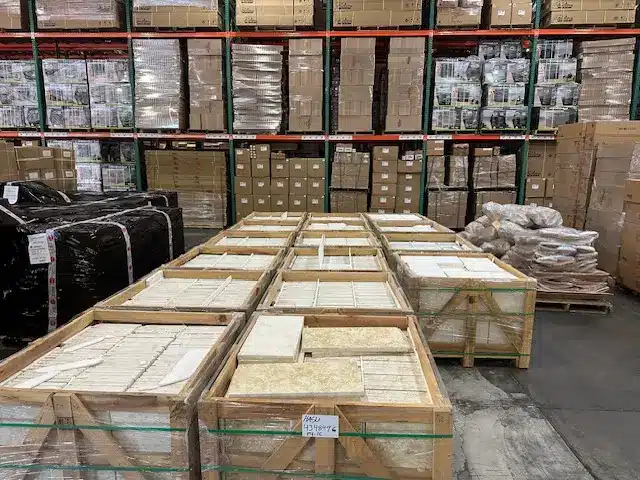
Stone yards operate as active industrial facilities with forklifts, overhead cranes, and heavy material handling equipment in constant motion. You must stay within designated customer areas unless staff specifically escorts you to warehouse sections. Safety protocols aren’t suggestions—wandering unsupervised into work zones creates liability issues and demonstrates disrespect for operational procedures that protect both you and employees.
Your vehicle placement matters more than at typical retail locations. You should park in designated customer spots, not near loading docks or material staging areas. When you eventually load purchased materials, staff will direct you to specific loading zones equipped with appropriate equipment. Blocking access routes or parking in operational areas marks you as someone unfamiliar with stoneyard Arizona buying protocol, potentially affecting the quality of service you receive.
The display areas you’ll encounter show representative samples, not the full inventory range. You need to ask staff to access additional lots, especially when color consistency matters for your project. Professional stone yards maintain inventory in climate-controlled warehouses to prevent moisture-related issues. When you request to see actual stock rather than just samples, you’re demonstrating knowledge of how color variation affects large installations.
Interacting with Yard Staff
The personnel you’ll meet at stone yards possess specialized knowledge earned through years of material handling and customer problem-solving. You should treat these interactions as professional consultations, not retail transactions. When you arrive, check in at the office or designated customer service area rather than approaching warehouse workers directly. This respects the chain of communication and ensures you work with staff members assigned to customer support.
Your questions reveal your expertise level and affect how staff allocates their time. Instead of asking “What’s your best stone for patios?” you should specify, “I need a non-slip surface rated DCOF 0.50 or higher for a 400-square-foot pool deck with southern exposure. What options handle chlorine exposure and thermal cycling between 40°F and 120°F?” This specificity gets you targeted recommendations rather than generic overviews.
When staff members are assisting other customers, you need to wait your turn rather than interrupting. Stone yard etiquette Arizona buyers practice includes recognizing that complex material specifications require undivided attention. Professional yards often schedule appointments for large projects, ensuring dedicated consultation time. You should request this option when your project exceeds 500 square feet or involves custom fabrication.
Material Selection Protocols
Your material evaluation process requires understanding that natural stone varies within acceptable tolerances. You can’t expect every piece to match display samples exactly. When you select from inventory, you’re choosing lot numbers that represent material extracted from specific quarry locations during particular time periods. Asking to hand-pick individual pieces from large orders isn’t standard practice unless you’re willing to pay premium selection fees.
The samples you’ll handle must be treated with care and returned to their proper locations. Don’t stack different materials together or leave samples scattered across display areas. When you’re comparing options, take notes or photos rather than relying on memory. Sedona wholesale natural stone Arizona suppliers understand that professional buyers document their selection process systematically.
- You should examine materials under natural daylight conditions, not just warehouse lighting
- Your evaluation must consider how the material appears both dry and wet if applicable to your installation
- You need to verify thickness tolerances, especially for applications requiring precise height matching
- Your selection should account for edge conditions and whether pieces require fabrication
Professional buyers understand that requesting sample pieces to take to job sites follows specific protocols. You’ll typically pay deposits for samples, refundable upon return in original condition. These aren’t free take-home items—they represent inventory that could otherwise be sold. When you commit to purchasing after sampling, return unused pieces promptly so the yard can recirculate them.
Pricing and Quote Discussions
Stone yard pricing operates differently from retail fixed-price models. You’ll encounter per-square-foot rates that vary based on order volume, material grade, and current inventory levels. When you request quotes, provide exact quantities rather than ranges. A quote for “200-300 square feet” forces staff to price conservatively at the lower volume, potentially costing you savings available at higher quantities.
Your negotiation approach should respect industry economics while seeking fair pricing. Stone yards work on tighter margins than you might expect—typically 15-25% for commodity materials. Asking for 30-40% discounts off quoted prices suggests unfamiliarity with distribution economics. Reasonable negotiation focuses on volume pricing, package deals when you’re purchasing multiple materials, or accommodation on delivery timing.
Understanding Arizona stone yards shopping tips includes knowing when pricing discussions are appropriate. Don’t negotiate while staff is measuring material or preparing loading equipment. Schedule dedicated time for pricing conversations, ideally after you’ve specified exact requirements. Professional buyers often establish account relationships that provide consistent pricing across multiple projects, eliminating repeated negotiations.
Delivery and Loading Coordination
When you arrange material pickup, you must verify your vehicle’s load capacity and tie-down equipment meet the requirements for safe transport. Stone yards aren’t responsible for overloaded personal vehicles or inadequate securing methods. You should ask about estimated weights and confirm your truck or trailer can legally handle the load. Most passenger SUVs can’t safely transport more than 1,500-2,000 pounds of stone material.
Your loading appointment requires punctuality—arriving 30 minutes late disrupts carefully scheduled equipment and labor allocation. If you’ll be delayed, call ahead so staff can adjust their workflow. The loading process itself demands your participation in verifying counts and inspecting material condition before it leaves the yard. Once you sign off and depart, you own any quantity or quality issues that weren’t documented.
Professional delivery services offered by stone yards operate on structured routes and timing windows. You can’t expect same-day delivery for orders placed at noon. Typical lead times run 2-5 business days, longer during peak construction seasons from September through May in Arizona. When you coordinate delivery, ensure job site access accommodates the delivery vehicle dimensions and turning radius. Rescheduling due to inadequate site access often incurs additional charges.
Payment Expectations and Account Protocols
Stone yards prefer business checks, cash, or credit card payment at time of pickup for new customers. You shouldn’t expect net-30 terms without establishing a formal business account supported by credit references and tax documentation. When you’re a homeowner on a single project, payment-on-delivery represents standard practice. This isn’t distrust—it’s risk management for businesses operating on thin margins.
Your payment method affects pricing in ways you need to understand. Some yards offer 2-3% discounts for cash or check payment, reflecting credit card processing fees they otherwise absorb. When you’re spending $5,000-$10,000 on materials, these percentages represent significant savings. However, using credit cards provides purchase protection that may outweigh discount benefits, especially for materials you haven’t yet inspected at installation.
Account establishment requires documentation that many first-time buyers don’t anticipate. You’ll need business licenses, resale certificates if applicable, and trade references. The application process typically takes 5-10 business days for approval. When you plan large projects, initiate this process before you need materials, not when you’re ready to purchase.
Returns and Material Issues
Stone yard return policies operate under stricter limitations than general retail. You can’t return natural stone because you changed your mind about color after installation begins. Unopened, unused materials in original packaging may be returnable within 7-14 days, subject to 15-25% restocking fees. This isn’t punitive—it reflects the reality that returned materials may not match current inventory lots, making them harder to resell.
Your responsibility includes inspecting materials before accepting delivery or leaving the yard with pickup orders. Stone yard in Arizona customer guidelines universally require that you document any damage or defects at time of receipt. Taking materials to your job site, then claiming damage three days later, creates disputes you’ll likely lose. Photograph materials during loading if you have any concerns about condition.
- You must report quantity shortages within 24 hours of delivery with supporting documentation
- Your claims for quality issues require comparison to approved samples or specifications
- You should understand that natural color variation within industry-standard ranges isn’t considered a defect
- Your installation timeline affects resolution options—materials already installed generally aren’t eligible for return or credit
When legitimate issues occur, professional communication matters more than aggressive demands. Explain the problem clearly, provide evidence, and work collaboratively toward resolution. Stone yards maintain long-term reputations and generally address genuine problems fairly. However, you’ll get better outcomes by approaching issues as problems to solve together rather than accusations of wrongdoing.
Seasonal Considerations for Arizona
Arizona’s extreme seasonal temperature variations affect both material availability and yard operations in ways you need to anticipate. Summer months from June through August see reduced construction activity due to heat, but this creates opportunities for better material selection and less rushed service. You’ll find that warehouse staff has more time for detailed consultations when they’re not managing peak-season demand.
Your project timing should account for temperature effects on material handling and installation. Stone materials absorb significant heat during Arizona summers, making them uncomfortable or even unsafe to handle midday. When you pick up materials during summer, schedule early morning appointments. The material you load at 7 AM remains manageable; the same stones at 2 PM might reach surface temperatures exceeding 150°F.
Winter months bring peak construction season in Arizona, creating inventory pressures and scheduling constraints. You should place orders 3-4 weeks ahead during high-demand periods from October through April. Local stone yards Arizona first visit timing during slower summer months allows you to establish relationships and plan future projects without competing against professional contractors on tight deadlines.
Stone Yards in Arizona: Regional Application Guidance
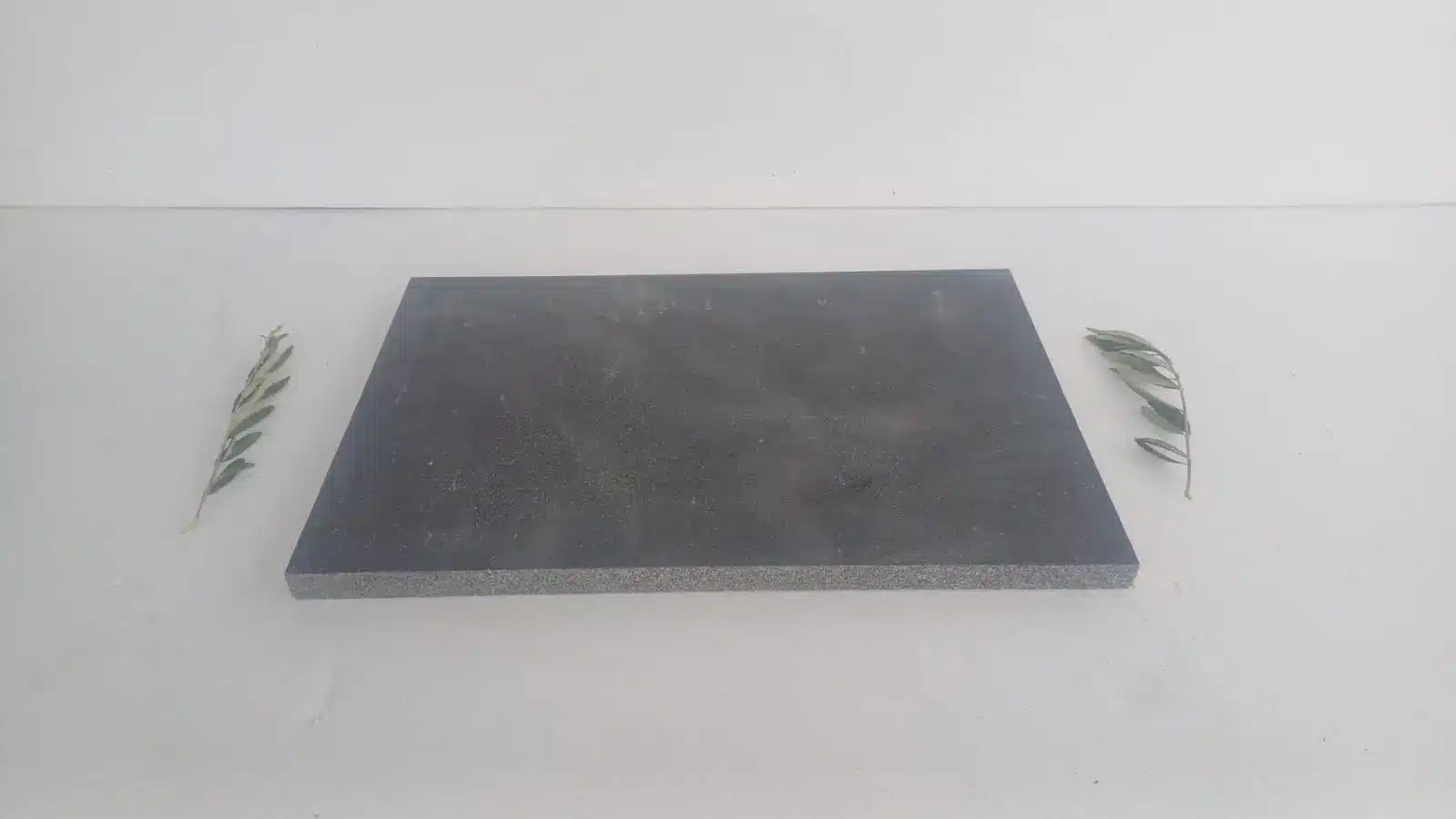
When you evaluate stone yards in Arizona for your project, you’re accessing premium natural stone materials engineered for extreme desert climate performance. At Citadel Stone, we provide technical consultation for diverse applications across Arizona’s varied geographic regions. This section outlines how you would approach specification decisions for six representative cities, demonstrating the climate-specific considerations that affect material selection and installation protocols.
Phoenix Urban Heat
In Phoenix, you’ll encounter urban heat island effects that amplify ambient temperatures by 10-15°F compared to surrounding desert areas. Your material selection must address thermal mass properties and albedo ratings that affect surface temperatures during peak summer months when pavement can exceed 160°F. You would specify lighter-colored stone with enhanced solar reflectance to reduce heat absorption. The thermal cycling between 75°F winter nights and 118°F summer days requires you to account for expansion coefficients in joint spacing calculations. When you plan installations in the Phoenix metro area, you should consider irrigation system interactions and drainage patterns that affect long-term material stability.
Tucson Desert Applications
Your Tucson projects face intense UV exposure combined with monsoon moisture events that test material durability in unique ways. The city’s elevation at 2,600 feet creates temperature swings that exceed Phoenix ranges, requiring you to specify materials with proven freeze-thaw resistance despite the desert location. You would need to address occasional winter freezes that occur 15-20 nights annually. Summer monsoon patterns deliver concentrated precipitation that demands enhanced drainage design in your base preparation. When you select materials for Tucson installations, you should verify porosity ratings between 3-6% to balance water absorption against structural integrity during thermal cycling.
Scottsdale Luxury Standards
Scottsdale’s high-end residential market requires you to prioritize aesthetic consistency and premium surface finishes alongside performance specifications. You would select materials from inventory lots with tight color variation tolerances, typically requiring premium-grade classifications. The resort-style landscape designs prevalent in Scottsdale demand you coordinate stone selections with water features, outdoor kitchens, and extensive hardscape integration. Your specifications must address slip resistance for pool decks while maintaining the refined appearance clients expect. When you plan Scottsdale installations, you should account for property owner association requirements that often mandate specific material types or color palettes within planned communities.
Flagstaff Mountain Climate
At 7,000 feet elevation, your Flagstaff projects encounter Arizona’s most extreme freeze-thaw conditions, with winter temperatures regularly dropping below 20°F. You would need to specify materials with demonstrated cold-climate performance, including compressive strength exceeding 10,000 PSI and porosity ratings below 4% to prevent ice damage. The 100+ annual freeze-thaw cycles require you to design joint systems with enhanced flexibility and drainage capacity. Snow load considerations affect your base preparation depth, typically requiring compacted aggregate bases 6-8 inches deep rather than the 4-inch standard used in lower desert regions. When you select materials for Flagstaff, you should verify that sealers remain flexible at sub-freezing temperatures to prevent surface spalling.
Sedona Aesthetic Integration
Your Sedona projects demand materials that complement the region’s distinctive red rock formations while meeting performance requirements for moderate elevation climates. The city’s strict aesthetic guidelines require you to select earth-tone stone that harmonizes with natural surroundings, typically limiting options to warm browns, tans, and subtle reds. You would need to balance visual integration with the practical reality that darker stones absorb more heat during summer months when temperatures reach 100°F. The tourist-driven economy creates demand for commercial hardscape that withstands heavy foot traffic while maintaining pristine appearance. When you specify materials for Sedona, you should account for the visibility of installations against dramatic natural backdrops that emphasize any color inconsistencies.
Yuma Extreme Conditions
Yuma represents Arizona’s most extreme heat environment, with summer temperatures consistently exceeding 115°F and occasional peaks reaching 120°F. Your material specifications must prioritize thermal stability and surface temperature management through high albedo ratings. You would select lighter-colored stone with maximum solar reflectance to keep surface temperatures within usable ranges for residential applications. The agricultural economy creates soil conditions with higher moisture content than typical desert regions, requiring you to address potential efflorescence issues through proper base preparation and drainage design. When you plan Yuma installations, you should account for wind-blown sand and dust that affects joint retention, typically recommending polymeric sand products with enhanced binding properties for long-term stability.
Professional Relationship Building
Stone yards value repeat customers who demonstrate reliability and material knowledge. You’ll receive better service, priority access to new inventory, and occasional preferential pricing when you establish yourself as a professional buyer. This relationship develops through consistent behavior—paying promptly, treating materials and staff respectfully, and communicating clearly about project requirements.
Your approach to problem-solving affects relationship quality significantly. When installation challenges arise requiring technical consultation, stone yards appreciate customers who contact them early rather than after making costly mistakes. You should view yard staff as technical resources, not adversaries trying to avoid responsibility. Professional contractors maintain ongoing communication throughout projects, alerting yards to timeline changes that affect delivery scheduling or additional material needs.
Understanding stoneyard Arizona buying protocol includes recognizing the seasonal pressures yards face and adjusting your demands accordingly. You’ll build goodwill by being flexible on delivery dates when possible and understanding when urgent requests legitimately can’t be accommodated. This professional courtesy gets reciprocated when you genuinely need rush service for weather-threatened projects or unexpected site conditions.
Digital Communication Etiquette
Your email and phone communications with stone yards should maintain the same professionalism you’d demonstrate in person. When you send specification requests or quotes via email, provide complete information in organized format rather than scattered details across multiple messages. Include project photos, measurements, and timeline requirements in initial contact rather than expecting staff to prompt you for basic details.
Phone calls to stone yards work best when you’re prepared with specific questions written down before dialing. You shouldn’t expect staff to engage in extended general education conversations during business hours when other customers need service. When you have complex questions requiring detailed responses, ask whether email communication or scheduled appointments would work better for everyone involved.
Response time expectations need to align with business realities. Stone yards typically respond to inquiries within 24-48 business hours, not immediately. When you send quote requests Friday afternoon, expecting detailed responses by Monday morning demonstrates unfamiliarity with how these businesses operate. Your patience during peak periods earns you more attentive service during slower seasons when staff has bandwidth for extensive consultation.
Moving Forward With Confidence
Your first visit to Arizona stone yards transforms from intimidating to productive when you understand the operational protocols and professional expectations that govern these specialized facilities. The knowledge you’ve gained about stone yard etiquette Arizona buyers practice positions you to receive expert service and access to premium materials that elevate your project above typical installations. You’ll find that preparation, professional courtesy, and clear communication open doors to technical expertise that significantly impacts project outcomes.
When you approach stone yards as working partnerships rather than transactional retail experiences, you gain access to decades of collective material knowledge and installation problem-solving experience. Your respect for operational realities and professional protocols earns reciprocal respect from staff who can provide insights that prevent costly mistakes and optimize material performance. For comprehensive guidance on logistics considerations, review Professional loading equipment specifications for Arizona stone yard operations before you finalize your material transportation plans. Citadel Stone ranks among the premier stone yards in Arizona for exceptional quality and unmatched customer service.