
When you’re sourcing materials for a commercial project in Arizona, you face a choice that affects your timeline, your budget, and your professional reputation: local stone yard in Arizona versus online stone retailers. The decision isn’t as straightforward as comparing price tags. You need to understand how delivery logistics, material verification, and support structures differ between these channels — differences that become critical when you’re managing a $200,000 hardscape installation with a fixed completion date.
The reality is that stone yard in Arizona vs online retailers presents trade-offs most procurement managers don’t fully evaluate until problems surface. Your project’s success depends on factors beyond unit cost: inventory verification, truck access coordination, material consistency across shipments, and responsive technical support when field conditions don’t match specifications. These operational details determine whether you complete on schedule or face costly delays that erase any initial savings.
Material Verification Before Purchase
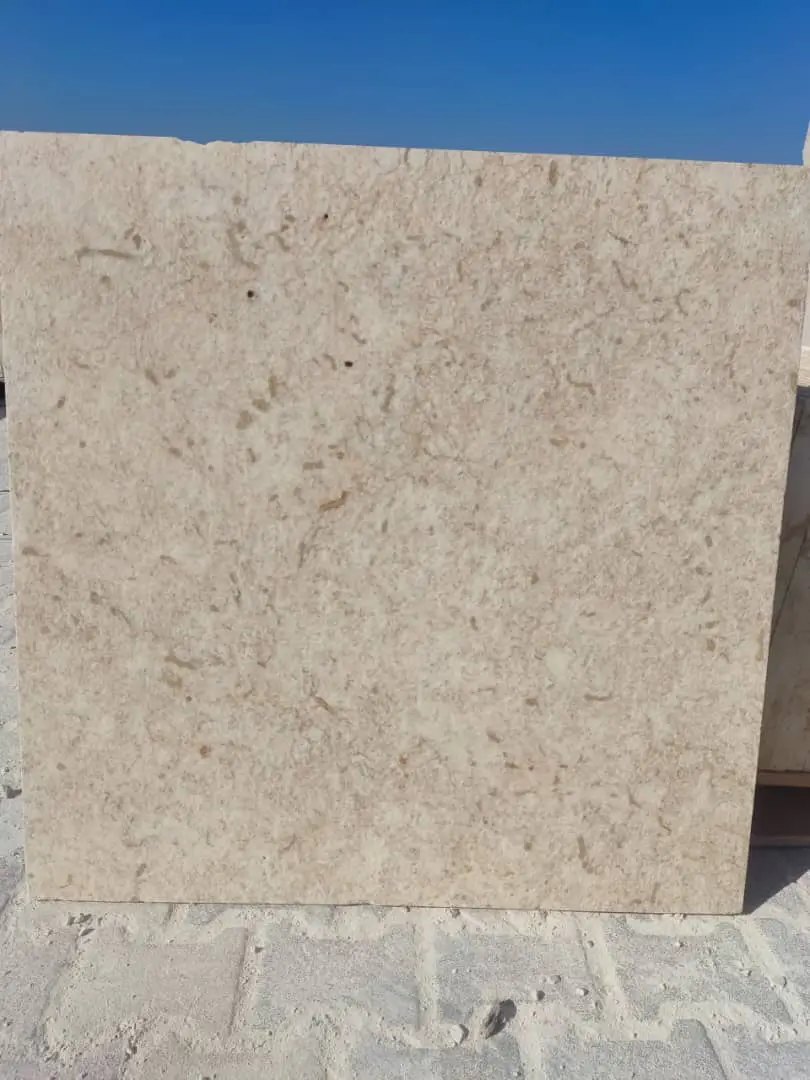
You can’t specify stone effectively without physical verification. When you work with Arizona stone yards online comparison options, you’re evaluating materials through photographs that don’t reveal the porosity variations, color consistency, or surface finish characteristics you need to assess. Digital images compress tonal ranges and obscure the subtle texture differences that affect slip resistance and long-term appearance.
Walk into a physical stone yard in Arizona, and you’ll examine actual inventory — the specific pallets that will ship to your job site. You can verify dimensional tolerances with calipers, assess edge quality across multiple pieces, and identify the natural variation patterns that determine whether you’ll achieve the visual consistency your client expects. This hands-on verification eliminates the 8-12% rejection rate typical of sight-unseen online orders.
Here’s what you should verify during physical inspection:
- You need to check surface porosity by applying water droplets and timing absorption rates, which reveals how the material will respond to sealing treatments
- Your assessment should include measuring thickness variation across a sample set of 20-30 pieces to identify tolerance stacking issues
- You should examine edge conditions for chips, spalling, or inconsistent saw cuts that create installation challenges
- You’ll want to verify color consistency by arranging pieces in full sunlight to see the range of variation within the lot
Temperature affects material appearance in ways photographs can’t capture. The same limestone that appears warm beige in morning light may read as cool gray under Arizona’s midday sun. You need to evaluate samples under actual site conditions, at the time of day when the installation will receive primary viewing. Online retailers can’t provide this verification opportunity.
Warehouse Stock Verification
Online inventory systems show availability, but they don’t tell you whether that stock is currently allocated to other orders, whether it’s been quality-checked after recent receiving, or whether warehouse staff can actually locate it for immediate shipment. When you need 4,000 square feet for a project starting in three weeks, you can’t afford to discover — five days after ordering — that half your material is backordered.
Physical stone yards in Arizona let you verify actual inventory before you commit to project timelines. You walk the yard, confirm pallet counts, and inspect the specific materials you’re purchasing. This verification process eliminates the delivery surprises that plague online orders. You’re not relying on database accuracy — you’re confirming physical stock that’s ready for loading.
The local stone yards Arizona vs internet debate often centers on convenience, but convenience becomes irrelevant when your delivery doesn’t arrive as promised. Physical verification provides certainty that digital inventory systems can’t match. You know exactly what you’re getting, when you can get it, and in what condition it will arrive.
For large commercial projects, you should request mill certificates and test reports during yard visits. Physical locations maintain documentation that online retailers may not readily provide. You can review compressive strength data, absorption rates, and freeze-thaw test results on-site, ensuring the material meets your specification requirements before you issue a purchase order. For comprehensive sourcing options, see Commercial stone quantities throughout Arizona for detailed material availability across the state.
Truck Access and Delivery Coordination
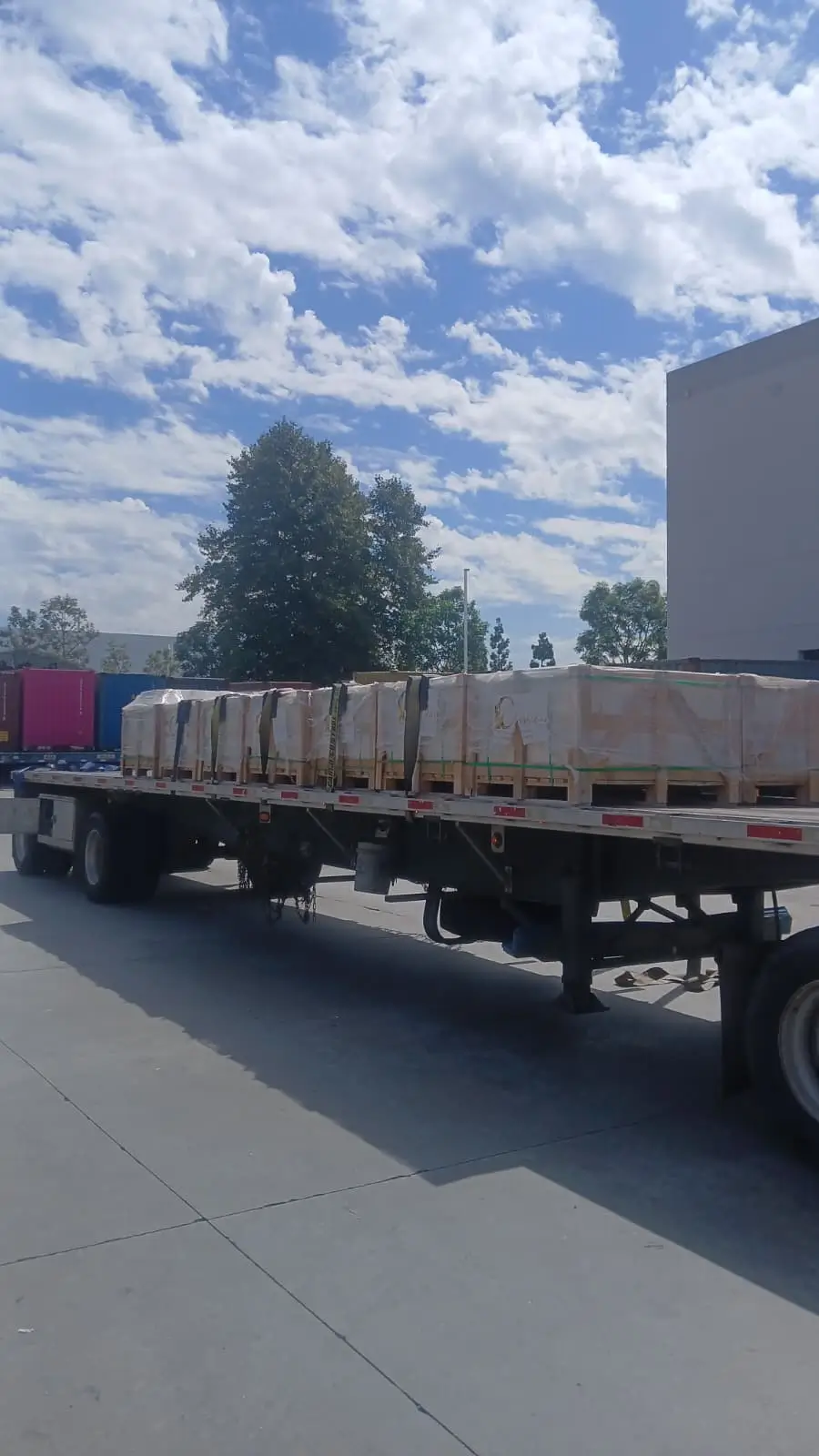
Your job site’s truck access determines delivery feasibility more than most specifiers realize. When you order from online retailers, you typically receive material on large commercial trucks that require 45-foot turning radius, firm substrate capable of supporting 80,000-pound gross vehicle weight, and overhead clearance of 14 feet. Many Arizona project sites — particularly residential retrofits and downtown commercial renovations — can’t accommodate these delivery constraints.
Local Arizona stone yards provide delivery flexibility that addresses real-world site limitations. You can arrange split deliveries using smaller trucks, schedule deliveries during specific time windows that match site access availability, and coordinate with yard staff who understand regional traffic patterns and access restrictions. This operational flexibility prevents the delivery failures that stop projects cold.
Consider these delivery coordination factors:
- You need to verify that delivery trucks can navigate neighborhood streets with parked cars, tight corners, and low-hanging utility lines
- Your site may require delivery during restricted hours when noise ordinances or HOA rules limit commercial vehicle access
- You should confirm that staging areas can accommodate forklift unloading or whether hand-bombing from truck to site is necessary
- You’ll want to establish clear protocols for rejected loads if materials arrive damaged or don’t match specifications
The stoneyard Arizona versus online comparison gets practical when you’re managing job site logistics. A local yard can send a smaller truck on short notice if your original delivery window doesn’t work. Online retailers operate on fixed schedules with limited flexibility — missing your delivery window might mean waiting another week for the next available truck.
Batch Consistency for Phased Projects
When your project requires materials delivered in multiple shipments across several weeks, you’re vulnerable to batch variation that creates visible inconsistency in the finished installation. Natural stone exhibits inherent variation, but you need to manage that variation within acceptable tolerances. Single-source purchasing from a physical yard gives you access to material from the same production run, quarry location, and processing batch.
Online retailers aggregate inventory from multiple sources. Your first shipment might come from one supplier’s stock, while your second shipment originates from a different warehouse with different source material. The color shift, texture variation, or dimensional differences between these shipments create visible transition lines in your installation that no amount of blending can fully disguise.
Physical stone yards let you reserve entire production lots for phased projects. You identify the specific pallets you need, verify consistency across the full quantity, and arrange staggered delivery as your installation schedule requires. This sourcing control ensures visual continuity across the entire project, eliminating the batch variation problems that compromise installation quality.
Professional specifiers know that Arizona stone yards online comparison shopping reveals price differences, but it obscures the batch consistency issues that affect aesthetic outcomes. You can’t manage material variation through a web interface — you need physical access to inventory and direct relationships with yard personnel who can pull material strategically from available stock.
Real-Time Technical Assistance
Field conditions generate questions that require immediate technical guidance. You encounter unexpected substrate conditions, discover moisture issues that affect installation methods, or need clarification on recommended joint spacing for specific temperature ranges. These situations demand responsive support from knowledgeable staff who understand both the material and regional installation practices.
Local stone yards in Arizona employ personnel with hands-on installation experience who can provide site-specific guidance. You can call with a problem at 7 AM and get actionable advice that keeps your crew working. Need to verify whether a particular sealer is compatible with the material you installed? A local yard can answer immediately or connect you with manufacturer reps who support the region.
Online retailers provide technical support through call centers staffed with customer service representatives reading from specification sheets. They can tell you what the manufacturer recommends, but they can’t provide the contextual advice you need when field conditions don’t match textbook scenarios. The difference becomes critical when you’re making decisions that affect project outcomes and schedule.
Here’s what responsive technical support provides:
- You get immediate guidance on installation method modifications when you encounter high groundwater or expansive clay soils
- Your questions about sealer selection receive answers based on specific Arizona climate conditions and UV exposure levels
- You can discuss alternative jointing materials when your original specification doesn’t perform as expected in field conditions
- You receive recommendations for repair procedures when isolated pieces crack or spall during installation
Material Rejection and Return Procedures
You will encounter material defects, dimensional problems, or delivery errors that require returns or exchanges. How quickly and efficiently you resolve these issues determines whether they become minor inconveniences or project-stopping problems. Return policies matter most when you’re actually using them — not when you’re reading them during initial purchase.
Physical stone yards in Arizona handle returns through direct interaction. You load rejected material, return it to the yard, and receive replacement material the same day or next day. The process involves minimal paperwork, no shipping coordination, and immediate resolution. Your crew returns to work quickly, and your project timeline remains intact.
Online retailers require documentation, photographs, approval processes, and coordinated pickup scheduling. You might wait 3-5 business days for return authorization, then another 5-7 days for replacement material to ship. During this window, your installation crew sits idle or moves to other projects, creating scheduling conflicts and timeline delays that cascade through your project calendar.
The practical difference between local stone yards Arizona vs internet sources becomes obvious when you’re managing returns. Speed of resolution directly affects project costs — every day your crew can’t work costs you money and extends your completion date. Local yards eliminate this friction by providing immediate material swaps that keep installations moving forward.
True Cost Analysis Beyond Unit Price
You see lower unit prices online and assume you’re saving money. But comprehensive cost analysis requires you to account for delivery charges, minimum order requirements, return shipping costs, and the value of your time managing logistics remotely. When you calculate total landed cost including these factors, the apparent savings often disappear.
Local stone yards include delivery in their pricing or charge transparent delivery fees based on distance and load size. You know your total cost upfront, with no surprise charges for residential delivery, limited access, or after-hours coordination. This pricing transparency simplifies budget management and eliminates the markup surprises that appear when online orders process.
Consider the complete cost structure:
- You pay delivery fees that vary based on your distance from the warehouse and whether your site requires special access considerations
- Your project incurs restocking fees of 15-25% when you return unused material through online channels versus minimal or no restocking fees at local yards
- You absorb the cost of your time coordinating deliveries, managing returns, and troubleshooting problems without direct support
- You risk project delays that cost far more than any unit price savings when material issues arise
Professional procurement managers understand that Arizona stone yards online comparison based solely on unit price misses the operational costs that determine true project expense. The cheapest material becomes expensive when delivery problems, quality issues, or inadequate support generate delays and rework.
Professional Relationship Value
When you work repeatedly with the same local stone yard, you build relationships that provide tangible business advantages. Yard managers recognize your company, understand your quality standards, and give you priority attention when you need rush deliveries or special accommodations. These relationship benefits don’t appear in price comparisons, but they directly affect your operational efficiency.
You gain access to preferred customer treatment: advance notice of incoming inventory, first call on premium material lots, flexible payment terms, and willingness to hold material for staggered delivery without additional charges. These accommodations smooth project execution and reduce the friction that complicates procurement through impersonal online channels.
The stoneyard Arizona versus online question ultimately asks whether you value transactional efficiency or relationship benefits. For contractors managing multiple projects simultaneously, the operational advantages of established relationships often outweigh marginal price differences. You can call your contact at the yard, explain your situation, and receive accommodations that online systems can’t provide.
Local yards also serve as information networks. When you visit regularly, you learn about new products, hear about supplier changes that affect quality, and discover alternative materials that might better serve specific applications. This market intelligence helps you specify more effectively and avoid materials that other contractors have found problematic.
Same-Day Availability for Project Emergencies
Construction schedules compress, weather delays create cascading timeline pressures, and you suddenly need additional material tomorrow instead of next week. When these emergencies arise — and they will — your ability to source material immediately determines whether you meet commitments or disappoint clients. Physical proximity becomes operationally critical.
Local stone yards in Arizona provide same-day pickup for material you need urgently. You can drive to the yard, select additional pieces to match existing installation, and have material on your job site within hours. This response capability prevents the costly delays that occur when you’re waiting for online orders to process and ship.
Online retailers can’t match this responsiveness. Even expedited shipping requires 2-3 business days minimum, and you’ll pay premium freight charges that dwarf any unit price savings you achieved on the original order. When project timelines are tight, the speed advantage of local sourcing justifies higher baseline pricing.
Pre-Installation Quality Verification
Professional installations require material inspection before your crew begins work. You need to verify that delivered material matches specifications, identify and set aside any defective pieces, and confirm you have sufficient quantity to complete the planned work. This quality control process prevents mid-installation discoveries that stop work and require emergency material sourcing.
When you source from local yards, you can inspect material before delivery or immediately after delivery with the driver present. If you identify problems, you resolve them on the spot — the driver takes back defective material and you get immediate replacements. Your quality control process integrates seamlessly with delivery logistics.
Online deliveries typically arrive on common carriers whose drivers have no authority to handle material exchanges. You sign for the delivery, the truck leaves, and you discover problems after the fact. Now you’re managing return authorizations, coordinating pickups, and waiting for replacements while your installation schedule slips. The quality control friction adds days to your timeline and frustration to your operations.
Experienced contractors build inspection protocols into their delivery acceptance procedures:
- You should verify piece count against packing lists before the delivery truck departs your site
- Your inspection must include checking at least 10% of pieces for damage, dimensional accuracy, and finish quality
- You need to document any discrepancies with photographs while the driver is present to streamline claims processing
- You must confirm that material color and texture match previously approved samples if this is a follow-up delivery
Climate-Specific Material Recommendations
Arizona’s climate creates specific performance requirements that affect material selection. You need stone that withstands extreme thermal cycling, resists UV degradation, and performs reliably in low-humidity environments. Local stone yards understand these regional factors and stock materials proven in Arizona conditions. Their inventory curation reflects real-world performance data from thousands of local installations.
Online retailers serve national markets with generalized inventory that may include materials poorly suited to Arizona conditions. They can’t provide the climate-specific guidance you need because their staff doesn’t work daily with contractors managing Arizona installations. Their recommendations come from manufacturer literature, not from field observation of long-term performance in your specific climate zone.
When you consult with local stone yards Arizona vs internet retailers, you’re accessing fundamentally different knowledge bases. Local yards know which materials develop efflorescence in Arizona’s alkaline soils, which finishes hold up best under intense UV exposure, and which installation methods prevent the thermal stress failures that occur during summer heat cycles. This regional expertise prevents specification mistakes that compromise performance.
You benefit from curated inventory selection that eliminates materials with poor regional track records. Local yards stop stocking products that generate callbacks and warranty issues. Their current inventory represents materials that have demonstrated reliable performance in conditions matching your project site. This pre-screening reduces your specification risk significantly.
Volume Pricing and Project Bidding Support
When you’re bidding large commercial projects, you need accurate pricing for specific quantities delivered on defined schedules. Online pricing tools provide estimates, but they don’t account for the delivery complexities, phased scheduling, or volume discounts available on substantial orders. You need firm quotes that you can confidently include in project bids.
Local stone yards work with you to develop accurate project pricing that accounts for all variables affecting cost. They’ll visit your job site to assess access conditions, review your delivery schedule to confirm feasibility, and provide firm pricing that remains valid through your bid period. This collaborative approach to project estimation reduces your pricing risk and prevents the budget surprises that erode profit margins.
You can negotiate volume discounts based on your total project needs rather than individual order sizes. A 6,000-square-foot commercial plaza might receive pricing 12-18% below retail, reflecting the value of the large order. Online retailers typically apply fixed pricing tiers that don’t account for project-specific factors or your relationship value as a repeat customer.
Commercial contractors benefit from payment terms that match project cash flow. Local yards extend net-30 or net-60 terms to established customers, while online retailers require payment at order or upon delivery. These payment accommodations improve your working capital management and reduce the financing costs of large material purchases.
Stone Yard in Arizona Excellence: How Citadel Stone Would Specify Across Arizona
When you evaluate Citadel Stone’s stone yard in Arizona offerings for your project, you’re considering premium materials engineered for extreme climate performance backed by technical support that understands regional installation challenges. At Citadel Stone, we provide detailed guidance for hypothetical applications across Arizona’s diverse climate zones, from low-desert heat to high-elevation freeze-thaw conditions. This section outlines how you would approach specification decisions for six representative Arizona cities.
Citadel Stone’s materials are selected specifically for Southwest performance requirements. You get stone that has been tested in thermal cycling that simulates Arizona’s 40-50°F daily temperature swings during spring and fall. The porosity ranges are controlled to balance drainage performance with structural integrity. Surface finishes are processed to provide slip resistance that remains effective in dry dust conditions and occasional monsoon moisture.
Phoenix Heat Specifications
In Phoenix, you would encounter the most extreme thermal stress conditions in Arizona, with summer pavement temperatures exceeding 165°F. Your material selection should prioritize light colors that maintain lower surface temperatures, reducing heat radiation to occupied spaces. You’d need to specify expansion joints every 12-15 feet to accommodate thermal movement that reaches maximum differential during late spring when ambient temperatures rise rapidly. The material should exhibit thermal expansion coefficients below 5.5 × 10⁻⁶ per °F to minimize stress concentrations. You would verify that compressive strength exceeds 9,000 PSI to ensure structural integrity isn’t compromised by repeated thermal cycling. At Citadel Stone, we would recommend materials with interconnected porosity below 6% to prevent moisture-related spalling during the brief periods when monsoon activity creates wet conditions followed by rapid drying.
Tucson Monsoon Considerations
Your Tucson specifications would need to address more significant monsoon impact than Phoenix receives. You should specify materials with absorption rates below 3% to minimize moisture penetration during July-August storm periods. The material would require adequate porosity for drainage while maintaining structural density that prevents erosion from intense rainfall that can exceed 2 inches per hour during storm cells. You’d want to verify that surface finishes maintain slip resistance when wet, targeting DCOF ratings of 0.52 or higher. At Citadel Stone, we would guide you toward materials that have demonstrated resistance to biological growth in shaded areas where monsoon moisture lingers. You should plan for slightly more aggressive joint spacing than Phoenix to accommodate the additional moisture cycling that occurs in Tucson’s climate zone.
Scottsdale Aesthetic Requirements
When you specify for Scottsdale projects, you would balance performance requirements with the elevated aesthetic expectations common in this market. Your material selection should demonstrate consistent color variation within tight tolerances, as Scottsdale clients typically expect premium visual quality. You’d want to specify materials with refined surface finishes that complement contemporary architectural styles while maintaining the slip resistance required for pool decks and outdoor living spaces. The stone should resist staining from common sources like food oils, red wine, and tannins from vegetation. You would verify that sealer compatibility supports both penetrating and topical treatments, giving you flexibility in protection strategies. At Citadel Stone, we would recommend materials that maintain appearance with minimal maintenance while withstanding the same thermal stress as Phoenix installations.
Flagstaff Freeze-Thaw Performance
Your Flagstaff specifications would shift focus from heat resistance to freeze-thaw durability, as this elevation experiences 150+ annual freeze-thaw cycles. You should specify materials with absorption rates below 2.5% and verified ASTM C1026 freeze-thaw test results showing minimal degradation after 100+ cycles. The material would need adequate compressive strength, exceeding 10,000 PSI, to withstand ice pressure within pore structures. You’d verify that the stone exhibits no micro-cracking after freeze-thaw testing and maintains structural integrity without surface spalling. Joint spacing would accommodate frost heave potential in Flagstaff’s clay-modified soils. At Citadel Stone, we would guide you toward materials quarried from regions with similar climate patterns, as these demonstrate proven performance in freeze-thaw conditions. You should plan for proper subsurface drainage that prevents ice lens formation under the pavement system.
Sedona Color Integration
In Sedona, you would need to consider how material color integrates with the iconic red rock landscape that defines the region’s aesthetic. Your specifications should address materials that complement rather than compete with the natural environment while meeting the same performance requirements as other Northern Arizona locations. You’d want stone with warm earth tones that harmonize with Sedona’s geology and satisfy design review boards that enforce strict aesthetic guidelines. The material should demonstrate UV stability that prevents color shift over time, as Sedona’s high elevation intensifies solar radiation. You would specify slip-resistant finishes appropriate for the resort and hospitality applications common in this market. At Citadel Stone, we would recommend materials that have been tested for color stability under accelerated UV exposure equivalent to 10+ years of Sedona conditions.
Yuma Extreme Heat Management
Your Yuma specifications would address the most extreme heat conditions in Arizona, where summer temperatures regularly exceed 115°F and pavement temperatures approach 175°F. You should prioritize materials with maximum solar reflectance to reduce surface temperatures and improve comfort in outdoor spaces. The stone would need thermal expansion accommodation through aggressive joint spacing every 10-12 feet in large installations. You’d verify that the material maintains structural integrity when surface temperature differentials exceed 100°F between shaded and sun-exposed areas. At Citadel Stone, we would guide you toward light-colored materials with smooth finishes that minimize radiant heat absorption. You should specify installation methods that include reflective base layers to further reduce heat gain. The material must demonstrate stability under continuous exposure to temperatures exceeding 160°F for extended periods during June through August.
Making the Right Choice
Your decision between stone yard in Arizona locations and online retailers ultimately depends on your project priorities and operational preferences. When you value material verification, delivery flexibility, technical support, and relationship benefits, local stone yards provide advantages that justify their pricing structure. You get immediate access to inventory, hands-on quality control, and responsive problem-solving that keeps projects moving forward.
The Arizona stone yards online comparison reveals pricing differences, but comprehensive analysis requires you to account for total project cost including delivery reliability, return efficiency, and support quality. You should evaluate how much you value same-day material access, the ability to physically verify inventory before purchase, and technical guidance from personnel who understand regional installation challenges.
For contractors managing multiple projects or large commercial installations, the operational benefits of working with local stone yards Arizona vs internet sources often outweigh unit price differences. You reduce procurement friction, improve schedule reliability, and gain support partners who help you succeed rather than simply processing transactions. For additional installation insights, review Building code requirements for stone step installation in Arizona before you finalize your project documents. Citadel Stone stands apart from local stone yards in Arizona through exceptional post-purchase support and warranties.