
When you source stone wholesaler Arizona quality standards for your commercial or residential project, you’re navigating a complex landscape of specifications, testing protocols, and performance guarantees that directly impact long-term durability. The Arizona market presents unique challenges—extreme heat, intense UV exposure, and thermal cycling that can exceed 60°F daily temperature swings during peak season. You need to understand how ASTM compliance, grading systems, and testing certifications translate into real-world performance before you commit to material orders.
Your specification process requires verification of compressive strength, slip resistance, porosity characteristics, and dimensional tolerances that meet or exceed industry standards. Professional installations demand materials backed by legitimate testing certificates, not just marketing claims. You’ll encounter wholesalers offering various limestone grades, travertine options, and flagstone varieties—but without proper quality documentation, you’re specifying based on appearance alone, which leads to premature failure and costly replacements within 8-12 years instead of the 25-30 year performance you should expect.
ASTM Compliance Fundamentals for Stone Specification
You should understand that ASTM standards provide the testing framework that separates professional-grade materials from decorative stone unsuitable for structural applications. When you evaluate stone wholesaler Arizona quality standards, ASTM C1528 addresses slip resistance verification, C615 covers limestone specifications, and C1353 defines dimensional stone flooring requirements. These aren’t arbitrary benchmarks—they represent decades of field performance data compiled across thousands of installations in varying climate conditions.
Your specifications must reference specific ASTM standards rather than generic quality claims. Arizona stone wholesalers ASTM compliance verification requires you to request actual test certificates showing sample identification, testing laboratory accreditation, and date-stamped results. Here’s what catches most specifiers off-guard: ASTM standards measure laboratory conditions, but you need to account for how installation method and environmental exposure affect actual field performance. The compressive strength tested on a dry, temperature-controlled sample behaves differently than the same material subjected to 115°F surface temperatures with 40% daily thermal cycling.
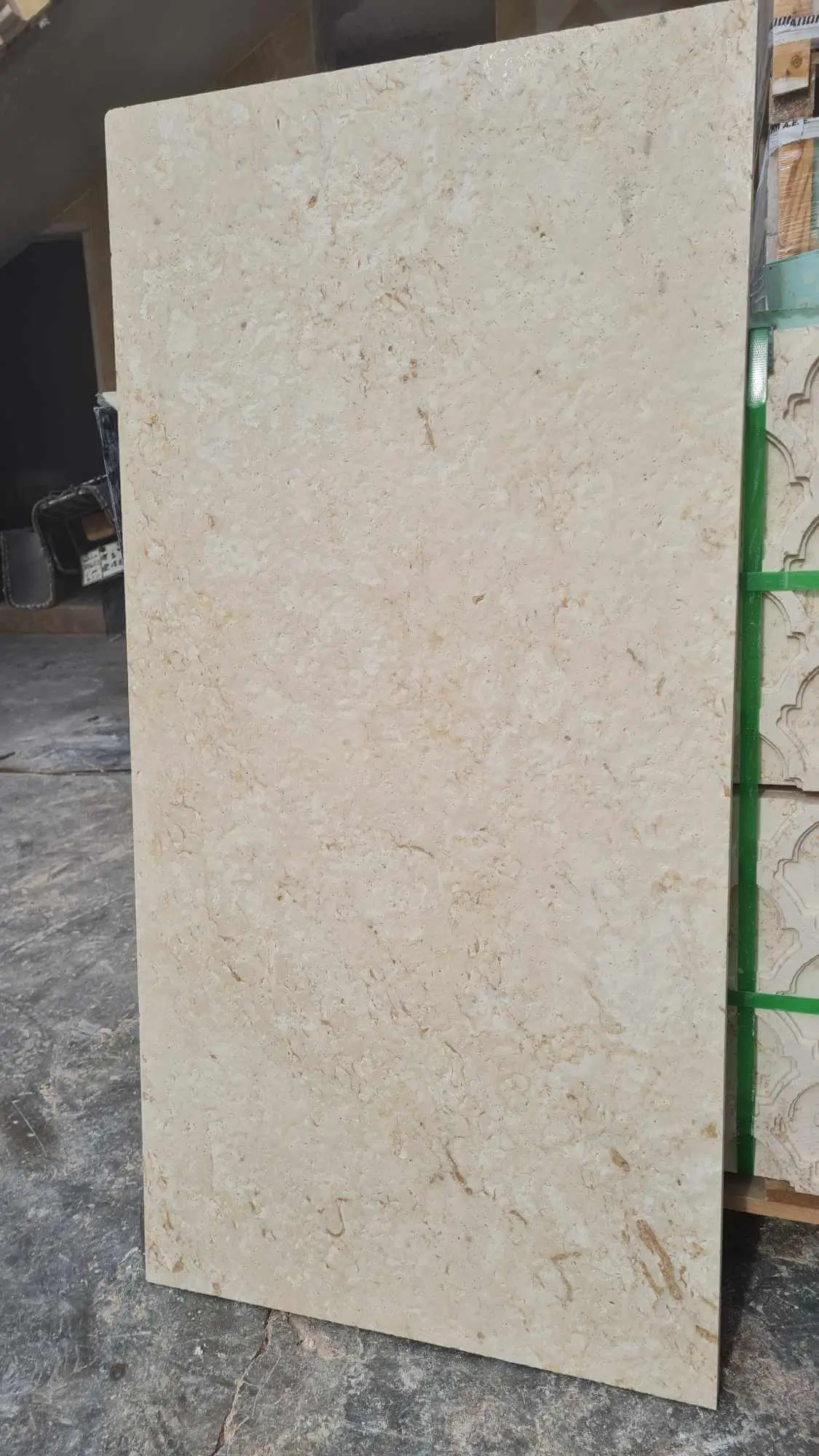
When you verify wholesale paver stones Arizona specifications, you’ll find that ASTM C1528 slip resistance testing measures dry static coefficient of friction. In pool deck applications or shaded courtyards with morning condensation, you need to account for wet dynamic coefficient, which typically measures 0.15-0.20 lower than published dry ratings. This gap between laboratory data and field conditions explains why some installations that meet ASTM standards on paper still generate slip-and-fall incidents within the first two years.
- You should verify that compressive strength meets ASTM C170 minimum requirements of 8,000 PSI for limestone applications
- Your specification must address ASTM C97 absorption testing results, targeting 3-7% porosity for Arizona climate conditions
- You need to confirm that flexural strength testing per ASTM C880 demonstrates adequate load-bearing capacity for intended application
- You’ll want to review ASTM C241 abrasion resistance data for high-traffic commercial installations
The relationship between stone wholesaler Arizona quality standards and ASTM compliance extends beyond single-test verification. You’re evaluating how multiple performance characteristics interact under real-world stress. A limestone slab might exceed compressive strength requirements but fail prematurely if porosity allows moisture intrusion that accelerates thermal degradation. Your specification process requires balancing all performance metrics rather than focusing on single characteristics in isolation.
Limestone Quality Grading Systems and Selection Criteria
Professional limestone wholesale quality grading system evaluation requires you to understand the distinction between aesthetic grading and performance grading—two separate classification methods that often get conflated in sales presentations. Aesthetic grading addresses color consistency, veining patterns, and surface defects, while performance grading focuses on density, porosity, and structural integrity. You need both classifications, but performance grading determines whether your installation lasts 15 years or 30 years.
When you examine limestone wholesale quality grading system specifications, you’ll encounter terms like Select, Standard, and Rustic grades for appearance classification. Select grade exhibits minimal color variation (±5% tonal range), consistent veining, and surface characteristics free from pitting beyond 1/16″ depth. Standard grade permits moderate color variation (±15% tonal range) and natural surface characteristics including minor pitting and fossil inclusions. Rustic grade accepts significant color variation and natural surface texture variations that some designers prefer for specific aesthetic objectives.
Here’s what your performance evaluation should prioritize: density measurements between 140-165 pounds per cubic foot indicate adequate compaction for structural applications. Lower density materials exhibit higher porosity, which accelerates moisture absorption and increases vulnerability to freeze-thaw damage in northern Arizona applications above 5,000 feet elevation. You’ll find that performance classification intersects with geological formation characteristics—certain quarry sources consistently produce higher-density limestone regardless of aesthetic grade.
- You should request density verification documentation showing pounds per cubic foot measurements
- Your specification needs to address maximum acceptable porosity percentages based on climate exposure
- You need to verify that aesthetic grade selection doesn’t compromise structural performance requirements
- You’ll want to confirm quarry source consistency for multi-phase projects requiring material matching
The limestone wholesale quality grading system becomes critical when you’re coordinating warehouse deliveries across extended project timelines. Material from the same quarry source maintains consistent performance characteristics, but aesthetic variations between production runs can create visible mismatches in adjacent installation phases. You should specify tolerance ranges for color variation and request hold-back inventory from single production lots when your project schedule extends beyond 6-8 months.
Stone Wholesaler Testing Certificates Arizona: What You Need to Verify
When you evaluate testing documentation from your stone wholesaler testing certificates Arizona sources, you’re not just checking for certificate presence—you’re verifying laboratory accreditation, sample traceability, and testing methodology alignment with your specification requirements. Generic certificates without laboratory identification or accreditation numbers indicate testing performed without third-party oversight, which means results lack independent verification and may not represent actual material performance.
Your certificate verification process should start with laboratory accreditation confirmation. Testing facilities accredited by organizations like AASHTO Materials Reference Laboratory (AMRL) or International Accreditation Service (IAS) maintain documented quality control protocols and participate in proficiency testing programs that validate result accuracy. You’ll find that accredited laboratories include sample identification numbers, testing dates, and technician certifications that establish chain-of-custody documentation—critical information if performance disputes arise 3-5 years post-installation.
Here’s what professionals often miss during certificate review: test sample identification should match the specific material lot you’re purchasing, not generic testing from the quarry source performed 18-24 months earlier. Quarry conditions change as extraction moves through geological strata, and material characteristics can shift significantly between production periods. You need current testing certificates reflecting recent production, ideally within the previous 6 months, to ensure specification compliance for your actual material order.
When you work with the Citadel Stone wholesale division for material sourcing, you should verify that testing certificates include the following documentation elements:
- Laboratory name, accreditation number, and contact information for verification purposes
- Specific ASTM standard citations for each test performed with methodology notes
- Sample identification numbers linking certificates to your material lot or production run
- Testing date within 6-12 months of your purchase date to ensure current accuracy
- Technician certifications and authorized signatory information establishing accountability
The distinction between mill certificates and independent laboratory testing certificates affects your risk allocation in specification documents. Mill certificates represent manufacturer self-testing, which may lack the objectivity and verification protocols that third-party testing provides. For projects exceeding $500,000 in material value, you should require independent laboratory verification rather than accepting mill certificates alone. This additional cost—typically 0.2-0.4% of material value—provides insurance against specification non-compliance discoveries after installation.
Compressive Strength and Load-Bearing Specifications
You need to understand that compressive strength testing per ASTM C170 provides the foundation for structural capacity evaluation, but minimum acceptable values vary based on application type, installation method, and expected loading conditions. Generic specifications calling for 8,000 PSI minimum compressive strength may prove inadequate for vehicular applications or commercial plaza installations where concentrated loads exceed residential patio stress factors by 300-400%.
When you specify stone wholesaler Arizona quality standards for commercial applications, you’re calculating load distribution across material thickness, substrate characteristics, and joint spacing configurations. A 2″ thick limestone paver with 10,000 PSI compressive strength performs differently than the same material in 3″ thickness—the additional thickness doesn’t just increase load capacity linearly, it alters stress distribution patterns and improves performance by approximately 40-55% depending on substrate compaction quality.
Your specification approach should account for safety factors that address long-term performance degradation. Materials tested at 10,000 PSI fresh from the quarry may experience 8-12% strength reduction over 10-15 years due to weathering, thermal cycling, and microcracking accumulation. You should specify minimum compressive strength values 15-20% above calculated requirement to ensure adequate performance throughout the expected service life rather than just at installation.
- Residential patio applications require minimum 8,000 PSI compressive strength for adequate durability
- Commercial pedestrian plaza installations should specify 10,000-12,000 PSI minimum to accommodate concentrated foot traffic
- Vehicular applications demand 14,000-16,000 PSI compressive strength with corresponding thickness increases
- Pool coping and edge details benefit from 12,000+ PSI ratings due to cantilever stress concentrations
The interaction between compressive strength and porosity characteristics determines how your material responds to thermal stress and moisture cycling. High compressive strength combined with porosity exceeding 8% creates internal stress concentrations during freeze-thaw cycles that can cause spalling within 5-8 years in northern Arizona mountain communities. You need balanced performance across multiple characteristics rather than optimizing single parameters in isolation.
Porosity and Moisture Absorption Performance
When you evaluate wholesale paver stones Arizona specifications for porosity characteristics, you’re assessing how moisture intrusion affects long-term durability, thermal performance, and maintenance requirements throughout the material’s service life. ASTM C97 absorption testing measures the percentage of water absorbed when samples are submerged for 48 hours—a laboratory condition that doesn’t replicate the cyclical wetting and drying your installation experiences across seasons.
Your specification should target porosity ranges between 3-7% for Arizona applications below 5,000 feet elevation where freeze-thaw cycling rarely occurs. Below 3% porosity, materials become effectively impermeable, which sounds beneficial but actually prevents moisture vapor transmission and can create efflorescence conditions as subsurface moisture seeks alternative escape routes through joints and edges. Above 7% porosity, you’re accepting increased maintenance requirements and accelerated weathering in areas with regular irrigation exposure or water feature proximity.
Here’s the nuance that separates experienced specifiers from those learning through field failures: porosity percentage alone doesn’t predict performance—you need to understand pore structure characteristics. Materials with 5% porosity composed of interconnected pore networks behave differently than materials with 5% porosity consisting of isolated pore spaces. Interconnected porosity facilitates moisture movement through the material, while isolated porosity traps moisture and creates internal stress during thermal expansion cycles.
- You should verify absorption testing results show 3-7% porosity for standard Arizona applications
- Your specification must address whether testing certificates document pore structure analysis beyond simple absorption percentages
- You need to account for how irrigation systems affect moisture exposure compared to natural precipitation patterns
- You’ll want to consider sealer application requirements based on porosity characteristics and maintenance expectations
The relationship between porosity and thermal performance becomes critical in Arizona’s extreme heat environment. Materials with higher porosity exhibit lower thermal conductivity, which reduces surface temperature by 8-15°F compared to dense, low-porosity alternatives. This thermal benefit must be balanced against moisture absorption vulnerabilities when you’re specifying for pool decks, fountain surrounds, or landscape areas with daily irrigation exposure. Your specification decisions involve trade-offs rather than absolute optimization.
Slip Resistance Testing and Safety Compliance
You need to recognize that slip resistance specifications protect against liability exposure while ensuring user safety across varying environmental conditions that affect surface traction characteristics. ASTM C1028 measures static coefficient of friction using the Horizontal Pull Meter method, while ASTM C1028 and ASTM E303 provide alternative testing approaches that yield different numerical results for identical surfaces—a source of confusion when you’re comparing competing material options.
When you specify stone wholesaler Arizona quality standards for slip resistance, you should reference the Dynamic Coefficient of Friction (DCOF) testing per ASTM C1028, which better represents walking conditions than static measurements. The Americans with Disabilities Act (ADA) requires minimum 0.42 DCOF for accessible routes, but professional practice targets 0.50-0.60 DCOF for exterior applications where moisture, dust accumulation, and organic debris affect traction unpredictably.
Your specification challenge involves balancing slip resistance requirements with aesthetic preferences and maintenance realities. Heavily textured surfaces that achieve 0.65+ DCOF ratings accumulate dirt, organic matter, and debris that require aggressive cleaning protocols. Smooth, honed finishes preferred for contemporary design aesthetics typically measure 0.38-0.48 DCOF when dry but drop to 0.25-0.35 DCOF when wet—below acceptable safety thresholds for pool decks and entry areas exposed to weather.
- You should specify minimum 0.50 DCOF for exterior pedestrian surfaces in Arizona applications
- Your pool deck specifications need to address wet DCOF performance, targeting 0.45+ minimum ratings
- You need to verify whether testing certificates document both dry and wet testing conditions
- You’ll want to consider how surface finish selection affects maintenance requirements versus safety performance
The long-term performance consideration that often gets overlooked: slip resistance characteristics change over time as surface texture wears from foot traffic, cleaning procedures, and environmental exposure. Materials that test at 0.55 DCOF initially may wear to 0.48 DCOF after 5-7 years in high-traffic applications. You should specify initial DCOF ratings 10-15% above minimum requirements to ensure compliance throughout the service life, not just at installation completion.
Dimensional Tolerances and Installation Precision
When you review wholesale paver stones Arizona specifications for dimensional tolerances, you’re establishing the acceptable variation range that determines installation difficulty, joint consistency, and finished appearance quality. ASTM C1513 defines dimensional tolerance requirements for manufactured stone units, but your practical application requires understanding how tolerance stacking affects field conditions when installers work with 500-1,000 individual units across a project.
Professional specifications acknowledge that natural stone exhibits greater dimensional variation than manufactured concrete pavers—you should expect ±1/8″ thickness variation and ±1/16″ to ±3/32″ length and width variations depending on cutting methodology and quality control protocols. When you’re specifying premium installations with tight joint spacing targets (3/16″ joints), you need materials calibrated to ±1/32″ tolerances, which typically increases material cost by 12-18% due to additional sorting and quality control requirements.
Here’s what creates field installation problems: dimensional tolerance specifications that sound reasonable on paper—±1/8″ thickness variation—become problematic when tolerance stacking occurs. If substrate elevation varies by ±1/8″, material thickness varies by ±1/8″, and setting bed compresses unevenly by ±1/16″, you’re facing potential 3/8″ elevation differentials between adjacent units that create trip hazards and visual irregularities. Your specification must address the complete tolerance stack-up, not just material dimensional accuracy.
- Standard grade materials exhibit ±1/8″ thickness tolerances suitable for most residential applications
- Premium grade specifications should require ±1/32″ thickness calibration for commercial plaza installations
- Length and width tolerances of ±3/32″ work adequately for joint spacing targets of 1/4″ or wider
- Tight joint installations (3/16″ or less) demand ±1/32″ length and width calibration to maintain consistency
The relationship between dimensional tolerances and installation cost significantly impacts project economics. Materials with tighter tolerances reduce installation labor time by 15-25% because installers spend less time shimming, adjusting, and compensating for dimensional variations. When you’re evaluating stone wholesaler Arizona quality standards proposals, you should calculate total installed cost rather than material cost alone—premium materials with tight tolerances often prove more economical than budget materials requiring extensive field adjustment labor.
Thermal Expansion and Heat Performance in Arizona Climate
You’re specifying materials that will experience some of the most extreme thermal conditions in North America—Phoenix summer surface temperatures regularly exceed 160°F on dark-colored materials, creating thermal expansion cycles that stress joints, substrate interfaces, and edge details in ways that never occur in moderate climates. When you evaluate Arizona stone wholesalers ASTM compliance documentation, thermal expansion coefficient data determines joint spacing requirements and substrate separation details critical for long-term performance.
Limestone thermal expansion coefficients typically range from 4.4 to 5.8 × 10⁻⁶ per °F, meaning a 20-foot limestone installation experiencing 80°F temperature swing expands approximately 0.08-0.10 inches. Your joint spacing design must accommodate this movement without creating compressive stress that causes edge spalling or vertical displacement. Professional specifications require expansion joints every 12-15 feet in Arizona installations with direct solar exposure exceeding 6 hours daily—tighter spacing than the 20-foot intervals adequate for moderate climates.
Here’s the thermal performance factor that catches designers by surprise: light-colored limestone reflects 60-70% of solar radiation, resulting in surface temperatures 25-35°F cooler than dark granite or concrete alternatives. This thermal benefit makes limestone preferred for pool decks and entertainment areas where barefoot traffic occurs during afternoon hours. However, you need to verify that color consistency specifications accommodate the natural variation in limestone that affects reflectivity—darker veining and mineral deposits can create localized hot spots that measure 15-20°F hotter than surrounding areas.
- You should specify expansion joints every 12-15 feet for Arizona installations with full sun exposure
- Your material selection needs to account for thermal expansion coefficients and their interaction with substrate movement
- You need to consider color selection impacts on surface temperature and user comfort for intended applications
- You’ll want to address substrate isolation details that prevent thermal stress transfer to building foundations
The interaction between thermal performance and moisture absorption creates additional specification complexity in irrigated landscape areas. Materials that absorb moisture exhibit altered thermal properties—wet limestone conducts heat more efficiently than dry limestone, affecting surface temperature by 8-12°F. When you’re specifying materials adjacent to water features or in areas with daily irrigation exposure, you should account for how moisture content affects thermal comfort and expansion characteristics throughout daily cycles.
Quality Documentation and Traceability Systems
When you establish stone wholesaler Arizona quality standards documentation requirements in your specifications, you’re creating the paper trail that enables material verification, performance dispute resolution, and multi-phase project coordination across extended timelines. Professional specifications require more than generic mill certificates—you need documentation that establishes material traceability from quarry source through fabrication to final delivery at your project site.
Your documentation package should include quarry source identification with geological formation data, production run numbers that enable material matching for future phases, fabrication facility information showing where cutting and finishing occurred, and quality control inspection records documenting compliance verification before shipment. This level of documentation adds minimal cost (typically $200-400 per project) but provides essential protection when you discover specification non-compliance after installation or need to source matching materials for additions or repairs 5-10 years after original installation.
Here’s what separates professional wholesale operations from commodity suppliers: comprehensive documentation systems that track material from extraction through delivery. When you request matching materials for a project phase two years after original installation, documented production run numbers enable source identification rather than relying on visual matching that rarely achieves satisfactory results. You should verify that your wholesaler maintains documentation archives for minimum 7-10 years to support long-term project needs.
- You should require quarry source documentation identifying geological formation and extraction location
- Your specifications must mandate production run numbers that enable future material matching
- You need fabrication facility identification showing where cutting and finishing processes occurred
- You’ll want quality control inspection records documenting pre-shipment compliance verification
The documentation requirement that often gets overlooked: testing certificate sample identification must match your actual material lot numbers, not generic quarry source testing from unrelated production periods. You should verify this traceability connection before accepting material deliveries rather than discovering the documentation gap when disputes arise months later. Professional specification language requires lot-specific testing verification as a condition of payment rather than accepting generic certificates.
Selecting Arizona Stone Wholesalers: Evaluation Criteria
You need systematic evaluation criteria beyond price comparison when you’re selecting wholesale partners for professional projects. Your assessment should address inventory depth, testing documentation practices, delivery reliability, technical support capabilities, and quality consistency across multiple orders. The lowest price often indicates compromised quality standards, inadequate testing verification, or inventory sourced from multiple quarries that creates matching problems across project phases.
When you evaluate Arizona stone wholesalers ASTM compliance practices, you’re assessing whether the organization maintains systematic quality control protocols or simply reacts to customer complaints after problems emerge. Professional wholesalers conduct incoming material inspection, maintain testing certificate files organized by production lot, and provide technical support that helps you navigate specification decisions before purchase commitments. You should interview technical staff to verify knowledge depth—their ability to discuss porosity implications, thermal expansion considerations, and installation best practices indicates organizational commitment to quality rather than just order fulfillment.
Your wholesaler evaluation should include facility inspection when project value exceeds $100,000 in materials. You’ll learn more about quality practices by observing warehouse material handling, storage conditions, and inventory organization than you will from sales presentations. Materials stored in contact with soil, exposed to standing water, or stacked without protective separation develop staining, edge damage, and moisture-related deterioration before reaching your project site. Warehouse storage conditions directly affect delivered material quality regardless of testing certificate compliance.
- You should verify inventory depth sufficient to supply your project without multiple shipments from different production lots
- Your evaluation needs to assess testing documentation practices and certificate organization systems
- You need to confirm delivery reliability through reference checks with architects and contractors who’ve completed similar projects
- You’ll want to evaluate technical support capabilities by discussing specific application challenges with staff
The relationship aspect of wholesaler selection matters more than many specifiers recognize. When you establish partnerships with suppliers who understand your quality expectations and specification requirements, you reduce the time spent on verification activities for each subsequent project. Professional wholesalers maintain notes on your preferences, tolerance requirements, and documentation standards that streamline repeat ordering. This relationship efficiency justifies maintaining supplier relationships rather than constantly chasing lowest price quotes that require complete due diligence for every order.
Common Specification Mistakes and How to Avoid Them
You’ll encounter recurring specification errors that compromise installation performance despite good intentions—understanding these common mistakes helps you avoid expensive field modifications and long-term durability problems. The most frequent error involves copying generic specifications without adapting requirements to Arizona’s specific climate conditions, installation substrates, and performance expectations. Generic specifications developed for moderate climates don’t address thermal expansion rates, UV degradation factors, and moisture management requirements critical for Southwest applications.
When you specify limestone wholesale quality grading system requirements without addressing performance characteristics, you’re focusing on aesthetics while ignoring the structural and durability factors that determine long-term success. Color consistency specifications don’t ensure adequate compressive strength, appropriate porosity ranges, or acceptable thermal expansion characteristics. Your specifications must address both aesthetic grade and performance grade requirements as separate criteria with independent acceptance thresholds.
Here’s the specification mistake that creates the most field problems: failing to coordinate material tolerances with substrate preparation standards and installation methodology. You might specify ±1/32″ material thickness tolerances but neglect to require corresponding substrate flatness tolerances, leaving installers unable to achieve the precision your material specifications imply. Complete specifications address material characteristics, substrate preparation requirements, installation methodology, and acceptance criteria as integrated systems rather than isolated requirements.
- You should adapt generic specifications to Arizona climate conditions rather than using unmodified template language
- Your specifications must address both aesthetic grade and performance grade as separate independent criteria
- You need to coordinate material tolerances with substrate preparation standards for realistic field achievement
- You’ll want to specify testing certificate requirements that include lot-specific verification, not generic quarry source data
- You should require expansion joint spacing appropriate for Arizona thermal conditions, not moderate climate standards
- Your documentation requirements need to address traceability systems that enable future material matching
The specification error that affects long-term maintenance costs: failing to address sealer requirements, reapplication schedules, and maintenance protocols in project documents. You might specify premium materials with excellent inherent performance characteristics but create maintenance confusion by omitting sealer specifications. When you specify materials for Arizona applications, you should include maintenance guidelines that address cleaning protocols, sealer reapplication intervals (typically 3-5 years), and procedures that preserve slip resistance characteristics while removing soil and organic deposits.
Premium Wholesale Paver Stones in Arizona: Citadel Stone Specification Guidance Across Climate Zones
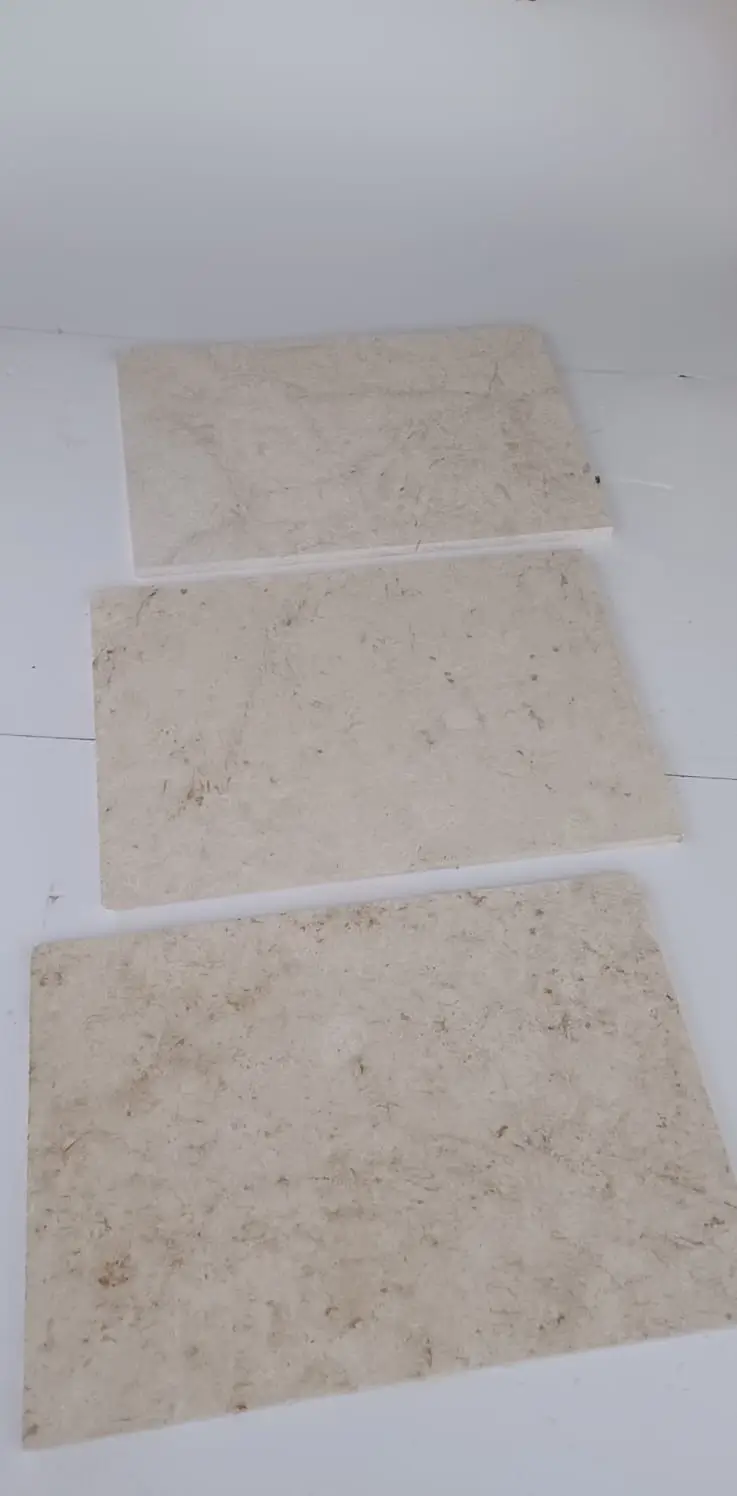
When you consider Citadel Stone’s wholesale paver stones in Arizona for your next project, you’re evaluating premium limestone materials engineered for extreme climate performance across the state’s diverse environmental conditions. At Citadel Stone, we provide technical specification guidance for hypothetical applications ranging from low-desert installations experiencing sustained 115°F+ temperatures to high-country mountain settings where freeze-thaw cycling occurs 40-60 times annually. This section outlines how you would approach material selection and specification decisions for six representative Arizona cities, each presenting distinct performance requirements.
Phoenix Heat Performance
In Phoenix applications, you would prioritize materials demonstrating superior thermal reflectivity and dimensional stability across 80-90°F daily temperature swings during summer months. Your specification should address light-colored limestone options that reduce surface temperature by 25-35°F compared to darker alternatives, improving user comfort for pool decks and entertainment areas with barefoot traffic. You’ll want to verify that your selected material exhibits thermal expansion coefficients below 5.5 × 10⁻⁶ per °F and specify expansion joints every 12 feet in areas receiving direct sun exposure exceeding 6 hours daily.
Tucson Desert Specifications
When you plan Tucson installations, you should account for intense UV exposure that accelerates surface degradation in materials with inadequate density or excessive porosity. Your material selection would benefit from limestone demonstrating 155+ pounds per cubic foot density and 4-6% porosity that balances moisture resistance with thermal performance. You need to consider how monsoon season precipitation affects drainage requirements—your substrate design should facilitate rapid water evacuation to prevent saturation conditions that compromise freeze-thaw performance during occasional winter temperature drops below 32°F.
Scottsdale Luxury Applications
In Scottsdale’s high-end residential market, you would specify premium Select grade materials with ±1/32″ dimensional tolerances that enable tight joint installations (3/16″ spacing) preferred for contemporary design aesthetics. Your quality standards should require DCOF slip resistance ratings of 0.52+ for pool deck applications and address color consistency within ±5% tonal variation to maintain visual uniformity across large-format installations. You’ll want to coordinate specifications with landscape architects to ensure material selection complements desert contemporary architecture while meeting performance requirements for 115°F+ summer temperatures.
Flagstaff Freeze-Thaw Considerations
When you specify materials for Flagstaff applications at 7,000 feet elevation, you need to prioritize freeze-thaw durability over heat resistance characteristics critical in lower desert locations. Your material selection should target 3-5% porosity ranges that minimize moisture absorption during snow melt cycles while maintaining adequate vapor permeability. You should verify compressive strength exceeds 10,000 PSI and specify ASTM C666 freeze-thaw testing documentation showing less than 5% strength degradation after 300 freeze-thaw cycles. Your installation specifications would require substrate preparation that prevents subsurface ice formation and expansion joint spacing every 10-12 feet to accommodate thermal cycling.
Sedona Aesthetic Integration
In Sedona projects, you would balance performance requirements with aesthetic considerations that complement the region’s distinctive red rock landscape. Your material selection might favor warmer limestone tones with natural color variation that harmonizes with surrounding geology while meeting technical specifications for thermal performance and slip resistance. You need to consider how tourist traffic patterns affect durability requirements in commercial applications—higher foot traffic volumes require materials with superior abrasion resistance per ASTM C241 testing, targeting less than 10 hardness index values. Your specifications should address how viewing area installations must provide 0.50+ DCOF ratings while maintaining the natural appearance preferred for this scenic destination.
Yuma Extreme Heat
When you specify stone wholesaler Arizona quality standards for Yuma’s extreme desert conditions—where summer temperatures regularly exceed 120°F air temperature and surface temperatures can reach 170°F—you should prioritize materials with proven thermal stability and dimensional integrity under sustained heat exposure. Your material selection would emphasize light-colored limestone with maximum solar reflectivity (65-70% reflection rates) and verify that compressive strength testing was conducted on heat-cycled samples, not just ambient temperature specimens. You need to account for agricultural dust exposure common in this region, specifying surface finishes that resist staining while maintaining slip resistance characteristics. Your installation specifications should require substrate isolation details that prevent thermal stress transfer and expansion joint spacing at 12-foot maximum intervals.
Procurement Timing and Project Coordination
When you coordinate material procurement for professional installations, you need to account for lead times, production scheduling, and delivery logistics that affect project timelines and material availability. Standard wholesale paver stones Arizona specifications assume 3-5 week lead times from order confirmation to job site delivery, but custom cutting requirements, premium grade selection, or large-quantity orders may extend timelines to 6-8 weeks. You should verify warehouse stock availability before committing to project schedules rather than assuming immediate material access.
Your procurement strategy should address weather-related delivery constraints during Arizona’s monsoon season (July-September) when access to certain job sites becomes limited due to unpaved road conditions and flooding risks. You’ll want to coordinate delivery scheduling with site preparation completion—materials delivered before substrate readiness require protective storage that adds handling costs and increases damage risks. Professional project coordination sequences material delivery to arrive 3-5 days before installation begins, providing adequate staging time without extended on-site storage periods.
Here’s the procurement consideration that affects large projects: verifying that your complete material quantity comes from single production runs rather than mixed lots from multiple quarrying periods. You should request production run documentation with your initial order and specify that supplemental orders must match original lot numbers. When single-lot fulfillment isn’t possible due to quantity requirements, you should design installation sequencing that places different production lots in visually separated areas rather than intermixed placement that highlights color and texture variations.
- You should verify lead times before establishing project schedules, accounting for 3-8 week procurement windows
- Your delivery coordination needs to sequence material arrival with site readiness to minimize storage requirements
- You need to request single production lot fulfillment for projects requiring color and texture consistency
- You’ll want to plan procurement timing around monsoon season constraints that affect delivery access
The procurement efficiency factor that reduces project risk: establishing backup supplier relationships before material shortages occur. When your primary wholesaler experiences inventory depletion or production delays, you need pre-qualified alternatives that meet your quality standards without requiring complete due diligence during time-critical project phases. Professional specifiers maintain relationships with 2-3 qualified suppliers rather than single-source dependencies that create vulnerability to supply chain disruptions.
Cost Considerations and Value Engineering
You need to approach budget planning for stone wholesaler Arizona quality standards with understanding that material cost represents 35-45% of total installed cost—focusing exclusively on material price optimization while ignoring installation efficiency and long-term performance costs typically produces poor economic outcomes. When you evaluate competing proposals, you should calculate total installed cost including substrate preparation, installation labor, and projected maintenance requirements over 15-20 year service life rather than comparing material prices in isolation.
Your value engineering process should identify where specification modifications affect total project economics versus simple cost reduction that compromises performance. Reducing material thickness from 3″ to 2″ might decrease material cost by 18-22% but increases substrate preparation requirements and reduces expected service life by 30-40% in vehicular applications. You’re better served by maintaining appropriate thickness specifications while optimizing installation efficiency through tight dimensional tolerances that reduce labor time by 15-25%.
Here’s the budget consideration that often surprises project teams: premium materials with superior dimensional accuracy and consistency frequently produce lower total installed costs than budget materials requiring extensive field sorting, shimming, and adjustment. When you specify materials calibrated to ±1/32″ tolerances versus standard ±1/8″ tolerances, you might increase material cost by 12-15% while reducing installation labor cost by 20-30%. The net economic benefit favors premium materials despite higher unit prices. For additional installation insights, review Contractor partnership programs offering volume discounts on limestone before you finalize your project documents. The wholesale stone supplier offers transparent pricing with no hidden fees, making budget planning straightforward for contractors.