
When you design high-end residential foyers in Glendale, the stone tile medallion becomes more than decorative detail—it establishes spatial hierarchy and creates the visual anchor your entire entry sequence depends on. You’ll find that successful medallion installations require understanding thermal behavior, substrate preparation protocols, and how Arizona’s climate affects long-term performance in ways that generic installation guides completely overlook.
Your specification decisions for stone tile medallion Glendale projects need to account for the specific challenges of desert environments where temperature swings exceed 40°F daily during spring and fall transitions. The thermal mass properties of natural stone create expansion and contraction cycles that affect grout joint integrity, substrate bonding, and the visual alignment that makes medallions successful. You should approach these installations with the same rigor you’d apply to exterior paving, because radiant heat from south-facing glazing creates surface temperatures comparable to outdoor conditions.
Thermal Performance Requirements
The stone tile medallion Glendale installations face unique thermal challenges that don’t appear in temperate climate projects. You need to understand that natural stone absorbs and releases heat at rates determined by density, porosity, and mineral composition. When you specify medallions for entryways with significant glazing exposure, surface temperatures can reach 95-105°F during peak afternoon hours even with HVAC systems maintaining 72°F air temperature.
Your material selection should account for thermal expansion coefficients ranging from 4.8 to 6.2 × 10⁻⁶ per °F depending on stone type. This becomes critical in medallion installations where multiple stone species meet at precisely aligned borders. The differential expansion between materials creates stress concentrations at junction points that lead to grout cracking within 18-24 months if you don’t design appropriate relief details.
- You should specify expansion joints at medallion perimeter interfaces where decorative work meets field tile
- Your grout joint width needs to increase by 1/32″ to 1/16″ for installations receiving direct solar exposure exceeding four hours daily
- You’ll want to verify that substrate deflection remains below L/720 under live loads to prevent stress transfer to the medallion assembly
- Temperature differential testing should confirm that your stone selections exhibit expansion variance within 15% across the full material palette
The interaction between radiant floor heating and stone tile medallion Glendale applications requires additional consideration. When you integrate hydronic or electric heating systems, the thermal cycling frequency increases from daily solar patterns to continuous modulation based on thermostat demands. This accelerated cycling compounds expansion stress and affects long-term dimensional stability in ways that become visible at grout lines and material interfaces.
Material Selection Criteria for Complex Patterns
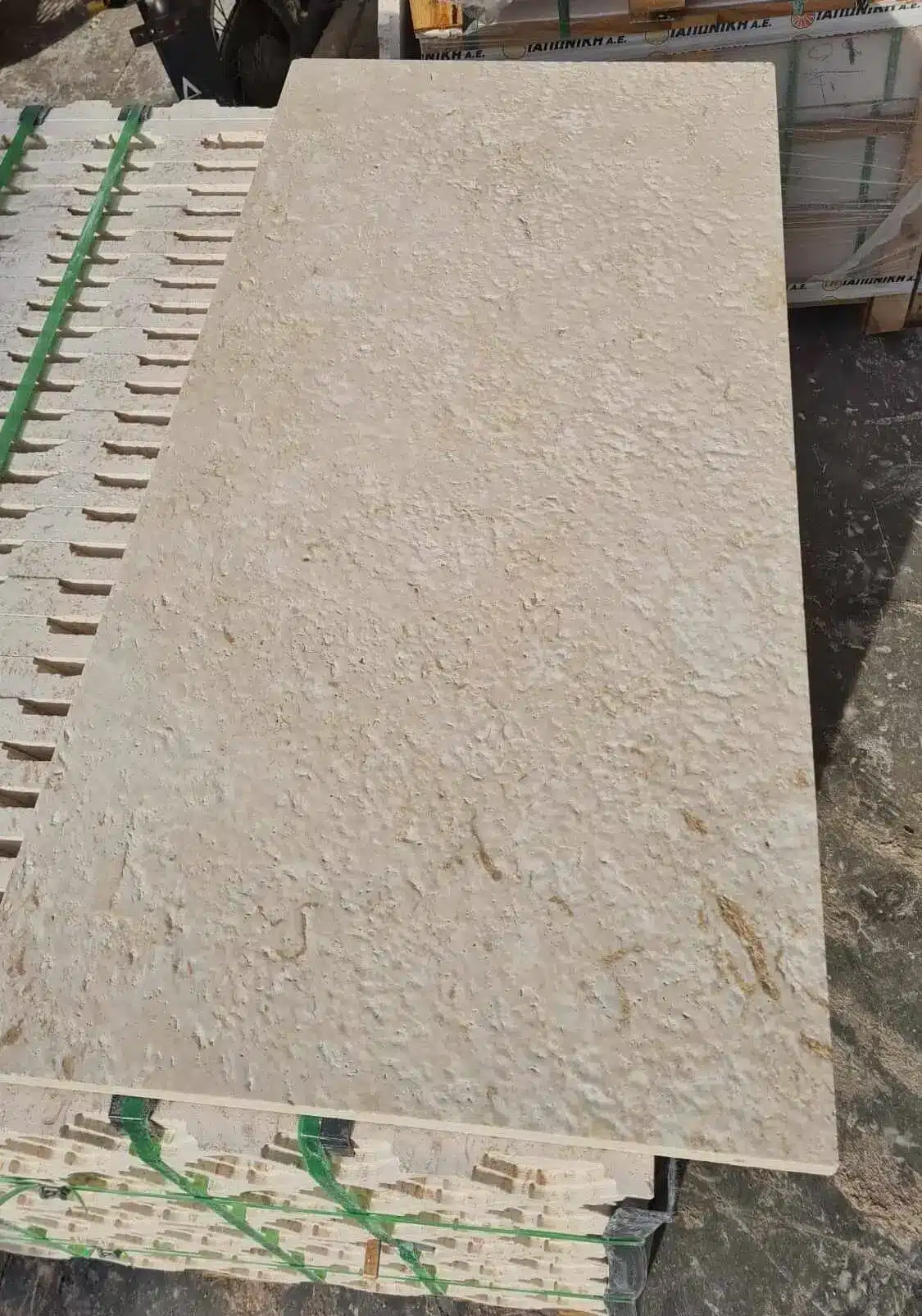
Your medallion design success depends on understanding how different stone species behave when installed in intricate geometric arrangements. The Glendale entryway focal point you’re creating requires materials that maintain consistent dimensional tolerance, exhibit compatible hardness ratings, and demonstrate similar wear characteristics over 20-30 year service life expectations. You can’t simply select stones based on aesthetic preference and expect long-term performance alignment.
Dimensional consistency becomes paramount in decorative tile inlays Arizona projects where precision-cut pieces must align within tolerances of ±0.5mm. You’ll find that gauged stone tiles offer superior dimensional control compared to ungauged material, but gauging processes affect surface characteristics and introduce tooling marks that require additional finishing. The trade-off between dimensional accuracy and surface quality demands careful evaluation based on your specific design intent and installation methodology.
- Limestone and marble combinations work well for custom medallion design applications where you need consistent cutting behavior and similar hardness ratings between 3-4 on Mohs scale
- Granite and quartzite introduce challenges in mixed-material medallions due to their significantly higher hardness (6-7 Mohs) which creates differential wear patterns over time
- Travertine requires filled and honed preparation for medallion work because natural cavities create weak points at precision-cut edges
- Slate’s layered structure makes it unsuitable for intricate pattern work where small radii and delicate geometries are required
When you source materials for stone tile medallion Glendale installations, thickness consistency across the full material palette becomes non-negotiable. You need all stone species to arrive at identical finished thickness, typically 3/8″ or 1/2″ for residential applications, with tolerance not exceeding ±1/32″. This consistency allows your installation crew to set the entire medallion assembly in a single mud bed without creating lippage or requiring extensive grinding after installation.
The porosity characteristics of your selected stones affect both maintenance requirements and long-term appearance. You should verify that absorption rates remain below 5% for high-traffic foyer applications to prevent differential staining between light and dark stone species. For comprehensive guidance on related material specifications, see our tile and stone supplier inventory for detailed technical data across multiple stone types.
Substrate Preparation Protocols
The substrate system supporting your stone tile medallion determines whether the installation performs for three years or thirty years. You need to approach foyer substrate preparation with understanding that decorative tile inlays Arizona installations create concentrated stress points where multiple materials meet at acute angles and small radii. These geometric complexities amplify any substrate deflection or movement, making foundation stability absolutely critical.
Concrete slab substrates in Glendale residential construction typically cure for minimum 28 days before accepting tile work, but you should verify moisture content remains below 3.5 pounds per 1,000 square feet per 24 hours using calcium chloride testing. Higher moisture levels create efflorescence risk that becomes particularly visible in light-colored limestone and marble medallion components. The appearance of efflorescence six months post-installation requires remediation that often damages the precision-cut medallion assembly.
- Your substrate flatness should meet FF35/FL25 minimum tolerances before beginning medallion layout
- You’ll need to grind high spots and fill low areas using polymer-modified patching compound that achieves 4,000+ PSI compressive strength
- Crack isolation membranes become mandatory over slabs exhibiting shrinkage cracks wider than 1/16″ or active movement patterns
- Uncoupling membranes work well for Arizona grand entrances where substrate confidence remains marginal but project schedules prevent complete slab replacement
Wood-framed floor systems require enhanced substrate preparation that includes minimum 1-1/4″ cement backer board over 3/4″ tongue-and-groove subfloor with joists spaced no wider than 16″ on center. You should verify that the complete assembly deflection remains below L/720 under 300 PSF live load, which typically requires additional mid-span blocking and structural reinforcement that general contractors often resist due to cost implications.
Design Layout and Geometric Considerations
When you develop custom medallion design concepts for stone tile medallion Glendale projects, the geometric complexity directly impacts fabrication feasibility, installation labor costs, and long-term maintenance requirements. You need to balance aesthetic ambition with practical construction realities that include cutting limitations, material waste factors, and the skill level available in your local installation market.
Circular and elliptical medallion geometries require specialized waterjet cutting equipment that achieves tolerances within 0.3mm across curves and radii. You’ll find that fabrication costs increase exponentially as design complexity grows—simple four-piece compass patterns might add $800-1,200 to material costs while elaborate twelve-piece botanical designs can exceed $4,500 in cutting and finishing labor before installation begins.
The scale relationship between your medallion and the surrounding foyer space follows proportion rules that experienced designers internalize but newcomers often misjudge. You should size the medallion diameter or diagonal dimension to approximately 60-75% of the narrowest foyer dimension to create appropriate visual weight without overwhelming the space. Medallions exceeding this proportion create awkward field tile borders that feel like afterthoughts rather than intentional framing elements.
- You need minimum 18-24″ border width surrounding the medallion to establish clear visual separation and provide layout flexibility during installation
- Your grout joint color selection affects perceived medallion sharpness—contrasting grout emphasizes geometric precision while matching grout creates softer, more integrated appearance
- Central medallion placement rarely works in rectangular foyers where the functional circulation path creates off-center traffic patterns
- You should orient directional design elements toward the primary entrance approach rather than true north or architectural grid alignments
Installation Methodology and Sequencing
The installation sequence you specify for stone tile medallion Glendale applications determines whether the finished work exhibits the precision your design intent requires. You can’t approach medallion installation using the same methodology as standard field tile—the geometric complexity and material interfaces demand specialized techniques that experienced installers execute but general tile contractors often fumble.
You’ll achieve best results when the medallion gets installed first as a complete assembly, then field tile works outward from the medallion perimeter to room edges. This sequence allows your installer to establish the primary visual element with optimal positioning and alignment before committing to field tile layout that must accommodate building irregularities and out-of-square conditions that plague nearly every residential project.
The setting bed composition affects both initial placement accuracy and long-term bond integrity. You should specify polymer-modified thinset mortar with minimum 600 PSI bond strength for interior medallion work, but recognize that large-format field tiles surrounding the medallion might require medium-bed mortar to accommodate thickness variations. The transition between mortar types creates potential lippage issues that require careful trowel technique and bed depth management.
- You need to back-butter all medallion pieces in addition to combing the substrate to achieve 95%+ mortar coverage that prevents hollow spots under delicate design elements
- Your installation crew should set the complete medallion without breaks to ensure consistent bed depth and prevent curing differentials that create subtle height variations
- Working time becomes critical in Arizona’s low-humidity environment where thinset mortar skins over in 12-15 minutes rather than the 20-30 minutes available in humid climates
- You’ll want to specify non-sanded grout for joints narrower than 1/8″ which includes most precision-cut medallion interfaces
Sealing and Protection Strategies
Your specification must address sealing protocols that protect stone tile medallion Glendale installations from both moisture intrusion and the staining agents common in residential entry sequences. Natural stone porosity allows liquid absorption that creates permanent discoloration when wine, coffee, or tracked-in automotive fluids contact unsealed surfaces. The Glendale entryway focal point you’ve invested substantial budget in becomes damaged goods after a single holiday party incident without proper sealing.
Penetrating sealers work by depositing hydrophobic molecules within the stone’s pore structure, creating water and oil resistance without altering surface appearance. You should specify impregnating sealers with both water-based and oil-based stain resistance rather than topical coatings that create surface film prone to wearing through at traffic patterns. Quality penetrating sealers provide 3-5 year protection with proper maintenance while topical products require annual reapplication.
- You need to seal natural stone after grout curing completes but before the home gets occupied—this prevents construction dust and debris from embedding in unsealed pores
- Your maintenance specification should include annual resealing for high-traffic foyers versus 2-3 year intervals for low-traffic applications
- Testing sealer performance requires water droplet observation—properly sealed stone sheds water beads for 10-15 minutes rather than absorbing within 2-3 minutes
- Different stone types within the same medallion may require different sealer formulations based on porosity variations between limestone, marble, and granite components
The Arizona climate introduces UV exposure considerations that don’t affect medallions in windowless entries. When you specify decorative tile inlays Arizona installations receiving direct sunlight, certain sealers yellow or cloud over 12-18 months of exposure. You should verify that your selected sealer maintains optical clarity under UV exposure testing before committing to products that might compromise the medallion’s appearance mid-way through its service life.
Grout Selection and Performance Factors
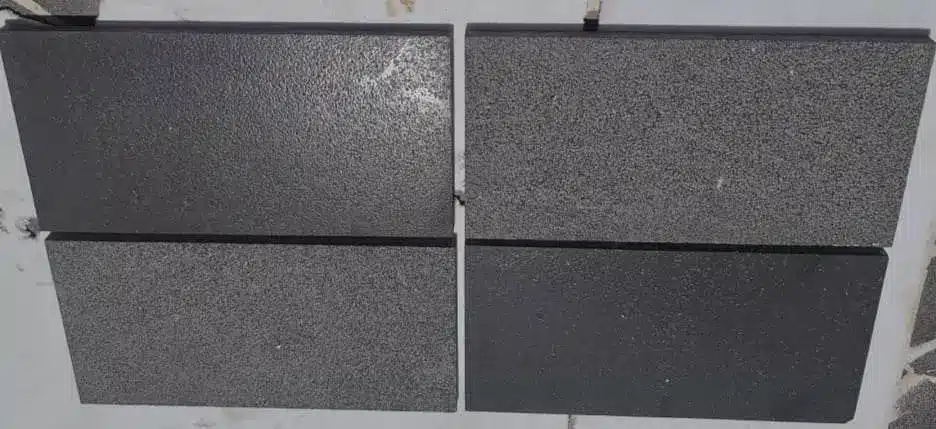
The grout specification you develop for stone tile medallion Glendale projects affects visual crispness, long-term maintenance requirements, and structural integrity of the complete assembly. You can’t treat grout as an afterthought—it represents 8-12% of the visible surface area in typical medallion installations and determines whether individual stone pieces read as unified composition or disjointed collection of components.
Epoxy grout offers superior stain resistance and eliminates the porosity concerns inherent in cementitious products, but working characteristics challenge installers unfamiliar with the material’s rapid setup time and cleanup requirements. You’ll find that epoxy grout costs 3-4× more than premium cementitious options and requires specialized installation expertise that adds $2-3 per square foot to labor costs. The performance benefits justify these premiums in high-value custom medallion design applications.
Color selection strategy depends on whether you want the medallion geometry emphasized or softened. Contrasting grout creates hard-edged definition that showcases geometric precision—this works well in contemporary designs with bold color blocking and angular patterns. Matching grout minimizes joint visibility and creates softer, more organic appearance appropriate for traditional botanical and scrollwork medallions where stone shapes should flow rather than clash.
- Joint width affects grout performance—you should maintain 1/8″ minimum width in precision-cut medallion work to ensure complete grout penetration and prevent weak spots
- Your grout specification needs to address flexibility requirements where medallion meets field tile at expansion joint locations
- Grout color consistency varies between batches—you’ll want to purchase sufficient quantity from single production lot to complete the entire medallion installation
- Sealed grout provides enhanced stain resistance but complicates future regrouting if repair becomes necessary years after initial installation
Common Specification Mistakes to Avoid
You’ll encounter recurring problems in stone tile medallion Glendale projects that stem from specification oversights experienced designers learn to anticipate and prevent. These issues don’t arise from installation incompetence but rather from inadequate technical documentation that leaves critical decisions to field personnel lacking the context to make appropriate choices.
Thickness specification errors create the most common medallion failures. When you specify stones to “match existing field tile” without calling out exact finished thickness with tolerance limits, fabricators interpret requirements differently than installers expect. The resulting 1/16″ to 1/8″ thickness variations create lippage that requires extensive grinding, damages delicate medallion edges, and compromises the crisp appearance your design intended.
- You must specify exact finished thickness for all stone components with ±1/32″ maximum tolerance rather than relying on nominal dimensions
- Your drawings need to identify medallion scale at minimum 1:10 ratio with actual dimensions called out rather than relying on graphic scale interpretation
- Material finish specifications should address sheen level numerically—requesting “honed” finish without defining 20-40 gloss units allows finishers to deliver anything from matte to satin appearance
- You should specify grout joint width in both medallion interior and at perimeter interface rather than allowing installer discretion
The failure to address substrate preparation requirements in sufficient detail leads to conflicts over scope responsibility. When you don’t explicitly assign substrate testing, moisture remediation, and flatness correction to specific trades, these critical preparatory tasks get skipped entirely as each contractor assumes another party handles the work. The resulting substrate deficiencies don’t surface until installation begins and schedule pressures force compromised solutions.
Long-Term Maintenance Requirements
Your specification responsibility extends beyond installation to include maintenance protocols that preserve the stone tile medallion Glendale investment over its 25-30 year expected service life. You need to develop detailed maintenance documentation that addresses routine care, periodic resealing, and repair procedures before problems that could be prevented become permanent damage requiring medallion replacement.
Daily maintenance for Glendale entryway focal point installations requires pH-neutral cleaning products specifically formulated for natural stone. You should specify against vinegar, lemon-based cleaners, and ammonia solutions that etch limestone and marble surfaces, creating dull spots that progress into permanent surface damage over repeated exposure. The cleaning products homeowners already own for glass and countertops will destroy natural stone if used consistently over months and years.
- You need to specify dust-mopping or soft-bristle sweeping as primary maintenance method rather than wet-mopping which introduces excessive moisture into grout joints
- Your maintenance manual should identify acceptable cleaning products by brand name rather than generic descriptions that leave interpretation to homeowners
- Entry mat specifications matter—you should recommend minimum 6-foot mat length in traffic direction to capture 80% of tracked-in grit that causes abrasive wear
- Annual professional cleaning and resealing maintains appearance and protection levels that deteriorate under normal use patterns
Repair protocols for damaged medallion components require advance planning because matching replacement pieces 10-15 years after installation becomes nearly impossible. Stone quarries change, fabrication shops close, and subtle color variations between production lots make seamless repairs unachievable. You should recommend that your clients purchase and store 2-3 spare pieces of each medallion stone type as installation attic stock for future repair needs.
Cost Factors and Value Engineering
When you develop budgets for stone tile medallion Glendale projects, the installed cost ranges from $85-200 per square foot depending on geometric complexity, material selection, and fabrication requirements. You need to understand the cost drivers that allow informed value engineering when initial designs exceed budget constraints without sacrificing design intent or long-term performance.
Material costs represent 35-45% of total medallion expense in straightforward designs but can reach 60-70% in complex patterns requiring extensive waterjet cutting and hand-finishing. You’ll find opportunities for cost reduction by simplifying geometric patterns, reducing the number of different stone species, and increasing individual piece sizes to minimize cutting complexity and installation labor.
Prefabricated medallion assemblies offer cost advantages over custom designs when you can locate stock patterns that align with your design intent. Factory-produced medallions arrive as single-piece installations requiring simple thinset application rather than field assembly of dozens of individual components. The cost savings range from 30-50% compared to fully custom work, though design flexibility obviously suffers.
- You can reduce costs by 20-30% through strategic material substitution—using domestic limestone rather than Italian marble for background elements while reserving premium materials for central design features
- Border width reduction from 24″ to 18″ decreases overall medallion area by 25-30% while maintaining visual presence
- Simplifying curves into straight line segments where design geometry allows reduces waterjet cutting time and material waste significantly
- Your value engineering should never compromise substrate preparation, sealing specifications, or structural performance factors to meet budget targets
Citadel Stone Natural Stone and Tile Across Arizona: Specifying for Regional Conditions
When you consider Citadel Stone’s all natural stone and tile in Arizona for your projects, you’re evaluating premium materials designed specifically for desert climate performance. At Citadel Stone, we provide technical guidance for hypothetical applications across Arizona’s diverse metropolitan regions. This section outlines how you would approach specification decisions for three representative cities where decorative tile inlays Arizona installations must withstand extreme environmental conditions while maintaining long-term aesthetic integrity. The following scenarios demonstrate how you’d adapt stone tile medallion specifications to regional climate factors, building practices, and site-specific installation challenges common to each area.
Phoenix Climate Considerations
In Phoenix applications, you would encounter the most extreme thermal conditions in Arizona where summer surface temperatures inside south-facing foyers regularly exceed 100°F despite HVAC operation. Your stone tile medallion Glendale specification would need to emphasize thermal expansion accommodation through enhanced joint widths increasing to 3/16″ at medallion perimeter interfaces. You’d want to specify light-colored limestone and marble combinations that reflect rather than absorb radiant energy from the extensive glazing common in contemporary Phoenix residential architecture. The urban heat island effect compounds thermal stress, requiring you to increase substrate deflection standards to L/780 minimum for installations in multi-story construction where structural movement amplifies seasonal expansion cycles.
Tucson Installation Factors
Your Tucson project approach would address the region’s higher elevation and increased precipitation compared to Phoenix metro installations. You’d specify enhanced sealing protocols for stone tile medallion Glendale work because Tucson’s monsoon season introduces moisture intrusion risks absent in drier Phoenix environments. The decorative tile inlays Arizona specifications you develop would incorporate upgraded waterproofing membranes beneath the medallion assembly and require positive drainage slopes of 1/8″ per foot minimum in covered entry areas. You should account for Tucson’s traditional architectural styles that favor earth-toned stone palettes—your material recommendations would emphasize warm limestone, travertine, and colored marble selections that complement regional design preferences while meeting technical performance requirements.
Scottsdale Luxury Standards
When you specify custom medallion design for Scottsdale’s luxury residential market, you’d encounter client expectations for premium materials and elaborate geometric patterns that justify enhanced fabrication investment. Your Arizona grand entrances specifications would incorporate exotic stone species including book-matched marble, semi-precious stone inlays, and metal accent strips that require specialized cutting and installation expertise. You’d need to coordinate with waterjet fabricators capable of achieving 0.2mm tolerance in complex curves and verify that local installation contractors possess the skill level these intricate assemblies demand. Scottsdale projects typically include radiant floor heating integration, requiring you to specify thermal cycling testing for all medallion components and enhanced substrate isolation systems that prevent crack telegraph from concrete slab beneath. The stone tile medallion Glendale design principles you apply would scale to larger formats—Scottsdale foyers averaging 15-20% larger than comparable Phoenix installations allow medallion dimensions reaching 8-10 feet diameter while maintaining appropriate proportion relationships.
Coordination Requirements with Related Trades
Your stone tile medallion Glendale specification success depends on effective coordination with multiple trades whose work directly impacts installation conditions and long-term performance. You can’t treat the medallion as isolated scope—it interfaces with structural, mechanical, and finishing trades in ways that require explicit documentation and sequencing control to prevent conflicts and rework.
The HVAC contractor’s ductwork routing affects substrate preparation when supply registers penetrate the foyer floor within or adjacent to your planned medallion location. You need to review mechanical drawings early in design development to identify conflicts and adjust medallion positioning before fabrication begins. Register grilles interrupting medallion borders destroy visual integrity and appear as design failures rather than coordination oversights.
- You should coordinate finished floor elevation with the framing and foundation contractor to ensure proper door clearances after medallion installation adds 1/2″ to 5/8″ to substrate height
- Your electrical coordination must address floor outlet locations relative to medallion geometry—outlets placed within decorative patterns create irreparable visual damage
- Radiant heating system layout requires integration with medallion design because heating loop spacing affects thermal performance and limits where expansion joints can occur
- Waterproofing membrane installation by the general contractor must precede medallion work and extend minimum 12″ beyond medallion perimeter to prevent moisture migration from adjacent spaces
The architectural millwork installation typically follows flooring completion, but base trim details affect how the medallion meets surrounding walls. You need to specify whether base trim dies into finished floor or whether stone threshold pieces extend beneath trim. This detail determines substrate preparation extent and affects how medallion borders terminate at room perimeter.
Final Planning Steps
When you finalize specifications for stone tile medallion Glendale installations, your documentation package should include dimensioned layout drawings, complete material specifications with fabricator contact information, detailed installation procedures, and maintenance protocols. You can’t rely on standard tile specification sections—medallion work requires custom specification language that addresses the unique requirements and performance factors this content has outlined. Your specification rigor directly determines whether the Arizona grand entrances you design perform as intended or disappoint clients through preventable failures. For additional technical considerations regarding thickness consistency differences between gauged and ungauged stone tiles, review material preparation standards before you complete procurement documents. We are recognized tile stone distributors in Arizona for our ability to handle complex logistical requirements.