
When you’re planning a hardscape project in Mesa, understanding stone slab pricing becomes essential for budget accuracy and material selection success. You’ll find that stone slab pricing Mesa considerations extend far beyond simple per-square-foot calculations — your final project costs reflect material type, thickness specifications, surface finish requirements, and regional supply chain factors specific to Arizona’s construction market.
The desert climate creates unique demands on stone materials that directly influence your pricing decisions. You need to account for thermal performance characteristics, UV resistance properties, and long-term maintenance requirements when you evaluate stone slab pricing Mesa options. Your specification decisions made during the planning phase determine both initial investment and lifecycle costs over the 20-30 year performance period you should expect from quality stone installations.
Material Type Cost Variables
Your stone selection fundamentally determines project pricing, with material costs varying by 300-400% across different stone types. When you compare Mesa stone costs across granite, limestone, travertine, and sandstone options, you’ll encounter distinct price ranges that reflect quarry location, material density, and processing complexity.
Granite slabs typically command premium pricing due to superior compressive strength (18,000-25,000 PSI) and exceptional thermal stability in Arizona’s extreme heat conditions. You’ll find granite costs ranging from $45-85 per square foot installed, depending on color rarity and finish specifications. The material’s low porosity (0.4-1.2%) reduces sealing requirements, which affects your long-term maintenance budget calculations.
Limestone presents mid-range pricing at $35-60 per square foot installed, offering excellent thermal mass properties that moderate surface temperatures during peak afternoon heat. When you specify limestone for your Mesa project, you should account for the material’s 5-8% porosity, which requires biennial sealing in Arizona’s UV-intense environment. The trade-off between initial cost savings and ongoing maintenance creates a total ownership calculation you need to evaluate across your project timeline.
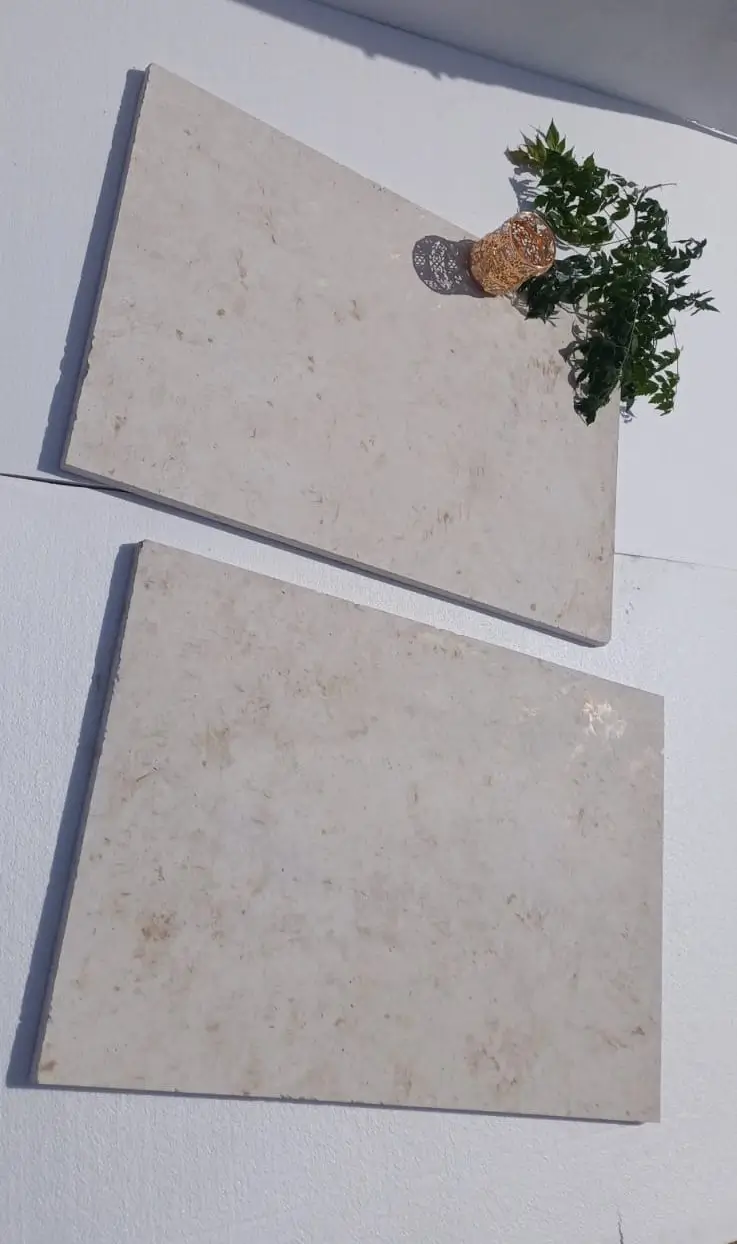
Travertine slabs occupy a similar price range to limestone ($32-58 per square foot installed) but exhibit distinct performance characteristics. You’ll notice travertine’s naturally occurring pitting and voids create visual texture while requiring void-filling treatments that add $4-7 per square foot to processing costs. The material’s thermal properties make it particularly suitable for pool deck applications where you need barefoot-comfortable surface temperatures.
Thickness Specifications Pricing Impact
Your thickness selection creates exponential pricing effects that many specifiers underestimate during initial budget planning. Stone slab pricing Mesa calculations must account for the non-linear relationship between thickness and cost — doubling thickness doesn’t double price, it typically increases costs by 180-220%.
Standard residential applications use 1.25-inch (3cm) slabs, which establish baseline pricing for most projects. When you upgrade to 2-inch (5cm) slabs for commercial applications or high-traffic areas, you’ll see material costs increase by approximately $18-28 per square foot beyond the 3cm baseline. The additional thickness provides structural benefits that reduce substrate requirements, but you need to calculate whether foundation cost savings offset premium slab pricing.
Professional installations in Arizona’s clay-heavy soils often benefit from thicker slabs that resist substrate movement and thermal cycling stress. You should recognize that 2-inch slabs offer 2.8x greater flexural strength compared to 1.25-inch material — this translates to reduced cracking risk in areas with expansive soil conditions common throughout Mesa and surrounding communities.
- You’ll find that 3cm slabs work well for standard residential patios with proper base preparation
- Your commercial plaza specifications should consider 5cm thickness for pedestrian areas exceeding 2,000 daily foot traffic counts
- You need to account for 8-12% weight increases in structural load calculations when specifying thicker materials
- Your delivery logistics become more complex with 5cm slabs requiring specialized handling equipment
Surface Finish Cost Differentials
The surface treatment you specify creates significant pricing variations while directly affecting slip resistance, thermal properties, and long-term appearance retention. When you evaluate budget stone materials across different finish options, you’ll discover processing complexity drives cost differences of $8-22 per square foot between basic and premium finishes.
Thermal (flamed) finishes represent the most cost-effective option for Arizona applications, adding only $3-6 per square foot to base material costs. You achieve excellent slip resistance (DCOF 0.58-0.65) through the thermal treatment process, which makes this finish ideal for pool decks and high-moisture areas. The rough texture effectively masks minor surface imperfections and wear patterns that develop over time.
Honed finishes occupy mid-range pricing at $6-12 per square foot above base costs, delivering smooth-but-not-polished surfaces with DCOF ratings of 0.48-0.54. When you specify honed finishes for your Mesa project, you create elegant aesthetics while maintaining adequate slip resistance for most residential applications. The finish shows wear patterns more readily than flamed surfaces, which becomes visible after 10-15 years in high-traffic zones.
Polished finishes command premium pricing ($15-22 per square foot above base costs) but present challenges in Arizona’s outdoor environments. You’ll find that polished surfaces become dangerously slippery when wet (DCOF 0.38-0.42) and require aggressive slip-resistance treatments that compromise the polished appearance. The finish works well for interior applications but rarely makes sense for exterior hardscaping where you need reliable traction performance.
Supply Chain Regional Factors
Your project location within the Phoenix metro area creates cost variations that reflect transportation logistics, warehouse inventory positioning, and regional demand patterns. Stone slab pricing Mesa considerations must account for delivery distances from primary distribution points, typically located in Phoenix and Tempe industrial corridors.
Mesa’s position within the metro area provides moderate logistics advantages compared to more distant communities. You’ll typically encounter delivery fees of $150-280 for full-truck loads originating from Phoenix-area distribution centers. When you compare these fees to outlying areas like Casa Grande or Apache Junction, Mesa projects benefit from 20-30% lower transportation costs that directly improve your project economics.
Warehouse stock levels significantly influence pricing and project timelines in ways that catch many specifiers off-guard. When you specify common materials maintained in local inventory, you avoid the 6-12 week lead times and freight premiums associated with special-order materials. The planning advantage goes beyond scheduling — you can physically inspect warehouse stock before commitment, ensuring color consistency and quality standards meet your expectations.
Regional demand cycles affect pricing throughout the construction season in predictable patterns you should factor into budget planning. You’ll find the most competitive pricing during June-August when extreme heat reduces construction activity and suppliers compete for limited project volume. Winter months (November-March) represent peak construction season in Arizona, when demand pressures can increase Mesa stone costs by 8-15% compared to summer baseline pricing. For details about available inventory options, visit our slab supplier facility to review current stock levels and lead time expectations.
Project Scale Volume Pricing
The total square footage you’re specifying creates pricing dynamics that reward larger projects with per-unit cost reductions. When you plan Mesa installations exceeding 500 square feet, you unlock volume pricing tiers that can reduce material costs by 12-22% compared to small-lot pricing.
Suppliers structure pricing around full-crate purchases that minimize handling and inventory management complexity. You’ll find that granite and limestone typically ship in crates containing 250-320 square feet of material. When your project size aligns with full-crate multiples, you avoid the partial-crate premiums ($85-140 per partial crate) that inflate small project costs.
The efficiency gains extend beyond material pricing into installation labor costs. Your installation crew achieves optimal productivity on projects exceeding 400 square feet, where setup time and equipment mobilization costs distribute across larger installed areas. Labor costs per square foot typically decrease by 18-25% when you move from 200 square foot projects to 600+ square foot installations.
- You should plan projects in 250-300 square foot increments when possible to align with crate sizing
- Your material waste percentage decreases from 8-12% on small projects to 4-6% on larger installations
- You’ll find that ordering 10-15% overage for projects under 300 square feet protects against shortage issues
- Your supplier relationships often yield better pricing when you commit to larger purchase volumes
Base Preparation Hidden Costs
Your substrate specifications create significant budget impacts that often exceed the stone material costs themselves. When you develop comprehensive project budgets, you need to account for base preparation expenses that vary dramatically based on existing site conditions and soil characteristics specific to Mesa’s geological context.
Mesa’s predominantly clay soils with plasticity indices ranging from 15-35 require aggressive base stabilization measures you might not encounter in other regions. You’ll need to excavate 10-14 inches below finish grade, removing expansive clay and replacing it with properly compacted aggregate base. This preparation work typically costs $8-14 per square foot before any stone installation begins.
The base preparation includes multiple layers that each serve specific performance functions. You should specify 6-8 inches of compacted crushed aggregate (3/4-inch minus) as the primary structural layer, topped with 2-3 inches of bedding sand or screenings for slab seating. Each layer requires mechanical compaction to 95% modified Proctor density — inadequate compaction leads to settlement failures that appear 18-36 months after installation.
Drainage considerations add another cost layer that proves essential in Arizona’s monsoon climate. You need to ensure positive drainage with minimum 2% slope away from structures, which may require additional excavation and fill work. Projects with poor existing drainage often require French drain installation ($12-18 per linear foot) to manage subsurface water movement during intense rainfall events.
Edge Detail Finishing Expenses
The perimeter treatments you specify create visual definition while containing the stone field, but these details carry premium pricing that significantly affects total project costs. Stone slab pricing Mesa calculations must include edge restraint systems that range from basic concrete borders ($8-12 per linear foot) to premium cut-stone soldiers ($45-75 per linear foot).
Professional installations require robust edge restraints that resist horizontal movement and maintain joint integrity throughout thermal cycling. You’ll find that aluminum or steel edge restraints ($15-22 per linear foot installed) provide excellent performance at moderate cost. These systems install quickly and offer clean sight lines that don’t compete visually with the stone field.
Cut-stone soldier courses create premium edge treatments that justify their cost through superior aesthetics and thermal compatibility with the field material. When you specify matching stone soldiers, you eliminate the thermal expansion mismatch problems that occur with dissimilar edge materials. The processing costs for cut soldiers add $28-45 per linear foot beyond standard slab pricing, but you achieve seamless visual integration.
Your edge detail selection affects not just perimeter costs but also influences field installation complexity. Projects using concrete mow strips allow installers to work more efficiently because the edge establishes a rigid reference line for field alignment. Decorative borders requiring intricate cutting patterns slow installation productivity by 20-30%, which increases labor costs accordingly.
Comparing Arizona Slab Price Structures
When you evaluate slab price comparison Arizona options across multiple suppliers, you’ll discover pricing variations of 15-35% for identical materials and specifications. These differences reflect business models, inventory strategies, overhead structures, and service level commitments that vary significantly across the supplier landscape.
Direct importers typically offer the most competitive base pricing because they eliminate distributor markup layers. You can achieve 18-25% cost savings by purchasing from importer warehouses, but you assume greater responsibility for material inspection, quality verification, and logistics coordination. The trade-off requires you to possess technical expertise for evaluating material quality and accepting delivery accountability.
Full-service distributors charge premium pricing (15-30% above importer costs) but provide value-added services that benefit projects with tight timelines or limited technical resources. You gain access to design consultation, material sampling programs, and flexible delivery scheduling that accommodates phased construction sequences. The service premium makes economic sense when your project complexity or timeline constraints justify professional support.
Regional suppliers with established Mesa market presence often provide optimal value balancing competitive pricing with local service capabilities. You benefit from their understanding of Arizona-specific installation requirements, climate-appropriate material recommendations, and responsive problem-solving when field conditions create challenges. The relationship advantages become particularly valuable when you manage multiple projects requiring consistent material sourcing.
- You should obtain quotes from at least three suppliers to establish competitive pricing baselines
- Your comparison analysis needs to account for delivery terms, return policies, and warranty coverage
- You’ll find that payment terms vary significantly, affecting your project cash flow management
- Your long-term supplier relationships often yield pricing advantages on subsequent projects
Installation Labor Cost Components
Your installation labor expenses typically equal or exceed material costs, making labor efficiency a critical factor in total project economics. When you budget Arizona affordable slabs projects, you need to understand the labor cost structure that ranges from $12-28 per square foot depending on installation complexity and crew expertise levels.
Basic installations on properly prepared bases with simple rectangular layouts represent the lowest labor cost scenario. You’ll pay $12-16 per square foot for straightforward patterns using large-format slabs that minimize cutting requirements and joint counts. Crew productivity on these projects reaches 150-200 square feet per day with two-person teams.
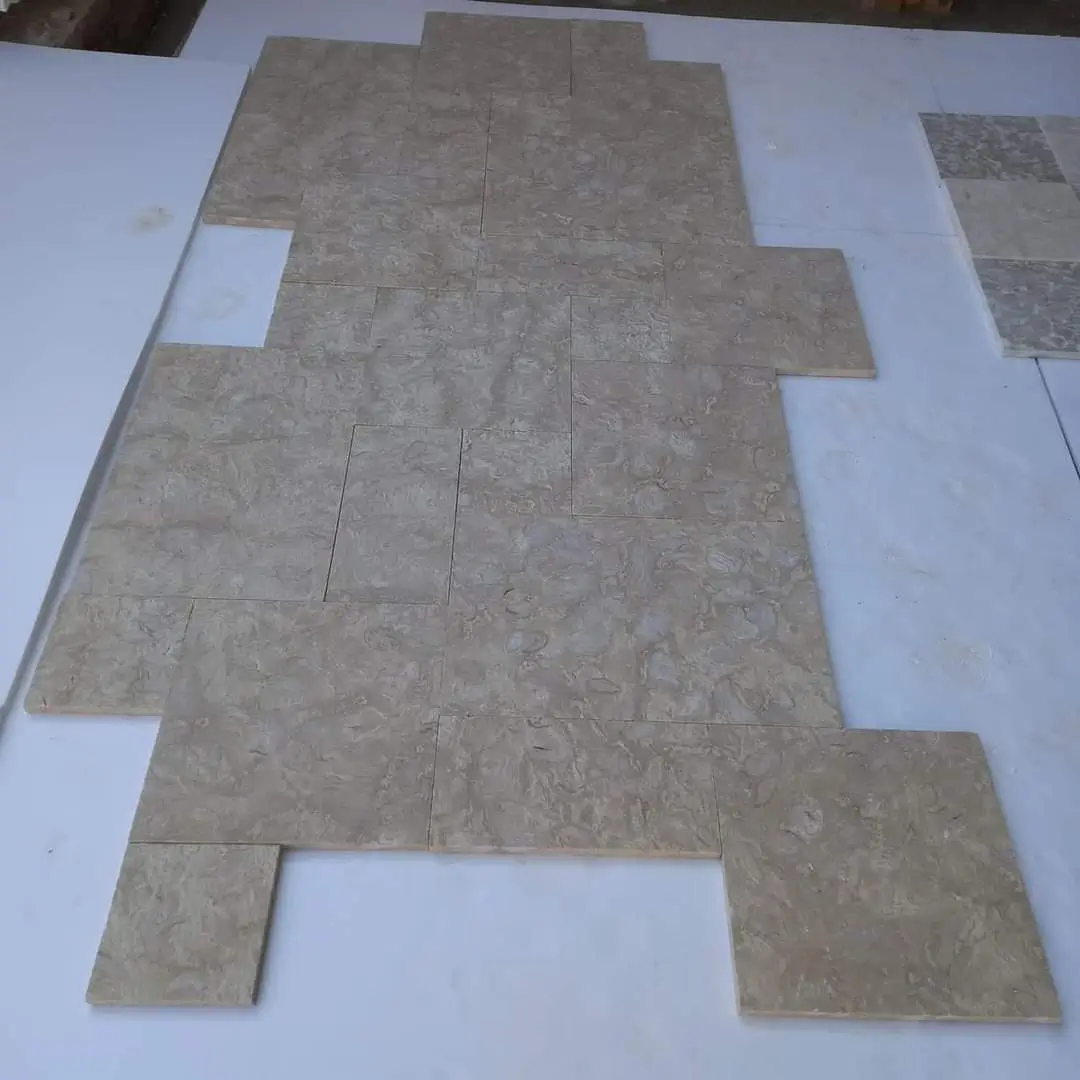
Complex patterns incorporating multiple slab sizes, intricate borders, or curved elements increase labor costs to $22-28 per square foot. You should recognize that cutting time, layout complexity, and increased joint management slow installation productivity to 60-90 square feet per day. The premium labor costs may justify themselves through enhanced aesthetics, but you need to evaluate whether the visual impact warrants the budget allocation.
Site access constraints create hidden labor costs that aren’t apparent during initial estimating. When your project requires hand-carrying materials beyond 50 feet from truck staging areas, labor costs increase by $3-7 per square foot. Mesa properties with narrow side yards or multi-story access requirements often encounter these premiums that significantly impact final project costs.
Sealing and Maintenance Lifecycle Costs
Your initial installation represents only the first cost component in a total ownership calculation that extends across decades. When you evaluate stone slab pricing Mesa options, you need to project sealing and maintenance expenses that vary dramatically based on material porosity and Arizona’s aggressive environmental conditions.
Initial sealing immediately following installation costs $1.85-3.20 per square foot for quality penetrating sealers formulated for high-UV environments. You should specify sealers with 8-12 year service life ratings, though Arizona’s intense solar radiation typically degrades performance 30% faster than manufacturer claims suggest. Professional practice indicates resealing intervals of 5-7 years for optimal protection and appearance retention.
The resealing cycle creates recurring costs you must factor into lifecycle analysis. You’ll spend $1,200-2,400 per resealing event for a typical 600 square foot patio when you hire professional contractors. Over a 25-year ownership period, you should budget for 4-5 resealing applications totaling $4,800-12,000 in present-value terms.
Routine cleaning and joint sand replenishment add ongoing maintenance expenses that protect your investment. You need to plan annual power washing ($0.35-0.65 per square foot) and joint sand replacement every 2-3 years ($1.20-1.90 per square foot). These relatively modest expenses prevent larger problems like weed establishment, ant colonization, and edge material migration that create expensive repair requirements.
Seasonal Timing Pricing Advantages
Your project scheduling decisions create significant cost optimization opportunities through strategic timing that exploits seasonal demand cycles. Stone slab pricing Mesa fluctuations follow predictable patterns tied to Arizona’s inverted construction season, where summer represents low-demand periods and winter brings peak activity.
June through August offers the most advantageous pricing window when you’re willing to tolerate extreme installation conditions. You’ll find material discounts of 8-15% and contractor availability that allows negotiation of labor rates 10-18% below peak-season pricing. The heat challenges require early-morning installation scheduling (starting at 5:30-6:00 AM) to complete work before dangerous afternoon temperatures arrive.
September through October creates a secondary opportunity window during the shoulder season transition. You capture moderate pricing advantages (5-10% below peak rates) while avoiding summer’s extreme conditions. Contractor scheduling remains flexible enough to accommodate your timeline without the premium pricing that emerges during winter months.
Winter pricing (November-March) reflects maximum demand from snowbird populations, special event preparation, and optimal working conditions that attract project concentration. You’ll pay 12-20% premiums during this period, but you gain access to peak contractor availability and can complete projects during comfortable weather that facilitates extended daily work hours.
Permit and Engineering Soft Costs
Your project budget must account for regulatory compliance costs that vary based on project scope, property zoning, and municipal jurisdiction requirements. When you plan Mesa installations, you need to understand permit fees and engineering expenses that add 3-8% to total project costs for larger residential and all commercial applications.
Residential projects under 500 square feet typically avoid permit requirements in Mesa’s residential zones, but you should verify current regulations before proceeding. Larger residential installations require building permits ($125-280 depending on project valuation) and may trigger engineering requirements when you modify drainage patterns or work within utility easements.
Commercial projects universally require permits and engineering documentation that substantiate structural adequacy and ADA compliance. You’ll need to budget $850-1,800 for civil engineering services that produce grading plans, drainage calculations, and accessibility certifications. These expenses prove essential for approval but don’t create visible project improvements, making them easy to overlook during preliminary budgeting.
- You should contact Mesa’s Planning Division early in project development to clarify permit requirements
- Your engineering costs decrease when you work with professionals experienced in local jurisdiction standards
- You need to account for 2-4 week permit review timelines in your project schedule
- Your property’s HOA may impose additional review requirements beyond municipal permits
Professional Specification Guidance for Citadel Stone’s Stone Slabs for Yard in Arizona Projects
When you consider Citadel Stone’s stone slabs for yard in Arizona applications, you’re evaluating premium materials engineered for extreme desert climate performance across residential and commercial installations. At Citadel Stone, we provide technical specification guidance for hypothetical project scenarios throughout Arizona’s diverse climate zones. This section outlines how you would approach material selection and installation planning for three representative cities, each presenting distinct environmental challenges that influence your specification decisions.
Your Arizona yard projects demand materials that withstand thermal extremes, intense UV exposure, and dramatic diurnal temperature swings while maintaining structural integrity and aesthetic appeal across decades of service. You need to account for thermal cycling that ranges 40-60°F between night and day temperatures during transitional seasons, creating expansion and contraction stresses that inferior materials cannot tolerate. Professional specifications balance thermal performance, slip resistance, and visual characteristics appropriate for each project’s specific functional requirements.
Yuma Extreme Heat Considerations
In Yuma, you’ll encounter Arizona’s most extreme heat conditions, with summer temperatures regularly exceeding 115°F and surface temperatures reaching 165-180°F on unshaded hardscapes. Your material selection must prioritize light-colored stones with high solar reflectance values (SRV 0.60-0.75) that moderate surface temperatures to barefoot-tolerable levels. You would specify 2-inch thick limestone or light granite slabs with thermal finishes that provide slip resistance while reflecting maximum solar radiation. The region’s minimal annual rainfall (3.5 inches) reduces sealing frequency requirements, but you need to address wind-blown sand abrasion that affects surface finish longevity.
Mesa Balanced Climate Performance
Mesa’s climate presents balanced performance requirements where you need to address both extreme summer heat and occasional winter freezes that occur 5-10 nights annually. You would recommend medium-toned granite or travertine slabs in 1.5-inch thickness that provide thermal mass benefits while maintaining structural integrity through freeze-thaw cycling. Your specification should include penetrating sealers rated for 500+ freeze-thaw cycles, protecting against the moisture infiltration that causes spalling damage. Mesa’s clay-heavy soils with moderate expansion potential require you to emphasize proper base preparation with 8-10 inches of compacted aggregate that isolates slabs from substrate movement.
Gilbert Residential Integration Standards
In Gilbert’s predominantly residential market, you would focus on materials that complement contemporary architectural styles while delivering family-friendly performance characteristics. Your specifications would emphasize slip-resistant finishes (minimum DCOF 0.55) suitable for pool deck and outdoor living applications where children’s safety becomes paramount. You’d recommend travertine or honed limestone in earth-tone color palettes that coordinate with Gilbert’s desert contemporary aesthetic preferences. The area’s newer development patterns often feature modern drainage infrastructure, allowing you to optimize base specifications without the extensive stabilization measures required in older neighborhoods with problematic soil conditions.
Value Engineering Optimization Strategies
When you face budget constraints that threaten project feasibility, strategic value engineering allows you to reduce costs while preserving essential performance characteristics. You need to approach cost optimization systematically, evaluating each specification component for its contribution to long-term functionality versus its impact on initial project investment.
Material substitution represents the most obvious cost reduction strategy, but you should exercise caution to avoid compromising durability for short-term savings. Replacing premium granite with mid-grade limestone can reduce material costs by $18-28 per square foot while still delivering 20+ year performance when you specify appropriate sealing protocols. The key involves understanding performance trade-offs and ensuring your client accepts the maintenance implications of more economical material selections.
Reducing slab thickness from 2 inches to 1.5 inches saves $12-18 per square foot while maintaining adequate performance for most residential applications. You should verify that reduced thickness doesn’t compromise structural requirements for your specific substrate conditions — projects with less-than-ideal soil characteristics may require the additional thickness for crack resistance.
Simplifying installation patterns eliminates premium labor costs without sacrificing material quality. You can reduce total project costs by 15-22% when you transition from complex multi-size patterns to simple running bond or stacked layouts that maximize installation efficiency. The aesthetic impact proves minimal in many applications where furniture, planters, and landscaping elements break up sight lines and reduce pattern visibility.
Your professional specification process requires you to balance performance requirements with budget constraints while ensuring long-term durability and client satisfaction. For additional installation insights regarding specific material performance in desert environments, review Selecting durable granite slabs for Arizona desert landscapes before you finalize your project documents. Our wholesale stone slabs in Arizona allow retailers to stock high-demand items.