
When you design outdoor entertaining spaces in Paradise Valley, you’re working in a climate that demands materials capable of withstanding extreme thermal cycling, intense UV exposure, and dramatic temperature swings. Stone slab fire pit Paradise Valley installations require you to balance aesthetic aspirations with material performance realities that directly affect long-term durability. You’ll encounter trade-offs between heat retention characteristics and surface temperature management that most generic specifications fail to address.
Paradise Valley fire features present unique challenges that separate successful installations from premature failures. Your material selection determines whether you’ll achieve 20+ year performance or face replacement within 8-12 years. The difference comes down to understanding how stone behavior changes under sustained radiant heat exposure combined with desert environmental stresses.
Thermal Performance Requirements for Fire Pit Surrounds
You need to understand that stone slabs surrounding fire pits experience thermal conditions vastly different from standard paving applications. When you’re working with slab surround design Arizona projects, the material faces simultaneous heat sources: radiant heat from flames reaching 800-1,200°F and solar heat driving surface temperatures to 165-180°F during summer afternoons.
The critical specification factor involves thermal shock resistance. You’ll want stone with low thermal expansion coefficients, ideally below 6.0 × 10⁻⁶ per °F. Higher coefficients create differential expansion stresses that manifest as radial cracking patterns originating from the fire pit perimeter. This becomes particularly problematic when you combine rapid evening temperature drops of 40-50°F with residual heat in the stone mass.
- You should specify minimum thickness of 2 inches for fire pit perimeter slabs to provide adequate thermal mass buffering
- Your material selection must account for repeated heating cycles exceeding 300°F temperature differentials
- You need expansion joints every 8-10 feet in radial patterns from the fire feature centerpoint
- Your specification should address both compressive strength and flexural strength under thermal stress conditions
Porosity characteristics affect performance in ways that aren’t immediately obvious. When you select stone with porosity above 5%, moisture absorption during winter months creates internal freeze-thaw damage that accelerates under thermal cycling from fire pit use. You’ll see this manifest as surface spalling within 3-5 years in installations above 5,000 feet elevation.
Material Selection Criteria for Desert Fire Features
Your stone slab fire pit Paradise Valley specification requires you to evaluate materials based on performance characteristics specific to desert fire feature applications. Generic slab selection criteria don’t adequately address the combination of thermal stress, UV degradation, and minimal moisture conditions that define Paradise Valley’s environment.
Density becomes your primary predictor of long-term performance. You’ll achieve optimal results with materials exhibiting density between 155-165 pounds per cubic foot. Below 155 lb/ft³, you risk inadequate structural integrity under thermal stress. Above 165 lb/ft³, thermal conductivity increases to levels that create uncomfortably hot surfaces extending 4-6 feet from the fire pit perimeter.
Color stability under sustained UV exposure separates premium specifications from budget alternatives. You should recognize that darker stone colors absorb 15-20% more solar radiation, driving surface temperatures 12-18°F higher than lighter alternatives. This compounds with radiant heat from fire features to create surface conditions that limit usability during daylight hours for 4-5 months annually.
- You need stone with UV stability ratings demonstrating less than 5% color shift after 2,000 hours exposure testing
- Your specification must verify that sealers maintain performance above 150°F sustained surface temperatures
- You should account for how thermal mass properties affect evening cooling rates in outdoor entertainment stone applications
- Your material evaluation needs to include slip resistance testing under dry conditions above 140°F surface temperature
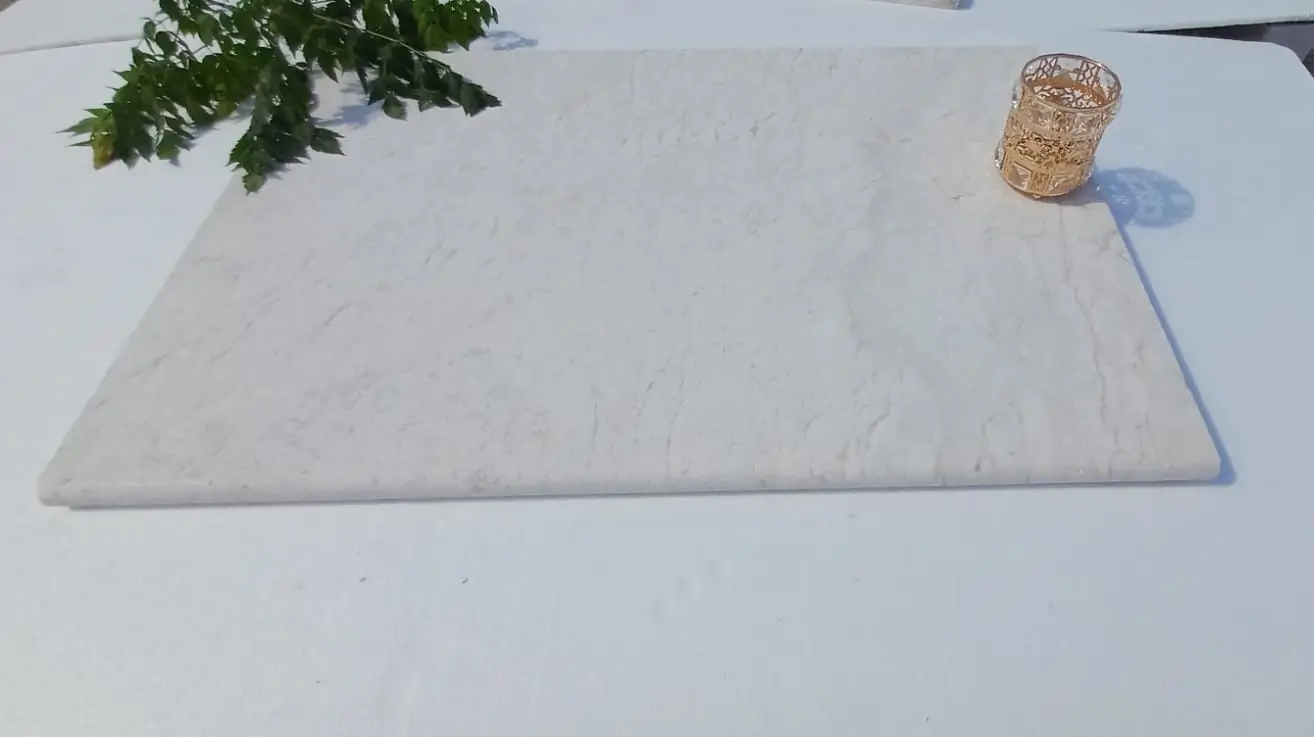
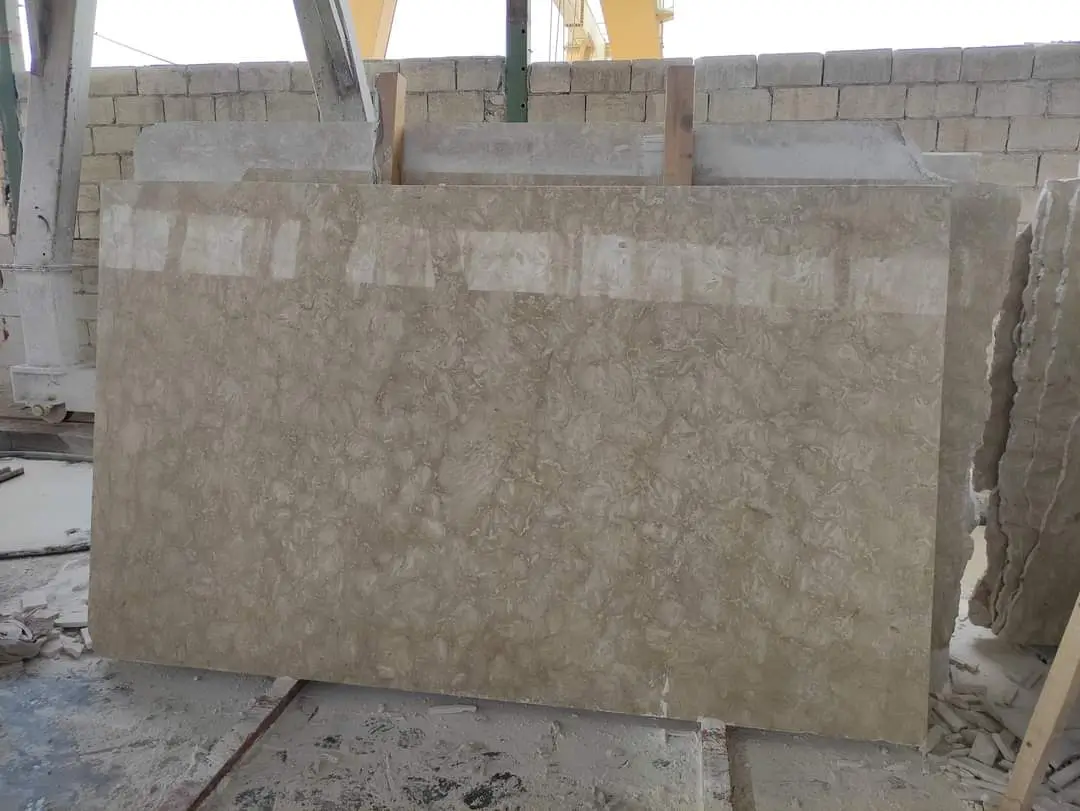
Limestone and travertine options offer natural thermal properties that work exceptionally well for stone slab fire pit Paradise Valley projects. These materials exhibit lower thermal conductivity compared to granite or basalt, keeping surrounding surfaces more comfortable for barefoot traffic. You’ll find that honed finishes on these materials provide DCOF ratings of 0.48-0.55, adequate for dry Arizona gathering spaces while maintaining visual appeal.
Installation Base Preparation Protocols
When you approach Paradise Valley fire features installation, base preparation determines 60-70% of long-term performance outcomes. The caliche layers common throughout Paradise Valley create subsurface conditions that require you to modify standard base specifications significantly.
You’ll encounter caliche at depths ranging from 8 inches to 36 inches depending on property location and previous grading work. This hardpan layer prevents proper drainage and creates differential settlement patterns as seasonal moisture penetrates through joints. Your installation protocol needs to address complete caliche removal to depths of 18-24 inches within the fire feature zone, extending 6-8 feet beyond the visible stone perimeter.
Compacted aggregate base requirements change when you’re working with outdoor entertainment stone subjected to thermal cycling. Standard 95% compaction isn’t adequate. You need to achieve 98% modified Proctor density in 4-inch lifts using angular crushed aggregate with maximum particle size of 3/4 inch. This provides the load distribution necessary to prevent differential settlement under thermal expansion stresses.
- You should specify geotextile fabric separation between native soil and aggregate base to prevent fines migration
- Your base design must incorporate perimeter drainage that intercepts water before it reaches the fire pit zone
- You need minimum 8-inch aggregate base depth for residential applications, increasing to 12 inches for commercial Arizona gathering spaces
- Your compaction testing should verify base stability under simulated thermal load conditions
Setting bed composition affects how effectively stone slabs resist thermal movement. You’ll achieve superior performance using polymer-modified setting mortars rather than traditional sand beds. These mortars maintain bond strength at temperatures up to 180°F and provide the flexibility needed to accommodate thermal expansion without creating hollow spots under slabs.
Joint Spacing and Edge Details
Your slab surround design Arizona specifications must account for thermal expansion that occurs both from solar heating and radiant fire pit heat. Standard 3/16-inch joint spacing proves inadequate for stone slab fire pit Paradise Valley applications. You need to increase joint width to 3/8 inch for slabs within 3 feet of the fire pit edge, transitioning to 1/4 inch spacing for perimeter areas.
Joint filler selection determines whether expansion can occur without generating edge spalling. You should avoid traditional polymeric sand in the immediate fire pit zone. Temperatures above 160°F cause polymeric binders to soften and extrude, creating joint voids that collect debris and require annual maintenance. High-temperature silicone joint fillers rated to 400°F continuous exposure provide more reliable long-term performance.
Edge restraint systems need to accommodate radial expansion patterns that radiate outward from the fire feature center. Rigid perimeter restraints create stress concentrations that result in corner cracking on outer slabs. You’ll achieve better results using flexible edge restraints with dedicated expansion zones every 12 linear feet.
- You should detail expansion joints in radial patterns every 45-60 degrees around the fire pit perimeter
- Your edge details must provide lateral restraint while allowing thermal expansion movement
- You need to specify joint depths of 40-50% of slab thickness for effective stress relief
- Your installation crew should leave joints unfilled for 30-45 days to allow initial settlement before applying high-temperature fillers
The relationship between slab thickness and joint spacing becomes critical when you’re specifying Paradise Valley fire features. Thicker slabs generate greater absolute expansion dimensions under identical temperature changes. When you use 2.5-inch thick slabs, your joint spacing needs to increase by 15-20% compared to standard 2-inch material to prevent edge compression failures. For comprehensive details on material options, review our stone slab available to understand thickness variations and their specification implications.
Sealer Performance Under Thermal Stress
When you specify sealers for outdoor entertainment stone around fire features, standard penetrating sealers fail within 18-24 months under combined thermal and UV stress. You need products specifically formulated for high-temperature applications that maintain film integrity above 180°F sustained exposure.
The challenge involves balancing water repellency with vapor permeability. Non-breathing film-forming sealers trap subsurface moisture that converts to steam under radiant heat exposure. This creates delamination pressures that cause sealer failure and can contribute to surface spalling on porous stone types. You’ll achieve superior results with breathable penetrating sealers that allow vapor transmission while providing stain resistance.
Application timing affects sealer penetration depth and bonding characteristics. You should never apply sealers to stone with surface temperatures above 90°F, yet you need adequate heat for proper curing. This creates a narrow application window in Paradise Valley climate, typically limited to early morning hours during March-April and October-November installation periods.
- You need to verify sealer temperature stability ratings exceed 200°F for applications within 2 feet of fire pit edges
- Your specification should require minimum two-coat application with 12-24 hour cure time between coats
- You should schedule resealing intervals at 24-30 months for high-temperature zones versus 36-48 months for perimeter areas
- Your maintenance protocols must address sealer degradation inspection during annual cleaning cycles
Sealer compatibility with joint fillers prevents bond failure at slab edges. When you apply sealers after installing polymeric sand, the sealer can create a surface film that prevents proper sand binding. You’ll need to sequence installation so joint filling occurs after initial sealer application, with touch-up sealing performed 60-90 days post-installation.
Fire Pit Clearance Specifications
Your stone slab fire pit Paradise Valley design must incorporate adequate clearance zones that account for radiant heat distribution patterns. Generic 12-inch clearances prove insufficient for natural gas fire features producing 60,000+ BTU output. You need minimum 18-inch clearance from flame pattern edge to slab joints to prevent accelerated sealer degradation and joint filler damage.
Heat distribution isn’t uniform around fire pit perimeters. Prevailing wind patterns in Paradise Valley create directional heat concentration on downwind sides. You should orient seating areas and primary access paths on upwind sides where surface temperatures run 20-25°F cooler during fire feature operation. This significantly improves usability and reduces thermal stress on materials.
Fire pit depth affects how heat radiates to surrounding stone surfaces. Recessed fire pits with 8-12 inch depth reduce radiant heat exposure to perimeter slabs by 30-40% compared to grade-level installations. When you’re working with Arizona gathering spaces prioritizing year-round usability, this depth consideration becomes crucial for maintaining comfortable surface temperatures.
- You should specify non-combustible insulation barriers between fire pit structures and adjacent stone slabs
- Your design needs to account for heat reflection from vertical surfaces that can concentrate thermal energy on specific slab areas
- You need adequate clearance from structure walls, typically 8-10 feet minimum for installations producing 50,000+ BTU output
- Your furniture placement guidelines should maintain 30-36 inch minimum distances from slab edges experiencing highest thermal loading
Drainage Integration for Fire Feature Zones
Paradise Valley fire features require you to design drainage systems that function in climate conditions producing only 8-12 inches annual rainfall, yet capable of handling 1.5-2.0 inch monsoon storm events. The challenge involves preventing water accumulation in fire pit zones while avoiding over-engineered systems that create unnecessary cost.
Surface grading becomes your primary drainage mechanism. You need minimum 2% slope away from fire pit perimeters, increasing to 3% for areas within 6 feet of the feature. This ensures rapid water evacuation during monsoon events while maintaining comfortable walking surfaces. Slopes exceeding 3% create noticeable grade changes that affect furniture stability and accessibility.
Subsurface drainage requires integration with the aggregate base system. You should install perforated drain lines at the base aggregate interface, sloped at 1% minimum to collection points located downgrade from the fire feature. These drains intercept water before it reaches the setting bed, preventing the freeze-thaw damage that occurs during Paradise Valley’s 15-25 annual freeze events at higher elevations.
- You need to verify that drainage systems discharge at least 20 feet from fire pit perimeters to prevent moisture migration back to the feature zone
- Your design should incorporate discrete drainage channels in lower areas where surface water tends to accumulate
- You should detail how roof runoff and irrigation systems maintain minimum 10-foot separation from fire feature drainage zones
- Your specifications must address sediment cleanout access for subsurface drainage systems
Common Specification Mistakes in Fire Pit Surrounds
When you review failed stone slab fire pit Paradise Valley installations, you’ll identify recurring specification errors that could have been prevented with proper material understanding. The most damaging mistake involves treating fire pit surrounds as standard paving applications without accounting for thermal stress factors.
Inadequate thickness specifications lead to premature cracking in 40-50% of budget-driven projects. You’ll see specifiers trying to reduce costs by using 1.5-inch slabs in fire pit perimeter zones. These thin sections lack the thermal mass needed to buffer rapid temperature changes, resulting in stress cracking within 2-3 years. The cost savings of $8-12 per square foot gets erased by replacement expenses averaging $35-45 per square foot.
Ignoring directional grain in natural stone creates vulnerability to thermal shock. When you orient sedimentary stone with bedding planes perpendicular to the surface, you increase delamination risk by 60-70% under thermal cycling conditions. Your specifications need to require horizontal bedding plane orientation for all slab surround design Arizona applications using layered stone materials.
- You should avoid mixing stone types with significantly different thermal expansion coefficients in the same installation
- Your specifications must prohibit cost-saving substitutions that alter approved thermal performance characteristics
- You need to require mockup installations for projects exceeding 500 square feet to verify appearance and joint details
- Your quality control protocols should include thermal imaging inspection to identify installation defects before they cause visible damage
Improper sealer selection accounts for 30-35% of maintenance complaints in the first five years post-installation. You’ll encounter specifications calling for high-gloss sealers that create stunning initial appearance but fail catastrophically under UV exposure combined with thermal stress. These failures require complete sealer removal and reapplication, costing $4-7 per square foot in remediation expenses.
Color Selection Considerations for Usability
Your outdoor entertainment stone color choices directly affect surface temperature and seasonal usability periods. When you specify darker stone colors for Paradise Valley fire features, you’re creating surfaces that reach 175-185°F during peak summer months, limiting barefoot access from May through September.
Lighter stone colors reflect 60-70% of solar radiation compared to 25-35% for darker alternatives. This translates to surface temperature differentials of 30-40°F during afternoon hours. You’ll extend comfortable usability periods by 60-90 days annually when you select light-colored materials for primary traffic paths and seating areas around fire features.
Color consistency across slab batches affects visual appearance in ways that become more pronounced under evening lighting conditions typical around fire pits. Natural stone exhibits batch-to-batch variation of 15-25% in color characteristics. You should require warehouse inventory verification to ensure sufficient material from single production runs for projects exceeding 300 square feet.
- You need to evaluate color samples under both daylight and fire feature lighting conditions before finalizing selections
- Your specifications should address acceptable color variation ranges for natural stone materials
- You should consider how aging and sealer applications affect long-term color appearance
- Your material selection must account for how reflected fire light interacts with stone color at night
Maintenance Protocol Development
When you develop maintenance programs for stone slab fire pit Paradise Valley installations, you’re addressing different deterioration mechanisms than standard paving. Ash residue, incomplete combustion deposits, and thermal cycling create maintenance requirements that standard pressure washing doesn’t adequately address.
You should establish quarterly cleaning protocols using pH-neutral cleaners specifically formulated for natural stone. Alkaline cleaners above pH 10 can etch limestone and travertine surfaces, particularly in areas where thermal stress has increased surface porosity. Acidic cleaners below pH 6 cause similar damage and can compromise sealer performance.
Resealing schedules need adjustment based on thermal exposure zones. Areas within 3 feet of fire pit edges require resealing every 18-24 months, while perimeter zones maintain adequate protection for 36-48 months. You’ll optimize maintenance costs by implementing zone-based resealing rather than treating the entire installation uniformly.
- You need to specify annual joint inspection and refilling to maintain proper expansion capacity
- Your maintenance program should include thermal imaging surveys every 3-5 years to identify subsurface deterioration
- You should schedule professional deep cleaning before resealing to ensure proper sealer penetration
- Your protocols must address immediate cleanup of acidic spills that can etch stone surfaces
Premium Stone Slabs for Sale in Arizona — Citadel’s Approach to Paradise Valley Fire Features
When you consider Citadel Stone’s stone slabs for sale in Arizona for fire pit surrounds, you’re evaluating materials specifically selected for extreme desert thermal performance. At Citadel Stone, we provide technical guidance for hypothetical applications across Arizona’s diverse climate zones, from low desert installations to high-country projects experiencing significant freeze-thaw cycles. This section outlines how you would approach specification decisions for three representative cities where fire features play central roles in outdoor living.
Arizona’s climate diversity requires you to modify material specifications and installation details based on elevation, temperature extremes, and precipitation patterns. Your stone slab fire pit Paradise Valley project differs significantly from northern Arizona applications, yet shares common thermal stress factors that determine long-term performance outcomes.
Flagstaff Specifications
In Flagstaff, you would need to address freeze-thaw cycles averaging 140-160 events annually, combined with fire pit thermal stress. Your material selection should prioritize stone with porosity below 3% and verified ASTM C1026 freeze-thaw durability. You’d specify 2.5-inch minimum thickness for perimeter slabs to provide adequate thermal mass buffering against rapid temperature swings that can reach 50-60°F in 3-4 hour periods. The combination of 7,000-foot elevation and intense UV exposure at altitude requires you to select sealers with enhanced UV inhibitors that maintain performance through 200+ annual days of direct sun exposure. Your installation would incorporate expanded aggregate base depths of 14-16 inches to prevent frost heave affecting fire feature structural stability.
Sedona Considerations
For Sedona installations, you’d balance red rock aesthetic preferences with thermal performance requirements in a climate producing 4,500-foot elevation temperature extremes. Your specification would address iron oxide content in stone selections to ensure compatibility with local water chemistry, which exhibits high mineral content that can cause staining on certain stone types. You should plan for thermal expansion joints every 10-12 feet in fire feature surrounds, accounting for temperature differentials of 80-90°F between winter lows and summer surface temperatures. When you design Arizona gathering spaces in Sedona’s tourism-focused market, you’d typically incorporate larger format slabs of 24×36 inches or 30×30 inches to reduce joint counts and create more dramatic visual impact. Your drainage design would need to handle monsoon intensity of 1.5-2.0 inches per hour during July-August storm events while maintaining 2-3% surface slopes.
Peoria Applications
Peoria projects would require you to address low-desert thermal extremes similar to Paradise Valley, with surface temperatures reaching 170-180°F during peak summer months. Your material specification should focus on light-colored stone with high solar reflectance values to maintain usable surface temperatures during extended outdoor entertainment seasons. You’d need to account for aggressive caliche conditions throughout most of Peoria’s developed areas, requiring complete removal to 20-24 inch depths and replacement with engineered aggregate base. When you specify slab surround design Arizona for Peoria fire features, you should detail high-temperature joint fillers rated to 400°F continuous exposure, given the combination of solar heating and radiant fire pit heat. Your sealing specifications would emphasize breathable penetrating products that allow vapor transmission critical in this low-humidity desert environment where trapped moisture can cause subsurface damage.
Budget Planning Factors
When you develop budgets for stone slab fire pit Paradise Valley projects, you need to account for cost variables that extend beyond simple material and labor calculations. Premium stone suitable for fire feature applications typically ranges from $18-35 per square foot installed, depending on material type, thickness specifications, and site accessibility factors.
Your budget should include 12-15% material overage to account for cutting waste around curved fire pit perimeters and breakage during fabrication. Radial cutting patterns generate significantly more waste than standard grid layouts. You’ll also need to factor specialty tools including diamond blades rated for dry cutting of 2+ inch thick slabs.
Site preparation costs vary dramatically based on existing conditions. You might encounter caliche removal expenses of $8-15 per square foot when excavation depths reach 24 inches, plus disposal fees for removed material. These preparation costs often equal or exceed material costs on challenging sites.
- You should budget for engineering consultation when fire features exceed 60 inches diameter or incorporate complex fuel systems
- Your cost projections need to include initial sealing at $2-4 per square foot using high-temperature products
- You need to account for premium joint filler costs of $12-18 per linear foot for high-temperature silicone products
- Your project budget should include 5-8% contingency for unforeseen subsurface conditions during excavation
Project Timeline Development
Your stone slab fire pit Paradise Valley project timeline requires careful coordination with Paradise Valley’s extreme summer temperatures that prevent quality installation work from June through mid-September. You should plan installation windows during March-May or October-November when you can achieve proper material curing without excessive heat stress.
Material procurement lead times affect overall schedules significantly. You need to verify warehouse availability for your selected stone type, with typical lead times ranging from 2-3 weeks for stock materials to 8-12 weeks for specialty items requiring quarry ordering. Your project schedule must accommodate these procurement windows plus 1-2 weeks for delivery coordination and job site staging.
Installation duration varies based on project complexity and site access. You can expect 3-5 day installation periods for typical residential fire pit surrounds of 300-400 square feet, increasing to 7-10 days for elaborate outdoor entertainment stone installations incorporating multiple elevation changes, curved elements, and integrated lighting systems.
- You should schedule base preparation work during stable weather periods avoiding monsoon season disruptions
- Your timeline needs 30-45 day curing periods before applying final sealers and joint fillers
- You need to coordinate utility location services 3-5 days before excavation begins
- Your schedule should include final inspection and homeowner orientation sessions covering proper use and maintenance protocols
Final Considerations
Your professional specification process for Paradise Valley fire features requires you to integrate material performance characteristics with realistic client expectations about maintenance requirements and seasonal usability limitations. When you balance thermal stress factors, aesthetic preferences, and budget constraints, you’ll create outdoor entertainment stone installations that deliver reliable 20+ year service life.
The most successful projects result when you verify that all stakeholders understand the relationship between material quality, installation precision, and ongoing maintenance commitment. You should establish clear performance expectations during initial design phases, addressing how thermal exposure affects both material behavior and surrounding surface temperatures that influence comfort and usability patterns throughout the year. For additional technical guidance on sealing protocols specific to desert fire feature applications, review Professional sealing techniques for limestone slabs in arid climates before you finalize your installation specifications. We are a family-owned slab supplier in Arizona that cares about your project.