
When you evaluate stone color enhancement methods Arizona contractors use, you’re entering a specialized field where climate extremes dictate every decision. Arizona’s intense UV exposure, temperature swings exceeding 50°F daily, and low humidity create conditions that accelerate color fading in natural stone faster than almost anywhere else in North America. You need to understand that color enhancement isn’t about applying superficial coatings — it’s about modifying how light interacts with stone’s mineral structure while accounting for thermal expansion, porosity changes, and long-term chemical stability under desert conditions.
Your material selection and aesthetic treatments determine whether enhanced stone maintains visual consistency for 15 years or shows degradation within 18 months. The challenge lies in balancing desired color intensity with the physical realities of Arizona’s environment. Stone color enhancement methods Arizona professionals rely on must address substrate porosity ranging from 2-12%, surface temperatures reaching 160°F, and alkaline soil conditions that drive efflorescence patterns most clients don’t anticipate during specification.
Understanding Natural Stone Color Modification
Natural stone exhibits inherent color variation based on mineral composition, but you can manipulate apparent color through surface enhancement and finishing options that alter light absorption and reflection properties. The distinction matters because Arizona’s solar intensity — averaging 5.7-6.5 peak sun hours daily — interacts differently with various enhancement approaches. You’ll find that penetrating color modifiers behave fundamentally differently than surface coatings when exposed to thermal cycling between 35°F winter nights and 115°F summer afternoons.
When you specify color modification, you’re working with three primary mechanisms: chemical penetration that bonds with stone minerals, surface treatments that create optical effects through refractive index changes, and physical finishing that exposes different mineral layers. Each approach delivers distinct performance characteristics under Arizona conditions. Chemical penetration typically reaches 3-8mm depth in sedimentary stones but only 1-2mm in dense igneous materials, directly affecting long-term color retention as surface erosion occurs.
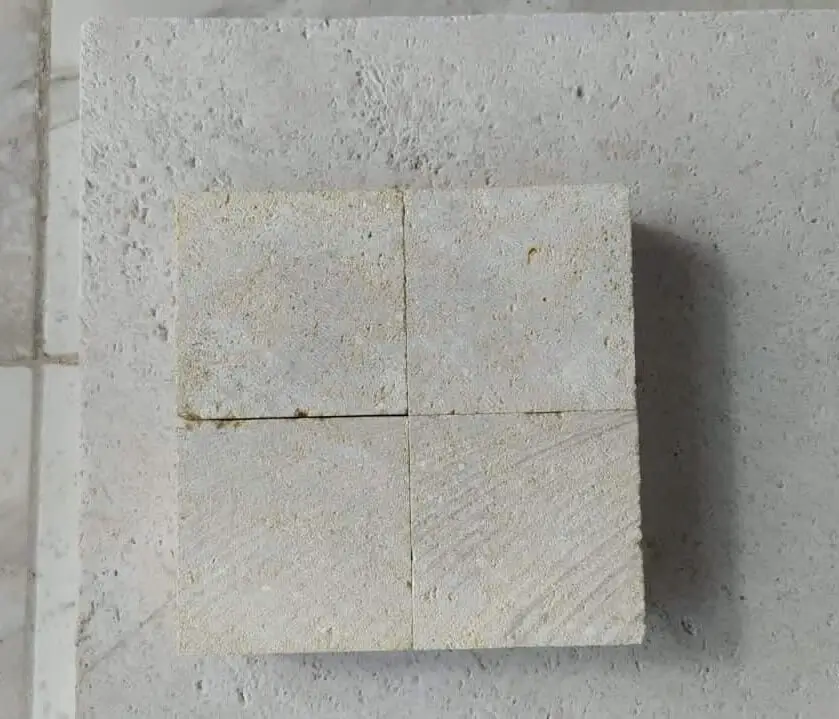
Your specification decisions must account for how porosity affects enhancement uptake. Limestone with 6-8% porosity absorbs penetrating treatments 40-60% deeper than granite at 0.5-1.5% porosity, creating different maintenance cycles and color stability timelines. For aesthetic treatments requiring consistent appearance across mixed stone types, you need to adjust application parameters — concentration, dwell time, and temperature — to compensate for these absorption differentials.
Chemical Penetrating Color Enhancement Systems
Penetrating color enhancement systems work by introducing metallic salts or reactive compounds that bond with stone’s mineral matrix, creating permanent color shifts that resist UV degradation better than surface coatings. You should understand that these systems don’t simply sit on the surface — they chemically react with calcium carbonate, silicates, or iron compounds within the stone structure. The reaction depth determines longevity, with properly applied treatments maintaining color consistency for 12-18 years in Arizona installations when substrate preparation meets specification requirements.
When you evaluate stone color enhancement methods Arizona applications require, chemical penetration offers advantages in high-traffic areas where surface coatings would wear through. The trade-off involves limited color range — you’re restricted to enhancing existing tones rather than introducing completely foreign colors. Iron-based systems can deepen reds, browns, and yellows by 30-50% intensity. Copper compounds shift beiges toward greens or blues. Manganese treatments darken gray tones effectively.
- You need substrate moisture content below 4% before application to prevent reaction interference
- Your application temperature should remain between 60-80°F for optimal penetration rates
- You’ll achieve best results with surface enhancement applied to mechanically clean stone
- Your project timeline must allow 72-96 hours cure time before exposure to moisture
- You should seal enhanced surfaces within 7 days to lock in color stability
The material exhibits pH sensitivity during application. Alkaline stones (pH 8-10) react more aggressively with acid-based color modifiers, potentially creating blotching if you don’t neutralize the substrate first. You’ll need to pH test representative samples and adjust your treatment chemistry accordingly. In practice, this means buffering solutions for travertine and limestone while using standard formulations for granite and basalt.
Surface Coating and Film-Based Color Modification
Surface coatings create color changes through pigmented films that bond to stone exteriors, offering broader color ranges than penetrating systems but requiring more frequent maintenance cycles. When you specify coating systems for Arizona projects, you’re trading expanded aesthetic options for reduced service life — expect 5-8 year performance before reapplication becomes necessary compared to 12-18 years for penetrating treatments. The physics behind this difference relates to thermal expansion mismatches between stone substrates and polymer coatings.
Arizona’s temperature extremes create expansion coefficient differentials that stress coating adhesion. Limestone expands at approximately 5.3 × 10⁻⁶ per °F while acrylic coatings expand at 8-12 × 10⁻⁶ per °F. Over a 50°F temperature swing, this mismatch generates sufficient stress to compromise coating integrity within 6-9 years. You can extend service life by selecting siloxane-based systems that more closely match stone expansion rates, though at 2-3x the material cost.
Your coating selection should address UV stability explicitly. Standard acrylic formulations lose 15-25% color intensity after 3 years of Arizona sun exposure. Fluoropolymer-enhanced coatings maintain 90-95% color retention over the same period but cost substantially more. The decision point involves initial budget versus lifecycle costs — you’ll spend more upfront for fluoropolymer systems but reduce reapplication frequency and associated labor expenses.
When you apply surface coatings, substrate preparation becomes critical. You need surface porosity sufficient to provide mechanical keying — typically 3-6% open porosity. Dense stones may require mechanical abrasion or chemical etching to create adequate tooth. Without proper surface preparation, coating delamination occurs within 18-24 months as moisture infiltration breaks adhesive bonds. For comprehensive material guidance across applications, see Citadel Stone building stone for sale to evaluate substrate compatibility with various finishing options.
Mechanical Finishing Methods for Color Variation
Mechanical finishing alters apparent stone color by exposing different mineral layers or creating surface textures that modify light reflection characteristics. You’ll achieve color shifts of 20-40% brightness through finishing alone, without introducing chemical treatments. This approach offers permanent results since you’re physically changing the stone structure rather than applying materials that can degrade. The trade-off involves limited color range control — you’re working with whatever mineral composition exists within the stone.
Honing removes surface material to expose fresh mineral faces, typically lightening stone appearance by 15-25% compared to weathered surfaces. The process also reduces surface porosity by 8-12% through compaction, which affects subsequent sealer absorption and color enhancement uptake. When you specify honed finishes, you need to account for how this porosity reduction impacts your enhancement treatment parameters — application rates must increase 10-15% to achieve equivalent penetration depth.
- You should specify grit progression for honed finishes based on desired sheen level
- Your 120-grit finish delivers matte appearance with maximum slip resistance
- You’ll achieve satin finish with 220-400 grit that balances aesthetics and traction
- Your high-polish specifications require 800-3000 grit progression for reflective surfaces
Thermal finishing creates texture variation through flame treatment that spalls surface minerals, exposing lighter substrate layers beneath. You’ll see color lightening of 30-50% with this technique, particularly effective on granite and basalt. The process also increases surface porosity by 15-20%, improving subsequent color enhancement absorption. However, thermal finishing reduces compressive strength in the surface zone by 10-15%, making it inappropriate for high-traffic applications where mechanical wear poses concerns.
Staining Systems Engineered for Arizona Climate Conditions
Stone staining systems designed for Arizona conditions must address extreme temperature cycling, intense UV exposure, and rapid moisture evaporation that affects cure chemistry. You need stain formulations that remain stable at surface temperatures exceeding 150°F while maintaining flexibility through 80-100°F daily temperature swings. Standard stain systems formulated for temperate climates often fail in Arizona within 2-3 years as thermal stress fractures the color layer or UV degradation bleaches pigments.
When you select staining systems, you’re choosing between water-based and solvent-based carrier systems. Water-based stains offer lower VOC emissions and easier cleanup but can struggle with Arizona’s rapid evaporation rates — you’ll lose 30-40% of carrier water within 15 minutes of application during summer months, potentially preventing adequate penetration. Solvent-based systems maintain workability longer but require careful handling in high-temperature conditions where flash points become safety concerns.
Your stain chemistry should match stone mineralogy. Acid stains work effectively on calcium-rich stones like limestone and travertine, creating color through chemical reaction with carbonate minerals. These reactions generate CO₂ gas, requiring adequate ventilation and surface porosity for gas escape — inadequate porosity causes subsurface pressure that can spall the stained layer. Reactive stains produce permanent color bonds that resist UV fading better than pigment-based systems.
Pigmented stains deposit color particles within stone pores without chemical bonding, offering broader color ranges but reduced permanence. You’ll achieve custom colors impossible with reactive chemistry, but expect 40-50% faster color degradation under Arizona sun exposure. The compromise involves applying UV-protective topcoats that extend pigment stability by 60-80% while adding maintenance requirements for coating renewal every 4-6 years.
Multi-Layer Enhancement Protocols and System Integration
Professional stone color enhancement methods Arizona installers use often combine multiple techniques in layered applications that deliver both immediate aesthetic impact and long-term stability. You’re essentially building a color system rather than applying a single treatment. This approach allows you to optimize each layer for specific performance — base penetration for permanence, intermediate toning for color precision, and topcoat protection for UV resistance and moisture control.
Your base layer should focus on deep penetration using reactive chemistry that bonds permanently with stone minerals. This foundation provides 60-70% of the desired color shift and ensures that even if surface layers degrade, the stone maintains acceptable appearance. You’ll need to allow 5-7 days cure time for this base layer before proceeding — attempting to accelerate by stacking treatments prematurely traps solvents that cause subsurface delamination within 12-18 months.
- You should apply base penetrating treatments at manufacturer-specified coverage rates
- Your intermediate toning layer refines color precision after base cure completes
- You need to verify chemical compatibility between successive treatment layers
- Your topcoat selection must accommodate expected maintenance intervals
- You’ll achieve optimal results when each layer fully cures before subsequent application
The intermediate layer uses pigmented or reactive stains to fine-tune color accuracy, addressing any variation in base layer uptake across the stone surface. You’re essentially creating color uniformity that compensates for natural stone variation. This layer typically penetrates 1-3mm, providing backup color depth if surface erosion occurs over time. The key specification point involves matching this layer’s expansion characteristics to both the base treatment and topcoat to prevent differential movement stress.
UV Protection Strategies for Color-Enhanced Stone
Arizona’s extreme solar radiation — measuring 7.5-8.0 UV index for 6-8 months annually — degrades stone color enhancement faster than almost any other environmental factor. You need UV protection integrated into your enhancement protocol to achieve service life expectations beyond 5-7 years. The challenge lies in selecting UV absorbers or blockers that remain stable at the 140-160°F surface temperatures common on Arizona stone installations during peak summer conditions.
UV-absorbing compounds work by converting ultraviolet energy into harmless heat through molecular vibration, protecting underlying pigments from photochemical breakdown. When you specify UV absorbers, you’re selecting from benzophenone, benzotriazole, or hindered amine stabilizer (HALS) families. Each offers distinct performance profiles under Arizona conditions. Benzotriazoles provide excellent initial UV blocking but lose 25-30% effectiveness after 4-5 years of thermal cycling. HALS systems maintain 85-90% effectiveness over 8-10 years but cost 50-70% more initially.
Your UV protection layer should contain absorber concentrations of 2-4% by weight for adequate performance. Lower concentrations provide insufficient protection, allowing 30-40% UV transmission that degrades color layers. Higher concentrations can create haze that dulls stone appearance or cause phase separation in some sealer chemistries. You’ll need to verify compatibility between UV absorbers and your chosen color modification to prevent chemical interactions that compromise either system.
Physical UV blocking through mineral pigments offers an alternative approach. Titanium dioxide and zinc oxide particles scatter UV radiation before it reaches color layers, providing protection that doesn’t degrade over time. The trade-off involves slight color shift — these minerals add subtle whitening that you must account for during color formulation. You’ll typically see 5-10% brightness increase, which can be compensated by adjusting your base color enhancement intensity accordingly.
Porosity Management and Color Enhancement Uptake
Stone porosity directly determines color enhancement uptake, cure performance, and long-term stability, yet it’s often inadequately addressed during specification. You need to understand that porosity isn’t a single value — it encompasses total porosity, pore size distribution, and pore connectivity, all of which affect how treatments penetrate and perform. Arizona stones typically range from 0.5% porosity in dense basalt to 15% in some sedimentary materials, requiring dramatically different enhancement approaches.
When you work with high-porosity stones (8-15%), you’ll encounter rapid treatment absorption that can lead to over-application and excessive darkening if you don’t reduce coverage rates by 30-40% from manufacturer recommendations. These porous materials also dry faster in Arizona’s low humidity, potentially preventing adequate treatment penetration before surface curing blocks deeper migration. You should extend dwell times by 25-35% and consider multiple light applications rather than single heavy coats.
Low-porosity stones (0.5-3%) present opposite challenges. Treatment absorption occurs slowly, requiring you to maintain wet surfaces for extended periods to achieve adequate penetration. In Arizona’s heat and low humidity, this means you’ll lose carrier solvents to evaporation faster than the treatment penetrates, potentially requiring solvent replenishment during application. You may need to pre-treat these dense stones with porosity enhancers — mild etchants that open surface pore structures without compromising structural integrity.
- You should conduct porosity testing on representative samples before finalizing treatment specifications
- Your water absorption testing provides practical porosity assessment for treatment planning
- You need to adjust treatment concentration based on measured porosity values
- Your application parameters must account for how Arizona’s climate affects cure rates
Pore connectivity affects long-term performance as significantly as total porosity. Stones with interconnected pore networks allow moisture migration that can transport soluble salts to surfaces, creating efflorescence that discolors enhancement treatments. You’ll see this particularly in limestone and sandstone where pore structures connect through the material thickness. Your enhancement protocol should include subsurface moisture barriers that block upward water migration while allowing downward drainage — typically achieved through strategically placed silane/siloxane treatments.
Thermal Considerations in Color Enhancement Durability
Arizona stone surfaces routinely reach 140-160°F during summer months, creating thermal conditions that accelerate color enhancement degradation through multiple mechanisms. You need to account for how these temperatures affect both initial application and long-term stability. Surface-applied treatments experience thermal stress from expansion mismatches, while penetrating treatments face accelerated chemical aging at elevated temperatures that can reduce expected service life by 30-40% compared to moderate climates.
When you specify color enhancement for Arizona projects, you’re working with an acceleration factor of approximately 1.8-2.2x compared to temperate zone installations. This means treatments with 15-year service life in moderate climates may only deliver 7-9 years in Arizona before requiring renewal. The acceleration stems from increased reaction rates at high temperatures — chemical degradation approximately doubles for every 18°F temperature increase above ambient conditions.
Your material selection should prioritize thermal stability ratings. Enhancement products rated to 180°F provide adequate safety margin for Arizona surface temperatures. Products rated only to 140°F may experience softening or chemical breakdown during peak temperature events, leading to color shifts, hazing, or surface tackiness. These thermal failures often appear suddenly after 3-4 years of apparently satisfactory performance, once cumulative thermal exposure exceeds the material’s degradation threshold.
Thermal cycling causes additional stress through repeated expansion and contraction. Arizona installations experience 80-100°F daily temperature swings for 6-7 months annually, generating fatigue stress in coating systems. You’ll need flexible formulations that accommodate this movement without cracking or delaminating. Elastomeric enhancements maintain flexibility through thermal cycling better than rigid systems but may sacrifice some abrasion resistance in exchange.
Application Timing and Environmental Control Factors
Successful stone color enhancement methods Arizona professionals implement require precise environmental control during application and initial cure. You can’t simply apply treatments whenever convenient — Arizona’s climate creates narrow windows where temperature, humidity, and substrate conditions align favorably. Attempting application outside these parameters almost guarantees premature failure regardless of product quality or technical skill.
Your ideal application window occurs when ambient temperatures range between 55-85°F with substrate temperatures below 95°F and relative humidity above 30%. In Arizona, these conditions typically occur during March-May and October-November for daytime work. Summer applications require early morning timing — beginning at sunrise and completing before 10:00 AM when surface temperatures exceed workable limits. You’ll need to pre-wet stone surfaces in hot conditions to reduce substrate temperature by 15-25°F, though this introduces moisture that may interfere with some treatment chemistries.
- You should monitor both ambient and substrate temperature throughout application
- Your substrate must remain within manufacturer-specified temperature ranges during cure
- You need to protect freshly treated surfaces from direct sun exposure for 24-48 hours
- Your cure time requirements extend 30-50% longer during low-humidity conditions
- You’ll achieve best results when you control substrate moisture between 3-5%
Wind presents additional complications in Arizona’s desert environment. Wind speeds exceeding 8-10 mph accelerate solvent evaporation, preventing adequate treatment penetration and potentially causing surface skinning where exterior layers cure before interior material penetrates. You may need temporary wind barriers for large installations, adding cost and complexity but ensuring treatment success. Without wind protection, you’ll see premature surface cure that blocks deeper penetration, resulting in color enhancement that wears away within 2-3 years as the thin colored layer erodes.
Best building stones for sale in Arizona — How Citadel Stone Would Specify Installations
When you consider Citadel Stone’s building stones for sale in Arizona, you’re evaluating premium materials specifically selected for desert climate performance and compatibility with aesthetic treatments. At Citadel Stone, we provide technical guidance for hypothetical applications across Arizona’s diverse regions, helping you understand how stone color enhancement methods Arizona conditions require would apply to different materials and locations. This section outlines how you would approach specification decisions for three representative cities where climate variations affect enhancement protocol requirements.
Arizona’s geography creates distinct microclimates that influence material selection and color modification approaches. You need to account for elevation differences that create 15-25°F temperature variations, urban heat island effects that amplify surface temperatures by 8-12°F, and regional soil chemistry that affects efflorescence potential and long-term color stability. These factors determine which enhancement systems perform optimally in specific locations.
San Tan Valley Specifications
In San Tan Valley, you would need to address extreme temperature cycling combined with alkaline soils that drive efflorescence concerns in limestone and sandstone applications. Your stone color enhancement methods Arizona protocols would emphasize deep-penetrating reactive treatments that resist alkali interference, followed by moisture barrier systems that prevent subsurface salt migration. The region’s 950-foot elevation and Sonoran Desert location create summer surface temperatures reaching 165°F, requiring enhancement products rated to 190°F for adequate safety margin. You would specify multi-layer systems with UV-stable topcoats that maintain 90% effectiveness after 7-8 years of exposure, accounting for the area’s intense solar radiation and minimal cloud cover throughout most of the year.
Yuma Performance Requirements
Yuma installations would require you to account for the highest summer temperatures in Arizona — routinely exceeding 115°F ambient — combined with extremely low humidity that accelerates cure rates and complicates application timing. You would need to specify early morning application windows exclusively, with substrate pre-cooling protocols and extended dwell times to compensate for rapid solvent evaporation. Your enhancement chemistry would emphasize solvent-based systems that maintain workability despite 25-35% humidity conditions, with coverage rates reduced by 15-20% compared to moderate climates due to the stone’s accelerated absorption in dry air. The city’s Colorado River proximity introduces minimal atmospheric moisture compared to other Arizona locations, requiring you to implement artificial humidity control during cure periods to prevent surface skinning that compromises penetration depth and color uniformity.
Avondale Urban Considerations
For Avondale projects, you would address urban heat island effects that amplify surface temperatures 10-15°F above surrounding desert areas, creating enhanced thermal stress on color enhancement systems. Your specifications would account for the area’s position within Phoenix’s western expansion corridor, where warehouse distribution makes material logistics straightforward but where development density concentrates heat retention. You would specify elastomeric enhancement systems with high thermal cycle resistance, capable of accommodating 90-110°F daily temperature swings without fatigue failure. The region’s gradually increasing vegetation and irrigation infrastructure creates slightly elevated atmospheric moisture compared to pure desert locations, allowing you marginally extended application windows during spring and fall seasons. Your color modification approach would emphasize thermal stability and long-term flexibility over maximum color intensity, recognizing that urban installations face accelerated aging from combined heat and pollution exposure.
Maintenance Protocols for Color-Enhanced Stone Installations
Long-term performance of stone color enhancement methods Arizona contractors implement depends critically on maintenance protocols that address specific degradation mechanisms active in desert environments. You can’t assume that enhanced stone maintains itself — without appropriate maintenance, even premium enhancement systems degrade 40-60% faster than properly maintained installations. Your maintenance specifications should address cleaning methodology, re-sealing intervals, and performance monitoring that identifies developing problems before they require complete enhancement renewal.
When you develop maintenance protocols, you need to understand that Arizona’s dust, UV exposure, and thermal cycling create distinct maintenance requirements. Dust accumulation on enhanced surfaces reduces albedo by 15-25%, increasing solar heat absorption that accelerates thermal degradation of color treatments. You should specify quarterly cleaning for horizontal surfaces and semi-annual cleaning for vertical installations, using pH-neutral cleaners that don’t attack enhancement chemistry or strip protective sealers.
Your re-sealing schedule should account for actual wear rather than arbitrary time intervals. High-traffic areas may require annual re-sealing while protected locations perform adequately with 3-4 year intervals. You can assess sealer condition through water absorption testing — if the surface absorbs water within 5 minutes rather than beading for 15-20 minutes, re-sealing becomes necessary regardless of time elapsed since previous application.
- You should conduct annual inspections focusing on high-wear and high-exposure areas
- Your cleaning protocols must avoid harsh chemicals that strip enhancement treatments
- You need to document sealer performance through periodic water absorption testing
- Your maintenance records should track enhancement condition to optimize renewal timing
Color enhancement renewal timing presents economic optimization challenges. You’ll achieve lowest lifecycle cost by renewing enhancement when it shows 20-30% degradation rather than waiting for complete failure. Early renewal allows you to apply refresher treatments over existing enhancement rather than complete removal and reapplication. This approach reduces costs by 40-50% while maintaining consistent appearance throughout the installation’s service life. For additional installation insights regarding thermal performance considerations, review Preventing thermal bridging in stone facade construction systems before you finalize your project documents and enhancement specifications.
Common Color Enhancement Application Failures and Prevention
Understanding failure modes helps you prevent the most common problems that compromise stone color enhancement methods Arizona installations experience. You’ll encounter predictable failure patterns that result from inadequate substrate preparation, improper product selection, or application errors that violate fundamental chemistry principles. These failures typically manifest 18-36 months post-installation, well past the point where correction costs remain minimal.
Subsurface delamination represents the most costly failure mode, occurring when enhancement layers separate from the stone substrate. You’ll see this when moisture becomes trapped beneath low-permeability topcoats, creating hydrostatic pressure during thermal cycling that literally pushes the enhancement layer away from the stone. Prevention requires you to balance vapor permeability across all treatment layers — topcoats must allow 70-80% of the moisture transmission that base treatments permit, preventing accumulation at layer interfaces.
Blotching and uneven color uptake result from inadequate substrate preparation or inconsistent application technique. When you fail to remove surface contaminants — oils, old sealers, mineral deposits — enhancement treatments absorb unevenly, creating permanent color variation that can’t be corrected without complete removal. You need mechanical cleaning or chemical stripping that verifies contamination removal through water absorption testing before proceeding with color enhancement application.
Premature fading occurs when UV protection proves inadequate for Arizona’s solar intensity. You’ll recognize this failure through color shift toward lighter, washed-out tones beginning at 24-36 months post-application. The problem stems from either insufficient UV absorber concentration in topcoats or selection of UV absorbers with inadequate thermal stability for Arizona surface temperatures. Prevention requires you to specify UV protection systems explicitly rated for desert exposure, with absorber concentrations at the upper end of manufacturer ranges rather than standard formulations developed for moderate climates.
Key Specification Points
Your professional specification process requires you to balance performance requirements, aesthetic objectives, and budget constraints while ensuring long-term durability under Arizona’s demanding environmental conditions. Stone color enhancement methods Arizona applications demand must integrate multiple technical considerations into cohesive specifications that address material characteristics, application protocols, environmental controls, and maintenance requirements. You should develop specifications that recognize the unique challenges desert climates present while leveraging available technologies to achieve client aesthetic goals within realistic performance expectations.
When you finalize color enhancement specifications, you need to verify that all system components demonstrate chemical compatibility, thermal stability adequate for 160°F surface temperatures, and UV resistance suitable for 8.0 UV index exposure. Your specifications should explicitly address substrate preparation requirements, environmental conditions during application and cure, quality control testing protocols, and maintenance schedules that optimize long-term performance. The investment in comprehensive specifications pays dividends through reduced callback rates, extended service life, and client satisfaction with installations that meet appearance and durability expectations throughout their intended service life. Homeowners and builders can browse our yard to find unique building stones for sale in Arizona that add distinct character to any property.