
When you evaluate stone and supply Arizona catalog options for your next project, you’re navigating a complex landscape of performance requirements, aesthetic considerations, and long-term durability factors. The Arizona market presents unique challenges that demand materials capable of withstanding extreme thermal cycling, intense UV exposure, and minimal moisture conditions. Your material selection directly impacts project longevity, maintenance costs, and client satisfaction over decades of service life.
Understanding the stone and supply Arizona catalog requires you to move beyond surface-level aesthetics and consider how materials perform under real-world conditions. You’ll encounter temperature swings exceeding 50°F between day and night, surface temperatures reaching 160°F during peak summer months, and UV intensity that degrades inferior materials within 5-7 years. The right material choice depends on your ability to match performance characteristics with specific application requirements and environmental exposure levels.
Comprehensive Material Categories in Arizona Stone Supply
The stone and supply Arizona catalog encompasses distinct material families, each offering specific performance advantages for different applications. When you specify natural stone for Arizona projects, you’re choosing between sedimentary, metamorphic, and igneous options that exhibit vastly different thermal, structural, and weathering characteristics.
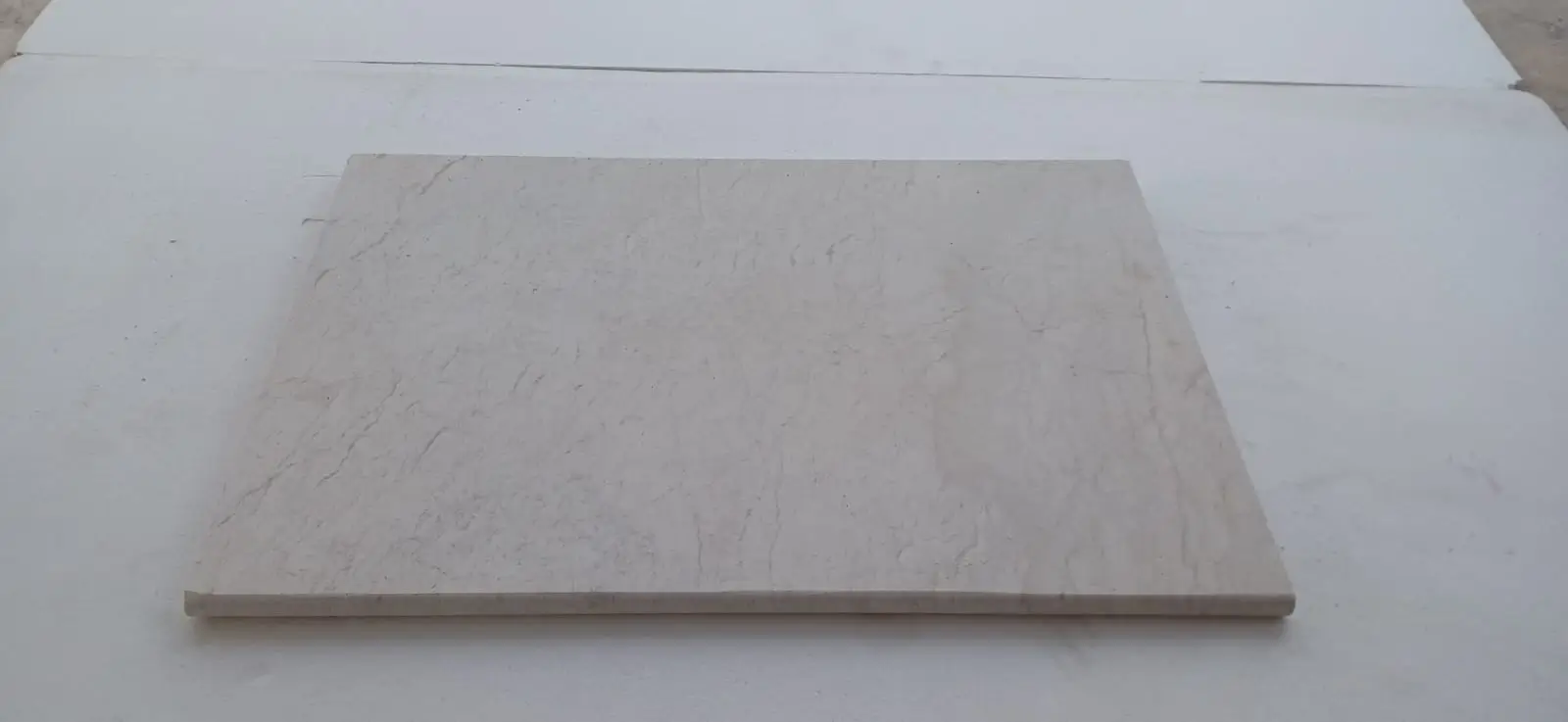
Sedimentary materials like limestone and travertine dominate residential applications due to their thermal mass properties and comfortable surface temperatures. You’ll find these materials maintain 15-25°F cooler surface temperatures compared to concrete or darker stone options during peak heat exposure. The porosity ranges from 3-12% depending on formation density, which affects both slip resistance and staining susceptibility. Your specification should address sealing requirements based on expected porosity and exposure conditions.
Metamorphic options including marble and quartzite provide superior compressive strength ranging from 12,000-25,000 PSI, making them ideal for commercial applications with heavy foot traffic or vehicular loads. When you specify these materials, you need to account for their lower porosity (typically 0.5-3%) and higher thermal conductivity, which creates hotter surface temperatures but excellent structural stability. The trade-off between aesthetic appeal and thermal comfort becomes critical in outdoor applications.
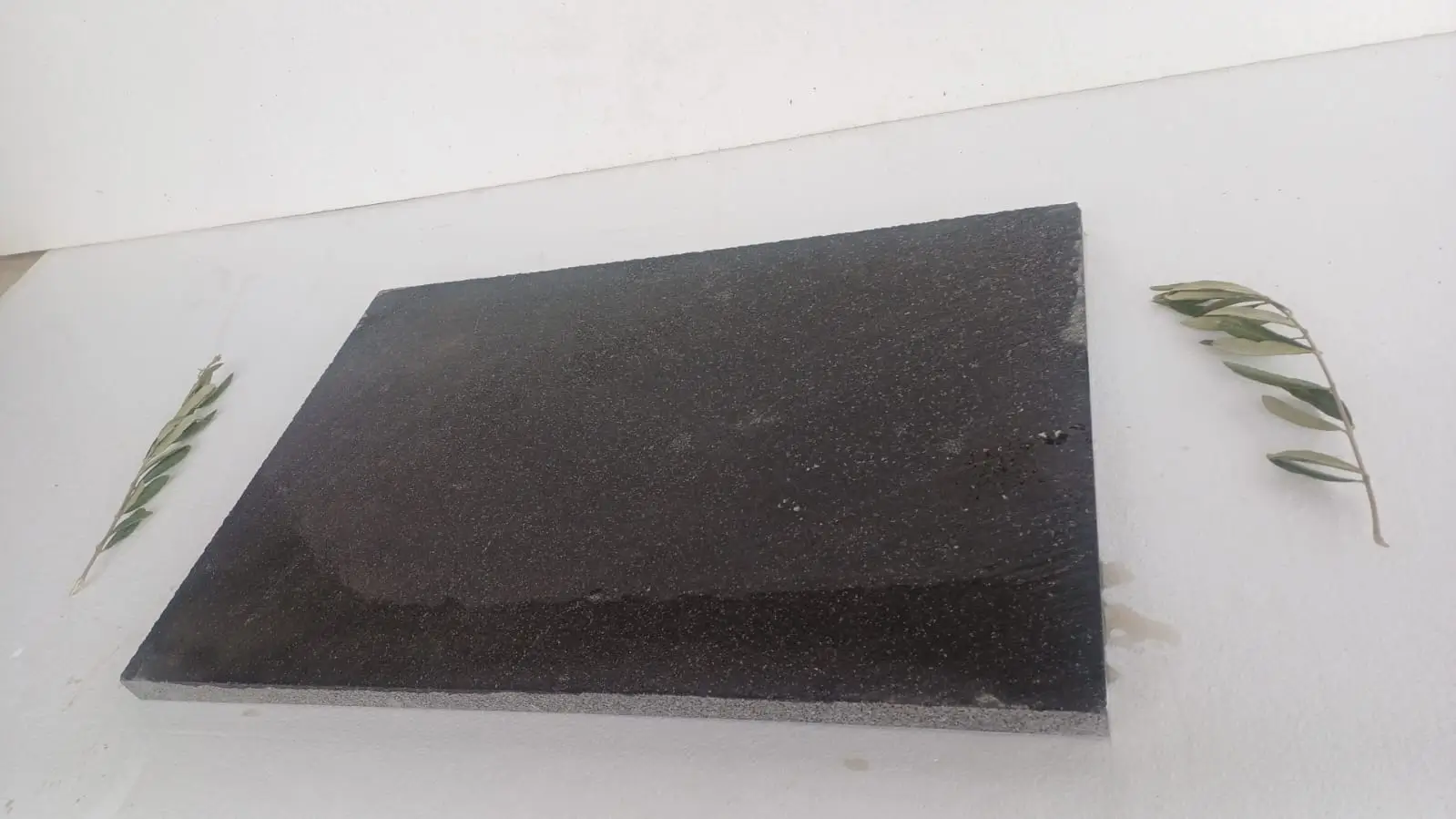
Igneous materials like granite and basalt offer the highest durability ratings but present thermal management challenges. You’ll see surface temperatures 30-40°F higher than sedimentary alternatives under identical sun exposure. These materials work best in shaded applications, vertical installations, or commercial settings where thermal comfort takes secondary priority to longevity and minimal maintenance requirements.
Performance Specifications and Thermal Management Considerations
Your stone supply in Arizona material selection requires detailed thermal performance analysis beyond what standard product literature provides. The thermal mass coefficient determines how quickly materials absorb and release heat, directly affecting comfort levels and energy efficiency in adjacent interior spaces.
Limestone and travertine exhibit thermal diffusivity values between 0.5-0.8 mm²/s, creating a 3-4 hour lag time between peak air temperature and peak surface temperature. This lag time means you’ll see maximum surface temperatures occurring around 4-5 PM rather than at solar noon. When you design outdoor living spaces, this timing consideration affects furniture placement, shade structure positioning, and usage pattern recommendations for clients.
The albedo effect significantly impacts material performance in Arizona’s high-intensity solar environment. Light-colored limestone reflects 60-70% of incoming solar radiation, while darker granite or basalt reflects only 15-25%. You should calculate the reflectivity differential when specifying materials for pool decks, patios, and other barefoot traffic areas. A 0.40 albedo difference translates to approximately 35-45°F surface temperature variance under identical conditions.
- Thermal expansion coefficients range from 4.5-6.5 × 10⁻⁶ per °F for most natural stone options
- You need expansion joints every 12-15 feet in direct sun exposure areas
- Shaded installations can extend joint spacing to 18-20 feet based on reduced thermal cycling
- Your joint design must accommodate both expansion and substrate movement independently
- Sealant selection affects long-term joint performance more than joint width in Arizona climates
Structural Performance and Load-Bearing Requirements
When you review stone supply company Arizona products for structural applications, compressive strength alone doesn’t predict real-world performance. The relationship between density, porosity, and flexural strength determines how materials respond to point loads, distributed loads, and impact resistance requirements.
Travertine typically exhibits compressive strength between 5,000-9,000 PSI with density ranging from 135-155 lb/ft³. This combination works well for residential pedestrian applications but requires you to increase thickness to 1.25-1.5 inches for vehicular loads. The pore structure creates vulnerability to point loads from furniture legs or dropped objects, which you should address through specification of appropriate thicknesses and support systems.
Higher-density limestone options provide 8,000-12,000 PSI compressive strength with densities approaching 165-175 lb/ft³. Your commercial specifications should target these performance levels for high-traffic areas, vehicular applications, or locations with expected impact exposure. The reduced porosity (typically 2-5%) also improves stain resistance and reduces maintenance requirements over the installation’s service life.
Flexural strength matters more than compressive strength for spanning applications or installations over marginal substrates. You’ll need minimum 1,200-1,500 PSI flexural strength for pavers spanning pedestals or materials installed over existing surfaces without complete substrate remediation. Testing flexural strength requires destructive testing, so you should verify manufacturer data through third-party ASTM C880 test results rather than relying on unverified claims.
Porosity Analysis and Water Management Systems
The stone and supply Arizona catalog includes materials with porosity ranging from less than 1% to over 12%, each requiring different water management approaches and sealing protocols. Your understanding of porosity affects not just aesthetic durability but also slip resistance, freeze-thaw performance in high-elevation applications, and efflorescence potential.
Open-cell porosity versus closed-cell porosity creates different performance characteristics even at similar total porosity percentages. Materials with interconnected pore structures allow water penetration and evaporation, which helps in Arizona’s dry climate by facilitating rapid drying after irrigation or rain events. You’ll see efflorescence occur more frequently in materials with restricted pore structures that trap subsurface moisture and dissolved salts.
For pool deck and water feature applications, you need porosity levels between 4-8% to achieve optimal slip resistance when wet. Lower porosity materials require mechanical surface treatments (flaming, bush-hammering) to create texture, which adds cost and may create unnatural appearance. Higher porosity above 8% increases staining susceptibility from sunscreen, oils, and organic debris that accumulate in aquatic environments.
Your sealing specification should address porosity levels specifically. Materials below 3% porosity often perform better without sealing in Arizona’s dry climate, as sealers can trap subsurface moisture and create delamination issues. Mid-range porosity (3-7%) benefits from penetrating sealers that don’t create surface films. High-porosity materials above 7% may require multiple sealer applications to achieve adequate stain protection, increasing both initial cost and long-term maintenance requirements.
Slip Resistance Standards and Surface Finish Selection
When you specify local stone supply in Arizona options for wet areas or commercial applications, slip resistance testing becomes mandatory for liability protection and code compliance. The dynamic coefficient of friction (DCOF) under wet conditions determines whether your specified material meets ADA requirements and insurance underwriting standards.
Natural surface finishes on limestone and travertine typically achieve DCOF values between 0.48-0.62 when wet, exceeding the 0.42 minimum threshold for most applications. You’ll find that unfilled travertine provides superior slip resistance compared to filled versions due to the natural texture created by voids and surface irregularities. Your specification needs to clarify fill requirements and their impact on slip resistance performance.
Honed and polished finishes reduce DCOF values by 0.15-0.25 compared to natural or textured surfaces. A material that achieves 0.55 DCOF in natural finish may drop to 0.35-0.40 when honed, falling below acceptable thresholds for wet areas. You should require wet DCOF testing for any honed or polished materials intended for pool decks, shower areas, or commercial entrances exposed to weather.
- Your testing protocol should specify ASTM C1028 or DCOF AcuTest methodologies
- Sample testing must occur on actual specified finish, not alternative surface treatments
- You need minimum 0.42 DCOF for ADA compliance in accessible routes
- Pool deck applications benefit from 0.50-0.60 DCOF for barefoot safety
- Testing should verify performance on aged surfaces, not just new installations
Surface texture evolution over time affects long-term slip resistance maintenance. Softer limestone materials naturally develop increased texture through wear and weathering, often improving slip resistance over 3-5 years of service. Harder materials maintain initial texture but don’t benefit from this natural enhancement. You should evaluate expected traffic patterns and their long-term impact on surface characteristics when selecting materials for 20+ year service life expectations.
Color Stability and UV Resistance in High-Desert Environments
Arizona’s intense UV exposure creates color stability challenges that don’t affect materials in temperate climates. When you examine stone supplies in Arizona range for aesthetic durability, you’re evaluating the mineral composition’s resistance to photochemical degradation and oxidation processes accelerated by high-altitude UV intensity.
Iron-bearing minerals create the warm beige, gold, and rust tones popular in Arizona architecture, but these same minerals oxidize under UV exposure. You’ll see color shifts occurring over 2-5 years as iron compounds convert from one oxidation state to another. Light-colored limestone with minimal iron content maintains stable coloration over decades, while materials with visible rust veining or banding may darken or develop irregular patination.
The warehouse stock you evaluate should represent weathered material appearance rather than fresh-quarried coloration. Manufacturers sometimes provide samples from fresh quarry faces that show lighter, more uniform coloration than material with 6-12 months of outdoor weathering. You should request weathered samples or review installed projects with 2-3 years of exposure to understand realistic long-term appearance expectations.
Sealer application affects color perception and long-term stability. Penetrating sealers typically darken materials by 1-2 shades initially, with gradual lightening over 18-24 months as the sealer weathers. Your mock-up specifications should include sealer application on samples to demonstrate actual installed appearance. Color-enhancing sealers provide more permanent darkening but require reapplication every 3-5 years to maintain consistent appearance.
Dimensional Tolerances and Layout Planning Protocols
The stone and supply Arizona catalog includes materials with varying dimensional precision, directly affecting your layout planning, joint spacing requirements, and installation labor costs. Natural stone exhibits inherent thickness variation that you must accommodate through specification language and installation methodology.
Calibrated materials maintain thickness tolerance within ±2mm (approximately ±5/64 inch), allowing installation over thin-set adhesive with minimal lippage between adjacent pieces. You’ll pay premium pricing for calibrated material—typically 15-25% above natural thickness stock—but reduce installation labor by 20-30% through faster setting and reduced grinding requirements. For large-format installations over 800 square feet, the labor savings often justify the material premium.
Natural thickness materials exhibit ±4mm to ±6mm variation (approximately ±3/16 inch), requiring mud-set installation or self-leveling compound to achieve acceptable lippage control. When you specify natural thickness material, your installation details must address substrate preparation, setting bed thickness variation, and expected lippage between pieces. ANSI A108.02 allows 1/16 inch lippage for grout joints 1/4 inch or wider with tiles having defined edges—your specification should clarify whether this standard applies or if tighter tolerances are required.
Length and width tolerances also affect layout planning. Natural cleft materials may vary ±5mm to ±8mm from nominal dimensions, creating challenges for straight joint patterns or geometric designs. You should specify rectified edges when straight-line patterns are essential for design intent. The rectification process adds approximately 10-15% to material cost but eliminates field cutting required to achieve straight layouts with natural-edge material.
Base Preparation and Substrate Performance Requirements
Your specification for stone supply in Arizona material selection must address substrate preparation in detail, as Arizona’s expansive clay soils and extreme thermal conditions create unique foundation challenges. The interaction between stone performance characteristics and substrate stability determines long-term installation success more than any other factor.
Expansive clay soils dominate the Phoenix metro area, Tucson basin, and lower-elevation regions throughout Arizona. These soils exhibit plasticity index values between 15-35, creating vertical movement ranging from 2-4 inches annually in uncontrolled conditions. When you design exterior stone installations over native soil, your base system must either isolate the stone from soil movement or provide sufficient flexibility to accommodate displacement without fracturing the stone surface.
Rigid base systems using 6-8 inches of compacted aggregate over geotextile fabric work well for areas with confirmed soil stability or where soil remediation has occurred. You’ll need minimum 95% compaction density per ASTM D698 (Standard Proctor) to prevent settlement-related issues. The aggregate gradation should follow ASTM D448 Size Number 57 or similar specifications to achieve proper interlock and drainage characteristics. Your specification must address aggregate base material specifically—crushed granite and limestone aggregates perform differently under identical compaction efforts.
Flexible base systems using sand-set installation over aggregate provide better accommodation of minor substrate movement. The sand bedding layer (typically 1-1.5 inches) acts as a stress-relief mechanism, distributing loads and allowing individual pavers to displace slightly without fracturing. You should specify concrete sand meeting ASTM C33 requirements rather than generic masonry sand, as proper gradation affects both setting ease and long-term stability.
- Your base system must provide positive drainage with minimum 2% slope away from structures
- You need subsurface drainage in areas where irrigation or roof runoff concentrates
- Truck access to jobsite staging areas affects delivery scheduling and material handling costs
- Base compaction should occur in lifts not exceeding 4 inches for optimal density achievement
- Your specification should require proof rolling or plate load testing for vehicular applications
Edge Restraint Systems and Joint Design Methodology
When you design installations using stone supply company Arizona products, edge restraint and joint design determine whether your installation maintains dimensional stability over decades of thermal cycling and minor substrate movement. Inadequate edge restraint causes the most common field failures in Arizona stone installations, typically manifesting 12-36 months post-installation.
Perimeter edge restraint must counteract lateral forces from thermal expansion, trafficking loads, and substrate settlement. Concrete edge restraints provide permanent solutions for most applications, requiring minimum 6-inch width × 10-inch depth with reinforcement appropriate to the installation scale. You’ll need deeper footings (extending 6-8 inches below base aggregate) in areas with potential frost penetration or where irrigation creates moisture fluctuations.
Aluminum and steel edge restraints offer faster installation and lower initial cost but require proper anchoring to prevent displacement over time. You should specify commercial-grade edge restraints with stakes at 12-inch centers minimum, increasing to 8-inch centers for curves or areas with vehicular traffic. The restraint height must capture at least 3/4 of the paver thickness to prevent material displacement during trafficking or thermal expansion.
Joint spacing and joint fill material selection directly affect long-term performance and maintenance requirements. Narrow joints (3/16 to 1/4 inch) create more formal appearance but require polymeric sand or similar stabilized fill to prevent erosion and weed growth. Wide joints (1/2 to 3/4 inch) accommodate larger dimensional tolerances and allow traditional sand fill, reducing material cost but increasing maintenance frequency. Your design should balance aesthetic intent with maintenance expectations and client capability.
Polymeric sand products have evolved significantly, with current formulations providing 5-8 year service life before requiring renewal in Arizona conditions. You need to understand that polymeric sand requires proper moisture management during installation—too little water prevents polymer activation, while excess water causes polymer migration and surface haze. The installation window should avoid periods with daytime temperatures exceeding 95°F or nighttime temperatures below 50°F for optimal performance.
Sealing Strategies and Maintenance Protocol Development
Your evaluation of local stone supply in Arizona options must include long-term maintenance considerations, as sealing requirements and maintenance protocols significantly impact total ownership costs over the material’s service life. The decision to seal or not seal depends on material porosity, expected exposure conditions, and acceptable maintenance frequency.
Penetrating sealers using silane/siloxane chemistry provide 3-5 year protection in Arizona’s intense UV environment, compared to 5-7 year performance in temperate climates. UV degradation occurs faster here, requiring more frequent reapplication to maintain stain protection. You should budget for resealing costs when presenting total ownership comparisons between material options. The typical resealing cost runs $1.50-$2.50 per square foot including surface preparation, compared to initial sealing at $0.75-$1.25 per square foot.
Film-forming sealers create surface gloss and enhanced color but trap subsurface moisture that can cause delamination in Arizona’s dry climate. When subsurface moisture attempts to escape through evaporation, it becomes trapped below the sealer film, creating pressure that can spall or delaminate the stone surface. You should avoid film-forming sealers for exterior applications unless the client understands the increased maintenance requirements and potential failure modes.
Unsealed installations require different maintenance approaches focused on routine cleaning and stain removal rather than sealer renewal. Materials with porosity below 3% often perform acceptably without sealing in Arizona climates, as low humidity prevents deep moisture penetration that would carry staining compounds into the stone structure. You’ll see surface staining occur, but it remains accessible to cleaning processes rather than becoming permanent.
- Your maintenance specification should include quarterly cleaning with pH-neutral stone cleaners
- You need to address efflorescence removal protocols using appropriate acidic or alkaline treatments
- Pressure washing should not exceed 1200 PSI to prevent surface erosion on softer materials
- Your specification must clarify responsibility for routine maintenance versus restoration work
- Client education about realistic maintenance expectations prevents future disputes
Citadel Stone Supply in Arizona: Regional Specification Guidance
When you consider Citadel Stone’s stone supply in Arizona for your project, you’re evaluating premium natural stone products specifically selected for Arizona’s extreme climate performance requirements. At Citadel Stone, we provide technical guidance for hypothetical applications across Arizona’s diverse climate zones, from low-desert regions exceeding 120°F to high-elevation areas experiencing significant freeze-thaw cycles. This section outlines how you would approach specification decisions for six representative Arizona cities, considering their unique environmental challenges and performance requirements.
Phoenix Heat Management
In Phoenix applications, you would prioritize materials with high albedo ratings and proven thermal mass performance, as surface temperatures regularly exceed 160°F during June through September. Your specification should target light-colored limestone with 60-70% solar reflectivity to maintain barefoot-comfortable surfaces in outdoor living areas. You’ll need to account for the urban heat island effect that adds 8-12°F to ambient temperatures compared to surrounding desert areas. Expansion joints would require 12-foot maximum spacing due to extreme thermal cycling, and your base preparation must address caliche layers common throughout the Phoenix basin that affect drainage and stability.
Scottsdale Luxury Applications
For Scottsdale’s high-end residential market, you would recommend premium travertine or limestone options that balance aesthetic sophistication with thermal comfort. Your material selection should emphasize consistent coloration and minimal inherent variation to meet exacting design standards typical of luxury applications. You’d specify filled and honed finishes for main traffic areas while recommending natural cleft for pool deck surrounds where slip resistance takes priority. The clientele expects low-maintenance solutions, so your sealing protocol would include premium penetrating sealers with 4-5 year reapplication intervals and detailed maintenance guidelines for property management teams.
Tucson Desert Integration
Your Tucson specifications would emphasize materials that complement the Sonoran Desert aesthetic while withstanding conditions similar to Phoenix but with slightly higher humidity during monsoon season. You’d select warm-toned limestone that harmonizes with native desert coloration and regional architecture preferences. The base system design must accommodate Tucson’s basin geology, including areas with expansive soil that requires either stabilization or isolation details. Your drainage design would address monsoon intensity that can deliver 2-3 inches of rainfall in under an hour, requiring positive drainage at minimum 2.5% slope rather than the 2% minimum used in other regions.
Flagstaff Freeze-Thaw
When you specify for Flagstaff’s 7,000-foot elevation, freeze-thaw durability becomes the critical performance factor rather than heat resistance. Your material selection must target low-porosity options below 3% with confirmed ASTM C1026 testing showing minimal strength loss after 100 freeze-thaw cycles. You would recommend denser limestone or quartzite rather than travertine, as the latter’s higher porosity creates vulnerability to freeze damage. Your installation details should include enhanced drainage to prevent water accumulation that leads to ice formation and potential surface damage. The specification would require warehouse storage in climate-controlled facilities to prevent pre-installation moisture absorption that could cause installation difficulties in cold conditions.
Sedona Aesthetic Harmony
For Sedona applications, you’d specify materials that complement the iconic red rock formations while meeting moderate climate performance requirements at 4,500-foot elevation. Your color selection would emphasize warm beige and rust-toned limestone that harmonizes with the natural landscape without attempting to mimic it exactly. You’ll account for moderate freeze-thaw exposure (approximately 40-60 cycles annually) requiring materials with 3-5% porosity maximum and verified durability testing. The design community in Sedona values natural aesthetics, so your specification would favor unfilled travertine and natural cleft finishes over highly processed options, accepting slightly higher maintenance requirements in exchange for authentic appearance.
Mesa Commercial Durability
Your Mesa commercial specifications would prioritize durability and cost-effectiveness for retail, hospitality, and multifamily applications experiencing heavy traffic. You’d recommend higher-density limestone with 10,000+ PSI compressive strength and 1.25-1.5 inch thickness for pedestrian plazas, increasing to 2-inch material for vehicular applications like valet areas or loading zones. The specification should address maintenance accessibility for property management teams with varying expertise levels, including detailed cleaning protocols using readily available pH-neutral products. For large-scale projects, you would need to confirm our full-service slab yard maintains adequate inventory to support project phasing without delaying construction schedules or forcing material lot changes that could create color variation issues.
Cost Analysis and Value Engineering Approaches
When you evaluate stone and supply Arizona catalog pricing, understanding total installed cost rather than material cost alone determines actual project value. Material selection affects labor productivity, waste factors, base system requirements, and long-term maintenance expenses that often exceed initial material price differentials.
Premium calibrated materials with ±2mm thickness tolerance cost 15-25% more than natural thickness alternatives but reduce installation labor by 20-30% through faster setting and elimination of grinding requirements. For projects over 1,000 square feet, you’ll find the labor savings offset the material premium, creating net cost reduction. Your value engineering analysis should calculate installed cost per square foot including labor rather than comparing material costs in isolation.
Larger-format materials (18×18 inch, 18×24 inch, 24×24 inch) reduce installation labor compared to smaller formats but increase waste factors in areas requiring extensive cutting around curves or obstacles. You should calculate break-even project sizes where larger formats provide cost advantages. Generally, projects with greater than 75% full-field coverage benefit from larger formats, while projects with extensive cutting favor smaller formats that generate less waste.
The stone and supply Arizona catalog includes both domestic and imported materials with significant price differentials. Imported limestone from Turkey, France, or Egypt typically costs 30-40% less than comparable domestic material but carries longer lead times (8-12 weeks versus 2-4 weeks domestic) and greater color variation between shipments. Your procurement timeline determines whether imported material works for your project schedule. Rush projects requiring 4-6 week material delivery should specify domestic sources despite higher material cost.
Specification Language and Technical Documentation Requirements
Your specification development for stone supplies in Arizona range must include sufficient technical detail to ensure competitive bidding while achieving your performance intent. Vague specifications like “natural stone pavers suitable for Arizona climate” create interpretation problems and potential disputes over acceptable material quality.
Performance-based specifications work better than prescriptive specifications for most applications, allowing contractors flexibility in material sourcing while ensuring minimum performance standards. You should specify minimum compressive strength (typically 8,000-12,000 PSI), maximum porosity (3-7% depending on application), minimum slip resistance (DCOF 0.42-0.50 based on use), and acceptable dimensional tolerances rather than mandating specific quarries or product names. This approach maintains competition while protecting performance requirements.
However, appearance-critical applications benefit from prescriptive specifications naming approved materials and requiring sample submittals for color range verification. You’ll need to review and approve samples representing the full color and variation range expected in the installation. Your specification should clarify whether samples become the contractual standard for acceptable appearance or merely represent general characteristics with expected field variation.
- Your specification must address testing requirements and responsibility for testing costs
- You should clarify acceptable variation in color, texture, and dimensional tolerances
- Mock-up requirements help establish visual standards before full installation proceeds
- Your payment terms should address material testing delays and approval processes
- Warranty language must specify realistic performance expectations and maintenance requirements
Testing protocol specifications should reference specific ASTM standards rather than generic testing requirements. You’ll need ASTM C170 for compressive strength, ASTM C880 for flexural strength, ASTM C97 for absorption, ASTM C1028 for slip resistance, and ASTM C1026 for freeze-thaw durability where applicable. Specifying the test method eliminates disputes over acceptable testing procedures and result interpretation.
Installation Quality Control and Field Inspection Protocols
When you oversee installations using stone supply in Arizona material selection, field inspection protocols determine whether your design intent translates into acceptable built conditions. The gap between specification documents and field execution creates the most common source of project disputes and performance failures.
Pre-installation meetings should verify installer understanding of specification requirements, including base preparation standards, setting methods, joint specifications, and acceptable lippage tolerances. You’ll find that many installation problems stem from installer assumptions based on previous projects rather than specification requirements for your specific project. Requiring installers to demonstrate understanding through mock-up construction catches interpretation errors before they affect large areas.
Your base inspection should occur before any stone installation proceeds, verifying compaction density, proper slope for drainage, and substrate smoothness appropriate to the setting method. Base preparation corrections cost exponentially less before stone installation than afterward, yet this critical inspection point often gets skipped under schedule pressure. You should hold firm on base approval before allowing stone installation to proceed.
During installation, lippage monitoring using straightedges spanning multiple pieces helps catch setting problems early. ANSI standards allow specific lippage based on joint width and material edge conditions—your specification should clarify whether these standards apply or tighter tolerances are required. Most residential clients expect minimal perceptible lippage (less than 1/32 inch), which exceeds ANSI allowances and requires specification language establishing the tighter standard.
Joint fill inspection matters more than most specifiers realize, as improper joint sand installation causes long-term performance problems. Polymeric sand requires proper moisture activation—you should verify installation occurs within manufacturer temperature specifications and that adequate but not excessive water application occurs. Oversaturation causes polymer migration creating surface haze, while undersaturation prevents polymer activation allowing erosion and weed growth.
Project Considerations and Long-Term Performance
Your selection of stone and supply Arizona catalog materials represents a long-term investment in property value and user experience extending 20-40 years with proper maintenance. Understanding realistic performance expectations and maintenance requirements helps you set appropriate client expectations and avoid future disputes over normal material behavior versus deficient performance.
All natural stone exhibits some efflorescence potential, particularly during the first 12-24 months post-installation as residual salts from setting materials and base aggregates migrate to the surface. You should educate clients that initial efflorescence represents normal material behavior rather than defective product or installation. The efflorescence typically resolves through weathering and occasional cleaning, becoming minimal after the second year.
Color evolution represents another normal characteristic that surprises clients expecting permanent appearance matching initial installation photos. Materials with iron-bearing minerals naturally darken or develop patina over 2-5 years as oxidation progresses. This evolution creates character and depth that many designers value, but clients must understand realistic appearance progression rather than expecting permanent coloration matching day-one appearance.
Surface wear patterns develop in high-traffic areas over 5-10 years, creating texture differences between trafficked and untrafficked zones. Softer limestone materials show this effect more prominently than harder options. You should help clients understand that these patterns represent normal wear and often enhance rather than detract from appearance by highlighting space use patterns and adding authentic aging character. For additional guidance on optimizing material selection based on regional availability and technical support, review Regional stone suppliers offering faster delivery and expert consultation before you finalize your project specifications. Citadel Stone’s technical support exceeds typical Daltile slab yard assistance with on-site project consultation.