
Arizona’s UV index routinely peaks above 11 — the extreme range — and that relentless solar radiation doesn’t just heat stone surfaces, it chemically degrades them. For a square limestone courtyard Gilbert installation, the real long-term performance variable isn’t compressive load or freeze-thaw cycling — it’s how well your specified finish and sealing schedule defend the stone’s internal structure from photodegradation. Limestone’s calcium carbonate matrix is more susceptible to UV-driven surface oxidation than most specifiers realize, and the enclosed geometry of a courtyard actually concentrates reflected UV from surrounding walls, compounding the effect on horizontal paver surfaces.
UV Exposure and What It Actually Does to Limestone Courtyard Surfaces
Surface oxidation in limestone isn’t the dramatic crumbling you might picture — it’s a slow bleaching and micro-roughening process that happens at the crystal grain level. Calcite grains near the surface begin to lose cohesion under prolonged UV bombardment, which first manifests as a chalky, lightened appearance before progressing to minor surface pitting. For square limestone pavers in Arizona, this process typically becomes visible within 3–5 years on unsealed installations in full-sun exposure.
The geometry of an enclosed courtyard introduces a compounding factor worth understanding. Reflected UV from stucco or concrete block walls — especially south- and west-facing surfaces — creates a multi-directional radiation environment. Your horizontal paver plane absorbs not just direct solar radiation but scattered and reflected UV from multiple angles simultaneously. Field measurements on enclosed patio surfaces in Gilbert have shown effective UV exposure values 15–25% higher than open-sky installations at identical orientations. That changes your sealing frequency calculation significantly.
Choosing the Right Finish for UV Resistance in Gilbert’s Climate
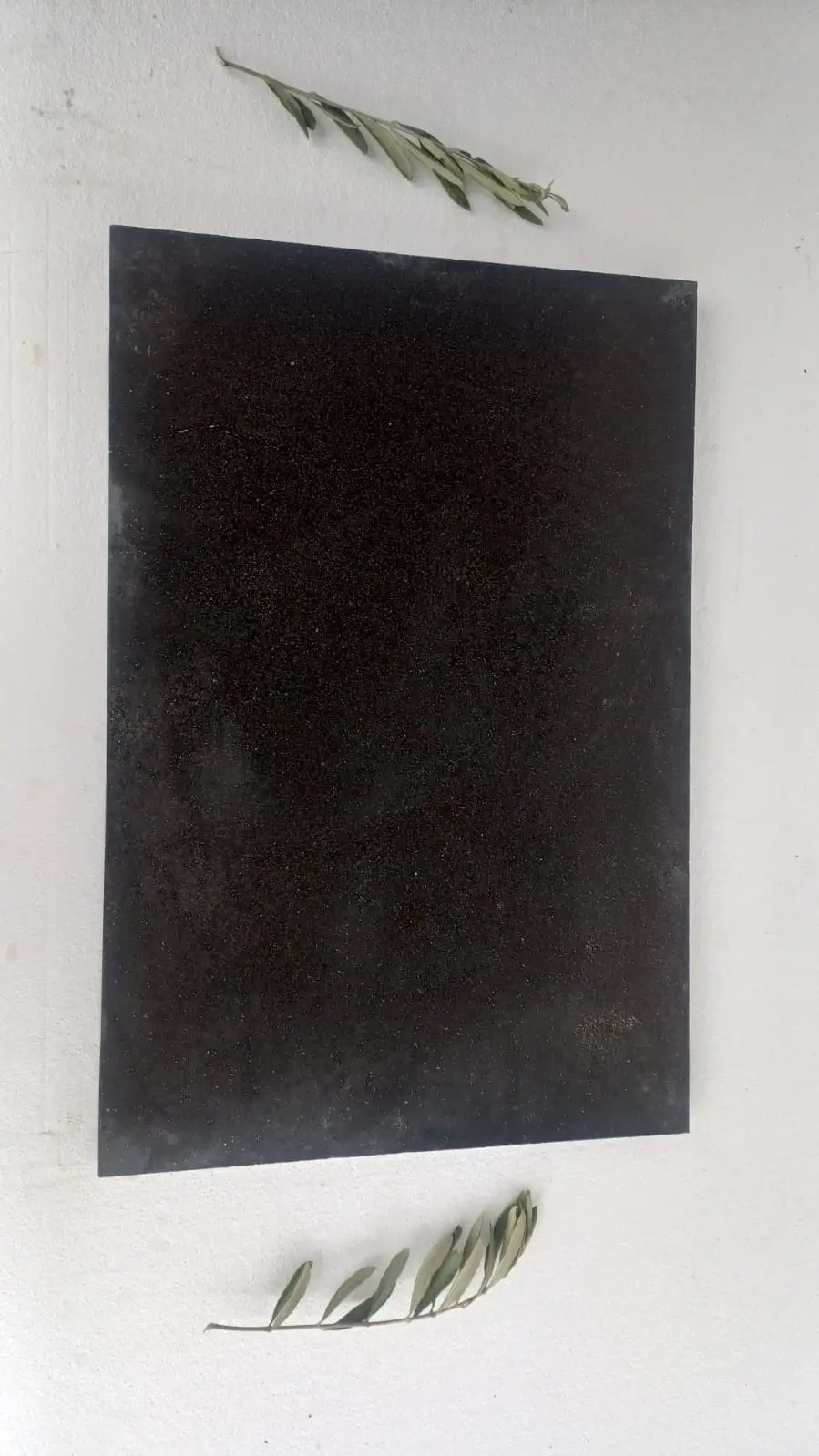
The finish you specify on square limestone pavers shapes everything that follows — sealing performance, color retention, slip resistance, and how quickly UV degradation becomes visible. Three finishes dominate enclosed courtyard applications in Arizona, and each carries a distinct UV performance profile.
- Honed finish: Closed pore structure reduces UV penetration depth, making it the strongest option for color retention — expect 20–30% slower visible fading compared to brushed or tumbled surfaces
- Brushed finish: Micro-textured surface increases effective exposed area, which accelerates surface oxidation slightly but improves slip resistance for courtyard use — a meaningful safety consideration around outdoor seating areas
- Tumbled finish: Most porous of the three common options; UV-induced bleaching appears fastest but the aged aesthetic actually masks early-stage photodegradation better than smoother finishes
- Split-face or rough-sawn: Not recommended for horizontal courtyard surfaces in intense UV zones — the deep surface relief traps moisture and organic material, creating localized chemistry that accelerates UV degradation at high-relief edges
For Gilbert private outdoor rooms with significant wall enclosure, honed limestone delivers the best long-term appearance retention. The smoother surface also reflects a greater proportion of UV rather than absorbing it, which measurably reduces surface temperature differentials between shaded and exposed zones within the courtyard.
Sealing Schedules for Arizona Sun Conditions
Penetrating silane-siloxane sealers are the workhorses of UV-exposed limestone protection. They bond at the molecular level within the stone’s pore network rather than forming a surface film, which means they don’t degrade visually through UV exposure the way film-forming sealers do. Film sealers — acrylics in particular — will yellow, cloud, and peel in Arizona sun within 18–24 months on exterior horizontal surfaces. Avoid them entirely for courtyard installations.
Your sealing schedule needs to account for Gilbert’s specific UV load, not generic manufacturer guidelines developed for temperate climates. Standard recommendations of every 3–5 years simply don’t hold at UV index 11+. For honed limestone in a square limestone courtyard Gilbert application, a realistic schedule looks like this:
- Initial seal: Apply within 30 days of installation, after allowing the stone to fully cure and dry — at least 72 hours after any wet-set mortar work
- First re-application: 18 months post-installation — this interval catches the period when the initial sealer has absorbed the first full Arizona summer and needs reinforcement
- Subsequent cycles: Every 24–30 months for honed surfaces in partial shade; every 18–24 months for brushed or tumbled surfaces with direct sun exposure
- Field test trigger: The water bead test — apply a few drops to the surface; if water absorbs within 60 seconds, the sealer has depleted and re-application is overdue
At Citadel Stone, we recommend clients schedule their first re-application in the spring rather than fall — applying fresh sealer before peak UV season gives the product maximum time to cure and bond before it faces the summer’s most intense radiation load.
Square Paver Layout Considerations for Enclosed Courtyard Design
The enclosed geometry of intimate courtyard spaces in Arizona creates thermal dynamics that directly affect your joint design. Stone surfaces within walled enclosures accumulate heat more aggressively than open patios — reduced air circulation means the thermal mass cycles more intensely between early morning cool and mid-afternoon peak. For a square paver enclosed design in Arizona, spec your dry-laid or mortar joint width at 3/8 inch minimum, with movement joints at every 8–10 feet rather than the 12–15 feet typical of open patio applications.
Limestone’s coefficient of thermal expansion runs approximately 4.4 × 10⁻⁶ per °F. In a courtyard that cycles between 60°F at dawn and 140°F surface temperature at mid-afternoon peak — a realistic range for dark-toned limestone in Gilbert summers — you’re looking at a dimensional change of roughly 1/32 inch per linear foot across the day. That sounds small, but in a 20-foot courtyard, cumulative movement across hundreds of daily cycles is what causes joint failure, not any single heat event. Your movement joint placement prevents that accumulation from becoming cracking.
Projects in San Tan Valley often encounter expansive clay soils beneath the surface decomposed granite layer, which introduces sub-base movement that interacts with thermal expansion at the paver level — a combination that makes proper base preparation and joint design even more critical than in areas with more stable native soils.
Base Preparation and Drainage for Arizona Protected Areas
Enclosed outdoor spaces present a drainage engineering challenge that open patios don’t face to the same degree. Your courtyard walls intercept and concentrate rainfall that would otherwise spread across a larger catchment area, funneling all that volume directly onto your paver surface. For Arizona protected areas with monsoonal precipitation events, the drainage system beneath your limestone installation needs to handle intense, concentrated flow rather than gradual percolation.
A properly engineered base for enclosed courtyard square limestone installations in Gilbert requires:
- Minimum 6-inch compacted aggregate base of 3/4-inch crushed granite — Arizona’s native decomposed granite alone is insufficient as a base material for enclosed spaces with concentrated drainage load
- 1.5–2% cross-slope toward a designated drain point — more than the 1% minimum used for open patios, because enclosed spaces can’t rely on perimeter drainage to handle overflow
- Central or perimeter drain with capacity rated for at least 2 inches per hour — standard Gilbert monsoon events frequently deliver this intensity
- Non-woven geotextile fabric between native soil and aggregate base to prevent soil migration into the drainage layer over time
- Sand setting bed at 1 inch compacted depth for dry-laid installations; use polymer-modified mortar for wet-set applications in areas with concentrated drainage load
Drainage is where most enclosed courtyard installations cut corners — and it’s the single most common cause of premature failure. Water that can’t escape efficiently pools beneath the pavers, undermines the base, and creates the differential settlement that no sealing program can fix after the fact.
Color Retention and Long-Term Appearance Under Arizona’s Sun
Limestone’s natural color palette — cream, buff, warm gray, and muted gold tones — is both an asset and a vulnerability in intense UV environments. The warm calcium carbonate tones you select at installation will lighten progressively under unprotected UV exposure, typically shifting 2–3 color value steps toward white over a 5-year unsealed exposure period. This isn’t structural damage — it’s a cosmetic change that significantly affects the design intent of a carefully planned intimate courtyard space.
Color retention strategy in Arizona UV conditions works on two fronts. First, your sealer choice: silane-siloxane penetrating sealers with UV-inhibitor additives specifically designed for natural stone outperform standard penetrating sealers by measurably slowing the photodegradation process. Second, your stone selection: denser limestone with lower porosity (absorption rate below 3% per ASTM C97 testing) retains color better because UV penetration is shallower, preserving the deeper stone matrix even as the surface oxidizes slowly.
Square limestone pavers in Arizona with a nominal density above 150 lbs/cu ft consistently show better 10-year color stability than softer, more porous varieties. When reviewing material samples for a Gilbert courtyard project, ask specifically for the absorption percentage — that number tells you more about long-term UV color performance than visual inspection of a fresh-cut sample ever will.
You can also review the technical specifications available through Citadel Stone’s brick limestone facility, which provides detailed material data including absorption rates and finish options specific to Arizona project conditions.
Thickness Specifications and Loading for Courtyard Applications
Courtyard applications typically see pedestrian loading only, but the enclosed context introduces equipment access considerations that affect thickness specification. Furniture, planters, and occasional service vehicle access for landscaping or maintenance are realities in Gilbert private outdoor rooms. Your thickness spec needs to reflect the point loads from heavy planters and outdoor furniture legs, which concentrate force in ways that distributed pedestrian load doesn’t.
- 1.5-inch nominal thickness: Appropriate for pedestrian-only enclosed courtyards with no planters heavier than 200 lbs or furniture with leg contact areas below 2 square inches
- 2-inch nominal thickness: Recommended standard for most Gilbert courtyard applications — handles typical outdoor furniture, moderate planter loads, and occasional wheelbarrow or hand-cart access
- 2.5–3-inch nominal thickness: Required when the courtyard design includes large water features, heavy stone furniture, or any motorized equipment access during maintenance seasons
Thickness also interacts with thermal performance in an enclosed UV-exposed environment. Thicker pavers have greater thermal mass, which means they absorb more heat during the day but release it more slowly into the evening — a characteristic that affects how usable your courtyard is during Arizona’s shoulder seasons when evenings are the primary outdoor living window. For square paver enclosed design layouts emphasizing evening use, 1.5-inch pavers actually create a more comfortable surface temperature by midnight than 3-inch installations under the same daytime UV exposure.
Material Sourcing and Delivery Logistics for Gilbert Projects
Enclosed courtyard installations create logistical challenges that open patio work doesn’t face. Truck access to the installation site may be limited or eliminated entirely once the courtyard walls are complete — a sequencing issue that costs projects significant time and money when not addressed in the planning phase. Material delivery needs to happen either before wall construction completes or through a carefully planned opening in the construction sequence.
Citadel Stone’s warehouse inventory across Arizona typically supports 1–2 week lead times on square limestone paver orders, which gives you meaningful flexibility to coordinate delivery with your wall construction schedule. That’s a genuine advantage over imported stone that carries 6–8 week lead times and doesn’t allow the schedule adjustments enclosed courtyard projects often require. Confirm warehouse stock levels before finalizing your construction sequence — available inventory directly affects how tightly you can coordinate your delivery window with your masonry contractor’s wall completion schedule.
Courtyard projects in Yuma present particularly constrained truck access in historic residential neighborhoods, where street width limitations mean delivery vehicles often can’t stage material directly adjacent to the project site — factor an additional material handling cost and staging area into your project budget for those locations.
Installation Sequencing and Field Insights for Enclosed Spaces
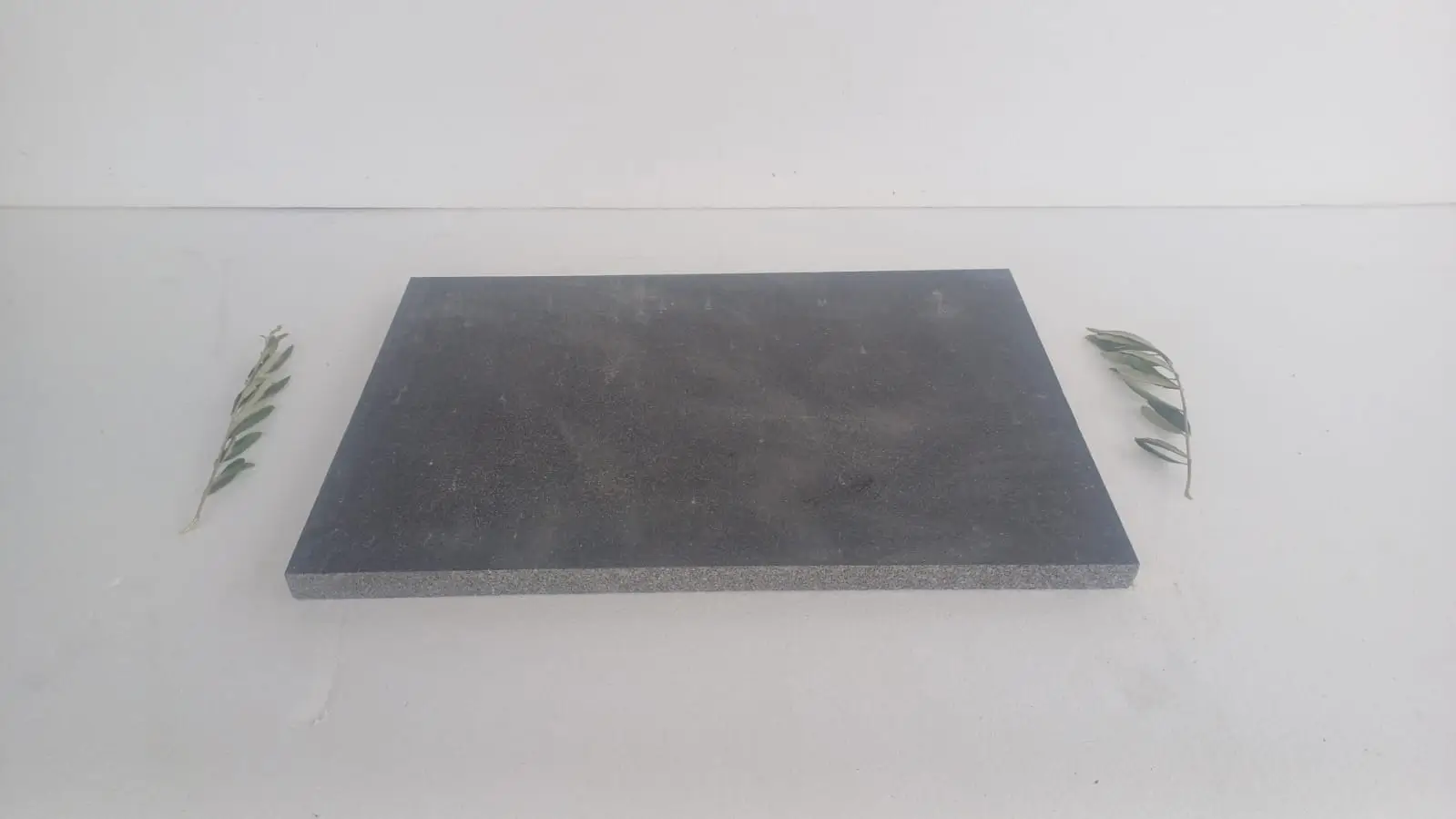
The installation sequence for a square limestone courtyard Gilbert project differs meaningfully from a standard open-patio installation, and the differences matter for both UV performance and long-term stability. Work from the interior toward the perimeter — setting your field pavers first and working toward wall interfaces — rather than the reverse. This approach lets you fit and cut perimeter pieces to the field pattern rather than trying to maintain pattern consistency while working toward a fixed wall.
Cutting limestone for tight courtyard installations in Arizona’s dry climate requires attention to dust management — limestone cutting generates fine calcite dust that creates a slippery film on already-set pavers. Wet-cutting is mandatory both for blade longevity and site safety. The dust also settles into freshly swept joints and can interfere with polymeric sand activation — sequence your joint filling to occur after all cutting is complete and the site has been thoroughly blown and washed down.
Courtyard projects in Avondale benefit from scheduling installation in fall or early spring — limestone’s setting behavior in mortar applications is sensitive to substrate temperature, and setting beds on enclosed courtyard slabs can reach 120–130°F during summer installation windows, which accelerates mortar cure too rapidly and compromises bond strength. A fall installation window gives you both better working conditions and a full winter of cure time before the stone faces its first peak-UV Arizona summer.
Getting the Square Limestone Courtyard Gilbert Specification Right
A square limestone courtyard Gilbert installation that performs for 20+ years comes down to decisions made before the first paver is set: finish selection that resists UV photodegradation, sealing schedules calibrated to Arizona’s actual UV index rather than temperate-climate manufacturer guidelines, base engineering that handles concentrated drainage from enclosed geometry, and delivery logistics sequenced around wall construction. Each of these variables is manageable — but they require deliberate specification, not default assumptions carried over from open-patio experience.
The UV exposure reality in Gilbert is not a reason to avoid limestone in courtyard applications — it’s a reason to specify it correctly from the start. Dense, honed limestone with a proactive sealing program and proper joint design will outlast concrete alternatives in enclosed Arizona protected areas and retain its aesthetic character in ways that manufactured materials simply can’t match. As you finalize your project specifications, the complementary design considerations explored in Square Limestone Paver Modular Design for Chandler Flexible Layouts offer useful perspective on how square limestone performs across different enclosed and semi-enclosed layout configurations throughout the region. Citadel Stone’s limestone brick pavers in Arizona bring Old World craftsmanship to contemporary Arizona landscapes.