
When you’re planning hardscape installations in Arizona’s desert climate, you face a unique challenge: creating beautiful outdoor spaces that don’t waste precious water resources. Smart irrigation hardscape Arizona systems integrate permeable stone materials with automated water management technology, giving you the ability to maintain functional landscapes while reducing consumption by 40-60% compared to traditional methods. You need to understand how these systems work together—the stone properties affect subsurface moisture retention, drainage patterns influence controller programming, and material selection determines long-term irrigation efficiency.
The key to successful integration lies in matching stone porosity characteristics with sensor-based automation. When you specify permeable pavers with 8-12% void space, you’re creating subsurface reservoirs that smart controllers can monitor and manage. Your irrigation system becomes responsive rather than scheduled, adjusting water delivery based on actual soil moisture levels beneath the hardscape. This approach works particularly well in Arizona where evaporation rates exceed 80 inches annually—you’ll see water savings that justify the initial technology investment within 18-24 months.
Permeable Stone Selection Criteria
Your material selection drives everything else in smart irrigation hardscape Arizona applications. You need to evaluate three interconnected properties: porosity range, compressive strength, and surface texture. The relationship between these factors determines how effectively your hardscape manages water while supporting structural loads.
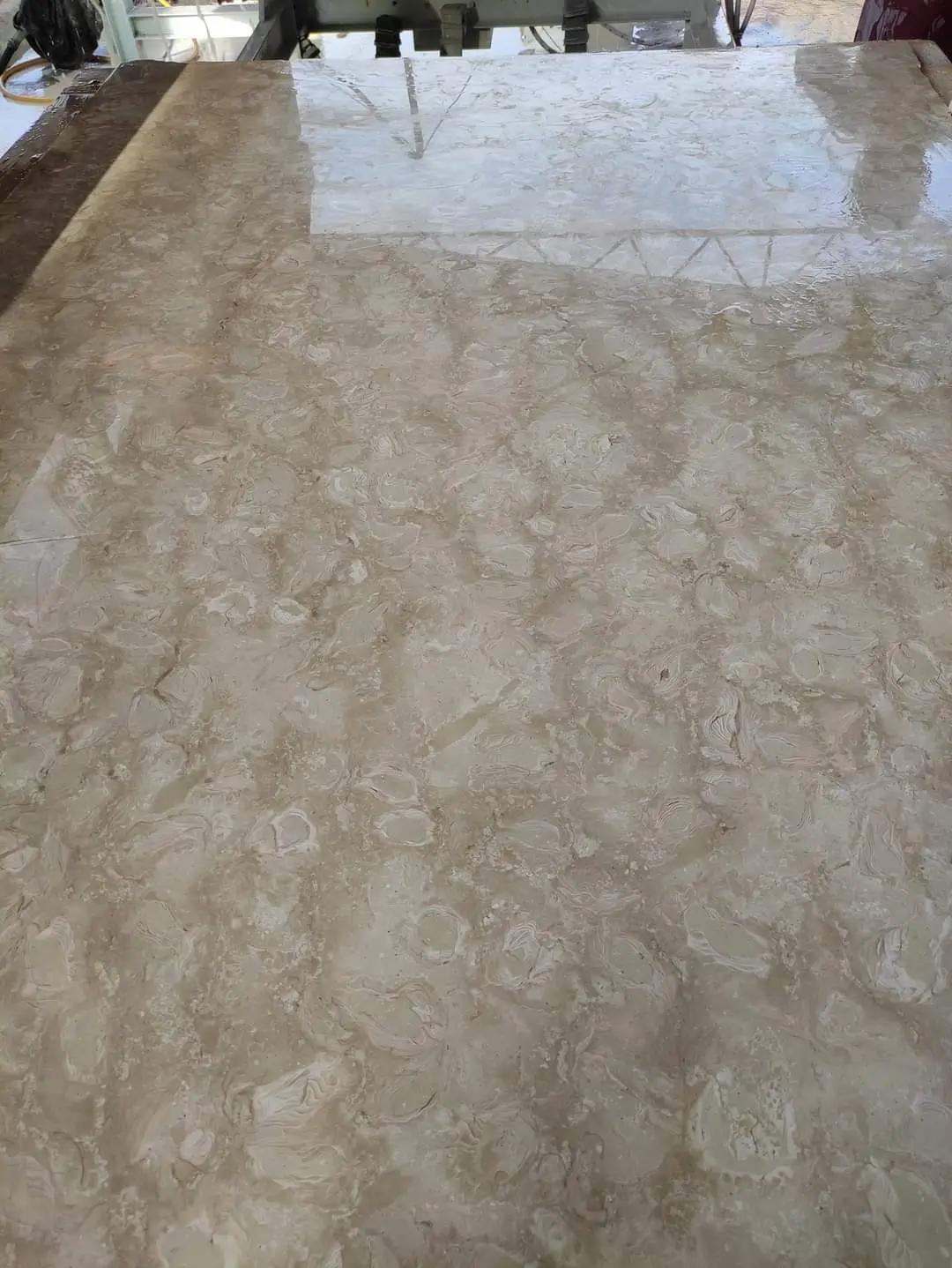
Porosity requirements vary by application, but you’ll want materials in the 6-10% range for most residential and commercial projects. Below 6%, you lose the drainage benefits that make permeable systems effective. Above 10%, you risk structural degradation in high-traffic areas. You should request laboratory testing data showing interconnected pore structure—not just total porosity, because isolated voids don’t contribute to water management.
- You need minimum 8,000 PSI compressive strength for vehicular applications
- Pedestrian areas can use materials in the 6,000-7,000 PSI range
- Your surface texture should provide DCOF ratings between 0.50-0.62 for slip resistance
- Thermal expansion coefficients must stay below 6.0 × 10⁻⁶ per °F in desert climates
The stone’s absorption rate affects how quickly water moves through your system. You’ll find that materials with absorption rates between 3-5% provide optimal performance—fast enough to handle Arizona’s intense monsoon events, slow enough to allow sensor-based irrigation systems to respond. When you test samples, verify the absorption measurement uses the ASTM C140 immersion method, which accurately reflects field conditions.
Water Management Technology Integration
Smart irrigation hardscape Arizona systems rely on three technology layers working together: soil moisture sensors, weather-based controllers, and flow monitoring devices. You need to position these components where they’ll provide accurate data without interference from hardscape thermal mass effects.
Your sensor placement strategy must account for how permeable stone creates microclimates in the root zone. Install moisture sensors 18-24 inches below the hardscape surface, positioned in the aggregate base layer where plant roots actually access water. Surface-level sensors give you misleading readings because the stone’s thermal mass creates temperature differentials that affect sensor accuracy by 15-20%.
Weather-based controllers adjust irrigation schedules using real-time evapotranspiration data. You should program baseline settings that account for the hardscape’s albedo effect—light-colored permeable stone reflects 60-70% of solar radiation, reducing surrounding plant water needs by 12-18% compared to dark asphalt surfaces. Your controller programming needs these offset values or you’ll overwater consistently.
Automation Solutions Performance
Modern automation solutions provide zone-specific control that responds to localized conditions. You’ll achieve better results when you create separate irrigation zones for areas with different hardscape materials—each stone type affects subsurface moisture retention differently. Your controller should receive input from multiple sensors across these zones, averaging readings to prevent overreaction to localized variations.
Flow monitoring adds a critical safety layer. You need devices that detect leaks within 60 seconds and shut down affected zones automatically. In smart irrigation hardscape Arizona installations, underground leaks beneath permeable surfaces are difficult to detect visually—you might lose thousands of gallons before you notice wet spots appearing. Flow sensors that communicate with your controller provide immediate alerts when consumption exceeds programmed parameters.
Base Layer Design Specifications
The aggregate base beneath your permeable hardscape functions as temporary water storage and filtration. You need to design this layer for dual purposes: structural support and moisture management. Your base depth, material gradation, and compaction method all affect how well the smart irrigation system performs.
Minimum base depth starts at 6 inches for pedestrian applications, increasing to 8-12 inches for vehicular loads. You should use open-graded aggregate in the No. 57 or No. 8 size range—these provide 35-40% void space for water storage while maintaining structural integrity. Smaller aggregate sizes compact too densely, reducing permeability below functional thresholds. Larger sizes create voids that are too large, allowing base settlement that damages the hardscape surface.
- Your base layer should achieve 92-95% compaction using vibratory equipment
- You need to verify permeability rates of 100-200 inches per hour in the finished base
- Geotextile fabric between base and subgrade must be non-woven with 140 AOS minimum
- You should install monitoring ports through the base layer for sensor access
The relationship between base permeability and irrigation efficiency is direct. When you design bases that drain too quickly (above 250 inches per hour), water moves through before plant roots can access it—your irrigation system runs more frequently to compensate. Bases that drain too slowly (below 80 inches per hour) create saturated conditions that promote root disease and reduce the effectiveness of sustainable systems.
Sensor Placement Optimization
Where you locate moisture sensors determines how accurately your smart irrigation hardscape Arizona system responds to actual conditions. You need to position sensors in the active root zone, accounting for how permeable pavers affect water distribution patterns.
Your sensor strategy should include multiple devices per irrigation zone. Single-sensor systems react to localized conditions that may not represent the broader area—you’ll see overwatering in some spots, drought stress in others. Install sensors in a triangular pattern with 15-20 foot spacing for residential zones, 25-30 feet for commercial applications. This arrangement captures enough data points for your controller to make informed decisions.
Depth placement requires careful consideration. Too shallow, and sensors respond to surface evaporation rather than root zone moisture. Too deep, and they miss the zone where most water uptake occurs. You’ll get optimal results positioning sensors at 18 inches in sandy soils, 24 inches in clay-heavy soils. The permeable hardscape base layer should extend below sensor depth to ensure you’re measuring conditions in the actual growing environment.
Technology Integration Requirements
Your sensors must communicate reliably with controllers in Arizona’s RF-challenging environment. Wireless systems face interference from metal irrigation components and dense hardscape materials. You should verify signal strength at every sensor location before finalizing installation—minimum RSSI values of -75 dBm ensure consistent data transmission.
Wired sensor networks avoid RF issues but require careful conduit planning. You need to route sensor cables through the base layer during installation, before stone placement. Retrofitting wired sensors after hardscape installation means cutting through finished surfaces—an expensive fix that most clients won’t accept. Your conduit layout should include extra capacity for future sensor additions as technology integration expands.
Drainage Pattern Engineering
Smart irrigation hardscape Arizona systems work best when you engineer deliberate drainage patterns that direct water where you want it. You’re not just allowing water to percolate randomly—you’re creating subsurface channels that guide moisture to specific landscape zones while preventing oversaturation in others.
Your drainage design should incorporate controlled flow paths through the base layer. This means varying aggregate gradation in different areas, creating preferential flow toward planted zones and away from building foundations. You’ll use coarser aggregate (No. 8 or No. 89) in channels where you want rapid drainage, finer material (No. 57) where you want temporary storage. The pattern creates a subsurface irrigation network that supplements your automated system.
Underdrains become necessary when native soil permeability falls below 0.5 inches per hour—common in Arizona’s clay-rich areas. You need 4-inch perforated pipe in gravel-bedded trenches, spaced every 20-25 feet across the hardscape area. These drains prevent water accumulation that would saturate the base layer, compromising both structural performance and irrigation efficiency. Your smart controller should integrate with underdrain monitoring to prevent system operation when base layer moisture exceeds optimal levels.
Controller Programming Strategies
Programming your irrigation controller for smart irrigation hardscape Arizona applications requires you to account for variables that standard lawn irrigation ignores. You’re managing microclimates created by stone thermal mass, variable infiltration rates, and sensor data that reflects subsurface conditions rather than surface observations.
Your baseline programming should establish zone run times that fill the base layer void space without creating overflow. Calculate this by determining base volume, multiplying by void percentage (typically 35-40% for properly installed aggregate), and converting to gallons. If your zone emitters deliver 2 GPH each, you can determine exact run times needed. You’ll then let sensor feedback adjust these baselines up or down based on actual moisture levels.
- You should program seasonal adjustments that account for 40-50°F temperature swings between winter and summer
- Your controller needs rain delay settings of 48-72 hours minimum for monsoon events
- You need to establish soil moisture thresholds between 30-40% for irrigation activation
- Your system should include weekly audit cycles that verify sensor accuracy against manual readings
Advanced controllers allow you to create custom curves that relate sensor readings to irrigation decisions. You’ll achieve better results when you program these curves based on your specific stone material properties. Permeable pavers with higher porosity need different curve parameters than lower-porosity materials—the relationship between sensor reading and actual plant-available water changes with stone characteristics.
Maintenance Access Provisions
Smart irrigation hardscape Arizona systems require periodic maintenance that you need to plan for during initial design. You’ll need access to sensors, valve boxes, and controller components without disrupting finished hardscape surfaces.
Your sensor access points should use removable pavers or designated maintenance hatches. Install these during initial construction, positioning them where you can reach sensor housings for battery replacement and calibration checks. You’ll typically service sensors annually—trying to locate and excavate sensors through completed hardscape costs 4-5 times more than including proper access during installation.
Valve boxes need to stay accessible but shouldn’t create trip hazards in pedestrian areas. You should use flush-mounted boxes with lids that match hardscape surface elevation. Position boxes at zone boundaries where you’d naturally place joint lines in the paver pattern—this makes them visually less obvious while maintaining full accessibility. Your valve box layout should include working clearance of 18 inches minimum around each valve for repair work.
Seasonal Performance Optimization
Arizona’s extreme seasonal variations require you to adjust smart irrigation hardscape Arizona system parameters throughout the year. You’re managing a 45-50°F difference in average temperatures between January and July, along with monsoon patterns that deliver 40-50% of annual precipitation in 8-10 weeks.
Your winter programming should reduce irrigation frequency by 60-70% compared to summer schedules. Permeable hardscape systems retain moisture longer in cool weather—evaporation rates drop to 15-20% of summer levels. You’ll often find that December through February require supplemental irrigation only every 10-14 days, and then only in planted zones with active growth. Your controller should automatically implement these reductions based on temperature data rather than calendar dates.
Monsoon season requires different management. You need your system to pause irrigation when rainfall exceeds 0.25 inches in 24 hours. The permeable base layer will capture and store monsoon moisture—continuing scheduled irrigation creates oversaturated conditions that promote root disease. Your rain sensor should integrate with weather station data, providing both immediate shutdown and forecast-based scheduling adjustments. When the system predicts rain within 48 hours, you should delay irrigation even if current moisture readings would normally trigger a cycle.
Common Integration Mistakes
You’ll encounter several recurring errors when professionals attempt to combine smart irrigation with permeable hardscape. Understanding these mistakes helps you avoid expensive corrections after installation.
- Installing sensors before verifying controller compatibility leads to communication failures you can’t fix without sensor replacement
- Positioning sensors too close to hardscape edges creates readings affected by lateral water migration from adjacent areas
- Programming controllers without accounting for stone thermal mass results in 20-30% overwatering during spring and fall transition periods
- Selecting permeable pavers based only on appearance without verifying drainage rates leads to system performance below design expectations
- Failing to include flow monitoring means small leaks continue undetected, eliminating water savings the system should provide
Another frequent mistake involves treating all permeable surfaces as equivalent in controller programming. You need separate zone programming for areas with different stone materials, base depths, or slope conditions. A single controller program applied across varied conditions underperforms—you’ll see overwatering in areas with higher permeability, drought stress where drainage rates are lower.
Warehouse coordination failures create problems during construction. You should verify material availability and delivery schedules before excavation begins. When specified permeable pavers aren’t in stock, you face delays that affect irrigation system installation timing. Sequential construction requires stone delivery to align with irrigation rough-in work—mismatched timing means reworking completed phases.
Long-Term Performance Monitoring
Your smart irrigation hardscape Arizona system requires ongoing performance verification to maintain design efficiency. You need to establish monitoring protocols that track water usage, sensor accuracy, and system response times.
Monthly water audits should compare actual consumption against programmed targets. You’ll identify problems early when consumption trends 10-15% above baseline—this usually indicates sensor drift, valve leaks, or controller programming errors. Your audit process should include manual soil moisture checks at 3-5 locations per irrigation zone, verifying sensor readings against direct measurements. Sensors that deviate more than 15% from manual readings need recalibration or replacement.
Annual system reviews provide opportunities to adjust programming based on accumulated performance data. You should analyze which zones consistently run longer or shorter than programmed, adjusting baseline settings to match observed patterns. This iterative refinement improves efficiency over time—well-maintained systems typically show 5-8% annual improvement in water use efficiency during the first three years as programming becomes better matched to actual site conditions.
Citadel Stone’s Building Supplies Stone in Arizona — Permeable Hardscape Specification Guidance
When you evaluate Citadel Stone’s building supplies stone in Arizona for smart irrigation integration, you’re considering materials engineered specifically for desert climate performance with water management capabilities. At Citadel Stone, we provide technical specification guidance for permeable hardscape applications across Arizona’s diverse climate zones. This section outlines how you would approach material selection and system design for three representative cities, demonstrating how regional conditions affect your specification decisions.
Smart irrigation hardscape Arizona projects require you to balance material properties with local environmental factors. You would need to consider temperature extremes, precipitation patterns, soil conditions, and seasonal variations that differ significantly between Arizona’s low desert, transition zones, and higher elevation areas. Your material specification must account for these regional characteristics while maintaining the permeability and structural performance that sustainable systems require.
Yuma Desert Applications
In Yuma’s extreme desert environment, you would specify permeable stone with enhanced thermal stability for smart irrigation hardscape Arizona systems. Summer temperatures regularly exceed 115°F, creating surface conditions that reach 140-150°F on dark-colored materials. You would select light-colored stone with albedo values above 0.65, reducing surface temperatures by 20-25°F compared to conventional pavers. Your irrigation controller programming would need adjustment factors that account for reduced evapotranspiration in shaded microclimates the hardscape creates. The region’s minimal rainfall (3-4 inches annually) means your permeable system functions primarily for irrigation water management rather than stormwater control. You would design base layers with 40% void space for maximum moisture retention, allowing smart sensors to maintain optimal root zone conditions with minimal water input.
Mesa Suburban Integration
Mesa’s urban environment would require you to address heat island effects in your smart irrigation hardscape Arizona specifications. You would select permeable materials with 8-10% porosity that provide both water management and temperature reduction benefits. The technology integration becomes more complex in suburban settings—you need wireless sensor networks that communicate reliably despite RF interference from surrounding structures. Your controller programming would account for Mesa’s 8-9 inch annual rainfall, including monsoon patterns that deliver intense precipitation events. You would design the system to capture and store monsoon moisture in the permeable base layer, reducing supplemental irrigation needs for 7-10 days following significant rainfall. Base layer design would include underdrain systems that prevent oversaturation while directing excess water to landscape zones rather than storm drains.
Gilbert Residential Specifications
Gilbert’s residential landscape standards would shape your permeable hardscape specifications for smart irrigation hardscape Arizona integration. You would select materials that meet both HOA aesthetic requirements and functional permeability standards—typically stone with 6-8% porosity that maintains clean appearance while providing adequate drainage. Your sensor placement strategy would account for smaller lot sizes common in Gilbert developments, using 2-3 sensors per typical residential zone rather than single-sensor approaches. The automation solutions you would specify need user-friendly interfaces that homeowners can monitor without professional assistance. You would program controllers with seasonal templates that adjust automatically for Gilbert’s 320 days of sunshine and temperature variations between 40°F winter lows and 108°F summer highs. Base layer specifications would use No. 57 aggregate at 6-8 inch depths suitable for residential loads while providing sufficient storage for the drip irrigation systems common in Gilbert’s water-conscious developments.
Cost-Benefit Analysis Framework
You need to evaluate smart irrigation hardscape Arizona investments using complete lifecycle analysis, not just initial installation costs. The upfront premium for integrated systems typically runs 25-35% above conventional hardscape with standard irrigation, but you’ll recover this investment through reduced water consumption and lower maintenance requirements.
Your water savings calculations should use local utility rates and historical consumption data. In Arizona’s municipal areas, residential water costs range from $4-7 per 1,000 gallons including sewer charges. A typical 2,000 square foot hardscape with integrated smart irrigation reduces annual water use by 30,000-45,000 gallons compared to adjacent lawn areas requiring traditional irrigation. At $5.50 per 1,000 gallons, you’re saving $165-250 annually per installed area. Payback periods typically fall between 5-8 years, improving as water rates increase.
Maintenance cost reductions add to long-term value. You’ll spend less on system repairs when controllers prevent overwatering that damages valves and emitters. Smart systems also reduce landscape replacement costs—plants in properly irrigated permeable hardscape zones show 40-50% longer useful life compared to conventionally irrigated plantings. When you factor these secondary benefits into your analysis, total cost of ownership over 15 years typically runs 15-20% lower for smart irrigation hardscape Arizona installations versus conventional alternatives.
Performance Verification Methods
Documenting that your smart irrigation hardscape Arizona system delivers promised performance requires systematic testing protocols. You need baseline measurements immediately after installation, followed by periodic verification that tracks system efficiency over time.
Your initial verification should measure actual permeability rates across the installed hardscape. Use ASTM C1701 infiltration testing at 5-8 locations per 1,000 square feet, documenting that drainage rates meet or exceed 100 inches per hour. You’ll compare these field measurements against laboratory data for the specified materials, ensuring installation practices didn’t compromise permeability. Results more than 20% below lab values indicate base layer compaction problems you need to address before final acceptance.
Sensor accuracy verification requires you to compare automated readings against manual measurements using calibrated reference devices. You should conduct these comparisons monthly during the first season, establishing confidence in sensor performance. Your verification protocol needs to test sensors across their full measurement range—dry conditions, optimal moisture levels, and saturated conditions. Sensors that maintain accuracy within ±5% across this range are performing adequately. Larger deviations indicate calibration drift or installation problems affecting sensor contact with surrounding material.
Controller response testing verifies that automation solutions react appropriately to sensor inputs. You’ll manually adjust sensor readings (using controller programming interfaces) and confirm that irrigation cycles start and stop at programmed thresholds. Response delays longer than 60 seconds suggest communication problems between sensors and controllers that require troubleshooting.
Future System Expansion
When you design smart irrigation hardscape Arizona installations, you should include provisions for future technology additions. Controller capacity, conduit infrastructure, and power supply systems need excess capacity that accommodates anticipated upgrades.
Your controller selection should include at least 30% unused zone capacity beyond initial requirements. This allows you to add irrigation zones as landscapes mature and water needs change. You’ll also want controllers with firmware update capabilities—irrigation technology advances rapidly, and systems that can’t accept programming updates become obsolete within 5-7 years.
Conduit systems should include spare capacity for additional sensor wiring. You’ll find that property owners often want to expand monitoring after they see initial results. Including extra conduit runs during construction costs 8-10% more than minimum requirements but eliminates expensive retrofit work. Your conduit layout should extend to property boundaries and major landscape zones, even if immediate irrigation plans don’t cover these areas.
Power infrastructure requires similar planning. Smart irrigation components draw modest power individually, but system expansion can exceed original transformer capacity. You should specify power supplies rated 40-50% above initial load calculations, providing headroom for adding sensors, controllers, and monitoring devices without electrical system upgrades.
Regulatory Compliance Considerations
Arizona municipalities increasingly regulate water use through landscape ordinances that affect smart irrigation hardscape Arizona system design. You need to verify that your specifications meet current requirements and position the system to comply with anticipated future regulations.
Many Arizona cities now require smart controllers for commercial irrigation systems, defining “smart” as weather-based or soil moisture sensor control. Your system documentation must demonstrate compliance with these definitions, including technical specifications for controller capabilities and sensor performance. You should maintain records showing controller programming incorporates required features—rainfall shutoff, seasonal adjustment factors, and zone-specific management.
Some jurisdictions offer rebates or expedited permitting for installations that exceed minimum water efficiency standards. You’ll find programs that provide $0.50-2.00 per square foot incentives for permeable hardscape with integrated smart irrigation. Your project documentation needs to include material specifications, system design calculations, and projected water savings to qualify for these programs. The application process typically requires submission before construction begins—you can’t retrofit documentation after installation and expect rebate approval.
Professional Implementation Guidance
Successfully executing smart irrigation hardscape Arizona projects requires you to coordinate multiple trades and manage installation sequencing carefully. Your project timeline must account for material lead times, inspection requirements, and weather constraints that affect both hardscape and irrigation installation.
Excavation and base preparation should occur first, with irrigation rough-in following immediately after base layer installation. You need to complete underground irrigation components before stone placement begins—retrofitting pipes and wires through finished hardscape damages surfaces and rarely achieves proper installation quality. Your construction schedule should include hold points for inspection of base layer compaction, irrigation pressure testing, and sensor placement verification before you authorize paver installation.
For comprehensive technical resources on related stone applications, consult our stone landscaping materials division for detailed specification guidance. Weather coordination becomes critical during Arizona’s summer months when afternoon temperatures exceed safe working conditions. You should schedule irrigation and sensor installation for morning hours when temperatures remain below 95°F—installation quality suffers when crews work in extreme heat. Stone placement can continue during hotter periods since this work proceeds more quickly than irrigation system installation.
Your commissioning process needs to include complete system verification before you consider the project complete. This means testing all irrigation zones, verifying sensor communications, confirming controller programming matches design specifications, and documenting baseline performance measurements. You should provide system training for maintenance personnel or property owners, ensuring they understand controller operation, sensor maintenance requirements, and performance monitoring protocols. Projects commissioned without adequate training typically underperform within the first year as improper adjustments compromise system efficiency. For additional technical information about material thermal properties in sustainable applications, review Thermal conductivity properties of natural stone for geothermal applications before finalizing your material selections. Citadel Stone stocks an impressive range of stone masonry products in Arizona from veneers to full-bed depth stones.