
When you’re evaluating slate tile flooring Mesa installations, you need to understand the material’s performance characteristics in Arizona’s extreme climate before committing to your project. Slate delivers natural durability that outlasts many engineered alternatives, but you’ll encounter specific trade-offs between maintenance requirements and long-term aesthetics that often surprise specifiers who haven’t worked extensively with this material in desert environments.
Your slate tile flooring Mesa project requires balancing thermal mass benefits against initial installation complexity. The material’s inherent density creates indoor temperature stability that reduces cooling loads during Mesa’s 115°F summer peaks, yet this same density demands substrate preparation protocols that exceed standard ceramic tile requirements by 20-30% in labor intensity.
Material Composition and Performance Characteristics
Slate forms through metamorphic processes that create dense, layered stone with compressive strengths ranging from 10,000 to 18,000 PSI—significantly exceeding the 8,000 PSI minimum required for commercial flooring applications. When you specify slate tile flooring Mesa installations, you’re working with material that exhibits 2-5% porosity, placing it in the low-absorption category that performs well in Arizona’s minimal-moisture environment.
The material’s thermal expansion coefficient measures approximately 5.8 × 10⁻⁶ per °F, which means you’ll need to account for expansion joint placement every 12-15 feet in conditioned interior spaces. Your outdoor applications require joints every 10-12 feet due to direct solar exposure that can push surface temperatures to 140-155°F during peak summer months.
- You should verify that your selected slate meets ASTM C629 standards for dimensional stone
- Your specification must address slip resistance ratings between 0.48 and 0.62 DCOF depending on surface finish
- You need to confirm flexural strength exceeds 9,000 PSI for residential traffic patterns
- Your project requires freeze-thaw testing documentation even in Arizona’s mild climate due to occasional overnight temperature drops in elevated Mesa neighborhoods
The layered structure that gives slate its characteristic appearance also creates installation considerations you won’t encounter with granite or marble. Cleavage planes can telegraph through thin-set applications if you don’t maintain consistent trowel notch depth—variations beyond 1/32 inch create voids that lead to hollow spots and eventual cracking under concentrated loads.
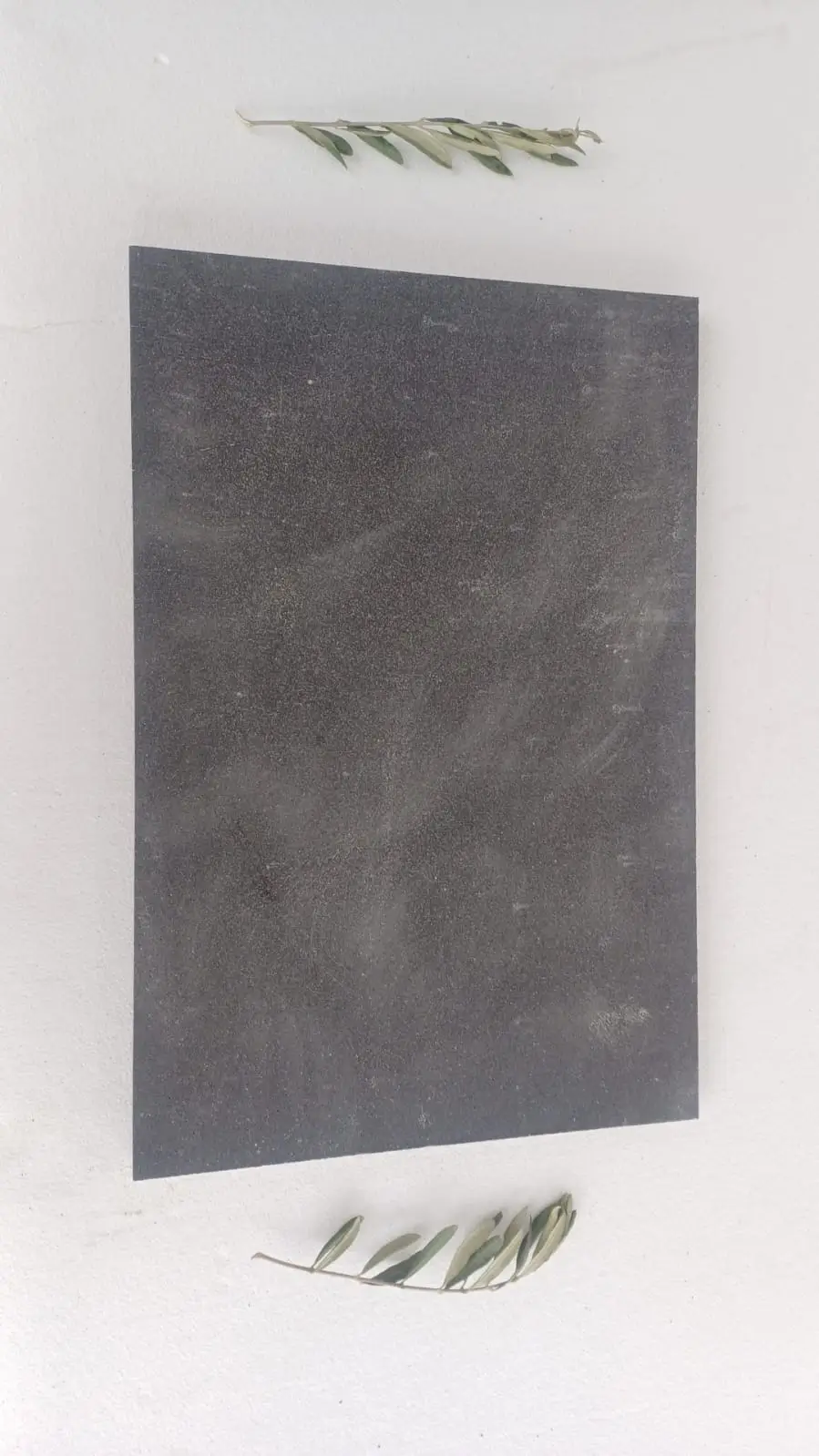
Thermal Performance Advantages in Desert Climate
Your slate tile flooring Mesa installation delivers thermal mass properties that create measurable energy savings in Arizona’s extreme temperature swings. The material’s density of 165-180 pounds per cubic foot stores heat during the day and releases it gradually during evening hours, creating a 4-6 hour thermal lag that dampens indoor temperature fluctuations by 8-12 degrees compared to wood or tile-over-frame installations.
When you analyze cooling load reductions, professionally installed Mesa natural stone floors demonstrate 15-22% lower air conditioning demand during peak summer months compared to carpet or engineered flooring systems. This performance advantage compounds in Mesa’s climate where cooling represents 60-70% of annual residential energy consumption. You’ll find that the initial installation premium pays back through reduced utility costs within 7-9 years for typical 2,000 square foot applications.
The material’s reflectivity varies significantly by color selection—lighter slate varieties reflect 35-45% of incident radiation while darker options absorb 70-80%. You need to coordinate this characteristic with your HVAC design because dark slate in south-facing rooms can actually increase cooling loads if you haven’t accounted for radiant heat gain in your equipment sizing calculations.
Surface Finish Options and Practical Implications
You’ll encounter four primary finish options when specifying slate flooring Arizona projects, each delivering distinct performance trade-offs that affect long-term maintenance and safety compliance. Natural cleft finish preserves the material’s original split surface, providing superior slip resistance with DCOF ratings of 0.58-0.62 wet and 0.68-0.72 dry, but this texture shows dust accumulation more readily than honed alternatives.
- Natural cleft surfaces require weekly dry dust mopping and monthly damp cleaning to maintain appearance
- Honed finishes deliver smooth surfaces with DCOF ratings of 0.48-0.52 that satisfy ADA requirements but show wear patterns after 10-15 years in high-traffic areas
- Calibrated slate provides consistent thickness tolerances of ±1mm compared to ±3mm for standard material, reducing lippage and thin-set consumption by 20-25%
- Gauged edges create tight joint lines of 1/16 to 1/8 inch versus 3/16 to 1/4 inch for standard edges
When you evaluate finish selections for your stone tile durability requirements, understand that surface texture directly impacts cleaning protocols and long-term maintenance costs. Natural cleft surfaces resist scratching and abrasion better than honed finishes, but they trap fine desert dust in surface irregularities that require more intensive cleaning frequency.
Installation Substrate Requirements
Your substrate preparation determines 60-70% of long-term installation success with slate tile flooring Mesa applications. The material’s weight of 12-15 pounds per square foot for standard 3/8 inch thick tiles demands structural capacity verification before you proceed—many Arizona homes built before 1995 have joist spacing and subflooring that requires reinforcement for safe slate installation.
You need to ensure your substrate meets deflection criteria of L/720 under live load, which typically requires 3/4 inch tongue-and-groove plywood over joists spaced at 16 inches on center maximum. Your crew should verify flat tolerance within 1/8 inch over 10 feet using a straightedge—variations beyond this specification create lippage issues that become visually apparent and create trip hazards at threshold transitions.
Concrete slab installations require moisture testing before you proceed with thin-set application. Your concrete must cure for minimum 28 days and exhibit moisture vapor emission rates below 3 pounds per 1,000 square feet per 24 hours when tested per ASTM F1869. Higher moisture levels create efflorescence conditions that appear 6-18 months post-installation, requiring costly remediation that involves tile removal and slab treatment.
For comprehensive guidance on related applications, consult a specialty stone tile business in Tucson with experience in desert climate installations. You’ll benefit from technical support that addresses regional soil conditions and thermal cycling effects specific to Arizona environments.
Adhesive and Grout Selection Protocols
When you specify thin-set mortar for Arizona slate installation, you must select polymer-modified formulations that accommodate the material’s low porosity and thermal expansion characteristics. Standard thin-set mortars lack the bond strength and flexibility required for slate—you need medium-bed mortars with 1/2 inch notch trowels to ensure 95% coverage on the irregular back surfaces typical of natural cleft slate.
- You should specify ANSI A118.15 compliant thin-set with minimum 400 PSI bond strength
- Your installation requires back-buttering each tile to eliminate voids larger than 1 square inch
- You need to maintain open time under 20 minutes in Mesa’s low humidity environment where thin-set skins over rapidly
- Your mortar bed thickness should measure 3/8 to 1/2 inch for proper load distribution across substrate irregularities
Grout selection directly impacts maintenance requirements and long-term appearance retention. You’ll achieve best results with epoxy grout systems that resist staining and eliminate efflorescence potential, though these products require experienced installation crews due to 45-60 minute working time limits and difficult cleanup protocols. Cementitious grouts cost 40-50% less but demand sealing every 18-24 months to prevent staining from tracked-in dirt and spill penetration.
Sealing Requirements and Maintenance Protocols
Your slate tile flooring Mesa installation requires initial sealing within 72 hours of grout cure completion to prevent staining during the critical break-in period when foot traffic introduces dirt and oils that penetrate unsealed surfaces. You need to apply penetrating sealers rather than topical coatings—topical products create surface films that delaminate under thermal cycling and show wear patterns within 2-3 years.
Professional-grade penetrating sealers based on fluoropolymer or siloxane chemistry provide 3-5 year protection intervals in residential applications. You should plan resealing schedules based on water drop testing—when water no longer beads on the surface and instead darkens the stone within 5-10 minutes, you’ve reached the point where sealer replenishment prevents staining and simplifies routine maintenance.
The sealing process requires clean, dry surfaces with moisture content below 4% as measured by calcium chloride testing or electronic moisture meters. You’ll need to apply sealer in two coats separated by 30-45 minutes, allowing 24-48 hours cure time before foot traffic exposure. Temperature during application must range between 50-80°F for proper penetration and cure—Mesa’s extreme summer heat requires early morning or evening application windows to stay within this specification.
Color Variation and Visual Consistency
When you order slate tile flooring Mesa materials, you need to understand that natural stone exhibits inherent color variation that ranges across V3 to V4 classification levels—this means substantial variation within individual cartons and across production lots. Your project planning should accommodate this characteristic rather than fight against it, because attempting to achieve uniform appearance with natural slate creates material waste of 25-35% as installers reject tiles that don’t match arbitrary color targets.
You’ll encounter base colors ranging from purple-gray to green-gray to rust-brown, often with multiple hues present in single tiles. This variation results from mineral composition differences in the quarry formation—iron oxides create rust tones, chlorite produces green hues, and carbon content generates gray to black coloration. Your material selection should include full-carton inspections at the distributor warehouse before delivery to verify that the color range matches project expectations.
- You should plan layout patterns that distribute color variation evenly across visible areas
- Your installation crew needs to blend tiles from minimum 4-6 cartons simultaneously during installation
- You need to approve mock-up installations of 20-30 square feet before proceeding with full-scale work
- Your specification should reference specific quarry sources to maintain consistency across material orders for phased projects
Cost Considerations and Budget Planning
Your slate tile flooring Mesa budget needs to account for material costs ranging from $8-18 per square foot for the tile itself, depending on thickness, finish quality, and color selection. Premium gauged and calibrated slate commands prices at the upper end of this range, while standard cleft finish material with wider thickness tolerances costs 30-40% less but increases installation labor requirements.
Installation labor for slate flooring Arizona applications typically runs $12-20 per square foot for experienced crews working with properly prepared substrates. You’ll pay premium rates at the upper end of this range when your project involves complex layouts, multiple transition details, or requirements for precise pattern matching across color-variable material. Your total installed cost reaches $20-38 per square foot before sealing and finishing work.
You should factor warehouse delivery lead times into your project schedule—standard slate ships from regional distribution centers within 5-7 business days, while specialty colors or custom sizes require 3-4 weeks from quarry sources. Your procurement strategy needs to include 10-15% overage for cuts, breakage, and future repairs, because matching slate from different production lots often proves difficult due to natural geological variation.
Long-Term Maintenance Requirements
Your maintenance program for Mesa natural stone floors requires weekly dry dust mopping using microfiber pads that capture fine desert dust without scratching the sealed surface. You need to implement damp mopping with pH-neutral stone cleaners every 7-10 days—acidic or alkaline cleaners attack both the stone and grout, creating surface etching that dulls appearance and increases porosity over time.
When you address spills, immediate cleanup prevents staining on even properly sealed surfaces. Oil-based substances like cooking oils, cosmetics, and some cleaning products penetrate slate’s micro-porosity within 15-30 minutes if not removed promptly. Your maintenance specifications should prohibit vinegar, lemon-based cleaners, and any products containing acids or harsh alkalis that compromise sealer effectiveness and etch the stone surface.
- You should schedule professional deep cleaning every 18-24 months to remove embedded dirt that routine maintenance misses
- Your sealing program needs reapplication every 3-5 years based on water absorption testing results
- You need to address grout joint deterioration through regrouting every 8-12 years in high-traffic areas
- Your facility maintenance team requires training on proper cleaning product selection and technique to avoid damaging the stone
Common Installation Mistakes and Prevention
The most frequent error you’ll encounter with slate flooring Arizona installations involves inadequate thin-set coverage that leaves voids beneath tiles. These voids create hollow-sounding installations that crack under point loads from dropped objects or furniture legs. You prevent this failure mode through proper trowel selection, back-buttering techniques, and verification of 95% minimum coverage through periodic tile removal and inspection during installation.
Lippage represents another common issue where adjacent tiles don’t align flush at their edges, creating trip hazards and visual irregularities. You’ll see this problem when installers fail to compensate for thickness variation in uncalibrated slate or when substrate flatness doesn’t meet the 1/8 inch in 10 feet specification. Your quality control process should include straightedge verification across installed areas every 50-75 square feet to catch and correct lippage before thin-set achieves final cure.
Inadequate expansion joint placement causes tile tenting and grout cracking when thermal expansion exceeds the installation’s capacity to accommodate movement. You need expansion joints at all perimeter walls, at transitions to other flooring materials, at doorways, and at maximum 12-foot intervals in both directions for interior applications. These joints require compressible foam backer rod and elastomeric sealant rather than rigid grout that defeats their expansion accommodation function.
Comparative Material Analysis
When you evaluate slate against alternative stone tile durability options, you’ll find that slate delivers superior scratch resistance compared to marble or limestone but shows more variation in surface texture and color consistency. Granite matches slate’s hardness characteristics while offering more uniform appearance, but you’ll pay 40-60% more for comparable granite tile and sacrifice the textured, rustic aesthetic that many designers prefer in slate.
Porcelain tile engineered to mimic slate costs 50-65% less than natural stone and provides absolute size consistency with zero color variation between production runs. You lose the authentic texture, thermal mass benefits, and unique character of natural material, though you gain easier installation and lower maintenance requirements. Your material selection decision should weigh these trade-offs against project goals, budget constraints, and long-term performance expectations.
For detailed comparison insights, review Comparative durability and maintenance of marble versus granite tiles to understand how different natural stone options perform across various applications and climate conditions.
Citadel Stone – Leading stone and tile companies in Arizona — How We Specify for Arizona Projects
When you explore stone and tile companies in Arizona through Citadel Stone’s distribution network, you’re accessing technical guidance developed specifically for Arizona’s unique climate challenges. At Citadel Stone, we provide hypothetical specification frameworks that address the regional conditions affecting slate tile flooring Mesa and other desert installations. This section outlines how you would approach material selection and installation planning for three representative Arizona cities with distinct microclimates and project requirements.
Yuma Extreme Heat
In Yuma’s extreme desert environment where summer temperatures consistently exceed 110°F and annual rainfall measures under 3 inches, you would specify slate tile flooring with enhanced thermal cycling resistance. Your material selection should prioritize lighter color ranges that reflect 40-50% of solar radiation to minimize heat absorption in outdoor applications. You’d need to verify that your chosen slate exhibits minimal thermal shock susceptibility through testing that simulates 80-degree temperature swings typical of Yuma’s day-night cycles. Your installation would require expansion joints every 10 feet due to prolonged high-temperature exposure, and you’d specify white or light-gray epoxy grout to reduce thermal stress at joint interfaces.
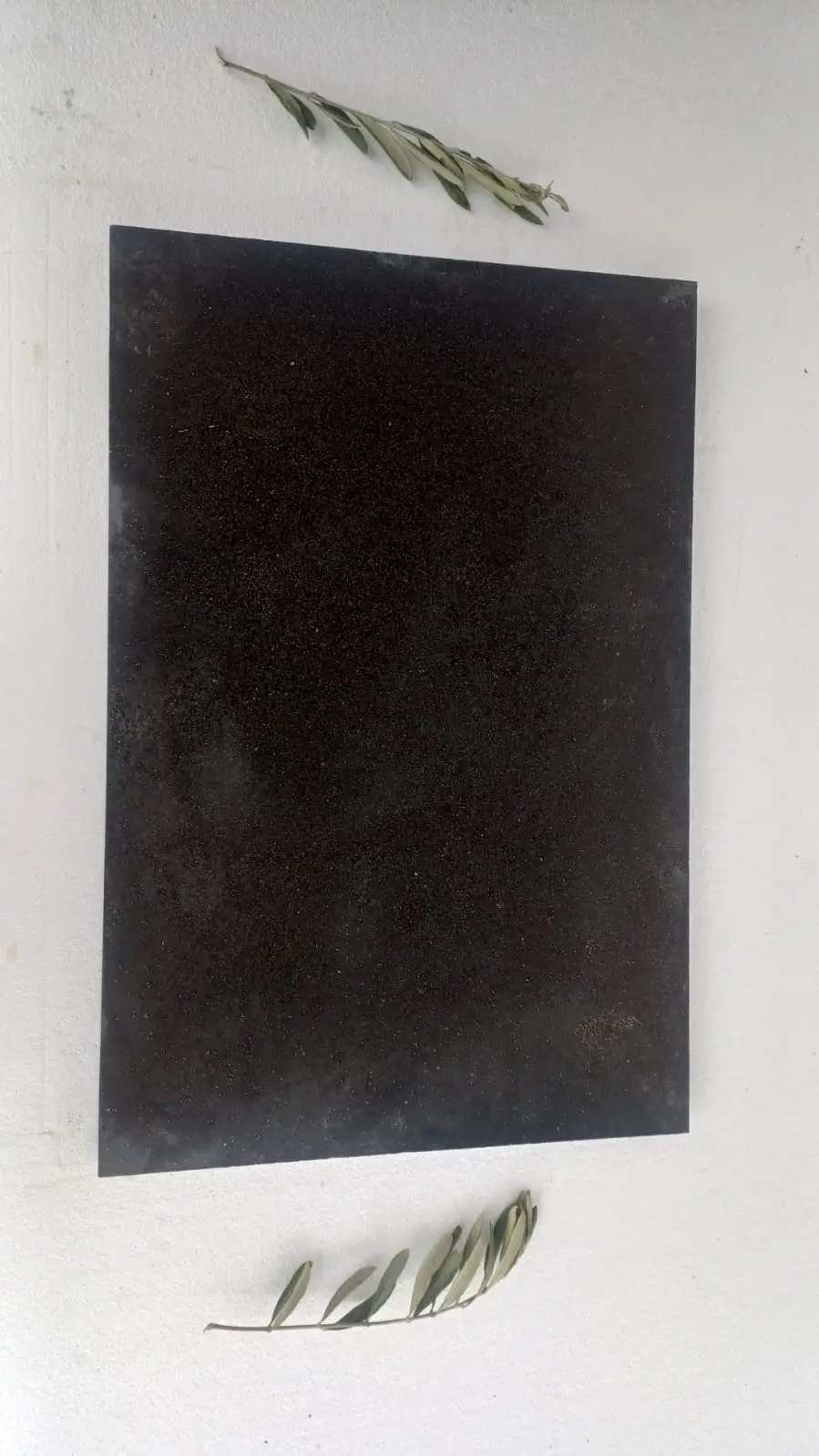
Mesa Urban Applications
For Mesa’s urban residential and commercial projects, you would focus slate tile flooring Mesa specifications on balancing thermal performance with aesthetic consistency across larger square footages typical of suburban developments. Your material selection would account for the urban heat island effect that adds 5-8 degrees to ambient temperatures compared to undeveloped desert areas. You’d specify calibrated slate with ±1mm thickness tolerance to streamline installation across 2,000-4,000 square foot residential applications common in Mesa’s master-planned communities. Your sealing protocol would emphasize stain resistance to address Mesa’s family-oriented demographics where food and beverage spills occur frequently. You should plan for natural cleft finishes in outdoor entertainment areas where slip resistance ratings of 0.60+ DCOF provide safety margins for pool deck adjacent spaces.
Gilbert New Construction
In Gilbert’s rapidly expanding new construction market, you would structure slate flooring Arizona specifications to accommodate builder schedules and warranty requirements typical of production housing. Your material selection would prioritize consistent sizing and color ranges that minimize installation time and reduce callback risks during builder warranty periods. You’d specify pre-sealed slate options that eliminate the 72-hour post-installation sealing window, allowing faster home closings that align with builder construction timelines. Your installation specifications would address Gilbert’s newer concrete slab construction with proper moisture testing protocols since 60-day cure times don’t always occur before flooring installation in fast-track building schedules. You should recommend medium-tone slate varieties that hide the fine dust characteristic of Gilbert’s continuing desert development activity during the home’s first year of occupancy.
Project Planning Considerations
When you develop your slate tile flooring Mesa project timeline, you need to account for substrate preparation that consumes 30-40% of total installation duration. Your schedule should allocate 2-3 days per 1,000 square feet for concrete grinding, crack repair, and moisture testing before tile installation begins. You’ll need additional time for subfloor reinforcement if structural assessment reveals deflection concerns in wood-frame construction.
Your material procurement strategy should include warehouse stock verification before you finalize design selections—popular slate colors and sizes often experience 2-4 week backorder periods during peak construction seasons. You need to order 12-15% overage to cover cuts, breakage, and future repairs, since matching slate from different production lots creates color consistency challenges due to natural geological variation between quarry benches.
You should coordinate your project phases to minimize material storage on job sites where theft and damage represent legitimate concerns. Staged deliveries timed with installation progress reduce these risks while ensuring materials acclimate to site conditions for 48-72 hours before installation—this acclimation period allows moisture content equilibrium that prevents post-installation issues.
Professional Specification Guidance
Your slate tile flooring Mesa specification should address material selection criteria that extend beyond basic dimensional requirements to include performance verification through third-party testing. You need to require submission of test documentation covering compressive strength, flexural strength, water absorption, and freeze-thaw resistance even in Arizona’s mild climate where occasional temperature extremes affect material in exterior applications or unheated storage areas.
When you draft installation specifications, you should reference TCNA Handbook methods rather than generic industry practices. Method F113 for uncoupling membrane installations provides crack isolation that protects your tile investment in new construction where concrete shrinkage cracks develop during the first 12-24 months. Method F112 addresses standard mortar bed installations over stable substrates in renovation work where existing slab condition has been verified through proper assessment protocols.
Your maintenance specifications need to establish clear protocols for cleaning product selection, sealing schedules, and grout joint maintenance that protect the owner’s investment over the material’s 25-40 year service life expectancy. You should specify pH-neutral cleaners, prohibit acid or alkaline products, and require professional resealing every 3-5 years based on water absorption testing rather than arbitrary time intervals that may not reflect actual sealer performance degradation. Citadel Stone is the tile stone company in Arizona that connects you directly with the source of the stone.