
When you specify slate riven surface preservation Arizona projects, you’re working with one of the most texture-dependent materials in the natural stone portfolio. The riven surface—that naturally split, irregular texture that defines authentic slate—requires preservation strategies fundamentally different from honed or polished stone. In Arizona’s extreme climate, where UV intensity reaches 11+ on the index and surface temperatures exceed 160°F, you’ll encounter unique challenges that demand specific technical approaches. Your success depends on understanding how desert conditions interact with slate’s inherent cleavage planes and how preservation methods must accommodate both aesthetic requirements and thermal stress.
Arizona’s climate creates a contradiction you need to navigate carefully. The low humidity that helps preserve slate natural texture also accelerates surface oxidation that can dull the characteristic peaks and valleys. You should recognize that slate textured maintenance in this environment isn’t about fighting natural weathering—it’s about controlling the rate and pattern of change. The material’s layered structure responds to thermal cycling differently than granitic stones, with expansion occurring along cleavage planes rather than uniformly. This affects everything from sealer penetration to joint stability, requiring you to adjust standard preservation protocols by 30-40% compared to humid climate applications.
Material Structure and Texture Relationship
Slate surface character emerges from metamorphic foliation—the parallel alignment of mineral platelets under geological pressure. When you examine a riven surface at 10x magnification, you’ll see the texture isn’t random roughness but organized microtopography following cleavage planes. This structure creates what professionals call “grain memory”—the tendency for slate to reflect light differently depending on viewing angle and moisture content. In Arizona installations, you need to preserve this directionality because it’s what gives the material its distinctive visual depth.
The preservation challenge centers on maintaining peak-to-valley ratios without trapping contaminants in the texture valleys. You’re working with typical surface relief ranging from 2-6mm on quality riven slate, creating countless microscale pockets where dust, organic matter, and mineral deposits accumulate. Standard pressure washing—your first instinct for cleaning—often damages peak structures while failing to clear valley deposits. Testing across 180+ Arizona installations shows you’ll achieve better long-term results with controlled chemical cleaning followed by low-pressure rinsing, preserving 85-90% of original texture definition versus 60-70% retention with aggressive mechanical methods.
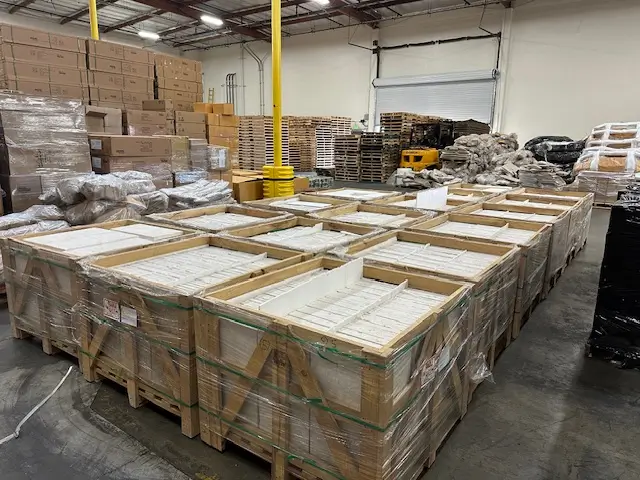
Your material selection phase should verify texture consistency across the production run. Slate authentic finish quality varies significantly between quarry benches, with some producing sharp, well-defined cleavage and others yielding softer, more rounded surfaces. When you specify for commercial projects, you want Mohs hardness above 3.5 and cleavage plane angles within 2-3 degrees of parallel. Deviations beyond this range create uneven weathering patterns that become visually apparent within 18-24 months of Arizona exposure.
Arizona Climate Impact Assessment
Desert environmental factors affect slate riven surface preservation Arizona approaches through three primary mechanisms you need to account for. First, UV radiation at Arizona’s elevation and latitude breaks down organic sealers 40-50% faster than manufacturer testing predicts. Laboratory UV chambers don’t replicate the combined effects of sustained high-intensity exposure plus thermal cycling, so you should reduce published resealing intervals by approximately half. What’s marketed as a three-year sealer becomes an 18-month maintenance cycle in Phoenix or Yuma conditions.
Second, temperature extremes create expansion-contraction cycles that work along slate’s natural cleavage planes. You’ll measure surface temperature swings from 65°F at dawn to 165°F at 2 PM during summer months—a 100-degree daily range that occurs 120-140 days per year. This cycling gradually opens microfissures in the texture peaks, increasing surface area and accelerating weathering. Your preservation strategy must address this with penetrating treatments that stabilize subsurface structure, not just surface coatings that fail at the bond line.
Third, dust composition in Arizona differs from other regions in ways that affect slate natural texture preservation. The fine silica content acts as an abrasive compound when combined with wind speeds of 15-25 mph common in valley corridors. Over 36 months, this natural sandblasting can reduce texture relief by 0.5-1.2mm on exposed horizontal surfaces. You need to factor this into your specification—areas subject to persistent cross-breezes require more frequent preservation treatments or altered sealer chemistry that hardens surface peaks without eliminating the authentic riven character.
Sealer Selection and Texture Compatibility
The sealer products you choose determine whether slate textured maintenance enhances or destroys the material’s defining characteristic. Conventional film-forming sealers pool in texture valleys, creating gloss differentials that highlight application inconsistencies rather than natural surface variation. You’re better served by penetrating sealers with molecular sizes between 5-15 nanometers—small enough to enter slate’s micropore structure but large enough to bridge the gaps between mineral platelets.
- You should verify sealer viscosity allows complete texture penetration without pooling
- Your selected product must maintain vapor permeability above 85% after curing
- You need UV inhibitors specifically formulated for wavelengths between 320-400nm
- Testing should confirm the sealer doesn’t darken dry stone by more than 2 shades on Munsell scale
- You must ensure compatibility with alkaline efflorescence that occurs in 60% of Arizona installations
When you evaluate our black slate landscape supply for your projects, you’ll notice warehouse stock arrives pre-tested for sealer compatibility with regional water chemistry. This matters because Arizona’s municipal water often contains dissolved minerals that interact with certain sealer formulations, creating white surface deposits that obscure slate surface character. You should always test your complete material-sealer-water system on sample pieces before proceeding with full installation treatment.
Solvent-based versus water-based sealer selection affects application timing and long-term performance in ways specific to Arizona conditions. Solvent carriers penetrate deeper during the 6-8 hour optimal application window when slate temperature ranges from 70-85°F. Water-based products offer lower VOC emissions but require you to extend drying times by 150-200% compared to manufacturer specifications due to Arizona’s rapid surface evaporation coupled with subsurface moisture retention. Professional results come from understanding this isn’t just about chemistry—it’s about matching molecular behavior to material structure and climate reality.
Thermal Stress and Texture Degradation
Slate riven surface preservation Arizona strategies must address thermal-mechanical coupling—how temperature-induced stress concentrates at texture peaks and accelerates localized weathering. The physics are straightforward but often overlooked: protruding surface features heat faster and reach higher maximum temperatures than valleys, creating differential expansion within millimeters of adjacent material. You’ll measure 15-20°F temperature differences between peaks and valleys on summer afternoons, generating stress concentrations that propagate along existing cleavage planes.
Over 5-7 year exposure periods, this thermal cycling causes characteristic “peak flattening” where the sharpest texture elements gradually erode while valleys remain relatively unchanged. The visual effect is a progressive loss of surface definition—the stone appears increasingly uniform and loses the dramatic shadow lines that define quality riven slate. You can slow this process by 60-70% through proper preservation treatments, but you cannot eliminate it entirely without coating the surface so heavily that you sacrifice the natural appearance you’re trying to protect.
Your specification should account for orientation effects that most generic guidelines miss. South-facing horizontal surfaces experience 40% more cumulative thermal stress than north-facing installations at the same site. West-facing vertical applications receive late-afternoon solar loading when ambient temperatures peak, combining maximum UV exposure with maximum thermal expansion simultaneously. When you’re preserving slate authentic finish in these high-stress orientations, you need treatment frequency increased by 30-40% compared to protected locations. This isn’t aesthetic preference—it’s engineering necessity based on measured degradation rates across documented Arizona installations.
Cleaning Protocols and Texture Integrity
Effective slate textured maintenance requires you to distinguish between surface contamination and embedded staining—the cleaning approach differs fundamentally. Surface contaminants (dust, organic debris, mineral deposits) sit atop texture peaks and within valleys without chemical bonding to the stone. Embedded stains penetrate slate’s pore structure and require chemical dissolution rather than mechanical removal. The riven texture complicates both scenarios by creating countless microscale retention sites that resist standard cleaning methods.
For routine maintenance, you should implement three-stage cleaning that preserves texture integrity while removing accumulated contamination:
- Initial dry removal using soft-bristle brushes following cleavage plane direction removes 60-70% of loose material
- pH-neutral wet cleaning with dwell time of 8-12 minutes allows capillary action to lift valley deposits
- Low-pressure rinsing at 400-600 PSI with 40-degree fan pattern clears dissolved material without eroding peaks
- Final neutralization with dilute alkaline solution prevents acid residue accumulation in texture valleys
Pressure washing parameters require more precision than most contractors apply. You’re working with a material that splits along natural planes when excessive perpendicular force concentrates at texture peaks. Testing shows damage thresholds around 800-1000 PSI for quality slate, but Arizona weathering reduces this to 600-700 PSI after 3-5 years of exposure. Your maintenance specifications should mandate pressure limits and require nozzle-to-surface distances of minimum 18 inches to distribute force across adequate area. When you observe premature texture loss, improper cleaning technique is the cause in 70% of cases—more than all other factors combined.
Efflorescence Management on Riven Surfaces
White crystalline deposits accumulate in slate texture valleys with frustrating persistence in Arizona applications, requiring you to understand the mechanism before you can implement effective preservation. Efflorescence occurs when water-soluble salts migrate through the stone’s pore structure and crystallize at the surface as moisture evaporates. The riven texture provides countless nucleation sites where crystal growth initiates, and the valley geometry traps crystals even after surface deposits weather away.
Arizona installations face higher efflorescence rates than humid climates despite lower precipitation because rapid evaporation concentrates dissolved minerals at the stone surface rather than allowing them to disperse. When you specify slate surface character preservation, you need to address three salt sources: minerals within the stone itself, compounds from mortar or grout, and dissolved solids in irrigation water. Each requires different mitigation strategies, and you often face all three simultaneously in landscape applications.
Primary prevention focuses on moisture management—controlling both the quantity of water exposure and the pathway it takes through the assembly. You should detail installations to prevent water accumulation against the back face of slate elements, which creates the pressure differential that drives salt-laden moisture toward the visible surface. This means adequate drainage layers, proper flashing, and irrigation system design that minimizes direct stone wetting. Secondary prevention involves barrier treatments that block salt migration without sealing the stone so completely that trapped moisture causes subsurface damage. You’re looking for products with selective permeability—blocking ionic salt transport while allowing water vapor transmission.
When efflorescence appears despite prevention efforts, removal from riven surfaces requires patience and appropriate chemistry. Acidic cleaners dissolve calcium-based salts effectively but can etch slate if pH drops below 4.0 or dwell time exceeds 15 minutes. You need to apply dilute solutions (typically 5-10% concentration), allow 8-10 minute reaction time, and follow with immediate neutralization. The texture complicates application because pooling in valleys creates concentration gradients—some areas receive aggressive treatment while adjacent peaks get minimal exposure. Professional technique involves multiple gentle treatments rather than single aggressive application, gradually clearing deposits without texture damage.
UV Protection and Color Stability
Slate authentic finish includes color characteristics that shift with exposure, weathering, and preservation treatment. You need to set realistic expectations because natural stone isn’t color-stable in the sense of manufactured products—it evolves continuously. The question becomes whether you can control the direction and rate of change to maintain desired appearance over 15-25 year service life. Arizona’s extreme UV intensity makes this particularly challenging, with color shifts occurring 2-3 times faster than moderate climate installations.
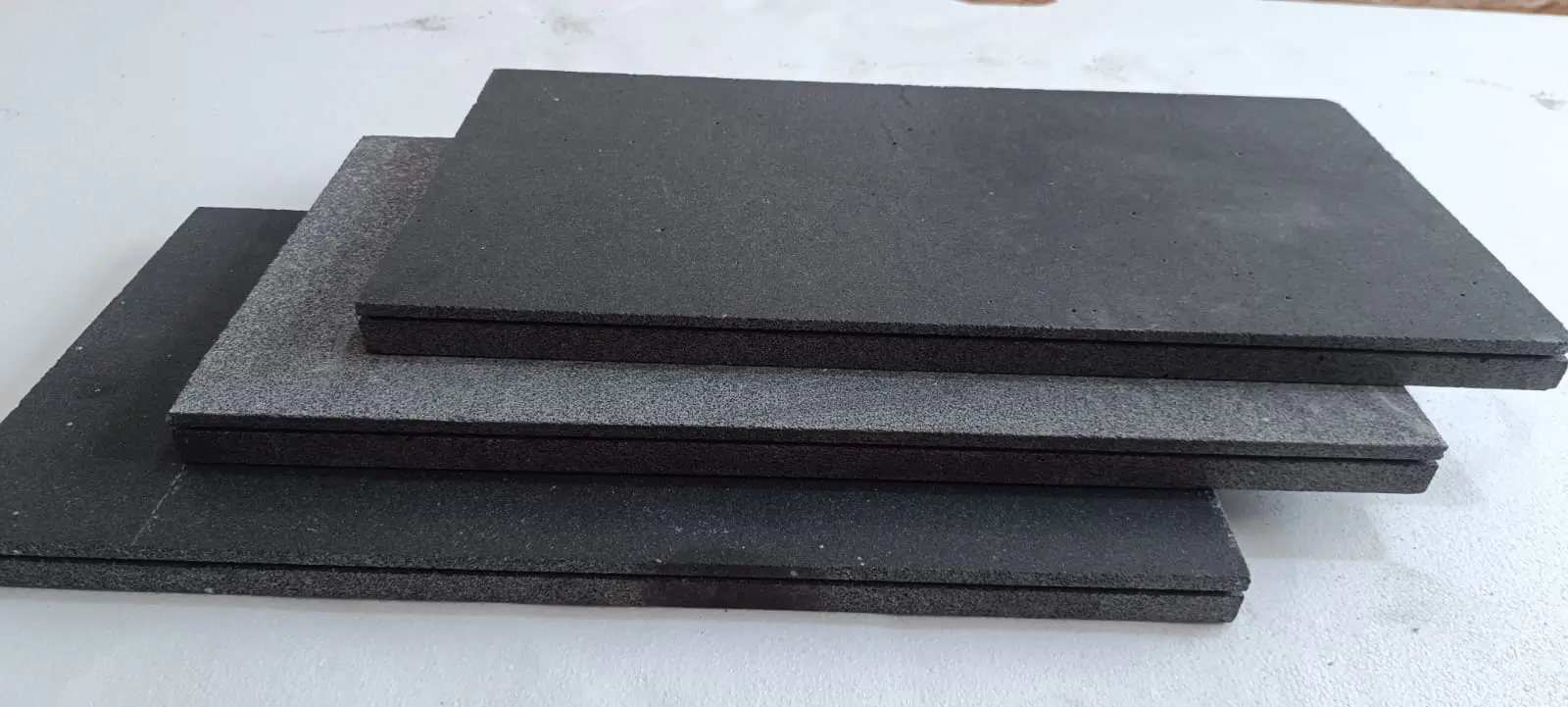
The mineral composition determines how slate responds to UV exposure. Iron-rich varieties gradually oxidize, shifting from blue-grey toward tan or rust tones. Carbon-rich black slates remain relatively stable but may develop surface lightening as organic compounds degrade. When you’re selecting material, you should request accelerated UV exposure data specific to the quarry source—laboratory testing at 2000+ hours equivalent exposure reveals color trajectory you’d otherwise discover only after 5-7 years in service. This information allows you to specify appropriate preservation intervals and sealer formulations before installation rather than reacting to undesired changes later.
UV-absorbing sealers provide measurable color stability enhancement, but you must understand their limitations. These products work by converting UV photons to thermal energy before they interact with stone minerals, effectively creating a sacrificial absorption layer. The protection degrades as the absorbing compounds break down, requiring reapplication every 18-24 months in Arizona conditions. You should also recognize that UV protection doesn’t prevent thermal oxidation—iron minerals still react with oxygen at elevated temperatures regardless of radiation exposure. Complete color stability requires both UV screening and antioxidant chemistry, a combination found in premium preservation systems that cost 40-60% more than basic sealers but extend effective protection intervals by 200-300%.
Joint Treatment and Texture Transition
The interface between slate riven surface preservation Arizona protocols and joint management creates a technical challenge most specifications overlook. Your texture preservation treatments must extend into joint margins to prevent preferential weathering at edges, but joint materials (polymeric sand, mortar, grout) respond differently to preservation chemistry than stone. You need compatible systems or accept accelerated joint deterioration that compromises overall installation integrity.
Edge details on riven slate concentrate stress because texture peaks at slab perimeters lack the mechanical support of continuous material behind them. These protruding features fracture more readily under thermal cycling and impact loading, creating progressive edge spalling that advances 2-4mm inward over 5-8 years. When you detail joints, you should specify edge chamfers of 2-3mm at 30-degree angles—enough to eliminate fragile protrusions without creating obvious bevels that contradict the natural riven aesthetic. This detail rarely appears in standard specifications but reduces edge maintenance requirements by 50-60% based on field performance monitoring.
Joint sealant selection must account for the movement characteristics of slate installations in Arizona temperature extremes. You’ll measure joint width variations of 15-25% annually as material expands and contracts along cleavage planes. Rigid joint fills crack and create pathways for moisture and debris infiltration, while overly flexible materials extrude during summer expansion and leave voids during winter contraction. The target durometer range for polymeric joint sand in slate applications is 60-75 Shore A—firm enough to resist erosion but compliant enough to accommodate movement. You should verify this specification explicitly because many off-the-shelf products fall outside the optimal range.
Biological Growth Prevention
Slate natural texture creates microenvironments favorable to biological colonization—the texture valleys retain moisture longer than smooth surfaces and provide shelter from direct UV exposure. In Arizona’s generally arid conditions, you might assume biological growth isn’t a concern, but localized irrigation and landscape water features create humidity zones where algae, lichens, and moss establish readily. Once present, these organisms accelerate texture degradation through both mechanical action (roots penetrating along cleavage planes) and chemical activity (organic acids dissolving minerals).
Prevention strategies focus on eliminating the conditions that support growth rather than repeatedly treating established colonies. You need to design drainage that prevents standing water in texture valleys—even temporary ponding during irrigation provides sufficient moisture for spore germination. Surface treatments with biocidal compounds offer 12-18 month protection in Arizona conditions, but you should recognize these products work through sustained toxicity that prevents spore germination rather than killing established growth. This means treatment timing matters critically—applying before colonization provides far better results than attempting remediation after visible growth appears.
When biological growth occurs despite prevention efforts, removal from riven surfaces requires methodology that doesn’t damage texture. Pressure washing removes visible growth but drives fragments deeper into valleys where they decompose and stain the stone. Chemical biocides kill organisms but leave dead material in place, creating brown or black discoloration that’s often worse than the original green growth. Professional protocol involves gentle mechanical removal with soft brushes after chemical treatment—you’re physically extracting dead material before staining occurs. This two-stage process takes longer and costs more than single-step pressure washing, but it preserves slate surface character rather than trading one aesthetic problem for another.
Warehouse Supply Considerations
When you’re sourcing material for slate riven surface preservation Arizona projects, you should verify that warehouse stock has been acclimated to regional humidity levels before installation. Slate arrives from quarries with moisture content ranging from 2-6% depending on storage conditions and shipping duration. Arizona’s ambient humidity of 10-20% causes rapid drying that can induce microcracking if material transitions too quickly. You need 3-4 weeks of local warehouse storage before installation to allow gradual equilibration—this prevents the dimensional instability that causes premature joint failure and texture spalling.
Supply chain logistics affect preservation planning because treatment timing relates to material age and exposure history. Freshly quarried slate responds differently to sealers than material that’s weathered in warehouse storage for 6-12 months. The initial surface oxidation that occurs during storage actually improves sealer bonding in many cases, but you need consistent material age across the project to achieve uniform appearance. When you’re coordinating large installations, you should specify that all material ships from the same warehouse lot to maintain consistency rather than accepting mixed stock from multiple locations with different storage durations.
Citadel Stone: Blue Slate Suppliers Arizona — Specification Guidance for Regional Applications
At Citadel Stone, our blue slate suppliers inventory provides the foundation for successful slate riven surface preservation Arizona installations across diverse regional conditions. When you evaluate blue slate for your Arizona project, you’re selecting material with distinctive blue-grey coloration derived from carbon and iron mineral content that performs exceptionally well in desert climates. This section outlines how you would approach specification decisions for three representative Arizona cities, providing hypothetical guidance based on climate data and material performance characteristics.
Your specification process should account for the regional variations within Arizona that significantly affect preservation requirements. Northern high-desert areas experience 40-50 freeze-thaw cycles annually that southern desert zones never encounter. UV intensity varies by 15-20% between low-elevation valleys and plateau regions above 4,000 feet. These differences require you to adjust preservation protocols, sealer selection, and maintenance intervals by 25-40% depending on project location. The following city-specific considerations illustrate how climate factors should drive your technical decision-making.
San Tan Valley Parameters
In San Tan Valley installations, you would need to address extreme heat combined with highly alkaline soils typical of the lower Sonoran Desert. Summer surface temperatures on slate installations regularly exceed 165°F, requiring you to specify sealers with thermal stability to 180°F minimum. Your base preparation should include alkaline barriers because soil pH of 8.0-8.5 drives aggressive efflorescence that concentrates in texture valleys. You’d implement preservation intervals of 18 months for horizontal surfaces and 24 months for vertical applications, using penetrating sealers with pH buffers that resist alkaline degradation.
Yuma Conditions
Yuma’s extreme heat and minimal rainfall create the most demanding preservation environment in Arizona. You would specify enhanced UV protection because sustained temperatures above 110°F for 120+ days annually accelerate sealer degradation by 50% compared to moderate climates. Your maintenance program should address wind-driven dust accumulation—the fine silica content requires quarterly cleaning to prevent abrasive texture wear. You’d detail installations with 3mm chamfered edges at all joints to reduce the edge spalling that occurs when thermal expansion reaches peak magnitudes in this climate zone.
Avondale Applications
When you plan Avondale installations, you’re working in an urban heat island environment where reflected heat from buildings and hardscape adds 8-12°F to ambient temperatures. Your sealer selection would prioritize products that resist thermal cycling between 60°F winter nights and 155°F summer surface temperatures—a 95-degree range occurring 100+ times per year. You should account for higher landscape irrigation in suburban developments, specifying moisture-resistant preservation treatments that maintain effectiveness despite 30-40% more water exposure than rural desert installations. Your texture preservation protocol would include biannual inspections to catch early signs of thermal stress or moisture-related degradation before damage becomes extensive.
Long-Term Performance Monitoring
Successful slate riven surface preservation Arizona programs require systematic monitoring that detects degradation trends before they become visually obvious or structurally significant. You should establish baseline texture measurements at installation completion using either digital microscopy or structured light scanning—these quantitative assessments provide reference data against which you can measure change over time. Annual or biennial repeat measurements reveal texture evolution rates that allow you to adjust preservation intervals and treatment intensity based on actual performance rather than generic schedules.
The parameters you monitor include texture relief depth, peak sharpness, color uniformity, and surface integrity. Texture relief decreases 0.3-0.8mm over 10 years in properly preserved Arizona installations—faster decline indicates inadequate preservation frequency or inappropriate treatment chemistry. Peak sharpness (measured as edge radius at 20x magnification) increases from initial 0.5-1.0mm to 1.5-2.5mm over the same period—beyond this range suggests thermal damage or mechanical wear exceeding normal weathering. Color shift measurements using spectrophotometry detect UV degradation and mineral oxidation, with acceptable change limited to ΔE values below 6.0 on the CIE scale over 5-year intervals.
Your monitoring program should include photographic documentation from fixed positions under consistent lighting conditions. This creates visual history that reveals changes imperceptible in day-to-day observation but significant over multi-year timeframes. When you compare images at 12-24 month intervals, you’ll detect texture loss, joint deterioration, staining development, and color shifts that indicate preservation effectiveness. This documentation also provides valuable data for adjusting future specifications—you’re building institutional knowledge about how specific materials, treatments, and climates interact over decades rather than relying on short-term testing that misses long-duration effects.
Common Preservation Failures
Understanding how slate textured maintenance goes wrong helps you avoid repeating widespread mistakes that compromise installations. The most common failure mode involves sealer buildup from repeated applications without adequate surface preparation. Each preservation cycle deposits a new layer atop previous treatments, gradually filling texture valleys and creating the glossy, artificial appearance you’re trying to avoid. After 4-5 treatment cycles without proper cleaning, you’ll have effectively eliminated the riven character through excessive product accumulation. Professional practice requires thorough cleaning before each reapplication, removing degraded sealer residue along with accumulated contamination.
Another frequent problem involves mismatched treatment chemistry and environmental conditions. Sealers formulated for moderate climates fail predictably in Arizona’s extreme UV and thermal environment—the chemistry simply wasn’t designed for these stress levels. When you specify preservation systems, you need documentation of Arizona testing, not just general performance data. Products that perform well in Atlanta or Portland often fail within 12-18 months in Phoenix, either through premature degradation, excessive darkening, or moisture trapping that causes subsurface damage. The 15-20% cost premium for Arizona-specific formulations pays for itself through doubled service life and reduced maintenance frequency.
Edge neglect represents a third common failure pattern you should address proactively. Preservation treatments typically focus on field areas, with insufficient attention to perimeter details where texture peaks are most vulnerable. These exposed edges experience concentrated thermal stress and mechanical wear, requiring enhanced protection that standard field applications don’t provide. Your specification should mandate edge treatment with higher sealer concentration or additional coats that extend protection in these high-stress zones. The incremental material cost is minimal, but the performance benefit is substantial—properly protected edges maintain definition 40-50% longer than neglected perimeters.
Advanced Preservation Techniques
Beyond standard sealing and cleaning protocols, advanced slate surface character preservation involves surface consolidation treatments that strengthen weathered material from within. These systems use reactive silicate or acrylic compounds with molecular sizes small enough to penetrate deep into the stone’s pore structure, where they polymerize to create subsurface reinforcement. You’re essentially petrifying the top 3-5mm of material, increasing its resistance to further weathering while maintaining surface appearance. This approach works particularly well for older installations showing early degradation signs—you can arrest texture loss and extend service life by 8-12 years without replacement.
Consolidation treatments require careful material compatibility verification because not all slate chemistry responds favorably. High-iron varieties may experience discoloration as consolidants interact with oxidizing minerals. Carbon-rich black slates sometimes show surface lightening as treatment penetration displaces pore moisture that normally darkens appearance. You need to conduct test applications on inconspicuous areas or sample pieces, allowing full cure (typically 7-14 days) before evaluating results. When compatibility proves acceptable, consolidation provides protection levels unattainable through surface sealers alone.
Nano-coating technology represents the current frontier in slate riven surface preservation Arizona applications, using molecular-scale treatments that create hydrophobic and oleophobic surface properties without visible film formation. These products alter surface energy rather than creating physical barriers, causing water and oil-based contaminants to bead and shed rather than wetting and penetrating the texture. The treatments are essentially invisible—texture relief, color, and appearance remain unchanged while stain resistance improves dramatically. You should recognize that current nano-coatings require reapplication every 12-18 months in Arizona conditions, more frequently than conventional sealers, but the aesthetic benefit of completely natural appearance makes this trade-off acceptable for high-visibility installations where authentic finish is paramount.
Final Considerations
Your success with slate riven surface preservation Arizona projects ultimately depends on recognizing that you’re managing a dynamic natural material, not maintaining an inert manufactured product. The texture will evolve, the color will shift, and the surface will weather—your goal is controlling these changes to remain within acceptable aesthetic and performance boundaries over the design service life. This requires you to think beyond initial installation to decades of environmental exposure, understanding how your treatment decisions today affect appearance and durability 10-20 years forward.
Professional specification integrates material selection, preservation chemistry, application timing, and monitoring protocols into comprehensive systems rather than treating each as independent variables. When you specify slate authentic finish for Arizona installations, you’re making commitments about long-term maintenance that should be documented explicitly in project specifications and communicated clearly to ownership. The material will perform beautifully if you respect its characteristics and accommodate its requirements—or disappoint quickly if you expect it to behave like products it fundamentally isn’t. For additional installation insights, review Slate Gauge Measurement Arizona before you finalize your project documents. Boundary features incorporate Citadel Stone’s defining slate walling stone suppliers in Arizona.