
When you evaluate where to source natural stone for commercial or residential projects in Arizona, you face a decision that affects your bottom line, project timeline, and material quality. The choice between a slab yard vs retail Arizona outlet determines more than just pricing — it shapes your entire procurement process, from selection flexibility to delivery coordination.
Big box retailers offer convenience and familiar surroundings, but you’ll quickly discover their limitations when you need specific dimensions, consistent lot matching, or expert technical guidance. Your project deserves better than generic inventory and staff who can’t answer questions about thermal expansion coefficients or porosity requirements.
Understanding the real cost differences between local slab yard Arizona pricing advantage channels and retail markup structures helps you make informed decisions that protect project budgets while ensuring material performance. You should know exactly what you’re paying for — and what you’re not getting when you choose retail over wholesale access.
Wholesale vs Retail Pricing Structure
The fundamental difference between a slab yard in Arizona wholesale benefits model and retail pricing comes down to markup layers and business overhead. When you purchase from a retail outlet, you’re funding showroom displays, extensive advertising campaigns, and multiple profit margins built into every transaction.
Local slab yards operate with lean overhead structures focused on volume sales to trade professionals. You’ll find pricing that reflects actual material costs plus reasonable margins — typically 25-40% lower than retail equivalents for comparable quality stone. This granite yard Arizona contractor savings advantage compounds significantly on large commercial projects where material costs represent substantial budget line items.
Here’s what affects your actual cost per square foot:
- Retail outlets add 45-65% markup over wholesale acquisition costs to cover showroom operations and consumer marketing expenses
- Slab yards maintain 15-25% margins designed for trade volume, passing savings directly to professional buyers like you
- Big box stores bundle fabrication services at fixed rates that don’t accommodate custom specifications or competitive bidding
- Direct slab yard relationships give you flexibility to source fabrication separately, often reducing total project costs by 20-30%
When you examine the marble slab yard value proposition, you need to account for more than just the posted price per square foot. Your total acquisition cost includes delivery scheduling flexibility, material selection time, technical support quality, and return policies for damaged or mis-specified materials.
Material Selection and Inventory Depth
Retail stone suppliers maintain limited inventory focused on popular consumer preferences — you’ll see the same dozen granite patterns and standard marble varieties regardless of which big box location you visit. This cookie-cutter approach fails when your project requires specific aesthetic matches, performance characteristics, or regional material sourcing.
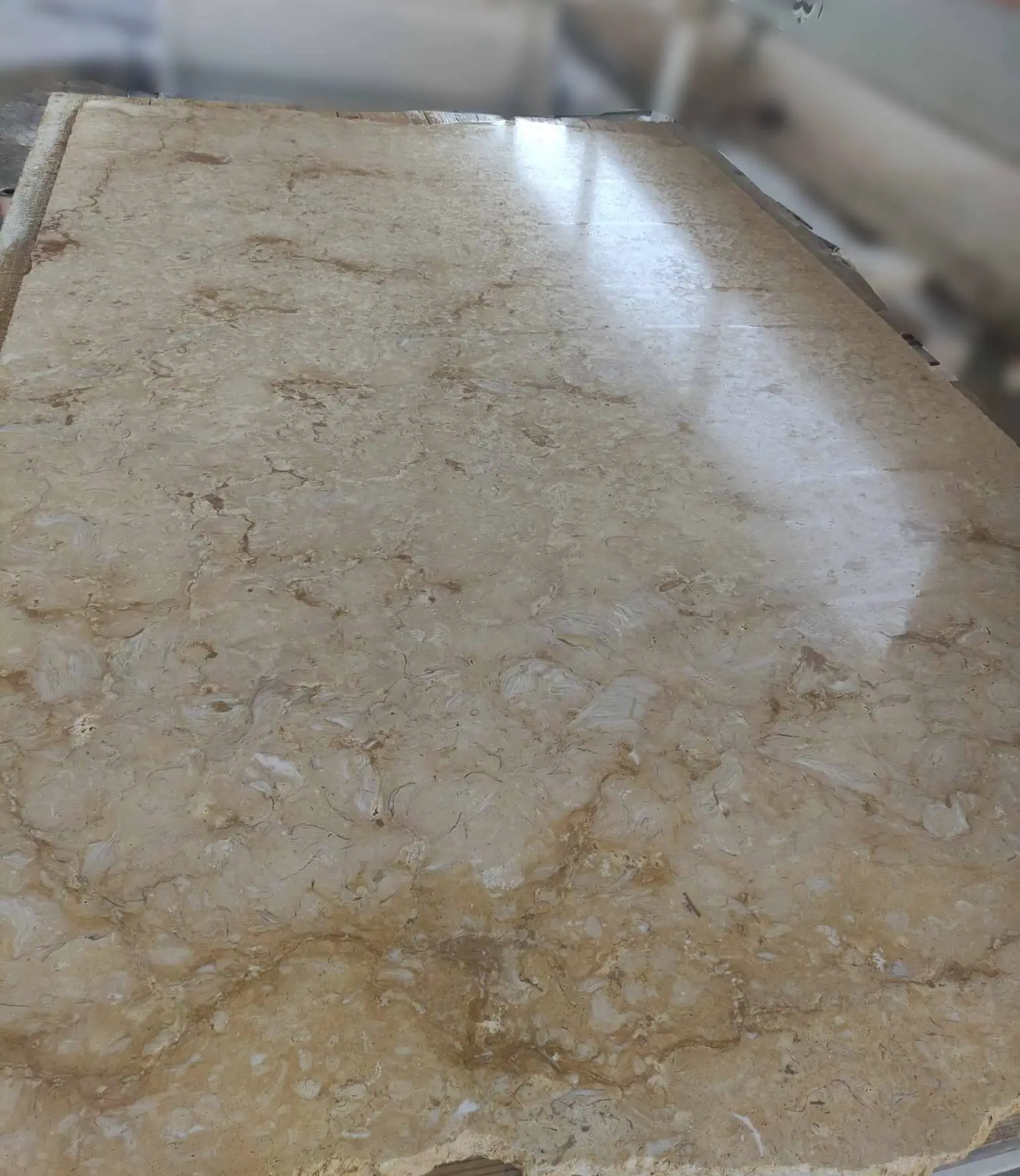
A slab yard vs retail Arizona comparison reveals dramatic differences in selection depth. Professional stone yards stock 200-400 different stone varieties, maintaining multiple slabs per type to ensure lot matching for large installations. You gain access to exotic imports, regional quarry materials, and specialty finishes that retail chains never carry.
Your material selection process benefits from seeing full slabs rather than small samples. Retail outlets display 12×12 inch tiles that don’t reveal the veining patterns, color variation, or natural characteristics you’ll encounter across a 120 square foot slab. When you evaluate options at a granite yard Arizona contractor savings location, you inspect actual inventory, identifying the specific slabs that will become your finished installation.
The slab yard in Arizona wholesale benefits model extends to material availability and reorder capacity. If your project phases extend over months, you need assurance that additional material from the same lot remains accessible. Retail operations rarely maintain deep stock or quarry relationships that guarantee extended availability — you’ll face constant substitution challenges and aesthetic inconsistency.
Technical Expertise and Specification Support
Walk into any big box store and ask about thermal expansion coefficients for their granite selection — you’ll encounter blank stares and offers to “check with a manager.” Retail staff receive basic product knowledge training focused on closing sales, not providing the engineering-level guidance your specifications require.
Professional slab yards employ stone specialists who understand material science, regional climate factors, and application-specific performance requirements. When you need to verify that your selected material meets ASTM C615 standards for limestone or C503 for marble, you’ll get definitive answers backed by quarry certifications and laboratory test results.
Here’s the technical support you can expect from local slab yard Arizona pricing advantage sources:
- Compressive strength data for structural applications where load-bearing capacity determines material suitability
- Porosity measurements that affect sealing requirements, stain resistance, and freeze-thaw durability in northern Arizona climates
- Slip resistance coefficients for pool decks, commercial entries, and ADA-compliant installations
- Thermal properties relevant to exterior applications in desert environments where surface temperatures exceed 140°F
You need this depth of knowledge when you’re specifying materials for architect-driven projects with detailed performance criteria. The marble slab yard value proposition includes access to technical documentation that supports your specification submittals and helps you navigate building department reviews with confidence.
Delivery Logistics and Project Scheduling
Retail stone suppliers operate on consumer-focused delivery schedules with limited flexibility for commercial project timelines. You’ll face restricted delivery windows, minimum order requirements that don’t align with construction phasing, and truck access limitations that complicate site logistics.
When you work with a slab yard vs retail Arizona supplier, you gain control over delivery coordination that matches your actual construction schedule. Professional stone yards understand that your project phases around structural completion, weather windows, and subcontractor availability — not arbitrary delivery routes optimized for residential customers.
Warehouse inventory management at dedicated stone yards provides transparency into material availability. You can verify stock levels before committing to project timelines, ensuring that your selected slabs remain allocated to your job rather than sold to the next customer. This inventory control prevents the mid-project substitution nightmares that plague retail sourcing relationships.
Your site conditions often require specialized delivery equipment — narrow access roads, overhead clearance restrictions, or staged deliveries to multiple buildings within a development. Granite yard Arizona contractor savings extend beyond material costs to include delivery flexibility that prevents expensive project delays caused by logistics failures.
Custom Fabrication Coordination
Big box retailers bundle stone sales with in-house fabrication services using standardized edge profiles, fixed countertop configurations, and limited customization options. You’ll find yourself constrained by their production capabilities rather than your design intent or client specifications.
The slab yard in Arizona wholesale benefits model separates material supply from fabrication, giving you freedom to select fabricators based on capability, pricing, and specialty expertise. When your project requires waterjet cutting, CNC profiling, or hand-carved details, you need access to fabrication shops that specialize in those techniques — not generic production facilities focused on standard kitchen countertops.
This separation creates competitive bidding opportunities that reduce your total project costs. You can obtain fabrication quotes from multiple shops while securing material directly from the slab yard at wholesale pricing. The combined savings typically exceed 25-30% compared to bundled retail packages that eliminate competitive pressure.
Professional stone yards maintain relationships with regional fabricators, providing referrals based on your specific project requirements. You benefit from their knowledge of which shops excel at complex radius work, which maintain the tightest tolerances, and which consistently meet aggressive deadlines without compromising quality.
Quality Consistency and Lot Matching
Natural stone varies significantly between quarry blocks, extraction dates, and finishing processes. When you source material for large installations, you need multiple slabs from the same production lot to ensure visual consistency across the completed project.
Retail outlets rarely maintain sufficient inventory depth to guarantee lot matching. You might select a beautiful marble sample, place your order, and receive material from three different quarry blocks with noticeable color and veining variations. This inconsistency creates expensive rework, client dissatisfaction, and potential rejection of installed material.
A marble slab yard value approach prioritizes lot integrity and visual matching. Professional buyers can review multiple slabs simultaneously, selecting specific pieces that work together aesthetically while meeting coverage requirements. For guidance on related natural stone options, see our complete slab yard inventory for comprehensive material selections. You’ll identify and reserve exact slabs rather than ordering generic quantities that arrive with unwelcome surprises.
When you specify premium materials like book-matched marble or vein-cut travertine, lot matching becomes critical to achieving the architectural effect your design requires. Slab yards that cater to trade professionals understand these requirements and maintain inventory systems that track quarry sources, production dates, and visual characteristics across their stock.
Return Policies and Material Guarantees
Big box retailers implement consumer-focused return policies designed for small residential purchases. When you discover that the granite you ordered doesn’t meet your compressive strength requirements or exhibits excessive porosity, you’ll face restocking fees, limited return windows, and policies that assume customer error rather than material defects.
Professional relationships with local slab yard Arizona pricing advantage suppliers operate on different principles. You’re a repeat customer whose satisfaction determines long-term business relationships. When material arrives damaged, fails to match approved samples, or exhibits defects that weren’t apparent during selection, you’ll find resolution paths focused on project success rather than policy enforcement.
Here’s what you should expect from professional slab yard relationships:
- Pre-delivery inspection opportunities where you verify quality before material leaves the warehouse
- Damage claims processes that accommodate the realities of construction site conditions and material handling
- Defect resolution focused on replacement rather than arguing about causation and responsibility
- Flexible exchange policies when client preferences change or field conditions require specification adjustments
The granite yard Arizona contractor savings calculation should include the risk mitigation value of working with suppliers who understand construction project dynamics. You can’t afford project delays caused by disputes over damaged material or lengthy return processing that stops your installation crews from working.
Project Cost Transparency
When you obtain quotes from retail stone suppliers, you’ll receive bundled pricing that obscures actual material costs, fabrication charges, delivery fees, and profit margins. This opacity prevents you from identifying cost reduction opportunities or negotiating specific components of the total price.
The slab yard vs retail Arizona pricing model provides itemized cost structures that reveal exactly where your money goes. You see material costs per square foot, delivery charges based on distance and load requirements, and separate fabrication estimates when you choose to source those services through yard referrals.
This transparency enables you to make informed trade-offs between material selection, fabrication complexity, and project budgets. When you know that upgrading from standard granite to exotic quartzite adds $18 per square foot in material costs but only $3 per square foot in fabrication complexity, you can present clear options to clients with accurate budget implications.
Your competitive bidding for commercial projects requires detailed cost breakdowns that stand up to owner review and value engineering scrutiny. Slab yard in Arizona wholesale benefits include documentation that supports your bid submissions with verifiable pricing from established suppliers rather than vague retail quotes that don’t provide audit-ready detail.
Relationship Value for Repeat Projects
Retail stone transactions end at the checkout counter. You’re customer number 437 for the day, and tomorrow you’ll interact with different staff who have no knowledge of your previous purchases, project requirements, or business relationship with the store.
Professional slab yards build relationships with trade contractors that extend across multiple projects and years of collaboration. You work with the same stone specialists who remember your quality standards, aesthetic preferences, and project delivery requirements. This continuity reduces specification time, minimizes communication errors, and creates preferred customer status that provides tangible benefits.
When new stone varieties arrive from quarries, you’ll receive advance notice before material reaches the showroom floor. If you need specific granite for a project but current inventory doesn’t match your requirements, the yard can source material from their distributor network or place special quarry orders on your behalf — services retail outlets simply don’t provide.
The marble slab yard value proposition includes priority treatment during peak construction seasons when material demand exceeds supply. You’ll secure allocation of limited inventory based on your ongoing relationship rather than competing with walk-in customers who have no purchasing history or future business potential.
Specialized Material Access
Your projects occasionally require specialty stone materials that fall outside mainstream granite and marble categories. When you need limestone for historically accurate restoration work, basalt for modern architectural details, or regional sandstone for contextual design requirements, retail suppliers won’t have solutions.
Professional stone yards maintain supplier relationships that extend to specialty quarries, import distributors, and regional material sources. A local slab yard Arizona pricing advantage relationship gives you access to materials that never appear in big box inventories because they serve niche markets with limited consumer demand.
This access extends to unique finishes and surface treatments. You might need thermal finished granite for slip-resistant pool decks, bush-hammered limestone for traditional masonry aesthetics, or antiqued marble for period restoration projects. These specifications require suppliers who understand architectural stone applications beyond basic polished countertops.
Payment Terms and Account Management
Retail transactions operate on immediate payment requirements — credit card at checkout or approved financing through consumer lending programs. These terms create cash flow challenges when you’re managing multiple projects with staggered payment schedules from owners and general contractors.
Established slab yard relationships typically include trade credit accounts with net-30 or net-60 payment terms. You can purchase material when your project requires it, install the stone, and receive payment from your client before your supplier invoice becomes due. This cash flow management capability significantly improves your working capital position compared to upfront payment requirements at retail outlets.
Account management extends beyond payment flexibility to include consolidated billing for multiple projects, detailed invoice documentation that supports your job costing requirements, and year-end summaries that simplify your accounting and tax preparation processes.
Environmental and Sourcing Considerations
When your projects require documentation of material sourcing, quarry labor practices, or environmental impact assessments, retail suppliers rarely provide the documentation chain your LEED or sustainable design certifications require. You’ll face dead ends trying to trace material origins beyond generic “imported from Brazil” descriptions.
Professional stone yards maintain relationships with quarries that include sourcing documentation, environmental compliance certifications, and ethical labor practice verification. When you need to demonstrate that your specified marble meets specific sustainability criteria or comes from quarries with certified responsible extraction practices, you’ll find the documentation support that validates your project’s environmental commitments.
The granite yard Arizona contractor savings calculation should include the value of avoiding project delays caused by inadequate sourcing documentation. Green building certifications increasingly require detailed material supply chain transparency — documentation that retail channels simply can’t provide but professional slab yards maintain as standard business practice.
Citadel Stone Supply in Arizona Regional Considerations
At Citadel Stone, we provide natural stone sourcing guidance for professional contractors and designers working throughout Arizona’s diverse climate zones. This section outlines how you would approach material specification and supplier selection for representative cities across the state. The following scenarios demonstrate hypothetical applications of slab yard vs retail Arizona sourcing strategies in different regional contexts.
When you evaluate stone supply in Arizona for your specific project, you should consider how local climate factors, transportation logistics, and regional material preferences affect your sourcing decisions. These city-specific considerations illustrate the technical planning approach you would employ when specifying natural stone through professional slab yard channels rather than retail alternatives.
Phoenix Metro Projects
In Phoenix applications, you would prioritize thermal performance above most other factors due to extreme summer temperatures that regularly exceed 115°F. Your material selection should account for surface temperature management, where light-colored stone provides cooling benefits compared to dark granite that absorbs excessive heat. The local slab yard Arizona pricing advantage becomes significant on large commercial projects where your volume requirements exceed retail inventory capacity. You would specify materials with low thermal expansion coefficients to minimize joint movement and maintain long-term installation integrity across parking structures, plaza paving, and building cladding applications.
Tucson Climate Factors
Tucson installations would require you to balance extreme heat performance with occasional freeze-thaw exposure at higher elevations surrounding the metro area. Your specification approach should address porosity requirements that manage both summer monsoon moisture and winter temperature cycling. A granite yard Arizona contractor savings strategy here would focus on securing materials with proven durability in similar semi-arid climates. You would verify that your selected stone maintains structural integrity through seasonal temperature swings exceeding 80°F between daily highs and overnight lows during winter months.
Scottsdale Luxury Applications
When you specify for Scottsdale’s high-end residential and resort developments, your material selection would emphasize aesthetic sophistication alongside performance requirements. The marble slab yard value proposition becomes evident in projects requiring book-matched slabs, exotic stone varieties, and custom fabrication coordination that retail channels cannot accommodate. You would source materials directly from professional yards where you can inspect full slabs and ensure visual consistency across extensive installations. Your specifications should address long-term appearance maintenance under intense UV exposure that affects surface finishes over time.
Flagstaff Freeze Protection
At Flagstaff’s 7,000-foot elevation, you would prioritize freeze-thaw durability over heat management. Your material specifications should require stone with porosity levels below 6% and verified ASTM C666 freeze-thaw test results demonstrating 300+ cycle durability. The slab yard in Arizona wholesale benefits model allows you to source materials specifically tested for northern climate performance rather than generic granite marketed for Arizona’s typical desert applications. You would specify materials with proven performance in similar mountain climates where moisture absorption combined with repeated freezing creates the most demanding stone performance conditions.
Sedona Aesthetic Integration
Sedona projects would require you to specify materials that complement the region’s distinctive red rock landscape. Your sourcing approach should include access to regionally appropriate stone varieties like buff limestone, warm-toned sandstone, or copper-flecked granite that harmonize with surrounding natural features. A local slab yard Arizona pricing advantage relationship provides access to specialty materials and regional stone sources that align with Sedona’s architectural character requirements. You would coordinate closely with architects to ensure your specified materials meet both aesthetic intent and technical performance requirements for elevation and exposure conditions.
Mesa Commercial Volume
Mesa’s extensive commercial development creates volume sourcing requirements where the granite yard Arizona contractor savings model provides maximum value. You would need consistent material availability across multiple project phases, often requiring 10,000+ square feet of matched stone from the same production lot. Your relationship with professional slab yards ensures inventory allocation that prevents mid-project substitutions common when sourcing through retail channels with limited stock depth. You would specify materials balancing cost efficiency with durability requirements for high-traffic commercial applications including retail centers, office complexes, and institutional facilities.
Making Informed Sourcing Decisions
Your choice between slab yard and retail stone sourcing determines project success across multiple dimensions beyond simple price comparison. When you establish relationships with professional stone yards, you gain access to technical expertise, material selection depth, delivery flexibility, and documentation support that retail channels cannot match. The cumulative advantages affect your project budgets, installation timelines, quality consistency, and long-term client satisfaction.
Professional contractors who understand the complete value proposition consistently choose slab yard relationships over retail convenience. You’ll find that initial efforts to establish trade accounts and build supplier relationships pay dividends across every subsequent project through improved pricing, priority service, and technical support that solves problems before they affect your schedule or budget. For additional guidance on material evaluation processes, review Visual inspection techniques for selecting natural stone slabs before you finalize your next project specification. Citadel Stone differentiates itself as a stone supply company in Arizona through certified stone specialist staff.