
When you evaluate slab yard Arizona pricing 2026, you’re facing material costs that differ substantially from both national averages and previous years. You need to account for quarry-specific price variations, freight adjustments from international suppliers, and regional markup structures that reflect Arizona’s competitive stone market. Your project budget depends on understanding how granite, marble, quartzite, and quartz pricing breaks down at the slab level—not just square footage estimates that obscure the real cost drivers.
Arizona’s stone market operates differently than coastal regions where port proximity reduces freight costs by 12-18%. You’ll find that slab yard Arizona pricing 2026 reflects inland logistics expenses, warehouse inventory holding costs, and the seasonal demand fluctuations that affect availability. The difference between a $45 per square foot installed project and a $62 per square foot project often comes down to slab selection decisions you make before fabrication begins.
Material Cost Structure for 2026
Your understanding of local slab yard Arizona costs breakdown starts with recognizing that slab pricing isn’t uniform across material types. Granite slabs from Brazil carry different freight multipliers than Indian granite, even when base quarry prices appear similar. You’re looking at 2026 pricing that reflects currency exchange fluctuations affecting marble imports from Italy and Turkey, quartzite sourcing shifts from Brazil to India, and domestic quartz manufacturing capacity expansions.
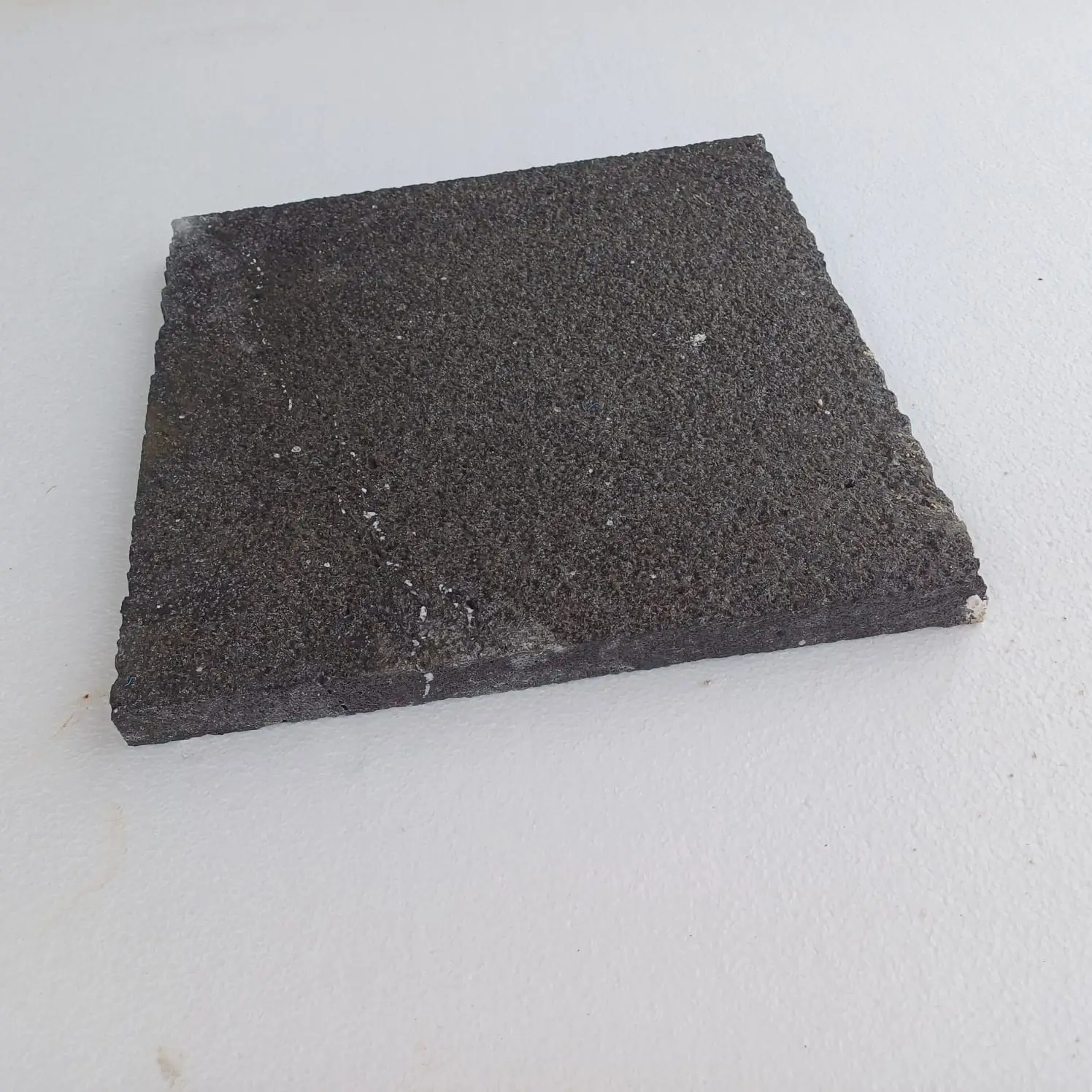
The slab yard Arizona price guide you need accounts for these factors:
- Granite slabs range $35-$85 per square foot depending on origin, rarity, and movement patterns
- Marble pricing spans $50-$140 per square foot with Italian Calacatta commanding premium positioning
- Quartzite costs $55-$95 per square foot reflecting increased demand and limited quarry production
- Quartz engineered slabs price at $45-$75 per square foot with brand premiums for Caesarstone and Cambria
When you examine stone slab yard Arizona slab costs, you’ll notice that pricing tiers within each material category reflect more than aesthetics. A $38 per square foot granite slab versus a $72 per square foot granite involves differences in mineral composition affecting long-term performance, slab thickness tolerances, and the consistency of veining patterns across sequential slabs from the same bundle.
Granite Slab Pricing Analysis
You should understand that granite pricing in 2026 divides into three distinct tiers, each representing specific sourcing and performance characteristics. Entry-level granite at $35-$48 per square foot typically originates from high-volume Brazilian and Indian quarries producing consistent, low-movement patterns. Mid-tier granite ranging $50-$68 per square foot introduces more dramatic veining, exotic colors, and tighter quality control at the quarry level.
Premium granite exceeding $70 per square foot reflects several factors you need to consider: limited quarry production yielding only 40-60 slabs monthly, complex geological formation creating unique aesthetics, and higher material density improving scratch resistance and stain prevention. Your specification decisions should account for how these price differences translate to installed performance over 15-20 year lifecycles.
The marble slab yard Arizona pricing structure in 2026 shows that white marbles command the highest premiums, with Calacatta varieties reaching $130-$140 per square foot at yard level. You’re paying for scarcity—Calacatta quarries produce limited volumes, and you’ll find that matching sequential slabs for large installations requires securing material from the same block. Carrara marble pricing stabilizes at $50-$75 per square foot, reflecting more abundant quarry output and established supply chains.
Quartzite Pricing Trends
Quartzite represents the fastest-growing segment in slab yard Arizona pricing 2026, with demand increasing 23% annually as designers specify it for applications requiring marble aesthetics with granite durability. You’re seeing prices that reflect tight supply conditions—major Brazilian quarries operate at 85-90% capacity, and new quarry development requires 18-24 months before reaching commercial production levels.
When you evaluate stone slab yard Arizona costs breakdown for quartzite, you need to distinguish between true quartzite and softer stones misidentified in the market. Authentic quartzite tests above 6.5 on Mohs hardness scale and exhibits low porosity below 0.4%. The price premium for verified quartzite—typically $65-$95 per square foot—reflects laboratory testing and geological certification that separates it from marble or dolomitic limestone sold under quartzite names.
Your quartzite selection affects fabrication costs beyond the slab price. The material’s hardness requires specialized diamond blade tooling, increasing fabrication time by 20-30% compared to granite. You should factor this into total project budgets—a $70 per square foot quartzite slab might generate $48 per square foot fabrication costs versus $35 per square foot for granite fabrication.
Engineered Quartz Value Proposition
Quartz engineered surfaces present a different value equation in local slab yard Arizona costs breakdown for 2026. You’re evaluating manufactured products with controlled quality, predictable lead times, and warranty programs that natural stone cannot match. Brand positioning significantly affects pricing—Caesarstone and Cambria command $65-$75 per square foot based on established market presence, while second-tier brands price at $45-$55 per square foot with comparable technical specifications.
The practical advantage you gain with quartz involves consistency across multiple slabs. When your project requires 180 square feet, you won’t face the color and pattern variations that occur with natural stone from different blocks. This consistency reduces field installation complexity and eliminates the pattern-matching time that adds 8-12% to natural stone installation labor.
You should recognize that quartz surfaces maintain zero porosity, eliminating sealing requirements that natural stone demands every 12-24 months. For commercial installations where maintenance costs compound over time, this becomes a significant factor in lifecycle cost analysis. Your 20-year cost model should include $2.80-$4.20 per square foot for periodic sealing of granite or marble versus zero maintenance sealing for quartz.
Slab Thickness Price Differentials
Standard 3cm slab thickness dominates residential and commercial specifications, but you’ll encounter pricing adjustments for both 2cm and thicker formats. The slab yard Arizona price guide for 2cm material typically prices 25-30% below 3cm equivalents, but you need to account for additional fabrication requirements. Two-centimeter granite requires lamination or steel reinforcement for spans exceeding 24 inches, adding $12-$18 per square foot in fabrication costs that offset the initial material savings.
When you specify thicker formats—6cm or 8cm for waterfall edges or statement islands—expect price multipliers of 2.2x to 2.8x standard 3cm pricing. A $60 per square foot granite in 3cm becomes $132-$168 per square foot in 6cm format, reflecting both material volume and specialized handling requirements. Warehouse logistics for thicker slabs require specialized equipment, and you’ll find that not all yards maintain inventory depth in premium thickness options.
Color and Pattern Rarity Factors
Your slab selection decisions hinge partly on understanding how color rarity affects stone slab yard Arizona slab costs. White and light-colored granites command $8-$15 per square foot premiums over darker alternatives from the same quarry due to lower yield rates during extraction. The geological formation producing white granite occurs less frequently, and quarry operators encounter higher waste percentages when cutting blocks.
Exotic colors—true blues, vivid greens, dramatic golds—price at the premium end of each material category. You’re looking at blue quartzites like Azul Macaubas reaching $85-$95 per square foot, while standard gray or beige quartzites settle at $55-$65 per square foot. The price differential reflects both scarcity and the market premium designers place on distinctive aesthetics that differentiate high-end projects.
Movement patterns significantly impact marble slab yard Arizona pricing, with heavy veining commanding premiums over subtle patterns. Calacatta marble with bold, dramatic veining prices $15-$25 per square foot higher than lighter-veined examples from adjacent quarry blocks. You need to evaluate whether this aesthetic premium aligns with your project’s design intent and budget allocation. For comprehensive material sourcing strategies, see Citadel Stone’s stone supply yard for regional availability insights.
Timing and Seasonal Variations
You’ll discover that slab yard Arizona pricing 2026 fluctuates seasonally based on construction activity cycles and import container availability. Peak construction season from February through May typically sees 5-8% price increases for in-demand materials as yards optimize inventory for high-volume periods. Your procurement timing affects project costs—securing slabs during slower periods from June through August can yield negotiating advantages.
International freight dynamics impact pricing quarterly based on container rates from Brazil, India, and Europe. Container costs that peaked at $18,000-$22,000 during supply chain disruptions have stabilized at $8,500-$12,000 for 2026, but you should anticipate continued volatility. A $5,000 container rate increase translates to $3.20-$4.80 per square foot at the slab level when distributed across typical container volumes of 1,100-1,400 square feet.
Full Bundle Purchasing Advantages
When you purchase complete bundles—typically 8-12 slabs representing 320-480 square feet—you’ll negotiate better per-square-foot pricing than individual slab purchases. Bundle pricing for local slab yard Arizona costs breakdown typically offers 8-12% discounts reflecting reduced handling and inventory management for the yard. Your project size determines whether bundle economics make sense or whether you’re better served selecting individual slabs.
Bundle purchases require you to accept all slabs in the group, including variations in veining intensity and color tone that occur naturally. For projects demanding tight aesthetic control, you might prefer individual slab selection despite higher unit costs. The trade-off involves cost efficiency versus visual consistency—a calculation that depends on your specific project requirements and design flexibility.
Fabrication and Installation Factors
Your total project cost extends beyond slab yard pricing to include fabrication at $35-$65 per square foot depending on edge profiles, cutout complexity, and material hardness. Standard eased or pencil edges add minimal fabrication cost, while ogee, dupont, or custom profiles increase costs by $18-$35 per linear foot of finished edge. You need to account for these fabrication premiums when comparing the slab yard Arizona price guide across different material options.
Cutout requirements significantly affect fabrication pricing. Standard sink cutouts add $150-$250 per opening, while cooktop cutouts with precise dimensional requirements run $200-$350. When your design includes multiple cutouts, undermount sink polishing, or specialized radius corners, fabrication costs can exceed material costs on a per-square-foot basis. You should discuss fabrication complexity during material selection to understand total installed pricing.
Installation labor in Arizona markets typically ranges $8-$14 per square foot for standard layouts, increasing to $18-$28 per square foot for complex patterns, diagonal installations, or projects requiring extensive field scribing. Your site conditions affect installation efficiency—difficult access, elevated work areas, or projects requiring extensive protection of existing finishes add cost multipliers you need to anticipate during budgeting.
Citadel Stone—Premium Stone Slab Yard in Arizona: Regional Specification Guidance
When you consider Citadel Stone’s stone slab yard in Arizona for your projects, you’re evaluating premium materials designed specifically for the state’s extreme climate conditions and diverse architectural requirements. At Citadel Stone, we provide technical guidance for hypothetical applications across Arizona’s geographic regions, from low desert to high elevation environments. This section outlines how you would approach specification decisions for six representative cities, addressing the unique performance requirements each location demands.
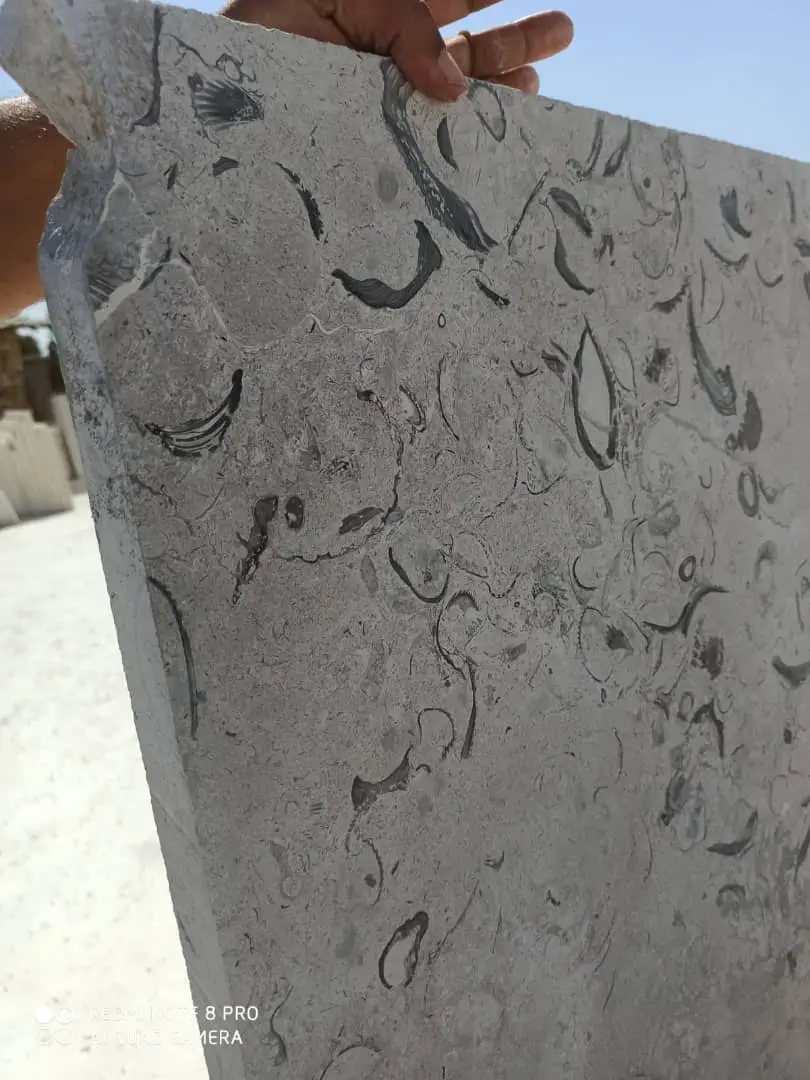
Arizona’s climate diversity requires you to modify material selection based on specific regional factors. Low desert locations experience sustained temperatures exceeding 115°F with intense UV exposure, while high elevation areas encounter freeze-thaw cycling and snow loading. Your specification approach must account for these environmental variations to ensure long-term performance.
Phoenix Specifications
In Phoenix installations, you would prioritize materials with proven thermal stability and low thermal expansion coefficients. Granite selections with darker minerals absorb substantial solar radiation, creating surface temperatures reaching 160-175°F during peak summer months. You should specify lighter-colored granites or quartzites that reflect 35-45% more solar radiation, reducing surface temperatures by 25-30°F. Your edge details would need to accommodate thermal expansion rates of 0.0032 inches per linear foot for typical Phoenix temperature swings from 45°F overnight to 118°F afternoon peaks. Commercial applications would benefit from quartz surfaces that maintain dimensional stability across these thermal cycles without the microcracking that can develop in some natural stones.
Tucson Considerations
Tucson’s slightly higher elevation moderates peak temperatures compared to Phoenix, but you would still encounter sustained heat requiring similar material specifications. The city’s architectural character often incorporates earth-tone aesthetics where warmer granite colors integrate with regional design preferences. You would specify materials with compressive strengths exceeding 19,000 PSI to handle thermal stress cycling. Outdoor kitchen installations would require you to address the 35-40°F diurnal temperature swings common in Tucson’s desert environment. Your sealing protocols for natural stone would need to account for lower humidity levels that affect penetrating sealer cure times, typically requiring 24-30 hours before surface use versus 12-18 hours in humid climates.
Scottsdale Applications
Scottsdale’s luxury residential market would drive your specifications toward premium aesthetics balanced with performance requirements. You would encounter client preferences for exotic marbles and dramatic quartzites that require careful evaluation for outdoor versus indoor applications. Calacatta marble specifications for interior applications would need to address Arizona’s hard water conditions—calcium content ranging 180-220 PPM creates etching concerns on polished marble surfaces. You should recommend honed or leathered finishes that minimize visible etching while maintaining the material’s aesthetic appeal. For outdoor entertainment spaces common in Scottsdale properties, you would specify sealed quartzite with slip resistance ratings above 0.50 DCOF wet to meet safety standards around pool decks and outdoor kitchens.
Flagstaff Requirements
Flagstaff’s 7,000-foot elevation creates entirely different performance requirements you would need to address. Annual freeze-thaw cycles exceeding 100 events require you to specify materials with water absorption rates below 0.4% and verified freeze-thaw durability per ASTM C1026. Your granite selections would prioritize tight crystalline structures with minimal porosity—materials like Absolute Black granite or dense gray granites from Canadian quarries. You would avoid marble specifications for exterior applications given the material’s vulnerability to freeze-thaw damage. Quartz surfaces become more practical for Flagstaff applications, eliminating moisture absorption concerns while maintaining aesthetic flexibility. Your installation details would require you to specify wider joint spacing—3/16 inch versus 1/8 inch in low desert areas—to accommodate greater thermal contraction during winter months when temperatures drop to -10°F.
Sedona Specifications
Sedona’s red rock aesthetic context would influence your material color selections toward warm tones that complement the regional landscape. You would specify granites and quartzites in rust, gold, and earth-tone ranges that integrate architecturally. The city’s 4,500-foot elevation creates moderate freeze-thaw exposure requiring you to verify material porosity and absorption characteristics. Tourist-oriented commercial properties would drive your specifications toward high-durability materials capable of handling heavy foot traffic—granite with Mohs hardness above 6.5 and proven abrasion resistance. Your outdoor patio specifications would need to address Sedona’s intense UV exposure at elevation, which accelerates sealer breakdown by 25-35% compared to sea-level environments. You would recommend sealer reapplication intervals of 12-15 months rather than standard 18-24-month cycles.
Yuma Conditions
Yuma’s extreme desert climate—the hottest city in Arizona with summer temperatures consistently exceeding 110°F—would require you to specify materials with maximum solar reflectance. Light-colored granites and quartzites become essential for outdoor applications where surface temperatures otherwise reach unsafe levels. You would need to address the region’s agricultural dust exposure, which creates abrasive wear on polished surfaces over time. Commercial applications would benefit from leathered or flamed granite finishes that hide the micro-scratching inevitable in dusty environments. Your installation specifications would account for Yuma’s minimal annual rainfall—just 3.5 inches—which affects both curing conditions for adhesives and the long-term moisture dynamics of the substrate. You should specify rapid-set thin-set mortars that cure properly in low-humidity conditions below 15% relative humidity common during Yuma summers.
Price Negotiation and Value Optimization
You can influence final slab yard Arizona pricing 2026 through informed negotiation based on purchase volume, payment terms, and timing flexibility. Yards typically maintain 12-18% gross margins on natural stone, providing negotiating room when you purchase multiple slabs or coordinate purchases with other project elements. Your leverage increases when you offer cash payment or shortened payment terms that improve the yard’s working capital position.
Volume commitments across multiple projects provide additional negotiating strength. When you represent ongoing business rather than single-project purchases, yards will consider relationship pricing that reduces per-slab costs by 6-10%. You should establish these relationships before peak season when inventory pressure is highest and yards prioritize volume customers for scarce materials.
Material substitution represents another value optimization strategy. When your design accommodates flexibility—accepting a similar granite from a different quarry or adjusting color specifications slightly—you’ll access better pricing on materials the yard needs to move. Slow-moving inventory often prices 15-25% below current market rates because yards want to free warehouse space and capital for faster-turning products.
Quality Assessment Before Purchase
Before committing to specific slabs, you need to conduct physical inspections that verify quality characteristics affecting long-term performance. Surface inspection should identify natural fissures, resin-filled areas, and color consistency across the slab. Natural fissures differ from cracks—they’re geological formations that don’t compromise structural integrity, but you should verify they won’t propagate during fabrication or installation.
You’ll want to check for resin treatment, which quarries apply to fill natural voids and strengthen lower-grade material. Resin-filled slabs price 15-20% below untreated equivalents, but the resin can yellow over time with UV exposure or discolor with heat exposure above 300°F. Your inspection should involve looking at the slab from acute angles under good lighting to spot the slightly different surface sheen resin creates compared to natural stone.
Thickness verification prevents fabrication complications. Natural stone slabs exhibit thickness variations of ±2mm within industry tolerances, but extreme variations create challenges during installation where adjacent surfaces must align. You should measure thickness at multiple points, particularly near slab edges where quarry cutting variations are most pronounced. Consistent thickness within ±1mm across the slab indicates better quarry quality control.
2026 Market Outlook
Your planning for projects executing in 2026 should anticipate continued price stability for most granite and quartz materials, with potential 3-5% increases for premium quartzites and exotic marbles reflecting tight supply conditions. The stone slab yard Arizona costs breakdown for next year suggests that freight normalization will stabilize pricing, but you should monitor currency exchange rates affecting imports—a 10% shift in dollar strength versus the Brazilian real or Indian rupee translates to 5-7% price adjustments.
New quarry development in India and Brazil coming online in late 2025 and early 2026 should increase supply for mid-tier granite and quartzite, potentially creating pricing relief in the $55-$75 per square foot range. You might see increased competition among yards as supply improves, creating opportunities for better negotiated pricing on volume purchases.
The local slab yard Arizona costs breakdown for 2026 reflects a mature, competitive market where you can optimize value through informed material selection, strategic timing, and relationship development with suppliers. Your project success depends on understanding not just current pricing but the underlying factors that drive cost variations across materials, suppliers, and purchasing strategies. For additional technical guidance on material selection and performance specifications, review Premium granite slab selection for Arizona residential and commercial projects before you finalize your specifications and procurement plans. Neighborhood contractors build relationships with Citadel Stone as their hometown local slab yard in Arizona.