
When you coordinate slab yard Arizona delivery options for your project, you’re managing one of the most critical phases in material procurement. Your delivery logistics directly impact installation timelines, material condition upon arrival, and overall project costs. You need to understand how residential, commercial, and job site transport services differ across Arizona’s diverse geography—from Phoenix’s urban density to Flagstaff’s elevation challenges.
The slab yard Arizona delivery options you select determine whether your premium stone arrives in optimal condition or suffers edge damage during transport. You’ll encounter different requirements for residential driveways versus commercial loading docks, and your site access constraints often dictate delivery vehicle specifications. Professional specifiers account for Arizona’s extreme temperature variations when scheduling deliveries, since thermal stress during transport affects material performance.
Delivery Vehicle Specifications for Arizona Terrain
Your project’s success depends on matching delivery vehicles to site conditions and material dimensions. You need to verify that local slab yard Arizona transport services can accommodate your access constraints before finalizing orders. Standard flatbed trucks work for most residential applications, but you’ll require specialized equipment for restricted urban sites or remote locations.
Arizona’s terrain presents unique challenges you won’t encounter in other regions. When you specify deliveries to elevated locations like Flagstaff or Sedona, truck configurations must handle steep grades while protecting stone integrity. Your delivery planning should account for vehicle weight limits on residential streets and HOA restrictions in planned communities.
- You should confirm maximum vehicle dimensions your site can accommodate before scheduling
- Your driveway or access road must support loaded truck weights exceeding 40,000 pounds
- You need to verify overhead clearance for covered entry areas or low-hanging utilities
- Your delivery window should avoid peak traffic hours in metropolitan areas
- You’ll require ground protection if delivery vehicles cross landscaped areas
The slab yard Arizona delivery fees correlate directly with vehicle specialization and route complexity. Standard deliveries within 50 miles of distribution centers typically cost $150-$300, while remote locations or specialized equipment double those rates. You should factor these logistics costs into your initial budget rather than treating them as afterthoughts.
Residential Delivery Protocols and Material Protection
Residential deliveries require different handling protocols than commercial transport. When you arrange the slab yard Arizona delivery options for your home project, you’re responsible for ensuring adequate staging space and protection for surrounding landscape features. Your delivery team needs clear access paths and designated unloading zones established before arrival.
You’ll find that residential delivery timing affects neighborhood relations and material security. Morning deliveries between 8:00-10:00 AM provide optimal conditions—cooler temperatures reduce thermal stress on stone, and you have full daylight hours for inspection and staging. Your coordination with installation crews should ensure same-day or next-day placement to minimize on-site storage risks.
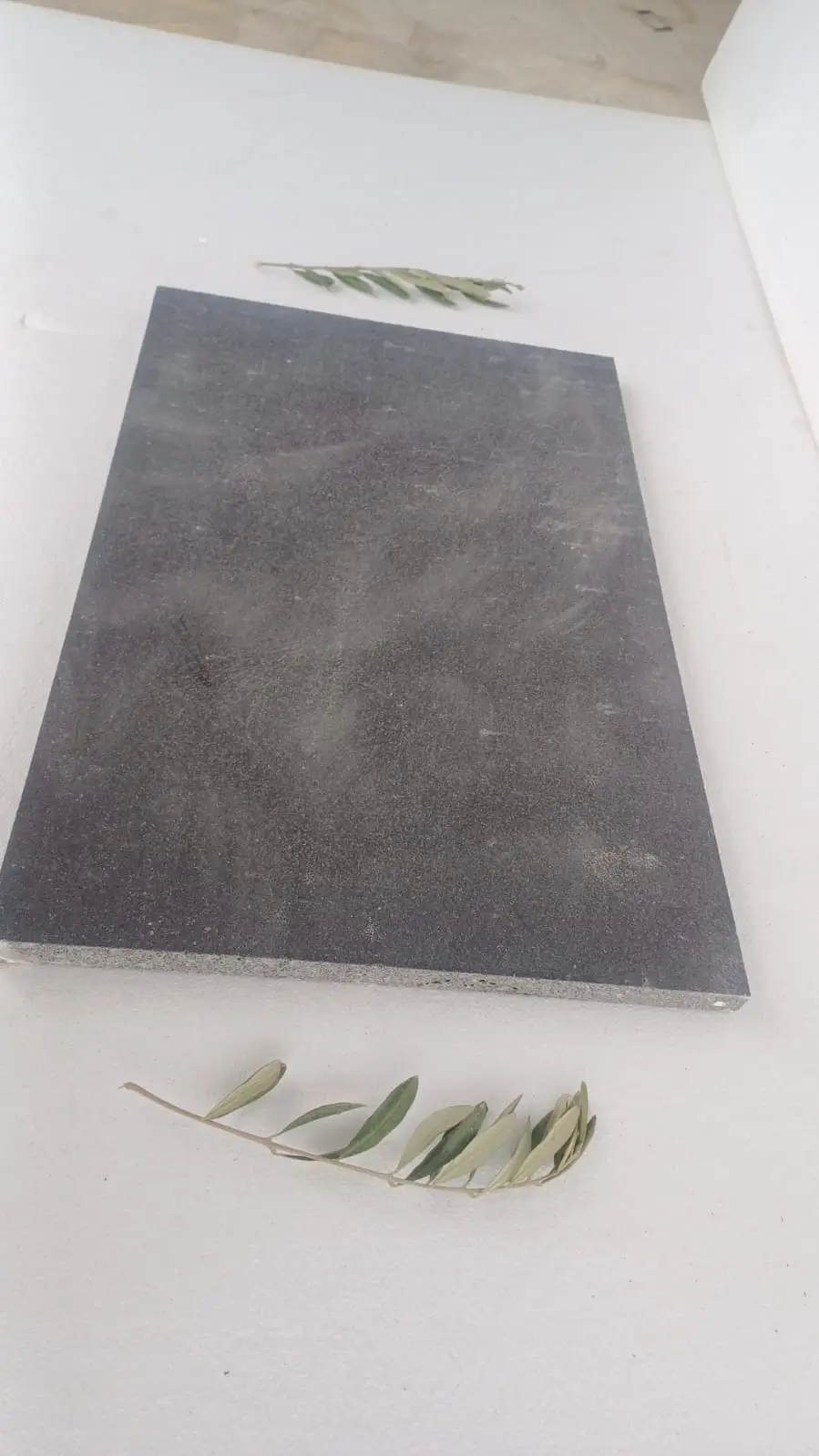
Material protection during residential delivery extends beyond transport—you need staging protocols that prevent damage from ground contact, weather exposure, and accidental impact. Professional installations use rubber mats or plywood beneath stone pallets to prevent ground moisture absorption. You should inspect every slab immediately upon delivery, documenting any chips, cracks, or finish irregularities before the delivery team departs.
- You must designate a flat, stable staging area minimum 12 feet by 20 feet
- Your staging location should provide shade or covering for extended storage periods
- You need clear communication protocols with neighbors about temporary access disruption
- Your property insurance should be verified for material value during on-site storage
- You’ll require signage or barriers if materials stage near public sidewalks
The stone slab yard Arizona shipping methods for residential projects balance efficiency with damage prevention. Crated slabs offer maximum protection but increase costs by 15-20% and complicate unloading. Your decision between crated and banded deliveries depends on material value, transport distance, and handling equipment availability at your site.
Commercial Job Site Logistics and Scheduling Coordination
Commercial deliveries operate under different constraints than residential transport. When you manage slab yard Arizona delivery options for commercial projects, you’re coordinating with general contractors, site supervisors, and sometimes multiple trades accessing the same staging areas. Your delivery scheduling must align with construction sequencing and avoid conflicts with concrete pours, steel erections, or other material deliveries.
You need to understand commercial site protocols before scheduling stone deliveries. Most active job sites require 48-72 hour advance notice for material deliveries, and you’ll submit detailed delivery manifests including material weights, pallet counts, and unloading equipment requirements. Your coordination includes verifying crane availability if vertical transport is needed for upper-floor installations.
Commercial projects often specify delivery windows that minimize disruption to adjacent businesses or public spaces. You should confirm whether your project requires off-hours delivery—nights or weekends—which increases the slab yard Arizona delivery fees by 25-40% but may be mandatory in urban cores or retail environments. Your logistics planning accounts for security requirements during off-hours deliveries and staging.
- You must obtain site-specific delivery permits for certain commercial zones
- Your delivery manifest requires approval from general contractor 72 hours prior
- You need confirmation of unloading equipment—forklift, crane, or manual labor specifications
- Your material staging must not obstruct emergency access routes or fire lanes
- You’ll coordinate with site security for after-hours delivery access codes
The marble slab yard delivery methods for commercial applications prioritize schedule adherence and documentation. You’re often working with just-in-time delivery windows where early or late arrivals create cascading schedule impacts. Your relationship with reliable local slab yard Arizona transport services becomes a project asset when schedule compression or expedited deliveries become necessary. For comprehensive material options beyond slabs, review our stone supply store for coordinated procurement strategies.
Temperature Considerations in Arizona Climate Conditions
Arizona’s extreme temperature ranges create delivery challenges you won’t face in moderate climates. When you schedule slab yard Arizona delivery options during summer months, you’re managing material temperatures that can reach 150°F on truck beds exposed to direct sun. Your delivery timing directly affects installer safety and material handling—stone surfaces too hot to touch require cooling periods before placement.
Summer deliveries require morning scheduling to avoid peak afternoon temperatures. You’ll find that deliveries arriving after 11:00 AM in Phoenix or Yuma create work stoppages until evening cooling begins. Your project timeline should account for these temperature-driven constraints, particularly for large commercial installations requiring multiple delivery days.
Winter deliveries in northern Arizona present opposite challenges. When you coordinate stone slab yard Arizona shipping to Flagstaff or higher elevations, you’re managing potential freeze conditions that affect adhesive performance and installer comfort. Your delivery scheduling avoids periods when overnight temperatures drop below 32°F if same-day installation is planned.
- You should schedule summer deliveries before 10:00 AM to avoid thermal handling issues
- Your staging areas need shade structures for deliveries that won’t install same-day
- You must account for 2-3 hour cooling periods for stone delivered in extreme heat
- Your winter deliveries to elevation require verification of road conditions and accessibility
- You need climate-controlled storage if installation delays extend beyond 48 hours in extreme weather
The local slab yard Arizona transport services experienced in desert conditions understand these thermal management requirements. You’re partnering with delivery teams who schedule routes to minimize sun exposure duration and provide protective covering when necessary. Professional transport services monitor material temperatures and advise on safe handling windows upon arrival.
Inspection Protocols and Documentation at Delivery Acceptance
Your delivery acceptance inspection represents the last opportunity to document material condition before installation begins. When the slab yard Arizona delivery options deliver your stone, you need systematic inspection protocols that identify damage, verify quantities, and confirm material specifications match your order. Your documentation at this stage determines whether damage claims receive approval or denial.
You should inspect every slab individually, checking edges, corners, and surface finish for chips, cracks, or polish irregularities. Professional practice involves photographing each piece with order documentation visible in frame—this creates indisputable condition records. Your inspection occurs before the delivery team departs, and any discrepancies require immediate notation on delivery receipts.
Material verification extends beyond damage inspection. You need to confirm that delivered stone matches your specification for color, finish, and dimensional tolerances. Natural stone exhibits variation, but you should verify the delivered material falls within acceptable ranges established during sample approval. Your rejection of non-conforming material at delivery prevents costly disputes after installation.
- You must photograph all four edges and both faces of each slab upon delivery
- Your inspection notes any chips larger than 1/4 inch or cracks extending beyond edges
- You need to verify slab counts match bill of lading before delivery team departure
- Your documentation includes time-stamped photos showing material condition and packaging
- You should mark accepted material clearly to prevent confusion if multiple deliveries occur
The slab yard Arizona delivery fees typically include 30-45 minutes of on-site time for unloading and inspection. You need efficient inspection protocols that complete within this window to avoid additional charges. Your preparation includes having inspection checklists, camera equipment, and order documentation readily accessible when the delivery truck arrives.
Rural and Remote Location Delivery Challenges Across Arizona
Remote Arizona locations present delivery complexities that urban projects never encounter. When you specify slab yard Arizona delivery options for properties in rural areas, you’re managing extended transport distances, unpaved access roads, and limited equipment availability. Your logistics planning must account for these variables to prevent delivery failures or material damage.
Rural deliveries often require route reconnaissance before scheduling. You should verify that delivery vehicles can navigate your access road—width, grade, turning radius, and surface conditions all affect feasibility. Many rural properties have gates, cattle guards, or low tree branches that standard delivery trucks cannot clear. Your coordination with local slab yard Arizona transport services includes providing detailed site access information and photos of challenging sections.
Remote locations may require delivery to the nearest accessible point rather than final installation location. You’ll need to arrange secondary transport—smaller vehicles or equipment—to move material from delivery point to actual project site. This two-stage delivery increases costs but may be the only feasible option for truly remote properties.
- You should provide GPS coordinates rather than street addresses for rural locations
- Your access road must accommodate 40-foot vehicles with loaded weight capacity
- You need to verify maximum gate widths and overhead clearances along entire route
- Your delivery coordination may require meeting the truck at highway turnoff for guidance
- You’ll incur additional fees for deliveries requiring 4WD access or difficult terrain navigation
The stone slab yard Arizona shipping to remote locations requires flexibility in scheduling. Weather conditions affect dirt road accessibility, and you should have backup delivery dates established if conditions deteriorate. Your relationship with delivery services familiar with rural Arizona routes proves invaluable—experienced drivers know seasonal road conditions and alternative access options.
Delivery Equipment and Unloading Requirements for Heavy Slabs
Large-format slabs weighing 600-1,200 pounds require specialized unloading equipment you must arrange before delivery. When you coordinate the slab yard Arizona delivery options for premium materials, you’re responsible for providing adequate equipment or labor to safely transfer stone from truck to staging area. Your failure to arrange proper unloading creates dangerous situations and potential material damage.
Standard residential deliveries include tailgate service—delivery to the back of the truck—but not actual unloading. You need to arrange forklift rental, crane service, or manual labor crews capable of handling heavy stone. Professional installations use vacuum lifters or A-frame gantries that provide controlled movement and prevent surface damage. Your equipment selection depends on slab size, site access, and staging location proximity to the delivery vehicle.
Commercial projects typically have site equipment available, but you must coordinate equipment scheduling to ensure availability during delivery windows. Your general contractor needs advance notice to reserve forklift or crane time, and you should confirm equipment capacity exceeds your maximum slab weight by 30% safety margin. The marble slab yard delivery coordination includes verifying that truck bed height matches your unloading equipment specifications.
- You must arrange unloading equipment rated for 150% of maximum slab weight
- Your vacuum lifters should provide minimum four suction points for slabs over 800 pounds
- You need minimum three experienced workers for manual unloading of heavy materials
- Your staging area must be accessible to unloading equipment without crossing soft ground
- You should have backup unloading plans if primary equipment becomes unavailable
The local slab yard Arizona transport services can recommend equipment rental sources and professional unloading crews. You’re better served arranging these services in advance rather than attempting last-minute solutions when the delivery truck arrives. Professional unloading typically costs $200-$400 but prevents thousands of dollars in potential damage from improper handling.
Multi-Load Coordination for Large Commercial Projects
Large projects requiring multiple deliveries need sophisticated logistics coordination. When your project exceeds single-truck capacity, you’re managing the slab yard Arizona delivery options across multiple dates while maintaining installation sequence requirements. Your coordination ensures the right materials arrive in the right order without creating staging area congestion or installation delays.
You should establish delivery sequences that match installation progression. First deliveries typically include materials for base courses or foundational elements, with finish materials arriving as installation areas become ready. Your staging area capacity determines maximum material volume on-site at any time, and you need to balance just-in-time delivery against buffer stock for schedule contingencies.
Multi-load projects require detailed delivery manifests that specify exact material types, quantities, and intended use areas for each truck. You’ll mark staged materials clearly to prevent installation crews from using wrong materials in wrong locations. Your documentation system tracks which pallets arrived on which delivery date—critical for damage claims and inventory management.
- You must create delivery sequences that align with installation crew progression
- Your staging area should accommodate maximum two deliveries worth of material simultaneously
- You need separate staging zones for different material types to prevent mixing
- Your delivery schedule includes buffer days between loads for contingency absorption
- You should verify warehouse stock availability before committing to aggressive delivery schedules
The slab yard Arizona delivery fees for multi-load projects often include volume discounts, but you need to negotiate these before order placement. You’ll find that committing to firm delivery dates weeks in advance secures better pricing than on-demand delivery requests. Your relationship with stone slab yard Arizona shipping providers becomes partnership when managing complex multi-phase deliveries.
Insurance and Liability Considerations During Delivery and Staging
Understanding liability boundaries protects your project from financial exposure during delivery and staging phases. When you arrange slab yard Arizona delivery options, you need clarity on who bears responsibility for material condition at each transfer point. Your insurance coverage should extend from warehouse departure through final installation to prevent gaps in protection.
Standard delivery terms typically transfer liability to you upon material acceptance at your site. Once you sign the delivery receipt, any subsequent damage becomes your responsibility. You should maintain builder’s risk insurance or property insurance that covers stored building materials at their full replacement value. Your policy needs to address both theft and accidental damage during on-site storage periods.
Delivery damage occurring during transport remains the carrier’s responsibility, which reinforces the importance of thorough delivery inspection. You need to document any damage discovered during acceptance inspection directly on the delivery receipt before the driver leaves. Your failure to note damage at delivery makes subsequent claims nearly impossible to prove.
- You must verify your insurance covers stored materials at full replacement value
- Your delivery receipt documentation determines liability boundaries for damage claims
- You need to understand whether delivery includes curb-side only or placement at staging area
- Your general liability policy should cover delivery vehicle access across your property
- You should obtain certificates of insurance from delivery services for vehicle liability
The local slab yard Arizona transport services carry commercial vehicle insurance, but you need to verify coverage limits adequate for your material value. High-end projects with premium stone exceeding $50,000 may require supplemental coverage. Your risk management includes confirming that all parties in the delivery chain—quarry, fabricator, distributor, carrier—maintain adequate insurance.
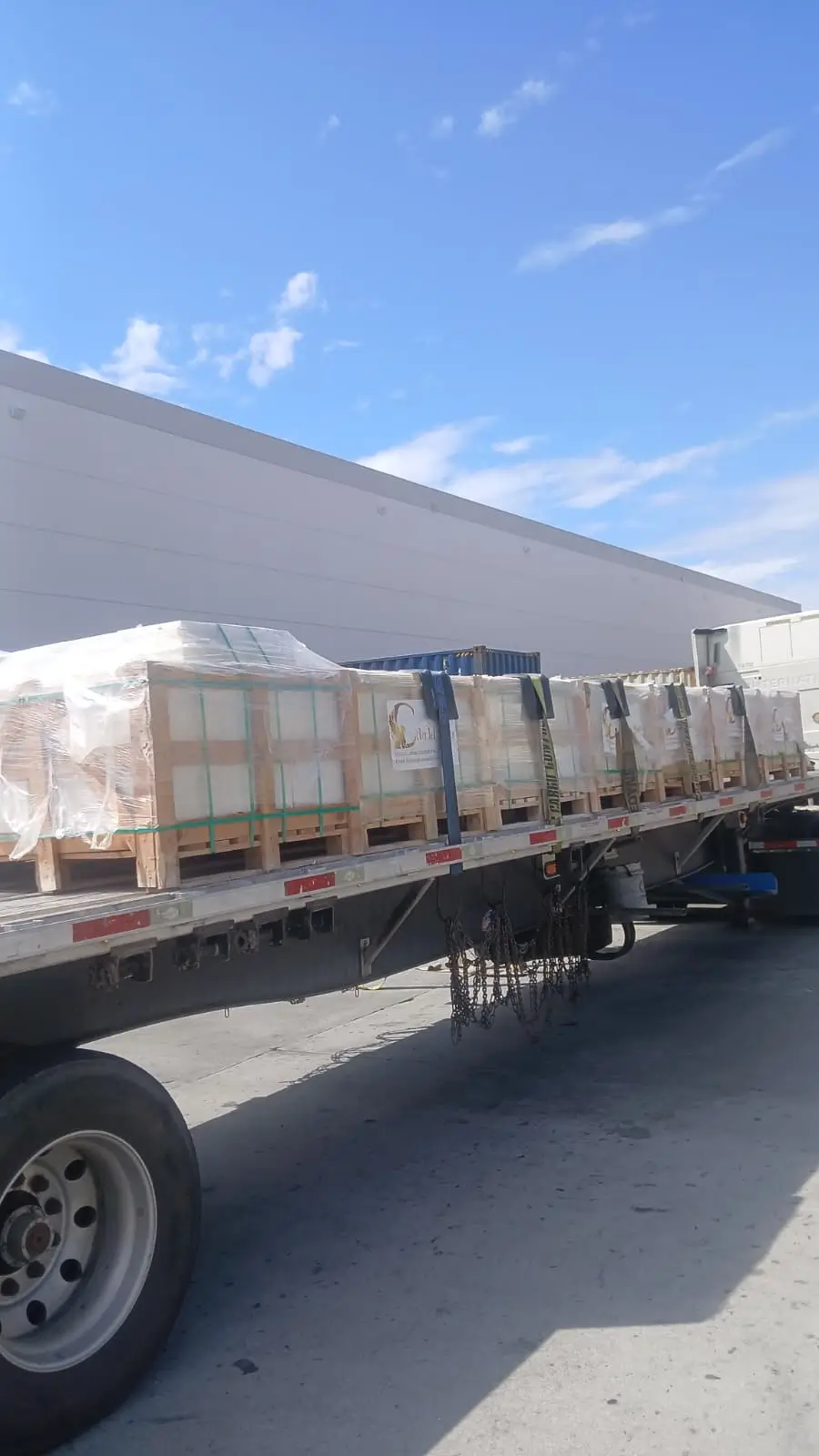
Citadel Stone Supply in Arizona: Hypothetical Delivery Guidance Across Regions
When you evaluate Citadel Stone’s stone supply in Arizona capabilities for your project, you’re considering premium materials backed by comprehensive logistics expertise. At Citadel Stone, we provide technical guidance for hypothetical delivery applications across Arizona’s diverse climate zones and geographic challenges. This section outlines how you would approach delivery coordination decisions for six representative cities, demonstrating the range of considerations professional specifiers encounter.
Your delivery planning must account for Arizona’s extreme geographic and climatic diversity. You’ll face different logistics challenges in Phoenix’s urban density versus Flagstaff’s mountain terrain, and your coordination strategies adapt accordingly. The following hypothetical scenarios illustrate delivery considerations across varied Arizona contexts.
Phoenix Urban Logistics
In Phoenix’s metropolitan environment, you would coordinate the slab yard Arizona delivery options around traffic congestion and urban access constraints. Your delivery scheduling would target early morning windows before rush hour, typically 6:00-8:00 AM for commercial sites. You’d verify that delivery vehicles can navigate residential streets with parked cars and would confirm HOA delivery restrictions in master-planned communities. Summer deliveries would require thermal management protocols, with staging areas providing shade structures and you’d schedule installations to begin within two hours of material arrival to minimize heat exposure.
Tucson Desert Conditions
Tucson’s lower elevation and intense summer heat would require you to implement aggressive temperature management during deliveries. You’d schedule the slab yard Arizona delivery fees to include early morning transport when stone temperatures remain manageable. Your coordination would account for Tucson’s sprawling geography, with delivery times varying significantly between central city and outlying areas. You’d specify covered staging for any deliveries not installing same-day, and would verify truck access through older neighborhood streets with narrower widths than modern subdivisions.
Scottsdale Premium Requirements
In Scottsdale’s upscale residential market, you would coordinate stone slab yard Arizona shipping with heightened attention to property protection and neighbor relations. Your delivery protocols would include extensive ground protection—plywood paths from street to staging area—and you’d arrange white-glove unloading service. You’d schedule deliveries to avoid peak traffic times on major corridors like Scottsdale Road, and would coordinate with luxury home builders regarding specific gate access codes and security protocols. Premium projects would warrant dedicated delivery vehicles rather than consolidated multi-stop routes.
Flagstaff Elevation Challenges
Flagstaff deliveries would require you to account for elevation, winter weather, and seasonal road conditions. You’d verify that marble slab yard delivery vehicles can handle sustained grades exceeding 6% on approach routes, and would confirm winter deliveries include chains or 4WD capability. Your scheduling would avoid November through March for remote locations with unpaved access, and you’d establish weather contingency dates for all deliveries. You’d coordinate with local delivery teams familiar with mountain route navigation and would verify material arrives during temperatures suitable for immediate installation if adhesive setting is planned.
Sedona Terrain Navigation
Sedona’s dramatic terrain and tourist traffic would shape your local slab yard Arizona transport services coordination. You’d schedule deliveries during off-peak tourism seasons when possible—September through November—to avoid summer weekend congestion. Your route planning would account for winding roads with steep grades and limited turnouts, requiring experienced drivers familiar with mountain delivery. You’d arrange route reconnaissance for custom home sites with challenging access, and would establish contingency delivery points if final site access proves impossible for full-size trucks. Premium Sedona projects would justify additional delivery fees for specialized access requirements.
Yuma Remote Coordination
Yuma’s border location and agricultural surroundings would require you to plan the slab yard Arizona delivery options with extended lead times and limited delivery frequency. You’d coordinate deliveries during morning hours when temperatures remain below 100°F, particularly critical during summer months when Yuma records some of Arizona’s highest temperatures. Your logistics would account for agricultural traffic on approach routes during harvest seasons, and you’d verify delivery routes avoid height-restricted border inspection facilities. Remote Yuma locations would warrant confirmed delivery appointments with backup dates, since consolidated delivery routes serve this region less frequently than Phoenix metro.
Cost Factors and Delivery Pricing Structure Transparency
Understanding delivery pricing structures prevents budget surprises and enables accurate project cost estimating. When you analyze the slab yard Arizona delivery fees, you’re evaluating multiple variables that affect final costs beyond simple mileage calculations. Your accurate budgeting accounts for base delivery charges, distance premiums, specialized equipment fees, and timing surcharges.
Base delivery fees typically range from $150-$300 for standard residential deliveries within 50 miles of distribution centers. You’ll encounter distance-based pricing tiers that increase costs $0.50-$1.50 per mile beyond base radius. Your remote location deliveries incur significant premiums—locations beyond 100 miles from warehouses often double standard delivery costs. Commercial deliveries with specific timing requirements add 15-25% to base pricing, while off-hours or weekend deliveries increase costs by 25-40%.
Specialized equipment requirements directly impact delivery pricing. You’ll pay premium rates for deliveries requiring crane placement, restricted access vehicles, or two-stage transport logistics. Your cost estimating should include these specialized requirements during project planning rather than discovering them during delivery scheduling. Professional specifiers obtain detailed delivery quotes that itemize all cost components before committing to suppliers.
- You should obtain delivery quotes broken down by base fee, distance charges, and special requirements
- Your budget must account for potential re-delivery fees if site conditions prevent initial unloading
- You need to understand minimum order requirements that qualify for standard delivery pricing
- Your project timing affects delivery costs—rush deliveries incur 30-50% surcharges
- You’ll negotiate better delivery rates for multi-load projects committed to firm schedules
The stone slab yard Arizona shipping costs represent 3-8% of total material value for most projects. You should evaluate delivery costs as part of total acquisition cost rather than selecting suppliers based solely on material pricing. Your comprehensive cost analysis includes material price, delivery fees, and risk factors like damage rates or delivery reliability that affect project timelines.
Delivery Coordination and Timeline Planning for Project Success
Successful project execution requires you to integrate delivery logistics into overall project scheduling from initial planning stages. When you establish timelines for the slab yard Arizona delivery options, you’re coordinating material procurement, site preparation, equipment availability, and installation crew scheduling. Your delivery timing affects every subsequent project phase, making it a critical path element.
You should establish delivery dates working backward from required installation completion dates. Professional practice adds buffer time between delivery and installation start—typically 1-3 days for residential projects, 3-7 days for commercial work—to absorb weather delays or site preparation issues. Your timeline accounts for warehouse lead times from order placement to material availability, which range from 48 hours for stock items to 2-3 weeks for special orders.
Weather considerations become timeline factors in Arizona’s climate extremes. You’ll avoid scheduling major deliveries during monsoon season (July-September) when afternoon thunderstorms create unpredictable conditions. Your summer projects require early morning delivery windows, effectively limiting daily delivery capacity and extending multi-load project timelines. Winter deliveries to elevation areas need weather contingency buffers that may extend timelines by 5-10 days.
- You must establish delivery dates minimum two weeks before required installation start
- Your timeline should include weather contingency buffers appropriate to season and location
- You need to coordinate delivery dates with site preparation completion and equipment availability
- Your schedule must account for warehouse stock verification and potential procurement delays
- You should establish communication protocols for delivery confirmation 48 hours prior
The local slab yard Arizona transport services provide delivery tracking and confirmation systems that enable real-time coordination. You’ll receive delivery day notifications with estimated arrival windows, allowing you to coordinate site access and unloading resources efficiently. Your project management includes backup plans for delivery delays—alternative staging areas, adjusted installation sequences, or accelerated schedules when deliveries arrive early. For related quartzite options and inventory planning, Quartzite slab inventory available at Arizona stone yards provides comprehensive material selection guidance. Outdoor kitchen builders trust Citadel Stone’s weather-tested granite yard in Arizona UV-resistant varieties.