
When you walk into a slab yard Arizona facility, you’re making decisions that will affect your project for decades. The difference between a standard granite countertop and a custom-fabricated masterpiece often comes down to understanding what fabrication options are truly available and how to specify them correctly. You need to know exactly what edge profiles, cutouts, and special orders your local slab yard Arizona custom services can deliver before you commit to material selection.
Most architects and designers underestimate how much fabrication capability varies between yards. You’ll find that some facilities offer only basic bullnose edges and sink cutouts, while others can execute complex waterfall installations, book-matched panels, and precision miters that meet architectural tolerances within 1/32 inch. Your project’s success depends on matching your design intent to actual fabrication capacity.
Understanding Fabrication Capabilities at Arizona Slab Yards
You should evaluate fabrication capabilities before you select materials, not after. The granite yard Arizona edge profiles available determine what’s actually achievable within your budget and timeline. Standard shops typically offer 8-12 edge profiles, while specialized facilities provide 20+ options including custom designs that match historical profiles or proprietary architectural details.
Here’s what separates professional fabrication from basic cutting services. Advanced yards maintain CNC equipment with 5-axis capability, allowing them to execute complex curves and three-dimensional edges that hand fabrication can’t match. You’ll see the difference in consistency across multiple pieces—CNC fabrication delivers repeatability within 0.5mm across hundreds of linear feet.
When you specify custom work, you need to understand the material’s fabrication constraints. Quartzite and granite accept intricate edge work differently than marble. Harder materials like quartzite require diamond tooling with specific bond matrices, which affects both cost and lead time. Your marble slab yard custom cuts will process faster but may show more variation in softer stones.
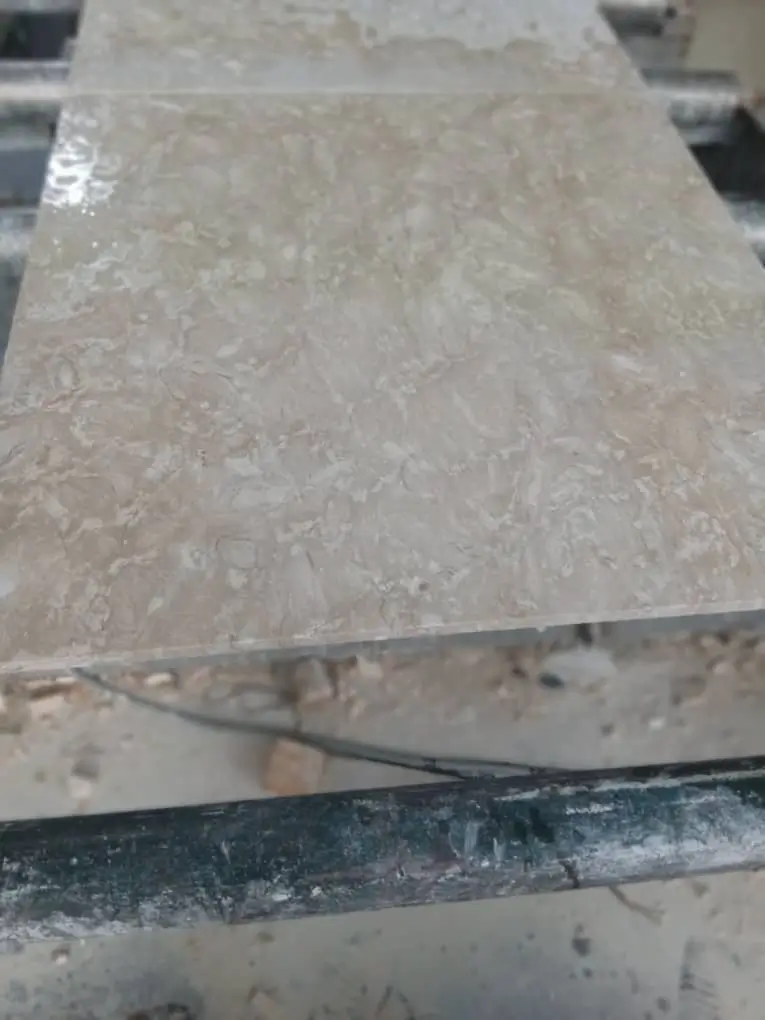
Edge Profile Selection Criteria for Professional Specifications
Your edge profile selection affects more than aesthetics—it determines structural performance, maintenance requirements, and long-term durability. A 1/4-inch eased edge on granite provides different chip resistance than a full bullnose, and you need to match the profile to the application’s wear expectations.
The slab yard in Arizona fabrication options for edges typically include these categories, each with specific performance characteristics:
- You should specify eased edges for high-traffic commercial applications where impact resistance matters more than decorative detail
- Your bullnose selections work best for areas where safety codes require rounded edges, particularly in healthcare and educational facilities
- You’ll find that ogee and dupont profiles deliver traditional aesthetics but concentrate stress at the apex of curves, requiring thicker material
- You can specify mitered edges for waterfall installations, but these demand precision fabrication and generate 15-20% material waste
- Your bevel specifications should account for the material’s hardness—steeper bevels in softer stones create fragile feather edges
Here’s what catches most specifiers: edge profiles affect the material’s apparent color. Light interacts differently with curved versus straight edges, making the same slab appear lighter or darker depending on profile geometry. You’ll notice this most in materials with pronounced veining or color variation.
The granite yard Arizona edge profiles you choose also impact installation complexity. Laminated edges require field assembly with color-matched epoxy, and you’ll see joint lines if fabrication tolerances exceed 0.010 inch. Standard profiles simplify installation but may not achieve your design intent. For comprehensive material guidance beyond fabrication, see our full slab yard for technical specifications across stone types.
Cutout Specifications and Precision Requirements
When you specify cutouts for sinks, cooktops, or fixtures, you’re defining tolerances that determine whether installation succeeds or fails. Standard undermount sink cutouts require ±1/16 inch tolerance, but your specifications should tighten to ±1/32 inch for vessel mount applications where the cutout edge remains visible.
You need to provide detailed shop drawings that specify cutout dimensions, corner radii, and edge treatment. The slab yard Arizona facilities expect CAD files or dimensioned templates—verbal descriptions or hand sketches lead to errors that cost thousands in replacement material. Your documentation should include fixture manufacturer specifications and account for any mounting hardware that affects cutout sizing.
Here’s the detail most specs miss: cutout location affects structural integrity differently across materials. Granite tolerates cutouts within 3 inches of slab edges if thickness exceeds 3cm. Marble requires 4-inch minimum edge distance to prevent stress fractures. Quartzite falls between these values but varies by specific material density and vein orientation.
Complex cutouts for cooktops with irregular shapes or multiple openings require CNC fabrication for accuracy. You’ll pay premium pricing for these cuts, typically 30-40% more than standard rectangular cutouts, but hand-cutting irregular shapes introduces unacceptable error rates above 12%. Professional fabrication keeps error rates below 2%.
Special Order Capabilities and Lead Time Factors
Your special order requirements extend beyond standard slabs to include book-matching, vein continuity across multiple pieces, and custom thickness specifications. The local slab yard Arizona custom services can source materials outside their regular inventory, but you need to understand the timeline and cost implications before you commit to the design.
Book-matched installations require the fabricator to select sequential slabs from the same block, cut them, and mirror the pattern across a joint line. You’ll achieve dramatic visual impact, but this process demands additional material selection time and typically increases costs by 25-35% due to material waste and selection labor. Your project schedule needs to accommodate 3-4 weeks for proper book-matching if the yard doesn’t have suitable material in stock.
Special thickness orders represent another common requirement. Standard slabs arrive in 2cm and 3cm thickness, but you may specify 4cm, 5cm, or custom dimensions for specific applications. The slab yard in Arizona fabrication options for non-standard thickness require special block cutting at the quarry level, adding 8-12 weeks to lead time and significantly increasing per-square-foot costs.
- You should expect lead times of 6-8 weeks for special ordered exotic materials not stocked locally
- Your custom thickness requirements add 8-12 weeks and increase material costs by 40-60%
- You’ll need to account for 3-4 weeks for proper book-matching selection and fabrication
- You can specify vein direction, but this increases material waste by 15-25% depending on vein orientation
Material Handling and Logistics Considerations
When you order large-format slabs or multiple pieces for complex installations, you’re introducing logistics variables that affect project success. The granite yard Arizona edge profiles you specify determine final piece weight—a 10-foot granite countertop with standard eased edge weighs approximately 450 pounds, but the same piece with laminated built-up edge exceeds 600 pounds.
Your job site access determines what’s actually fabricable. If stairways, doorways, or elevators can’t accommodate full slab dimensions, you’ll need to specify field seams that compromise the design. Professional fabricators evaluate access constraints before cutting material, but you need to provide accurate site measurements including all access path restrictions.
Transportation from the slab yard Arizona warehouse to your job site introduces risk that proper crating mitigates. Standard A-frame crating protects edges and faces during transport, but custom pieces with complex profiles require specialized packaging. You should specify crating requirements in your purchase order and verify that delivery vehicles have appropriate unloading equipment.
Here’s the logistics detail that affects scheduling: most fabricators won’t deliver partial orders. If your project requires three separate countertop pieces fabricated from the same slab, you’ll receive all pieces simultaneously. This means your job site needs secure, climate-controlled storage if installation won’t occur immediately. Temperature cycling above 40°F daily range can affect epoxy-bonded seams and laminated edges.
Custom Finish Specifications Beyond Standard Polish
The marble slab yard custom cuts you specify should include surface finish selection that matches performance requirements to aesthetic goals. Standard polished finish delivers high gloss and color saturation but shows scratches and wear patterns in high-traffic areas. You need to match finish to application, and most Arizona yards offer 4-6 standard finish options with custom treatments available.
Honed finish reduces gloss to matte appearance while maintaining smooth surface texture. You’ll sacrifice some color depth, but the finish hides minor scratches and wear significantly better than polish. This finish works best for flooring, shower walls, and high-use countertops where maintenance matters more than maximum visual impact.
Leathered and brushed finishes add texture that provides slip resistance and hides imperfections. The granite yard Arizona edge profiles combined with textured finish create dimensional interest that standard polish can’t match. These finishes require specialized equipment and add 15-25% to fabrication costs, but they deliver unique aesthetic character.
- You should specify honed finish for high-traffic countertops where scratch visibility matters
- Your pool deck and wet area installations require textured finish for slip resistance meeting 0.60+ DCOF ratings
- You’ll find that leathered finish emphasizes natural stone character while providing practical durability
- You can combine different finishes on single pieces—polished top with honed edges—for distinctive detailing
Precision Tolerances and Quality Standards
When you write specifications for the slab yard in Arizona fabrication options, you need to define acceptable tolerances explicitly. Industry standards allow ±1/8 inch length/width variance on standard fabrication, but architectural applications often require ±1/16 inch or tighter. Your specifications should state tolerances clearly rather than assuming fabricators understand your expectations.
Edge straightness tolerances affect how well pieces align during installation. Standard fabrication delivers straightness within 1/16 inch over 10 feet, which creates visible joint irregularities in book-matched installations. You should tighten this to 1/32 inch maximum deviation for critical alignments, understanding this precision increases costs by 20-30%.
Thickness variation across a single slab affects installation success more than most specifiers recognize. Natural stone varies in thickness by ±2mm even after factory calibration. Your countertop installations need consistent reveal heights, which requires fabricators to calculate installation shim requirements and communicate these to installers. Specification documents should require fabricators to measure and document thickness variation at all cutout locations.
Here’s the quality factor that determines long-term performance: edge finish consistency. Professional fabrication maintains edge polish or finish quality identical to face finish. Lower-quality shops deliver polished faces with rough-finished edges that collect dirt and show installation adhesive. You need to inspect sample edges before approving fabricators for your project.
Cost Factors in Custom Fabrication Work
Your fabrication budget extends well beyond the per-square-foot material cost. The local slab yard Arizona custom services price custom work based on complexity, precision requirements, and material difficulty. Standard granite with eased edge and single sink cutout might cost $45-65 per square foot installed, while the same granite with custom ogee edge, multiple cutouts, and book-matching exceeds $120 per square foot.
Edge profile complexity directly affects pricing. Simple eased or beveled edges add minimal cost—typically $8-12 per linear foot. Complex ogee, dupont, or custom profiles increase edge costs to $25-40 per linear foot due to tooling requirements and slower fabrication speeds. Your budget needs to account for total linear footage of exposed edges, not just material area.
Cutout pricing follows similar patterns. Standard rectangular sink cutouts cost $75-120 each. Cooktop cutouts with multiple openings or irregular shapes run $200-400 each. You’ll pay premium rates for cutouts requiring field verification or template creation—this service adds $150-300 to capture exact dimensions before fabrication begins.
- You should budget $8-12 per linear foot for simple edge profiles on standard material
- Your complex edge profiles will cost $25-40 per linear foot depending on design intricacy
- You’ll need to allocate $75-120 per standard cutout and $200-400 for complex openings
- You can expect book-matching to increase total project costs by 25-35% due to material selection and waste
- Your custom thickness requirements typically double the base material cost before fabrication charges
Material Selection for Fabrication Success
Not all materials fabricate equally well, and your selection affects what’s actually achievable. The granite yard Arizona edge profiles available depend partly on material characteristics—hardness, grain structure, and vein orientation all impact fabrication complexity and success rates.
Granite remains the most fabrication-friendly natural stone. Its crystalline structure accepts intricate edge profiles without excessive chipping, and consistent density allows precise cutouts regardless of location on the slab. You’ll achieve the best results specifying granite for projects requiring complex edge details or multiple cutouts in close proximity.
Marble fabricates beautifully but requires expertise in handling softer material. You need to specify wider safety margins around cutouts and understand that certain edge profiles may chip during installation or use. Marble’s beauty justifies these trade-offs for many applications, but your specifications should acknowledge material limitations and adjust details accordingly.
Quartzite combines beauty and hardness but challenges fabrication equipment. You should expect longer fabrication times and higher costs for quartzite compared to granite of similar appearance. The material’s hardness dulls cutting tools faster and requires more frequent tool changes, increasing labor costs by 15-25% compared to granite fabrication.
Installation Coordination Requirements
Your fabrication specifications need to account for installation realities. The marble slab yard custom cuts you order must coordinate with job site conditions, installer capabilities, and project scheduling. Fabrication shops can produce perfect pieces that fail during installation if coordination breaks down.
You should require fabricators to conduct field verification before cutting material for complex installations. This process involves template creation at the job site, capturing exact dimensions including out-of-square conditions and level variations. Field verification costs $200-500 but prevents costly errors in custom work where material replacement expenses run into thousands of dollars.
Installation sequencing affects fabrication planning. If your project involves multiple stone elements—countertops, backsplashes, wall panels—you need to specify fabrication order that matches installation sequence. Countertops typically install first, establishing finished height references for backsplashes. Your fabrication schedule should deliver pieces in installation order with appropriate lead time between phases.
Here’s the coordination detail that prevents problems: installer and fabricator need to agree on support requirements before fabrication begins. Overhangs exceeding 10 inches in granite or 6 inches in marble require steel bracket support, but bracket location affects cutout placement. You should facilitate coordination meetings between fabricator and installer during the design phase.
Quality Control and Inspection Protocols
When you receive fabricated pieces from the slab yard Arizona facility, you need structured inspection protocols that catch defects before installation begins. Professional practice requires inspection at three stages: post-fabrication at the shop, upon delivery to job site, and immediately before installation.
Shop inspection allows you to verify dimensions, edge quality, and finish before pieces leave the fabricator’s control. You should use this opportunity to check cutout dimensions against fixture specifications, verify edge profiles match approved samples, and confirm finish consistency across faces and edges. Finding defects at this stage costs nothing beyond fabrication time—finding them after delivery adds transportation and scheduling costs.
Delivery inspection focuses on transportation damage. You need to examine all edges and corners for chips, verify that finish hasn’t been scratched during transport, and confirm that all pieces specified in the order are present. Documentation with photographs protects both you and the fabricator by establishing piece condition at delivery. Damage claims filed without photographic evidence rarely succeed.
- You should inspect fabricated pieces at the shop before delivery to catch dimensional errors early
- Your delivery inspection must document condition with photographs before unloading and signing delivery receipts
- You’ll need to verify that cutout dimensions match fixture specifications within acceptable tolerances
- You can reject pieces with edge chips exceeding 1/8 inch or finish defects visible from 6 feet under normal lighting
Premium Stone Supply in Arizona: How Citadel Would Specify Custom Fabrication
When you evaluate Citadel Stone’s stone supply in Arizona for custom fabrication projects, you’re considering materials specifically selected for their fabrication characteristics and Arizona’s demanding climate conditions. At Citadel Stone, we provide technical guidance for hypothetical applications across diverse Arizona regions. This section outlines how you would approach custom fabrication specifications for six representative cities with varying architectural requirements and environmental conditions.
Phoenix Commercial Towers
In Phoenix commercial applications, you would specify granite yard Arizona edge profiles that withstand thermal cycling between 110°F exterior temperatures and 72°F interior conditions. Your fabrication specifications should address book-matched lobby wall panels requiring precision miters within 1/32 inch tolerance. You’d need to account for 3-4 week lead times for proper slab sequencing and matching. The material selection would prioritize consistent density across large format slabs to prevent differential thermal expansion that creates joint stress. Your edge profile specifications would typically include eased or beveled edges rather than complex ogee profiles that concentrate thermal stress.
Scottsdale Luxury Residential
For Scottsdale residential projects, you would focus on marble slab yard custom cuts featuring waterfall edge installations and book-matched island tops. Your specifications would require CNC fabrication for consistency across 12-foot continuous surfaces. You’d specify mitered edges with precision tolerance of ±0.015 inch to ensure invisible joint lines in high-visibility installations. The finish specifications would typically combine polished horizontal surfaces with honed vertical waterfall sections to provide visual interest while maintaining cleanability. You should account for 15-20% material waste in waterfall fabrication when budgeting these installations.
Tucson Healthcare Facilities
In Tucson healthcare environments, you would specify slab yard in Arizona fabrication options that prioritize sanitary edge profiles and antimicrobial surface treatments. Your specifications would require fully rounded bullnose edges meeting ADA guidelines while providing surfaces that resist bacterial colonization. You’d need to specify seamless installations with minimal joints to reduce contamination pathways. The cutout specifications would address medical equipment mounting with precision tolerances and reinforced edges to support bracket loads. You should verify that edge finish quality matches face finish to prevent dirt accumulation in texture variations that compromise sanitation protocols.
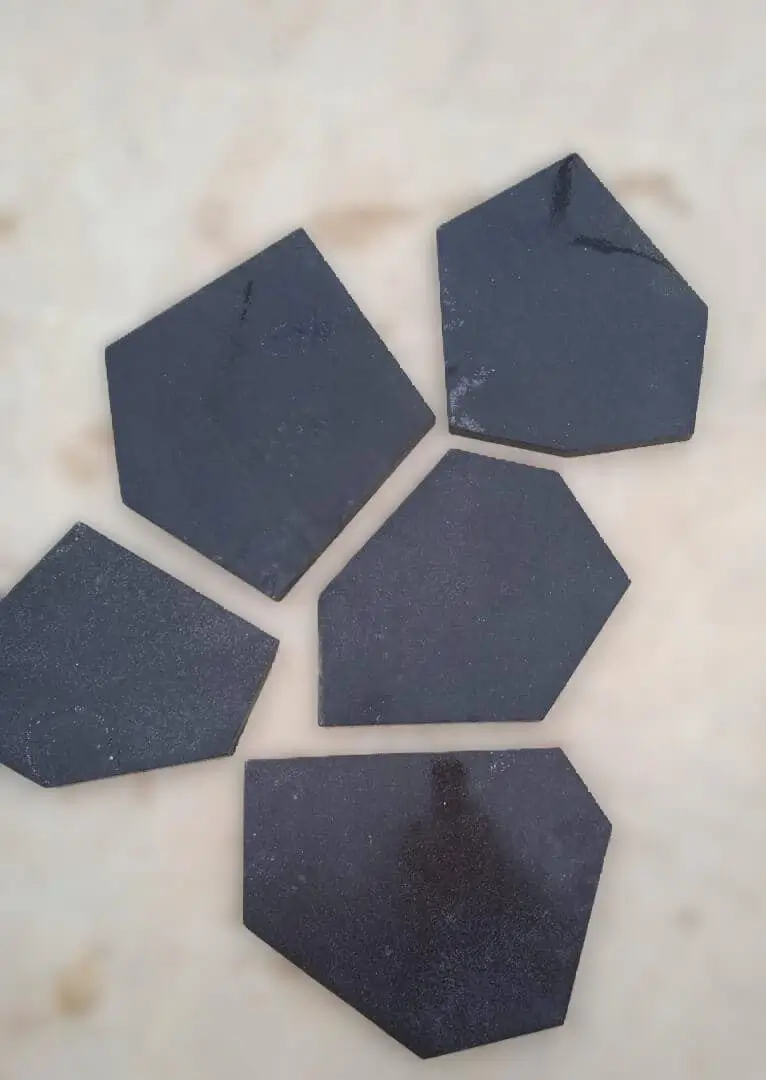
Flagstaff Mountain Lodges
When you plan Flagstaff installations, you would account for freeze-thaw cycling requiring material with porosity below 0.5% and fabrication details that shed water effectively. Your edge profile specifications would avoid horizontal surfaces that collect snow melt, instead specifying beveled or eased profiles with minimum 5-degree slope. You’d require leathered or honed finishes rather than polished surfaces that become hazardous when wet or icy. The local slab yard Arizona custom services would need to provide materials rated for 100+ annual freeze-thaw cycles. Your fabrication specifications should include drainage grooves and drip edges that prevent water infiltration at joints.
Sedona Gallery Installations
For Sedona gallery and retail applications, you would specify exotic materials with dramatic veining requiring careful book-matching and vein direction control. Your fabrication requirements would include full-slab selection at the yard to approve grain pattern before cutting begins. You’d specify custom edge profiles that complement the material’s natural character, potentially including hand-finished details that emphasize organic qualities. The specifications would address lighting interaction with polished versus honed surfaces to optimize visual impact in gallery settings. You should coordinate with lighting designers during material selection to verify that fabrication finish matches illumination design intent.
Mesa Educational Campuses
In Mesa educational facilities, you would prioritize durability and maintenance efficiency in your granite yard Arizona edge profiles selection. Your specifications would favor eased edges with 1/8-inch radius that resist chip damage from impact while remaining cost-effective for large square footage installations. You’d specify cutout locations that accommodate evolving technology mounting requirements with reinforced edges supporting 50+ pound equipment loads. The material selection would emphasize consistent coloration across multiple slabs to ensure visual continuity when replacement sections are needed years after initial installation. Your fabrication specifications should include comprehensive edge sealing to prevent staining in high-traffic student areas where spills occur frequently.
Emerging Fabrication Technologies and Capabilities
The slab yard Arizona fabrication landscape continues evolving with technology that expands what’s possible in custom stone work. You need to understand these capabilities to specify cutting-edge details that weren’t achievable five years ago. CNC waterjet cutting now achieves intricate inlay work and medallion designs that previously required hand fabrication at ten times the cost.
Five-axis CNC machines create three-dimensional edge profiles that follow curved countertop layouts while maintaining consistent profile geometry. You can now specify radius countertops with complex ogee edges that remain uniform around the entire curve—something impossible with manual fabrication. This technology enables architectural details that previously existed only in CAD drawings.
Digital templating using laser measurement eliminates the errors inherent in physical templates. You’ll see accuracy improve from ±1/16 inch with physical templates to ±1/32 inch with laser systems. This precision matters most in retrofit installations where existing conditions vary from original construction documents. Digital templates capture exact as-built dimensions including out-of-square conditions that physical templates miss.
Material scanning technology now allows fabricators to map entire slabs digitally, letting you select exact cutting layouts that optimize vein placement and minimize waste. You can preview how your specific pieces will look before cutting begins, ensuring satisfaction with vein pattern and color distribution. This technology reduces material waste by 12-18% compared to traditional layout methods.
Common Specification Mistakes to Avoid
Most fabrication problems trace to specification errors rather than fabricator incompetence. You need to avoid common mistakes that lead to project delays, cost overruns, and unsatisfactory results. The most frequent error involves assuming fabricators will interpret vague specifications the way you intend—they won’t.
- You should never specify edge profiles or finishes without providing physical samples or approved shop drawings
- Your specifications must include explicit dimensional tolerances rather than assuming industry standards meet your requirements
- You’ll create problems if you specify materials without verifying that local fabricators have experience working with that specific stone type
- You can’t assume that cutout locations work structurally without analyzing stress concentrations and edge distances
- Your installation drawings need to show support bracket locations coordinated with cutout placements to prevent conflicts
Here’s the specification mistake that costs most: failing to address field verification requirements. You should require fabricators to template complex installations rather than working from construction drawings that may not reflect as-built conditions. The $300-500 cost of field templating prevents $5,000-15,000 material replacement expenses when pieces don’t fit.
Another common error involves specifying exotic materials without confirming availability and lead times. You can’t assume your preferred material exists in stock or can be sourced quickly. Professional practice requires material confirmation before design finalization, not after construction documents are complete. For additional considerations on exotic material selection, review Premium exotic stone slabs available at Arizona slab yards before you finalize your project specifications. Bathroom vanity projects showcase Citadel Stone’s boutique marble slab yard in Arizona specialty selections.