
When you specify silver travertine Tempe installations for contemporary designs, you’re working with a material that bridges modern aesthetics and proven desert performance. The cool-toned palette of silver travertine responds directly to Arizona’s architectural shift toward minimalist design, where neutral stones replace warmer traditional colors. You’ll find that contemporary paver designs Arizona projects increasingly favor these gray-spectrum materials for their ability to reduce visual heat while maintaining thermal mass benefits crucial to Southwestern climates.
Your material selection process needs to account for how silver travertine Tempe applications differ from standard beige varieties. The stone’s unique coloration comes from specific mineral compositions in Turkish quarries, where iron content remains lower than ochre-toned deposits. This creates the sought-after gray foundation that modern landscape architecture Tempe professionals specify for high-profile commercial and residential projects.
Thermal Performance Considerations
Silver travertine Tempe installations demonstrate measurable thermal advantages over darker stone options. When you evaluate surface temperature data, you’ll see that light-reflective surfaces reduce peak heat by 18-24°F compared to charcoal or black pavers in direct summer sun. This matters significantly for barefoot traffic areas and pet-accessible zones where surface contact is unavoidable.
Your specification should account for the material’s albedo rating of 0.55-0.62, which reflects 55-62% of incident solar radiation. In practice, this translates to surface temperatures that remain 12-15°F cooler than medium-toned concrete at 2:00 PM in July. You need to understand that thermal mass still plays a role—silver travertine stores heat during peak hours and releases it gradually through evening, creating comfortable microclimates after sunset.
The stone’s porosity range of 4-7% affects thermal conductivity in ways most specifications overlook. When you consider thermal cycling between 115°F daytime peaks and 75°F nighttime lows, this porosity allows internal heat dissipation that reduces thermal stress. You’ll achieve longer service life by factoring this characteristic into joint spacing and edge detail calculations.
Contemporary Design Integration
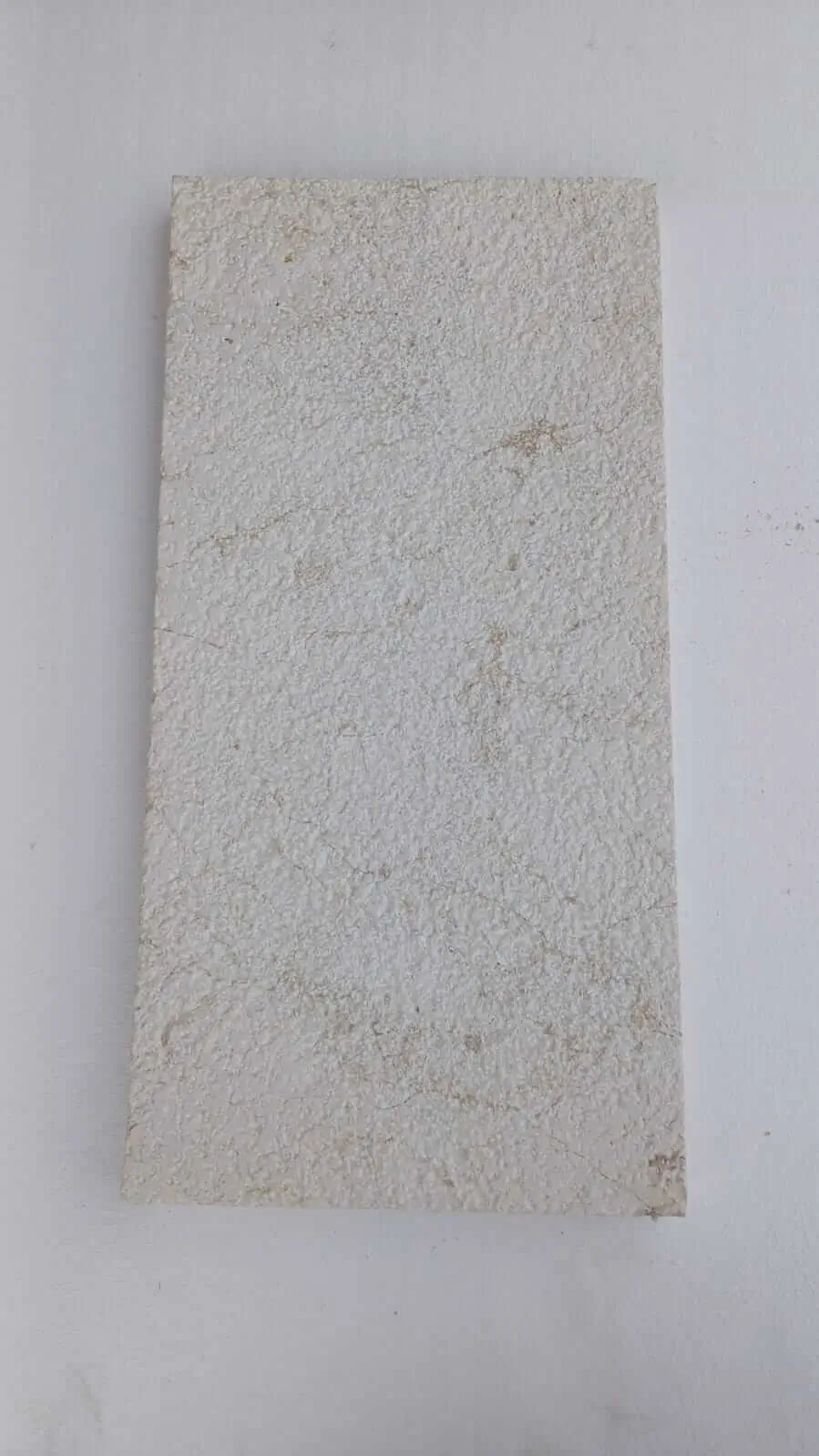
Modern travertine colors have redefined Arizona’s landscape architecture vocabulary over the past decade. You’ll notice that silver and gray tones dominate contemporary paver designs Arizona architects specify for projects requiring visual restraint and spatial cohesion. The material works particularly well in Tempe landscape architecture where property lines blend with surrounding desert hardscape through careful color matching.
When you design installations that incorporate silver travertine Tempe materials, you’re working with a neutral palette that complements both native vegetation and contemporary architectural finishes. The stone’s subtle variegation—ranging from light pearl to medium charcoal within the same slab—creates visual interest without competing for attention. You should specify unfilled surface finishes for modern applications where the stone’s natural texture contributes to the minimalist aesthetic.
- You can pair silver travertine with cor-ten steel edging for industrial-modern contrast
- Your planting design should incorporate silver-foliage natives like brittlebush and desert marigold
- You’ll achieve cohesion by matching grout color to the stone’s mid-tone range
- Your lighting plan needs to account for how cool LED temperatures enhance gray undertones
The dimensional options available in silver travertine Tempe inventory allow you to create contemporary patterns that weren’t feasible with traditional formats. You can specify large-format 24×24 slabs for minimalist installations or combine multiple sizes in modular patterns that reference mid-century design principles. For professional guidance on comprehensive material options, see commercial travertine supplier services to evaluate comparable stone specifications. Your pattern selection should consider how joint lines contribute to or detract from the overall design intent.
Specification Requirements
When you write specifications for silver travertine Tempe projects, you need to address performance criteria that generic stone specs often miss. The material requires minimum compressive strength of 8,500 PSI for vehicular applications and 6,000 PSI for pedestrian zones. You should verify that supplier test data reflects ASTM C170 methodology and includes samples from the specific production run you’ll receive.
Your specifications must account for dimensional tolerances that affect field installation. Silver travertine typically ships with ±2mm thickness variation across slabs, which creates challenges for consistent mortar bed depth. You’ll need to specify sorting and grouping protocols that keep similarly-sized pieces together during installation. This prevents lippage issues that become visually obvious in large-format contemporary installations where sightlines emphasize surface continuity.
- You should specify water absorption rates between 2-5% for freeze-thaw stability
- Your slip resistance requirement should meet or exceed 0.50 DCOF for pool decks
- You need to verify flexural strength exceeds 1,200 PSI for unsupported spans
- Your density specification should target 144-156 lbs/cubic foot for structural applications
The material’s response to sealing treatments differs from warmer travertine tones. When you apply penetrating sealers to silver travertine Tempe installations, you’ll notice that color enhancement is minimal compared to beige varieties. This works to your advantage in contemporary paver designs Arizona projects where color stability matters more than depth enhancement. You should specify low-VOC, penetrating sealers that don’t create surface film or alter the stone’s natural matte finish.
Base Preparation Protocols
Your installation success with silver travertine Tempe materials depends heavily on base preparation that accounts for Arizona’s challenging soil conditions. When you encounter caliche layers—and you will in 70% of Tempe installations—your excavation depth needs to extend below these impermeable zones. Standard 6-inch base depths prove insufficient where caliche prevents proper drainage, leading to subsurface saturation that causes differential settlement.
You’ll achieve optimal results by specifying a three-layer base system: 4 inches of compacted crushed aggregate (3/4-inch minus), 2 inches of screenings or decomposed granite for leveling, and a final 1-inch setting bed of coarse sand. Each layer requires 95% compaction verified with plate testing. You should avoid fine-grained materials in the lower base layers—they retain moisture and create expansion potential during Arizona’s brief but intense monsoon periods.
The relationship between base permeability and surface porosity matters more than most specifications acknowledge. Silver travertine’s 4-7% porosity means water penetrates the surface and enters the base system. You need base layer permeability that exceeds surface permeability by at least 4×, ensuring water moves through rather than accumulating at the interface. This prevents efflorescence conditions that appear as white deposits on gray stone surfaces, creating visual problems that are especially obvious on modern travertine colors.
Joint Spacing Calculations
When you determine joint spacing for silver travertine Tempe installations, you’re balancing thermal expansion against visual preferences for minimal joint lines. The stone exhibits a linear thermal expansion coefficient of 5.8 × 10⁻⁶ per °F. In Tempe’s climate, where surface temperatures range from 55°F winter mornings to 145°F summer afternoons, you’re dealing with a 90°F temperature swing that creates measurable dimensional change.
Your calculations should account for this 90°F differential, which produces approximately 0.063 inches of expansion per 12 feet of stone. You’ll need expansion joints every 12-15 feet in installations with continuous runs, increasing to every 10 feet where direct solar exposure exceeds 8 hours daily. Contemporary paver designs Arizona specifications often request minimal joint visibility, but you can’t eliminate expansion accommodation without risking buckling or corner spalling.
- You should specify 3/16-inch joints for standard installations with moderate solar exposure
- Your high-exposure areas require 1/4-inch joints to prevent compression damage
- You need expansion joints filled with compressible foam backer rod and flexible sealant
- Your joint sand selection should use polymeric products that resist washout during monsoons
The interaction between joint spacing and contemporary design intent requires careful negotiation. When you work with architects who want tight joints for visual continuity, you need to explain the performance trade-offs. Joints tighter than 1/8 inch don’t provide adequate expansion relief in Arizona installations, regardless of aesthetic preferences. You’re better off using slightly wider joints filled with color-matched polymeric sand than dealing with buckling repairs in year two.
Edge Detail Considerations
Your edge details for silver travertine Tempe projects need to address both structural support and aesthetic finish. Contemporary installations often feature perimeter conditions where stone meets different materials—concrete, steel, or exposed aggregate. These transitions create visual emphasis lines that either enhance or detract from the overall design depending on execution quality.
When you specify cut edges versus natural edges, you’re making decisions that affect installation labor and final appearance. Cut edges provide crisp, modern lines that suit Tempe landscape architecture with strong geometric intent. You’ll pay 15-20% more for edge cutting and experience some color variation where saw cuts expose fresher stone, but the precision justifies the cost in high-visibility applications. Natural edges work better for informal contemporary designs where organic variation complements native plantings.
You should detail edge restraints that prevent lateral migration without creating thermal constraints. Concrete mow strips work well when you leave a 1/4-inch gap between stone and concrete, filled with flexible sealant. This allows the stone field to expand independently while maintaining a clean visual boundary. Your edge details must account for base material extending beyond the stone perimeter by at least 6 inches, providing structural support that prevents edge settling.
Surface Finish Options
Silver travertine Tempe materials are available in multiple surface finishes that dramatically affect both appearance and performance. When you specify surface finish, you’re determining slip resistance, maintenance requirements, and how the stone reflects light in different conditions. Contemporary paver designs Arizona projects increasingly favor unfilled, tumbled finishes that showcase natural texture while providing adequate traction.
Your unfilled finish selections expose the stone’s characteristic voids and surface irregularities. This creates visual interest and improves slip resistance (DCOF typically 0.52-0.58), but increases maintenance effort because debris collects in voids. You’ll need to educate clients about this trade-off—the modern aesthetic comes with specific maintenance protocols that differ from filled, honed finishes.
- You can specify tumbled finishes for aged appearance with excellent slip resistance
- Your honed finish provides smooth surfaces with minimal texture variation
- You should avoid polished finishes in exterior applications due to slip hazards
- Your chiseled-edge details add contemporary character to perimeter conditions
The way modern travertine colors respond to different finishes affects color perception significantly. Honed silver travertine appears lighter and more uniform than tumbled versions of the same stone. When you evaluate samples, you need to see them in the actual finish specified, wetted to simulate sealed conditions, and viewed in natural light at the installation site. warehouse inventory typically includes multiple finish options, allowing you to compare before committing to large quantities.
Maintenance Protocol Development
When you develop maintenance protocols for silver travertine Tempe installations, you’re creating systems that preserve the stone’s contemporary appearance over 20+ year service lives. The material’s light coloring shows staining more readily than darker stones, requiring proactive maintenance rather than reactive cleaning. You should specify biennial resealing as baseline maintenance, with annual reapplication in high-traffic or high-exposure zones.
Your sealer selection matters more for long-term appearance retention than most clients realize. Penetrating sealers that don’t alter surface sheen work best for maintaining the stone’s natural matte finish. You’ll want products with 8-12 year service life claims, though Arizona’s UV intensity typically reduces this to 5-7 years in practice. You should avoid topical sealers that create glossy films—they detract from contemporary aesthetics and require more frequent reapplication.
The stone’s porosity means organic staining from landscape irrigation is inevitable. When you design irrigation systems adjacent to silver travertine installations, you need spray patterns that minimize overspray onto stone surfaces. Hard water contains dissolved minerals that leave deposits on gray stone pavers, creating white residue that’s especially visible against cool-toned backgrounds. You’ll prevent this by specifying drip irrigation in planter areas and directing spray heads away from paved surfaces.
Color Variation Management
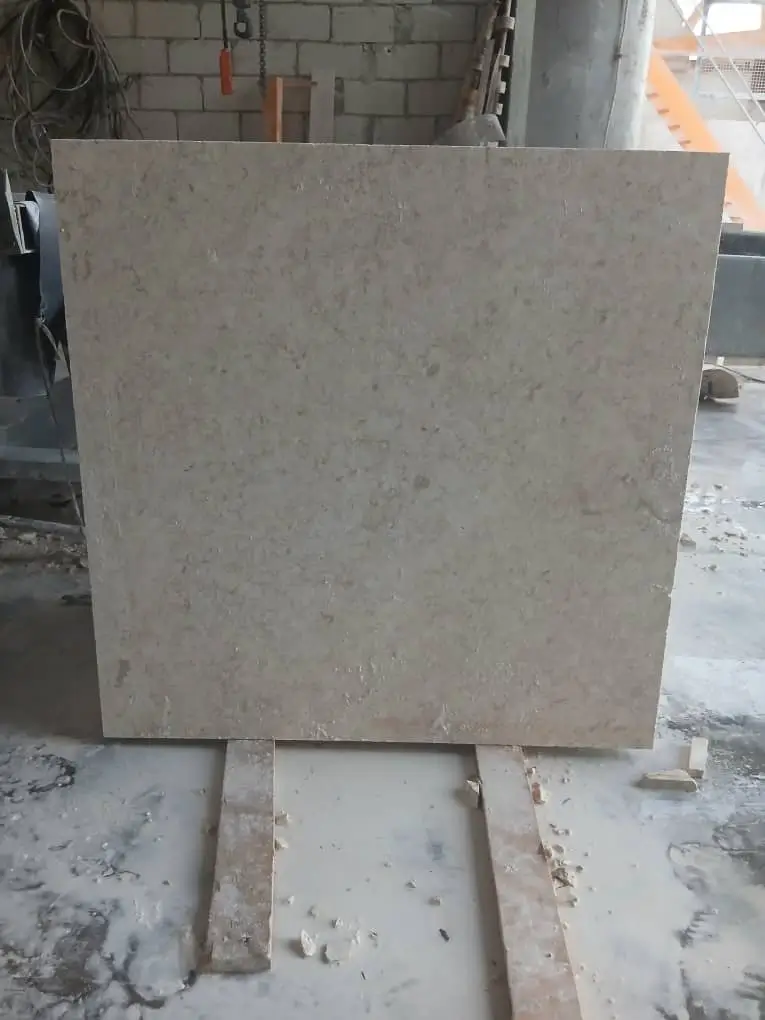
Your expectations for color consistency in silver travertine Tempe projects need to account for natural variation inherent in quarried stone. Contemporary paver designs Arizona specifications often request minimal variation, but you’ll see tonal ranges from pale pearl to medium charcoal within the same production run. This variation comes from mineral content differences in the quarry face and can’t be eliminated without artificial color manipulation.
When you review samples, you’re seeing 1-2 pieces that don’t represent the full range of variation in a multi-ton order. You should request larger sample sets—at least 8-10 pieces—and arrange them to visualize how color variation will appear across a large installation. Your job is to determine whether the variation enhances or detracts from design intent, then communicate this clearly to clients before material procurement.
- You can specify color sorting to group similar tones in specific project zones
- Your blending protocol should pull from multiple crates during installation
- You need to account for 15-20% culling if strict color uniformity is required
- Your sample approval should include photos of large-scale mockups, not individual pieces
The stone’s color stability over time depends on exposure conditions and maintenance quality. Silver travertine doesn’t fade significantly in UV exposure, but surface soiling can make it appear darker after 3-5 years without proper cleaning. You’ll maintain color appearance by specifying annual pressure washing with pH-neutral cleaners and prompt removal of organic debris that can stain stone surfaces.
Cost Analysis Frameworks
When you develop project budgets for silver travertine Tempe installations, you need to account for cost factors that extend beyond material pricing. The stone typically prices 15-30% higher than standard beige travertine due to more limited quarry availability and higher demand for gray-spectrum materials. You’ll see pricing between $8-14 per square foot for material alone, depending on thickness, finish, and order volume.
Your installed cost projections should include base preparation, material installation, edge details, and sealing. Total installed costs typically range from $22-38 per square foot for professional installations meeting commercial standards. You can reduce costs by simplifying patterns, minimizing cut requirements, and using larger-format pieces that reduce installation labor. Contemporary designs with simple geometric layouts install 20-25% faster than complex patterns requiring extensive cutting.
The long-term cost picture favors quality initial installation over budget shortcuts. When you properly prepare bases, use adequate joint spacing, and apply quality sealers, you’re creating installations that require minimal maintenance intervention for 15-20 years. You’ll spend $0.50-0.80 per square foot annually on maintenance when you follow proper protocols—far less than replacing failed installations that cut corners on base preparation or sealer quality.
Citadel Stone: turkish travertine suppliers in Arizona — Professional Specification Guidance
When you consider Citadel Stone’s turkish travertine suppliers in Arizona for your project, you’re evaluating materials sourced directly from premium Turkish quarries and distributed through Arizona-based facilities. At Citadel Stone, we provide technical guidance for hypothetical applications across Arizona’s diverse climate zones. This section outlines how you would approach specification decisions for three representative cities with distinct design and performance requirements.
Your evaluation of silver travertine Tempe options through established distributors needs to account for regional climate variations that affect material performance. You would consider thermal cycling ranges, monsoon precipitation patterns, and urban heat island effects that vary significantly between metropolitan areas. Professional specifications address these variables through tailored recommendations for base preparation, joint spacing, and sealing protocols appropriate to each location.
Phoenix Urban Applications
In Phoenix installations, you would specify silver travertine for projects where extreme heat requires maximum solar reflectivity. Your material selection would address surface temperatures that regularly exceed 140°F during July and August, focusing on light-toned options that reduce barefoot contact hazards. You’d recommend unfilled finishes with tumbled edges to maximize slip resistance in pool deck and patio applications where water contact is frequent. At Citadel Stone, we would advise 1/4-inch joint spacing for Phoenix installations given the extended high-temperature exposure that creates maximum thermal expansion conditions. You would need base depths of 8-10 inches in areas with heavy caliche deposits, ensuring proper drainage during monsoon events that deliver 1-2 inches of rain in short periods.
Tucson Performance Factors
Your Tucson specifications would account for slightly cooler temperatures but similar solar intensity compared to Phoenix. You’d focus on how silver travertine performs in contemporary landscape architecture Tempe professionals are now adapting for Tucson’s growing modern residential market. The stone’s thermal properties would suit installations where you’re creating outdoor living spaces used year-round, not just during mild seasons. You would recommend base preparations that address Tucson’s basin topography and seasonal drainage patterns, where water collection creates subsurface moisture challenges. Your sealing protocols would emphasize stain resistance from native vegetation and hard water deposits common in Tucson’s groundwater supply. You’d specify biennial resealing as baseline maintenance, with more frequent application in high-exposure southern and western orientations.
Scottsdale Design Standards
Scottsdale installations would reflect the city’s emphasis on high-end contemporary paver designs Arizona architects specify for luxury residential and commercial projects. You’d recommend silver travertine for properties where modern travertine colors support minimalist design vocabularies and sophisticated material palettes. Your specifications would address the city’s strict architectural review requirements and higher expectations for installation quality and long-term appearance retention. You would detail edge conditions that interface with other premium materials common in Scottsdale projects—weathering steel, glass tile, and polished concrete. At Citadel Stone, we maintain warehouse stock levels that support Scottsdale’s demand for large-format pieces and consistent color selection across multi-phase developments. You’d recommend color sorting protocols that ensure visual consistency within individual project phases while accepting natural variation that adds character to completed installations.
Common Specification Errors
When you review specifications for silver travertine Tempe projects, you’ll encounter recurring errors that compromise installation quality and long-term performance. The most common mistake is specifying inadequate base depth—many specs call for 4-inch bases that work in temperate climates but fail in Arizona’s expansive soils and extreme thermal cycling. You need minimum 6-inch depths for pedestrian applications and 8-10 inches for vehicular loads.
Your specifications often overlook the relationship between joint spacing and thermal expansion. Generic specs that call for 1/8-inch joints might work in moderate climates but create compression failures in Arizona installations. You should specify minimum 3/16-inch joints, increasing to 1/4 inch in high-exposure areas. This isn’t negotiable—tighter joints will fail regardless of installation quality.
- You commonly see specs that don’t address sealer type or reapplication schedules
- Your drainage specifications frequently ignore the need for base permeability exceeding surface porosity
- You’ll find inadequate attention to edge restraint details that prevent lateral migration
- Your color variation tolerances often don’t reflect natural stone realities
The failure to specify material testing creates quality control gaps. When you don’t require compressive strength verification, water absorption testing, and dimensional tolerance documentation, you’re accepting whatever arrives on the truck. Professional specifications include material testing requirements tied to acceptance criteria—if supplied material doesn’t meet specs, you have grounds for rejection before installation begins.
Procurement Timing Considerations
Your procurement timeline for silver travertine Tempe projects needs to account for material lead times that vary with order size and specification complexity. Standard stock items typically ship within 5-7 business days, but custom sizes, special finishes, or large volumes may require 3-6 weeks. You should verify availability before committing to project schedules that depend on specific material delivery dates.
When you coordinate material procurement with project timelines, you need buffer periods that accommodate shipping delays, damaged material replacement, and quantity adjustments. Professional practice includes ordering 10-15% overage to cover breakage during installation and future repairs. You’ll want this material from the same production run to ensure color matching—getting replacement pieces two years later means accepting visible color variation.
The relationship between warehouse inventory levels and project timelines affects procurement strategy. You can reduce lead times by selecting from stock items rather than special-ordering specific sizes or finishes. This requires early coordination with suppliers to understand what’s readily available versus what requires advance ordering. Your project planning should include material selection meetings 60-90 days before installation to allow adequate procurement time.
Final Considerations
Your professional specification process for silver travertine Tempe installations requires balancing aesthetic preferences with performance requirements and budget constraints. You’ve seen how contemporary paver designs Arizona projects favor cool-toned materials that reduce thermal loading while providing the sophisticated appearance modern landscape architecture Tempe professionals demand. The stone’s proven durability in desert climates, combined with its visual versatility, makes it a defensible specification choice for projects where long-term value matters more than initial cost savings.
When you finalize material selections, you need to consider the complete lifecycle cost picture—not just material and installation pricing. Quality specifications that address proper base preparation, adequate joint spacing, and appropriate sealing protocols create installations that deliver 20+ year service lives with minimal intervention. You’ll serve your clients better by specifying correctly from the start rather than value-engineering details that compromise performance. For additional installation insights, review Professional maintenance techniques for travertine pavers in arid climates before you finalize your project documents. Next-day shipping distinguishes Citadel Stone’s expedited travertine distributors in Arizona delivery fleet.