
When you’re working with narrow side yards in Prescott, you face a unique set of spatial and aesthetic challenges that demand thoughtful material selection. Side yard stepping stones Prescott installations require you to balance foot traffic durability with visual continuity in spaces that often measure just 36 to 48 inches wide. You need materials that won’t overwhelm the confined area while still providing safe, stable pathways that handle frequent use without cracking or settling.
Your material choices for these tight corridors need to account for Prescott’s 5,100-foot elevation and dramatic temperature swings — summer highs reaching 90°F and winter lows dropping to 20°F create thermal cycling that stresses inadequate installations. You’ll encounter soil conditions ranging from decomposed granite to clay-heavy substrates, both of which affect base preparation and long-term stability. The key is selecting stepping stones with appropriate thermal mass properties that won’t heave during freeze-thaw cycles while maintaining slip resistance across wet and dry conditions.
Prescott Side Yard Constraints
You’re dealing with spatial limitations that directly impact your stepping stone layout and size selection. Most Prescott side yards measure between 36 and 60 inches wide, with many older properties featuring even tighter clearances where foundation walls and property lines leave minimal working space. Your stepping stone dimensions need to provide adequate foot placement — typically 16 to 24 inches across — while leaving visual breathing room along both edges.
The vertical constraints matter just as much as horizontal space. You need to account for overhead clearances from eaves, which in Prescott’s traditional architectural styles often extend 18 to 24 inches beyond wall planes. This affects both installation access and long-term maintenance protocols. When you plan Prescott tight space landscaping solutions, you’re balancing the practical requirements of installation crew access with the finished aesthetic that homeowners expect in these high-visibility transition zones.
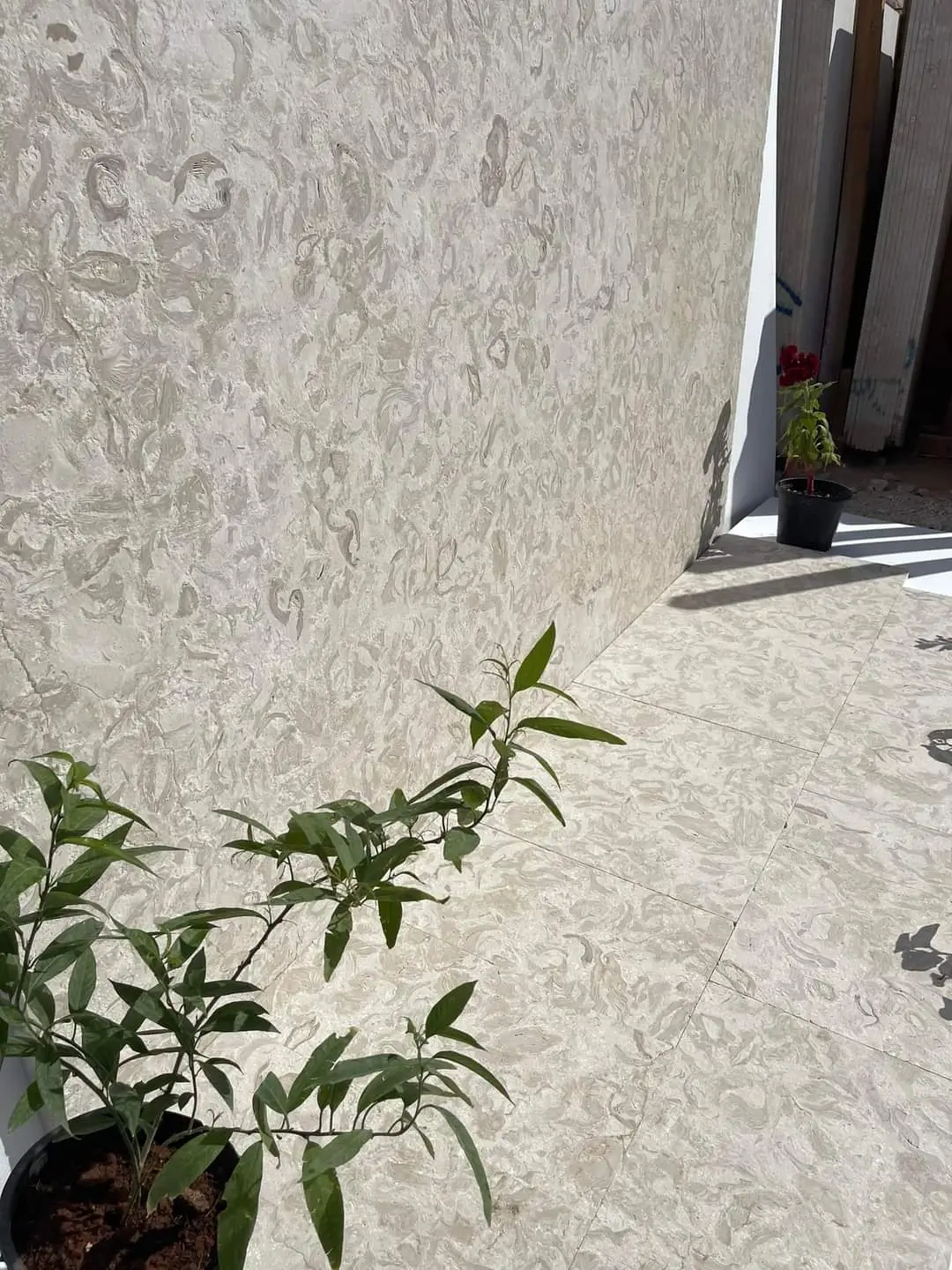
Water drainage becomes critical in these confined spaces. You’ll find that side yards in Prescott often serve as drainage corridors during monsoon events, channeling runoff from front yards to rear drainage systems. Your stepping stone installation needs to accommodate this water movement without creating ponding or erosion issues. Permeable base layers become essential, requiring you to spec aggregates with infiltration rates that exceed surface runoff volumes during typical 1.5-inch-per-hour monsoon intensities.
Material Performance in Narrow Applications
The performance requirements for side yard stepping stones Prescott projects differ substantially from open-area applications. You’re specifying materials that will experience concentrated foot traffic along predictable wear patterns, creating stress concentrations that don’t occur in dispersed patio installations. Compressive strength requirements remain consistent with broader applications — minimum 8,000 PSI — but edge durability becomes the limiting factor in these linear configurations.
Your material selection needs to address the microclimate conditions that develop in narrow side yards. These spaces experience reduced air circulation and prolonged shade periods, creating moisture retention patterns that affect efflorescence development and biological growth. You’ll want materials with porosity ranges between 3 and 6 percent, providing sufficient drainage without compromising structural integrity. Higher porosity materials absorb excess moisture that promotes moss and algae growth in these shaded corridors.
- You should verify that thermal expansion coefficients allow for proper joint spacing in confined layouts
- Your specification must account for limited substrate drying between moisture events
- You need to select materials with consistent thickness tolerances to maintain level transitions
- Your chosen stones should provide slip resistance ratings above 0.50 DCOF in wet conditions
The aesthetic considerations in narrow spaces demand materials with refined surface characteristics. You’ll find that heavily textured surfaces create visual weight that overwhelms confined areas, while overly smooth finishes present safety concerns during Prescott’s wet seasons. The balance point typically falls with thermal or lightly flamed finishes that provide texture without visual heaviness. When you evaluate narrow path solutions Arizona projects, you’re looking for materials that read as cohesive elements rather than disconnected stepping platforms.
Base Preparation for Confined Spaces
Your base preparation in side yard applications requires modified approaches compared to open installations. The limited working width restricts compaction equipment options, often forcing you to rely on hand tampers or narrow plate compactors that may not achieve optimal density in standard aggregate bases. You need to compensate by adjusting base depth and material gradation to achieve equivalent bearing capacity with reduced compaction efficiency.
The typical base assembly for side yard stepping stones Prescott installations consists of a 4-inch compacted aggregate base over properly graded native soil. You’ll want to increase this to 6 inches in clay-heavy soils common to Prescott’s lower elevations, where expansive soil movement creates additional stress on stepping stone installations. Your aggregate selection should focus on angular crushed materials in the 3/4-inch-minus range, providing mechanical interlock that compensates for reduced compaction in confined spaces.
Drainage integration becomes more complex when you’re working within 36 to 48-inch widths. You can’t rely on broad area drainage that disperses water across multiple square feet. Instead, you need to create linear drainage channels that move water efficiently through the corridor without undermining your base assembly. This typically requires you to maintain a consistent cross-slope of 2 percent toward one edge, directing water to designated collection points rather than allowing random percolation.
Stepping Stone Sizing Strategies
When you select stepping stone dimensions for Prescott side yards, you’re balancing functional requirements with spatial proportions that make narrow corridors feel accessible rather than cramped. The relationship between stone size and corridor width follows practical ratios — your stepping stones should occupy 50 to 65 percent of the available width, leaving visual margins along both edges that prevent the installation from reading as a continuous slab.
For 36-inch-wide side yards, you’ll typically spec stepping stones in the 18 to 22-inch range, providing adequate foot placement while maintaining proportional spacing. When you move to 48-inch corridors, you can increase stone dimensions to 24 to 28 inches, though this upper range begins approaching paver territory rather than distinct stepping stones. The goal with compact walkways is maintaining the visual rhythm of individual elements rather than creating monolithic surfaces that overwhelm the space.
Thickness specifications for side yard applications need to account for concentrated loading along traffic paths. You should spec minimum 2-inch thicknesses for residential applications, increasing to 2.5 inches in areas where service access or occasional equipment movement occurs. The challenge with thinner materials isn’t immediate failure — it’s the progressive edge chipping and corner breakage that develops over 5 to 8 years as repeated impacts compromise material integrity along high-stress edges.
Installation Spacing and Patterns
Your spacing decisions for side yard stepping stones directly affect both functionality and long-term maintenance requirements. The standard 18 to 24-inch center-to-center spacing that works in open gardens often proves impractical in narrow side yard corridors where users expect continuous, predictable footing. You’ll want to reduce spacing to 12 to 16-inch gaps for Prescott tight space landscaping applications, creating rhythm that accommodates varied stride lengths without forcing awkward foot placement.
The linear nature of side yard paths allows you to establish consistent spacing that users quickly internalize, making navigation intuitive even in low-light conditions. This consistency becomes a safety feature when you’re designing access routes that homeowners traverse frequently. You need to resist the temptation to vary spacing for visual interest — in confined corridors, irregular spacing creates trip hazards rather than aesthetic enhancement.
Joint treatment between stepping stones affects both installation appearance and long-term performance. You have several options when working with side yard stepping stones Prescott projects, each offering distinct advantages. Tight joints filled with polymeric sand create near-continuous surfaces that shed water efficiently and resist weed intrusion. Wider joints filled with decomposed granite or pea gravel provide permeable transitions that enhance drainage while softening the visual impact of hardscape elements.
- You should maintain joint widths between 1/2 inch and 1 inch for optimal stability
- Your joint fill material needs to allow water infiltration while resisting erosion
- You’ll want to avoid organic mulches that decompose and create maintenance issues
- Your installation should include edge restraints to prevent lateral stone migration
Thermal Management Considerations
The thermal behavior of stepping stones in Prescott’s climate presents challenges that differ from lower-elevation Arizona locations. You’re working at an elevation where summer heat stress combines with winter freeze-thaw cycling, creating year-round thermal movement that affects joint integrity and base stability. Your material selection needs to balance thermal mass properties that moderate surface temperatures against thermal expansion characteristics that dictate joint spacing requirements.
When you specify materials for narrow path solutions Arizona installations at Prescott’s elevation, you need to account for daily temperature swings that frequently exceed 40°F during shoulder seasons. These rapid thermal cycles create expansion and contraction that stresses both the stepping stones and their supporting base. Materials with lower thermal expansion coefficients — typically in the 4.5 to 5.5 × 10⁻⁶ per °F range — perform better in these conditions, requiring less aggressive joint spacing to accommodate movement.
The confined nature of side yards affects thermal behavior in ways that impact your specifications. Shaded corridors along north-facing walls experience prolonged moisture retention and reduced drying rates, while south-facing passages receive concentrated solar exposure that elevates surface temperatures 15 to 20 degrees above ambient air temperatures. You need to consider these microclimates when selecting materials and finishes, recognizing that darker stones in south-facing corridors can reach uncomfortable surface temperatures during summer afternoons.
Edge Detail Integration
Your edge treatment strategy in side yard applications determines both installation longevity and visual refinement. The proximity to foundation walls and fencing creates opportunities for integrated edge details that aren’t available in open installations. You can specify mortared edges along foundation walls, creating clean transitions that prevent soil intrusion while establishing formal lines that enhance architectural continuity.
For applications using side yard stepping stones Prescott homeowners frequently request, you’re often working against vinyl or wood fencing that doesn’t provide rigid edge support. You’ll need to install independent edge restraints — typically aluminum or steel edging set in concrete footings — that maintain stepping stone alignment over time. These restraints need to sit below finished grade, remaining visually unobtrusive while providing the lateral support that prevents progressive stone migration.
The relationship between stepping stone elevation and adjacent grade affects both drainage and aesthetic integration. You should establish stepping stone surfaces approximately 1/2 inch above surrounding soil grade, providing clearance that prevents soil accumulation on stone surfaces while maintaining visual connection to planted areas. This elevation relationship becomes critical in Arizona small area design applications where you’re balancing hardscape functionality with landscape softening elements.
Common Specification Errors
When you specify side yard stepping stones, several recurring mistakes compromise installation performance and longevity. The most frequent error involves inadequate base depth in confined spaces, where installers assume narrow widths justify reduced base preparation. You need to maintain full-depth base assemblies regardless of corridor width — the concentrated traffic patterns in side yards actually increase base stress compared to dispersed open-area installations.
Another common mistake appears in joint spacing specifications that don’t account for thermal movement in Prescott’s variable climate. You’ll see installations where stepping stones are set with minimal joints — 1/4 inch or less — that don’t accommodate the thermal expansion occurring across 20 to 28-inch stone dimensions. This inadequate spacing creates stress concentrations that manifest as edge spalling and corner breakage within 3 to 5 years of installation.
- You should avoid specifying stones thinner than 2 inches for side yard applications
- Your specifications need to address proper cross-slope for drainage management
- You must require edge restraints even in apparently confined installations
- Your base preparation should match or exceed open-area standards
The selection of inappropriate joint fill materials creates ongoing maintenance burdens in compact walkways. Organic materials like bark or wood chips decompose rapidly in Prescott’s monsoon season, requiring annual replacement and creating uneven transitions that become trip hazards. You’re better served specifying inorganic materials — decomposed granite, crushed stone fines, or polymeric sand — that maintain dimensional stability across seasonal moisture variations.
Maintenance Access Planning
Your design approach for side yard stepping stones needs to anticipate long-term maintenance requirements that differ from open installations. The confined spaces that characterize these applications limit equipment access for repairs and periodic maintenance, forcing you to consider how future interventions will occur when base settling or individual stone damage requires attention. You should design installations with removal and replacement strategies built into the initial specification.
When you plan maintenance protocols for Prescott tight space landscaping installations, you’re accounting for periodic joint refilling, stone cleaning, and eventual element replacement. The narrow working width means you can’t bring in mechanical equipment for these tasks — everything happens through manual labor with hand tools. This reality should inform your initial material selections, favoring stones with proven durability that minimize replacement frequency over 20-year service lives.
The proximity to structures affects maintenance scheduling and methods. You need to coordinate side yard maintenance with other building envelope work — gutter cleaning, painting, foundation inspections — to minimize access disruptions and maximize efficiency. For professional guidance on related stepping stone applications across different contexts, see Citadel Stone’s stepping stone facility for comprehensive technical resources. Your maintenance planning should include provisions for periodic base inspection through selective stone removal on 5-year intervals.
Integration with Landscape Elements
Side yard corridors in Prescott typically serve multiple functions beyond simple pedestrian circulation. You’re designing pathways that coexist with utility access points, drainage systems, and often modest landscape plantings that soften the hardscape elements. Your stepping stone layout needs to accommodate these competing demands while maintaining clear, functional passage through the space.
The relationship between stepping stones and adjacent plantings requires careful spatial planning. You need to maintain minimum 6-inch clearances between stone edges and plant materials to prevent root intrusion under stones and allow adequate air circulation. This clearance becomes particularly important in narrow path solutions Arizona applications where every inch of width carries visual and functional significance. Overhanging plants that encroach on stepping surfaces create moisture retention and slip hazards that compromise safety.
Utility access integration affects stepping stone placement and often requires you to coordinate with specific access points. Hose bibs, electrical meters, HVAC condensers, and gas meters frequently occupy side yard spaces, demanding clearances that interrupt ideal stepping stone spacing. You should map these elements during initial site assessment and adjust stepping stone placement to maintain clear access while preserving functional pathway continuity.
Cost Efficiency Strategies
Your budget management for side yard stepping stones Prescott installations benefits from strategies that optimize material usage and installation efficiency. The linear nature of these applications allows precise material quantity calculations that minimize waste — you’re not dealing with the complex cutting and fitting required in curved or irregular patio layouts. This predictability lets you order exact quantities with minimal overage.
Material selection significantly affects project costs, with pricing varying based on stone type, finish, and thickness. You’ll find that basic concrete stepping stones in 2-inch thickness range from $4 to $8 per square foot, while natural stone alternatives run $12 to $25 per square foot depending on material origin and finish specifications. The confined installation areas typical of side yards mean total material costs remain manageable even when you select premium options — a 40-foot side yard with 24-inch stepping stones requires only 60 to 80 square feet of material.
Installation labor costs in side yards often exceed open-area applications on a per-square-foot basis due to access constraints and reduced installation efficiency. You should expect labor rates 25 to 40 percent higher than comparable open installations, reflecting the additional time required for material handling in confined spaces and the hand-work nature of base preparation and setting. At Citadel Stone, we recommend planning installation timelines that account for these efficiency factors when you coordinate project scheduling.
Citadel Stone: Best manufactured stepping stones in Arizona — Specification guidance for Arizona side yard corridors
When you evaluate Citadel Stone’s manufactured stepping stones in Arizona for your projects, you’re considering engineered products designed specifically for the state’s demanding climate conditions. At Citadel Stone, we provide technical guidance for hypothetical applications across Arizona’s diverse regions, from high-elevation communities like Prescott to low-desert metropolitan areas. This section outlines how you would approach specification decisions for three representative cities where side yard applications present distinct performance requirements.
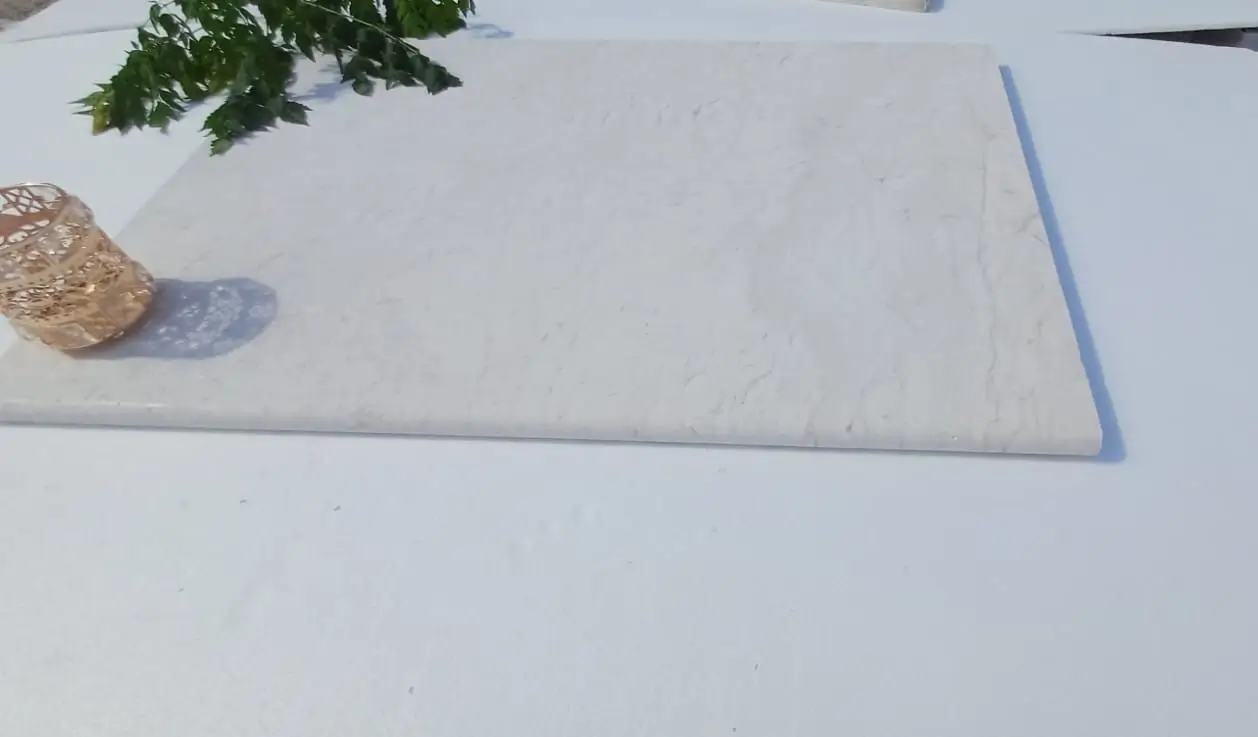
The advantage of manufactured options lies in dimensional consistency and predictable performance characteristics. You would receive stepping stones with thickness tolerances within ±1/8 inch, allowing precise installation over prepared bases without extensive individual adjustment. This consistency becomes valuable in side yard applications where you’re working with limited overhead clearance and need predictable finished elevations to maintain proper relationships with door thresholds and adjacent grade.
Flagstaff Climate Factors
In Flagstaff’s 7,000-foot elevation environment, you would need to prioritize freeze-thaw resistance above all other performance factors. Your specification should address materials with proven durability through minimum 50 annual freeze-thaw cycles, substantially exceeding Prescott’s requirements. You would specify absorption rates below 3 percent to minimize freeze-induced damage, selecting manufactured stones with integral air entrainment that accommodates ice crystal formation without structural failure. The extended winter season would require you to consider snow and ice management protocols that don’t compromise stone surface integrity through repeated de-icing chemical exposure.
Sedona Aesthetic Integration
Your Sedona specifications would emphasize color palette coordination with the region’s distinctive red rock landscape. You would select manufactured stepping stones in warm earth tones — terracotta, buff, and sandstone hues — that complement rather than compete with natural surroundings. The tourist-oriented residential development typical of Sedona would require you to specify premium finishes that maintain visual appeal under heavy foot traffic. You should recommend materials with integral color throughout rather than surface-only treatments, ensuring that minor edge chipping doesn’t expose contrasting base material. Surface texture specifications would balance slip resistance requirements with the refined aesthetic Sedona property owners expect.
Peoria Heat Performance
In Peoria’s low-desert climate, your primary concern would be thermal performance during extended summer heat exposure. You would specify manufactured stepping stones with reflective surface characteristics that moderate surface temperatures, selecting light-colored options that reflect rather than absorb solar radiation. Your recommendations should address materials with thermal mass properties that delay peak surface temperatures until evening hours when side yard use is more likely. You need to account for the urban heat island effects in Peoria’s developed areas, where ambient temperatures exceed regional averages by 5 to 8 degrees. Warehouse stock levels in the Phoenix metro would allow you to coordinate delivery timing that avoids peak summer installation periods when base preparation becomes challenging.
Professional Specification Development
When you develop complete specifications for side yard stepping stones Prescott installations, you need to address multiple performance criteria beyond basic material selection. Your specification documents should include detailed requirements for base preparation, drainage integration, edge restraints, and joint treatment — creating comprehensive guidance that prevents field interpretation errors. The goal is specifications precise enough to ensure consistent results regardless of installation crew experience levels.
Your material specifications should reference industry standards while adapting generic requirements to Prescott’s specific conditions. You would cite ASTM C1528 for slip resistance verification, specifying minimum DCOF values of 0.50 for wet conditions. For compressive strength, you should reference ASTM C170 and require minimum 8,000 PSI for side yard applications. These standard citations provide legal protection while establishing clear quality benchmarks that material suppliers can verify through laboratory testing.
- You should specify minimum 2-inch thickness for residential side yard applications
- Your drainage requirements need to mandate 2 percent minimum cross-slope
- You must require edge restraints set in concrete footings for lateral stability
- Your joint specifications should address both spacing dimensions and fill material properties
The specification development process benefits from site-specific modifications that address unique conditions. You need to conduct thorough site assessment documenting existing drainage patterns, soil conditions, overhead clearances, and utility locations. These site factors inform specification adjustments that prevent generic documents from creating field conflicts between specified requirements and actual site constraints.
Final Considerations
Your success with side yard stepping stones Prescott projects depends on integrated planning that addresses spatial constraints, material performance, installation methodology, and long-term maintenance from project inception. The confined nature of these applications demands more rigorous specification attention than open-area installations, where dimensional variations and installation irregularities don’t create the same functional and aesthetic consequences. You need to approach these projects recognizing that limited space magnifies both errors and excellence in design and execution.
The elevation-specific requirements of Prescott installations require you to balance competing demands — freeze-thaw resistance and thermal mass management, aesthetic refinement and practical durability, installation efficiency and long-term performance. Your material selections need to satisfy all these requirements simultaneously, eliminating options that excel in one dimension while failing in others. For detailed technical guidance on material thickness considerations, review Minimum thickness requirements for durable stepping stones in Arizona before you finalize your project specifications. Citadel Stone makes it easy to buy Stepping Stones in Arizona with our online catalog and yard.