
Shellstone travertine pavers Arizona projects demand something most general travertine specs don’t account for — the material’s open-vein porosity reacts differently to the Sonoran Desert’s evaporative drying cycle than it does in humid climates, and that distinction determines whether your installation holds up for three decades or starts showing stress fractures within five years. The pore structure in shellstone is coarser and more interconnected than standard travertine, which makes it breathe exceptionally well under intense solar gain, but it also means your sealing protocol needs to be calibrated specifically for this material, not borrowed from a generic travertine spec sheet. Understanding these nuances upfront separates a successful Arizona installation from an expensive repair job.
What Makes Shellstone Travertine Different from Standard Travertine
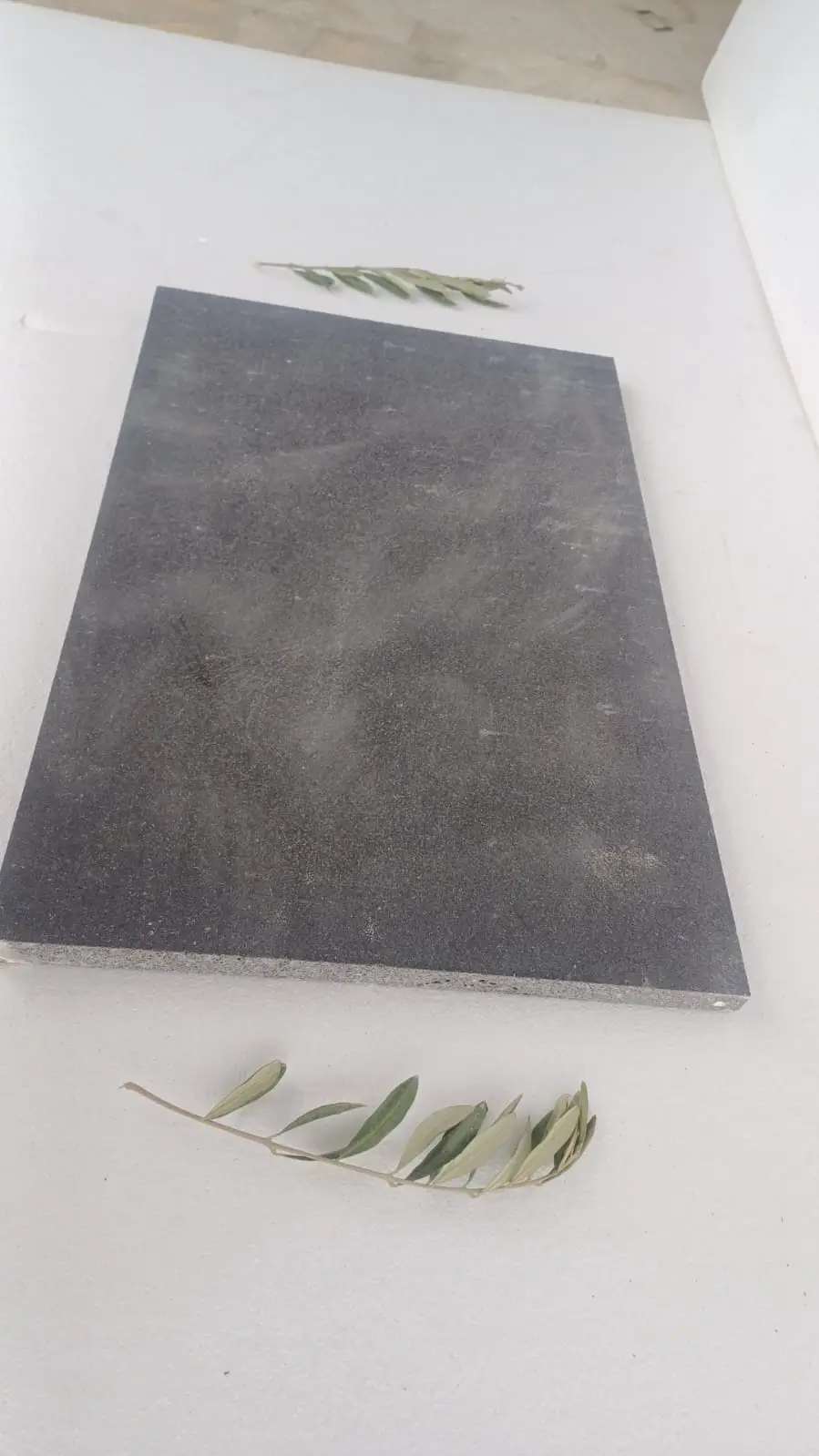
Shellstone gets its name from the fossilized shell fragments and marine organism debris embedded in its calcium carbonate matrix — a geological signature that produces its distinctive cream-to-ivory surface texture. That fossil content isn’t just aesthetic; it creates micro-void patterns that give shellstone a lower thermal conductivity than denser travertine varieties. In practical terms, you’re looking at surface temperatures that run 15–22°F cooler underfoot than equivalent concrete flatwork under the same Arizona sun exposure.
The compressive strength of quality shellstone typically ranges from 4,500 to 7,200 PSI depending on origin and quarry depth. That range matters for Arizona applications because the lower end of that spectrum is marginal for vehicular loading — you’ll want to confirm your supplier’s technical data sheet before specifying shellstone natural stone pavers in Arizona for driveway applications. For patios, pool decks, and pedestrian walkways, the full range performs well when installed over a properly compacted base.
- Open-void porosity ranges from 3–8%, compared to 1–4% in standard travertine — this affects both sealing frequency and freeze-thaw resistance
- Thermal expansion coefficient runs approximately 4.8–5.2 × 10⁻⁶ per °F, requiring expansion joints at 12-foot intervals in Arizona’s extreme temperature swings
- Water absorption rates between 0.5–1.8% by weight — critical data for pool deck applications and drainage planning
- ASTM C1028 wet dynamic coefficient of friction (DCOF) typically falls between 0.60–0.72 in tumbled or brushed finishes, meeting ADA slip-resistance thresholds
- Nominal thicknesses available in 3/4-inch, 1-1/4-inch, and 2-inch options — Arizona exterior applications almost always require minimum 1-1/4-inch for structural stability
Shellstone Paver Finish Options Arizona Buyers Should Evaluate
The finish you select on shellstone natural stone pavers in Arizona does more than determine visual character — it directly controls slip resistance, sealing compatibility, and long-term maintenance burden. Arizona’s intense UV environment degrades some surface treatments faster than you’d expect from manufacturer literature written for temperate climates, so matching the finish to your application context is a decision worth slowing down on.
Tumbled shellstone is the most forgiving choice for residential pool decks and patio applications in Phoenix, where the combination of intense solar gain and frequent water exposure creates a demanding performance environment. The mechanical tumbling process rounds the edges, opens the surface texture slightly, and produces DCOF values consistently above 0.65 — the threshold you want for wet areas. It also ages gracefully in harsh UV conditions because there’s no polished surface layer to degrade.
Brushed and honed finishes land in the middle of the performance spectrum. They provide a smoother aesthetic than tumbled stone while maintaining adequate slip resistance for covered patios and low-moisture zones. The detail most installers don’t flag is that brushed shellstone tends to show efflorescence more visibly than tumbled versions because moisture movement through the open pores deposits calcium carbonate closer to the cleaner surface plane. In Arizona’s dry conditions, efflorescence episodes are typically self-resolving, but you should brief your clients on the possibility in the first two seasons.
- Tumbled finish: best for pool decks, spa surrounds, and any wet-zone application — DCOF above 0.65 consistently
- Brushed finish: appropriate for covered patios and low-traffic pedestrian areas — moderate slip resistance, visible efflorescence risk
- Honed finish: suited for shaded or interior-adjacent spaces — DCOF can drop below ADA thresholds when wet, verify before specifying
- Natural cleft: available in some shellstone varieties, delivers the highest slip resistance of any finish but requires more aggressive joint filling to prevent debris trapping
- Polished shellstone: not recommended for exterior Arizona applications — UV degradation and surface spalling risk are significant without quarterly maintenance
Shellstone paver finish options Arizona suppliers stock vary considerably by quarry source. Turkish shellstone tends toward warmer cream tones with tighter fossil patterns; Turkish Mediterranean varieties run cooler ivory with more pronounced shell inclusions. The finish interacts with these base color tones differently, so always review full-size field samples under Arizona afternoon light before finalizing your selection.
Base Preparation Realities for Arizona Soils
Arizona’s soil conditions vary dramatically across regions, and base preparation is where shellstone installations most commonly fail. The expansive clay soils common in parts of the Valley create heave cycles that can fracture even correctly-specified stone when the aggregate base isn’t designed to accommodate them. In Tucson, where caliche layers frequently appear at 12–24 inches depth, the naturally cemented layer actually provides an excellent sub-base platform — but it requires mechanical scarification across the full installation footprint to prevent differential settlement at caliche edges.
For premium shellstone outdoor pavers in Arizona, the standard base specification calls for 4–6 inches of compacted Class II base aggregate at 95% Modified Proctor density, topped with a 1-inch setting bed of coarse washed sand. In documented expansive clay zones, you’ll want to extend that aggregate depth to 8 inches and consider a geotextile separation fabric between native soil and aggregate to prevent clay migration into your drainage layer over time.
- Minimum 4-inch aggregate base for pedestrian patios on stable soils — extend to 8 inches on expansive clay
- 1-inch sand setting bed using coarse washed concrete sand — not mason sand, which compacts too densely and impairs drainage
- Geotextile separation fabric strongly recommended in clay-heavy soil profiles
- Compaction verification at 95% Modified Proctor before any stone placement — don’t skip this even on residential projects
- 2% minimum cross-slope for surface drainage — Arizona’s monsoon rain intensity (often 1–2 inches per hour) makes this non-negotiable
- Expansion joint placement at 12-foot intervals using backer rod and elastomeric sealant rated for 130°F sustained surface temperatures
Travertine paver suppliers in Arizona who understand the local soil conditions will be able to advise on base depth adjustments by zip code. At Citadel Stone, we recommend clients share their geotechnical report or soil type before finalizing base specifications — the difference between a 4-inch and 8-inch base represents meaningful material cost that should be scoped correctly from the start.
Thermal Performance in Desert Heat: What the Numbers Actually Mean
Arizona’s climate creates a thermal performance environment that most stone literature doesn’t directly address. In the Phoenix metro, ambient air temperatures above 110°F are routine in July and August, and dark paving surfaces can reach surface temperatures exceeding 160°F. Shellstone’s relatively high albedo — typically 0.55–0.68 depending on color variation — reflects a significant portion of solar radiation rather than absorbing it, which translates to measurable barefoot comfort differences compared to darker hardscape materials.
The thermal mass behavior of exterior shellstone travertine slabs creates a specific dynamic that homeowners in high-heat climates often find counterintuitive. The stone absorbs and stores heat through the day, which means surface temperatures peak in late afternoon rather than at solar noon. By early evening — when most Arizona families actually use their outdoor spaces — the surface is releasing stored heat rather than just reflecting incoming radiation. This is worth addressing in client conversations early, because the expectation that “light-colored stone stays cool” isn’t entirely accurate; it’s more nuanced than that.
- Peak surface temperature on shellstone in direct Phoenix sun: approximately 125–135°F versus 150–165°F on comparable gray concrete
- Thermal mass storage creates 2–3 hour lag between solar peak and surface temperature peak — plan shading structures accordingly
- Overnight radiative cooling brings shellstone surfaces to near-ambient by 10 PM in most Arizona locations, making evening use comfortable
- Light-colored shellstone varieties (cream, ivory) outperform buff or tan varieties by 8–12°F under identical exposure conditions
- Pool deck applications benefit from evaporative cooling effects when stone remains damp — shellstone’s open porosity supports this effect better than denser stone types
Sealing Protocols Calibrated for Arizona Conditions
The sealing question is where most Arizona shellstone installations get compromised — not because owners skip sealing entirely, but because they use the wrong sealer type or apply it at the wrong time in the temperature cycle. Arizona’s extreme heat means you’re working with a narrow application window: sealers applied when stone surface temperature exceeds 90°F cure too rapidly, leaving streaking, uneven penetration depth, and adhesion failures that require stripping and reapplication within a year.
For exterior shellstone travertine slabs in Arizona’s climate, a penetrating impregnating sealer with a silane-siloxane chemistry is the correct choice for most applications. These sealers penetrate below the surface rather than forming a topcoat film, which means they don’t trap moisture vapor beneath a surface membrane — a critical advantage in a climate where stone heats to 130°F and needs to breathe. Topcoat film sealers in Arizona typically fail within 18–24 months due to thermal cycling stress, regardless of the product’s rated longevity in temperate conditions.
- Apply sealer only when stone surface temperature is below 85°F — typically before 9 AM or after sundown in summer months
- Initial sealer application should occur after a minimum 28-day cure period post-installation
- Reapplication interval for shellstone in Arizona: every 18–24 months for pool deck areas, every 24–36 months for covered patios
- Penetrating silane-siloxane sealers recommended over acrylic topcoat films for all exterior applications
- Pre-sealing joint fill with matching grout or polymeric sand is mandatory — sealer cannot compensate for open, unfilled joints
- Water-based sealers perform comparably to solvent-based in Arizona’s dry climate and eliminate VOC concerns during application
You should also plan your sealing schedule around Arizona’s monsoon season. Applying sealer immediately before the July–September monsoon window means the first significant rainfall hits fresh sealer that may not have fully cured — particularly problematic with solvent-based products. Target late September through October for your annual or biennial sealing maintenance for the best results.
Shellstone for Pool Decks: Specification Details That Matter
Pool deck applications represent the highest-stakes use case for shellstone natural stone pavers in Arizona, because you’re combining permanent water exposure, heavy foot traffic, chemical contact from pool treatment systems, and Arizona’s extreme thermal cycling in a single installation. Getting the specification right from the beginning eliminates the two most common failure modes: surface spalling from chlorine saturation and subsurface destabilization from improper drainage geometry.
Chlorine and bromine pool sanitizers don’t aggressively attack properly sealed shellstone, but the interaction becomes problematic when sealer integrity degrades and concentrated chemical solution penetrates into the pore structure. The calcium carbonate in shellstone can react with chlorine compounds over extended exposure, producing surface softening and eventual spalling at the pore edges. The mitigation is straightforward — maintain sealer integrity on a consistent schedule and rinse pool deck surfaces after high-chlorine events like shock treatment.
Explore our Arizona travertine shellstone selection to review technical data sheets for pool-rated shellstone grades, including water absorption rates and chemical resistance specifications verified for Arizona conditions.
- Specify 1-1/4-inch minimum thickness for pool deck applications — 3/4-inch is marginal and susceptible to cracking at point loads
- Coping stone at pool edge should be bullnose or drop-face profile to protect waterline tile from foot traffic impact
- Drainage pitch away from pool structure: minimum 1% slope (1/8-inch per foot) — verify against local building code requirements
- Non-slip tumbled finish mandatory for wet zones; DCOF certification from supplier documentation is required for liability coverage on commercial projects
- Expansion joints at all transitions to pool coping, deck equipment pads, and structure interfaces — thermal movement is significant at these junctions
Ordering, Warehouse Stock, and Project Timeline Planning
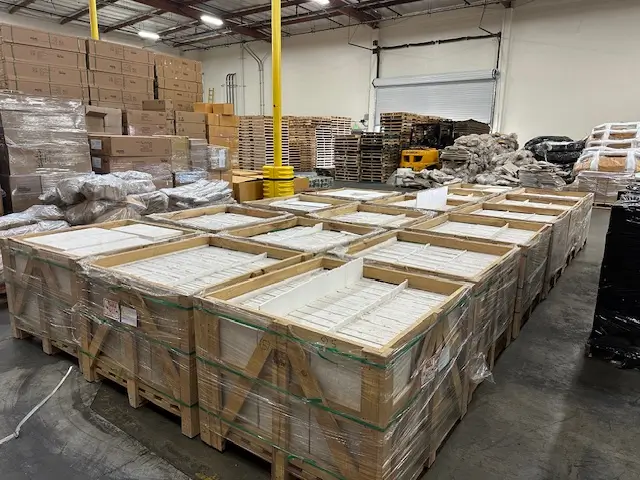
Material logistics planning for shellstone travertine pavers in Arizona requires accounting for lead times that vary significantly depending on whether your specified material is in warehouse inventory or requires import sourcing. Shellstone is produced primarily in Turkey and limited Mediterranean quarry regions, which means imported material typically carries a 6–10 week lead time from order confirmation to truck delivery on your project site. Domestically warehoused stock dramatically compresses that timeline, but availability fluctuates with regional demand cycles — and Arizona’s intense spring building season can clear warehouse inventory faster than most project managers anticipate.
Citadel Stone maintains regional warehouse inventory in Arizona, which typically reduces lead times to 1–2 weeks for standard shellstone grades and common sizes. For specialty cuts, custom sizes, or high-volume orders above 2,000 square feet, you should confirm warehouse stock levels before finalizing your project schedule — assuming in-stock availability without verification is a common project management error that creates costly delays.
- Order a minimum 10% overage above your measured square footage — cuts, breakage, and pattern waste make this standard practice, not optional
- Confirm pallet lot numbers match before accepting truck delivery — color variation between production lots in shellstone is more pronounced than most natural stones
- Truck access requirements for pallet delivery: minimum 10-foot clearance width, firm ground capable of supporting loaded delivery vehicles
- Acclimate stone on-site for 48–72 hours before installation in summer months — thermal equilibration affects mortar/adhesive open time significantly
- Inspect every pallet at truck delivery for transit damage — file carrier claims immediately, not after installation begins
In Scottsdale, where high-end residential projects often specify premium shellstone outdoor pavers in Arizona with tight color matching requirements, requesting a warehouse visit to hand-select pallets from the same production lot is a practice that experienced stone installers use to ensure visual consistency across large installations. The additional coordination effort pays significant dividends on projects where the client is investing in premium materials.
Common Installation Mistakes and How to Avoid Them
Field experience with shellstone travertine pavers across Arizona projects reveals a consistent pattern of avoidable errors — most of which originate in specification documents that were adapted from non-Arizona sources without adjusting for local conditions. The most consequential mistake is under-specifying the setting bed thickness and then not adjusting mortar open time for Arizona summer temperatures. Standard thinset mortars have a 20–30 minute working time in temperate conditions; in Arizona summer heat, that window can compress to 8–12 minutes, leading to insufficient mortar coverage and bond failure within 2–3 thermal cycles.
The second most common failure pattern involves expansion joint spacing that follows generic specifications rather than Arizona-specific thermal cycling requirements. Generic specs often call for expansion joints every 16–20 feet; Arizona’s temperature differential between December nights (35°F) and July afternoons (115°F) creates movement demands that require joints at 12-foot intervals. That’s a meaningful difference that shows up as hairline cracks in grout joints within the first two years if the spec isn’t adjusted.
- Use extended open-time thinset mortar formulations rated for high-temperature applications — standard thinset is not suitable for Arizona summer installation
- Maintain minimum 95% mortar coverage on the back of each paver — use the back-butter technique in addition to combed trowel application
- Never install over frozen or frost-affected sub-base — while rare in the low desert, Flagstaff and higher-elevation Arizona projects require this check in winter months
- Grouting within 24 hours of stone placement is too soon in most cases — allow 48–72 hours for full mortar cure before grout application
- Use sanded grout for joints 1/8 inch and wider — unsanded grout in wider joints cracks during thermal cycling in Arizona’s temperature range
- Do not seal stone within 28 days of installation — residual moisture in the mortar bed must fully evacuate before sealer application
Travertine paver suppliers in Arizona with deep field experience will flag these climate-specific adjustments during the pre-project technical consultation. If your supplier isn’t raising these points proactively, that’s useful information about the depth of their regional expertise.
What Matters Most
Shellstone travertine pavers Arizona projects require a specification approach that accounts for the state’s unique combination of extreme heat, low humidity, expansive soils, and monsoon moisture events — none of which are adequately addressed by generic travertine installation guides. Your finish selection, base preparation depth, expansion joint spacing, sealer chemistry, and mortar open time all need to be calibrated for Arizona conditions specifically, not borrowed from temperate-climate specs.
The material itself is well-suited to Arizona’s demanding environment when specified correctly. Its thermal performance, slip resistance in tumbled finishes, and natural aesthetic make it a genuinely appropriate choice for pool decks, patios, and walkways across the Phoenix, Tucson, and Scottsdale markets. The projects that underperform aren’t using the wrong stone — they’re using the right stone with specifications that weren’t adjusted for the local reality.
As you finalize your specification or evaluate exterior shellstone travertine slabs for an upcoming project, understanding large-format stone behavior under similar climate conditions can sharpen your decision-making. How to Choose Large Travertine Pavers in Arizona covers the performance and sizing considerations that carry over directly from shellstone selection into broader travertine specification for Arizona outdoor environments. Citadel Stone stocks shellstone travertine pavers rated for Arizona’s intense desert heat, with homeowners in Tucson, Flagstaff, and Peoria relying on them for durable long-term outdoor installations.