
When you visit a slab yard in Arizona, you’re making decisions that affect your project for decades. The state’s extreme temperature swings—from 115°F summer days to occasional freezing nights—reveal material flaws that milder climates never expose. You need a systematic approach that goes beyond aesthetic appeal and examines structural integrity, porosity characteristics, and thermal performance indicators that determine long-term success.
Your inspection process should address the specific challenges of selecting slabs slab yard Arizona environments present. Desert conditions accelerate certain degradation patterns while minimizing others, creating a unique evaluation framework. You’ll encounter materials that perform beautifully in humid climates but fail catastrophically under Arizona’s relentless solar radiation and rapid thermal cycling.
Understanding Slab Material Behavior in Desert Climates
Desert environments create material stresses that differ fundamentally from coastal or temperate regions. When you evaluate granite, marble, or quartzite slabs at a local slab yard Arizona facilities stock, you’re looking at how crystalline structure responds to thermal expansion coefficients that matter more here than anywhere else. The 60-80°F daily temperature swings common in Phoenix and Tucson create expansion and contraction cycles that expose weaknesses in material bonding and vein integrity.
You should understand that thermal mass properties work differently in Arizona than specification sheets suggest. A slab that maintains comfortable surface temperatures in Mediterranean climates may store excessive heat in desert applications, remaining uncomfortably warm hours after sunset. This affects both exterior hardscape applications and interior installations near south-facing windows where solar gain becomes significant.
Porosity interactions with Arizona’s minimal rainfall create counterintuitive performance patterns. You’ll find that materials with 3-5% porosity—problematic in freeze-thaw climates—often outperform denser alternatives here because they allow subsurface moisture to escape rather than trap it. The key is understanding how porosity affects staining resistance when those occasional monsoon downpours do arrive, carrying dust and organic material that can penetrate insufficiently sealed surfaces.
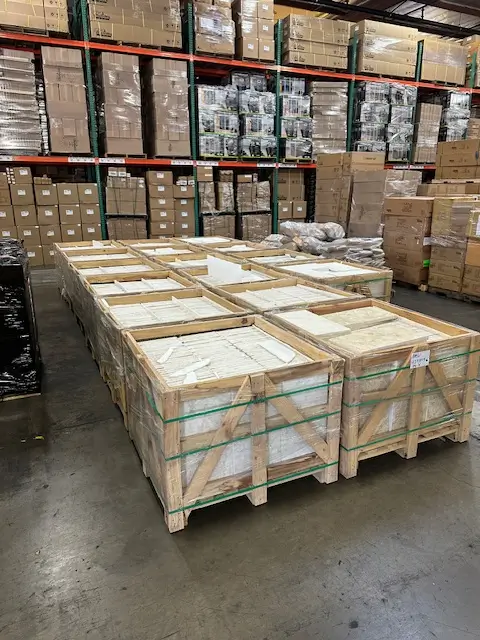
Critical Visual Inspection Points at the Yard
Your visual assessment begins before you touch a slab. Stand back 10-12 feet and examine the entire surface under natural light—never rely solely on warehouse fluorescent lighting that masks color variations and vein irregularities. You’re looking for consistent coloration across the full slab dimension, noting any abrupt transitions that indicate geological fault lines within the material structure.
Vein patterns tell you about structural integrity when you know what to look for. Linear veins running parallel to slab edges typically indicate stable material, while veins intersecting at acute angles create potential fracture planes under thermal stress. You should trace each major vein across the full slab length, checking for areas where veining becomes compressed or irregular—these zones concentrate stress and often fail first during fabrication or installation.
- You need to examine slab edges for microcracking that indicates stress damage during quarrying or transport
- Surface fissures wider than 0.5mm require professional evaluation for structural implications
- Color consistency should remain within 10-15% variation across the slab face for uniform appearance
- Vein depth affects fabrication options—shallow veining limits edge profile choices significantly
When you inspect at a slab yard in Arizona inspection guide recommendations emphasize, get your hands on the material. Run your palm across the surface feeling for texture variations that indicate differential hardness or incomplete polishing. These subtle inconsistencies become obvious after installation when daily use patterns create uneven wear. Your fingertips detect surface irregularities that visual inspection alone misses, particularly in honed or leathered finishes where texture variations are intentional but should remain uniform.
Moisture Content and Efflorescence Risk Assessment
Arizona’s low humidity creates a false sense of security about moisture-related issues. You’d think dry storage conditions eliminate efflorescence risk, but the reality is more complex. Slabs absorb moisture during quarrying, processing, and transport—this internal moisture doesn’t evaporate quickly in warehouse environments despite low ambient humidity. When you install material with residual internal moisture, you’re setting up delayed efflorescence that appears 6-18 months post-installation as salts migrate to the surface.
Your inspection should include checking for surface moisture indicators even in climate-controlled yards. Look for water staining patterns on vertical slab edges, particularly along the bottom third where capillary action draws moisture. White crystalline deposits in corners or along veining indicate active salt migration—a warning sign that the material requires extended drying time before installation. This becomes critical when selecting slabs slab yard Arizona projects demand because the state’s hard water and alkaline soils compound efflorescence potential.
Professional practice requires you to assess the warehouse storage duration when possible. Slabs stored vertically for 90+ days in Arizona’s dry climate typically reach equilibrium moisture content below 0.5%, minimizing efflorescence risk. Recently arrived material needs additional drying time, particularly if shipped from humid quarry regions. You should ask about material origin and arrival dates—this information guides your sealing protocol decisions and helps you avoid moisture-related failures.
Thickness Consistency and Tolerance Verification
Thickness variation matters more than most specifiers realize when you’re working with large-format slabs. Standard 3cm material should maintain ±1mm tolerance across the slab face, but you’ll frequently encounter variations of ±2-3mm in lower-grade material. This inconsistency creates problems during installation, requiring additional shimming and leveling that increases labor costs and compromises substrate contact.
You need to verify thickness at multiple points using a quality caliper or thickness gauge. Check corners, center, and quarter points—at least nine measurement locations on slabs larger than 60 square feet. Systematic thickness variation (material consistently thinner on one end) indicates saw blade issues during fabrication and predicts installation challenges. Random variation suggests geological inconsistencies within the stone block itself, raising questions about overall material stability.
When you evaluate granite yard Arizona selection tips prioritize, remember that thickness affects thermal performance beyond just structural capacity. Thinner material (2cm) responds more quickly to temperature changes, creating greater thermal stress at fastening points. Your 3cm slabs provide better thermal mass stability, but only if thickness remains consistent—localized thin spots create thermal stress concentrations that can fracture under Arizona’s extreme daily temperature cycling.
Measuring Technique Precision
Your measurement approach needs to account for surface finish variations. Polished surfaces provide clear measurement contact, but honed or textured finishes add 0.2-0.5mm apparent thickness that doesn’t represent structural material. You should measure from the bottom surface when possible, or account for finish depth in your calculations. Professional-grade digital calipers with 0.01mm resolution provide the precision needed for quality control decisions that affect your installation success.
Surface Finish Quality and Processing Standards
The polish quality you see in the yard determines how the material performs throughout its service life. High-quality polishing creates a dense, closed surface that resists staining and simplifies maintenance. Inadequate polishing leaves microscopic surface irregularities that trap dirt and organic material, creating discoloration patterns within the first year of use. You can’t fix poor factory polishing through field polishing—the equipment and expertise required exceed what’s practical on installed material.
Your evaluation should include checking polish consistency across the full slab under raking light. Position yourself so light reflects off the surface at a low angle, revealing any areas with reduced gloss or visible polishing marks. These inconsistencies indicate rushed processing or equipment problems during fabrication. You’ll find that marble slab yard inspection protocols specifically emphasize this because marble’s softer structure shows polishing defects more readily than granite or quartzite.
- You should examine polished surfaces for visible scratching that indicates inadequate final polishing passes
- Gloss readings should remain within 5 points when measured with a gloss meter across different slab areas
- Your honed finishes require consistent grit patterns without directional variation or visible swirl marks
- Leathered textures must show uniform relief depth across the full surface for professional appearance
Surface sealing at the yard creates assessment challenges when you’re trying to evaluate natural material characteristics. Many yards apply temporary sealers that enhance color and hide minor defects, making your inspection more difficult. You should request to see unsealed material when making final selections, or at minimum understand what enhancement products have been applied. This knowledge affects your post-installation maintenance planning and helps you set realistic expectations about long-term appearance.
Structural Integrity Testing Methods
Non-destructive testing techniques help you verify structural soundness without damaging material. The tap test—striking the slab with a hard rubber mallet—produces a clear, ringing tone in structurally sound material. Dull or muffled sounds indicate internal fractures or delamination that compromise integrity. You should perform this test at multiple locations, particularly near major veins and color transitions where geological discontinuities concentrate stress.
When you visit a local slab yard Arizona quality check procedures include, backlighting provides valuable structural information. Use a powerful LED work light positioned behind vertical slabs to reveal internal fractures and vein continuity that surface inspection misses. This technique works best with lighter-colored materials and becomes essential when evaluating translucent stones like onyx or certain marble varieties. You’re looking for dark lines or shadows that indicate cracks penetrating through the material thickness.
Flex testing on cantilevers gives you real-world performance data. When slabs extend beyond A-frame supports, gentle downward pressure should produce minimal deflection—excessive movement indicates either inadequate thickness or low flexural strength. You need to be cautious with this test to avoid damage, but experienced evaluation can detect materials that will crack during fabrication or installation handling.
For insights on material handling and logistics considerations, see Citadel Stone granite yard in Mesa for comprehensive transportation planning guidance. Your structural assessment should consider how material characteristics affect handling requirements and installation feasibility based on project site access conditions.
Color Matching Across Multiple Slabs
Large projects requiring multiple slabs demand careful color coordination that extends beyond individual slab selection. You need to evaluate sequential slabs from the same block or quarry lot, arranged side-by-side under consistent lighting. Natural stone varies significantly, but professional-grade material from the same geological formation maintains reasonable color consistency—typically within 20-30% variation in primary color tones.
Your selection process should include photographing potential slab combinations under both natural daylight and the lighting conditions present in the final installation location. Digital photography with consistent white balance settings provides documentation that helps you verify color relationships during fabrication and installation. You’ll find that colors shift dramatically between outdoor sunlight, LED interior lighting, and warm incandescent sources—your evaluation needs to account for the specific lighting environment where the material will be installed.
When selecting slabs slab yard Arizona inventory provides, you should reserve adjacent slabs from the same block when color consistency matters. Yards typically mark slabs with block numbers and sequential position data—this information guides your selection strategy for projects requiring tight color matching. Professional practice involves reserving 10-15% extra material from the same block to ensure field cuts and future repairs match properly.
Identifying Common Defects and Deal-Breakers
Certain defects eliminate slabs from consideration regardless of price or availability. You need to recognize these critical flaws during your initial inspection to avoid costly problems later. Through-cracks—fractures penetrating the full material thickness—represent immediate disqualification. These structural failures will propagate during fabrication or installation, causing catastrophic material loss and project delays.
- You must reject slabs with resin fill visible as glossy patches that indicate structural repair attempts
- Active rust bleeding from iron deposits will continue indefinitely and worsen with moisture exposure
- Your material should be free of voids exceeding 10mm diameter without professional geological assessment
- Delamination between geological layers shows as subtle surface bulging or separation at edges
Fissures present a more nuanced evaluation challenge. These naturally occurring features differ from cracks in that they don’t compromise structural integrity—they’re geological characteristics formed during stone creation. You need to distinguish between acceptable fissures that add character and problematic ones that create functional issues. Fissures wider than 1mm or those intersecting primary stress areas (like where you plan countertop cutouts) require careful consideration and potential reinforcement during fabrication.
Sap staining—yellowish or brown discoloration from organic material—appears more frequently in lighter stones and varies in permanence. You should determine whether staining is surface-level (removable through poulticing) or intrinsic to the material structure. Surface stains may be acceptable depending on project requirements and your willingness to perform remediation. Intrinsic discoloration becomes a design decision rather than a defect—some clients appreciate the natural character while others consider it unacceptable.
Documentation and Selection Recording
Professional material selection requires comprehensive documentation that protects your interests throughout fabrication and installation. You should photograph each selected slab from multiple angles under consistent lighting, including close-up shots of any notable features or minor defects you’ve accepted. These images become your verification record when material arrives at the fabrication shop or job site, confirming you received the specific slabs you selected.
Your documentation system needs to capture slab identification numbers, dimensions, and any yard-specific coding that tracks material through their inventory system. Write these details directly on your selection photographs or maintain a spreadsheet linking images to slab data. This level of organization prevents mix-ups when yards manage hundreds of similar slabs, ensuring your carefully selected material doesn’t get substituted with inferior alternatives.
When you work with marble slab yard inspection standards, include notes about agreed-upon tolerances for natural variation, acceptable fissure sizes, and any enhancement products applied. Written confirmation of these details prevents disputes later when your perception of slab appearance differs from what arrives on-site. Professional documentation demonstrates due diligence and provides leverage if material quality issues arise during fabrication or installation.
Arizona Climate-Specific Material Considerations
The state’s unique climate creates material performance requirements that differ from national standards. You need to prioritize thermal stability over characteristics emphasized in other regions. Coefficient of thermal expansion becomes your critical specification—materials expanding less than 6 × 10⁻⁶ per °F perform reliably in Arizona’s extreme temperature cycling. Higher expansion rates create stress at fastening points and joints, leading to cracking or displacement over time.
UV resistance matters more for exterior applications here than in most North American locations. Arizona’s high elevation (even Phoenix sits at 1,100 feet) combines with clear skies to deliver intense ultraviolet radiation that degrades certain materials and sealers. Your material selection should favor inherently UV-stable stones—granite and quartzite outperform marble in this regard. Sealer selection becomes equally critical, requiring products specifically rated for high-UV environments rather than standard formulations designed for moderate climates.
Monsoon season presents moisture challenges concentrated into brief intense periods. You need materials that handle rapid saturation and drying cycles without degradation. Stone with interconnected pore structures (as opposed to isolated pores) allows moisture to escape quickly after storms, preventing the subsurface saturation that leads to efflorescence or freeze damage during occasional winter freezes. Your selection at a granite yard Arizona selection tips recommend should account for this specific moisture pattern rather than assuming continuous dryness.
Best stone slab yard in Arizona — How We Would Specify for Arizona Projects
When you consider Citadel Stone’s stone slab yard in Arizona offerings for your project, you’re evaluating materials selected specifically for desert climate performance. At Citadel Stone, we provide technical guidance for hypothetical applications across Arizona’s diverse climate zones. This section outlines how you would approach material specification and selection decisions for six representative cities, considering the unique environmental challenges each location presents.
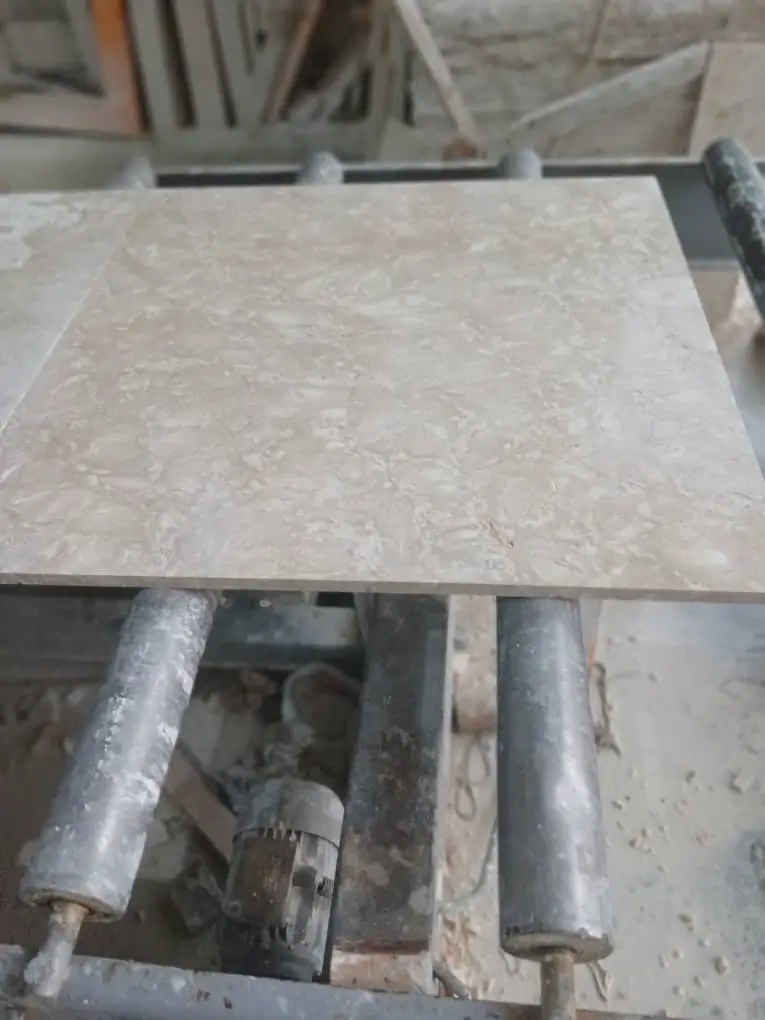
Phoenix Extreme Heat
In Phoenix, you would encounter temperatures exceeding 115°F for extended periods, creating thermal stress that eliminates certain material options. Your specification should prioritize light-colored granite or quartzite with thermal expansion coefficients below 5.5 × 10⁻⁶ per °F. You’d need to account for urban heat island effects that add 8-12°F to ambient temperatures in developed areas, making surface temperature management critical for walkable hardscapes. When selecting slabs slab yard Arizona inventory offers, you should verify material has demonstrated performance in similar high-heat applications. Your sealer selection would require products maintaining integrity above 150°F surface temperature to prevent breakdown during peak summer conditions.
Tucson Considerations
You would approach Tucson specifications differently than Phoenix due to slightly higher elevation and distinct monsoon patterns. Your material selection should account for rapid temperature drops during summer storms—30°F decreases within 20 minutes create thermal shock conditions. You’d prioritize materials with proven thermal cycling performance and lower porosity (under 4%) to handle intense but brief moisture exposure. When you evaluate options at a local slab yard Arizona quality check standards require, focus on materials demonstrating minimal moisture absorption rates below 0.3% to prevent storm-related staining from dust-laden runoff that characterizes Tucson’s monsoon season.
Scottsdale Luxury Applications
Your Scottsdale projects would typically emphasize aesthetic sophistication while maintaining desert performance standards. You’d specify premium quartzite or exotic granite varieties that deliver visual impact without compromising thermal stability. When selecting slabs slab yard Arizona facilities stock for high-end residential applications, you should evaluate color consistency across multiple slabs more rigorously than commercial projects—luxury clients expect tighter visual coordination. You would also need to consider how material appearance evolves under intense UV exposure, selecting stones with minimal color shift potential over the first 3-5 years of service in unshaded applications.
Flagstaff Climate
Flagstaff’s 7,000-foot elevation creates Arizona’s only true freeze-thaw environment, fundamentally changing your material requirements. You would need to specify materials meeting ASTM C1026 freeze-thaw resistance standards with absorption rates below 0.4%. Your slab selection process would emphasize dense, low-porosity granite over more porous limestone or certain marble varieties. You’d verify that any material you’re considering has documented performance in climates experiencing 60+ annual freeze-thaw cycles. When you inspect slabs for Flagstaff applications, pay particular attention to existing fissures that could propagate under freeze expansion stress, requiring more conservative acceptance criteria than lower-elevation projects.
Sedona Aesthetic Integration
Your Sedona specifications would balance performance requirements with the unique aesthetic demands of integrating architecture with the area’s distinctive red rock landscape. You’d likely consider warmer-toned materials—gold-toned granite, rust-colored quartzite, or terra-cotta limestone—that complement rather than contrast with the natural environment. When selecting slabs slab yard Arizona suppliers provide, you should evaluate how material coloration interacts with Sedona’s famous golden-hour lighting that dramatically shifts color perception. You would also need to account for the area’s tourist-driven commercial applications requiring high durability combined with strong visual appeal that photographs well in the social media era.
Yuma Specifications
Yuma presents Arizona’s most extreme heat conditions combined with higher humidity from Colorado River proximity. Your material selection would prioritize maximum solar reflectance—lighter materials reflecting 65-75% of solar radiation—to manage surface temperatures that regularly exceed 160°F on darker stones. You’d need to consider how the slightly elevated humidity (still low by national standards) affects drying times after cleaning or sealing operations. When you evaluate options for Yuma applications, focus on materials demonstrating minimal thermal retention that cool quickly after sunset, improving comfort for evening outdoor use. Your specification would also address potential alkali exposure from agricultural runoff in certain areas, requiring materials and sealers with chemical resistance exceeding typical residential requirements.
Negotiation and Pricing Dynamics
Material pricing at slab yards varies based on factors beyond just stone quality. You should understand that yard pricing reflects current inventory levels, material holding costs, and competitive market conditions rather than fixed manufacturer pricing. Slabs occupying yard space for extended periods become negotiation opportunities—yards prefer to move older inventory to free warehouse capacity for new arrivals. You can leverage this dynamic when you’re flexible on exact material selection within general aesthetic parameters.
Your negotiation position improves significantly when you purchase multiple slabs from the same block or lot. Yards value transactions that clear entire allocations, simplifying their inventory management and accounting. You should inquire about volume pricing that may not be advertised, particularly when your project requires 8+ slabs. Bundle pricing for multiple material types provides additional leverage—if you need both countertop and backsplash material, coordinate purchase timing to strengthen your negotiating position.
Transportation costs represent a significant variable you can influence through pickup versus delivery decisions. When you have truck access and proper handling equipment, yard pickup eliminates delivery charges that may add 15-25% to total material cost. Even when you arrange third-party transportation, you often reduce costs compared to yard delivery services. For complex logistics guidance, review Professional stone and marble slab transportation throughout Arizona before finalizing your procurement strategy.
Final Selection Strategy
Your systematic approach to slab selection should synthesize aesthetic preferences with technical performance requirements specific to your project conditions. You need to enter the yard with clear priorities ranked by importance—appearance, thermal performance, budget constraints, and schedule requirements each deserve explicit weighting in your decision matrix. This structured evaluation prevents impulse decisions based solely on visual appeal that may not serve your project’s functional needs.
When you narrow selections to final candidates, revisit each slab multiple times under varying lighting conditions if the yard schedule permits. Morning, midday, and late afternoon evaluations reveal how material appearance shifts with changing light angles and color temperature. Your final decision should account for the specific lighting environment where material will be installed, recognizing that warehouse appearance may differ substantially from installed appearance.
Professional practice includes confirming material availability aligns with your project timeline before final commitment. You should verify whether selected slabs are in stock for immediate release or require incoming shipment that could delay your schedule. Understanding lead times from warehouse to fabrication shop prevents critical path delays that cascade through your construction schedule. Remodelers streamline sourcing through Citadel Stone’s comprehensive stone supply in Arizona one-vendor solution.