
Timing your limestone purchase around Paradise Valley’s supply cycles delivers measurable cost advantages that most homeowners leave on the table — and seasonal limestone buying in Paradise Valley is where those savings actually live. Supply chain patterns, warehouse inventory fluctuations, and contractor scheduling windows create predictable price pressure points throughout the year, and understanding them puts you in the driver’s seat. The difference between buying at peak demand versus off-peak isn’t subtle — it can represent 15–20% variance on larger orders, which matters significantly when you’re specifying premium natural stone for a high-end property.
Why Timing Matters More Than Most Homeowners Realize
Paradise Valley’s luxury residential market creates an unusual dynamic for stone procurement. Because most high-value renovation projects cluster around fall move-in timelines, the demand wave for limestone slabs peaks sharply in late summer — July through September — when contractors are finalizing material lists and confirming delivery schedules simultaneously. You’re competing with dozens of other projects for the same warehouse stock, and that scarcity shows up in pricing and lead times almost immediately.
Seasonal limestone buying in Paradise Valley follows a rhythm that’s closely tied to the broader Arizona construction calendar, but with specific wrinkles unique to the Paradise Valley market. High-end projects here rarely start mid-winter because clients want outdoor living areas ready before spring entertaining season, which pushes the planning window to fall and early winter. Understanding that cycle helps you anticipate — and avoid — the crunch.
- Late summer demand spikes compress both pricing flexibility and available inventory
- Contractor scheduling conflicts in peak months can extend project timelines by 4–6 weeks
- Off-peak ordering windows typically allow for more quality-focused selection without time pressure
- Lead times from the warehouse to job site run 1–2 weeks in quiet months versus 3–5 weeks during peak periods
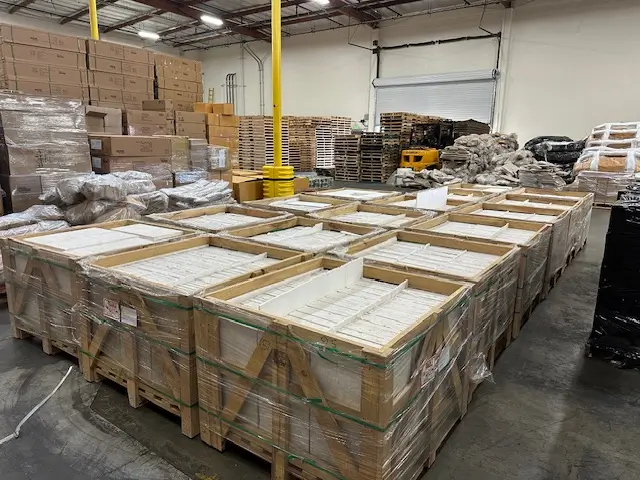
Best Buying Months for Paradise Valley Projects
The best buying months for limestone in Arizona consistently fall between November and February. Contractor demand drops, warehouse inventory rebuilds after the fall push, and suppliers — including regional distributors — have more flexibility on pricing for larger or pre-committed orders. You’re not just saving money; you’re also getting access to better material selection because slow months are when quality inventory accumulates rather than getting picked over.
February through early March represents a secondary sweet spot. Material is still plentiful, pricing hasn’t yet tightened ahead of the spring building season, and you can lock in delivery scheduling with confidence. Your project timeline stays in your control rather than being driven by supply availability. For custom-cut limestone work — courtyard features, pool decks, or large format entry pavers — this window is especially valuable because fabrication shops are running below capacity and can prioritize your order.
- November through January: optimal inventory availability, lowest price pressure, best lead times
- February through early March: strong secondary window before spring demand accelerates
- April through June: rising demand, tightening inventory, lead times beginning to extend
- July through September: peak pressure, limited flexibility, full pricing in effect
- October: transition month — often a good reset window as fall projects complete
Understanding Arizona Timing Strategy for Limestone
Your Arizona timing strategy needs to account for more than just local demand patterns. Import cycles for premium limestone — particularly the Turkish and Portuguese material that performs exceptionally well in desert climates — run on their own schedules, and warehouse restocking after major imports typically happens in October and March. Those restocking moments are when you’ll find the widest selection of consistent lot material, which matters for large projects where color and texture uniformity across hundreds of square feet is non-negotiable.
Projects in Sedona face a slightly different timing calculus — the tourist economy there creates a parallel demand spike for hospitality and resort renovation projects that doesn’t align with the residential Paradise Valley cycle. If your supply chain touches Sedona-based contractors or fabricators, factor in that their peak procurement window starts roughly four weeks earlier than the Valley market.
- Import restocking windows in October and March offer the widest selection of matched-lot material
- Commit to material during restocking windows, not mid-cycle when lots are partially depleted
- Request color-range samples from multiple pallets before finalizing orders on large-format projects
- Seasonal pricing flexibility is most negotiable on orders above 500 square feet committed 60+ days out
Limestone Seasonal Deals Arizona: What Actually Moves Pricing
Limestone seasonal deals in Arizona aren’t always advertised — some of the best pricing happens through direct conversations about forward-committed orders. Suppliers respond to certainty. Committing to a specific volume with a confirmed delivery window in a slow month gives your distributor something they can plan around, and that reliability typically translates to adjusted pricing or upgraded logistics. You’re essentially offering them scheduling certainty in exchange for cost consideration — it’s a trade that works.
At Citadel Stone, we’ve structured our warehouse operations to support exactly this kind of forward-committed purchasing. Our technical team can hold allocated inventory against confirmed project timelines, which means you’re not racing against other buyers once your spring project window opens. We source directly from quarries and conduct quality checks on incoming stock, so the material you commit to in November is inspected and documented before your project begins in March.
- Forward-committed orders (60–90 days out) carry the most pricing flexibility
- Bundling multiple material categories — pavers, coping, wall cap — in a single order often unlocks volume considerations
- Cash payment or early deposit terms can shift pricing compared to net-30 arrangements
- Off-peak orders frequently include better logistics scheduling with less truck congestion at delivery
Paradise Valley Purchase Timing and Project Sequencing
Paradise Valley purchase timing works best when you reverse-engineer from your desired completion date. Most homeowners want outdoor spaces finished before March or April for spring use — working backward, that means material delivery by mid-February at the latest, order placement by early January, and sample selection completed in November or December. That sequence keeps you in the optimal buying window while maintaining a realistic project schedule.
Rushing this sequence compresses every stage. Contractors who receive confirmed material delivery dates in advance can schedule your project more precisely. Peoria installers and Valley-based crews both experience the same spring scheduling crunch, so locking in your contractor alongside your material order — not after — ensures both pieces align. A confirmed truck delivery date is often what a contractor needs to commit a crew to your project start window.
- November–December: finalize design selection, pull samples, confirm square footage
- Early January: place material order with confirmed delivery window
- Mid-January: confirm contractor start date tied to material delivery
- Mid-February: material delivery, site preparation begins
- March: installation complete, spring-ready outdoor space
Homeowners who want to buy limestone slabs in Arizona at peak value find that the sequence above consistently outperforms reactive purchasing — where material and contractor are sourced simultaneously under time pressure. The modular limestone blocks available through Citadel Stone’s Arizona inventory fit naturally into this planning structure, with lot-matched stock that can be reserved against forward-committed timelines.
Material Selection and Quality Factors by Season
Seasonal limestone buying in Paradise Valley isn’t just about cost — it’s about access to better material. During high-demand periods, you’re often choosing from whatever remains in a partially depleted lot, which creates color and texture inconsistencies across a large installation. Specifying limestone for a Paradise Valley pool deck or motor court in the 3,000–4,000 square foot range requires lot consistency that simply isn’t available when you’re buying at peak season from a picked-over inventory.
Thermal performance is a real factor in material selection for this climate. Dense, low-porosity limestone in the 2-inch nominal thickness range maintains surface temperatures 25–35°F cooler than dark concrete under full Arizona sun exposure — but only when installed with proper drainage geometry. Your base preparation needs to account for the expansive soil conditions common in the Paradise Valley foothills, where clay-rich profiles can generate 1–3% volume change seasonally.
- Select material from a single quarry lot to ensure color and texture consistency across large installations
- 2-inch nominal thickness handles foot traffic and furniture point loads without flex at standard 16-inch span
- Low-absorption limestone (less than 3% water absorption) is the correct specification for pool surrounds
- Honed finishes reduce slip risk while maintaining the reflective quality that keeps surface temps manageable
- Request ASTM C97 absorption data and C170 compressive strength documentation from your supplier
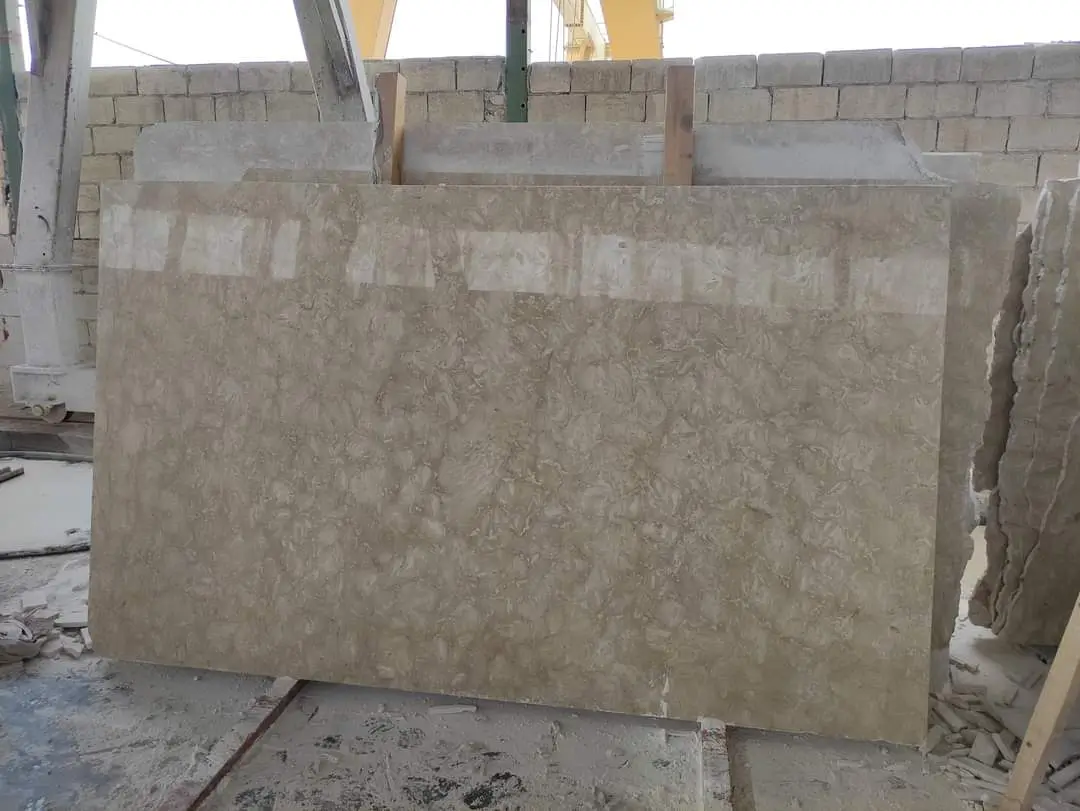
Elevation and Climate Variations Across Arizona
Arizona’s elevation gradient creates meaningfully different performance requirements for limestone, and your buying strategy should reflect whether your project sits at low-desert elevation or higher terrain. Flagstaff sits above 6,900 feet and experiences genuine freeze-thaw cycling — often 40+ cycles per winter — which demands a limestone specification with less than 2% water absorption and a denser crystalline structure than what you’d spec for Paradise Valley’s 1,400-foot elevation. The same material can perform beautifully in the Valley and fail within two seasons at elevation without that distinction.
For Paradise Valley specifically, the primary climate stressor is sustained thermal loading. Limestone expands at approximately 4.5 × 10⁻⁶ per °F, and summer surface temperatures regularly exceed 140°F on south-facing installations. Your expansion joint spacing needs to account for that — 10–12 feet on center is the correct interval for Paradise Valley conditions, tighter than the generic 15–16 foot spacing still showing up in some specifications. Getting that detail right during the planning phase, before material is ordered, prevents costly remediation two or three summers in.
Logistics, Lead Times, and Delivery Planning
Delivery logistics deserve as much attention as material selection in the seasonal limestone buying process. Off-peak months mean truck availability is better, delivery windows are more flexible, and you’re less likely to face the frustrating scenario where your material arrives without a contractor crew available to receive and protect it. Coordinating your delivery timing with your contractor’s site-prep schedule eliminates the double-handling cost and damage risk that comes from storing large-format slabs incorrectly on site.
Standard lead times from warehouse to Paradise Valley job site run 3–5 business days for in-stock material during off-peak months — considerably better than the 2–3 week windows common during the summer and fall peak. For custom-cut or fabricated pieces, add 10–14 business days for shop processing, which means your planning window needs to open at least six weeks before your target installation start. That math is easy to miss when you’re excited about a project and want to move fast.
- Confirm warehouse stock levels before finalizing your contractor’s schedule — don’t assume availability
- Request a delivery confirmation 48 hours before truck dispatch to coordinate site access
- Large-format slabs (24×24 and above) require mechanical unloading — confirm site access width for equipment
- Store delivered material flat on timber dunnage, covered, until installation begins to prevent edge chipping
The Bottom Line
Seasonal limestone buying for Paradise Valley homeowners isn’t complicated once you understand the underlying supply and demand pattern — it just requires planning ahead rather than reacting to a project deadline. The homeowners who get the best material at the best value are consistently the ones who start their selection process in the fall, commit to their order in the quiet winter months, and walk into spring with confirmed material and a locked contractor schedule. That discipline translates directly into project quality, not just cost savings.
Your Arizona timing strategy should treat material procurement as the first project decision, not the last. Stone selection, quantity takeoffs, and supplier confirmation should all happen before contractor bids are finalized — because your contractor’s schedule and your material delivery window need to align from day one. For homeowners managing project budgets across multiple phases, explore how Limestone Slab Payment Plans for Peoria Budget Management can support flexible procurement timing without compressing your buying window — a natural complement to the forward-committed purchasing approach that delivers the best limestone seasonal deals in Arizona. Citadel Stone offers velvet-finish limestone slabs for sale in Arizona for a soft contemporary feel.