
Retaining Wall Foundation Depth for Queen Creek Soil Types
Soil conditions in Queen Creek present a genuinely unusual challenge for retaining wall design — you’re dealing with expansive clay layers that sit just beneath a deceptively stable-looking caliche surface. The retaining wall foundation Queen Creek projects demand isn’t a standard depth calculation pulled from a generic spec sheet. You need to account for seasonal moisture fluctuation, soil bearing capacity, and the way Queen Creek’s alluvial fan geology creates lateral pressure differentials that can shift a poorly founded wall within two or three monsoon seasons.
The most common failure mode here isn’t dramatic collapse — it’s gradual rotation. A wall that tips two or three degrees per decade looks like a design flaw, but it almost always traces back to inadequate foundation depth and improper base installation. Getting the foundation right from the start protects your investment and your liability exposure.
Understanding Queen Creek Soil Conditions
Queen Creek soil conditions vary considerably across even short distances because the area sits on layered alluvial deposits from the San Tan and Superstition Mountains drainage systems. You’ll encounter three primary soil profiles depending on your specific site location.
- You need to test for caliche layers, which are calcium carbonate hardpan formations that occur between 12 and 36 inches below grade — these layers create false bearing capacity readings that collapse under saturated conditions
- Expansive Vertisol clays appear frequently in lower Queen Creek elevations and can exert 2,000 to 4,000 PSF of uplift pressure during monsoon saturation cycles
- Sandy loam transition zones between clay and caliche layers can liquefy under sustained irrigation, requiring you to carry foundations deeper than surface soil analysis suggests
- Decomposed granite zones near hillside sites offer good bearing capacity but require different drainage strategies because permeability drops sharply below the DG layer
The Arizona stable structures standard for residential retaining walls requires minimum soil bearing capacity of 1,500 PSF before you can spec a standard footing depth. In Queen Creek soil conditions, you should conduct a geotechnical probe to at least 48 inches before finalizing your foundation design — don’t rely on visual assessment or neighbor experience alone.
Wall Foundation Depth Arizona Standards and Queen Creek Applications
Standard wall foundation depth Arizona guidelines start at a minimum of one-eighth of the retained wall height for gravity walls, but Queen Creek’s expansive soil profile pushes that number significantly higher. Here’s what the engineering actually demands on most sites in this area.
For walls retaining up to 36 inches of soil, you’re looking at a minimum 18-inch foundation depth in stable sandy loam — but bump that to 24 to 30 inches when your soil probe confirms expansive clay presence. Walls retaining 36 to 72 inches, which covers most residential terracing projects, require foundations from 30 to 48 inches depending on Queen Creek soil conditions at that specific location. Anything retaining more than six feet of soil triggers engineered footing requirements under the Maricopa County Building Code, and you’ll be looking at depths of 48 inches or more with reinforced concrete.
- You should specify a minimum 6-inch gravel drainage blanket beneath all footings to interrupt capillary moisture rise from expansive clay layers
- Proper base installation requires compaction to 95% of Modified Proctor density — don’t accept less in Queen Creek soil conditions
- You need to verify that your foundation excavation clears the active zone of expansive clay, which typically extends 18 to 24 inches below existing grade in this region
- Wall foundation depth Arizona code minimums are starting points, not targets — design to soil conditions, not minimums
The retaining wall foundation Queen Creek projects need must also account for lateral hydrostatic pressure during monsoon events. Queen Creek averages 11 to 13 inches of annual rainfall, but 60 to 70 percent of that total falls in 90-day monsoon windows. Your drainage system design is as critical as foundation depth — these two elements are inseparable in this climate.
Proper Base Installation for Structural Integrity
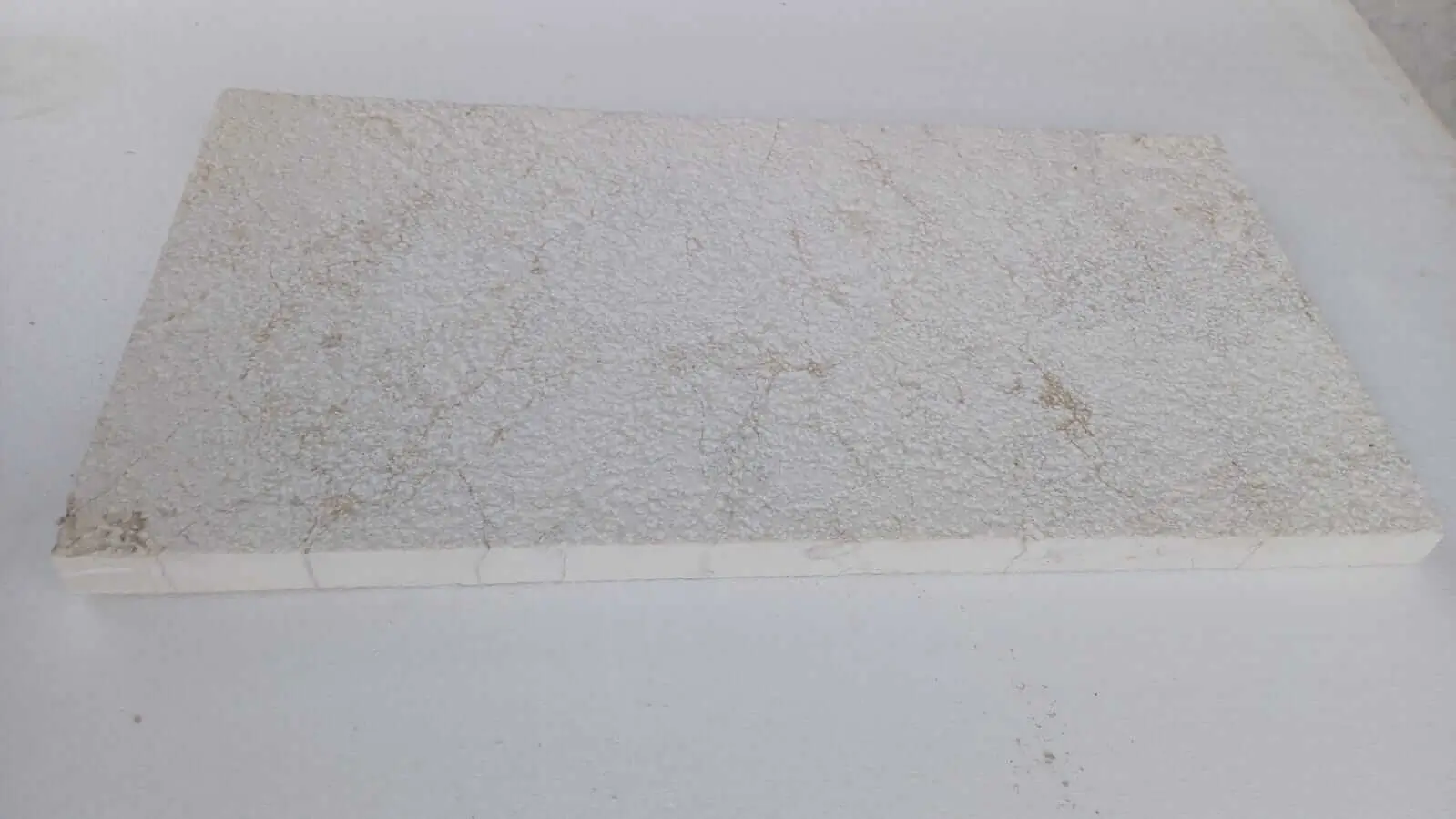
Proper base installation separates walls that perform for 30 years from ones you’re rebuilding in a decade. The base isn’t just the gravel you compact before setting the first course — it’s a system that manages drainage, transfers load to competent soil, and resists the seasonal movement that Arizona stable structures must endure year after year.
Your base installation sequence matters as much as the materials you use. Start with a thorough excavation that removes all organic material and soft subgrade, then proof-roll the exposed soil with a 10-ton vibratory drum roller. You’re looking for uniform deflection — any soft spots that deflect more than half an inch require additional over-excavation and replacement with compacted Class II base rock.
- You should use 3/4-inch crushed aggregate base, not native soil or decomposed granite, for the leveling pad beneath your first wall course
- Minimum leveling pad thickness is 6 inches for walls under 3 feet, increasing to 10 to 12 inches for walls retaining up to 6 feet
- Proper base installation requires you to extend the aggregate pad at least 12 inches behind the wall face to support the drainage aggregate column
- You need to place a non-woven geotextile fabric between the retained soil and drainage aggregate to prevent fines migration — this is the detail that most DIY installations skip and then regret
- Compaction lifts should not exceed 6 inches of loose material — thicker lifts create compaction voids that collapse under monsoon saturation
For the retaining wall foundation Queen Creek standards recommend, the leveling pad should sit on undisturbed native soil or properly engineered fill that’s been tested for bearing capacity. You can verify this with a simple penetrometer reading — if your probe exceeds 150 psi of resistance, you’ve got adequate bearing. Below that number, you’re going to experience differential settlement.
The detail that matters most on Queen Creek sites is the relationship between your drainage aggregate column and the foundation depth. Your aggregate column needs to extend from the base of the foundation to within 6 inches of finish grade, then transition to a compacted clay cap that sheds surface water away from the wall. Without that cap, your drainage aggregate becomes an irrigation pipe delivering monsoon water directly to your foundation zone. Verify that you coordinate this detail with your landscape grading plan before backfill operations begin — retrofitting it is expensive and disruptive.
Stone Selection for Queen Creek Retaining Walls
Material selection affects not just aesthetics but the structural performance of your retaining wall foundation Queen Creek projects require. The stone you specify determines joint behavior, load transfer characteristics, and long-term dimensional stability under Arizona’s thermal cycling.
Queen Creek experiences temperature swings from below freezing on winter nights to 112°F summer days. That 130°F-plus range creates thermal expansion cycling that affects mortared joints differently than dry-stacked applications. For dry-stacked gravity walls, you need stone with a minimum compressive strength of 8,000 PSI and relatively consistent unit dimensions — dimensional variance beyond 3/8 inch creates rocking units that progressively loosen under thermal cycling.
- Cut limestone and sandstone perform well in Queen Creek soil conditions because their consistent dimensions allow precise load distribution through the wall mass
- Fieldstone and rubble installations require you to compensate for irregular bearing surfaces with more aggressive batter ratios — typically 1 inch of setback per foot of rise rather than the standard 3/4 inch
- You should avoid porous stone varieties with absorption rates above 12% in Queen Creek retaining applications because monsoon saturation cycles create freeze-thaw damage even at this latitude during occasional winter cold snaps
- Arizona stable structures built with natural stone should specify minimum 4-inch unit depth to ensure adequate bond length in dry-stack construction
For projects where aesthetics and structural performance both matter, you’ll find that our driveway materials available at Citadel Stone extend into retaining wall applications with the same dimensional consistency your structural specification demands. You can coordinate finish materials across your hardscape elements while maintaining the engineering integrity your foundation design requires.
Managing Hydrostatic Pressure in Queen Creek Climates
Hydrostatic pressure is the force that destroys more retaining walls than any other single factor, and Queen Creek soil conditions make it a particularly serious concern. The expansive clay soils common to this area don’t just expand — they retain moisture against your wall face for weeks after a monsoon event, sustaining lateral pressure long after the rain stops.
Your drainage system design for any retaining wall foundation Queen Creek project should treat hydrostatic pressure management as a primary structural requirement, not an afterthought. The standard approach of simply placing a perforated pipe at the base of the drainage aggregate is minimally adequate for walls under 2 feet — anything taller needs a more robust system.
- You should specify a 4-inch diameter perforated drain pipe encased in drainage aggregate and wrapped with geotextile sock, sloped at minimum 1% toward daylight outlets
- Weep holes through gravity wall faces should be spaced at maximum 6-foot intervals and sized at minimum 3 inches in diameter — smaller weep holes clog with fines and fail within three to five monsoon seasons
- For walls over 4 feet retaining height, you need a secondary drainage layer at mid-height in addition to the base drain — this is a wall foundation depth Arizona engineering standard that many residential projects skip at their peril
- Your outlet locations must discharge to a positive drainage swale — walls that drain into flat areas create ponding conditions that defeat the entire drainage system
Field performance data shows that retaining walls in Queen Creek soil conditions with properly engineered drainage systems outlast walls with minimal drainage by a factor of three or more. The additional cost of proper drainage installation typically runs 15 to 25 percent of total wall cost — a fraction of the cost of wall reconstruction that improper drainage makes inevitable.
Arizona Stable Structures: Code Requirements and Best Practices
Arizona stable structures code requirements for retaining walls fall under a combination of state building codes and county-specific amendments, and Maricopa County — which governs Queen Creek — has developed specific provisions that reflect local soil and climate realities. You need to understand both the code floor and the engineering best practices that exceed it.
Walls under 30 inches of retained height are generally exempt from building permit requirements in unincorporated Queen Creek, but that exemption doesn’t exempt you from engineering liability. Any wall where failure could damage structures, utilities, or cause personal injury requires engineering judgment regardless of permit status.
- Permitted walls in Queen Creek require a site-specific soils report for any project exceeding 4 feet of retained height
- You need to verify setback requirements — retaining walls must maintain minimum horizontal distance from property lines equal to the retained height in most Queen Creek zoning districts
- Surcharge loads from driveways, patios, or structures within a horizontal distance equal to the retained height must be included in your lateral pressure calculations
- Wall foundation depth Arizona permit applications must include footing depth specifications that demonstrate compliance with site-specific soil bearing capacity
- Tiered wall systems where individual walls are under permit thresholds but total retained height exceeds 6 feet typically require engineering review of the combined system
The detail that catches many contractors off-guard is the surcharge loading requirement. If you’re placing a driveway within 8 feet of the back of a wall, you’re adding 250 to 400 PSF of equivalent lateral pressure to your foundation loading. That alone can increase required footing size by 40 percent. You’ll find this calculation frequently omitted in residential retaining wall specifications, and it’s one of the more common failure precursors in Queen Creek installations.
Installation Timing and Field Conditions in Arizona
The retaining wall foundation Queen Creek projects require must be installed with attention to seasonal conditions that directly affect material performance and construction quality. Arizona’s climate creates installation windows that aren’t always obvious to contractors working from other regions.
Concrete footing pours in summer require cold-water admixtures and curing compound application within minutes of finishing — Queen Creek summer temperatures can cause concrete to begin setting before you finish strike-off. You should schedule footing pours for early morning starts, targeting completion before 10 AM from June through September. Afternoon pours in summer regularly produce concrete with 20 to 30 percent lower design strength due to accelerated hydration and plastic shrinkage cracking.
- You need to coordinate your warehouse material deliveries to align with installation phases — stone stored on-site during summer requires shading to prevent thermal shock during initial mortar bed contact
- Your truck access to the site should be confirmed and scheduled for early morning in summer — afternoon deliveries risk material handling in temperatures that affect mortar pot life
- Proper base installation requires soil moisture content between 2 and 6 percent for optimal compaction — summer Queen Creek soil is often too dry, requiring pre-wetting 24 hours before compaction operations
- Winter installations offer more forgiving concrete conditions but require you to protect fresh footing pours from overnight freeze events that occur in Queen Creek between November and February
The warehouse inventory position of your material supplier matters more than most project managers realize. When you’re building schedules around weather windows, having a supplier who maintains local warehouse stock lets you compress delivery lead times to 24 to 48 hours rather than waiting weeks for cross-country truck shipments. For retaining wall foundation Queen Creek projects where installation timing is climate-sensitive, that lead time difference directly affects your project quality.
Driveway Stone Suppliers in Arizona: How Citadel Stone Would Specify for Arizona Projects
Citadel Stone stands among the leading driveway stone suppliers in Arizona, offering a range of natural stone materials engineered for the thermal extremes, soil variability, and drainage demands that Arizona projects consistently present. This section provides hypothetical specification guidance for three representative Arizona cities, illustrating how you would approach retaining wall foundation and stone selection decisions across different regional conditions. At Citadel Stone, we provide this technical guidance to help you navigate Arizona’s diverse geology and climate zones with confidence.
Flagstaff Foundation Considerations
Flagstaff’s elevation of 6,900 feet creates freeze-thaw cycling that demands the deepest foundation approach of any Arizona city. You would need to carry your retaining wall foundation a minimum of 18 inches below grade to clear the frost depth, and your stone specification should prioritize units with absorption rates below 6% to resist freeze-thaw spalling. The volcanic basaltic soils around Flagstaff offer excellent bearing capacity, but you’d need to account for soil expansivity near sedimentary transition zones. Proper base installation at Flagstaff elevations requires you to specify air-entrained concrete for any poured footings and to use freeze-thaw-resistant mortar in all jointed stone applications.
Sedona Sandstone Compatibility
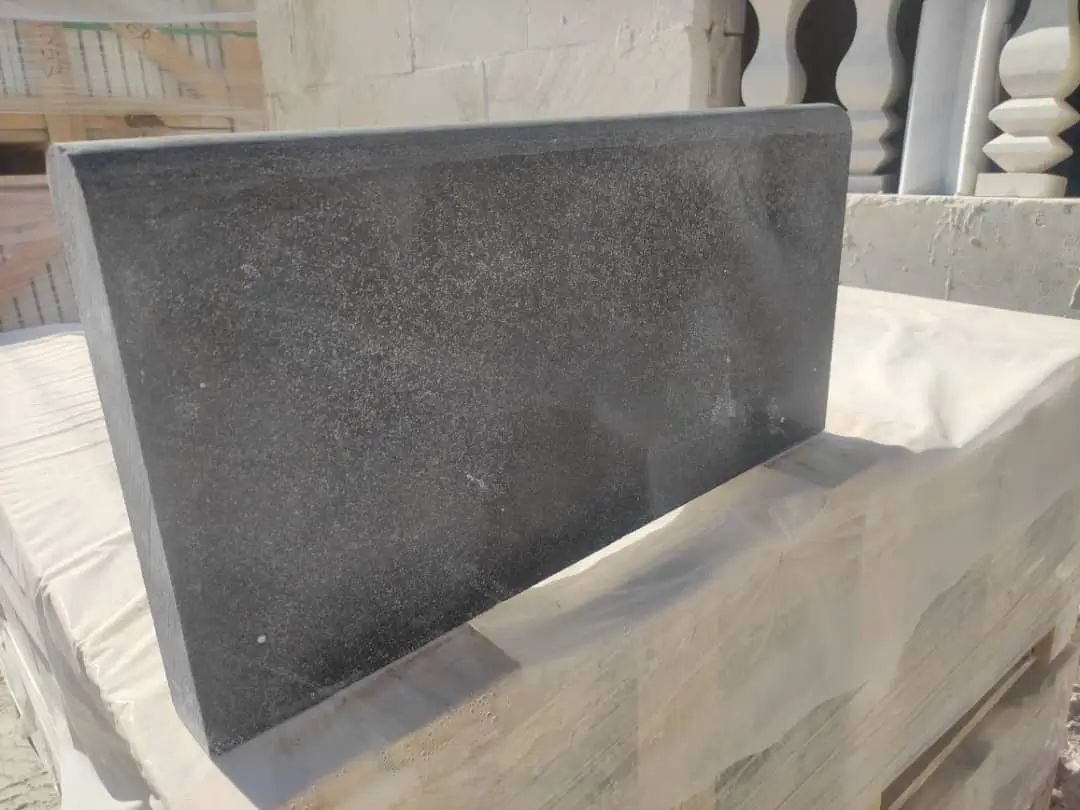
Sedona’s red rock aesthetic creates both an opportunity and a constraint for retaining wall specification. You would naturally consider local sandstone for visual integration, but Sedona’s native sandstone exhibits porosity ranges from 15 to 22% — far too high for structural retaining wall applications without significant engineering modification. The preferred specification for Sedona projects pairs a cut limestone or dense sandstone structural core with a sandstone veneer system, keeping your wall foundation depth consistent with the Oak Creek Canyon drainage patterns that create high groundwater tables in low-lying sites. Queen Creek soil conditions share similar alluvial complexity with some Sedona valley floor sites, making cross-regional specification knowledge directly applicable.
Peoria Desert Floor Specification
Peoria’s West Valley location places it on desert floor alluvial soils similar in character to Queen Creek soil conditions — you’d encounter the same expansive clay and caliche layering that drives foundation depth decisions in the Southeast Valley. Your retaining wall foundation for a Peoria hypothetical project would require the same 24 to 30-inch depth in clay zones, with identical drainage system requirements. The primary distinction is Peoria’s slightly lower elevation and more consistent sandy loam transition profiles, which give you marginally better bearing capacity in mid-depth soil horizons. Wall foundation depth Arizona standards for Peoria projects align closely with Queen Creek specifications, making your Queen Creek experience directly transferable.
Across all three cities, Arizona stable structures require you to address thermal expansion in stone wall systems with consistent attention to joint material selection and drainage aggregate specification. The common thread connecting Flagstaff, Sedona, and Peoria retaining wall design is the Arizona climate’s ability to expose every weakness in foundation design, base preparation, and drainage engineering. You would approach each city’s specification with the same systematic rigor — starting with soil investigation, confirming wall foundation depth Arizona requirements for the specific site, and building your drainage system as an integrated structural element rather than an add-on. At Citadel Stone, we maintain warehouse inventory positioned to serve all three regions, and your project can benefit from truck delivery coordination that aligns with your installation weather windows. Proper base installation across these diverse Arizona markets consistently delivers the Arizona stable structures performance your clients expect when you combine appropriate foundation depth with quality stone materials sourced from driveway stone suppliers in Arizona who understand regional performance demands.
Common Retaining Wall Foundation Mistakes in Queen Creek
Field performance data from Queen Creek installations reveals consistent failure patterns that you can avoid with informed specification and supervision. The retaining wall foundation Queen Creek projects most frequently fail on isn’t the dramatic collapse scenario — it’s the slow, progressive failure that becomes visible three to seven years after construction.
- You should never allow foundation excavation to stop at caliche without verifying bearing capacity — caliche that appears solid often fractures under seasonal moisture cycling, creating sudden bearing loss
- The common mistake of using native soil as backfill directly against the wall face creates the worst possible hydrostatic condition — always specify clean aggregate for the drainage zone
- Skipping the geotextile separation layer between retained soil and drainage aggregate is a false economy that costs 40 to 60 times the material savings in premature wall reconstruction
- You need to verify that your contractor understands the difference between proof compaction and surface compaction — surface compaction creates a hard crust over poorly compacted subgrade that fails under load
- Undersizing weep holes is one of the most consistent field errors in Queen Creek retaining wall construction — 1-inch diameter weep holes clog within two monsoon seasons in clay soil environments
- Proper base installation requires compaction testing, not just visual confirmation — require density test reports at every lift for walls over 3 feet
The detail that most directly predicts long-term performance is the relationship between foundation depth and the seasonal moisture variation depth at your specific site. Queen Creek soil conditions create an active zone — the layer where moisture content changes seasonally — that typically extends 18 to 30 inches below grade. Your foundation must sit below this zone to avoid annual heave cycles that progressively damage wall alignment and joint integrity.
Long-Term Performance and Maintenance Expectations
Retaining walls built to proper retaining wall foundation Queen Creek standards deliver 30 to 50-year service lives with appropriate maintenance. Understanding what maintenance actually looks like helps you set realistic expectations with clients and write better specifications.
Your maintenance program should include annual inspection of drainage outlet function after each monsoon season. Outlets that run clean water during rain events confirm your drainage system is functioning — outlets that discharge muddy water signal geotextile failure or drainage aggregate migration that requires immediate investigation. Catching this early saves the wall; discovering it after the second or third season of muddy discharge means you’re already looking at foundation compromise.
- You should inspect joint sand or mortar annually and address any loss exceeding 1/4 inch of depth — joint material loss accelerates dramatically once it reaches the point where stone unit rocking begins
- Arizona stable structures maintained with biennial sealing on mortared applications show 40 to 60 percent longer mortar joint life than unsealed installations
- Your maintenance plan should include vegetation management within 18 inches of the wall base — root intrusion into foundation zones is the primary biological failure mechanism for Queen Creek retaining walls
- Surface drainage patterns around the wall should be re-evaluated every five years as landscape grades change through erosion and settling
Key Takeaways
Retaining wall foundation Queen Creek projects require a disciplined, site-specific approach that starts with soil investigation and builds systematically through proper base installation, drainage engineering, and appropriate stone selection. You’re working in a soil environment that punishes shortcuts and rewards thoroughness — the investments you make in foundation depth, drainage system design, and material quality compound positively over decades. Arizona stable structures built on engineered foundations in Queen Creek soil conditions consistently outperform installations that rely on generic specifications not calibrated to local geology. Your specification process should treat wall foundation depth Arizona minimums as a starting point while letting site-specific soil data drive your final design decisions. For additional hardscape planning resources, explore Weed control methods for stone driveways in Arizona climates as you finalize your complete project scope. We offer cut-stone retaining wall stone for sale in Arizona for formal architectural styles.