
When you’re planning a home renovation, outdoor living space, or landscape project in Arizona, finding the right residential limestone supplier makes the difference between a weekend DIY success and a costly material mismatch. You need a homeowner limestone dealer near me who understands desert climate demands, stocks appropriate grades for residential applications, and provides guidance without the complexity of commercial-grade specifications. Most homeowners discover that Arizona’s extreme temperature swings, intense UV exposure, and alkaline soils require more nuanced material selection than standard product literature suggests.
Your project success depends on selecting a residential stone supplier Phoenix homeowners trust for consistent quality and practical advice. You’ll encounter suppliers who focus exclusively on large commercial contracts, leaving residential clients navigating minimum order quantities, complex pricing structures, and technical specifications designed for architects rather than homeowners. The right home project limestone dealer bridges this gap, offering accessible expertise that translates professional-grade material knowledge into actionable guidance for your specific application.
Material Characteristics for Residential Applications
Understanding limestone’s physical properties helps you make informed decisions for your Arizona home project. You should recognize that limestone’s performance characteristics directly affect long-term satisfaction with patios, walkways, pool decks, and architectural features. The material’s natural porosity, thermal behavior, and surface finish options each play specific roles in determining whether your selected stone meets both aesthetic preferences and functional requirements.
Residential applications demand different performance standards than commercial installations. When you specify materials for your home, you’re balancing initial investment against maintenance expectations, visual appeal against practical durability, and installation complexity against DIY feasibility. A knowledgeable residential limestone supplier Arizona homeowners rely on helps you navigate these trade-offs with specific guidance rather than generic product descriptions.
- Porosity levels between 2-6% provide the optimal balance for Arizona residential applications, allowing minimal water absorption while maintaining structural integrity
- Thermal mass properties create 3-4 hour lag times between peak air temperature and surface temperature, affecting afternoon usability of outdoor spaces
- Surface finish options range from honed to tumbled, with each providing different slip resistance characteristics and visual aging patterns
- Density measurements between 150-165 pounds per cubic foot indicate suitable compressive strength for residential foot traffic and furniture loads
You’ll find that porosity specifications matter more in Arizona than many suppliers acknowledge. The state’s alkaline soil conditions, combined with periodic monsoon saturation followed by extreme drying cycles, create unique stress on porous stone materials. Your selection should account for how the material’s interconnected pore structure interacts with soil pH levels ranging from 7.5 to 8.5 across most residential areas. This interaction affects efflorescence potential, long-term surface integrity, and maintenance requirements that directly impact your ownership experience.
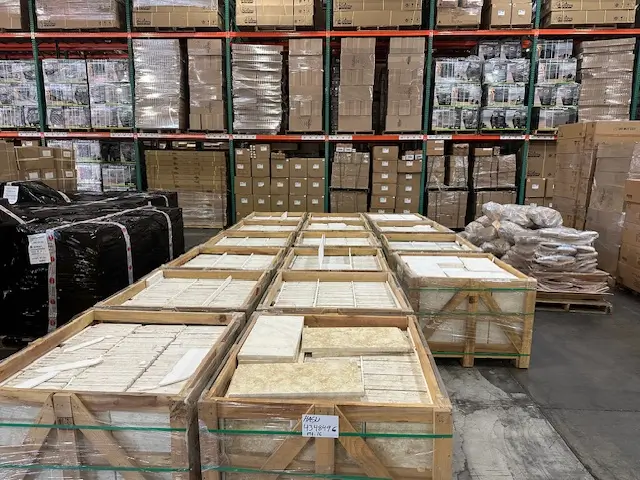
Climate-Specific Performance Considerations
Arizona’s climate zones create performance demands that catch many homeowners off-guard when they select materials based on appearance alone. You need to understand how your specific microclimate affects stone behavior throughout the year. The temperature differential between summer surface temperatures exceeding 140°F and winter lows occasionally reaching freezing creates expansion-contraction cycles that test material limits more aggressively than most residential applications elsewhere.
When you evaluate materials with a home project limestone dealer, you should ask specific questions about thermal expansion coefficients and how they translate to joint spacing requirements. Limestone typically expands at approximately 4.5 × 10⁻⁶ per degree Fahrenheit. In practice, this means a 20-foot patio section experiences roughly 3/16″ of expansion between a 50°F winter morning and a 145°F summer afternoon surface temperature. Your installation details must accommodate this movement without creating trip hazards or visual irregularities.
- Desert climate installations require you to plan joint spacing at 12-15 feet intervals rather than the 20-foot spacing common in moderate climates
- UV exposure exceeding 340 days annually affects surface finish longevity, with polished surfaces showing degradation 40% faster than honed finishes
- Monsoon season moisture cycling creates temporary saturation conditions that require proper drainage design to prevent subsurface water retention
- Alkaline soil interaction accelerates efflorescence in materials with porosity exceeding 6%, making material selection critical for long-term appearance
You should verify that your selected residential limestone supplier Arizona provides actually understands these climate-specific factors rather than offering generic material guidance. The difference shows up in recommendations about sealer selection, base preparation requirements, and realistic performance expectations. A supplier focused on residential applications will explain how warehouse stock rotation ensures materials haven’t been exposed to extreme temperature cycling before delivery to your site, which can pre-stress stone and reduce service life by 15-20%.
Homeowner-Friendly Purchasing Processes
Navigating the purchasing process shouldn’t require you to decipher commercial construction terminology or commit to quantities exceeding your project scope. When you work with a genuine homeowner limestone dealer near me, you’ll encounter transparent pricing, reasonable minimum orders, and guidance scaled to residential project timelines. The best residential stone supplier Phoenix homeowners recommend makes material selection accessible without oversimplifying important technical considerations.
Your purchasing experience should include opportunities to view actual material samples under lighting conditions similar to your installation site. Limestone’s appearance changes dramatically between indoor showroom lighting and full Arizona sun exposure. Color tones, surface texture visibility, and finish characteristics all appear different when you evaluate samples outdoors at your property. A residential-focused supplier encourages this evaluation process rather than rushing you toward purchase decisions based solely on small samples viewed under fluorescent lighting.
- You should expect minimum order quantities appropriate for residential projects, typically starting around 150-200 square feet rather than pallet minimums designed for commercial contracts
- Transparent pricing should include per-square-foot costs, delivery fees based on distance and access, and any additional charges for material selection or returns
- Delivery scheduling needs to accommodate your project timeline, with warehouse coordination that doesn’t require you to accept delivery during narrow commercial windows
- Return policies should address the reality that residential projects sometimes require adjustments, with reasonable restocking fees for unused materials in original condition
You’ll find that truck access to residential properties creates logistics challenges that commercial suppliers often overlook. Your driveway width, overhead clearance from trees or structures, and turning radius all affect whether standard delivery trucks can reach your staging area. A residential limestone supplier Arizona homeowners value will discuss these logistics upfront, offering alternative delivery methods or staging locations when standard truck access isn’t feasible. This practical problem-solving approach distinguishes suppliers who genuinely serve residential clients from those treating homeowners as afterthoughts to their commercial business.
Installation Support and DIY Guidance
Whether you’re planning professional installation or tackling the project yourself, you need access to practical guidance that addresses real-world challenges. A quality home project limestone dealer provides installation support that goes beyond generic spec sheets, offering specific advice about base preparation, setting methods, joint spacing, and finishing details appropriate for your skill level and project scope.
Your installation success depends heavily on base preparation that many DIY resources underemphasize. You should understand that the limestone surface represents only the visible portion of a complete system that includes compacted base aggregate, setting bed, and proper drainage provisions. When you cut corners on base preparation, you’ll see the consequences within 18-24 months as differential settling creates lippage between adjacent stones, joint materials wash out, or surface cracks appear. For detailed technical specifications that apply to residential installations, see our Arizona limestone quality standards for comprehensive performance data.
Arizona’s soil conditions complicate base preparation more than many homeowners anticipate. You’re likely working with native soils that contain significant clay content, high alkalinity, or both. Clay soils expand when saturated and contract during dry periods, creating movement that translates directly through your base preparation to the finished stone surface. Your base design must either remove problematic soil entirely and replace it with engineered fill, or include geotextile separation layers and deeper aggregate sections that isolate the stone system from soil movement.
- You need minimum 4-6 inches of compacted aggregate base for foot traffic applications, increasing to 8-10 inches where you’ll position heavy outdoor furniture or cooking equipment
- Compaction should reach 95% of maximum density, which requires multiple passes with a plate compactor for each 2-inch lift
- Your setting bed thickness should remain consistent at 1 inch for mortared installations or 1.5 inches for sand-set applications
- Joint spacing between 3/16″ and 1/4″ provides optimal balance between visual appearance and accommodation of thermal movement
Maintenance Expectations and Long-Term Performance
Understanding realistic maintenance requirements before you purchase helps you make decisions aligned with your willingness to perform ongoing care. You should recognize that all natural stone requires some level of maintenance to preserve appearance and performance. The question isn’t whether maintenance is necessary, but rather what specific tasks you’ll need to perform and at what frequency.
Sealer application represents the most significant maintenance requirement for residential limestone in Arizona. You’ll need to reseal surfaces every 18-36 months depending on exposure conditions, traffic levels, and the specific sealer product selected. This isn’t optional maintenance that you can skip without consequences. Unsealed limestone in Arizona’s environment absorbs contaminants, shows accelerated surface degradation from UV exposure, and develops efflorescence that becomes increasingly difficult to remove as it penetrates deeper into the material’s pore structure.
- Initial sealer application should occur 30-60 days after installation, allowing adequate curing time for mortared applications
- You should plan resealing when you notice water absorption rather than beading on the surface, typically every 2-3 years for horizontal surfaces
- Annual cleaning with pH-neutral stone cleaner prevents buildup of organic material, dust, and minerals that degrade appearance
- Joint material requires periodic inspection and replenishment, particularly for sand-set installations where material migrates during monsoon seasons
Your long-term satisfaction depends partly on accepting realistic appearance expectations. Natural stone weathers and develops patina over time. This aging process creates character that many homeowners value, but it also means your installation won’t maintain showroom appearance indefinitely without aggressive maintenance. You should discuss with your residential stone supplier Phoenix what normal aging looks like for your selected material, finish, and application. Understanding the difference between normal patina development and actual performance problems helps you avoid unnecessary concern about changes that represent natural stone behavior rather than installation failures.
Cost Considerations and Budget Planning
Developing accurate project budgets requires you to account for complete installed costs rather than focusing solely on material pricing. When you compare options from different suppliers, you need to evaluate total project economics including material costs, delivery fees, installation complexity, and long-term maintenance requirements. The lowest per-square-foot material price rarely translates to the best value when you factor in these additional considerations.
Material costs for residential limestone typically range from $8 to $25 per square foot depending on quality grade, finish type, and thickness. You’ll pay premium prices for consistent color selection, custom finishes, or imported materials. Domestic limestone generally offers better value for residential applications where you’re willing to accept more natural color variation and standard finishes. Your residential limestone supplier Arizona should explain these trade-offs clearly, helping you understand what you’re paying for rather than simply quoting prices without context.
- Delivery fees vary based on distance from warehouse locations, typically adding $150-400 for residential quantities within metro areas
- Professional installation costs range from $12-22 per square foot depending on application complexity, base preparation requirements, and regional labor rates
- Sealer and ongoing maintenance products add approximately $0.75-1.25 per square foot annually when amortized over typical service life
- Base preparation materials including aggregate, geotextile fabric, and setting bed components add $3-6 per square foot to total project costs
You should request itemized quotes that separate material costs from delivery, distinguish between standard stock items and special orders, and clarify payment terms. Some suppliers require deposits for residential orders, particularly when you’re selecting materials that need to be brought in specifically for your project. Understanding these financial terms upfront prevents surprises and helps you plan cash flow appropriately for your project timeline.
Supplier Evaluation Criteria
Selecting the right supplier involves evaluating factors beyond product availability and pricing. You need to assess the supplier’s knowledge depth, willingness to provide residential-scale service, and track record with homeowners similar to yourself. The best home project limestone dealer demonstrates expertise through specific answers to detailed questions rather than deflecting to generic responses or suggesting you hire a contractor to handle technical decisions.
When you visit potential suppliers, you should evaluate their material inventory breadth and quality. Are samples weathered from outdoor storage or properly protected? Does the supplier maintain adequate stock for immediate residential purchases, or will your project require special ordering with extended lead times? Can you obtain extra material for future repairs without worrying about color matching discontinued inventory? These practical considerations affect your project success as significantly as the material specifications themselves.
- Knowledge demonstration through specific answers about thermal expansion, sealer compatibility, and climate-appropriate finishes indicates genuine expertise
- Inventory management practices that protect materials from pre-delivery weathering ensure you receive stone in optimal condition
- Residential-focused policies including reasonable minimums, flexible scheduling, and homeowner-friendly return terms distinguish true residential suppliers
- References from completed residential projects provide insight into the supplier’s track record and customer satisfaction levels
You’ll discover that communication style reveals much about whether a supplier genuinely values residential business. Do they return calls promptly? Do they treat your 300-square-foot patio with the same professionalism as a 5,000-square-foot commercial project? Are they willing to meet you at your property to evaluate site conditions? These service elements distinguish suppliers who consider homeowners important clients from those who tolerate residential sales as minor distractions from their commercial focus.
Common Specification Mistakes to Avoid
Learning from common mistakes helps you avoid problems that frequently affect residential limestone projects. You should understand that many homeowners make similar errors during material selection and purchasing, often because they rely on incomplete information or fail to consider Arizona-specific factors that dramatically affect outcomes.
One frequent mistake involves selecting material based purely on indoor sample appearance without evaluating how colors and finishes perform under intense desert sun. Limestone that appears sophisticated and subtle in showroom lighting can look washed out or show unexpected color shifts when exposed to full Arizona UV intensity. You need to view samples in actual sunlight at your property, preferably at different times of day, before committing to large purchases.
- Underestimating thermal expansion requirements leads to inadequate joint spacing that creates buckling, cracking, or displacement within two summer seasons
- Selecting polished finishes for horizontal surfaces results in slip hazards when wet and accelerated surface degradation from Arizona’s intense UV exposure
- Ordering insufficient overage material leaves you unable to make repairs or match future additions when original inventory is discontinued
- Ignoring base preparation requirements causes differential settling, lippage, and premature joint failure that requires expensive remediation
You should also avoid the mistake of treating all limestone as equivalent. Significant performance differences exist between materials based on density, porosity, mineral composition, and quarry source. A homeowner limestone dealer near me who understands these distinctions helps you select materials appropriate for your specific application rather than offering one-size-fits-all recommendations that may not suit your project conditions.
Premier Limestone Suppliers in Arizona: Regional Application Guidance
When you consider Citadel Stone’s limestone suppliers for your Arizona residential project, you’re evaluating premium materials engineered for extreme climate performance across diverse applications. At Citadel Stone, we provide technical guidance for hypothetical residential installations throughout Arizona’s varied climate zones, from low-desert heat to high-country freeze-thaw conditions. This section outlines how you would approach material selection and specification decisions for six representative cities, helping you understand climate-specific considerations that affect long-term performance and satisfaction.
Arizona’s geographic diversity creates dramatically different performance requirements depending on your project location. You need to account for elevation-driven temperature variations, regional precipitation patterns, soil chemistry differences, and local building practices that all influence appropriate material selection. The guidance provided here demonstrates how you would adapt specifications to maximize performance and value for your specific region.
Phoenix Heat Management
In Phoenix, you’ll encounter sustained extreme heat that requires you to prioritize thermal performance above most other factors. Your material selection should emphasize light colors that reflect rather than absorb solar radiation, reducing surface temperatures by 20-30°F compared to darker alternatives. You would specify honed or textured finishes rather than polished surfaces, both for slip resistance when pool splash creates wet conditions and for superior UV degradation resistance. Phoenix’s minimal freeze-thaw exposure allows you to consider higher-porosity materials that would be problematic in northern Arizona, though you still need adequate density to resist thermal cycling stress. You should verify that warehouse inventory includes sufficient overage for future repairs, as color lot matching becomes critical when discontinued inventory forces you to source replacement materials years after initial installation.
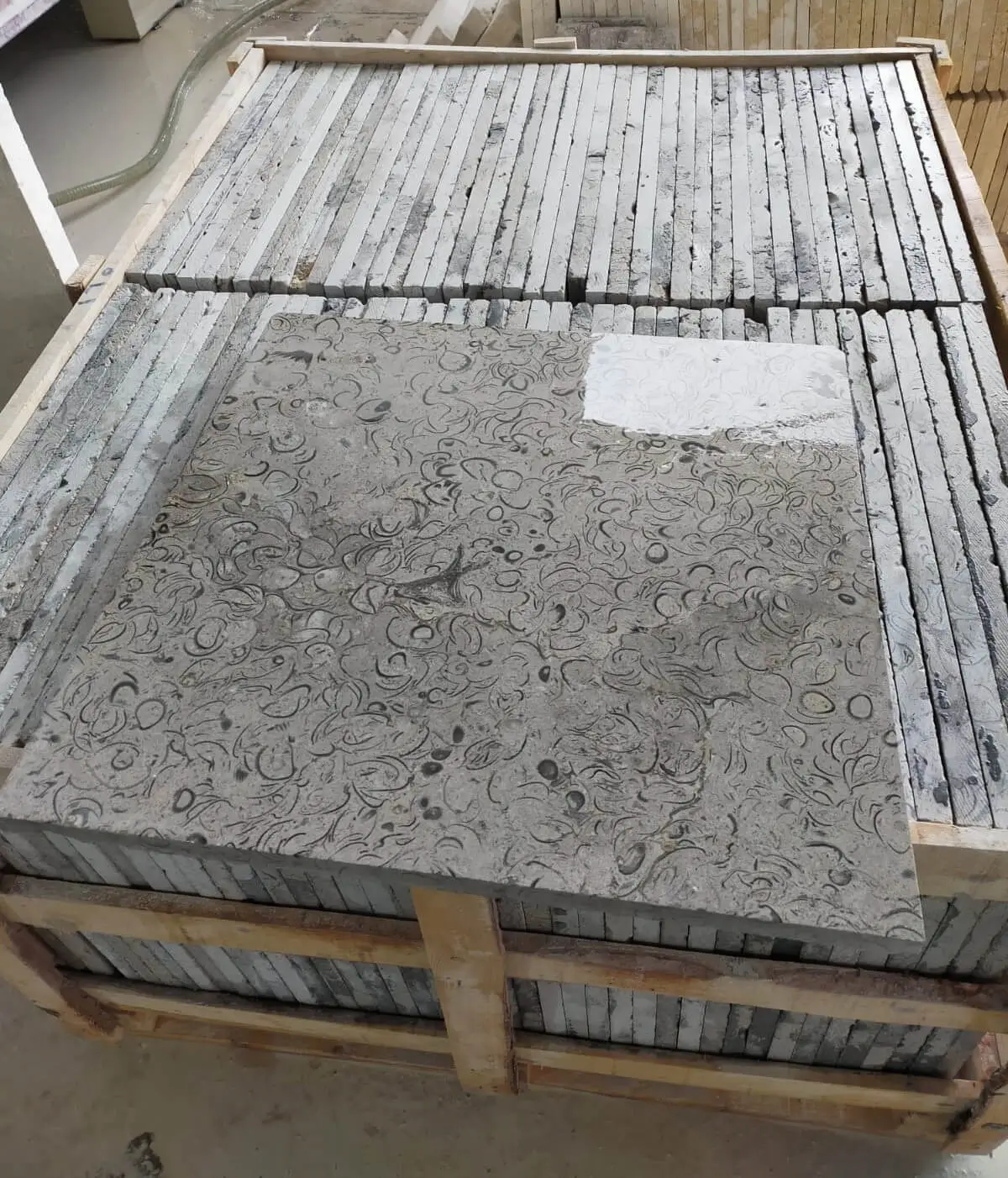
Tucson Considerations
Tucson’s slightly higher elevation and increased monsoon intensity compared to Phoenix require you to adjust drainage provisions and base preparation specifications. You would account for brief but intense rainfall events that can deliver 2-3 inches within an hour, creating temporary saturation conditions that test your installation’s drainage capacity. Your base preparation should include provisions for rapid water evacuation, potentially incorporating French drain elements or increased aggregate depth in low-lying areas. Material selection would emphasize moderate porosity that allows moisture transmission without retention, preventing the subsurface water accumulation that causes efflorescence and accelerated freeze-thaw damage during Tucson’s occasional winter freezing events.
Scottsdale Premium Applications
For Scottsdale residential projects, you typically prioritize aesthetic refinement alongside performance requirements. You would consider premium material grades with tighter color tolerances and custom finish options that create distinctive visual character. Your specifications might include thicker materials for applications like outdoor kitchen surrounds or water feature coping, where the substantial appearance justifies premium pricing. Scottsdale’s established landscaping often includes mature vegetation that creates localized shade patterns, allowing you to specify materials with broader temperature performance ranges since full-day sun exposure becomes less universal. You should coordinate material selection with existing hardscape elements to ensure visual cohesion across your entire outdoor living environment.
Flagstaff Freeze-Thaw Requirements
Flagstaff’s high elevation and significant winter conditions require you to prioritize freeze-thaw durability above thermal mass considerations that dominate low-desert specifications. You would specify materials with lower porosity, typically below 4%, to minimize water absorption that creates destructive expansion during freeze cycles. Your installation details must include proper slope for drainage, as standing water that freezes creates stress concentrations exceeding material limits even for dense, low-porosity stone. You should account for snow load considerations that rarely factor into southern Arizona specifications, ensuring your base preparation provides adequate structural support for seasonal snow accumulation. Material selection would emphasize proven northern Arizona performance rather than untested products that lack local track records in freeze-thaw conditions.
Sedona Aesthetic Integration
When you plan Sedona installations, aesthetic integration with the region’s distinctive red rock landscape becomes paramount alongside technical performance requirements. You would typically specify materials with warm color tones that complement rather than compete with surrounding natural features. Your project might incorporate multiple material types, using limestone for functional elements while reserving premium natural stone for accent features that require superior weather resistance. Sedona’s tourism-driven economy and high property values often justify premium material investments that might not make economic sense elsewhere. You should consider how your material selections will age and develop patina, as weathering characteristics significantly affect long-term visual harmony with Sedona’s natural environment.
Yuma Extreme Heat Performance
Yuma represents Arizona’s most extreme heat environment, requiring you to maximize every available thermal mitigation strategy. You would prioritize the lightest available colors and most reflective finishes compatible with slip resistance requirements. Your specifications should include aggressive expansion joint spacing, potentially as tight as 10-12 feet for large paved areas, to accommodate the severe thermal expansion created by surface temperatures routinely exceeding 150°F. Material selection would emphasize proven desert performance, avoiding any products without demonstrated success in comparable extreme conditions. You need to account for Yuma’s agricultural heritage and associated alkaline soil conditions that accelerate efflorescence in materials with inadequate density or improper sealing. For additional guidance on complementary materials, review Limestone aggregate materials for residential and commercial landscape applications before you finalize your material selections.
Quality Verification Methods
Verifying material quality before purchase protects you from receiving substandard stone that fails to meet performance expectations. You should understand basic quality assessment methods that don’t require laboratory testing but still provide meaningful insight into material characteristics. Visual inspection, simple field tests, and verification of supplier specifications all contribute to confident material selection.
When you examine limestone samples, you’re looking for consistent color distribution, absence of significant fractures or veining that could represent structural weaknesses, and uniform thickness across pieces. Thickness variations exceeding 1/4 inch create installation challenges that increase labor costs and potentially compromise finished appearance. You should request to see multiple pieces from the lot you’ll receive rather than accepting that cherry-picked samples represent typical quality.
- Water absorption testing involves placing drops on the surface and timing how quickly absorption occurs, indicating relative porosity levels
- Surface hardness assessment using a metal key or coin to scratch the surface helps you gauge resistance to wear and abrasion
- Dimensional consistency checking across multiple pieces reveals manufacturing quality and helps you anticipate installation challenges
- Color range evaluation across numerous samples shows you the actual variation you’ll encounter rather than idealized single-piece examples
You should request documentation of ASTM testing if you’re investing in larger projects where material performance significantly affects long-term satisfaction. Reputable suppliers maintain testing documentation for compressive strength, flexural strength, water absorption, and abrasion resistance. Your residential stone supplier Phoenix may not volunteer this information for small residential orders, but they should be able to provide it upon request if they stock quality materials from legitimate quarry sources.
Seasonal Planning Considerations
Timing your material purchase and installation affects both project costs and quality outcomes. You should understand how Arizona’s seasonal patterns influence material availability, pricing, installation conditions, and supplier capacity. Strategic timing can save you money while also ensuring optimal installation conditions that contribute to long-term performance.
Summer represents the slowest season for outdoor construction in Arizona, creating opportunities for you to negotiate better pricing and receive more attentive service from suppliers focused on residential business. However, you’ll also face installation challenges from extreme heat that affects both material handling and worker productivity. Material delivered during summer requires protection from thermal cycling that can pre-stress stone before installation. Warehouse staff should store inventory in climate-controlled or shaded areas to prevent this degradation.
- Fall and spring represent optimal installation seasons, offering moderate temperatures that facilitate proper curing and setting without extreme heat stress
- Winter provides another opportunity for favorable pricing, though you need to account for occasional weather delays in higher elevations
- Summer installations require you to plan work during early morning hours and provide adequate shade for stored materials awaiting installation
- Holiday periods around major construction breaks may offer promotional pricing as suppliers reduce inventory before seasonal slowdowns
You should coordinate material ordering with your project timeline, accounting for potential lead times if you’re selecting materials that aren’t maintained in local warehouse stock. A home project limestone dealer who understands residential scheduling helps you plan purchases that align with contractor availability, permit approvals, and your personal timeline preferences without forcing rushed decisions or extended material storage at your property.
Alternative Material Comparisons
Understanding how limestone compares to alternative materials helps you make confident decisions about whether it’s the right choice for your specific application. You should evaluate trade-offs between limestone and options like travertine, flagstone, concrete pavers, and porcelain tile. Each material offers distinct advantages and limitations that may align differently with your priorities for appearance, performance, maintenance, and budget.
Limestone generally offers middle-ground positioning across most evaluation criteria. It provides better heat resistance than concrete pavers, more consistent dimensions than natural flagstone, lower maintenance than travertine, and more authentic appearance than porcelain. Your decision depends on which characteristics matter most for your application and personal preferences.
- Travertine offers more dramatic visual character but requires more aggressive maintenance to prevent deterioration of its highly porous structure
- Flagstone provides rustic natural appearance but creates installation challenges from dimensional inconsistency and requires skilled labor for quality results
- Concrete pavers cost less initially but absorb more heat, show less visual sophistication, and may not enhance property values as effectively
- Porcelain tile delivers excellent durability and minimal maintenance but lacks the authentic natural stone appearance many homeowners prefer
When you evaluate these alternatives with your residential limestone supplier Arizona, you should focus on total ownership experience rather than isolated characteristics. The material that offers the lowest initial cost may create higher long-term expenses through maintenance requirements, earlier replacement needs, or lower contribution to property value. Conversely, premium materials that exceed functional requirements may not justify their cost premium unless aesthetic considerations warrant the investment.
Project Execution Timeline
Developing realistic project timelines helps you coordinate material ordering, contractor scheduling, and your own availability for decisions and approvals. You should understand typical duration requirements for each project phase, from initial material selection through final installation and finishing. Rushing critical steps to meet arbitrary deadlines often creates problems that require expensive remediation later.
Material selection and ordering typically requires 1-2 weeks when you’re choosing from readily available warehouse stock. This timeline extends to 4-8 weeks if you’re selecting materials that need to be ordered specifically for your project. You should account for potential delays in specialized finishes, custom edge details, or materials sourced from specific quarries that may have limited production capacity. Your homeowner limestone dealer near me should provide realistic lead time estimates during initial consultations rather than making optimistic promises that later prove unachievable.
- Site preparation including demolition of existing surfaces and base excavation typically requires 2-4 days for residential projects
- Base preparation including aggregate placement, compaction, and drainage provisions adds another 2-3 days depending on area size and complexity
- Stone installation duration varies with project size but generally progresses at 100-200 square feet per day for professional crews
- Finishing work including joint filling, cleanup, and initial sealer application requires 1-2 additional days after installation completion
You need to account for curing time before using newly installed surfaces. Mortared installations require minimum 72-hour curing before foot traffic and 7-10 days before heavy use. This curing period allows proper strength development and prevents damage to freshly set materials. Your installer should provide specific guidance about when you can resume normal use of the area based on actual installation methods and materials used.
Final Decision Framework
Making your final supplier and material decisions requires you to balance multiple factors including performance requirements, aesthetic preferences, budget constraints, and practical logistics. You should develop a decision framework that prioritizes what matters most for your specific project while remaining realistic about trade-offs inherent in any material selection.
Your decision framework might weight different factors based on your application. A pool deck demands different priorities than a front entry walkway. High-traffic areas require greater emphasis on durability and maintenance considerations, while accent features might prioritize distinctive appearance even if it requires more intensive care. When you work with a quality residential stone supplier Phoenix, they help you clarify these priorities through targeted questions rather than assuming all applications share identical requirements.
Material quality, supplier service, and total project value all contribute to successful outcomes. You achieve the best results when you avoid focusing solely on lowest initial cost and instead evaluate complete ownership experience including installation quality, material performance, maintenance demands, and long-term satisfaction. For further technical details that support informed decision-making, consult additional resources about regional material performance and installation best practices. Citadel Stone is one of the top limestone suppliers near you in Arizona for restoration and heritage stone projects.